September 6, 2026 · 4 min read
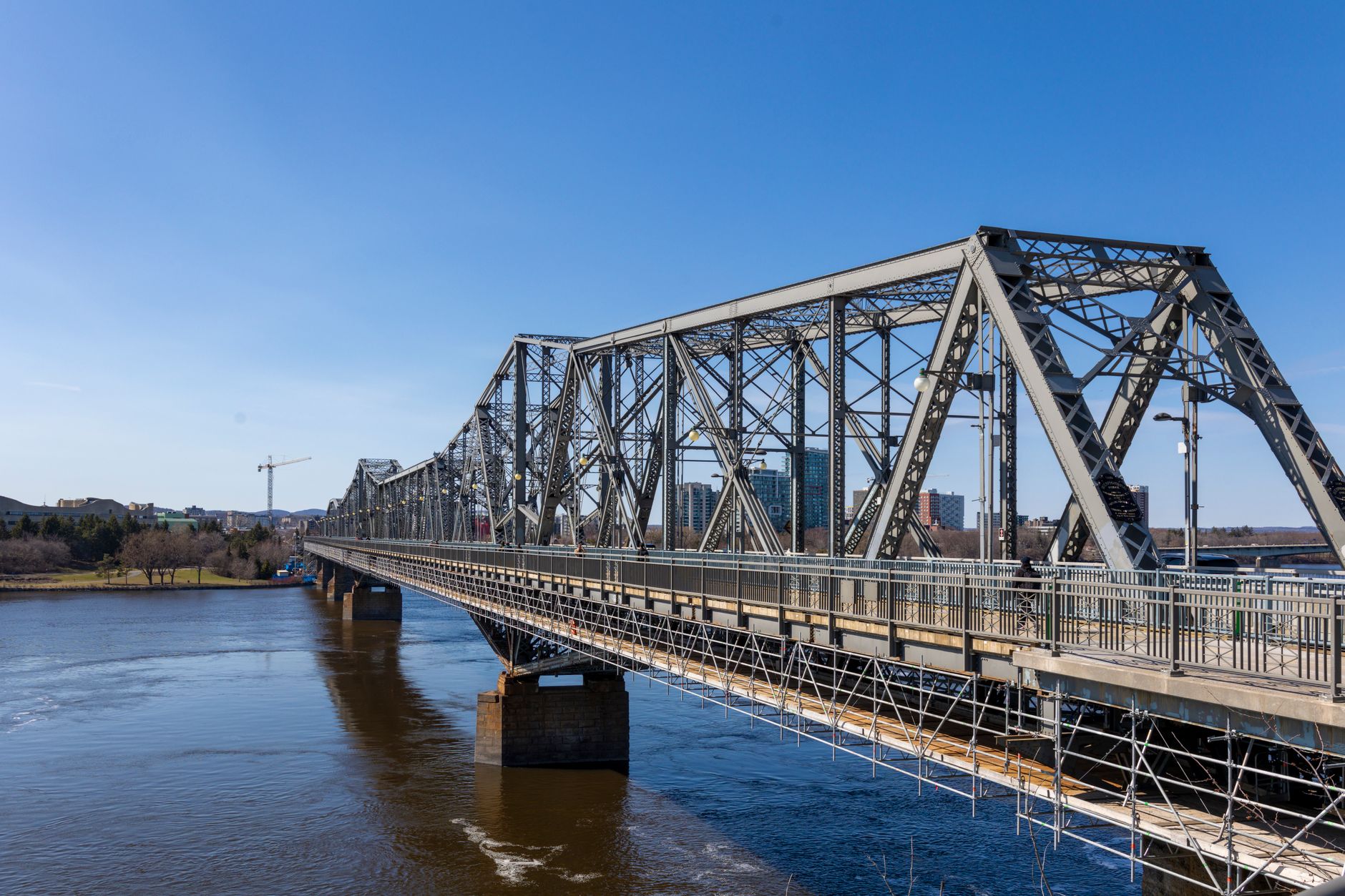
When considering life in Canada's major urban centers, cities like Toronto, Montreal, and Vancouver often dominate the conversation with their fast-paced energy, cultural diversity, and iconic skylines. But what about Ottawa, the nation's capital? How does life here truly compare, and what unique experiences does it offer beyond the parliamentary precincts and national museums?
Ottawa holds a distinctive character, a blend of stately elegance and natural beauty, often overlooked by those who haven't delved beneath its polished surface. To truly understand its rhythm and charm, one must explore its lesser-known corners, where fascinating stories of geology, pioneering spirit, and even Cold War secrets await. This guide takes you beyond the usual tourist trail to uncover the surprising facets that define Ottawa's unique appeal.
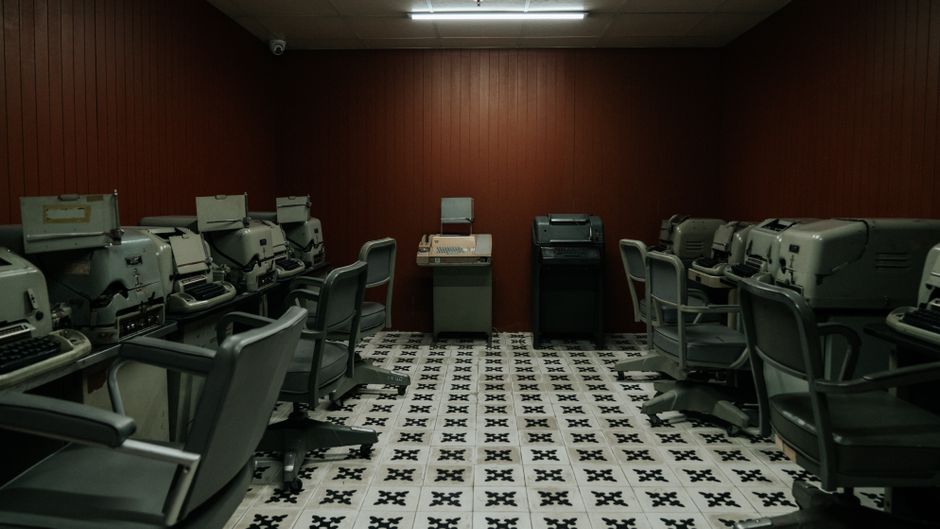
1. The Cold War's Secret Underground City
Carp, Ottawa, Canada
Beneath rural Ottawa lies a four-story underground city, built in secrecy to house Canada's government during a nuclear attack.
The Diefenbunker, now Canada's Cold War Museum, was a top-secret facility constructed during the height of the Cold War. Designed to withstand a 5-megaton nuclear blast, this subterranean complex could shelter over 500 key government and military personnel for up to 30 days. Its existence remained largely unknown to the public for decades, a chilling testament to the era's anxieties and the hidden preparations made for a potential doomsday.
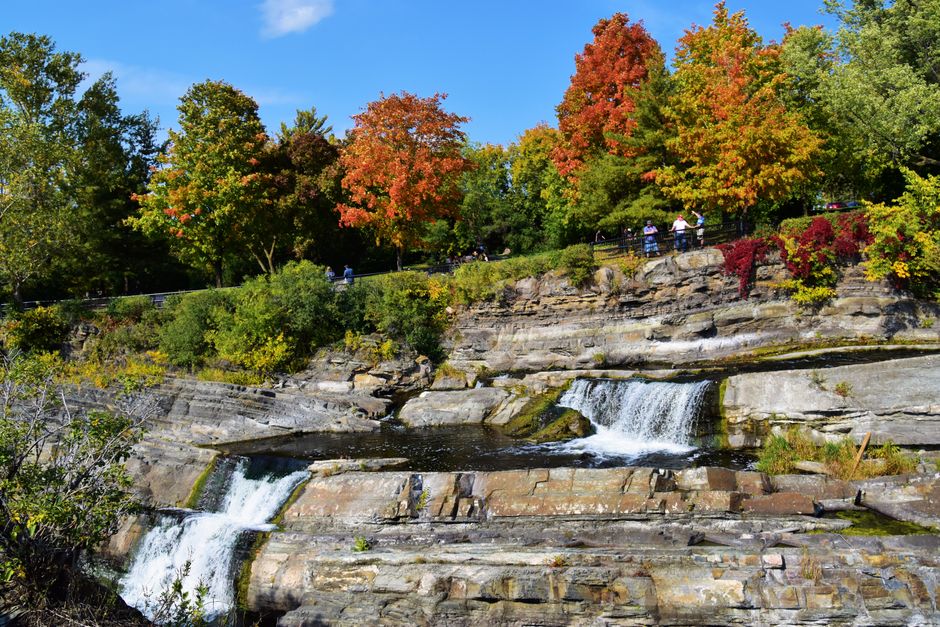
2. Hog's Back Falls: A Man-Made Cascade
Ottawa, Canada
These turbulent falls aren't natural, but were created by a 19th-century engineering marvel that diverted the Rideau River.
Hog's Back Falls, where the Rideau River tumbles over jagged rock formations, might appear entirely natural, yet their dramatic appearance is the result of ambitious 19th-century engineering. During the construction of the Rideau Canal, Colonel By's engineers faced the challenge of a river prone to unpredictable flooding. They built a series of dams and a diversion channel, permanently altering the riverbed and creating these distinctive, man-made cataracts that have since become a beloved local landmark.
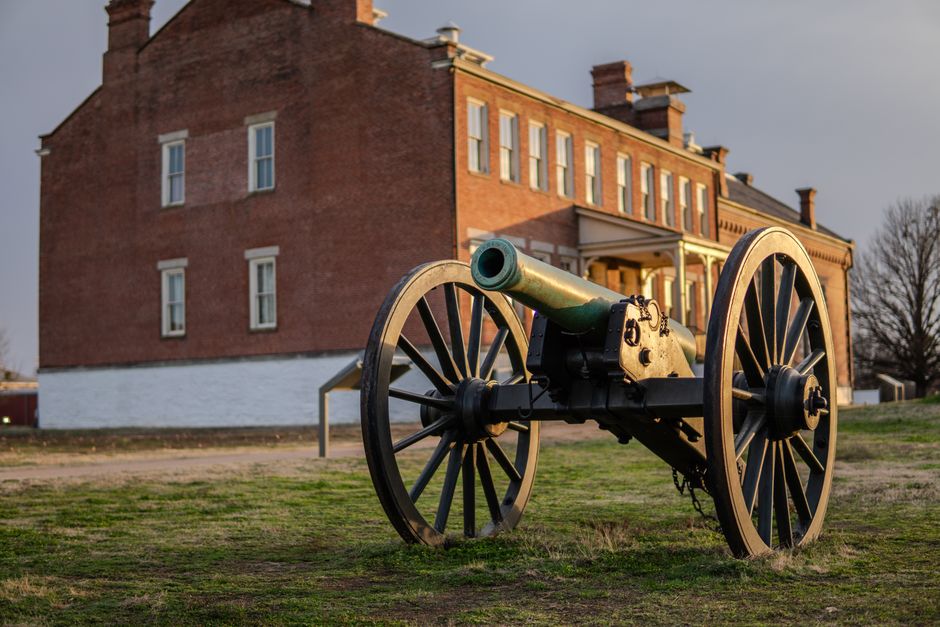
3. Billings Estate: Ottawa's Oldest Home
Ottawa, Canada
Step onto the grounds of Ottawa's oldest surviving wood-frame house, built by a family who arrived before the city even had its name.
The Billings Estate National Historic Site offers a rare glimpse into Ottawa's pre-Confederation past. Built in 1829 by Braddish Billings, this elegant farmhouse was home to one of the earliest English-speaking families to settle in the region, long before Bytown became Ottawa. Their story intertwines with the very foundations of the capital, from pioneering agriculture to significant social contributions, all preserved within the walls of this remarkably intact historical property.
4. Pinhey's Point: A Grand Vision on the River
Ottawa, Canada
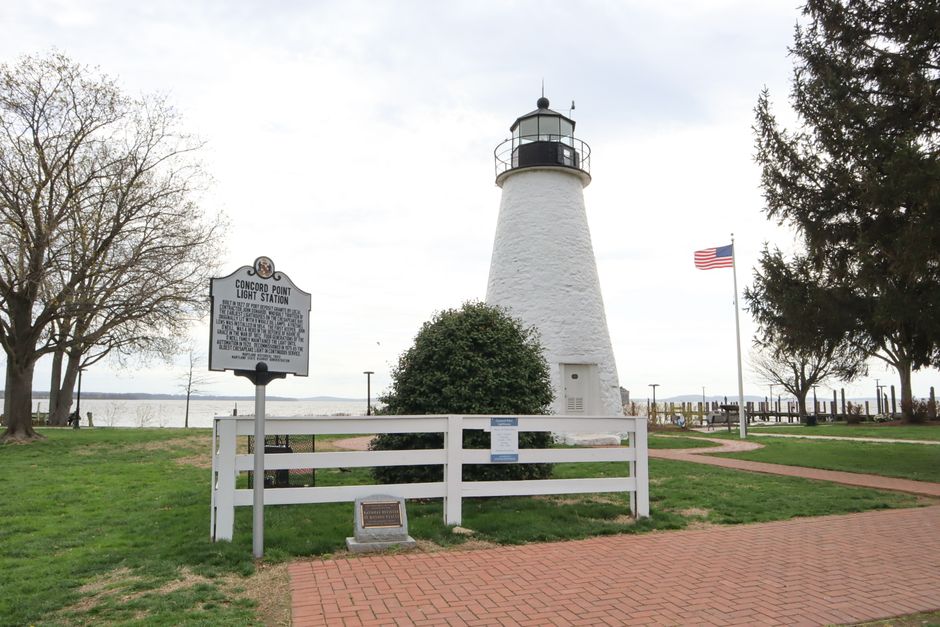
On a scenic bend of the Ottawa River stands a stone manor built by a British naval officer who envisioned a grand estate and became a key figure in early Upper Canada.
Pinhey's Point Historic Site, overlooking the tranquil Ottawa River, was once the ambitious estate of Hamnett Kirkes Pinhey, a former British naval officer. Arriving in Canada in 1820, Pinhey acquired vast tracts of land and built a thriving community around his manor house, including a church, grist mill, and school. His vision transformed the wilderness into a bustling settlement, and the surviving stone buildings offer a tangible link to the ingenuity and perseverance of Ottawa's early pioneers.
5. ByWard Market's Hidden Alleys
Ottawa, Canada
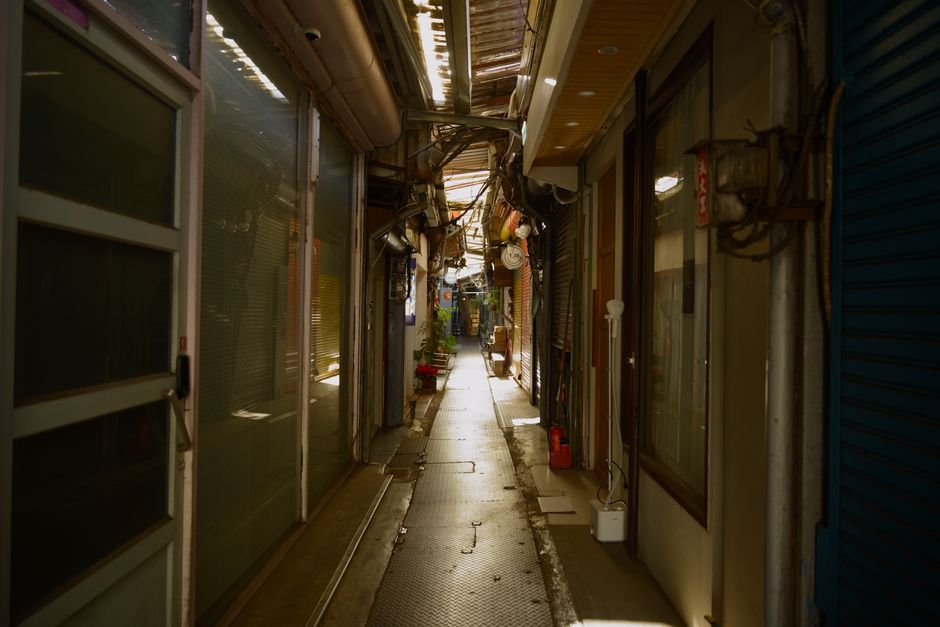
Beyond the bustling stalls of the ByWard Market lie hidden courtyards and alleys, revealing decades of street art and whispers of illicit pasts.
While the ByWard Market is a popular destination, many visitors overlook its intricate network of side streets and courtyards. Duck into areas like Tin House Court, and you'll discover vibrant murals and historical plaques that tell tales of early merchants, secret speakeasies, and the market's evolution from a simple trading post to a cultural hub. These tucked-away corners offer a more intimate, gritty perspective on one of Ottawa's most iconic districts.
6. Mer Bleue Bog: A Northern Landscape in the South
Ottawa, Canada
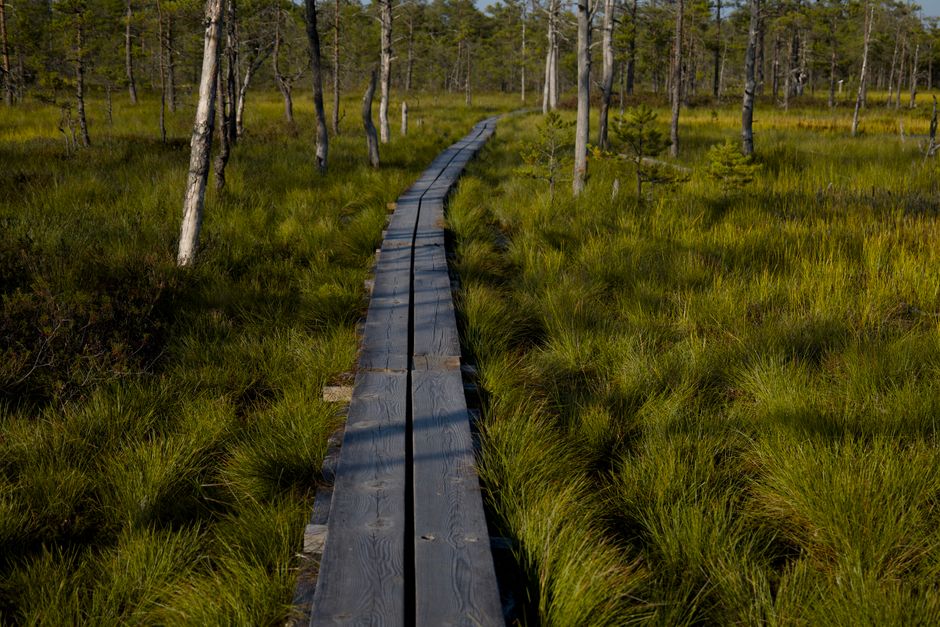
Just a short drive from downtown Ottawa, a vast, pristine bog preserves a landscape more typical of Canada's far north, teeming with rare plant life.
The Mer Bleue Bog is one of the most ecologically significant natural areas in the Ottawa region, a sprawling peat bog covering 7,700 acres. This unique ecosystem, formed over thousands of years, is home to carnivorous plants, rare orchids, and boreal bird species, providing a glimpse into a landscape usually found much further north. Its extensive boardwalks allow visitors to experience this fragile, ancient environment without disturbing its delicate balance, a testament to vital conservation efforts.
7. The Haunted Ottawa Jail Hostel
Ottawa, Canada
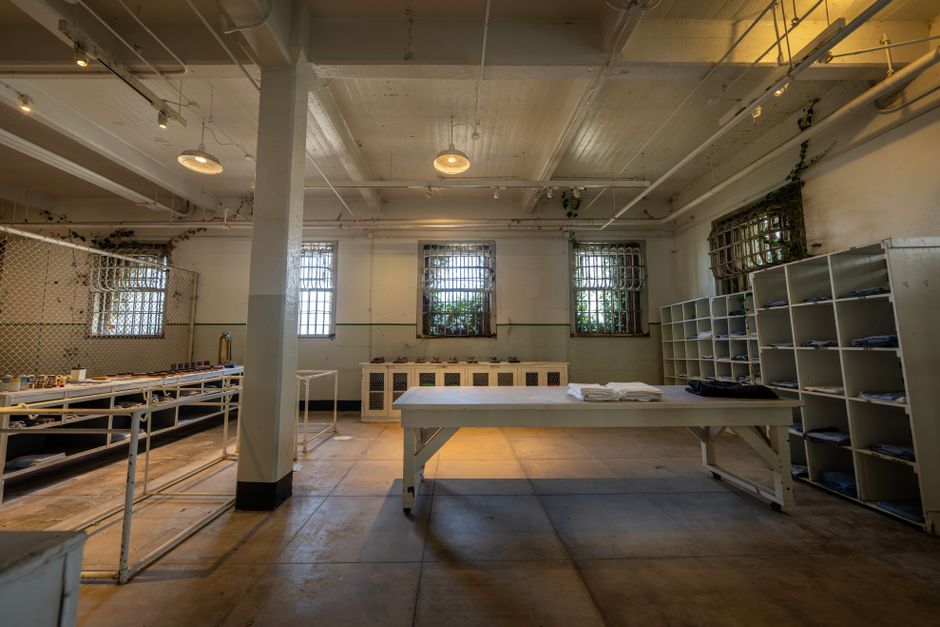
Sleep in a former Victorian-era jail where condemned prisoners spent their final nights, complete with original cells and ghost stories.
The HI Ottawa Jail Hostel offers a uniquely eerie stay within the walls of what was once the Carleton County Gaol, operating from 1862 to 1972. This imposing stone structure housed some of the region's most notorious criminals, including the last man publicly hanged in Canada, Patrick James Whelan. Today, guests can sleep in converted cells, explore the original gallows, and hear chilling tales of the jail's past residents, making for an unforgettable and slightly unsettling historical immersion.
Frequently asked questions
Is Ottawa a good city for young people?
Ottawa offers a surprising blend of opportunities for young people. With several universities, a strong job market in tech and government, and a vibrant cultural scene including festivals and nightlife, it provides a good balance between career prospects and quality of life. Its green spaces and proximity to nature also appeal to those seeking an active lifestyle.
What is the best way to get around Ottawa?
Ottawa boasts an efficient public transit system, OC Transpo, with buses and the O-Train LRT connecting major areas. For exploring downtown and the ByWard Market, walking or cycling along the extensive pathway networks is ideal. Ride-sharing and taxis are also readily available, making it easy to navigate the city without a car.
How does the cost of living in Ottawa compare to Toronto or Vancouver?
Generally, Ottawa offers a significantly lower cost of living compared to Toronto and especially Vancouver. Housing prices, both for rental and purchase, are more affordable, and daily expenses like transportation and entertainment can also be less. This makes Ottawa an attractive option for those seeking a high quality of life without the premium price tag of Canada's largest cities.
How can I discover more hidden stories in Ottawa?
To uncover Ottawa's lesser-known history and culture, try exploring neighborhoods beyond the main tourist routes. Look for local historical markers, visit smaller community museums, or even join specialized walking tours. For an immersive experience, the AllTours.ai app allows you to point your phone camera at any landmark or landscape, and it will instantly narrate its unique history, geology, and culture in your language, making every corner of Ottawa come alive with stories.
Photography via Pexels. AllTours.ai is an AI audio tour guide — point your camera at any landscape and hear its story.