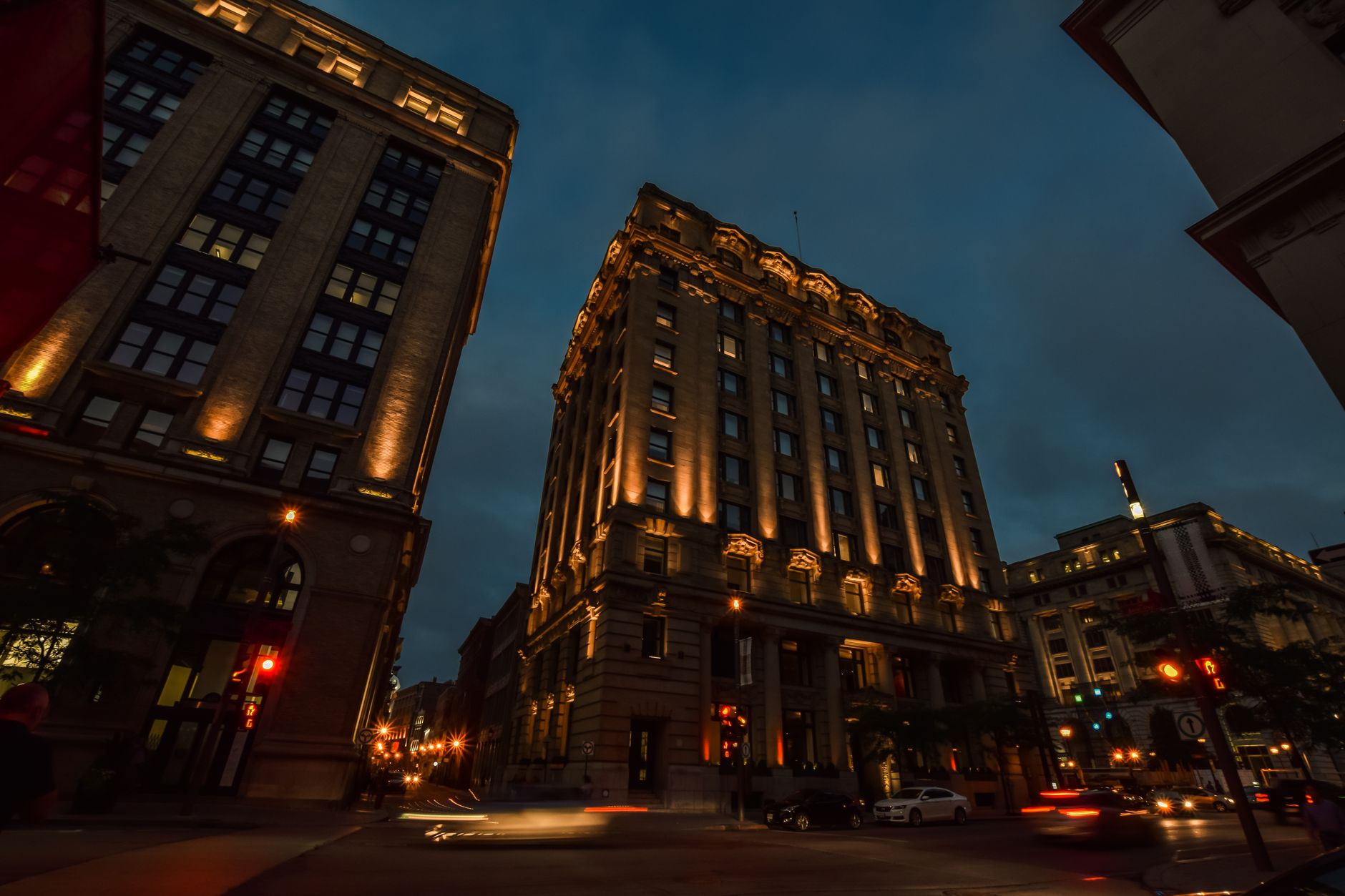
September 11, 2026 · 4 min read
Montréal, a city renowned for its vibrant multiculturalism, boasts a tapestry of communities, each contributing a unique thread to its urban fabric. Among them, the Hungarian community has quietly but steadfastly preserved its distinct identity for over a century, building a rich heritage far from Hungary's borders.
But how does a community maintain its language, traditions, and collective memory within such a diverse metropolis? It's often found not in grand monuments, but in the subtle corners and dedicated institutions that quietly nurture their roots. Let's explore some of Montréal's lesser-known Hungarian enclaves, each with a story that reveals the community's enduring spirit.
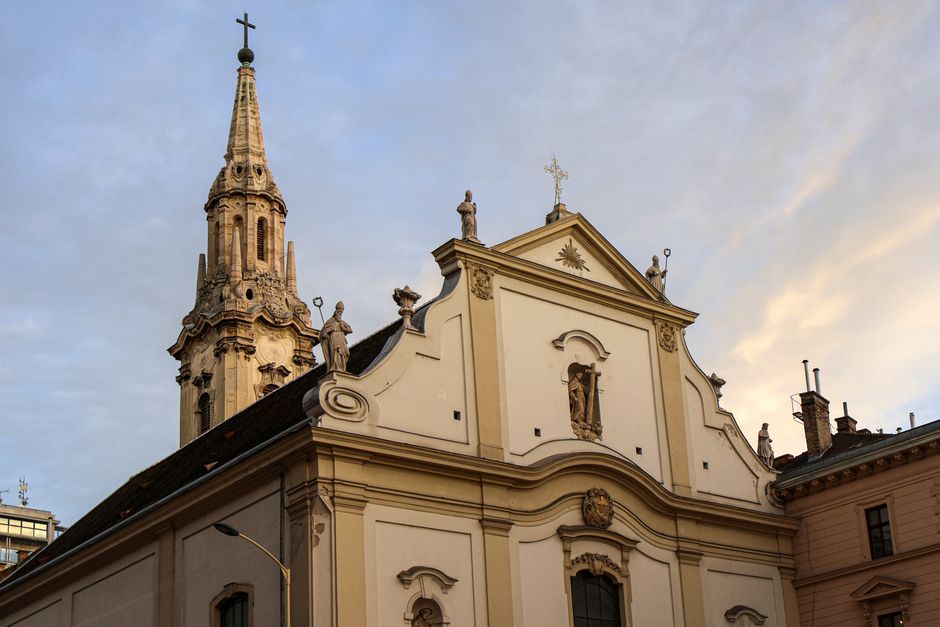
1. A Refuge from Revolution: Hungarian Reformed Church
50, avenue Prince-Arthur Est, Montréal, Canada
This unassuming church on Prince Arthur Street became a crucial shelter and support system for thousands of Hungarian refugees arriving after the 1956 Revolution.
Established in 1904, the Hungarian Reformed Church has been a spiritual and social anchor for generations. During the influx of Hungarian refugees following the 1956 uprising, its doors opened wide, offering not just solace but practical aid, including housing, job placement, and language support, solidifying its role as a bedrock of the community's resilience.
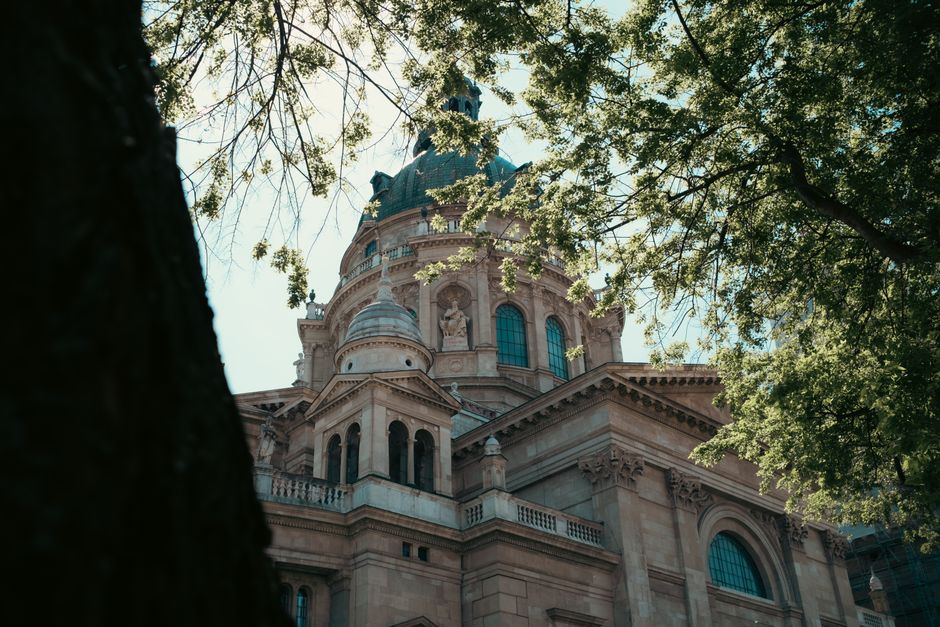
2. The Language Keepers: St. Elizabeth of Hungary Parish
100, rue Ontario Est, Montréal, Canada
Beyond its religious function, this church once housed a vibrant Hungarian-language school, ensuring the next generation could speak their ancestors' tongue.
Founded by Hungarian immigrants in the early 20th century, St. Elizabeth of Hungary Parish served as a spiritual home for Catholic Hungarians. More uniquely, its basement classrooms were once alive with children learning Hungarian, maintaining the language when it was less common in public education. This dedication to linguistic preservation helped prevent the loss of a vital piece of their heritage.
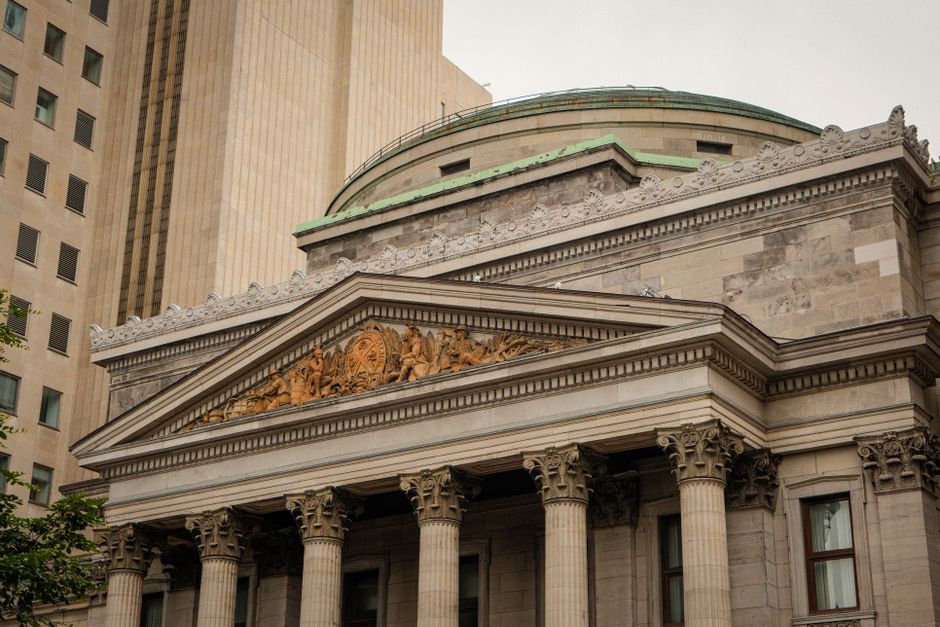
3. The Living Archive: Hungarian Cultural Centre (Magyar Ház)
9010, rue St-Michel, Montréal, Canada
This seemingly ordinary community hall secretly holds a vast library of Hungarian books, newspapers, and historical archives, preserving untold stories of Montréal's diaspora.
The Hungarian Cultural Centre, affectionately known as Magyar Ház, serves as the main cultural hub, hosting everything from folk dance rehearsals to scout meetings and national holiday celebrations. Beyond its busy calendar, it houses an extensive collection of Hungarian literature, historical documents, and community records, acting as a living archive that connects new generations with their roots and the collective memory of the community.
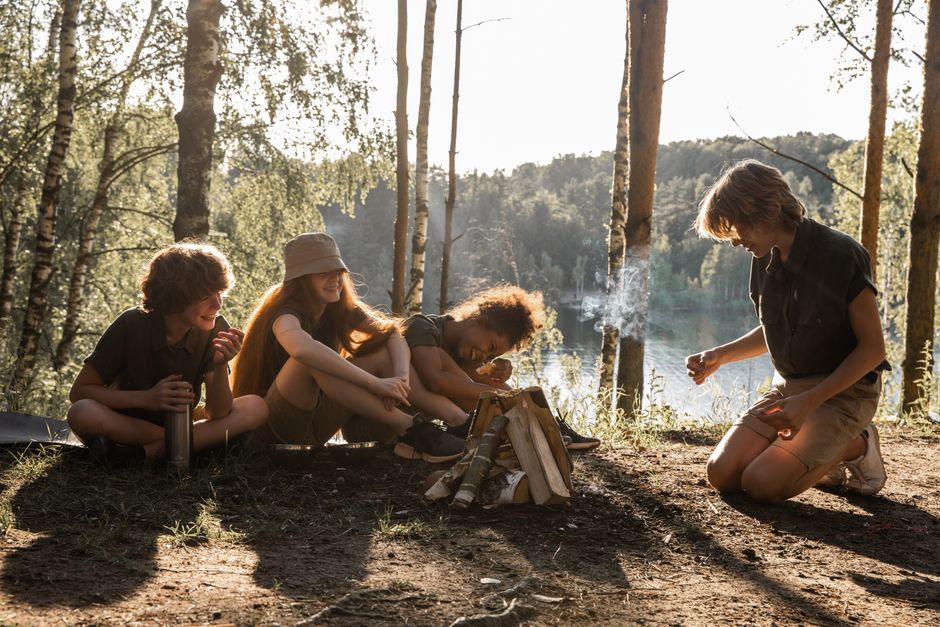
4. Campfire Stories and Traditions: Hungarian Scouts
Various locations, centered at Magyar Ház, Montréal, Canada
Far from just camping, the Hungarian Scout movement in Montréal is a deliberate effort to teach children traditional Hungarian songs, dances, and history, often around a campfire.
While not a physical building, the Montreal Hungarian Scout Troop is a powerful institution for cultural transmission. It actively counters assimilation by immersing young people in Hungarian language, folklore, and values. Through weekly meetings, summer camps, and cultural performances, scouts learn traditional songs, dances, and Hungarian history, ensuring cultural continuity in an engaging environment.
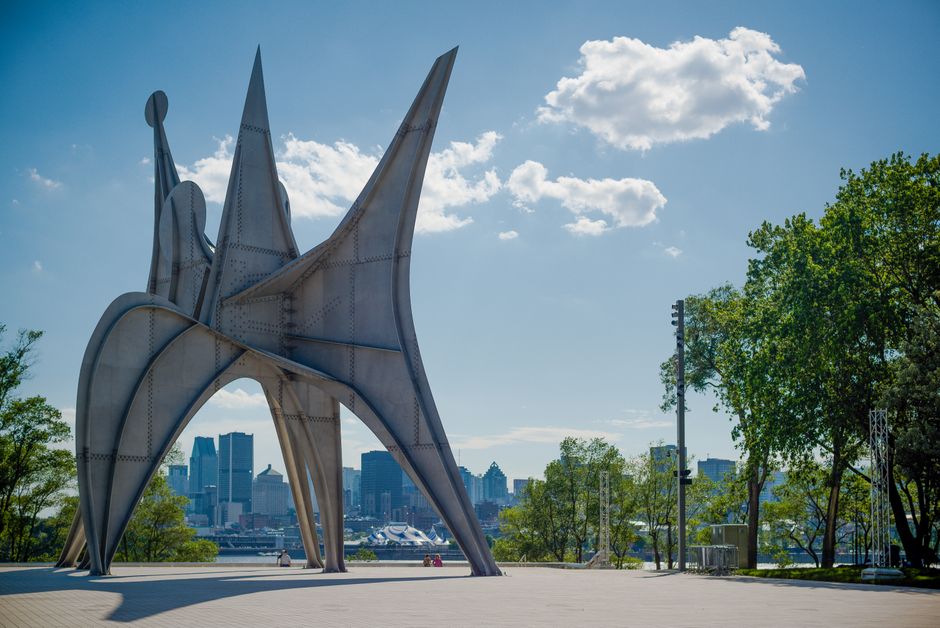
5. A Park of Remembrance: Parc des Hongrois
Parc des Hongrois, Montréal, Canada
This quiet park holds a monument honoring Hungarian soldiers from WWI and WWII, but also subtly commemorates the 1956 Revolution, a pivotal moment for Montréal's Hungarian population.
Parc des Hongrois is a small, significant green space nestled in Montréal. Its central monument pays tribute to Hungarians who fought in world wars, but it also serves as a discreet memorial to the 1956 Hungarian Revolution. This dual commemoration reflects the community's deep sense of history and sacrifice, linking past generations' struggles to the wave of refugees who found a new home in Montréal.
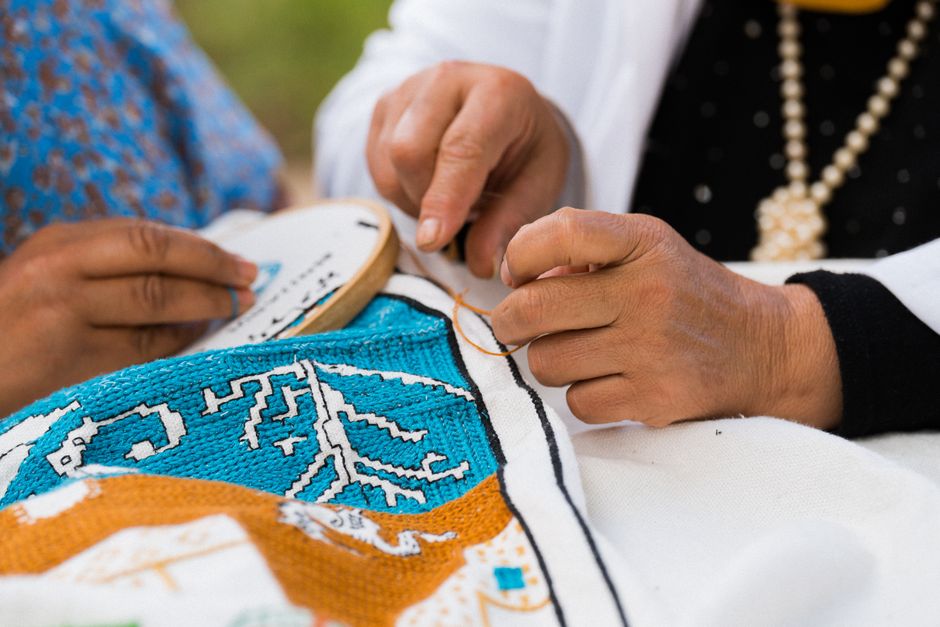
6. Threads of Heritage: Hungarian Folk Art Workshops
Hungarian Cultural Centre (Magyar Ház), Montréal, Canada
Hidden away in community workshops, intricate Hungarian folk embroidery, passed down through generations, continues to be taught and practiced, keeping vibrant textile traditions alive.
While not a permanent storefront, the regular folk art and embroidery workshops held at the Hungarian Cultural Centre are crucial for cultural continuity. Here, older generations patiently teach traditional techniques like Matyó and Kalocsa embroidery to younger members, ensuring that these intricate, colorful textile arts remain a living part of Hungarian identity rather than just museum pieces.
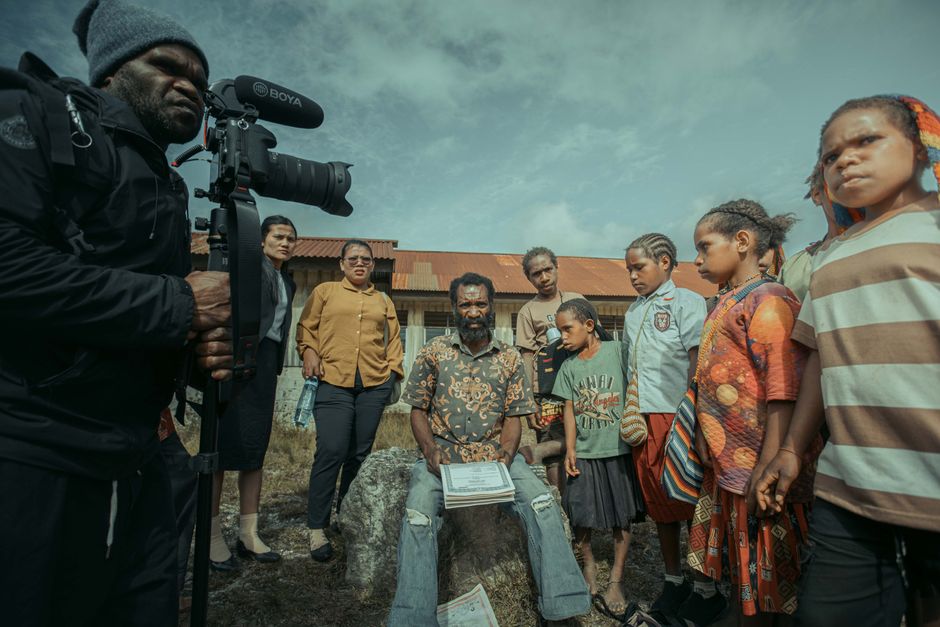
7. Voices of the Past: Hungarian Storytelling Evenings
Various venues, Montréal, Canada (often at Magyar Ház)
Beyond formal gatherings, the Hungarian-Canadian Cultural Association of Montreal (HCCAM) organizes intimate 'Hungarian Storytelling Evenings' where elders share personal tales of immigration and heritage, preserving oral history.
The Hungarian-Canadian Cultural Association of Montreal (HCCAM) acts as an umbrella organization, fostering community bonds through diverse events. One particularly unique aspect is their informal storytelling evenings, where first and second-generation immigrants share personal narratives of arriving in Canada, adapting, and maintaining their identity. These intimate sessions provide an irreplaceable oral history, connecting past experiences with present-day community life.
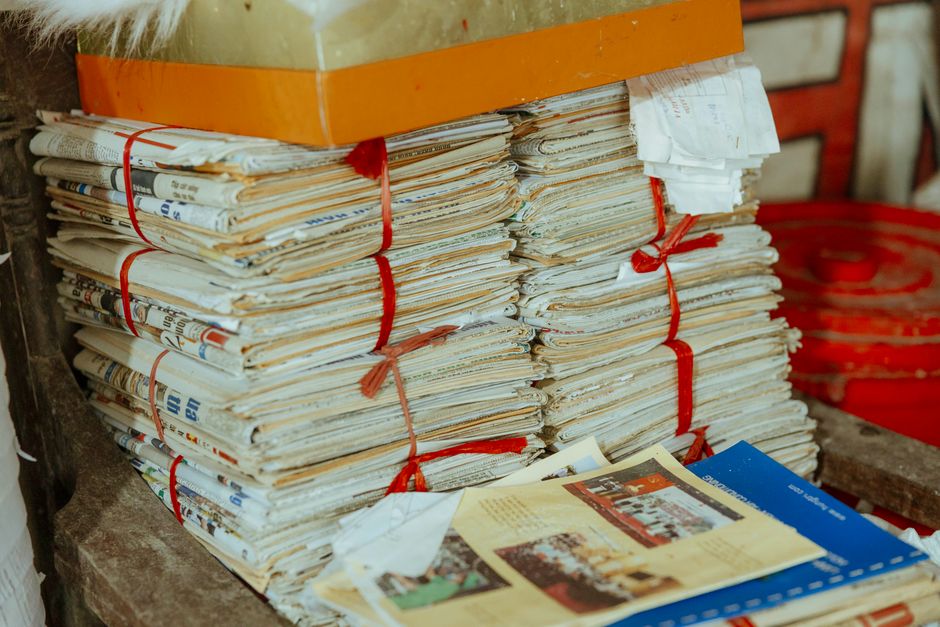
8. Echoes in Print: The 'Magyar Figyelő' Archive
Hungarian Cultural Centre (Magyar Ház), Montréal, Canada
Tucked away in archives, decades of the 'Magyar Figyelő' newspaper reveal the daily struggles, triumphs, and evolving identity of Montréal's Hungarian community, issue by forgotten issue.
The 'Magyar Figyelő' (Hungarian Watchman) was a long-running Hungarian-language newspaper published in Montréal. Its archived issues offer an unparalleled window into the community's life, from local news and social events to political commentary and cultural debates. Reading through these old pages provides a tangible connection to the past, illustrating how the community navigated integration while fiercely holding onto its distinct voice and perspective.
Frequently asked questions
Where can I experience Hungarian culture in Montréal?
Montréal's Hungarian community is concentrated in specific cultural centers and churches. The Hungarian Cultural Centre (Magyar Ház) on rue St-Michel is a primary hub, hosting various events and housing a rich library. You can also find traces in historic churches like the Hungarian Reformed Church and St. Elizabeth of Hungary Parish, which have long served as community anchors.
Are there any annual Hungarian festivals in Montréal?
Yes, the Hungarian community in Montréal often organizes events around national holidays like March 15th (Revolution of 1848) and October 23rd (1956 Revolution), as well as cultural festivals throughout the year. These events, often held at the Hungarian Cultural Centre, feature folk music, dance, traditional food, and craft displays, offering a vibrant glimpse into their heritage.
How can I learn more about Hungarian history in Canada?
Beyond visiting community centers and speaking with locals, a good starting point is the archives at the Hungarian Cultural Centre, which often contain historical documents and the 'Magyar Figyelő' newspaper. Local university libraries with strong Canadian immigration studies programs might also have resources. Engaging with community organizations like the Hungarian-Canadian Cultural Association can also provide insights.
How does AllTours.ai enhance cultural exploration?
AllTours.ai transforms your phone into an AI-powered audio tour guide. Simply point your camera at any landmark, landscape, or even a local street scene, and the app instantly narrates its history, geology, and cultural significance in your preferred language. It provides context and stories, making hidden cultural layers accessible and enriching your understanding of places like Montréal's Hungarian enclaves.
Photography via Pexels. AllTours.ai is an AI audio tour guide — point your camera at any landscape and hear its story.