July 9, 2026 · 4 min read
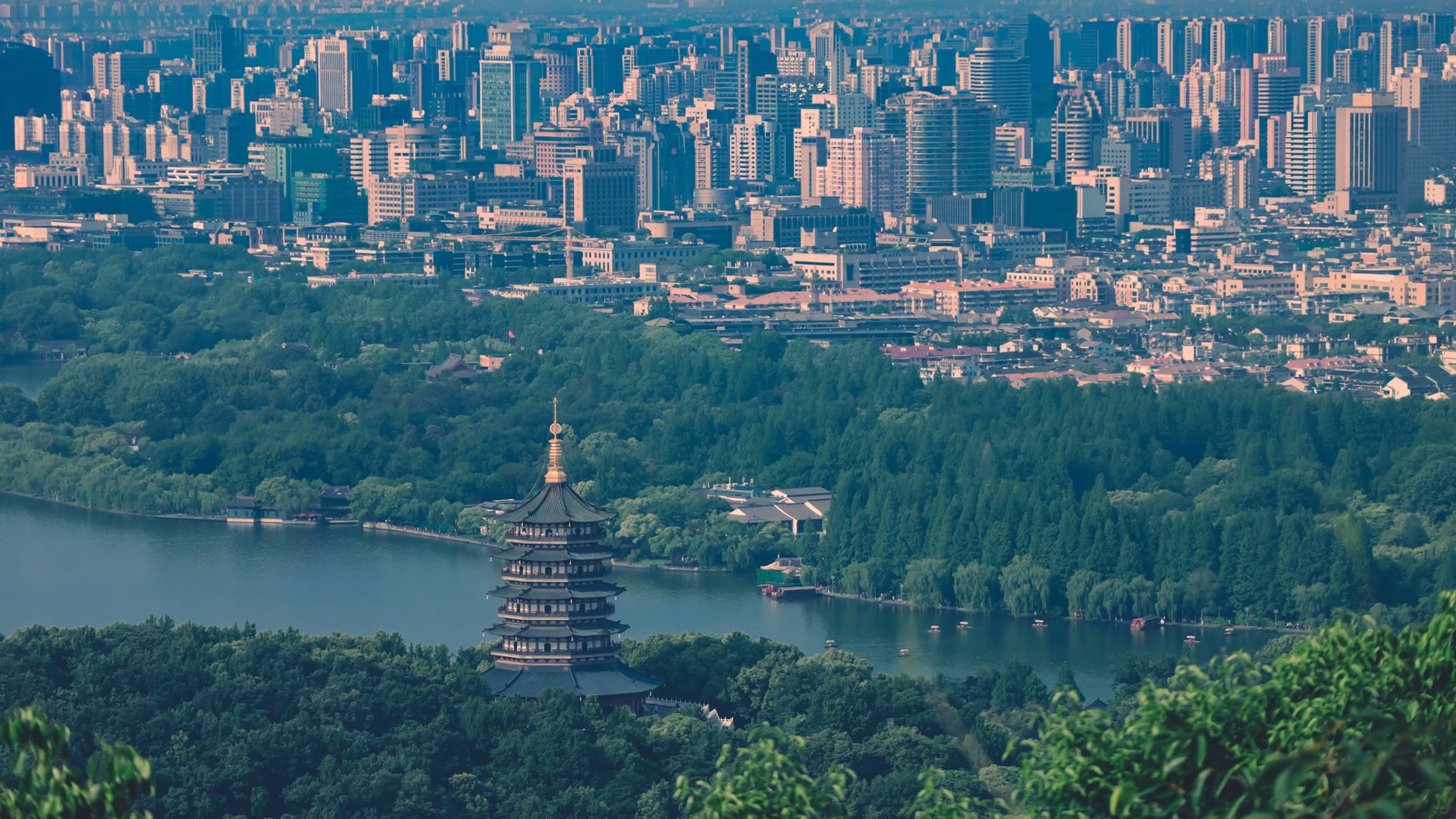
Hangzhou, a city synonymous with breathtaking landscapes and serene West Lake vistas, is rapidly solidifying its reputation as a global culinary destination. The annual Asian Food Festival plays a pivotal role in this transformation, drawing attention not just to its well-known delicacies but to the deeper, often overlooked, stories behind its rich gastronomic heritage.
Beyond the bustling main venues, the festival subtly encourages a deeper dive into Hangzhou's lesser-known culinary nooks. It's a chance to explore places where ancient traditions still thrive, where local ingredients tell tales of history, geology, and culture, and where every bite reveals a piece of the city's unique identity.
1. The Grand Canal's Culinary Gateway
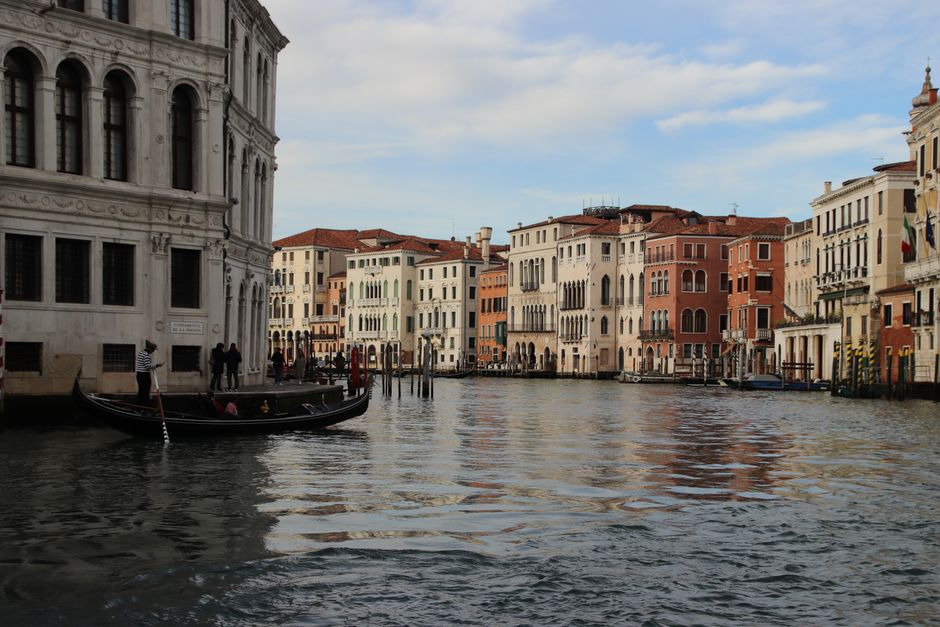
Gongchen Bridge, Hangzhou, China
This ancient bridge wasn't just for passage; it was Hangzhou's historical funnel for diverse ingredients that shaped its cuisine.
At the northern end of the Grand Canal in Hangzhou, Gongchen Bridge stands as a testament to centuries of trade. For generations, boats laden with rice, spices, regional produce, and exotic goods from across China docked here, pouring their bounty into the city's markets. This constant influx of ingredients profoundly shaped Hangzhou's culinary identity, making it a melting pot of flavors long before modern globalization.
2. Tea-Infused Traditions of Meijiawu
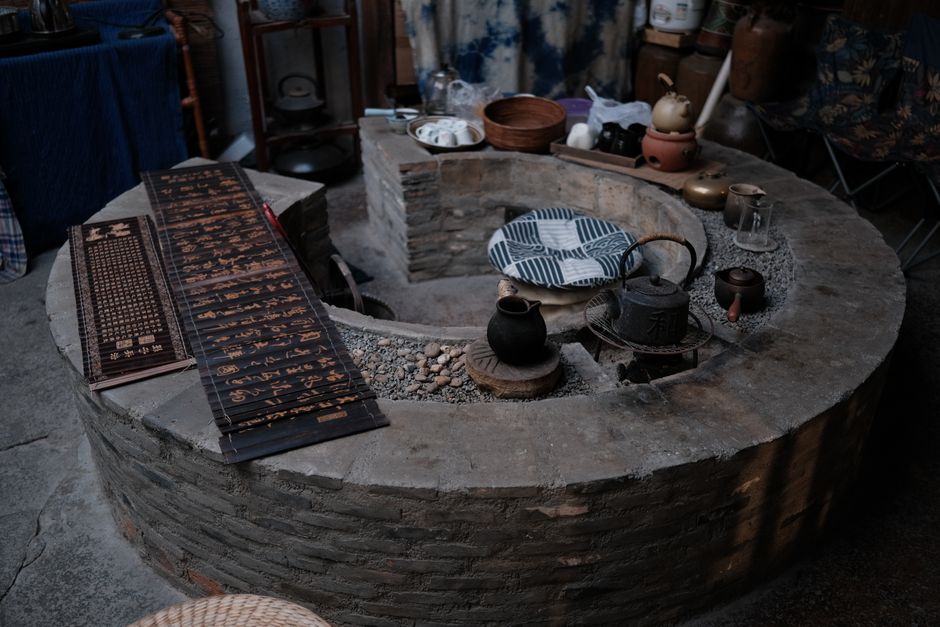
Meijiawu Tea Village, Hangzhou, China
Beyond its famous tea, this village birthed unique tea-infused dishes that are Hangzhou's best-kept secrets.
Nestled amidst rolling hills, Meijiawu is often overshadowed by its more famous tea-producing neighbor, Longjing. Yet, this tranquil village has its own deep roots in tea cultivation and, crucially, in integrating tea into local gastronomy. Here, specific recipes for dishes like Longjing tea shrimp or tea-smoked duck evolved, not just as novelty, but as a way to utilize surplus tea leaves and impart delicate, aromatic flavors unique to the region.
3. Wetland Delicacies from Ancient Fish Weirs
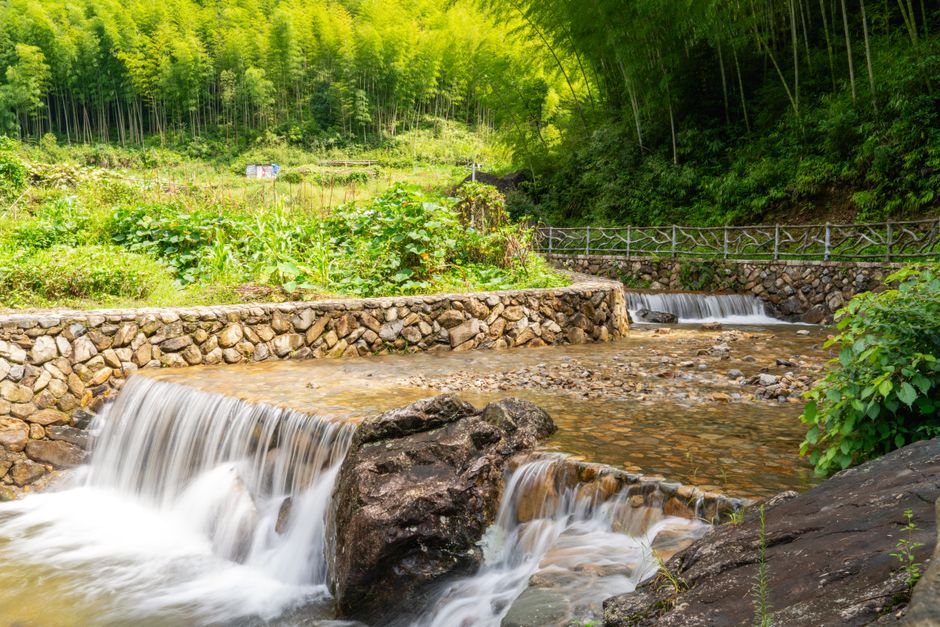
Xixi National Wetland Park, Hangzhou, China
The park's ancient 'fish-weir' farming method sustains unique local aquaculture and distinct flavors.
Xixi National Wetland Park is a serene expanse of waterways, but its beauty hides an ingenious agricultural history. For centuries, locals have practiced a unique 'fish-weir' farming system, where intricate bamboo structures guide fish and shrimp into traps, ensuring sustainable harvests. This method yields specific freshwater delicacies like Xixi Eel and various types of carp, foundational ingredients for many traditional Hangzhou dishes, offering a taste directly from the wetlands' heart.
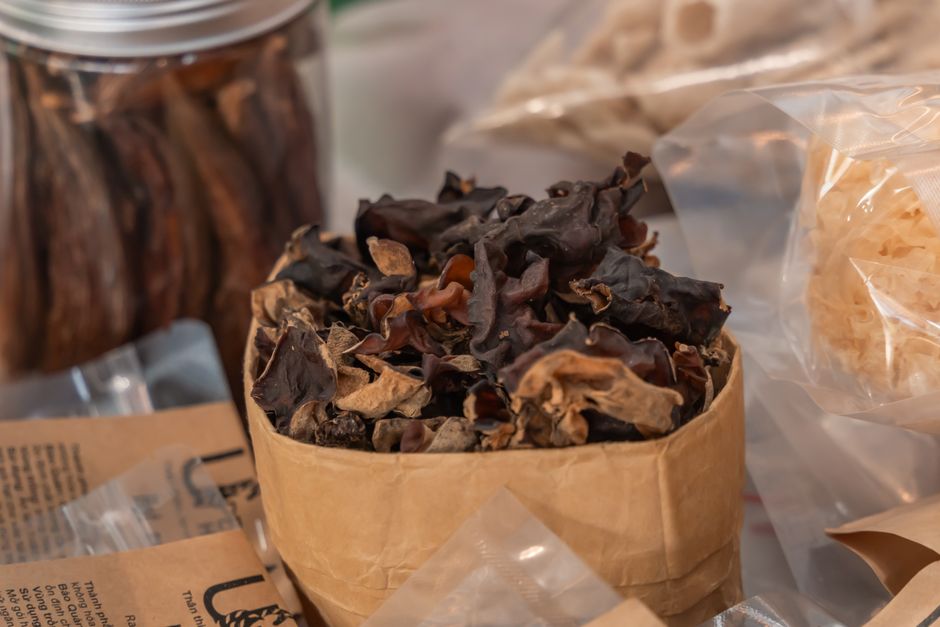
4. Medicine and Food from the Same Source
Hu Qing Yu Tang Traditional Chinese Medicine Museum, Hangzhou, China
This historic pharmacy reveals how 'medicine and food from the same source' deeply influenced Hangzhou's health-conscious cuisine.
Hu Qing Yu Tang is more than just a traditional Chinese medicine pharmacy; it's a living testament to a philosophy that blends health and gastronomy. The concept of 'yao shi tong yuan' (medicine and food from the same source) suggests that many ingredients used in traditional medicine also serve as nourishing food. Visitors discover how local herbs, roots, and spices, once prescribed for ailments, became integral to everyday Hangzhou cooking, shaping a cuisine renowned for its balance and subtle health benefits.
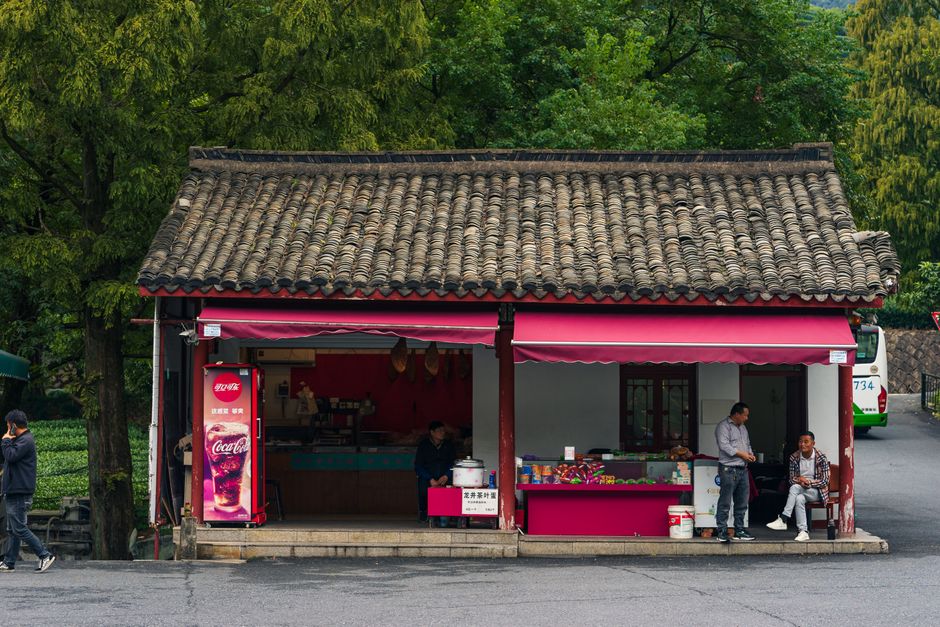
5. The Victorious Taste of Ding Sheng Cake
Qinghefang Street, Hangzhou, China
Search for 'Ding Sheng Cake' on Qinghefang Street and discover a snack with a surprising military origin.
Qinghefang Street buzzes with history, and among its many traditional snack stalls lies the story of Ding Sheng Cake (定胜糕). This delicate, sticky rice cake, often dyed pink with natural food coloring, translates to 'victory cake.' Legend has it that during the Southern Song Dynasty, soldiers were given these cakes before battle, imbuing the snack with a symbolic power for success. Today, finding an authentic Ding Sheng Cake is to taste a piece of Hangzhou's ancient military and culinary heritage.
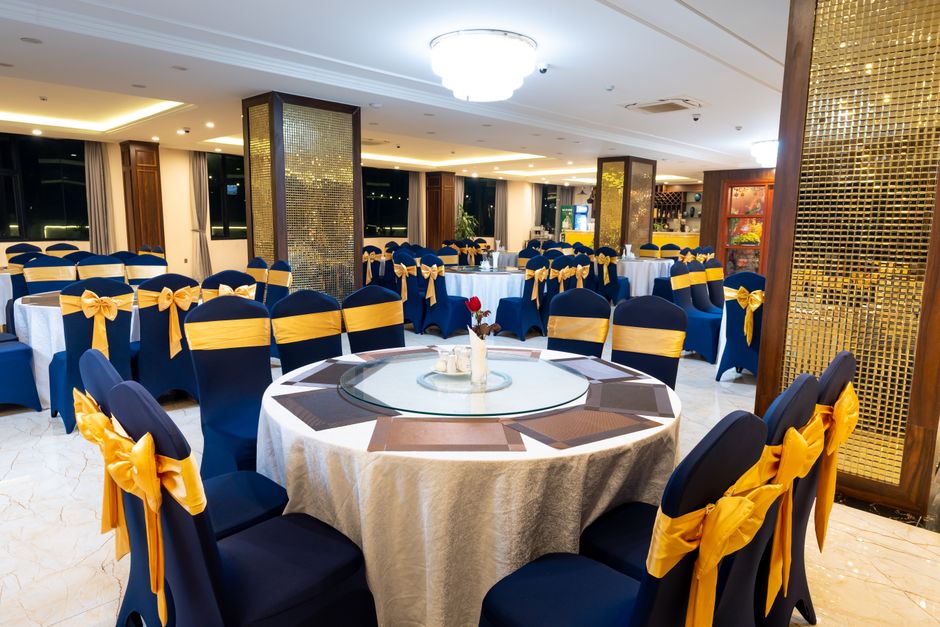
6. Imperial Banquets and Hidden Flavors
Former Residence of Hu Xueyan, Hangzhou, China
The lavish residence of a Qing Dynasty merchant prince offers a glimpse into Hangzhou's high-end historical cuisine.
The Former Residence of Hu Xueyan, a powerful Qing Dynasty merchant, is a sprawling complex of exquisite gardens and opulent halls. Beyond its architectural grandeur, this estate was a center for extravagant banquets, where rare and exotic ingredients were prepared with sophisticated techniques. These feasts often featured delicacies sourced from across the empire, pushing the boundaries of Hangzhou's culinary innovation and setting trends among the city's elite, influencing the development of refined local dishes.
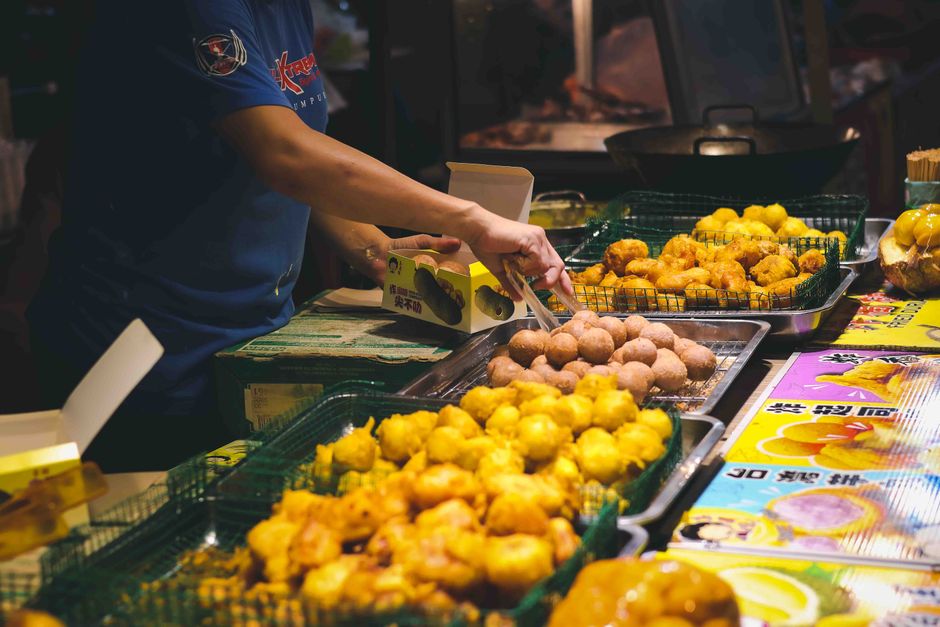
7. Southern Song Dynasty's Culinary Crossroads
Southern Song Imperial Street, Hangzhou, China
This historic thoroughfare was once the bustling marketplace where imperial chefs sourced ingredients and new dishes emerged from popular stalls.
Today, Southern Song Imperial Street is a vibrant commercial area, but its roots trace back to the heart of the Southern Song Dynasty capital. This street wasn't just a ceremonial route; it was a teeming marketplace where local farmers, fishermen, and merchants brought their freshest produce. Imperial kitchens relied on these very stalls for daily ingredients, while popular eateries along the street experimented with new flavors, creating a dynamic culinary environment that laid the foundation for many Hangzhou classics still enjoyed today.
Frequently asked questions
What kind of food can I expect at the Asian Food Festival in Hangzhou?
The festival features a wide array of Asian cuisines, from traditional Hangzhou dishes and other regional Chinese specialties to flavors from Japan, Korea, Southeast Asia, and beyond. Expect both classic dishes and innovative culinary creations, often with a focus on local ingredients and cultural demonstrations.
Is the Asian Food Festival family-friendly?
Yes, the festival typically offers activities and food options suitable for all ages. Beyond tasting, there are often cultural performances, cooking demonstrations, and interactive experiences designed to engage families and showcase the diverse culinary heritage of Asia.
What's the best way to get around Hangzhou during the festival?
Hangzhou has an excellent public transport system, including a subway, buses, and shared bikes. Given potential crowds during the festival, using public transport is often the most convenient option, especially for reaching specific event venues and avoiding traffic congestion.
How can the AllTours.ai app help me explore Hangzhou's culinary history?
AllTours.ai enhances your exploration by providing instant audio narratives. Simply point your phone camera at a landmark, an ancient street, or even a traditional dish, and the app narrates its history, geology, and cultural significance in your language, revealing the deeper stories behind Hangzhou's food and places.
Photography via Pexels. AllTours.ai is an AI audio tour guide — point your camera at any landscape and hear its story.