September 7, 2026 · 4 min read
Hong Kong's vibrant energy is undeniable, a city of dazzling skylines and bustling markets. Yet, for some visitors, the experience can be marred by the less savory tactics of certain travel agencies, often coercing tourists into unwanted shopping excursions. While the city works to address these issues, the best way to reclaim your journey is to step off the well-trodden path and discover Hong Kong's authentic, often overlooked, soul.
Instead of falling victim to pressured sales, imagine uncovering ancient Hakka villages, exploring forgotten industrial relics, or tracing the footsteps of wartime heroes. Hong Kong is rich with genuinely surprising stories hidden in plain sight—places where history, geology, and culture converge in unexpected ways, far from the commercial hustle. These are the narratives that truly define the city, waiting for the curious traveler to find them.
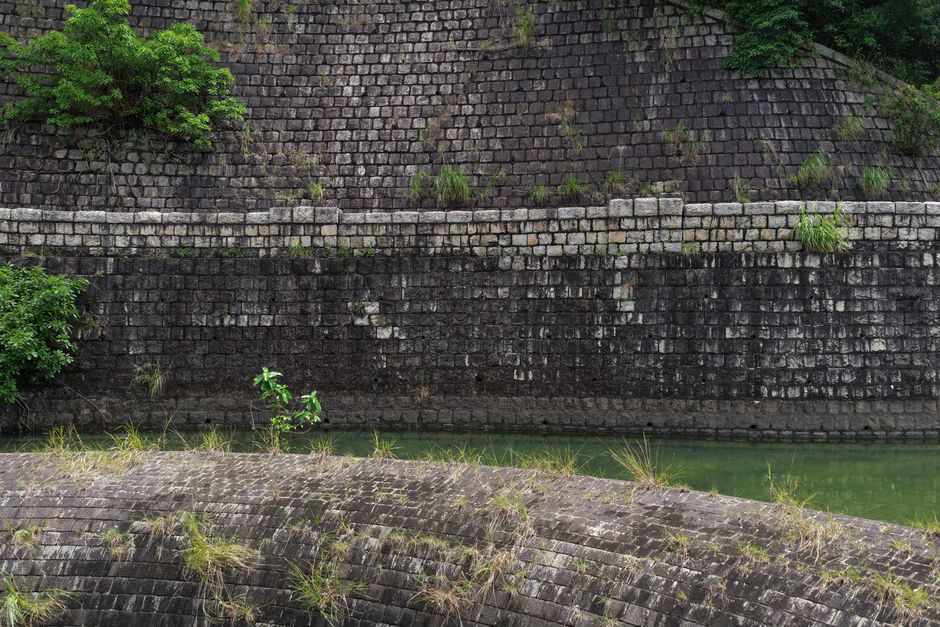
1. The Reawakening Walled Village
Lai Chi Wo, Hong Kong
Once a bustling Hakka settlement, Lai Chi Wo became a ghost village before a community-led effort slowly brought it back to life.
Nestled in the remote northeast New Territories, Lai Chi Wo boasts Hong Kong's best-preserved Hakka walled village. For decades, it lay deserted, its traditional houses crumbling as residents migrated to urban centers. Today, a unique revitalization project, involving universities and former villagers, is restoring its ancestral homes and reviving its paddy fields, offering a glimpse into a sustainable past.
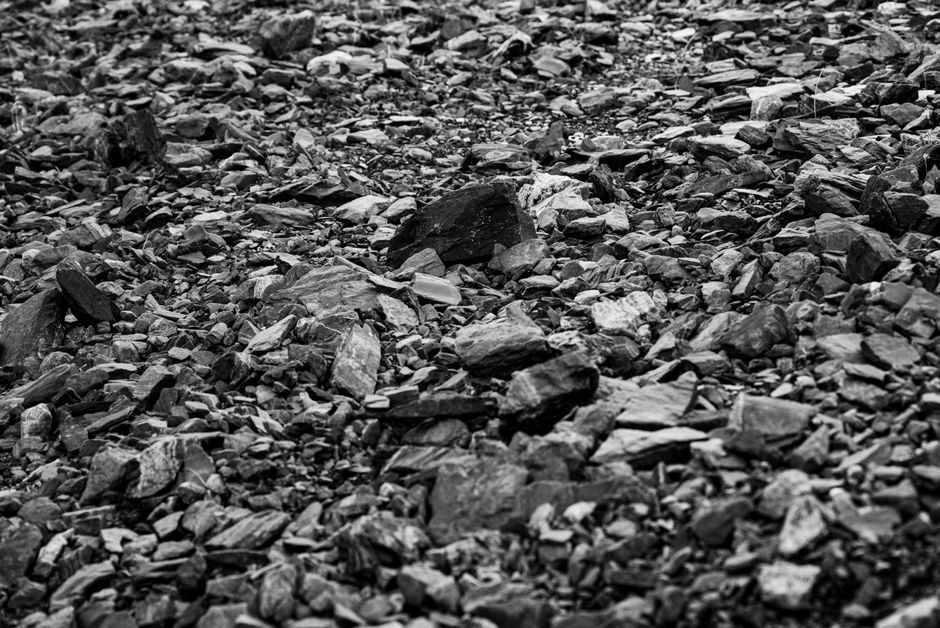
2. Hong Kong's Petrified 'Ghost City'
Tung Ping Chau, Hong Kong
This remote, crescent-shaped island, Hong Kong's easternmost outpost, holds a 'ghost city' of abandoned villages and surreal, wave-cut shale formations.
Tung Ping Chau is a geological marvel, part of the Hong Kong Global Geopark, renowned for its intricate sedimentary rock layers. Its flat, wave-lapped shale beaches give way to several deserted Hakka villages, where empty homes hint at a bygone era of bustling fishing and farming. The island feels suspended in time, a rugged sanctuary where natural forces have sculpted bizarre landscapes and human history echoes in the quiet ruins.
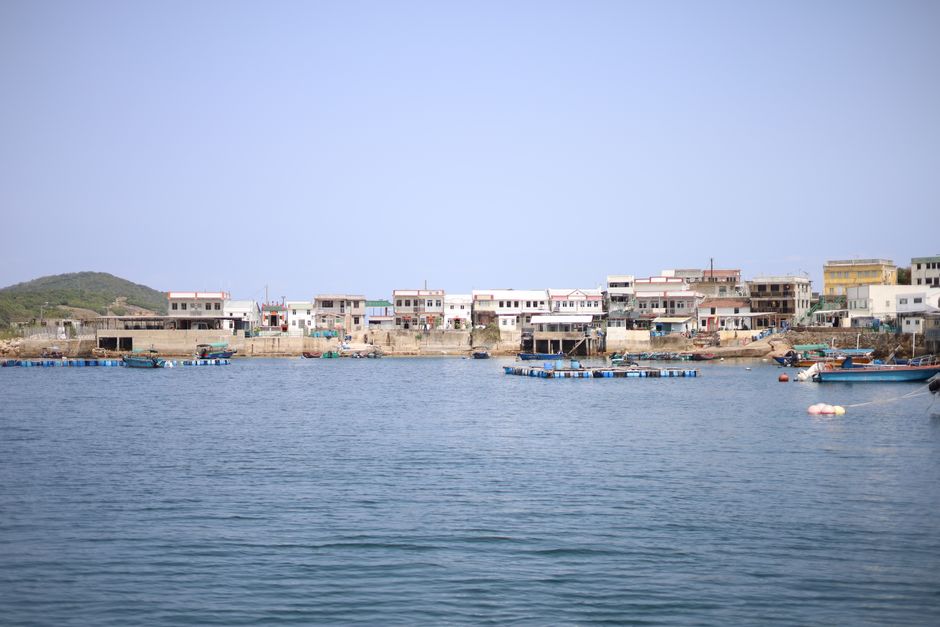
3. The Island of Forgotten Industries
Peng Chau, Hong Kong
Beyond its tranquil lanes, Peng Chau hides the remnants of a once-thriving industrial past, including a matchbox factory and a peculiar fingerprinting ink enterprise.
Peng Chau offers a slower pace, a stark contrast to Hong Kong's urban rush. This small island was once a hub of light industry, home to a massive lime kiln and the Grandet Match Factory, which produced iconic 'double-fish' matchboxes. Even more unusual was the 'fingerprint factory,' supplying ink to police forces worldwide. Today, these industrial echoes blend with traditional temples and a laid-back village atmosphere, inviting quiet exploration.
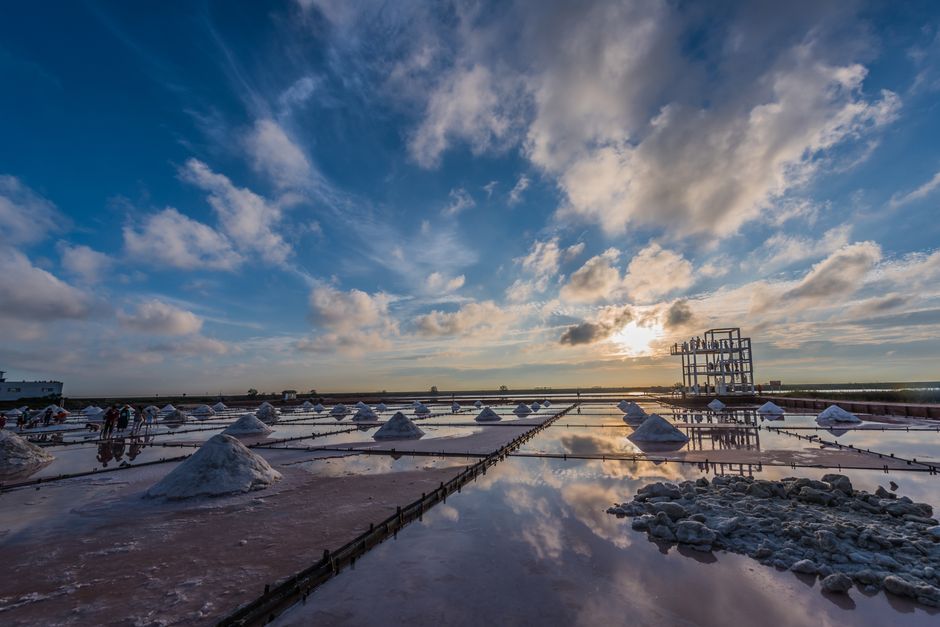
4. The Salt Pan Revival
Yim Tin Tsai, Hong Kong
A tiny, uninhabited island with a surprising legacy: Hong Kong's last operational salt pans and a beautifully restored 19th-century chapel.
Yim Tin Tsai, meaning 'salt pan field,' was once a vibrant Hakka village centered around salt production and farming. After decades of abandonment, a community initiative revived its historic salt pans, which now produce salt for sale. The island's centerpiece is St. Joseph's Chapel, a UNESCO Asia-Pacific Heritage Award winner, a testament to its unique Catholic Hakka heritage, standing proudly amidst the re-cultivated fields and lush greenery.
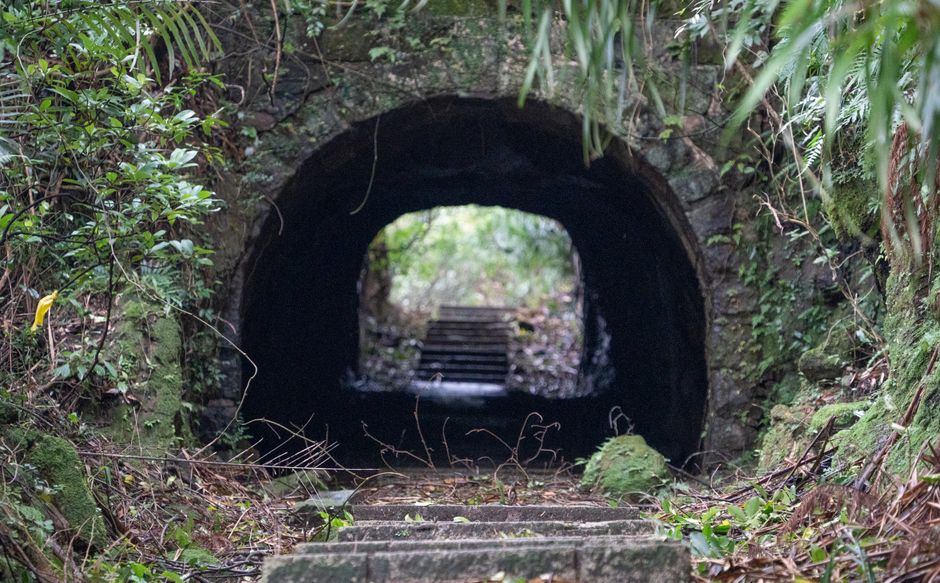
5. World War II's Hidden Labyrinth
Shing Mun Country Park, Hong Kong
Beneath the tranquil surface of Shing Mun Country Park lies a complex network of tunnels and bunkers, silent reminders of Hong Kong's fierce defense during World War II.
The Shing Mun Redoubt was a crucial part of the Gin Drinkers Line, a defensive fortification built by the British to protect Kowloon during WWII. This elaborate system of trenches, pillboxes, and underground tunnels, nicknamed 'The Little Maginot Line,' saw heavy fighting during the Battle of Hong Kong. Today, visitors can explore sections of these historical relics, offering a sobering glimpse into the city's wartime past, hidden within a peaceful country park.
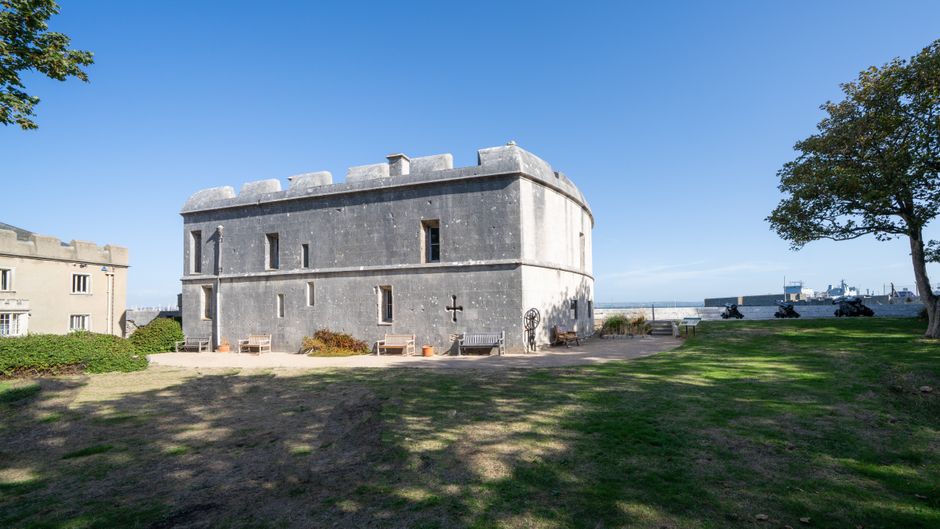
6. A Hakka House in the City's Shadow
Chai Wan, Hong Kong
This lone, 18th-century Hakka village house stands as a remarkable survivor, an unexpected piece of rural history dwarfed by the modern high-rises of Chai Wan.
The Law Uk Folk Museum is an anomaly in bustling Chai Wan, Hong Kong Island. It is the last surviving Hakka village house in the area, offering a rare window into the traditional life of Hakka farmers who once inhabited this now-urbanized district. Restored to its original 18th-century appearance, the house provides insights into Hakka architecture, domestic tools, and agricultural practices, a poignant contrast to the surrounding concrete jungle.
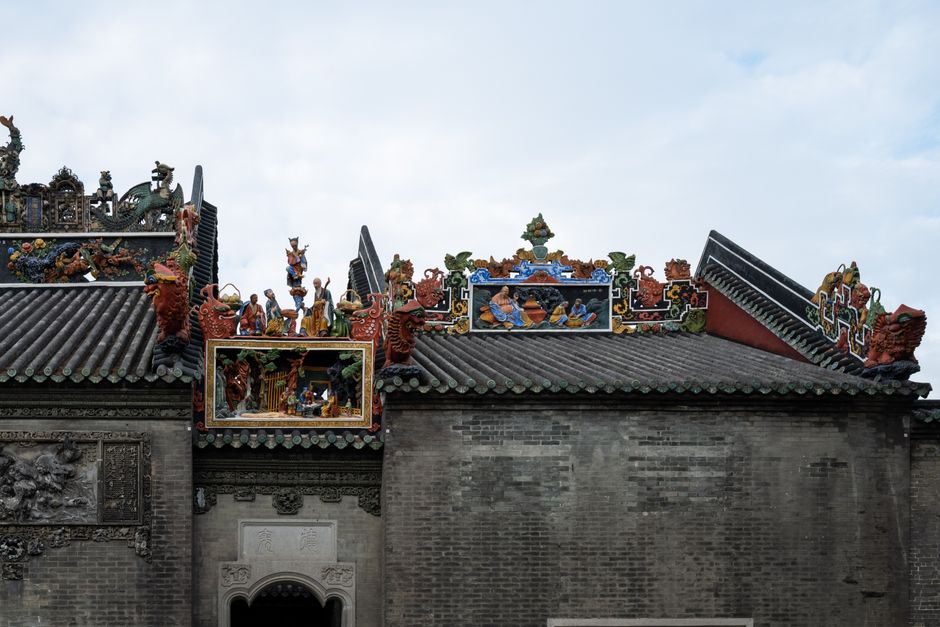
7. The Tang Clan's Ancestral Domain
Fanling, Hong Kong
Follow a trail through Fanling that unveils ancient walled villages, ancestral halls, and temples, revealing the centuries-old legacy of the powerful Tang clan.
The Lung Yeuk Tau Heritage Trail winds through a cluster of traditional villages, offering a deep dive into the history of the Tang clan, one of the 'Five Great Clans' of the New Territories. Along the path, you encounter well-preserved ancestral halls like the Tang Chung Ling Ancestral Hall, fortified villages with watchtowers, and traditional residences. This trail provides a tangible link to Hong Kong's indigenous heritage and the intricate social structures that once governed these lands.
Frequently asked questions
Are tour groups in Hong Kong legally allowed to force tourists to shop?
Hong Kong's Travel Industry Authority (TIA) has regulations against forced shopping. While agencies might include shopping stops in itineraries, outright coercion or detaining tourists is against guidelines and can be reported. Always check your itinerary carefully and know your rights.
What are common tactics used to pressure tourists into shopping in Hong Kong?
Tactics can include extended stays at specific shops, guides receiving commissions for sales, creating a sense of urgency, or implying that shopping is a mandatory part of the tour. Some groups might even use subtle social pressure or restrict access to other attractions until a shopping quota is met.
How can I avoid forced shopping tours in Hong Kong?
To avoid forced shopping, choose reputable tour operators, read reviews, and clarify the itinerary details before booking. Opt for smaller, independent tours or explore on your own with good planning. Focus on cultural, historical, or nature-based itineraries that explicitly state 'no shopping stops'.
How can AllTours.ai help me discover authentic Hong Kong without shopping pressure?
AllTours.ai empowers you to explore independently, at your own pace. Simply point your phone camera at any landmark or landscape, and the app instantly narrates its real history, geology, and culture in your language. It’s like having a local expert in your pocket, guiding you through hidden gems and telling their unique stories, all without any commercial agenda.
Photography via Pexels. AllTours.ai is an AI audio tour guide — point your camera at any landscape and hear its story.