July 28, 2026 · 4 min read
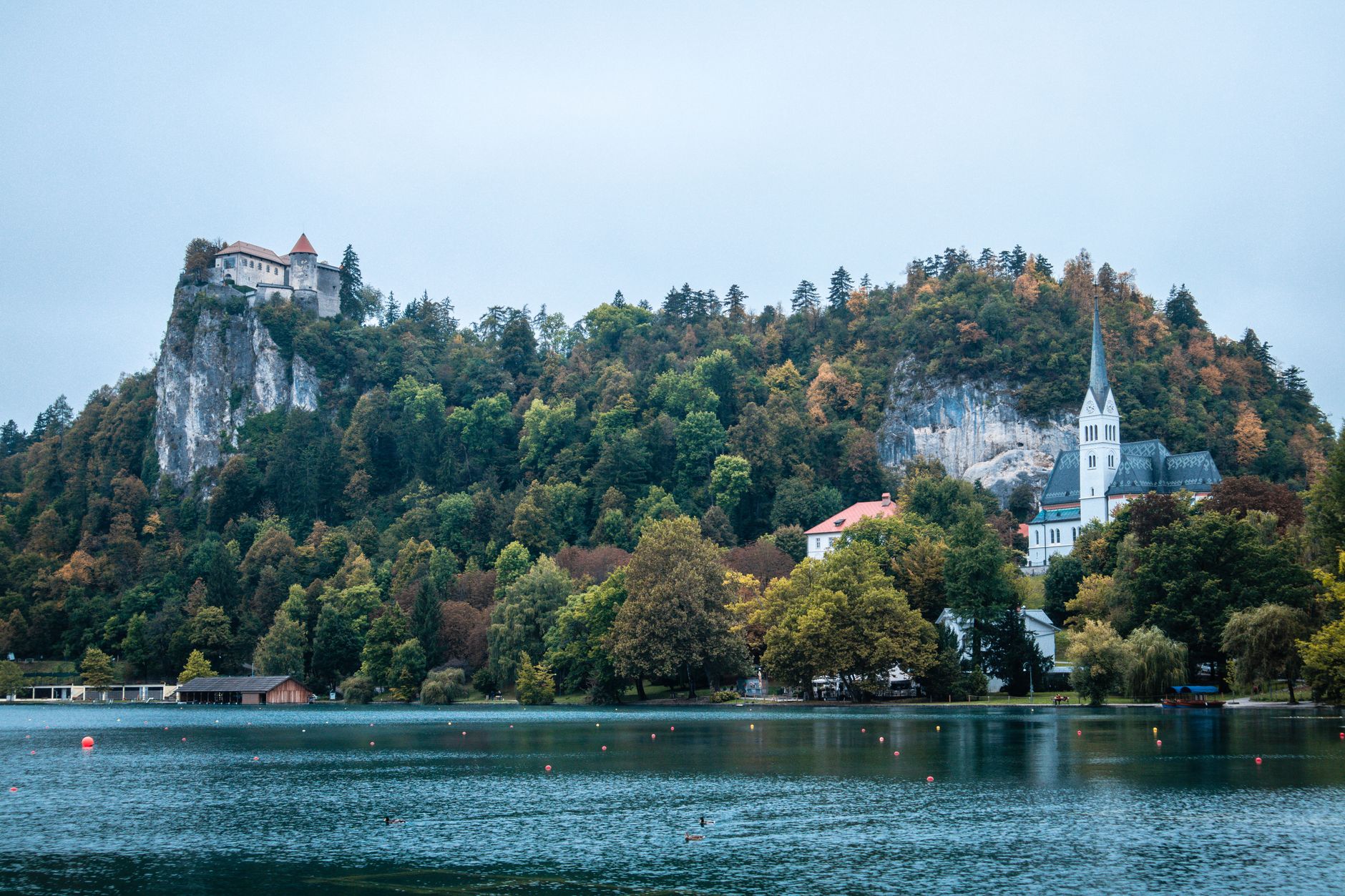
Slovenia often conjures images of pristine Alpine peaks and challenging hiking trails. But what if your perfect trip doesn't involve scaling mountains, and you're wondering how long do you need in Slovenia for tourist activities (no hiking)? You're in luck. This compact nation packs an incredible punch of history, culture, and natural wonder, all easily accessible without lacing up your hiking boots.
Beyond the well-trodden paths of Bled and Ljubljana, Slovenia holds countless lesser-known treasures, each with a captivating story to tell. From subterranean wonders to ancient towns and unique cultural practices, prepare to dive deep into a side of Slovenia that's both surprising and utterly fascinating.
1. The Town Built on Liquid Silver
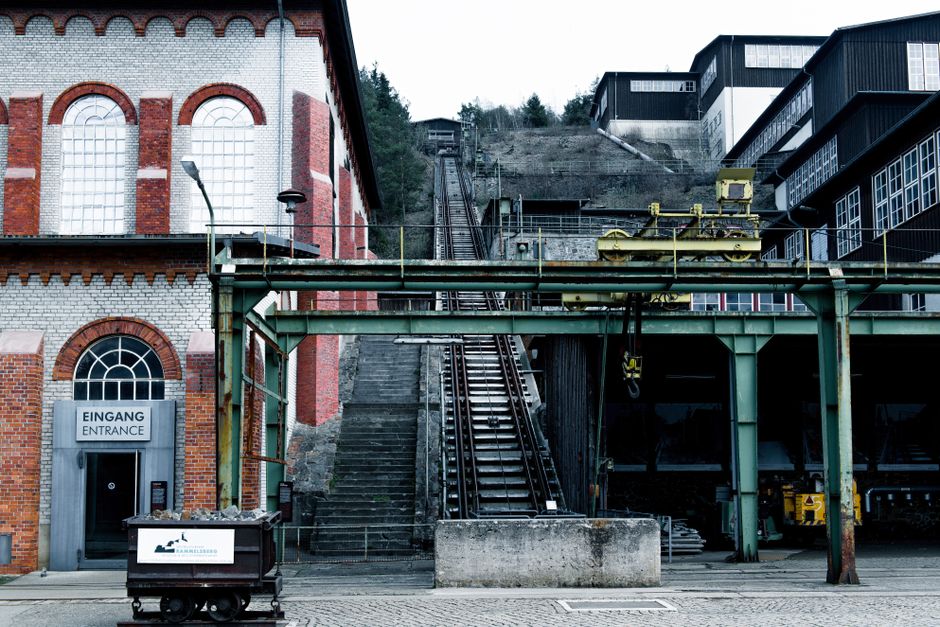
Idrija, Slovenia
Idrija's very existence was forged by a mercury mine, once the second-largest in the world, discovered by a shoemaker in the late 15th century.
This UNESCO World Heritage site offers a unique glimpse into centuries of mining history. Visitors can descend into Anton's Shaft, exploring subterranean tunnels and learning about the harsh realities and incredible innovations that characterized the mercury extraction. Above ground, the town's architecture, including the impressive Gewerkenegg Castle, reflects its rich industrial past, all shaped by the precious "liquid silver" beneath.
2. Where Roman Legions Once Marched
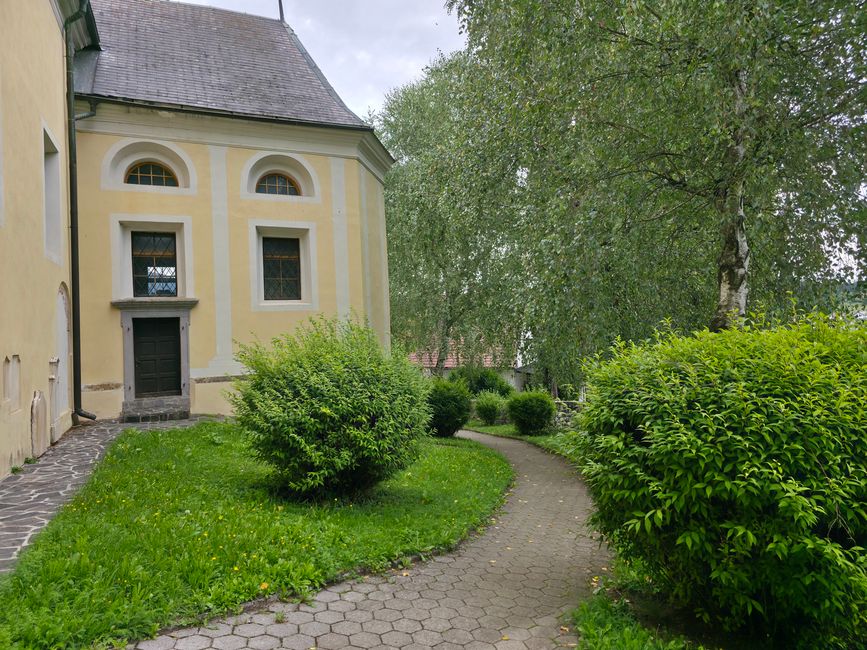
Ptuj, Slovenia
As Slovenia's oldest town, Ptuj boasts a continuous settlement history dating back to the Stone Age, but truly flourished under Roman rule.
Known as Poetovio to the Romans, this strategic outpost on the Drava River was once a significant legionary camp and a key economic center. Evidence of its Roman past is visible throughout, from archaeological finds in the regional museum to the impressive Mithraic shrines. Today, its medieval castle dominates the skyline, overlooking a charming old town that still echoes with tales of emperors, gladiators, and ancient trade routes.
3. The Dancing Skeletons of Hrastovlje
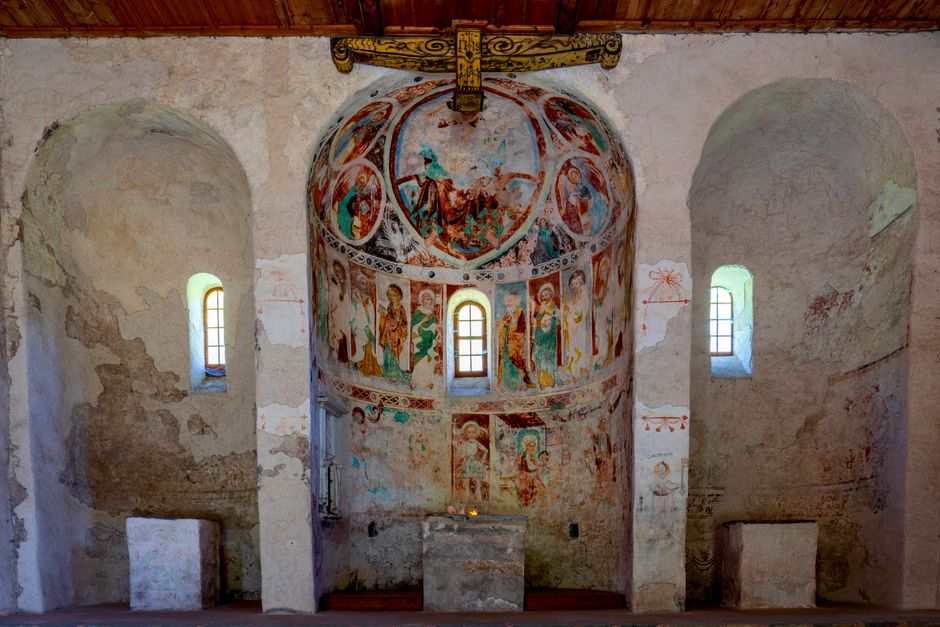
Hrastovlje, Slovenia
Inside a seemingly modest fortified church, a complete and startling 15th-century fresco cycle depicts the Dance of Death, a powerful memento mori.
The Church of the Holy Trinity, protected by its medieval defensive wall, holds an artistic treasure that remained hidden under plaster for centuries. The frescoes cover almost every surface, illustrating biblical stories and, most famously, the macabre procession of the living and the dead. This vivid artwork offers a rare, unflinching glimpse into medieval anxieties about life, mortality, and social hierarchy, preserved in remarkable detail.
4. Beneath the Earth, Bear Skeletons and Boats
Lož Valley, Slovenia
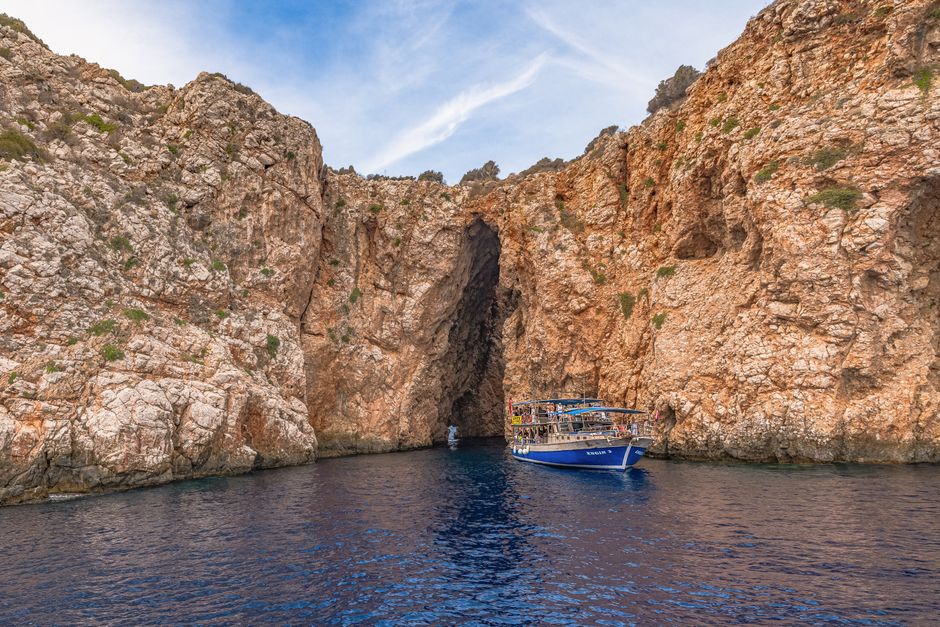
One of Europe's most biodiverse cave systems, Križna Jama offers boat tours through emerald lakes past the remains of over 2,000 prehistoric cave bears.
Unlike many show caves, Križna Jama has preserved its natural state, with minimal artificial lighting, enhancing its raw, otherworldly beauty. Guided tours navigate a chain of underground lakes by boat, revealing magnificent calcite formations and the skeletal remains of Ursus spelaeus, the extinct cave bear. This unique subterranean journey provides a thrilling encounter with an ancient ecosystem, untouched for millennia.
5. Alpine Valley, Border Stories
Jezersko, Slovenia
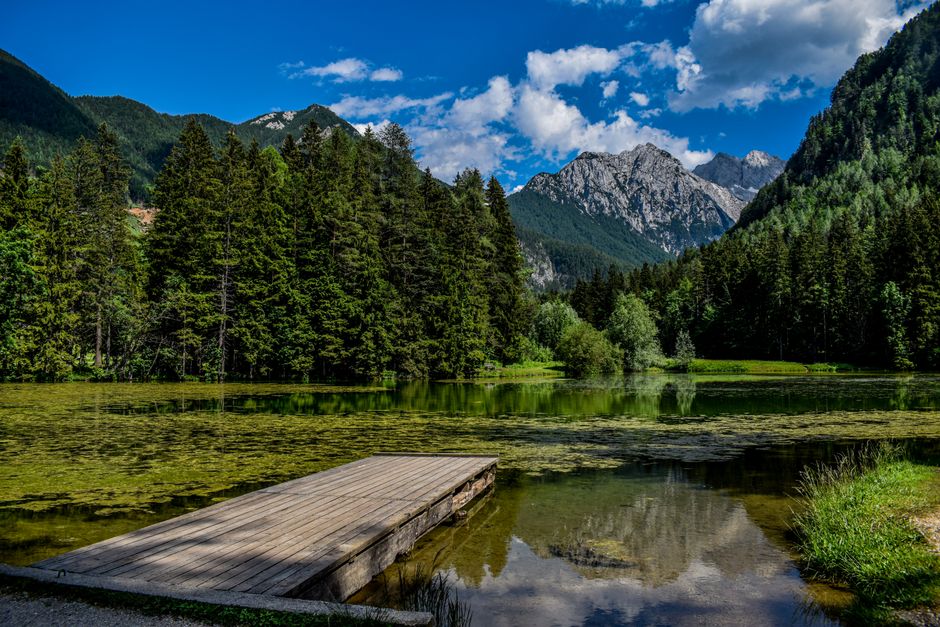
This secluded Alpine valley, historically a vital crossing point, was once a self-governing community whose unique rights were tied to sheep farming.
Tucked away in the Kamnik-Savinja Alps, Jezersko is renowned for its pristine glacial landscapes and the distinctive Ravenska Kočna valley. For centuries, its inhabitants maintained a special status, governing their affairs and borders through traditional sheep drives and mountain passes. Today, it retains a serene, authentic character, offering stunning views of the surrounding peaks and a tangible connection to its independent spirit and pastoral heritage, far from the bustling crowds.
6. The Karst Village of a Forgotten Visionary
Štanjel, Slovenia
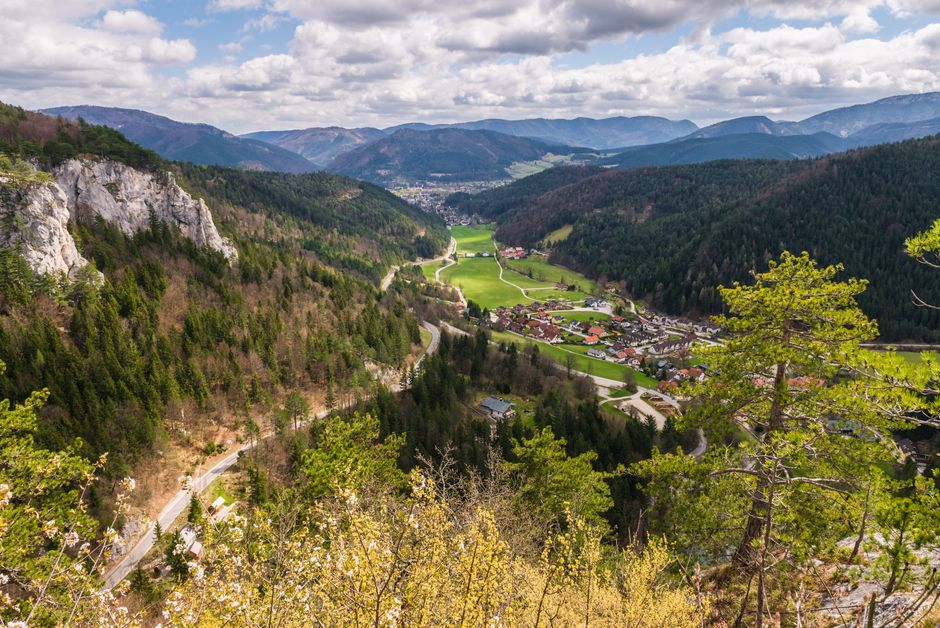
This picturesque medieval village on a Karst hilltop was dramatically reshaped in the early 20th century by architect Max Fabiani, who designed its famous Ferrari Garden.
Štanjel's stone houses and narrow streets climb towards a dominant castle, but its most surprising feature is the terraced Ferrari Garden, a masterpiece of landscape architecture. Fabiani, a pupil of Otto Wagner, transformed a barren hillside into a verdant oasis with intricate water features, bridges, and walkways, dedicated to his friend Enrico Ferrari. This unique integration of medieval fortification and modernist garden design tells a compelling story of resilience, vision, and unexpected beauty in the rugged Karst landscape.
7. Wind-Swept Vines and Ancient Rivers
Vipava Valley, Slovenia
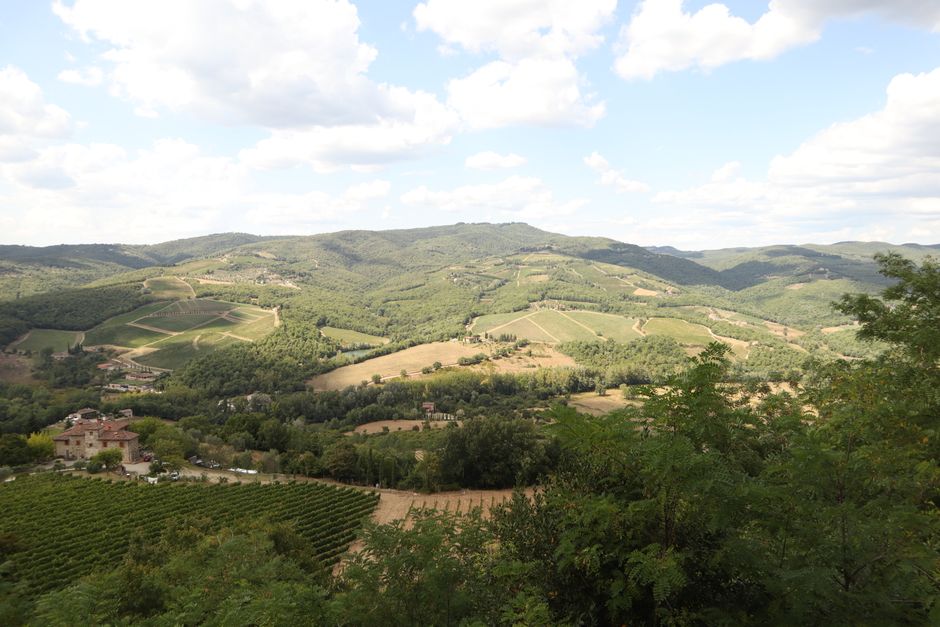
This fertile valley is uniquely shaped by the powerful "bora" wind and ancient riverbeds, creating ideal conditions for distinctive indigenous grape varietals.
Unlike more famous Slovenian wine regions, the Vipava Valley offers a more intimate and rugged experience. The strong bora wind, locally called burja, sweeps through the valley, naturally drying grapes and preventing disease, while the unique geology provides diverse soils. This combination yields robust wines from varietals like Zelen and Pinela. Exploring its charming villages and family-run wineries reveals a deep connection between the land, the climate, and a viticultural tradition honed over centuries.
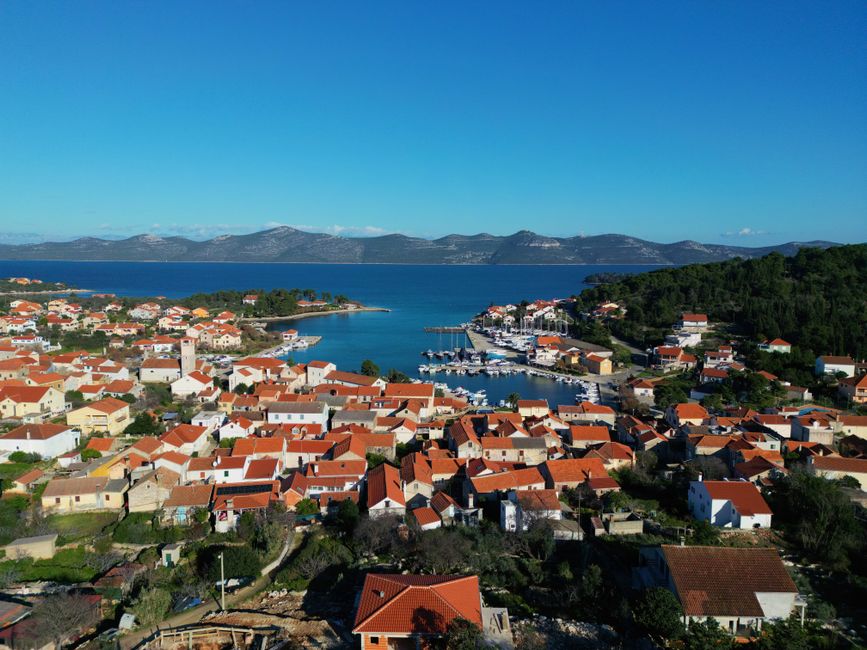
8. Slovenia's Island Town
Kostanjevica na Krki, Slovenia
Known as the "Venice of Dolenjska," this entire medieval town is situated on a natural island in the Krka River, making it one of Slovenia's most unique settlements.
Connected to the mainland by two wooden bridges, Kostanjevica na Krki offers a tranquil escape. Its compact layout features charming Baroque houses and a former Cistercian monastery, now an art gallery, surrounded by the gentle flow of the river. The town's island status has preserved its intimate scale and historic character, inviting visitors to wander its streets and appreciate a way of life intrinsically linked to water.
Frequently asked questions
How many days are enough for a non-hiking trip to Slovenia?
For a focused non-hiking trip exploring diverse cultural and historical sites, a minimum of 5-7 days is recommended. This allows you to explore two to three distinct regions like the Karst, Dolenjska, or Eastern Slovenia, experiencing a mix of towns, caves, and unique cultural attractions without feeling rushed. If you wish to delve deeper into a single region, 3-4 days could suffice.
What's the best time to visit Slovenia for non-hiking tourist activities?
Spring (April-May) and early autumn (September-October) are ideal. The weather is pleasant for exploring towns and attractions, crowds are thinner than in summer, and the natural scenery is at its most vibrant. Summer (June-August) is also popular, offering longer daylight hours and many cultural events, though some popular spots might be busier.
Can I use public transport to reach Slovenia's lesser-known spots?
While major towns and cities are well-connected by bus and train, reaching some of the more remote, lesser-known spots can be challenging with public transport alone. Renting a car offers the most flexibility to explore these hidden gems at your own pace. Alternatively, consider organized day tours or private transfers for specific destinations.
How does AllTours.ai enhance exploration of these unique Slovenian locations?
AllTours.ai transforms your smartphone into a personal AI audio tour guide. Simply point your camera at a landmark, historical site, or even a natural landscape, and the app will instantly narrate its rich history, geological formation, and cultural significance in your preferred language, bringing the stories of these unique Slovenian places to life right before your eyes.
Photography via Pexels. AllTours.ai is an AI audio tour guide — point your camera at any landscape and hear its story.