June 13, 2026 · 4 min read
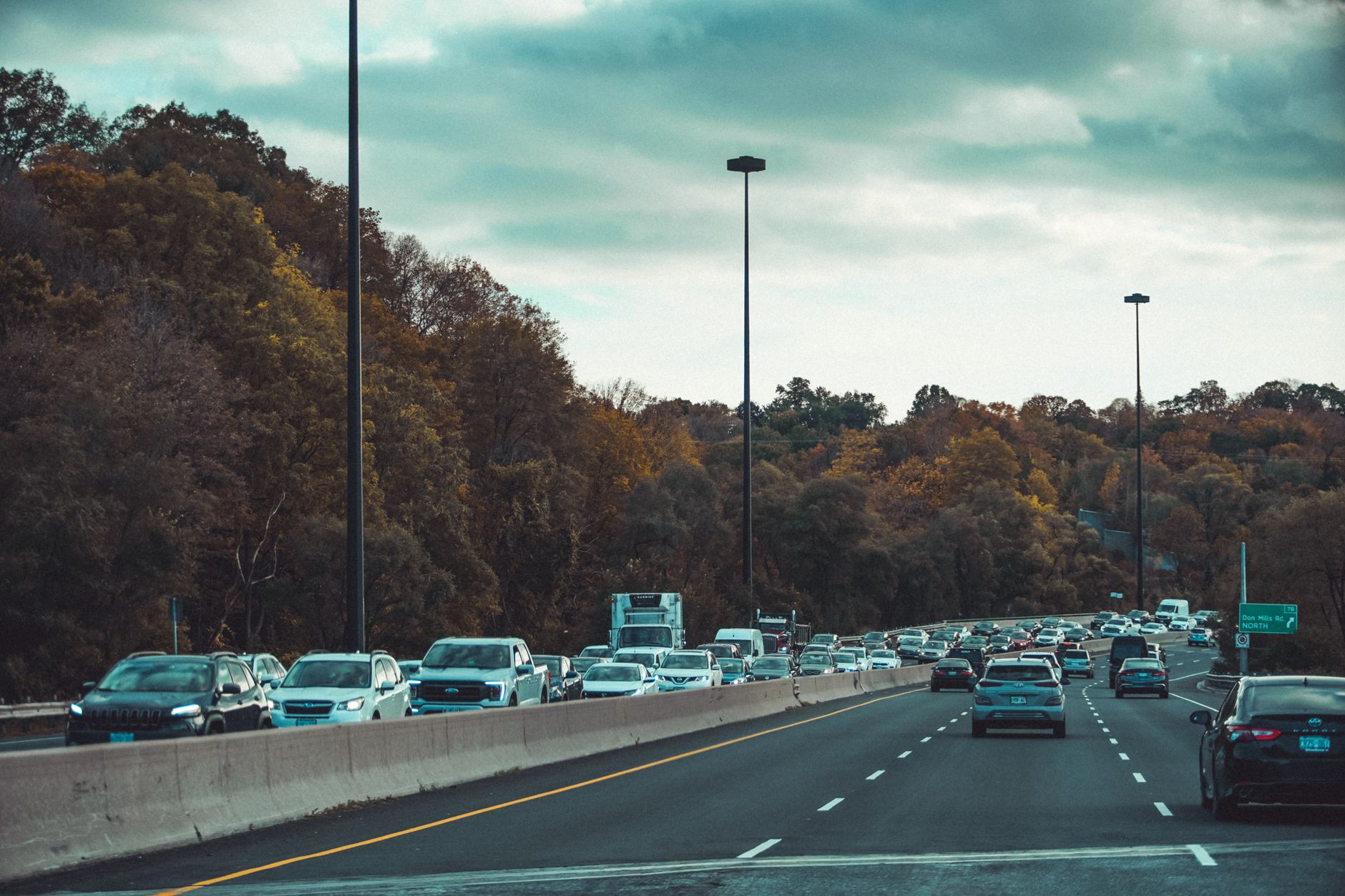
Thinking about how long it takes to drive from Montreal to Toronto? The direct answer is typically around 5 to 6 hours, depending on traffic and your chosen route. But reducing this journey to mere hours on the highway means missing out on a wealth of surprising history, unique geology, and vibrant local culture that dots the landscape between these two great Canadian cities.
This drive along the historic St. Lawrence River corridor is more than just a transit; it's an opportunity to uncover stories hidden in plain sight. From communities submerged by engineering marvels to ancient geological wonders and natural spectacles, these lesser-known stops will transform your drive into an unforgettable exploration.
1. The Villages Beneath the Waves
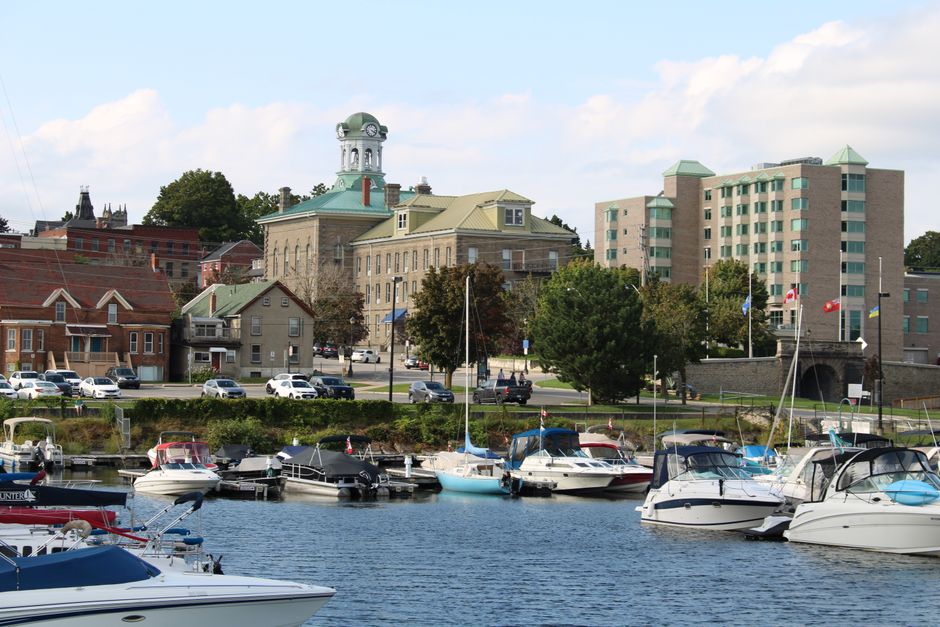
Cornwall, Ontario, Canada
Entire communities were intentionally flooded to create the St. Lawrence Seaway, their remnants still visible to divers.
In 1958, eight Ontario villages and parts of two others, home to 6,500 people, were deliberately submerged to facilitate the construction of the St. Lawrence Seaway. This monumental engineering project required the relocation of homes, churches, and cemeteries. Today, 'The Lost Villages' exist beneath the waters of Lake St. Lawrence, a unique underwater heritage site where divers can explore the foundations of a forgotten past.
2. An Ancient Geological Bridge
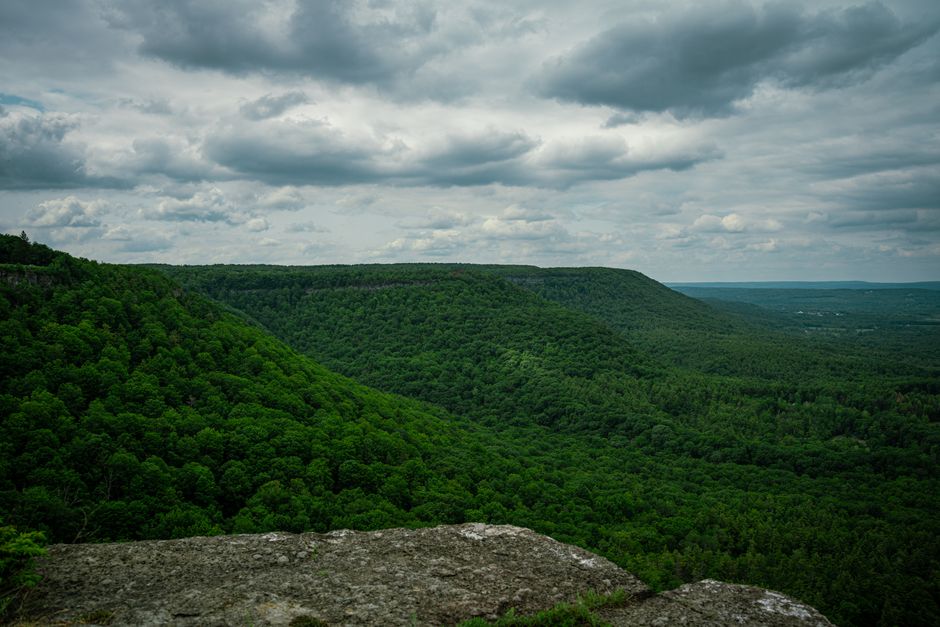
Gananoque, Ontario, Canada
This region forms a rare geological 'bridge' connecting two ancient rock formations, fostering incredible biodiversity.
The Thousand Islands region, specifically around Gananoque, is part of the Frontenac Arch Biosphere Reserve. This unique geological formation is a narrow strip of ancient Precambrian rock that connects the Canadian Shield to the Adirondack Mountains in New York. It acts as a natural corridor for plants and animals, resulting in an exceptionally diverse ecosystem with species found at the northern and southern limits of their range.
3. Kingston's Fortified Past
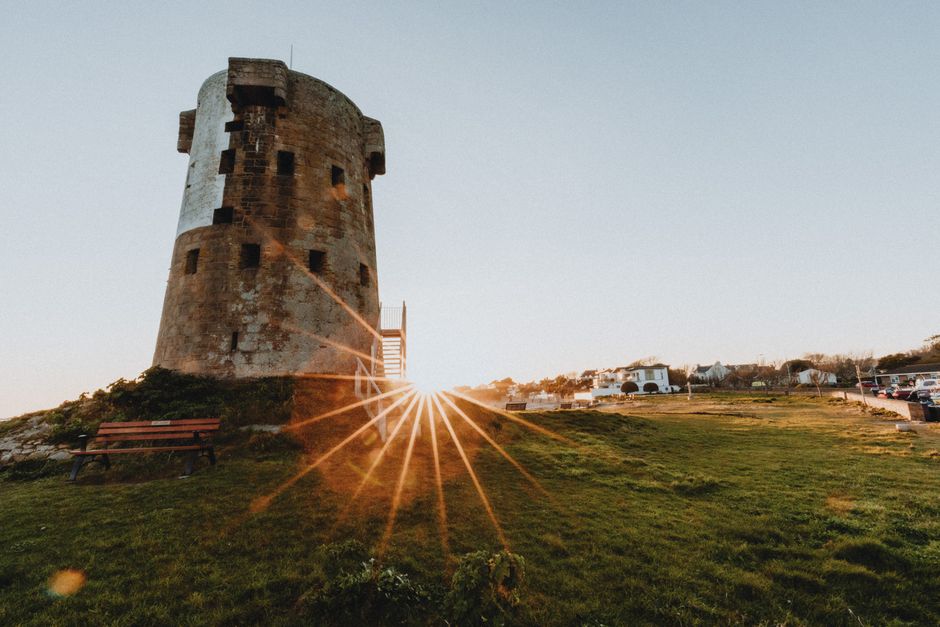
Kingston, Ontario, Canada
Kingston is home to more Martello Towers than any other city in North America, built for a war that never fully arrived.
While Fort Henry often draws attention, Kingston's defensive history extends to its four Martello Towers: Shoal Tower, Cathcart Tower, Murney Tower, and Cedar Island Tower. These circular forts, built in the 1840s, were designed to protect the city and the entrance to the Rideau Canal during tensions with the United States. Though their primary defensive role was never tested, they stand as unique architectural reminders of a bygone era.
4. The Lake Above the Lake
Prince Edward County, Ontario, Canada
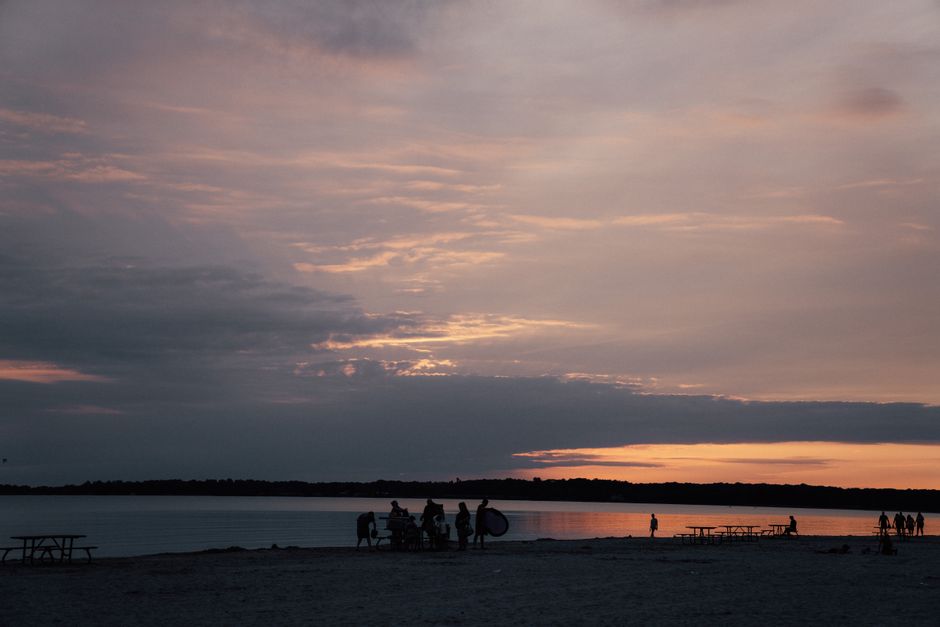
A mysterious freshwater lake sits 60 meters above Lake Ontario with no apparent inlet or permanent outlet, defying conventional hydrology.
Lake on the Mountain in Prince Edward County offers a captivating natural anomaly. This small, elevated lake perplexes geologists and visitors alike, as its water source remains unexplained. Local Indigenous legend attributes its formation to the Great Spirit, while scientific theories range from a collapsed sinkhole to a deep fissure in the earth. Regardless of its origin, the view from its shores overlooking Lake Ontario is spectacular.
5. Bird Migration Superhighway
Presqu'ile Provincial Park, Ontario, Canada
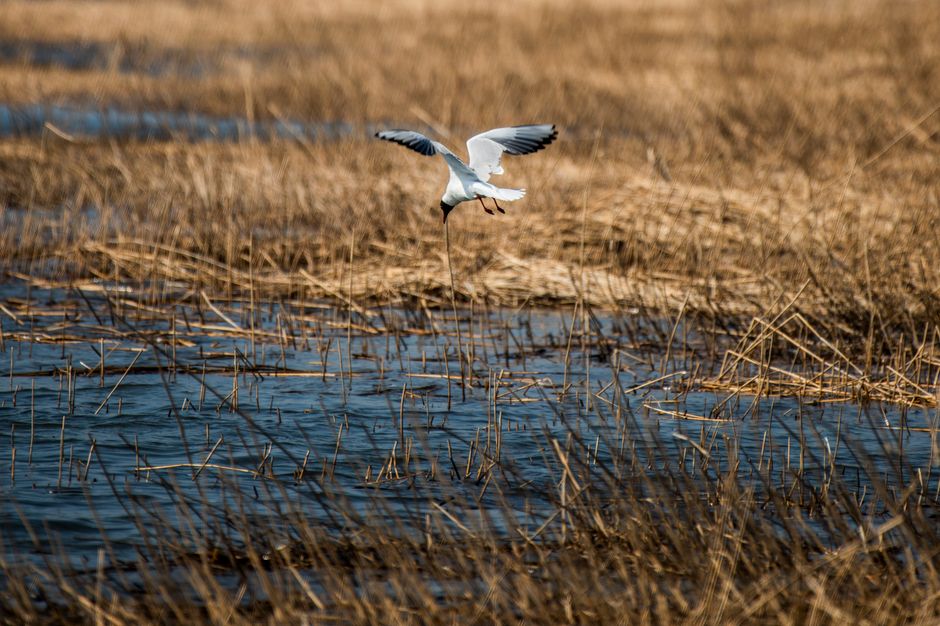
This unique peninsula is a critical stopover for hundreds of bird species on one of North America's busiest migratory routes.
Presqu'ile Provincial Park, a long, slender peninsula jutting into Lake Ontario, is a paradise for birdwatchers. Its diverse habitats—from sand dunes and alvars to marshes and forests—provide essential resting and feeding grounds for an incredible array of migratory birds. Over 330 species have been recorded here, making it a globally recognized Important Bird Area, especially during spring and fall migrations.
6. Salmon Run Through Town
Port Hope, Ontario, Canada
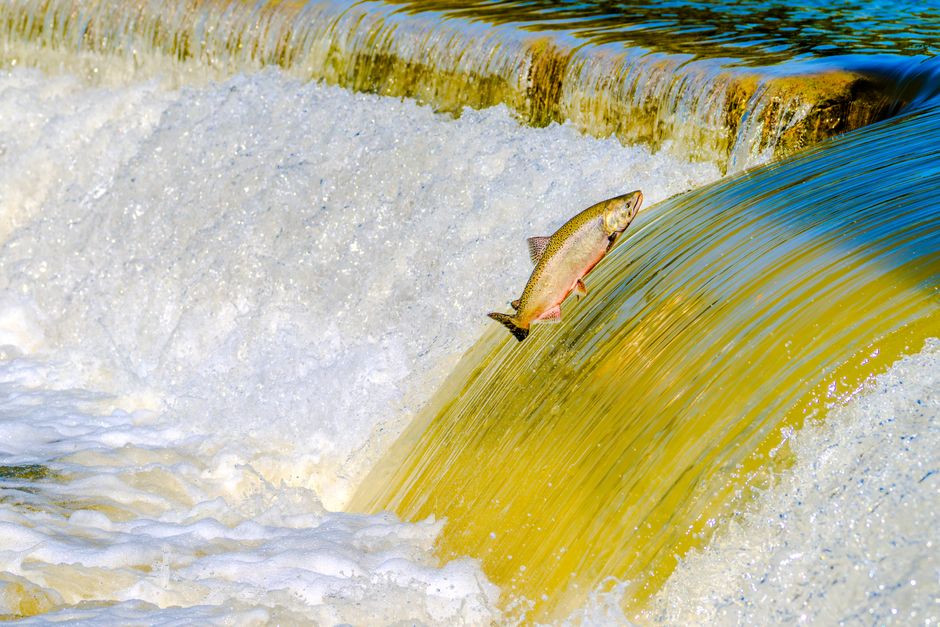
Each autumn, thousands of salmon battle their way upstream through the Ganaraska River, right through the middle of this charming town.
Port Hope, often called the 'Salmon Capital of Ontario,' hosts one of the most spectacular natural events in the region. Every September and October, Chinook and Coho salmon return from Lake Ontario to spawn in the Ganaraska River. Visitors can stand on bridges or along the riverbanks and watch thousands of these powerful fish leap and fight their way upstream, a truly wild spectacle unfolding within an urban setting.
7. Canada's First Subterranean Railway
Brockville, Ontario, Canada
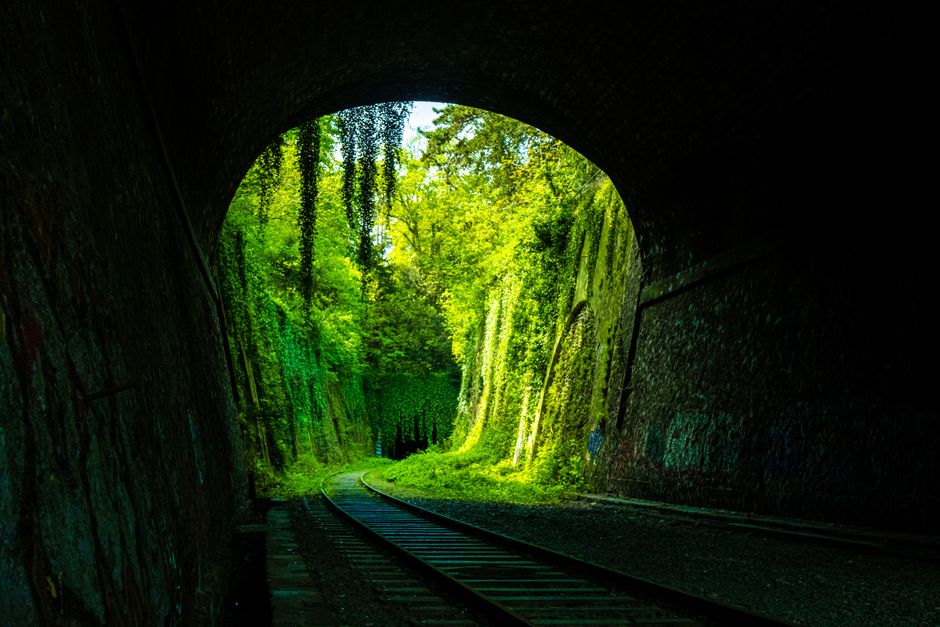
Beneath Brockville lies Canada's first railway tunnel, hand-dug in the 1850s and now a unique walk-through attraction.
The Brockville Railway Tunnel, completed in 1860, predates all other Canadian railway tunnels and holds the distinction of being the country's first. This engineering marvel, carved through solid rock by manual labor, was originally built to connect Brockville's port to its main railway line. Today, it's been beautifully restored with light and sound installations, offering visitors a cool, echoing journey back in time.
8. The Canal That Was Almost Too Late
Perth, Ontario, Canada
The Tay Canal was dug in the 1830s to connect the town of Perth to the Rideau Canal system, but by its completion, railways were already making it obsolete.
Perth's historic Tay Canal, a 10km waterway, was an ambitious project designed to link the town to the newly completed Rideau Canal system, thereby providing vital trade routes. Construction was fraught with challenges, and by the time it was finally navigable in 1834, the advent of railways was already beginning to shift transportation paradigms. Despite its brief commercial heyday, the canal remains a scenic and historically significant part of Perth's heritage.
Frequently asked questions
What's the fastest route from Montreal to Toronto?
The quickest route typically involves taking Autoroute 20 West from Montreal, which transitions into Highway 401 West in Ontario. This is the most direct and well-maintained highway, minimizing travel time.
Are there good places to eat along the Montreal to Toronto drive?
Absolutely! Many towns along the route, like Kingston, Port Hope, and Prince Edward County, offer excellent dining options ranging from casual diners to upscale restaurants, often featuring local Ontario produce and wines.
When is the best time to drive from Montreal to Toronto?
Spring and fall offer pleasant weather and beautiful scenery, especially for stops. Summer can bring more traffic, particularly on weekends, while winter conditions can make driving more challenging. Weekday travel outside of rush hours is generally the smoothest.
How can AllTours.ai enhance my road trip experience?
AllTours.ai transforms your drive into an immersive journey. Simply point your phone camera at any landmark or landscape, and the app will narrate its history, geology, and culture in your preferred language, revealing the hidden stories of the places you pass through.
Photography via Pexels. AllTours.ai is an AI audio tour guide — point your camera at any landscape and hear its story.