June 16, 2026 · 4 min read
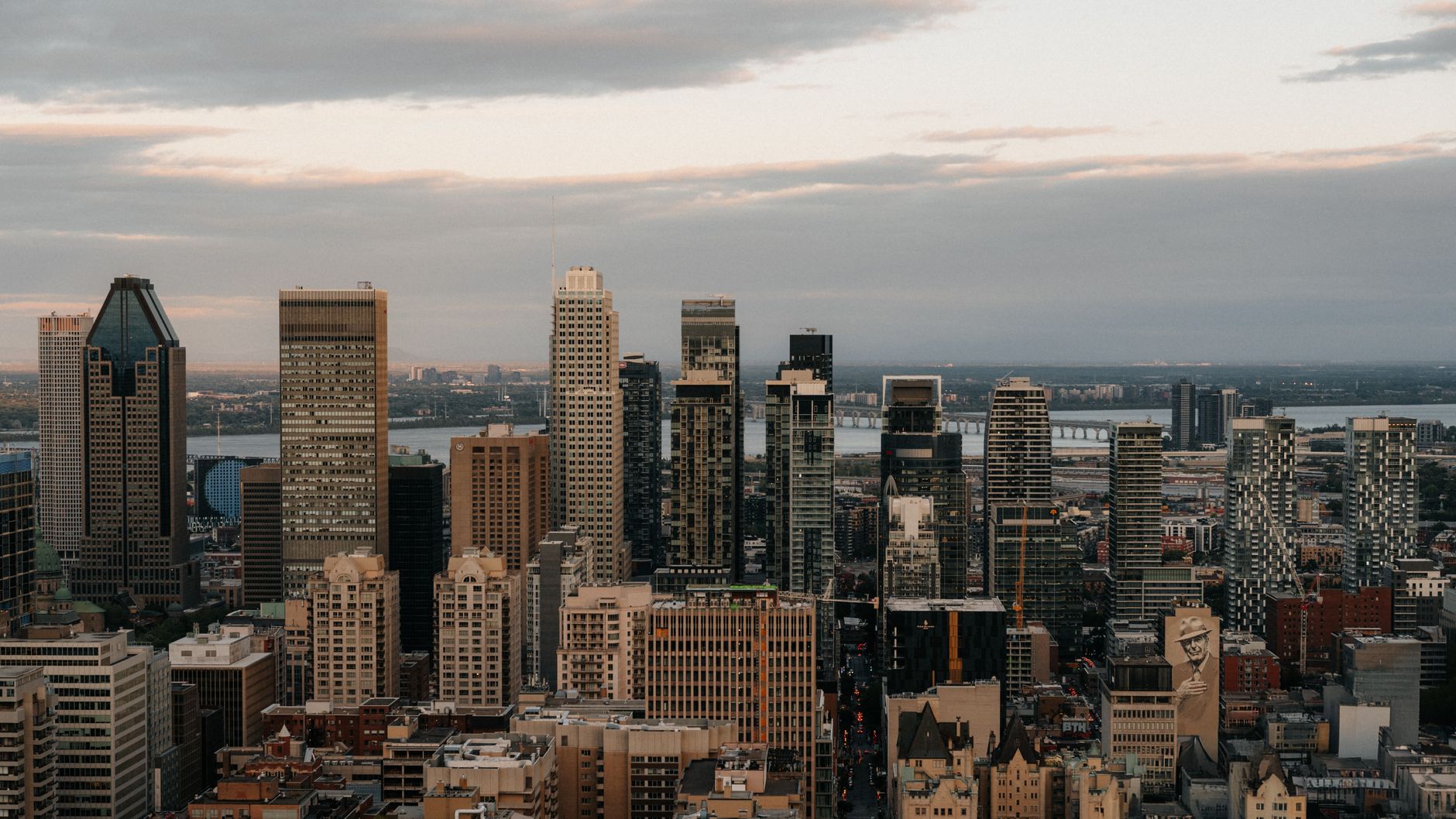
Montreal is a city that rewards curiosity. While its iconic landmarks like Notre-Dame Basilica and Mount Royal Park are undeniably captivating, truly understanding this vibrant metropolis means peeling back its layers, discovering the lesser-known corners and the remarkable stories they hold. The question of how many days do I need to spend in Montreal isn't just about ticking off sights; it's about how deeply you want to connect with its unique soul.
Forget the usual tourist checklists and prepare to dive into a Montreal rich with surprising history, architectural marvels, and cultural quirks that often go unnoticed. From industrial feats that shaped a nation to bohemian squares built over reservoirs, this guide encourages you to slow down and truly explore the narratives woven into the city's fabric.
1. The Canal That Nearly Broke a Nation
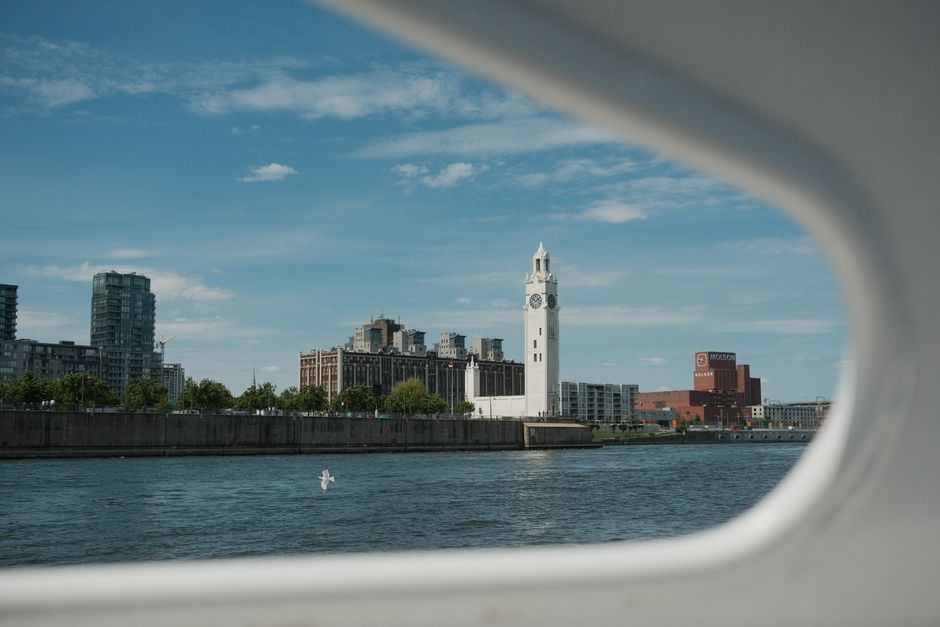
Lachine Canal National Historic Site, Canada
This tranquil waterway was once a massive engineering feat that nearly bankrupted early Canada.
The Lachine Canal, now a peaceful recreational path, was a powerhouse of industrial innovation and economic ambition. Its construction in the early 19th century was fraught with challenges and immense costs, vital for bypassing the Lachine Rapids and connecting the Great Lakes to the Atlantic. It spurred Montreal's growth as a major port, showcasing a pivotal chapter in Canada's industrial revolution that came with significant financial risks.
2. A Bohemian Square's Secret Past
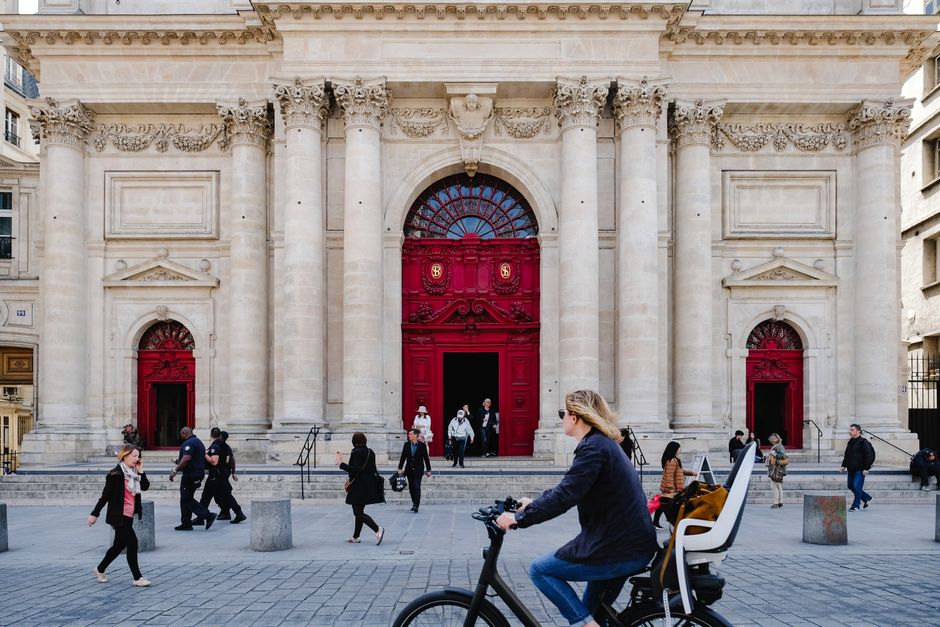
Carré Saint-Louis, Canada
This charming Victorian square, now a haven for artists, was once a crucial city reservoir.
Carré Saint-Louis, with its elegant fountain and beautiful Victorian row houses, began its life as a functional part of Montreal's infrastructure: a city reservoir. Once drained and developed in the late 19th century, it became a prestigious residential address before evolving into a vibrant bohemian quarter. Its transformation from a water source to an artistic hub perfectly encapsulates the city's adaptability and cultural evolution.
3. Montreal's Subterranean Survival Strategy
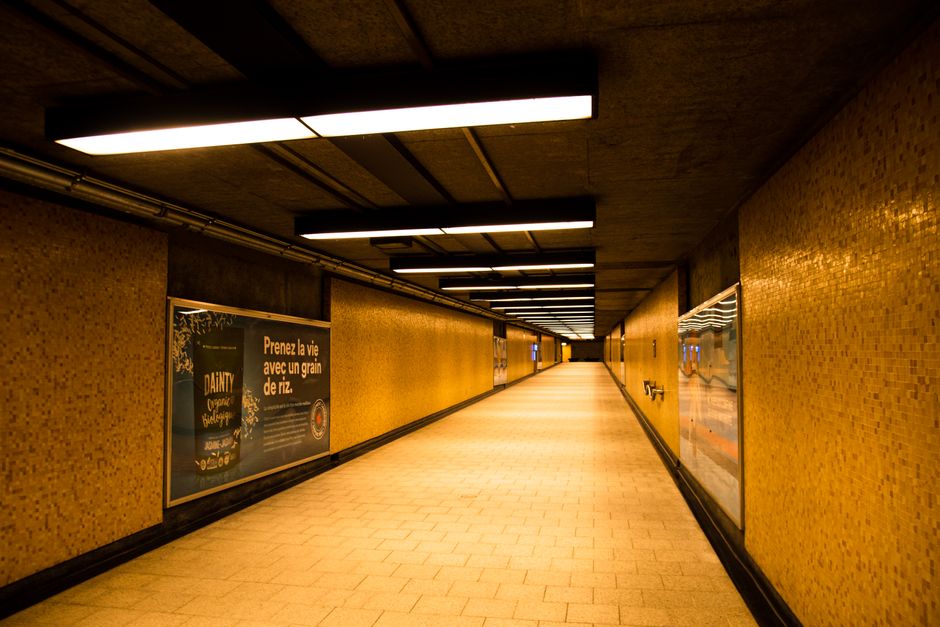
Underground City (RESO), Canada
The 'Underground City' isn't just for shopping; it's a vast network born out of extreme winters.
Montreal's RESO, often called the 'Underground City,' is far more than a collection of shopping malls. It's an intricate 32-kilometer network of tunnels, metro stations, public spaces, and even residential buildings, designed as a practical response to the city's harsh winters. This subterranean world allows Montrealers to navigate downtown comfortably, revealing a unique urban planning solution shaped by climate.
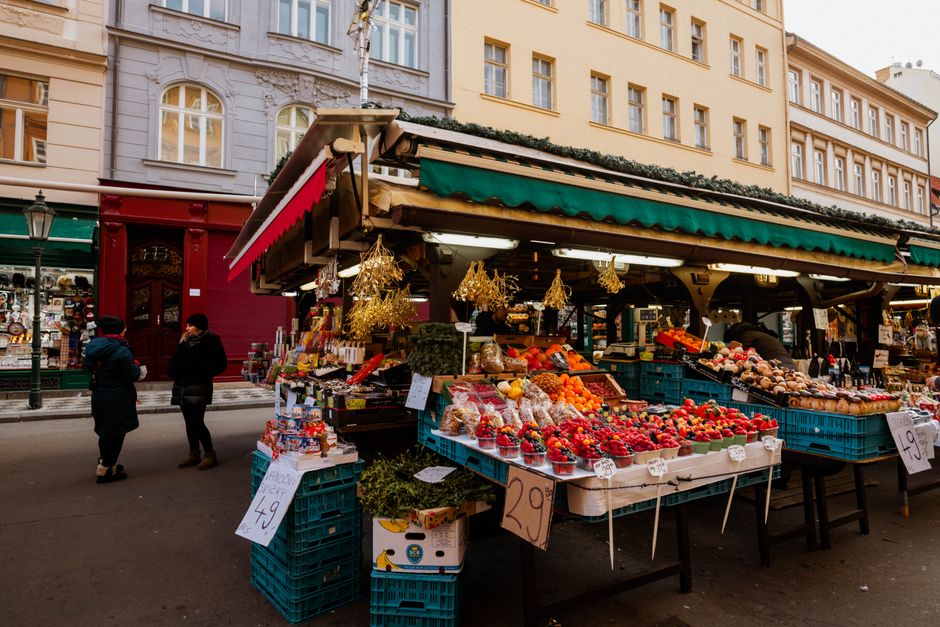
4. The Market Born from a Streetcar Barn
Marché Jean-Talon, Canada
One of Montreal's largest public markets sprouted from the unlikely site of a former streetcar depot.
Marché Jean-Talon, a bustling hub of fresh produce, flowers, and local delicacies, has an unexpected origin story. Established in 1933, this vibrant market was built on the grounds of a former streetcar barn. This adaptive reuse of urban infrastructure highlights Montreal's resourcefulness, transforming a functional transport facility into a beloved community gathering place and an essential source for fresh, local goods.
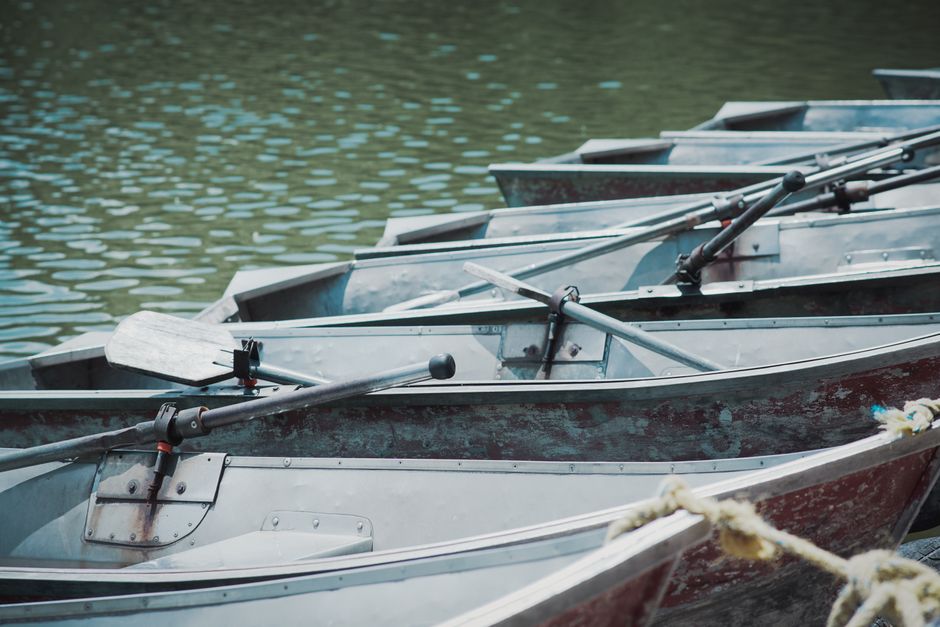
5. A Grand Park's Forgotten Menagerie
Parc La Fontaine, Canada
This beloved urban park once housed a zoo and elaborate ice palaces for winter carnivals.
Parc La Fontaine, a sprawling green oasis in the Plateau, holds a surprising past. Beyond its current role as a space for relaxation and recreation, it once featured a popular zoo that operated until 1957. In earlier decades, the park was also the stage for Montreal's spectacular winter carnivals, complete with magnificent ice palaces. These forgotten elements reveal a city with a flair for grand public entertainment and a changing relationship with urban green spaces.
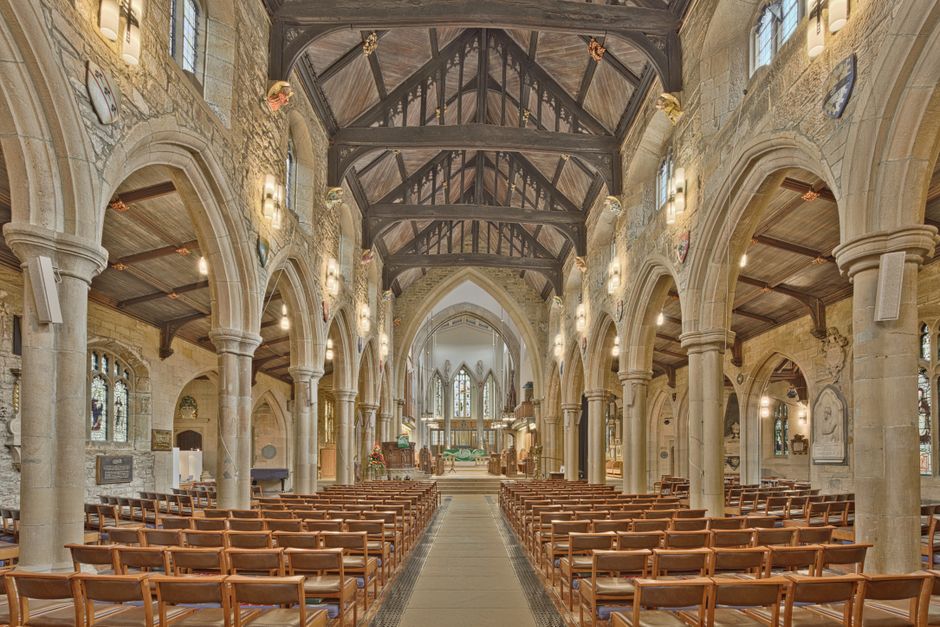
6. The Church Saved from the Highway
St. George's Anglican Church, Canada
This stunning Gothic Revival church narrowly escaped demolition for a major expressway.
St. George's Anglican Church, an architectural marvel in downtown Montreal, stands as a testament to public preservation efforts. In the 1960s, it faced the very real threat of being torn down to make way for the Ville-Marie Expressway. Fortunately, a strong public outcry and conservation campaigns ensured its survival, preserving its intricate design and historical importance amidst modern urban development.
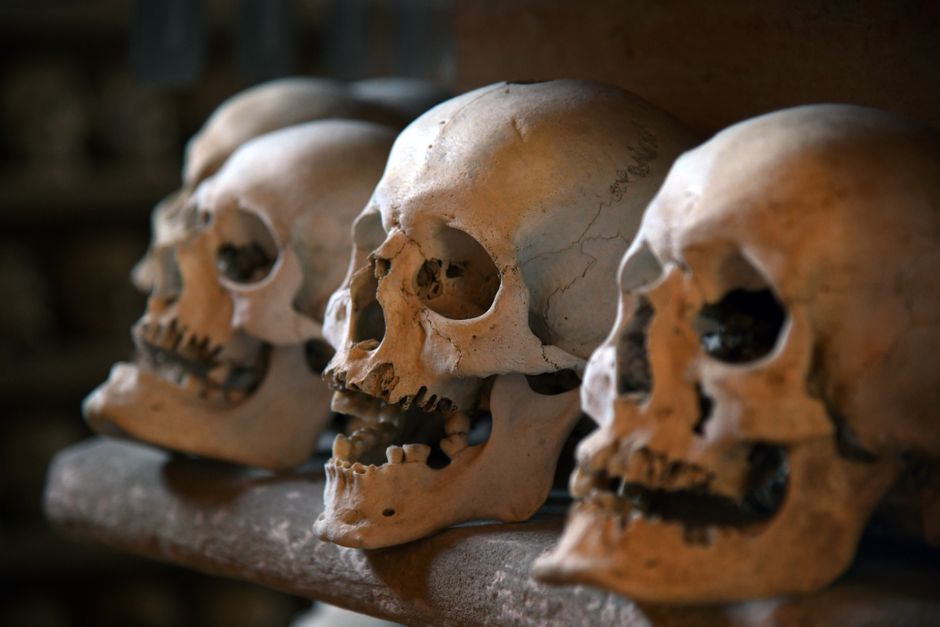
7. Walking on Montreal's Foundations
Pointe-à-Callière, Montréal Archaeology and History Complex, Canada
Explore the actual ruins of Montreal's founding beneath the streets at this unique museum.
Pointe-à-Callière offers an unparalleled journey into Montreal's past, allowing visitors to literally walk through layers of history. Built directly over archaeological excavations, the museum reveals the foundations of Fort Ville-Marie, the city's original settlement, along with remnants of earlier Indigenous encampments and subsequent colonial structures. It's a subterranean expedition through time, showcasing the very ground upon which Montreal was built.
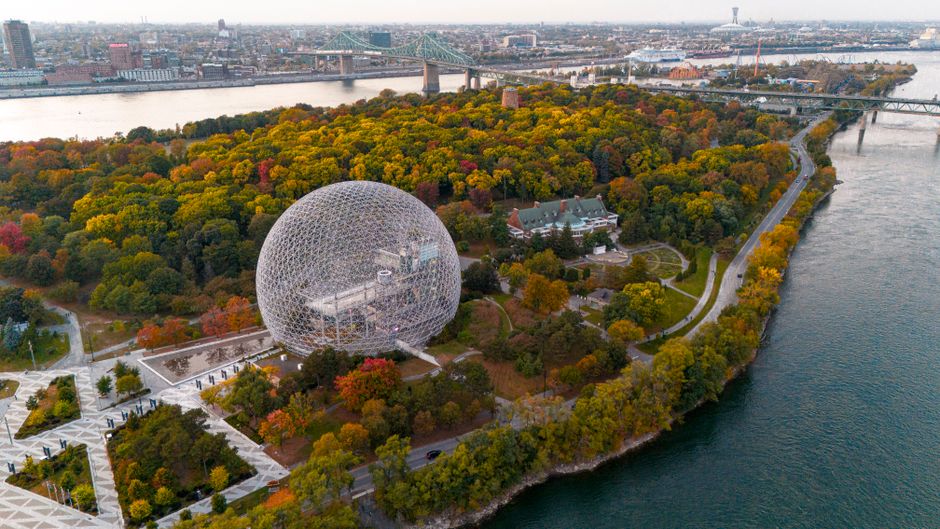
8. The Biosphere's Fiery Resilience
Montreal Biosphère, Canada
This iconic geodesic dome, originally from Expo 67, dramatically survived a devastating fire.
The Montreal Biosphère, a striking geodesic dome designed by Buckminster Fuller, was the American pavilion for Expo 67. In 1976, a catastrophic fire destroyed its transparent acrylic skin, leaving only the intricate steel framework. Far from being abandoned, the structure was reimagined and now serves as an environmental museum, symbolizing resilience and a commitment to ecological awareness, standing as a unique architectural landmark.
9. The City's Green Lung with an Underground River
Parc Jean-Drapeau, Canada
This island park hosts a former Expo site and has a hidden river flowing beneath it.
Parc Jean-Drapeau, spread across Île Sainte-Hélène and Île Notre-Dame, is famous for hosting Expo 67 and the Circuit Gilles Villeneuve. Less known is that Île Sainte-Hélène itself sits atop a massive underground river, a geological feature that influenced its formation. The park blends human history with natural wonders, offering a unique landscape shaped by both grand events and hidden geological forces.
Frequently asked questions
Is Montreal walkable?
Yes, many of Montreal's neighborhoods, especially Old Montreal, the Plateau, and downtown, are very walkable. The city also has an excellent public transport system (metro and buses) for longer distances, and the Underground City (RESO) connects many downtown areas, making winter exploration comfortable.
What is the best time of year to visit Montreal?
Montreal truly shines in late spring (May-June) and early autumn (September-October) with pleasant weather, vibrant festivals, and beautiful fall foliage. Summer is also popular, though it can be hot and humid, while winter offers unique experiences like ice skating and the 'Underground City.'
What are some unique Montreal foods I should try?
Beyond poutine, seek out Montréal-style smoked meat sandwiches (like at Schwartz's), bagels (different from New York style, often wood-fired), tourtière (a savory meat pie), and maple taffy on snow if you visit in early spring. Don't forget the local craft beer scene!
How can AllTours.ai enhance my Montreal trip?
AllTours.ai transforms your phone into a personal AI audio tour guide. Simply point your camera at any landmark, building, or natural feature in Montreal, and the app will instantly narrate its hidden history, intriguing geology, and rich cultural significance in your preferred language, revealing stories you'd otherwise miss.
Photography via Pexels. AllTours.ai is an AI audio tour guide — point your camera at any landscape and hear its story.