June 30, 2026 · 4 min read
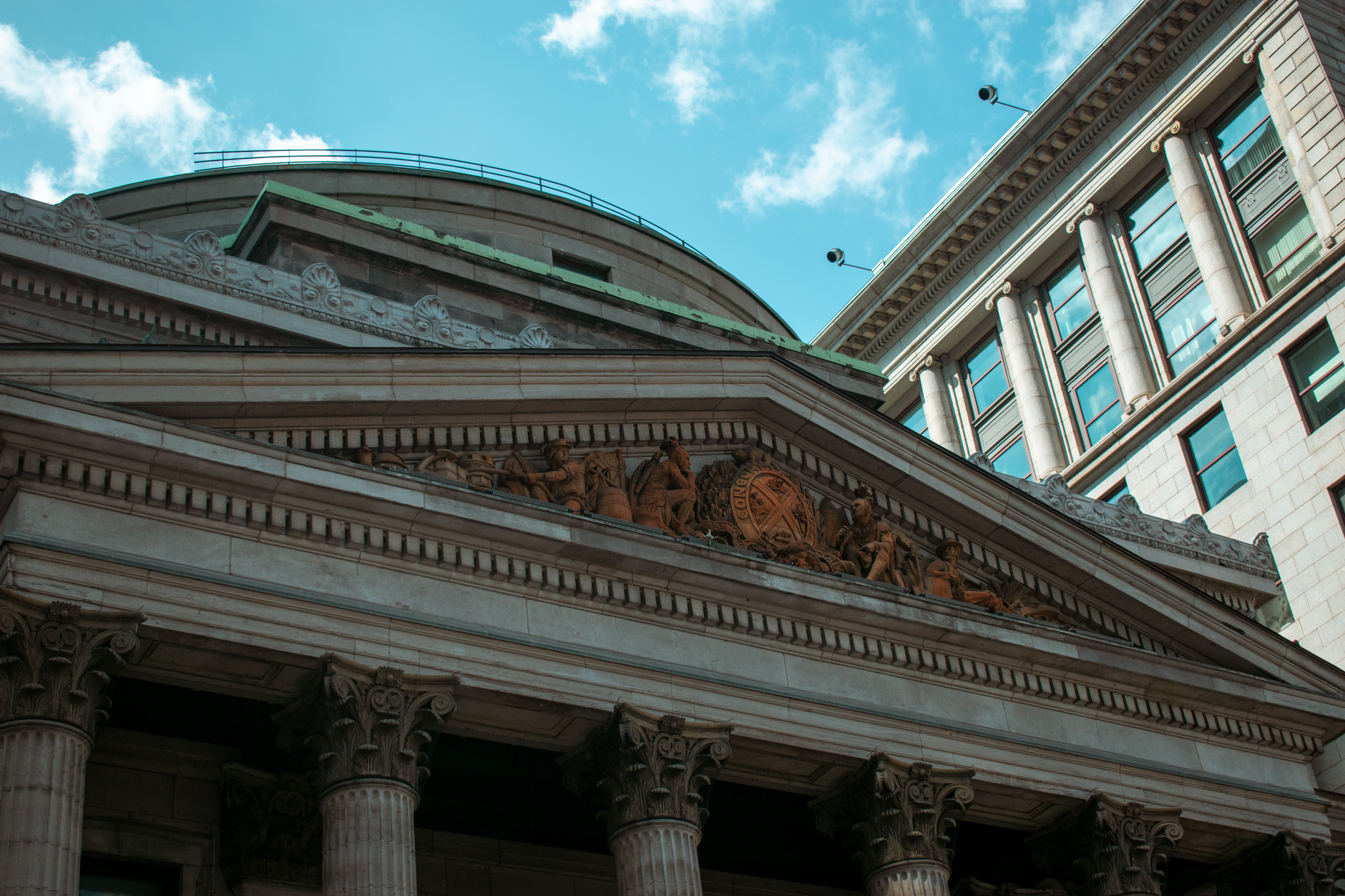
The news of Montreal's decision to fly the Quebec flag at half mast often sparks conversations that reach far beyond the immediate political discourse. It touches on the city's deep historical consciousness, its complex identity, and the many layers of stories that have shaped it. To truly grasp the pulse of Montreal and how such gestures resonate, one must look beyond the grand monuments and well-trodden paths.
Montreal is a city built on centuries of overlapping narratives – from Indigenous heritage to French colonial foundations, from industrial revolutions to vibrant cultural movements. Understanding how current events are received requires a deeper appreciation for the less-visible places that tell these profound tales. Join us as we explore some of Montreal's most underrated spots, each holding a unique key to the city's enduring spirit.
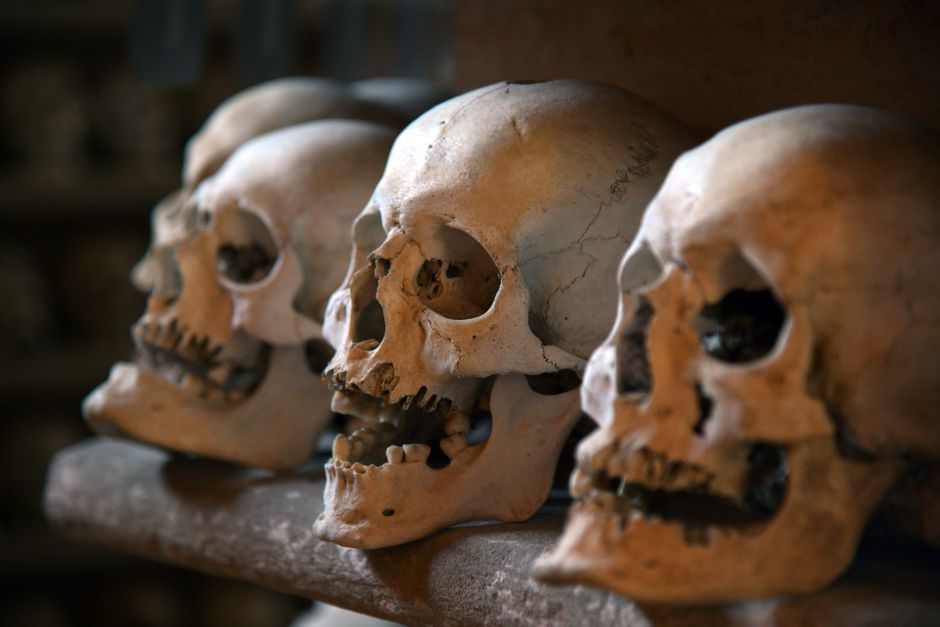
1. Beneath the City: Pointe-à-Callière's Archaeological Crypt
Old Montreal, Canada
Descend beneath the bustling streets to walk directly through the physical layers of Montreal's 1000-year history, from Indigenous campfires to colonial foundations.
The 'crypt' at Pointe-à-Callière isn't a burial site, but an underground archaeological journey. Here, visitors traverse walkways suspended over genuine ruins, witnessing the precise locations of the first French settlement, the city's original fortifications, and even remnants of Indigenous encampments. It’s a vivid, tangible timeline that underscores the immense depth of Montreal's past.
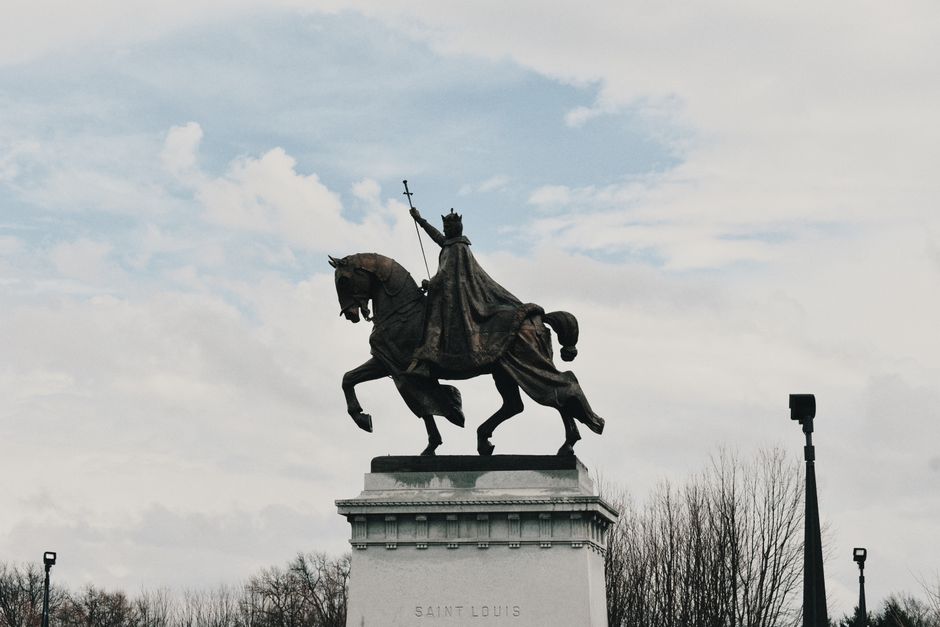
2. Carré Saint-Louis: From Reservoir to Bohemian Haven
Plateau Mont-Royal, Canada
This picturesque Victorian square, beloved by artists and writers, was once a crucial open-air reservoir supplying Montreal's early drinking water.
Before its elegant fountains and wrought-iron fences defined it, Carré Saint-Louis served as the city's primary water source, fed by an aqueduct from the Lachine Canal. Transformed into a residential square in the late 19th century, it quickly became home to Montreal's French-speaking bourgeoisie, artists, and intellectuals. Its distinctive Victorian architecture and tranquil atmosphere offer a quiet glimpse into a pivotal era of Montreal's cultural development.
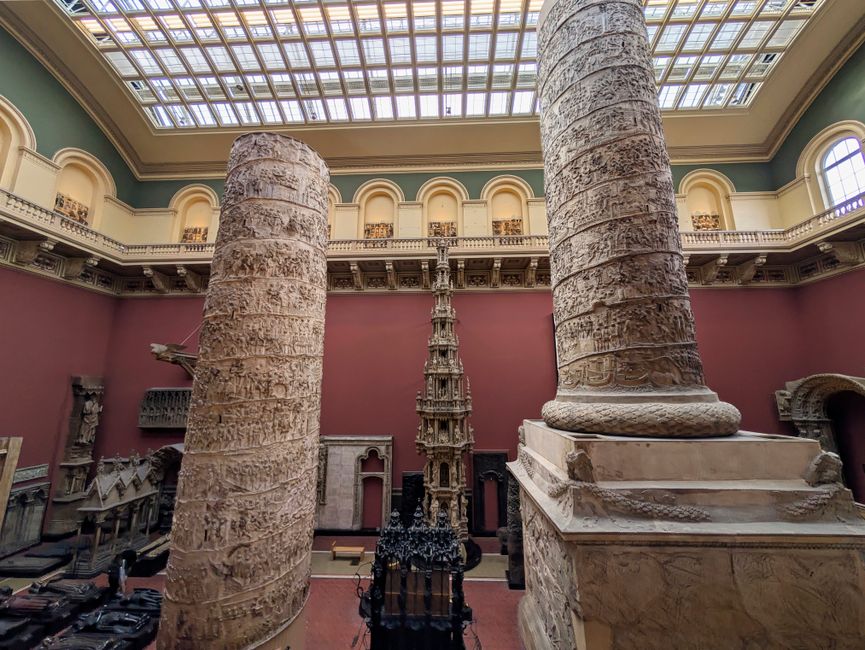
3. The Redpath Museum: A Sugar Baron's Legacy
McGill University, Canada
Tucked away on a university campus, this Victorian natural history museum houses everything from dinosaur skeletons to Egyptian mummies, all collected by a 19th-century sugar baron.
Founded in 1882 by Peter Redpath, a prominent Montreal industrialist and philanthropist, this museum is a fascinating time capsule. Its eclectic collections, ranging from ancient fossils and minerals to ethnological artifacts, were amassed during a period of intense global exploration and scientific discovery. Visiting offers a unique perspective on Victorian-era scientific curiosity and the enduring legacy of Montreal's industrial magnates.
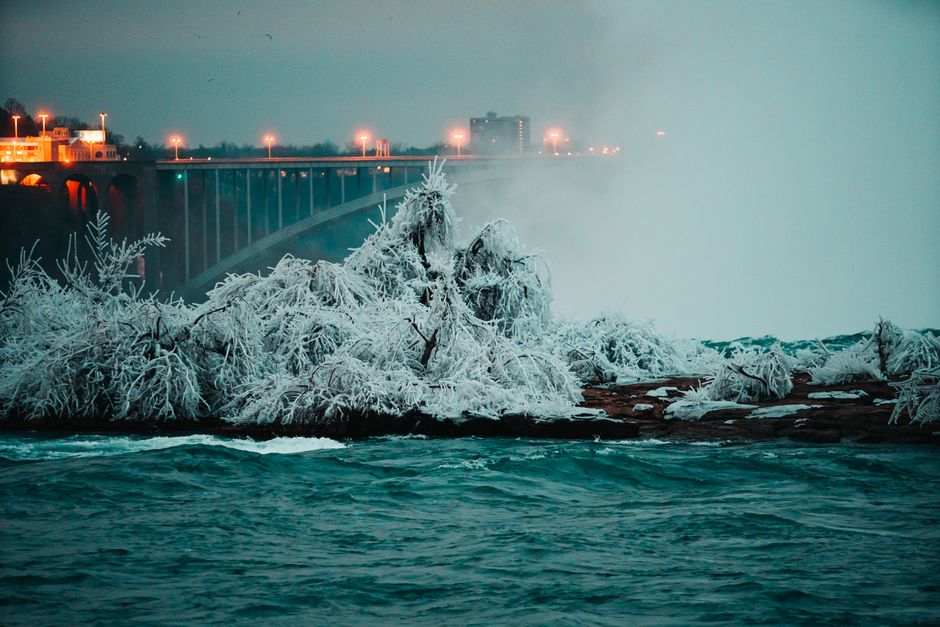
4. Parc des Rapides: Where Explorers Met Their Match
LaSalle, Montreal, Canada
These powerful, untamed rapids, once a formidable natural barrier that gave Lachine its name (due to explorers thinking they were en route to China), are a vital ecological and historical landmark.
The Lachine Rapids on the Saint Lawrence River were a treacherous obstacle for early European explorers, including Jacques Cartier and La Salle, who mistakenly believed they were on the path to Asia. Today, Parc des Rapides offers stunning views of these powerful waters, which are home to diverse birdlife and a unique freshwater ecosystem. The park serves as a reminder of the raw natural forces that shaped the region before industrialization tamed much of the river.
5. Écomusée du fier monde: Voices of the Working Class
Centre-Sud, Montreal, Canada
Housed in a beautifully preserved former public bathhouse, this museum vividly tells the forgotten stories of Montreal's working-class communities and their struggles.
The Bain Généreux, built in 1927, once provided essential hygiene services to the working families of the Sainte-Marie district. Today, it's home to the Écomusée du fier monde, a museum dedicated to the social and industrial history of Montreal. Through compelling exhibits, it illuminates the lives of factory workers, social movements, and the evolution of urban life, offering a crucial counter-narrative to the city's more celebrated historical accounts.
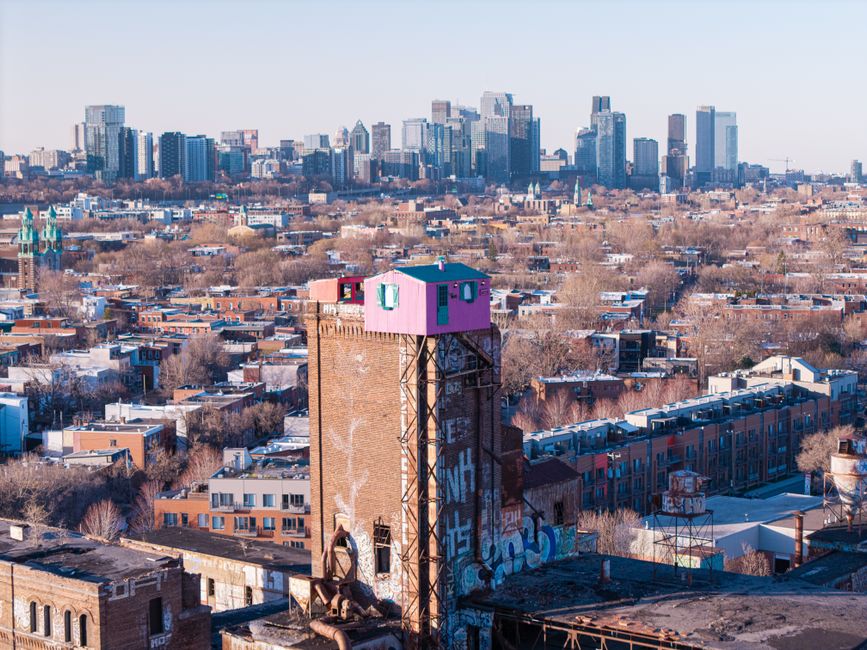
6. Maison Saint-Gabriel: A Glimpse into New France
Pointe-Saint-Charles, Montreal, Canada
This remarkably preserved 17th-century farm house offers a direct window into the lives of the "Filles du Roi" and the early French settlers who established New France.
Acquired by the Congrégation de Notre-Dame in 1668, Maison Saint-Gabriel was instrumental in the agricultural development of Ville-Marie and served as a welcoming home for the "Filles du Roi" – young women sent from France to marry and populate the colony. The site, a National Historic Site of Canada, features period furnishings, traditional gardens, and artisanal demonstrations, providing an immersive experience of daily life in early Quebec.
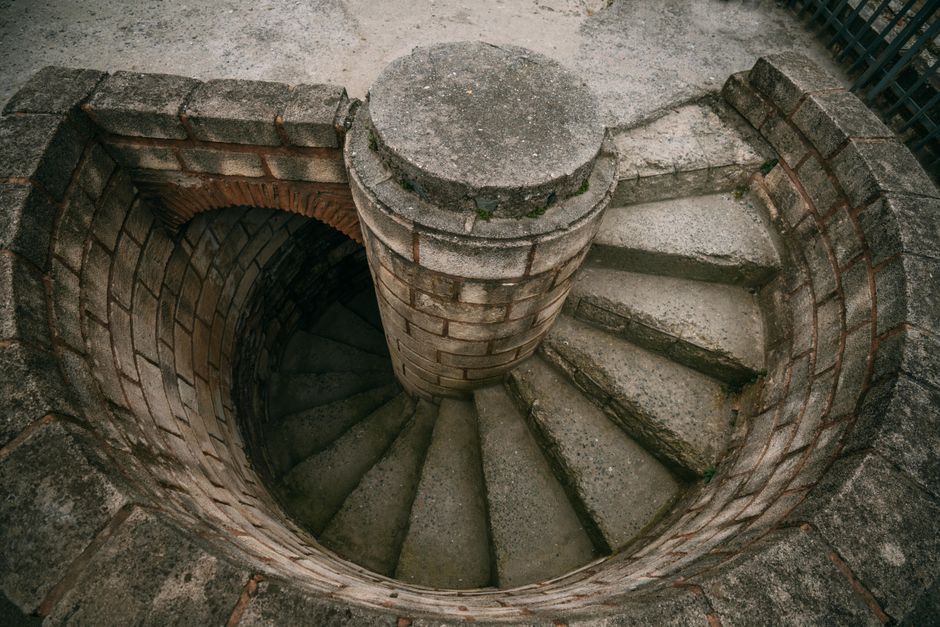
7. Plateau's Spiral Staircases: Design Born of Necessity
Plateau Mont-Royal, Montreal, Canada
These iconic outdoor staircases, a defining architectural feature of the Plateau, weren't just for aesthetics; they were a clever solution to urban planning and property taxation.
While visually striking, the prevalence of these external spiral staircases on many duplexes and triplexes in the Plateau has practical roots. Historically, interior staircases counted as usable floor space, increasing property taxes. By moving them outside, builders maximized interior living areas and reduced tax burdens, especially on narrow urban lots. This ingenious design decision created a unique streetscape that has become synonymous with Montreal's charm and resourcefulness.
Frequently asked questions
What is the significance of the Quebec flag in Montreal?
The Quebec flag, or Fleurdelisé, is a powerful symbol of Quebecois identity, language, and culture. Its presence in Montreal reflects the city's deep connection to its francophone heritage and the broader provincial identity, even within its multicultural landscape.
Are there any specific historical events tied to flag displays in Quebec?
Throughout Quebec's history, flag displays have often been central to expressing political and cultural sentiments, particularly during periods of nationalist movements or significant provincial milestones. Such displays can evoke strong reactions, reflecting diverse interpretations of Quebec's past and future.
How does Montreal balance its French and English heritage?
Montreal is unique in Canada for its strong bilingual character, though French remains its official language and the dominant culture. The city's history is a tapestry of both French and British influences, visible in its architecture, institutions, and daily life, creating a vibrant cultural dynamic.
How can AllTours.ai help me explore Montreal's hidden histories?
AllTours.ai transforms your phone into an AI audio tour guide. Simply point your camera at any landmark, landscape, or even a hidden street corner in Montreal, and the app will narrate its history, geology, and culture in your preferred language, revealing the untold stories of the city around you.
Photography via Pexels. AllTours.ai is an AI audio tour guide — point your camera at any landscape and hear its story.