September 8, 2026 · 4 min read
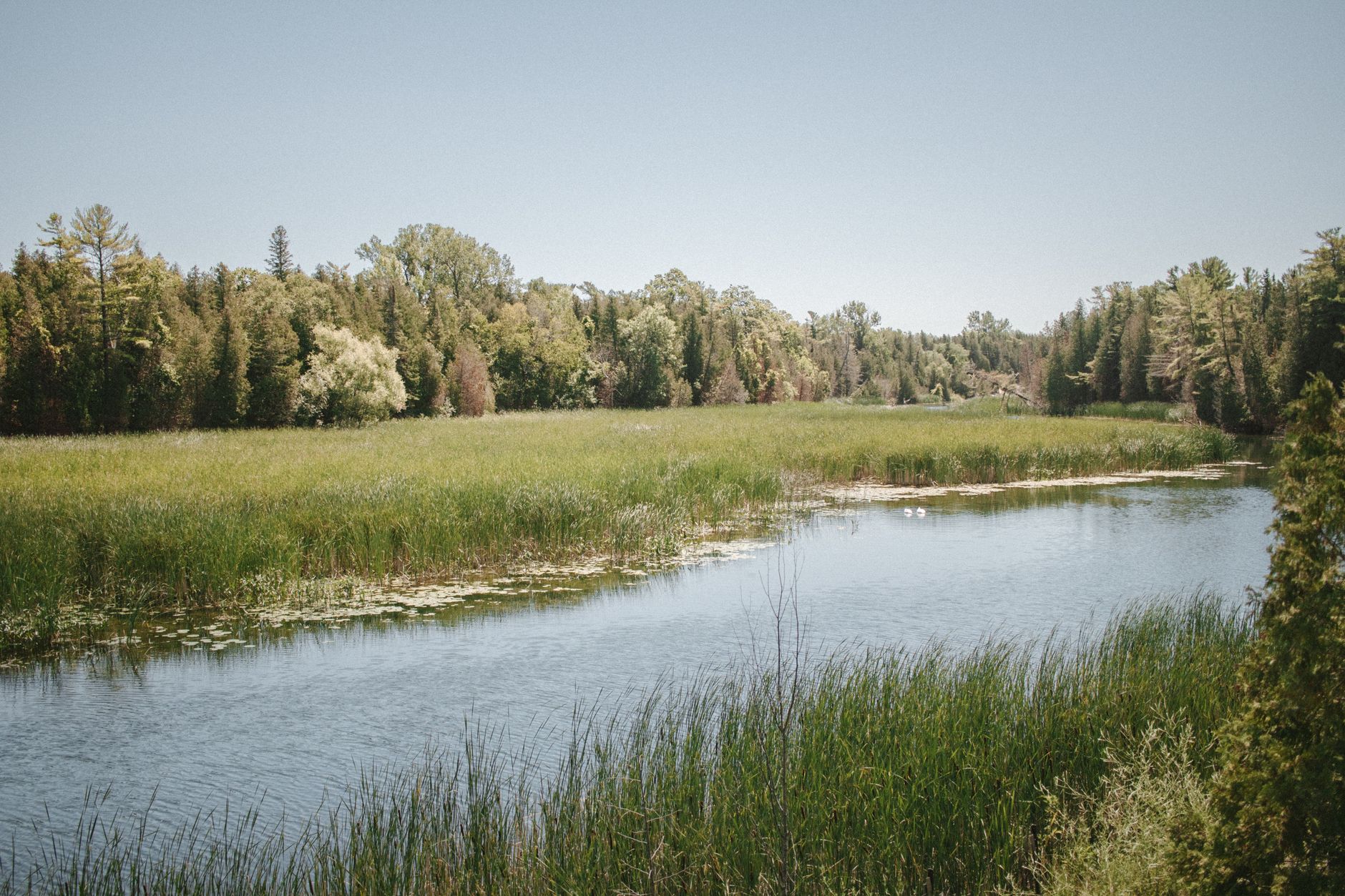
Caledon, Ontario, is often celebrated for its picturesque landscapes and rural charm, a welcome escape from urban hustle. Beyond its well-trodden paths and popular conservation areas, however, lies a deeper layer of history, geology, and culture waiting to be discovered by the curious traveler.
Forget the usual tourist stops. This guide delves into Caledon's genuinely lesser-known treasures, each with a unique story that will spark your imagination and reveal the surprising character of this Ontario gem. From industrial ghosts to ancient geological wonders, prepare to see Caledon through a new lens.
1. The Hole in the Wall at Limehouse
Limehouse Conservation Area, Canada
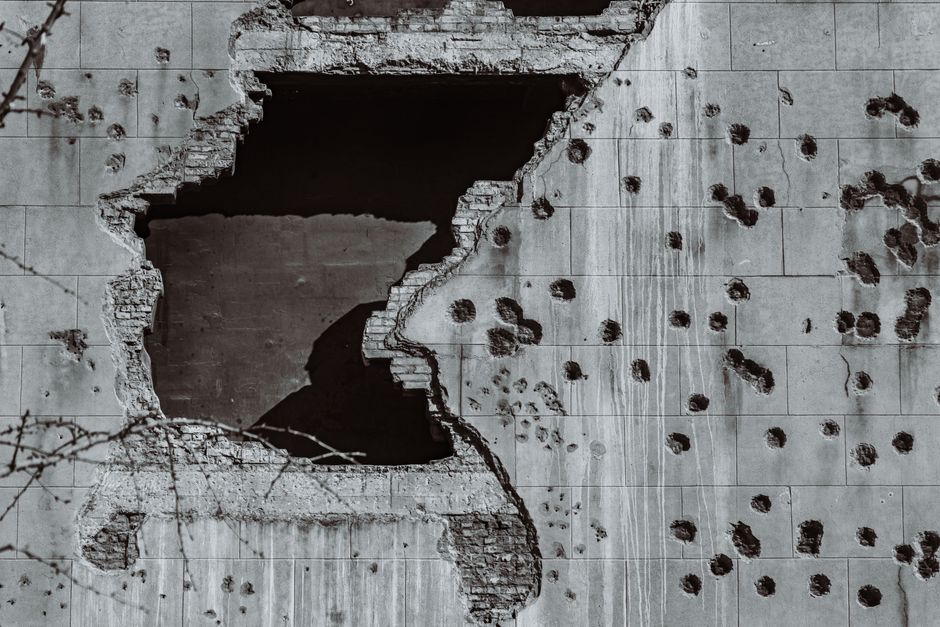
Explore a labyrinth of hidden limestone crevices and caves known as the 'Hole in the Wall,' carved over millennia.
Limehouse Conservation Area hides a geological marvel: a network of deep fissures and small caves within the Niagara Escarpment limestone. These formations are remnants of an ancient sea bed, slowly sculpted by water over countless years. Nearby, the ghostly remains of 19th-century lime kilns stand as silent sentinels, hinting at a forgotten industrial past where limestone was processed for building materials.
2. Cataract Falls & Historic Hydro Ruins
Cataract, Caledon, Canada
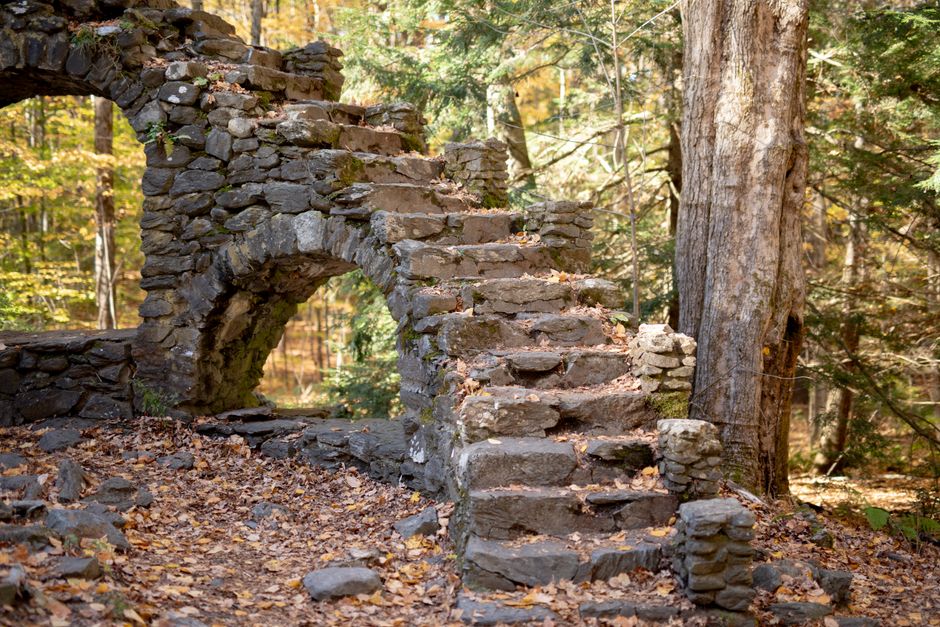
Witness the ghostly remnants of one of Ontario's earliest hydro-electric generating stations, now reclaimed by nature.
Tucked away where the Credit River plung plunges, the ruins of the Cataract Electric Power Company offer a glimpse into early industrial innovation. Operating from 1899 to 1947, its brick structures and concrete foundations now stand as silent sentinels beside a picturesque waterfall and a historic railway bridge. It's a poignant reminder of a time when the river's power fueled local communities.
3. Alton Mill Arts Centre's Industrial Past
Alton, Caledon, Canada
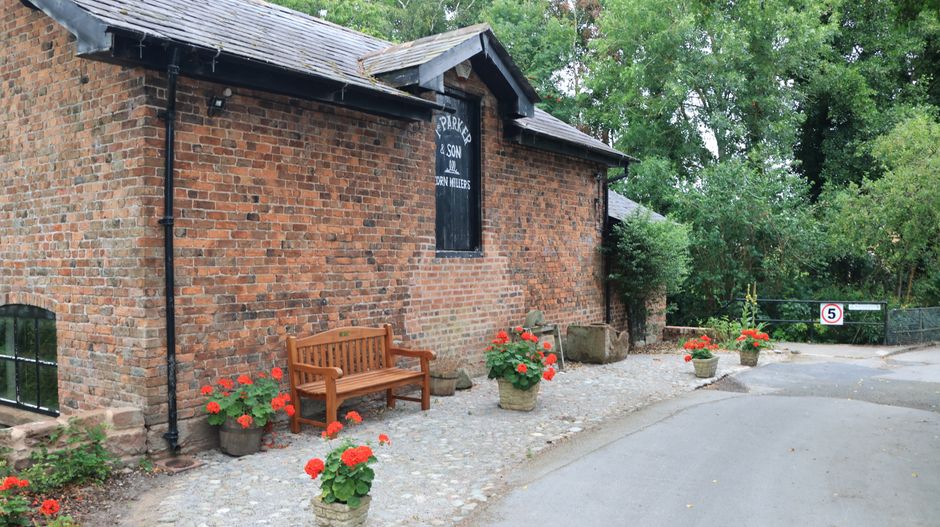
A sprawling stone mill from the 1880s, once a bustling textile factory, now buzzes with artistic creation.
Built in 1881 as the Beaver Knitting Mills, this impressive stone structure was a cornerstone of Alton's industrial past, producing woolens and textiles. After decades of operation, the mill fell into disrepair. Today, it has been meticulously restored and transformed into a vibrant cultural hub, housing artist studios, galleries, and a museum, preserving its heritage while fostering contemporary art.
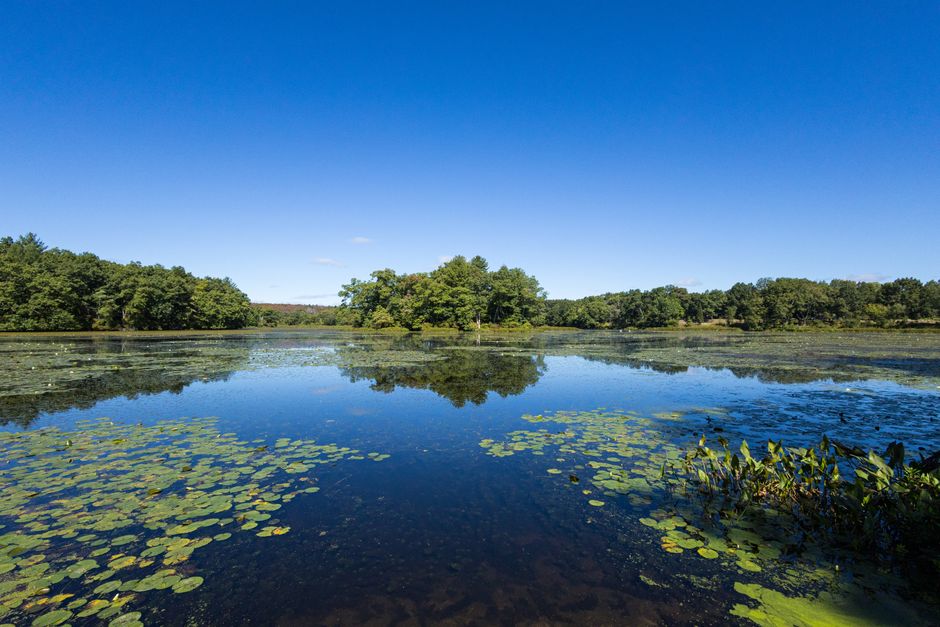
4. Terra Cotta's Forgotten Mill Pond
Terra Cotta Conservation Area, Canada
Beyond its popular trails, Terra Cotta holds a surprising history tied to early settler industry and its vital mill pond.
While known for hiking, the heart of Terra Cotta once revolved around its mill pond, formed by damming the Credit River. This pond powered a grist mill and a sawmill crucial for early settlement, shaping the landscape and economy of the burgeoning village. Today, it's a tranquil spot, attracting diverse wildlife and reflecting the area's deep ecological and historical layers.
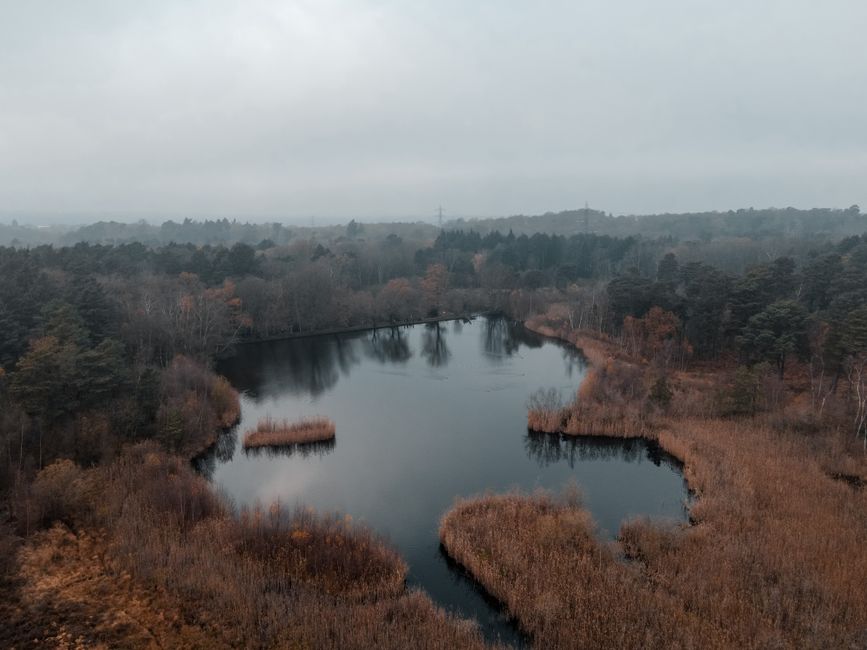
5. Boyne Valley Provincial Park's Glacial Kettle Lakes
Boyne Valley Provincial Park, Canada
Discover miniature, pristine lakes nestled in the landscape, formed by retreating glaciers thousands of years ago.
This undeveloped provincial park showcases the raw power of glacial erosion. Its distinctive kettle lakes are depressions left by melting ice blocks embedded in glacial till, now filled with water and surrounded by unique bog ecosystems. These isolated habitats support rare plant species and provide a living window into Ontario's ancient geological past, untouched by significant development.
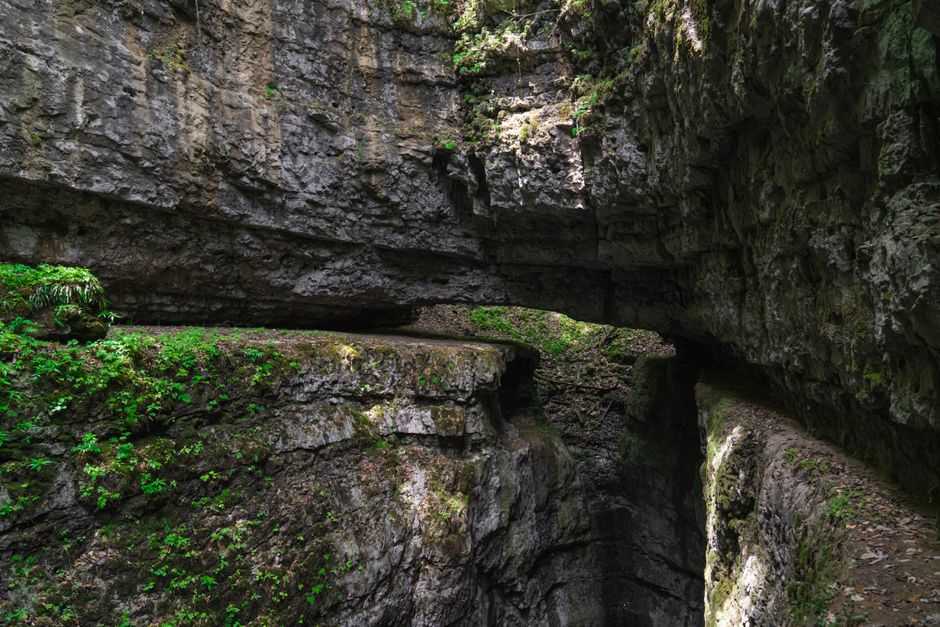
6. The Devil's Pulpit at Forks of the Credit
Forks of the Credit Provincial Park, Canada
A dramatic cliff face reveals millions of years of geological history, resembling an open book of ancient rock.
While Forks of the Credit is popular, the Devil's Pulpit offers a specific, breathtaking view. This sheer escarpment exposes layers of Ordovician shale and dolomite, hinting at a time when Ontario was covered by a warm, shallow sea. From its heights, the Credit River snakes below, carving its path through this ancient landscape, a testament to geological time.
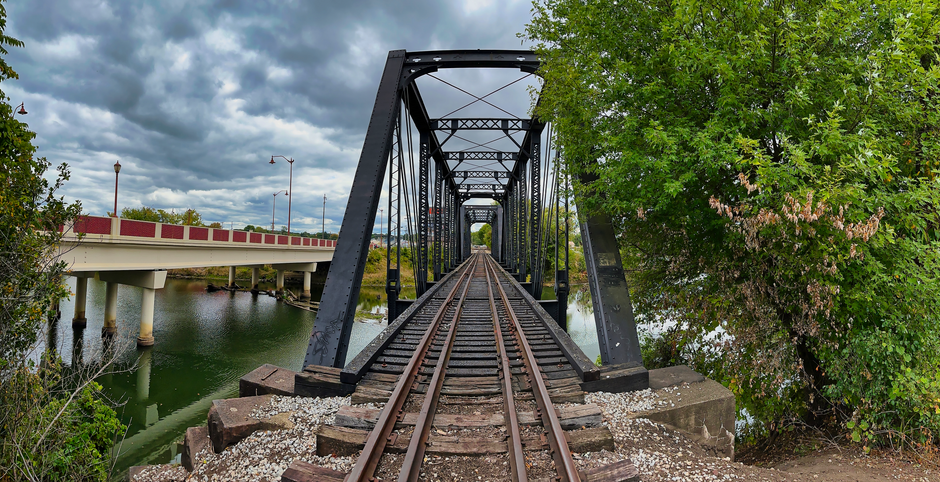
7. Inglewood Section's Old Railway Bridge
Caledon Trailway (near Inglewood), Canada
Walk a historic railway path, crossing an impressive old bridge that once connected communities by rail.
The Caledon Trailway, built on a former Canadian Pacific Railway line, offers flat, accessible paths. Near the charming village of Inglewood, a particularly well-preserved steel truss bridge stands as a testament to the region's railway heritage. It once carried trains laden with goods and passengers, and now provides a scenic crossing for hikers and cyclists over the Credit River, linking past and present.
8. Albion Hills' Hidden Farmstead Foundations
Albion Hills Conservation Area, Canada
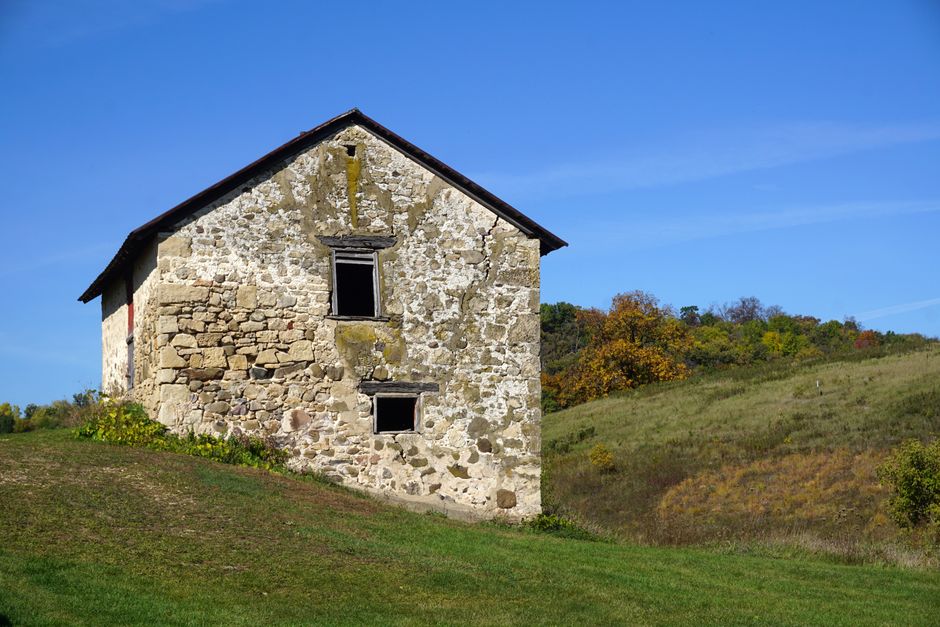
Uncover the faint foundations of a forgotten 19th-century farmstead, hinting at early settler life amidst the wilderness.
Beyond its popular mountain biking trails, Albion Hills offers glimpses into its human past. Along specific hiking paths, faint stone foundations and overgrown fences mark the sites of early pioneer farms. These subtle remnants tell tales of resilience and hardship, as settlers carved out a living from the forested land before it became a protected conservation area, a testament to the area's evolving history.
Frequently asked questions
What are some lesser-known hiking trails in Caledon?
Beyond the popular Forks of the Credit, consider exploring the trails at Limehouse Conservation Area, especially the 'Hole in the Wall' section, or the more rugged paths within Boyne Valley Provincial Park for a quieter, more natural experience.
Are there any historical sites in Caledon related to industry?
Absolutely. The ruins of the Cataract Electric Power Company near Cataract Falls offer a fascinating look into early hydro-electric technology. Additionally, the Alton Mill Arts Centre, once a bustling textile factory, provides insight into Caledon's industrial past and its artistic present.
What is the best time of year to visit Caledon for sightseeing?
Caledon is beautiful year-round, but autumn is particularly stunning with vibrant fall foliage, making it ideal for exploring its natural and historical sites. Spring also offers pleasant weather and blooming wildflowers, while winter provides opportunities for snowshoeing or cross-country skiing.
How can AllTours.ai enhance my visit to these Caledon sites?
AllTours.ai acts as your personal AI guide. Simply point your phone camera at a landmark or landscape in Caledon, and the app will instantly narrate its history, geology, or cultural significance in your preferred language, bringing these surprising stories to life as you explore.
Photography via Pexels. AllTours.ai is an AI audio tour guide — point your camera at any landscape and hear its story.