June 22, 2026 · 4 min read
Considering a move to Quebec, perhaps to the bustling metropolis of Montreal or the historic charm of Quebec City? A common first question is always: how much does it cost to live alone here? While budgets are key, truly understanding life in these vibrant cities means looking beyond the numbers.
This guide not only tackles the financial realities but also pulls back the curtain on finding an apartment and discovering the unique, often overlooked corners that make these cities truly special. From industrial pasts to hidden communities, explore neighborhoods where history whispers from every street corner.
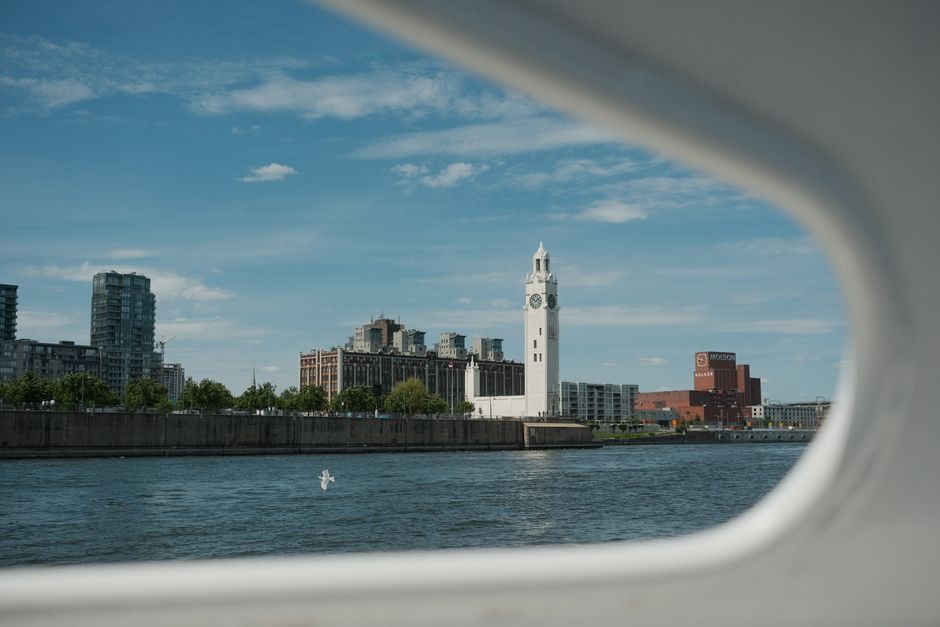
1. Lachine Canal's Industrial Ghost
Lachine Canal National Historic Site, Canada
Canada's first true industrial heartland, the Lachine Canal was once a battleground for workers' rights and technological innovation.
Before it became a scenic park, the Lachine Canal powered Montreal's earliest factories, drawing immigrant laborers and sparking fierce social movements. Its banks witnessed the rise of Canada's industrial might, with textile mills and ironworks shaping the nation's economic future. Today, remnants like the old locks and brick warehouses tell tales of this transformative era, offering a glimpse into the lives of those who built modern Quebec.
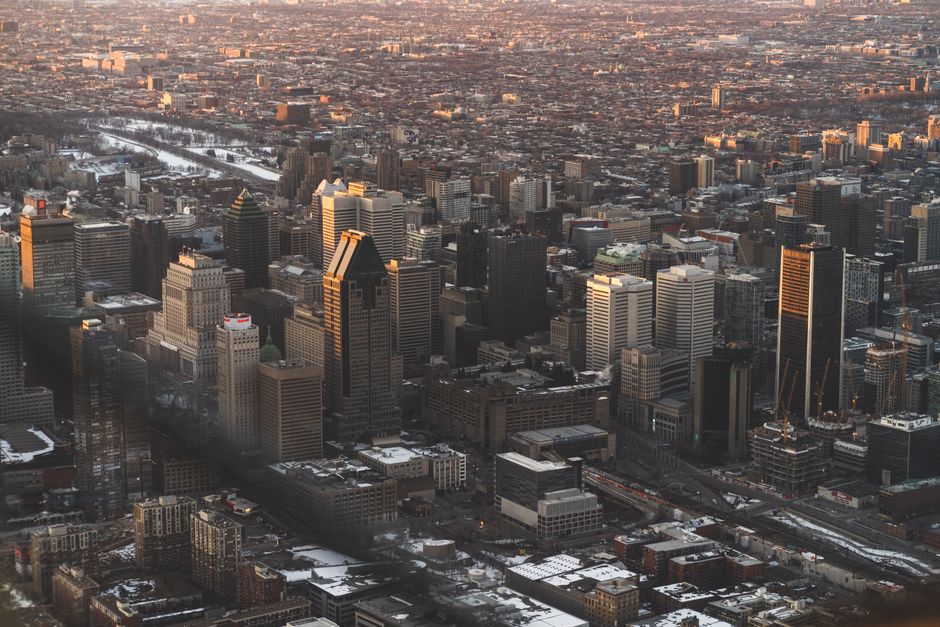
2. Mile Ex: From Looms to Labs
Mile Ex, Montreal, Canada
This former industrial zone, once a hub for textile manufacturing, is now a surprising nexus of AI startups and indie music venues.
Nestled between the Mile End and Parc Extension neighborhoods, Mile Ex was historically characterized by its brick factories and working-class population. Today, its repurposed industrial buildings house cutting-edge AI labs, film studios, and art galleries, creating a unique blend of old and new. The area buzzes with a creative energy, where developers and artists share cafes, and the echoes of textile looms have been replaced by the hum of innovation.
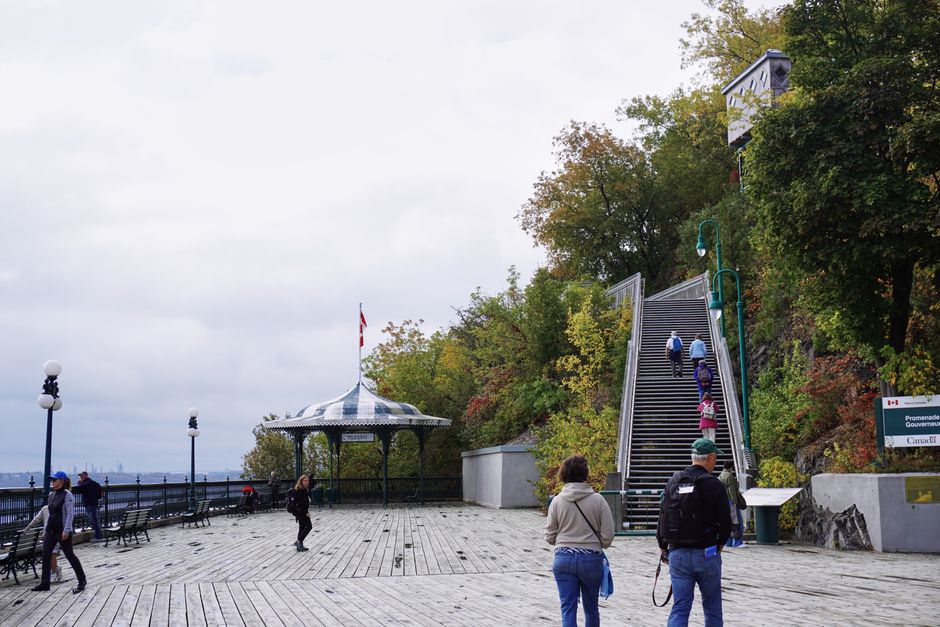
3. Cap-Blanc's Cliffside Community
Cap-Blanc, Quebec City, Canada
One of Quebec City's most historic and steepest staircases leads to a hidden, tight-knit community once vital for the city's port.
The Cap-Blanc staircase, carved into the cliff face, connects the Upper Town to a unique, secluded neighborhood hugging the Saint Lawrence River. This community, once home to dockworkers and their families, retains its distinct character with colorful houses built directly into the rock. Living here meant a life intertwined with the river's rhythm and the daily ascent and descent of hundreds of steps, fostering a resilience that defines its residents even today.
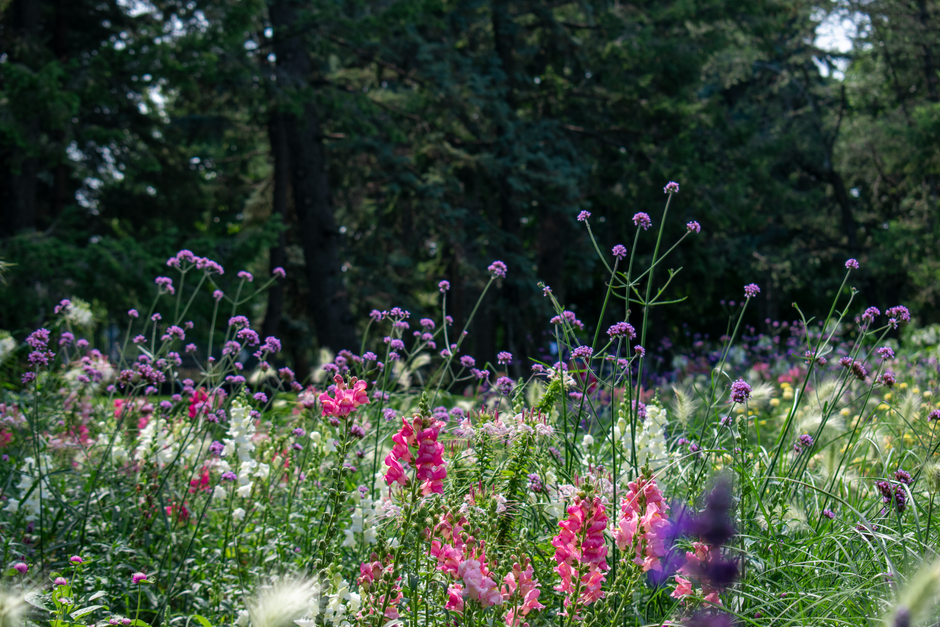
4. Villeray: Built on Limestone
Villeray, Montreal, Canada
Built atop former limestone quarries, Villeray's green spaces and unique urban fabric tell a surprising geological story.
Montreal's Villeray neighborhood sits on land once extensively quarried for the limestone that built much of the city. As these quarries closed, they were repurposed into parks and residential areas, giving Villeray its distinct topography and abundant green spaces like Jarry Park. This geological foundation shaped the community, influencing everything from its street patterns to its vibrant local markets, making it a truly grounded place with deep roots.
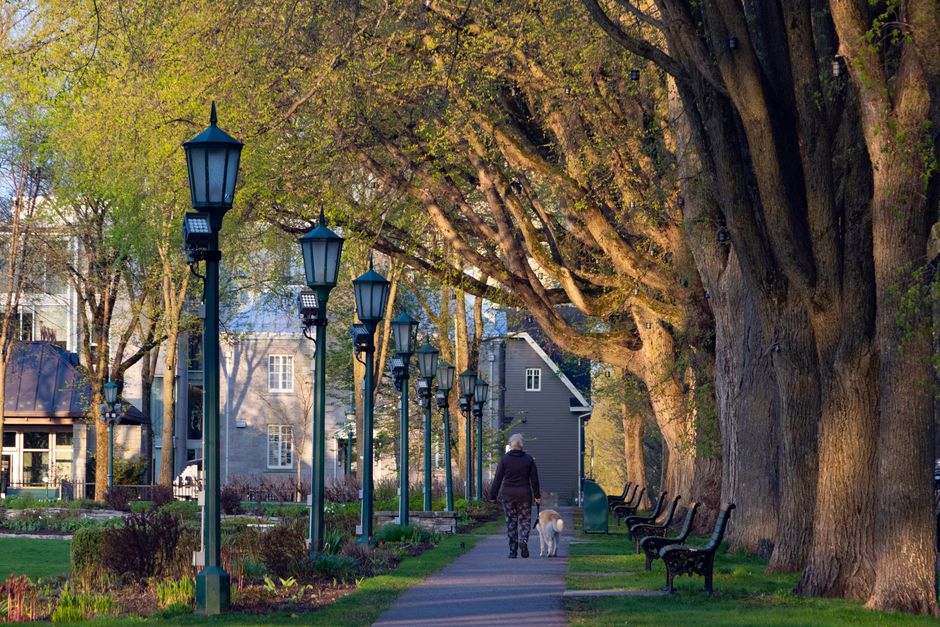
5. Limoilou: Quebec City's Gritty Charm
Limoilou, Quebec City, Canada
This working-class district, named after Jacques Cartier's wintering grounds, boasts a surprisingly vibrant art scene and historic industrial architecture.
Northeast of Old Quebec, Limoilou once pulsed with the rhythm of factories and port activity, housing generations of blue-collar families. Its wide avenues and sturdy brick duplexes reflect this industrial heritage, but today, Limoilou has reinvented itself. It's now a hub for independent boutiques, cafes, and street art, drawing a younger crowd while retaining its authentic, community-focused spirit. The area offers a glimpse into Quebec City's everyday life beyond the tourist brochures.
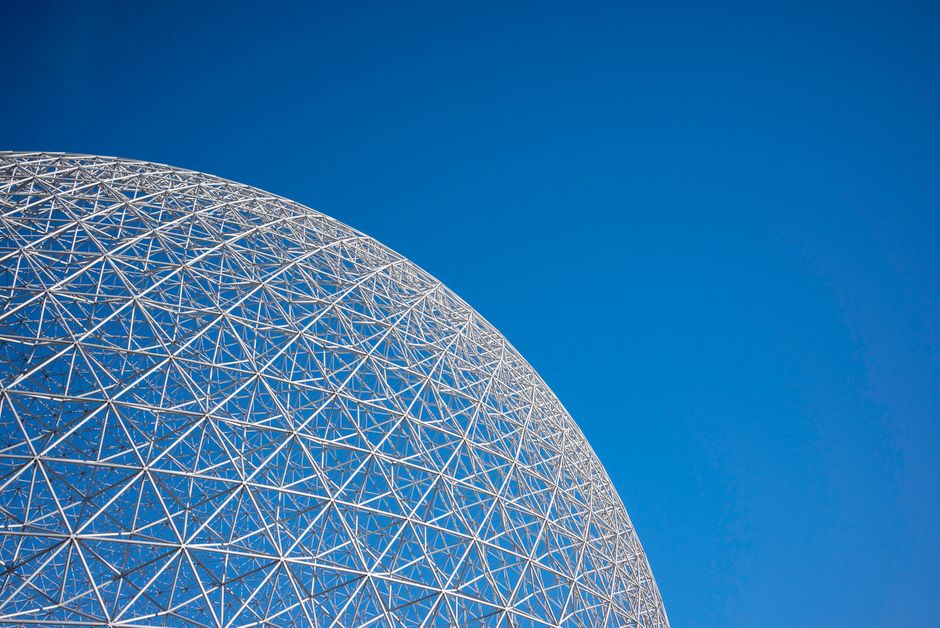
6. Expo 67's Fading Footprints
Île Sainte-Hélène, Montreal, Canada
While known for Parc Jean-Drapeau, Île Sainte-Hélène still holds surprising, almost hidden, architectural echoes of Expo 67.
Beyond the Biosphere and modern concert venues, Île Sainte-Hélène preserves subtle reminders of its past as a host for Expo 67. Look closely, and you'll find the concrete foundations of vanished pavilions, or peculiar landscaping elements designed for a future that arrived decades ago. These fragments offer a silent commentary on grand visions and temporary structures, inviting curious exploration beyond the island's main attractions.
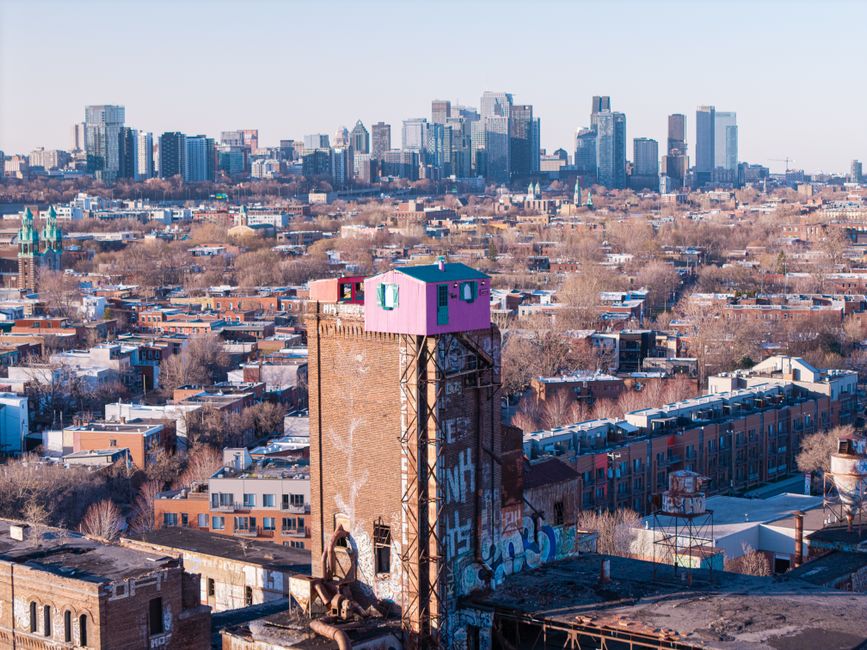
7. Saint-Henri: A Novel's Landscape
Saint-Henri, Montreal, Canada
Once known as 'The City of the Poor' and inspiration for Gabrielle Roy's classic novel, Saint-Henri has transformed while retaining its working-class soul.
Situated along the Lachine Canal, Saint-Henri's tough, impoverished past was immortalized in Gabrielle Roy's "The Tin Flute." Its brick tenements and industrial backdrop once housed generations of factory workers and canal laborers. Today, while gentrification brings new cafes and boutiques, the neighborhood still fiercely guards its community spirit, visible in its local markets, community gardens, and the genuine warmth of its long-time residents.
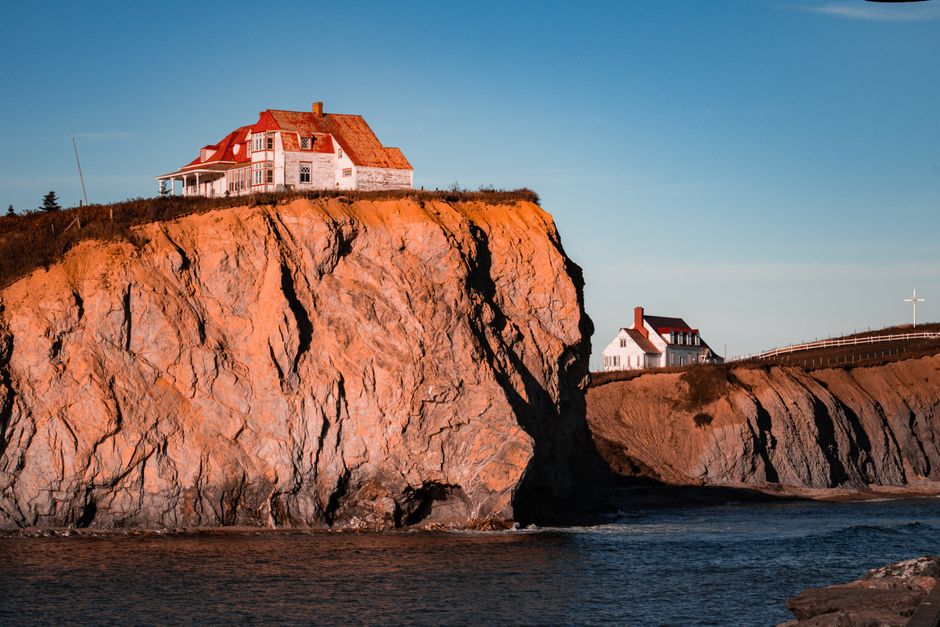
8. Sillery's Ancient Shores
Sillery, Quebec City, Canada
Sillery's dramatic cliffs and coves hide a deep geological past, including ancient landslides and unique fossil formations.
While often associated with grand estates, Sillery's true drama lies in its natural landscape along the Saint Lawrence River. The towering cliffs reveal layers of ancient rock, shaped by millennia of erosion and massive landslides that have sculpted the coastline. Exploring its hidden coves and trails offers a rare glimpse into the geological forces that formed the region, a stark contrast to the manicured lawns above.
Frequently asked questions
What's the average monthly cost to live alone in Montreal or Quebec City?
Living alone in Montreal can range from $1,800 to $2,500 CAD per month, including rent, utilities, groceries, and transportation. Quebec City is generally slightly less expensive, with costs often falling between $1,600 and $2,200 CAD. These figures can vary widely based on neighborhood and lifestyle.
How do I find a good apartment for a single person in these cities?
Online platforms like Kijiji, Facebook Marketplace, and specialized rental sites (e.g., Centris, Appartmap) are popular starting points. Be prepared for a competitive market, especially in Montreal. For Quebec City, walking through desired neighborhoods and looking for 'À Louer' (For Rent) signs can also be very effective.
Which neighborhoods are best for a single person seeking community and unique character?
In Montreal, consider the Plateau Mont-Royal for its vibrant energy, Villeray for its green spaces and local feel, or Saint-Henri for its blend of history and growing amenities. In Quebec City, Limoilou offers a lively, authentic community, while Saint-Jean-Baptiste provides a historic but less tourist-heavy option close to downtown.
How can I discover more about these places once I'm there?
To truly immerse yourself in the stories of Montreal and Quebec City, consider using the AllTours.ai app. Simply point your phone camera at a landmark, building, or even a natural landscape, and the app will instantly narrate its history, geology, and cultural significance in your preferred language, turning every street into an interactive museum.
Photography via Pexels. AllTours.ai is an AI audio tour guide — point your camera at any landscape and hear its story.