September 8, 2026 · 4 min read
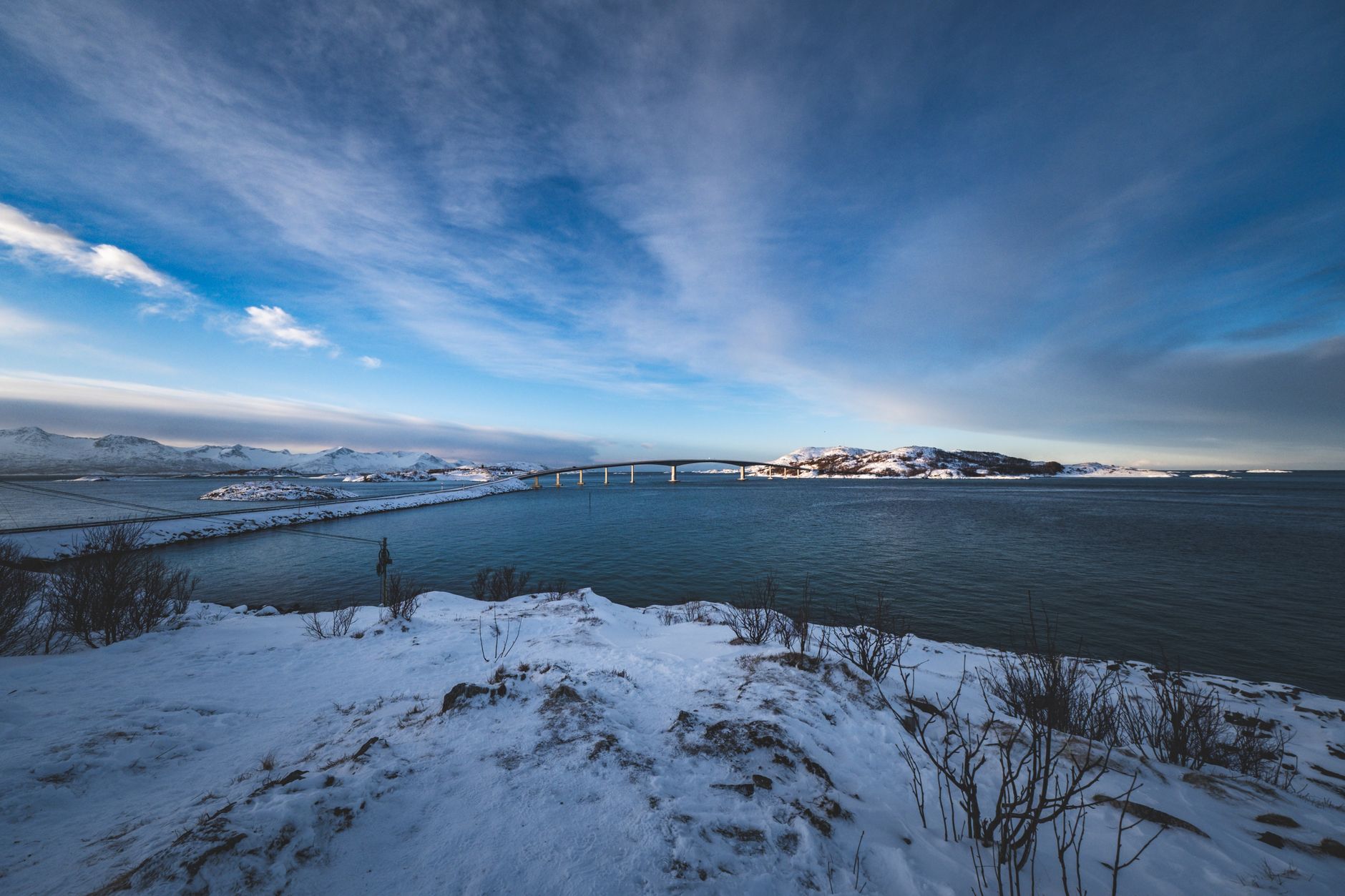
Planning a ten-day adventure in Norway as a university student brings up a common question: "How much money would it cost to travel in Norway for ten days?" While Norway has a reputation for being expensive, smart planning and a focus on authentic experiences can make it surprisingly accessible, even on a student budget.
Forget the usual tourist hotspots that often come with premium prices. Norway is brimming with lesser-known places that offer profound historical, geological, and cultural stories without breaking the bank. These are the places where ancient legends whisper through the fjords and untold histories are etched into the very landscape, waiting for curious travelers to discover them.
1. Arctic Circle's Sleeping Giant
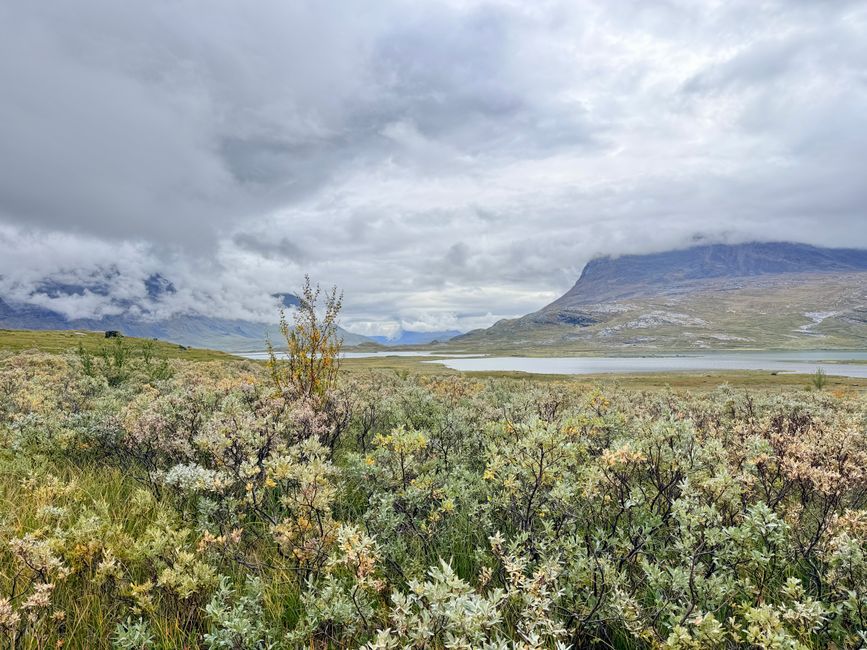
Saltfjellet, Nordland, Norway
The mighty Saltfjellet mountain range is home to an ancient legend of a sleeping giant whose form shaped the very peaks and valleys.
Local Sámi folklore tells of a colossal being who slumbered here, his form shaping the rugged landscape. Crossing the Arctic Circle on Saltfjellet is more than just a geographical marker; it's entering a realm steeped in myth, where the interplay of light and shadow hints at deeper, untold stories beneath the silent stone, a testament to ancient beliefs.
2. Stone Age Reindeer Gallery
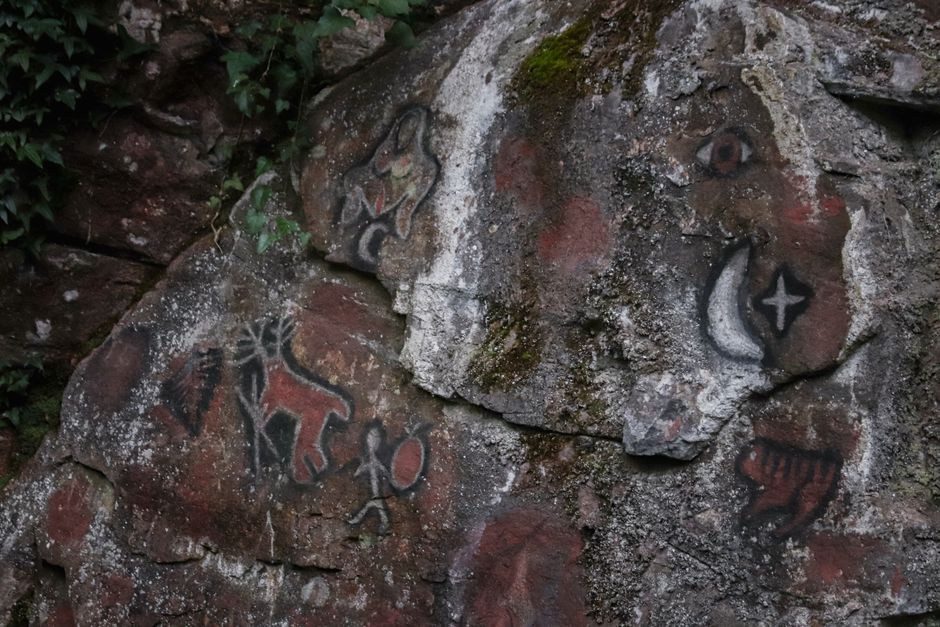
Rotsundelv, Troms og Finnmark, Norway
Discover ancient rock carvings depicting reindeer and other animals, etched by Stone Age hunters thousands of years ago.
Hidden along the shores of the Rotsund strait, these petroglyphs offer a direct window into the lives of Norway's earliest inhabitants. The detailed depictions of wild reindeer, moose, and boats reveal their hunting practices and deep connection to the land and sea, a testament to a culture that thrived long before written history, in a place still remote today.
3. The Hidden Stone Age Shrine
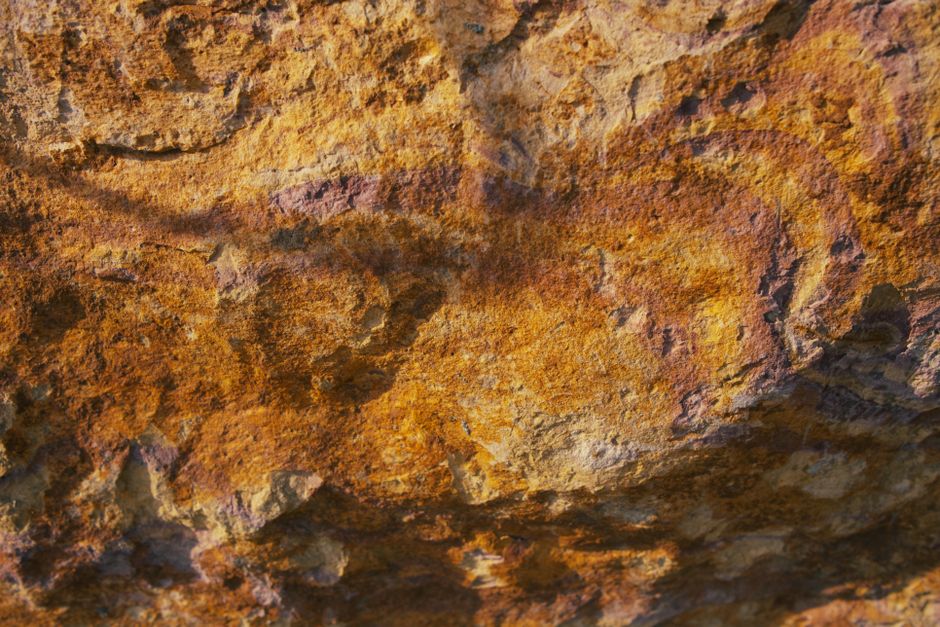
Vingen, Bremanger, Vestland, Norway
Explore one of Northern Europe's largest rock art sites, accessible mostly by boat, revealing hundreds of ancient deer figures.
Tucked away in a remote fjord, Vingen is a vast open-air gallery where prehistoric people carved over a thousand figures, primarily deer, into the cliff faces. This monumental site suggests a profound spiritual significance, perhaps a hunting ritual ground, leaving behind a silent, powerful record of Stone Age beliefs and artistry in a breathtaking natural setting.
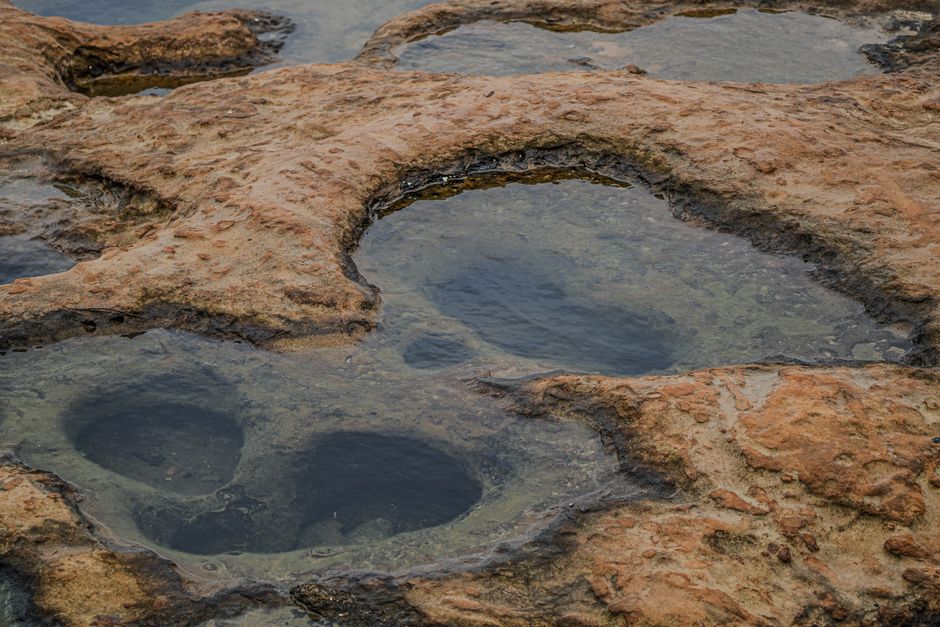
4. The Sámi's Crown Rock
Nesakongla, Finnmark, Norway
Witness a unique geological formation revered by the Sámi as a sacred natural monument, resembling a giant crown or mushroom.
Nesakongla, meaning 'King's Crown' in Sámi, stands as a distinctive rock pillar shaped by millennia of erosion. For centuries, this *sieidi* (Sámi sacred site) has been a place of worship and offering, embodying the deep spiritual connection between the Sámi people and the powerful, sculpted landscapes of their homeland in the far north, a natural wonder with deep cultural roots.
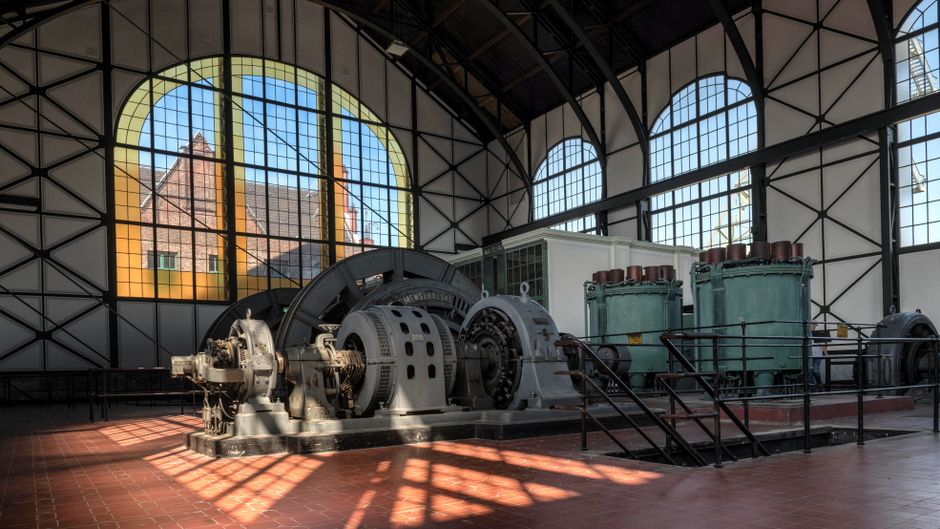
5. WWII's Atomic Secret Site
Vemork, Rjukan, Telemark, Norway
Visit the site of the dramatic 'Heavy Water Sabotage' during World War II, a daring commando raid that thwarted Nazi atomic ambitions.
The Norsk Industriarbeidermuseum, housed within the historic Vemork Hydroelectric Power Plant, tells the gripping story of the resistance fighters who risked everything to destroy Germany's access to heavy water. This dramatic act of sabotage, set against the backdrop of a colossal industrial complex, was a pivotal moment in the war, forever linking this remote Norwegian valley to global history and heroism.

6. 19th-Century Trading Post Frozen in Time
Kjerringøy, Nordland, Norway
Step into a perfectly preserved 19th-century trading post, a living museum that inspired Nobel laureate Knut Hamsun.
Kjerringøy Handelssted offers an authentic glimpse into coastal life and commerce from a bygone era. The meticulously maintained buildings, including the general store, boathouse, and residential quarters, evoke the bustling atmosphere of a vital hub where goods, news, and people converged, capturing the essence of a time when the sea was the main highway for trade and communication.
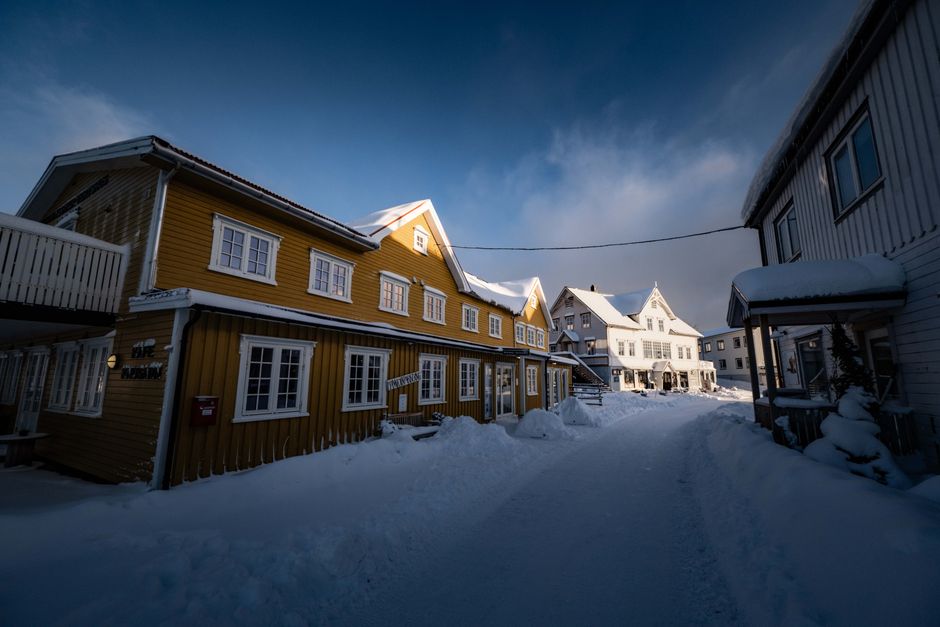
7. Norway's Wooden House Village
Gamle Lærdalsøyri, Lærdal, Vestland, Norway
Wander through Gamle Lærdalsøyri, one of Norway's most beautifully preserved wooden house settlements from the 18th and 19th centuries.
This charming village is a testament to traditional Norwegian architecture, where over 160 protected timber buildings stand shoulder-to-shoulder, seemingly untouched by the modern world. Its narrow streets and historic facades tell tales of trade, community, and resilience, offering a unique opportunity to experience a living piece of Norway's architectural heritage, a true step back in time.
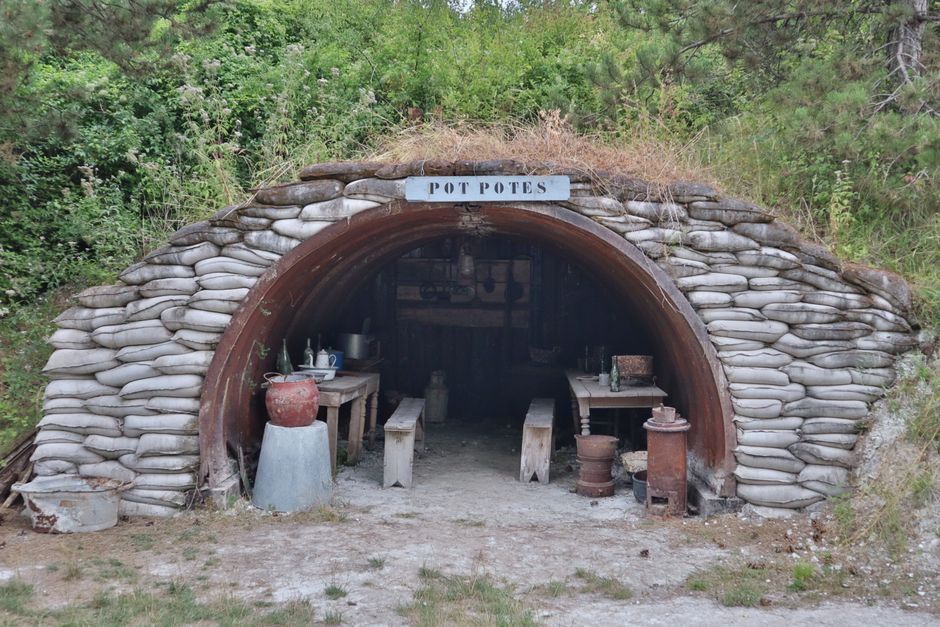
8. Museum in a Bomb Shelter
Sør-Varanger Museum (Grenselandmuseet), Kirkenes, Finnmark, Norway
Explore a museum built inside a genuine World War II bomb shelter, offering a tangible connection to wartime history and border life.
The Grenselandmuseet provides a unique setting to delve into the complex history of Norway's far eastern border with Russia, particularly its intense experiences during WWII. Its location within a former bomb shelter offers a visceral sense of the region's past, showcasing the resilience of its inhabitants and the unique cultural tapestry shaped by its strategic position.
Frequently asked questions
What's a realistic budget for ten days in Norway for a university student?
For a university student aiming for a budget-friendly trip, a realistic estimate for ten days in Norway, excluding flights, could range from 8,000 to 12,000 NOK (approximately 700-1,000 USD or 5,000-7,000 CNY, depending on exchange rates). This budget assumes hostel stays, self-catering for most meals, and reliance on public transport and hiking.
How can I save money on accommodation and food in Norway?
To save money, opt for hostels or guesthouses with kitchen facilities, allowing you to prepare your own meals. Supermarkets like Rema 1000, Kiwi, and Coop Extra offer affordable groceries. Pack lunches for day trips and consider eating a larger, cheaper lunch instead of an expensive dinner out.
Is public transportation a good option for budget travel in Norway?
Absolutely. Norway has an excellent public transportation network including trains, buses, and ferries, which can be more cost-effective than renting a car, especially for solo travelers. Long-distance buses are often cheaper than trains, and purchasing tickets in advance can secure better prices.
How does the AllTours.ai app enhance a trip to these hidden Norwegian gems?
AllTours.ai makes exploring Norway's hidden wonders even more engaging. Simply point your phone camera at any landscape or landmark, and the app will instantly narrate its unique history, geology, and culture in your preferred language, bringing these captivating stories to life right before your eyes.
Photography via Pexels. AllTours.ai is an AI audio tour guide — point your camera at any landscape and hear its story.