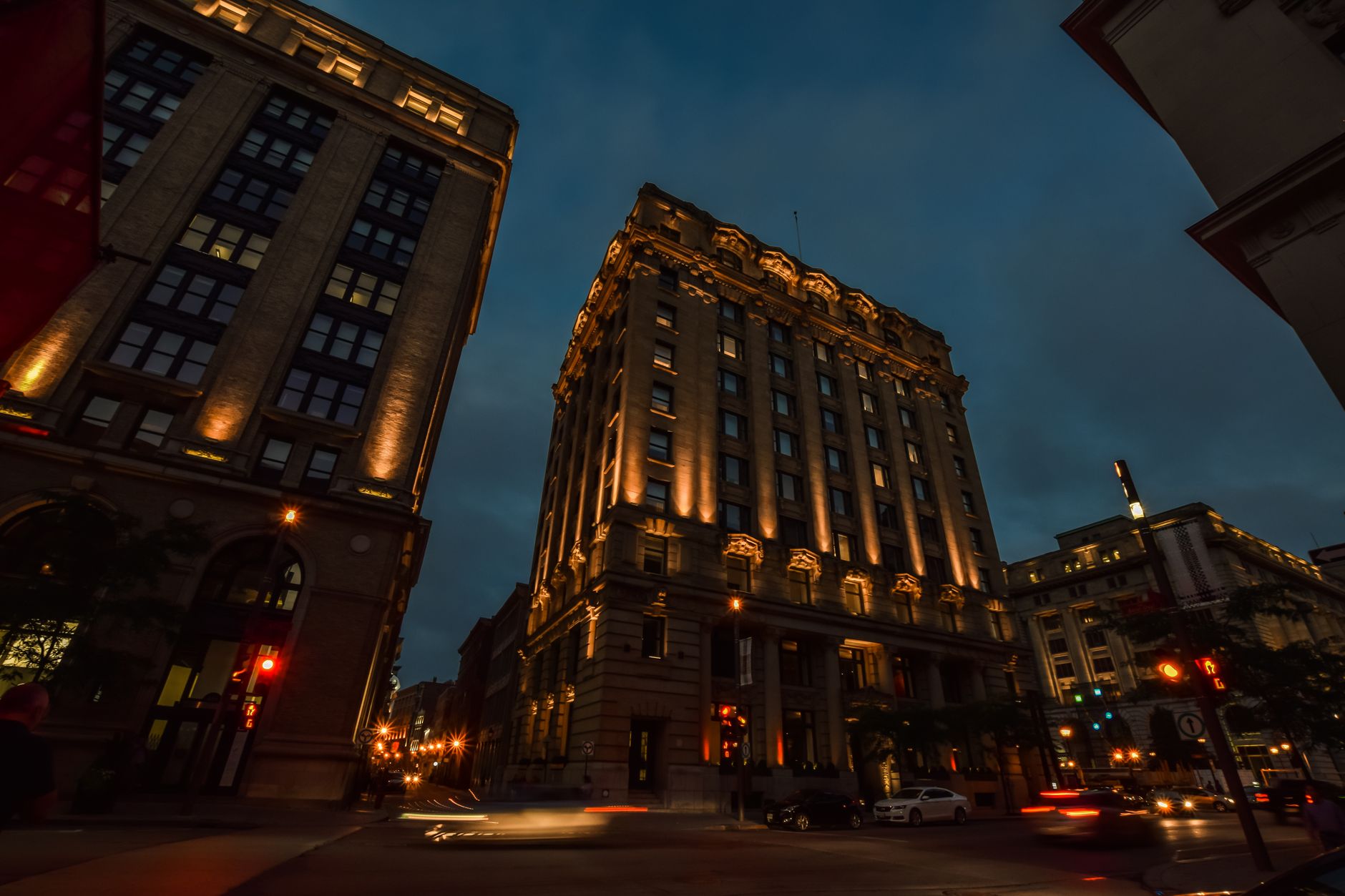
July 1, 2026 · 4 min read
A 3-5 day trip to Montreal from Waterloo or Toronto offers a rich escape without breaking the bank. For a solo traveler, expect costs ranging from $450 to $900, depending on your style. This typically covers round-trip transportation (gas if driving, or bus fares around $60-100), 3-4 nights of accommodation ($50-200/night), daily food ($50-100/day), and a few activities. Driving can add about $100-150 for gas and parking, while bus or train offers a relaxed, often cheaper, alternative.
Beyond the well-trodden paths of Old Montreal and Mount Royal, the city hides layers of fascinating, often overlooked history and culture. These are the places where Montreal's true character, resilience, and eccentricities shine through. Forget the typical tourist spots; here are 7 specific, vivid stories waiting to be discovered, each offering a unique lens into the city's past and present.
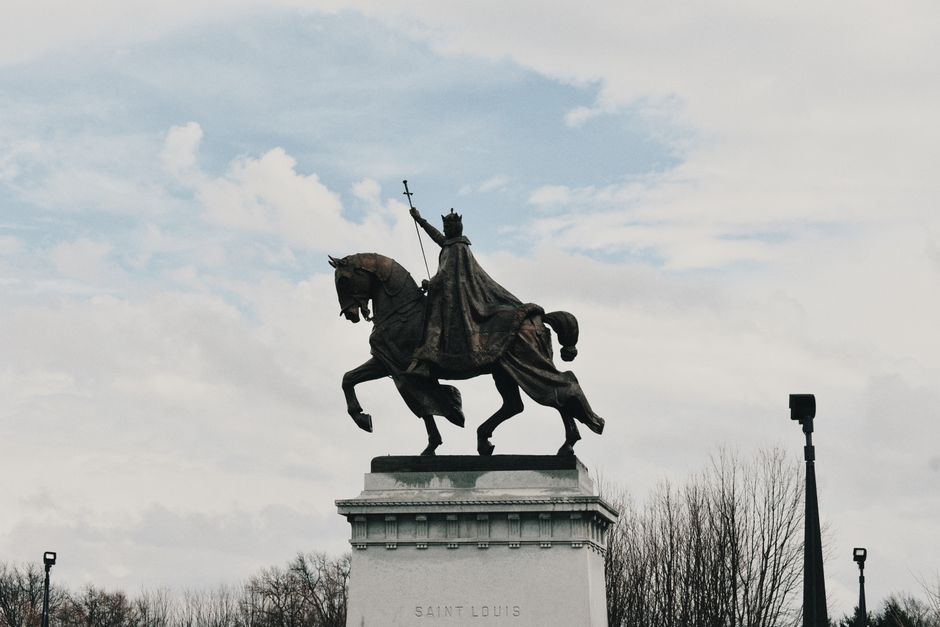
1. St. Louis Square's Artistic Reservoir
Carré Saint-Louis, Canada
This charming Victorian square, now a haven for artists, once held the city's primary drinking water reservoir.
Before its transformation into a picturesque public park in the late 19th century, Carré Saint-Louis was a vital municipal reservoir, supplying water to a burgeoning Montreal. The elegant Victorian homes that now surround it were built as the city expanded, drawn to the promise of green space. Today, the square's iconic fountain and mature trees create a serene backdrop for the creative souls who have long called this neighbourhood home, preserving a bohemian spirit amidst its architectural grandeur.
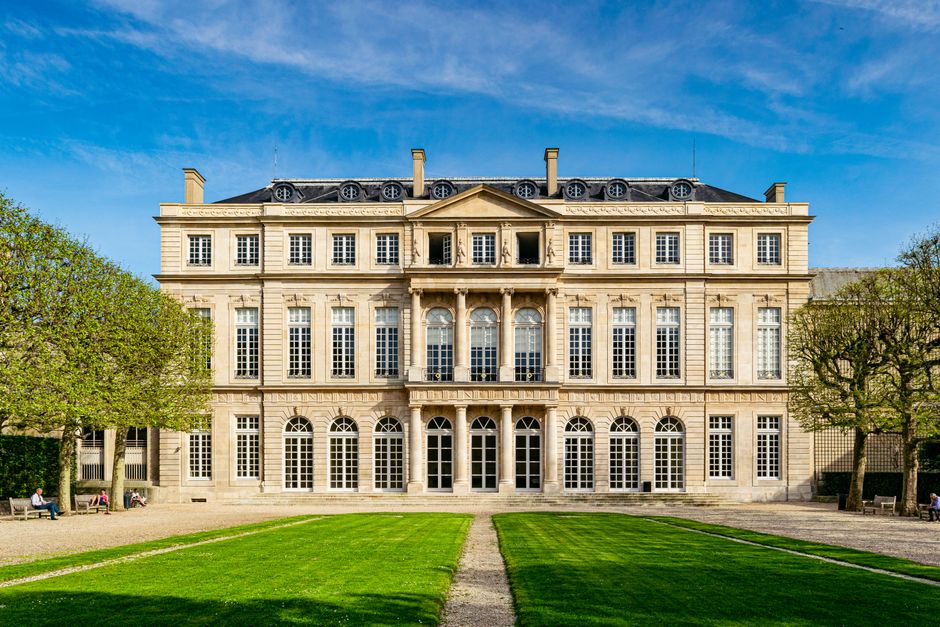
2. The Founding Mothers of Montreal Healthcare
Musée des Hospitalières de l'Hôtel-Dieu de Montréal, Canada
Explore the often-untold story of the courageous Augustinian sisters who established North America's first hospital in Montreal.
Hidden within the walls of a working monastery, the Musée des Hospitalières chronicles the extraordinary dedication of Jeanne Mance and the Religious Hospitallers of St. Joseph. They arrived in New France in 1642, establishing the Hôtel-Dieu to care for settlers and Indigenous peoples alike, often under dire conditions. The museum showcases antique medical instruments, religious artifacts, and personal accounts, offering a profound look at the origins of healthcare in North America and the resilience of these pioneering women.
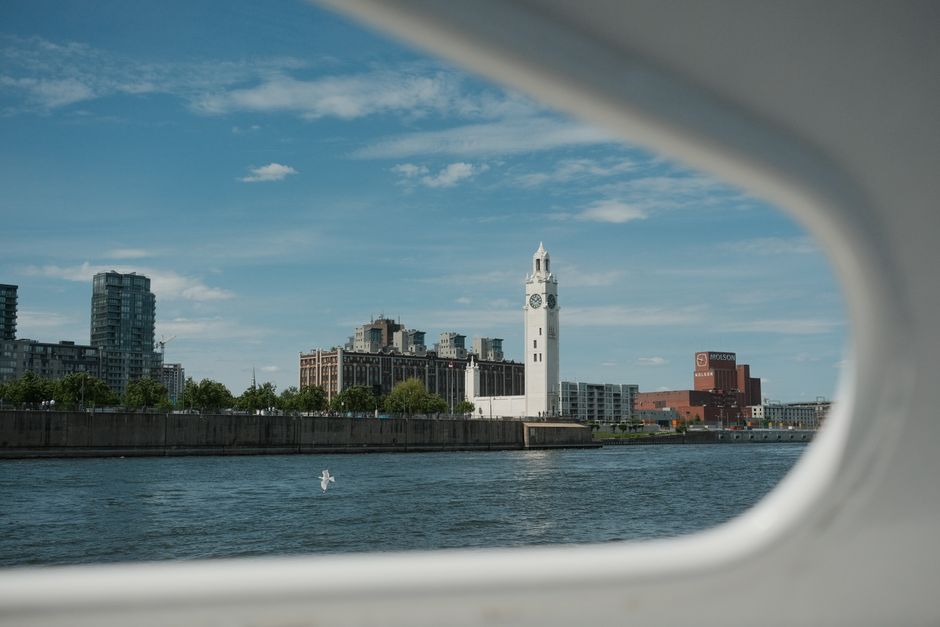
3. Lachine's Fur Trade Epicenter
Lachine Canal National Historic Site (Fur Trade at Lachine National Historic Site), Canada
The quiet banks of Lachine were once the furious launchpad for Canada's vast fur trade, shaping a continent's economy.
Long before the Lachine Canal was built, this site was the westernmost navigable point on the St. Lawrence River, making it the strategic hub for North America's lucrative fur trade. Indigenous peoples and European traders converged here, exchanging goods before embarking on epic canoe journeys into the continent's interior. The Fur Trade at Lachine National Historic Site preserves the stone warehouse and remnants of these operations, vividly illustrating the logistics and human stories behind this monumental enterprise that connected Montreal to the wilderness.
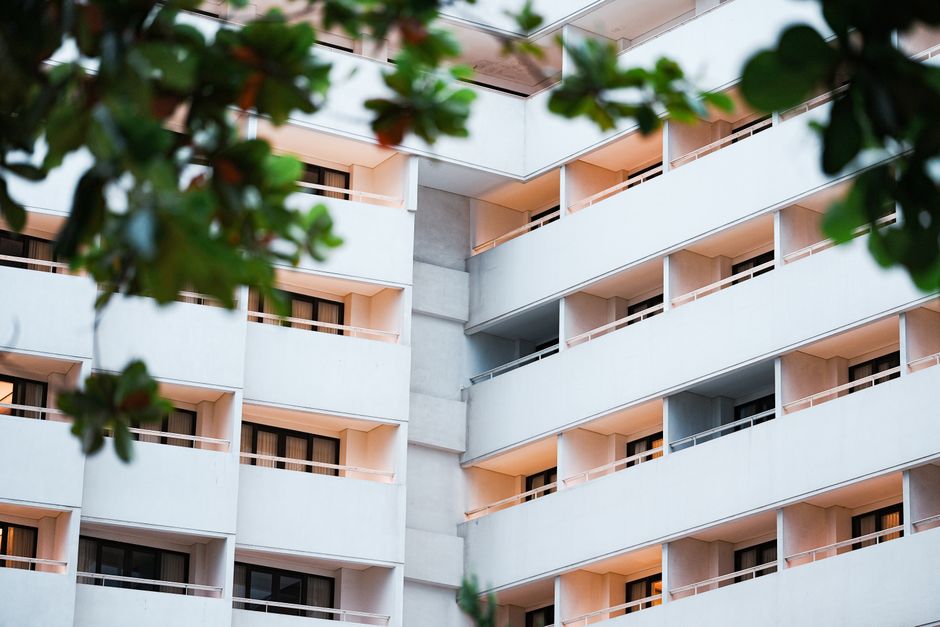
4. Habitat 67's Visionary Cubes
Habitat 67, Canada
This iconic, stacked concrete complex was originally conceived as experimental housing for Expo 67, challenging urban living norms.
Designed by architect Moshe Safdie for Montreal's Expo 67, Habitat 67 was an ambitious prototype for affordable, high-quality urban housing. Its modular, pre-fabricated concrete units are stacked and interlocked, giving each residence a private garden terrace and abundant natural light, a radical concept for density. While never fully realized as mass housing, it remains a striking architectural landmark, symbolizing a bold era of innovation and a unique approach to integrating nature and community within a dense city environment.
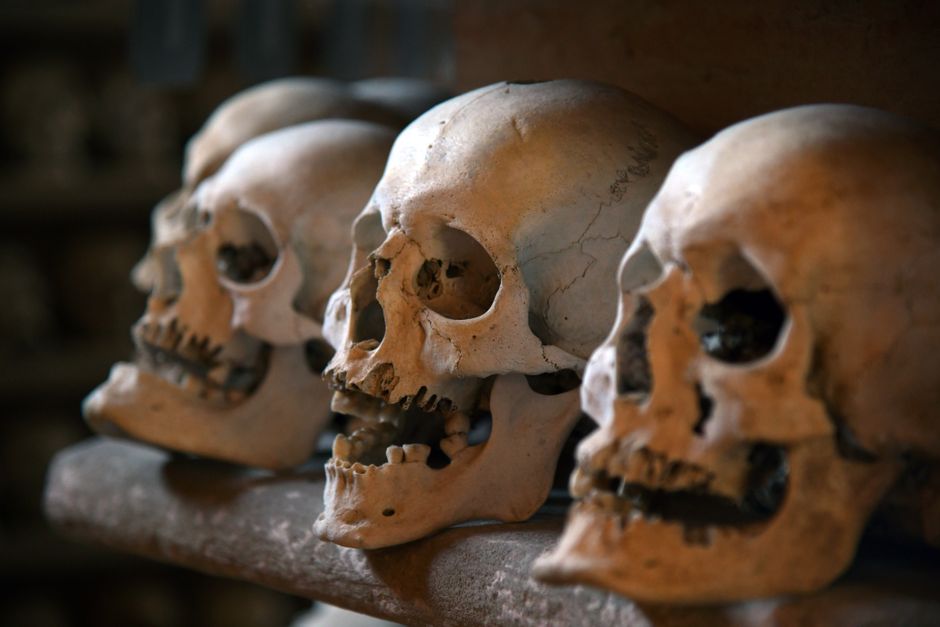
5. Pointe-à-Callière's Subterranean City Layers
Pointe-à-Callière, Cité d'archéologie et d'histoire de Montréal, Canada
Beneath Montreal's oldest intersection lies a preserved, multi-layered archaeological crypt, revealing centuries of urban foundations.
While Pointe-à-Callière is a prominent museum, its most captivating feature is deep underground. Visitors descend into an archaeological crypt where the foundations of Montreal's earliest buildings, fortifications, and even ancient Indigenous encampments are meticulously preserved. Walking along illuminated pathways, you literally traverse history, seeing the remains of the first customs house, a medieval-era cemetery, and even the original fortifications that once protected the nascent city. It’s an immersive journey through time, revealing the physical evolution of Montreal beneath your feet.
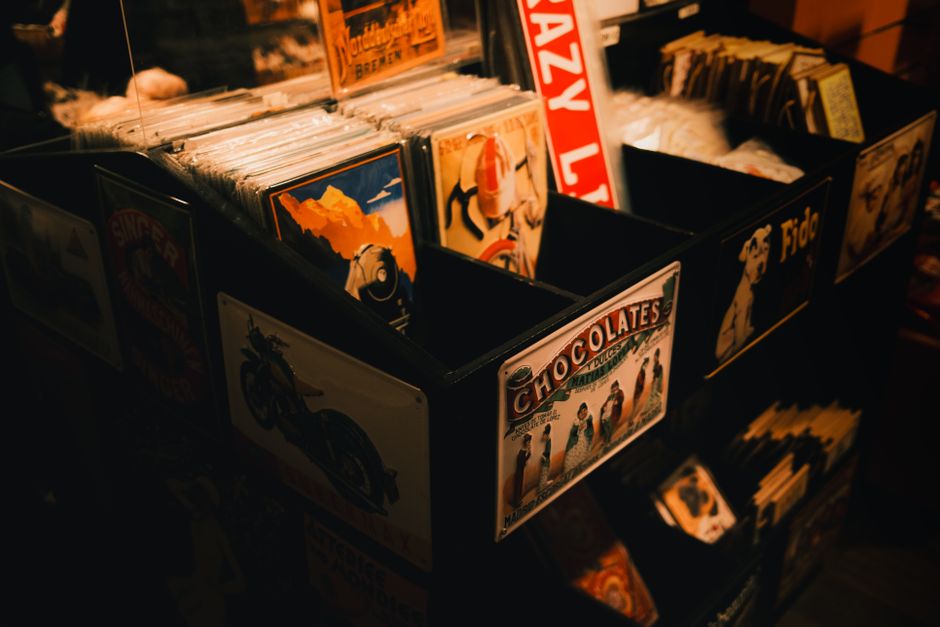
6. Atwater Market's Art Deco Grandeur
Marché Atwater, Canada
Beyond its fresh produce, Atwater Market stands as a stunning example of Art Deco architecture, a hidden gem of early 20th-century design.
Opened in 1933, Marché Atwater is more than just a place to buy local goods; it's a testament to the Art Deco movement. Its distinctive clock tower and streamlined façade, crafted from limestone, reflect the optimism and modernism of its era. While its interior buzzes with vendors selling everything from artisanal cheeses to seasonal flowers, pause to appreciate the elegant lines and symmetrical design of its exterior. It’s a functional piece of history, where the daily ritual of food shopping meets architectural artistry.
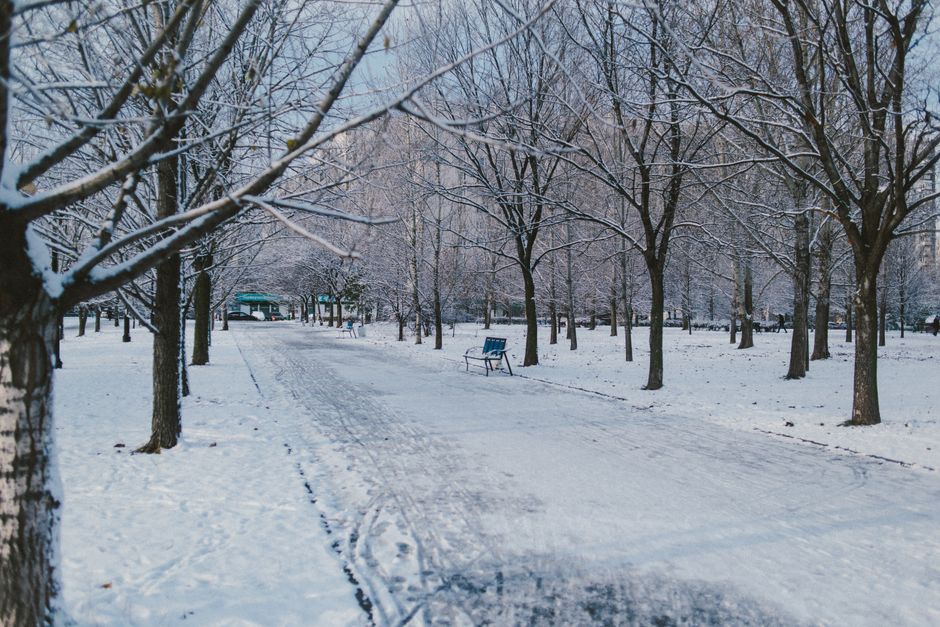
7. Parc La Fontaine's Forgotten Fairgrounds
Parc La Fontaine, Canada
This beloved urban park in the Plateau once hosted Montreal's annual fair and agricultural exhibitions before becoming the green oasis it is today.
Parc La Fontaine, now known for its tranquil pond, open-air theatre, and ice skating in winter, has a dynamic past. In the late 19th and early 20th centuries, it was the bustling site of Montreal's annual provincial exhibition, featuring agricultural displays, industrial showcases, and lively entertainment. Traces of this history are subtle, but understanding its former role as a major public gathering and celebration ground adds another layer to its charm, revealing its enduring importance as a space for community and recreation.
Frequently asked questions
What's the best way to get to Montreal from Waterloo or Toronto?
Driving offers flexibility and is often cost-effective for groups, taking about 6-7 hours. For solo travelers or those preferring not to drive, intercity buses like Megabus or Flixbus are budget-friendly options, or VIA Rail provides a comfortable train journey, though it's typically more expensive.
How much should I budget for food and activities in Montreal?
For food, budget around $50-70 CAD per day for casual dining, or $80-120 CAD if you plan a mix of casual and nicer meals. Many of Montreal's best experiences, like exploring neighborhoods or parks, are free. For museums and attractions, budget an additional $20-30 CAD per entry.
What's the best time of year to visit Montreal for a 3-5 day trip?
Montreal is vibrant year-round. Summer (June-August) offers festivals and warm weather, but also peak prices. Spring (April-May) and Fall (September-October) provide pleasant temperatures, fewer crowds, and often better deals on accommodation. Winter (November-March) is magical with snow, ice skating, and cozy cafes, ideal for those who enjoy colder weather activities.
How can AllTours.ai enhance my Montreal trip?
AllTours.ai transforms your phone into a personal AI audio tour guide. Simply point your camera at any landmark, landscape, or even a specific building mentioned in this guide, and the app will narrate its history, geology, and cultural significance in your preferred language. It's like having a local expert with you, ready to reveal the hidden stories of Montreal's most fascinating places.
Photography via Pexels. AllTours.ai is an AI audio tour guide — point your camera at any landscape and hear its story.