September 8, 2026 · 4 min read
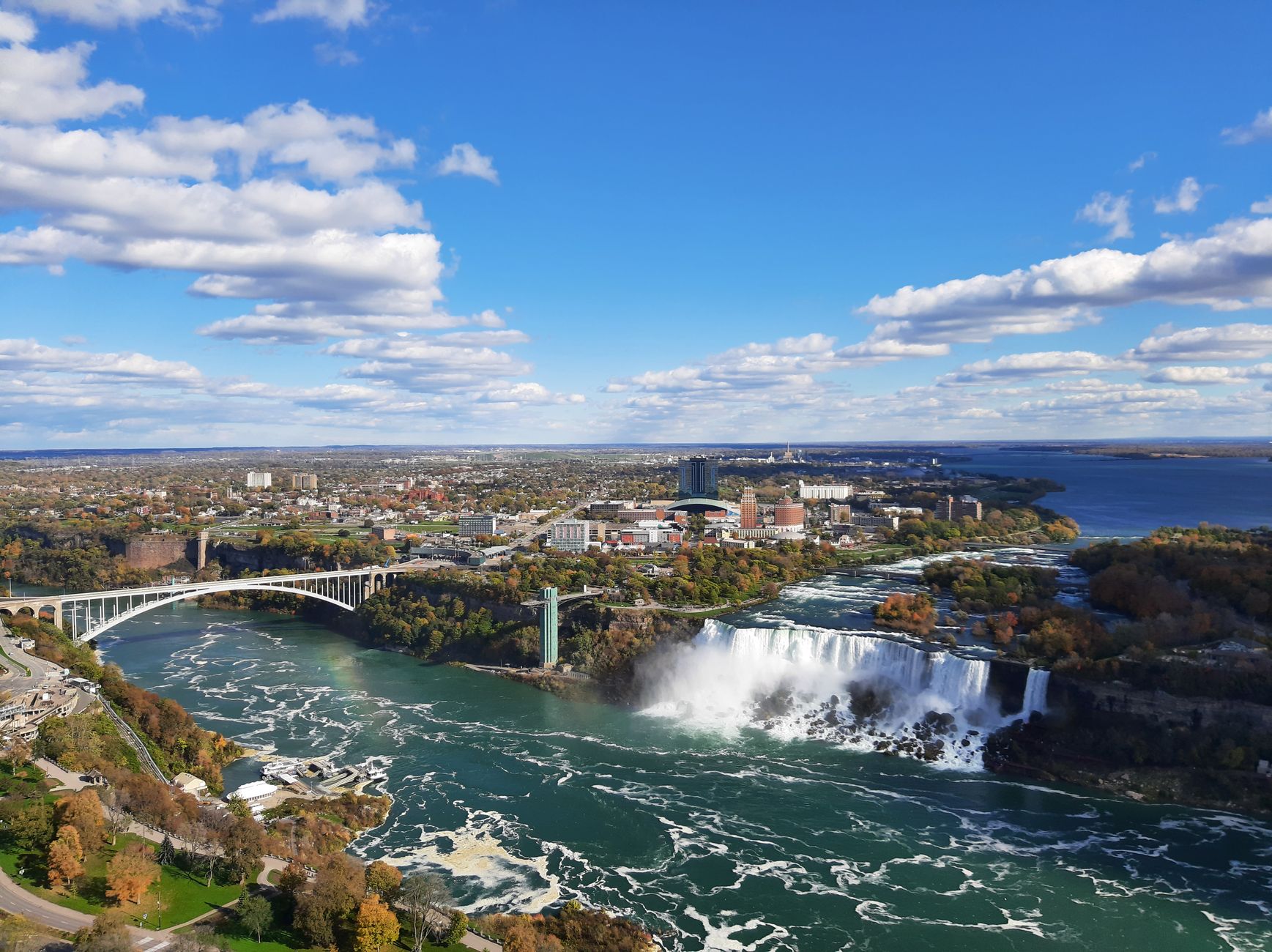
Niagara Falls, Ontario, is a magnet, drawing millions each year to witness the raw power of its iconic cataracts. During the peak summer months, the sheer volume of visitors can transform the vibrant city into a bustling hive of activity, prompting many to wonder: how does Niagara Falls, Ontario manage the influx of visitors and maintain its charm?
The answer lies partly in the rich tapestry of experiences available just beyond the famous mist. The region is more than just a waterfall; it's a landscape steeped in surprising history, unique geology, and quiet natural beauty. By exploring these often-overlooked corners, travelers can uncover deeper stories while spreading out the summer crowds.
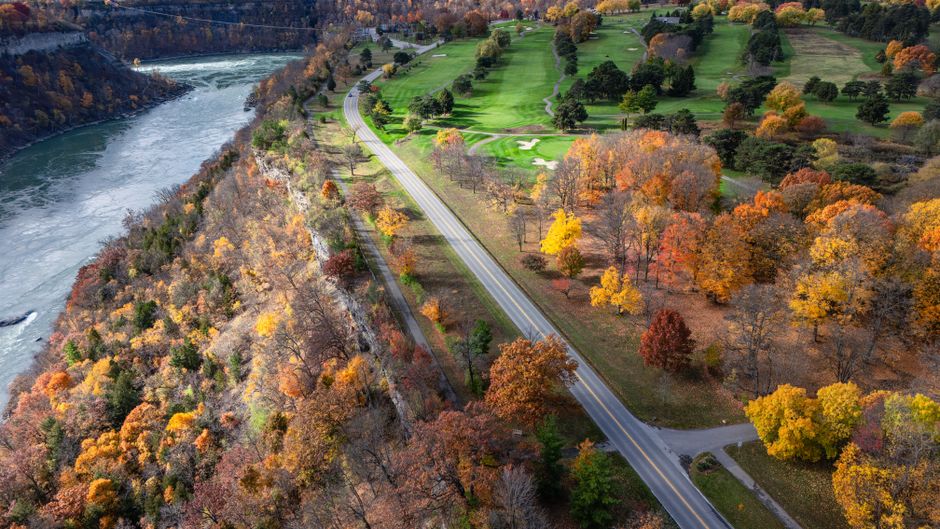
1. Ancient Whirlpool's Edge
Niagara Falls, Ontario, Canada
The calm pools here hide the raw power of an ancient, shifting whirlpool that once carved this very landscape.
Descend into the Niagara Glen and feel the air cool under a canopy of Carolinian forest, a rare ecosystem in Canada. This unique microclimate is sustained by the powerful currents of the Niagara River, which once carved out a colossal whirlpool thousands of years ago. The massive rock formations and deep river gorge reveal the ongoing geological saga of the falls' retreat.
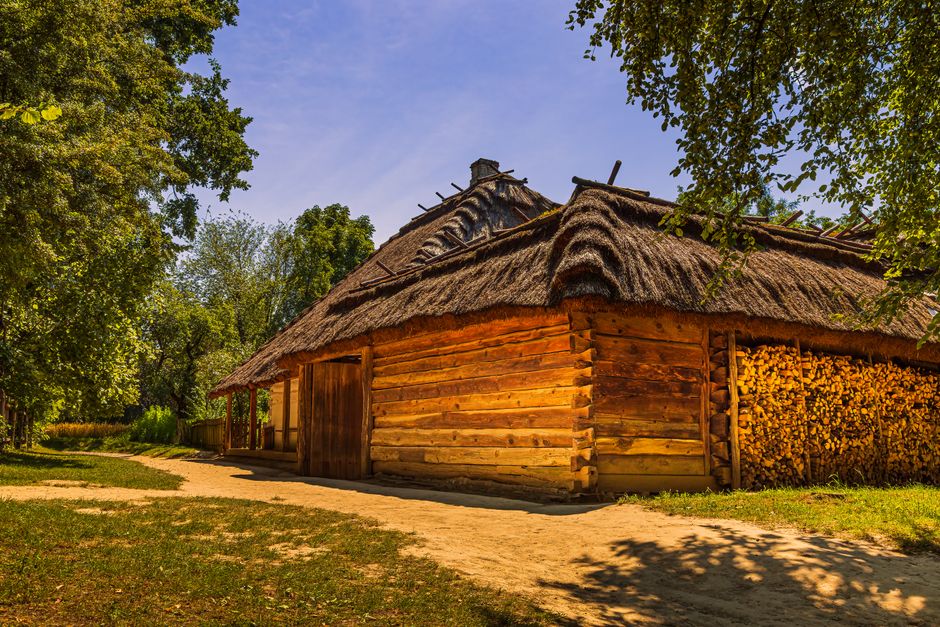
2. The Heroine's Walk
Queenston, Ontario, Canada
This quiet home was the starting point for a perilous, 32-kilometer walk that changed the course of Canadian history during the War of 1812.
In 1813, during the War of 1812, Laura Secord overheard American plans for a surprise attack. She embarked on an arduous journey through enemy lines and wilderness to warn British forces, a trek that directly contributed to a crucial victory. Today, her preserved homestead offers a window into early 19th-century life and the extraordinary courage of an ordinary woman.
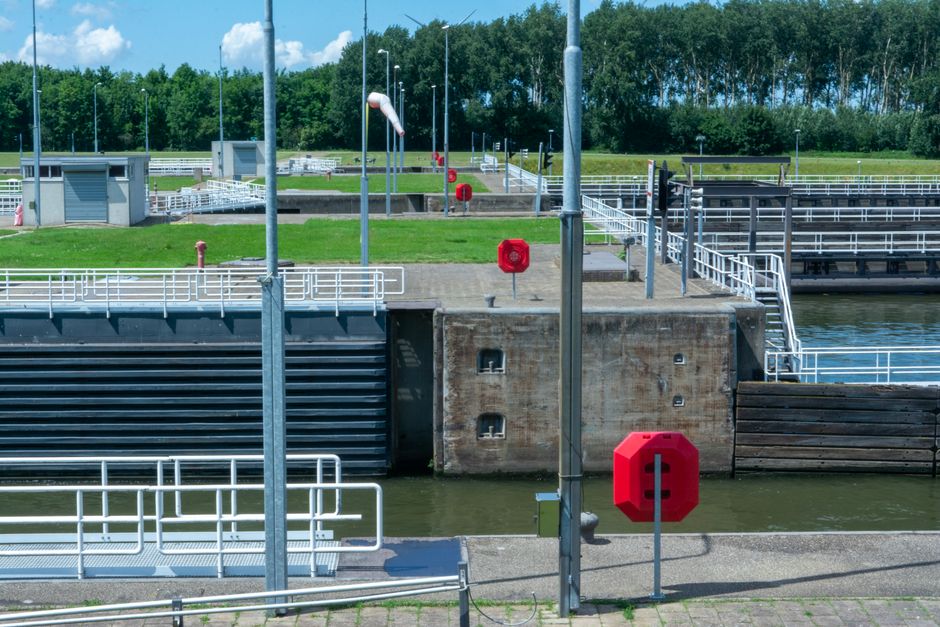
3. Ships on the Mountain
St. Catharines, Ontario, Canada
Watch massive ocean-going vessels climb or descend a liquid staircase, hundreds of kilometers from the sea.
The Welland Canal is an engineering marvel, a vital waterway connecting Lake Ontario and Lake Erie, bypassing Niagara Falls. At Lock 3, visitors can stand remarkably close as freighters, tankers, and cruise ships traverse a 14-meter elevation change in mere minutes. The viewing platform and museum explain the canal's fascinating history, including its four iterations.
4. Battleground Vista
Queenston, Ontario, Canada
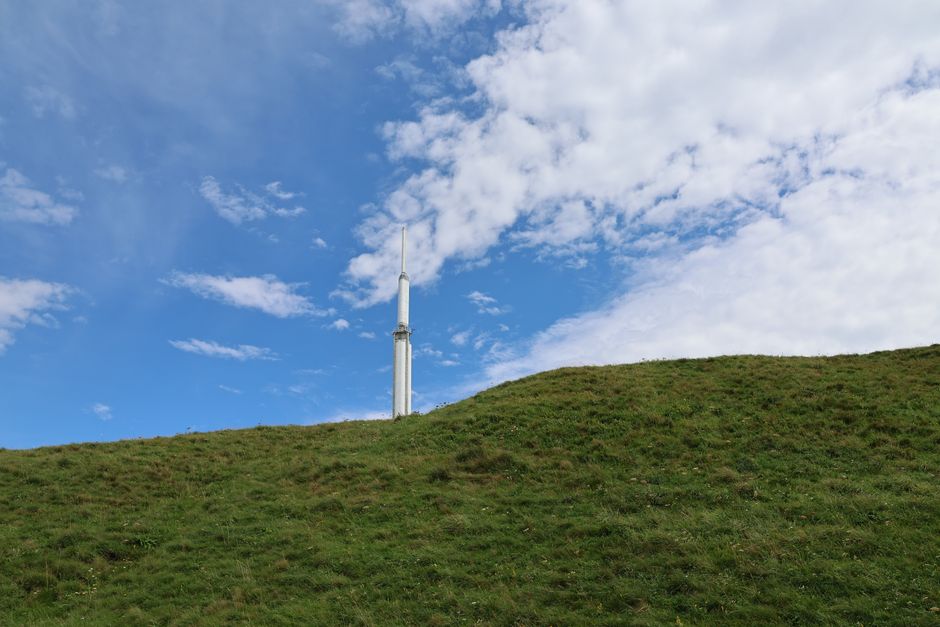
This peaceful park, with its towering monument, marks the site of a pivotal battle and offers panoramic views far from the falls' mist.
Queenston Heights was the scene of one of the War of 1812's most significant engagements, where British, Canadian, and Indigenous forces repelled an American invasion. The Brock's Monument commemorates Major General Sir Isaac Brock, who fell leading the charge. Beyond its historical weight, the park provides elevated views of the Niagara River and surrounding vineyards, a serene escape.
5. Whispers of Early Power
Niagara Falls, Ontario, Canada
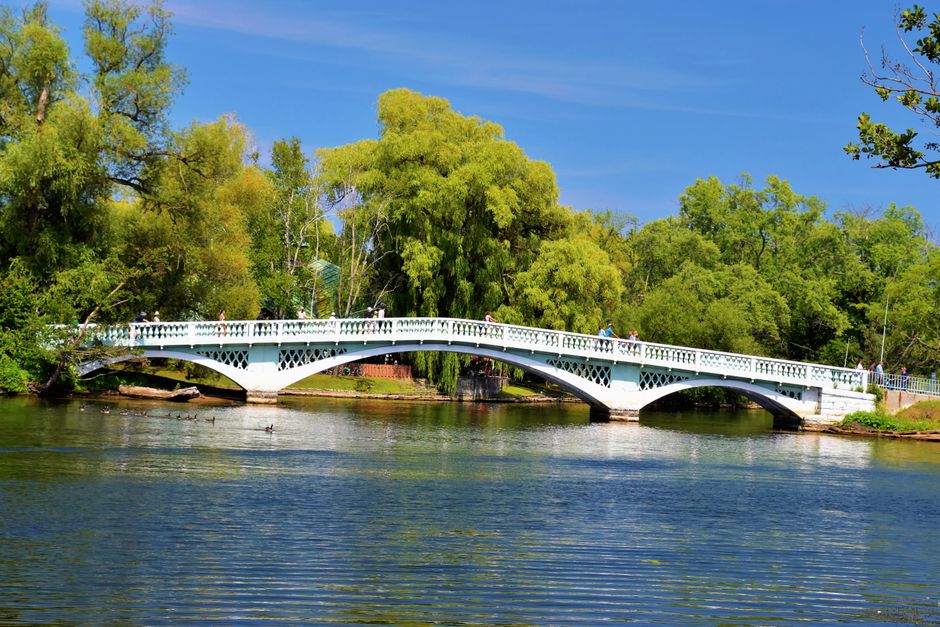
These tranquil, man-made islands were instrumental in the earliest days of harnessing Niagara's hydroelectric power.
Tucked away just upstream from the Horseshoe Falls, Dufferin Islands offers a network of picturesque walking paths, footbridges, and small waterfalls. While now a serene nature area, these islands were originally part of an extensive hydraulic system built in the late 19th century. This network diverted river water to power early hydroelectric generating stations, a pioneering step in clean energy.
6. The Other Falls & The Grinding Stone
St. Catharines, Ontario, Canada
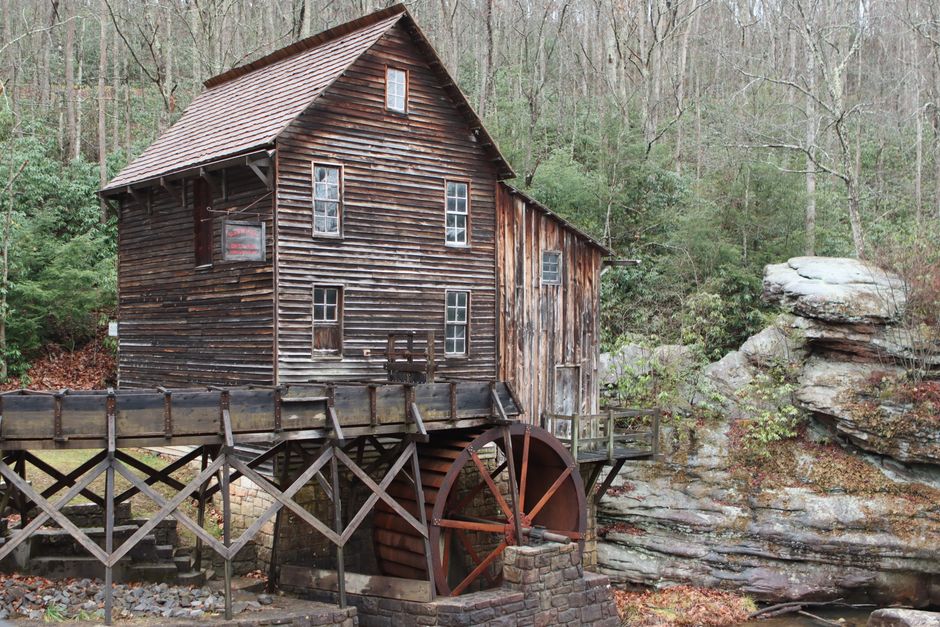
Discover a picturesque, two-tiered waterfall and a fully restored 19th-century grist mill, powered by the very same water that cascades here.
DeCew Falls offers a striking contrast to its famous cousin, presenting a more intimate encounter with Niagara's water features. The upper falls drop dramatically, feeding the creek that once powered Morningstar Mill. This historic mill, built in 1872, stands meticulously preserved, complete with its original water-powered turbine and grinding stones, illustrating a past era of local industry and self-sufficiency.
7. The Living Classroom
Niagara Falls, Ontario, Canada
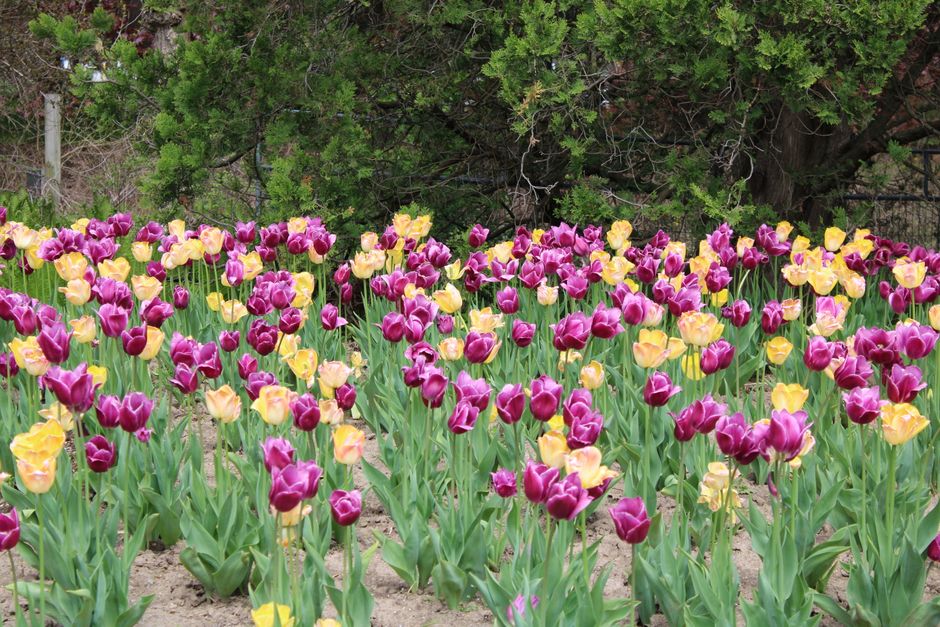
Wander through stunning, meticulously maintained gardens that double as a prestigious training ground for future horticulturists.
Established in 1936, this unique school boasts an 80-acre botanical garden that serves as a living laboratory for its students. Open to the public, the grounds feature diverse plant collections, including formal gardens, arboretums, and demonstration plots. It's a peaceful oasis where visitors can admire horticultural artistry and learn about plant science, often finding quiet contemplation away from the city's buzz.
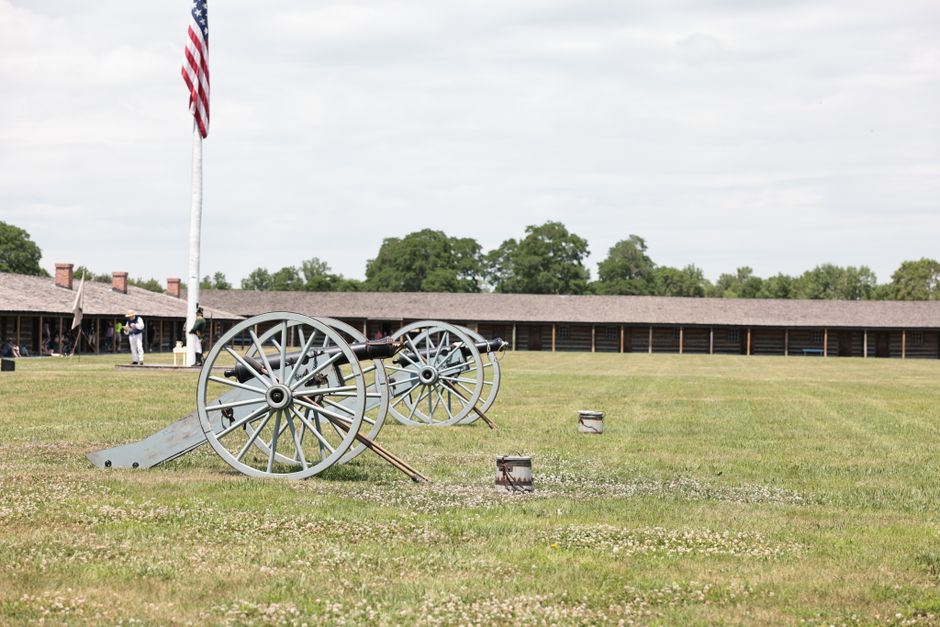
8. The Toughest Siege
Fort Erie, Ontario, Canada
Step inside a painstakingly reconstructed fort that endured the bloodiest siege in Canadian history during the War of 1812.
Situated at the mouth of the Niagara River, Old Fort Erie was strategically vital and saw intense fighting. Its reconstruction on original foundations provides an authentic glimpse into military life and warfare of the early 19th century. Costumed interpreters bring the fort to life, recounting tales of the 1814 siege, where American and British forces clashed in a prolonged and brutal struggle.
Frequently asked questions
Best time to visit Niagara Falls, Ontario to avoid crowds?
To avoid the peak summer crowds, consider visiting Niagara Falls, Ontario, during the shoulder seasons of late spring (May-early June) or early fall (September-October). The weather is still pleasant, and attractions are less congested. Weekdays are generally quieter than weekends.
Are there free things to do in Niagara Falls, Ontario?
Absolutely. Walking along the Niagara Parkway, exploring the Niagara Glen, Dufferin Islands, and Queenston Heights Park are all free. The Floral Clock is also free to view. Many of these offer stunning views and historical insights without an admission fee.
How far is Niagara-on-the-Lake from Niagara Falls, Ontario?
Niagara-on-the-Lake is approximately a 20-25 minute drive north from Niagara Falls, Ontario, along the scenic Niagara Parkway. It's a charming historic town known for its wineries, boutiques, and the Shaw Festival.
How does the AllTours.ai app enhance a visit to these spots?
The AllTours.ai app acts as your personal AI audio guide. Simply point your phone camera at a landmark, a historical marker, or a natural feature, and the app will instantly narrate its unique history, geological formations, or cultural significance in your preferred language, providing deeper context and stories wherever you explore.
Photography via Pexels. AllTours.ai is an AI audio tour guide — point your camera at any landscape and hear its story.