July 12, 2026 · 4 min read
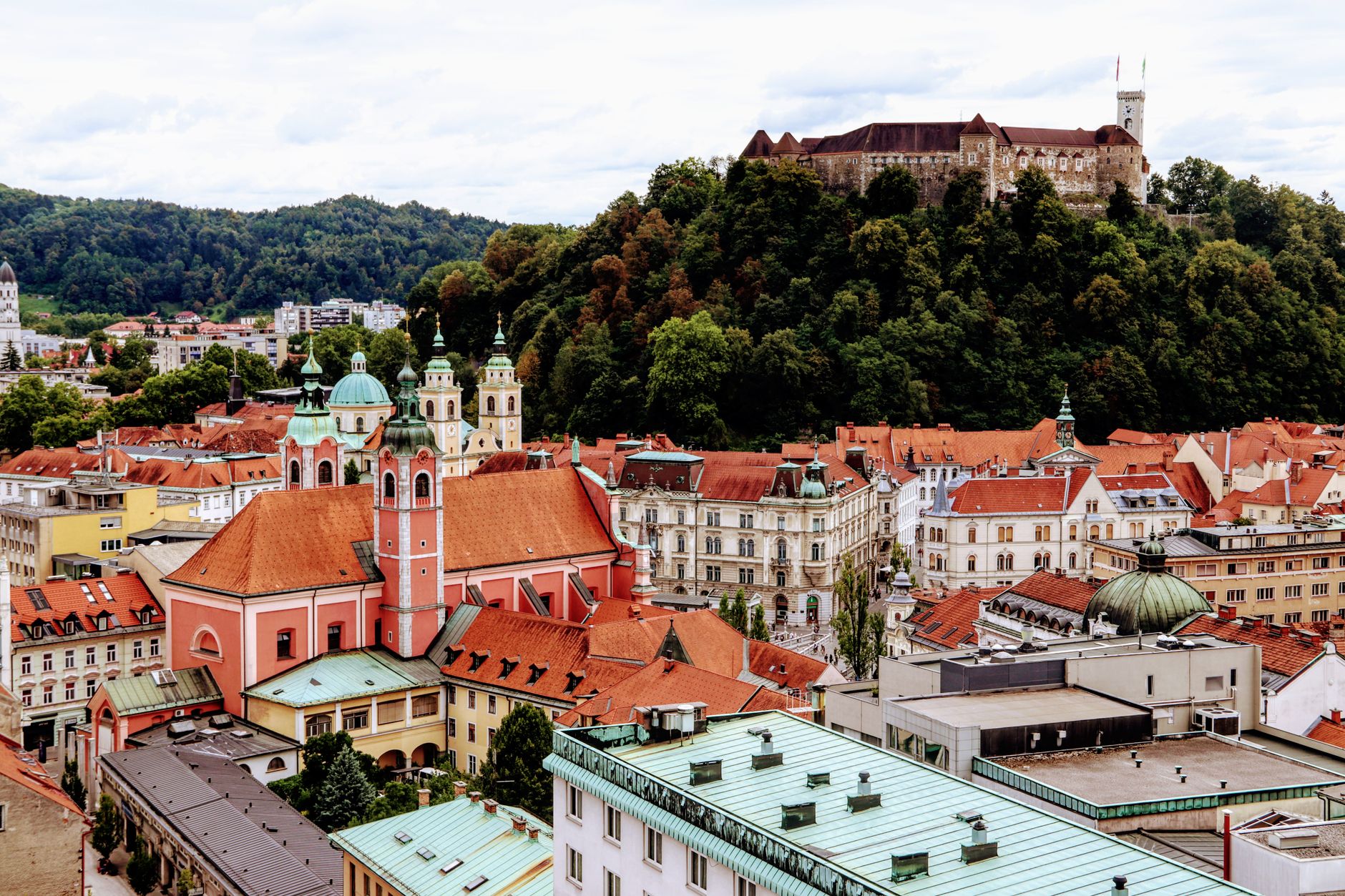
Ljubljana, Slovenia's charming capital, often appears on travel itineraries as a quick stop. But if you had only two days to spend, how would you recommend prioritizing your time to truly grasp its unique character? Beyond the postcard-perfect Dragon Bridge and the castle's commanding views, a deeper, more curious Ljubljana awaits.
This guide focuses on unearthing the city's lesser-known marvels and the fascinating stories they hold. Forget the usual tourist trail; we'll guide you to specific, verifiable places with vivid historical, geological, or cultural hooks, ensuring your brief visit leaves you with a richer, more nuanced understanding of this green gem.
1. The Marsh That Holds History
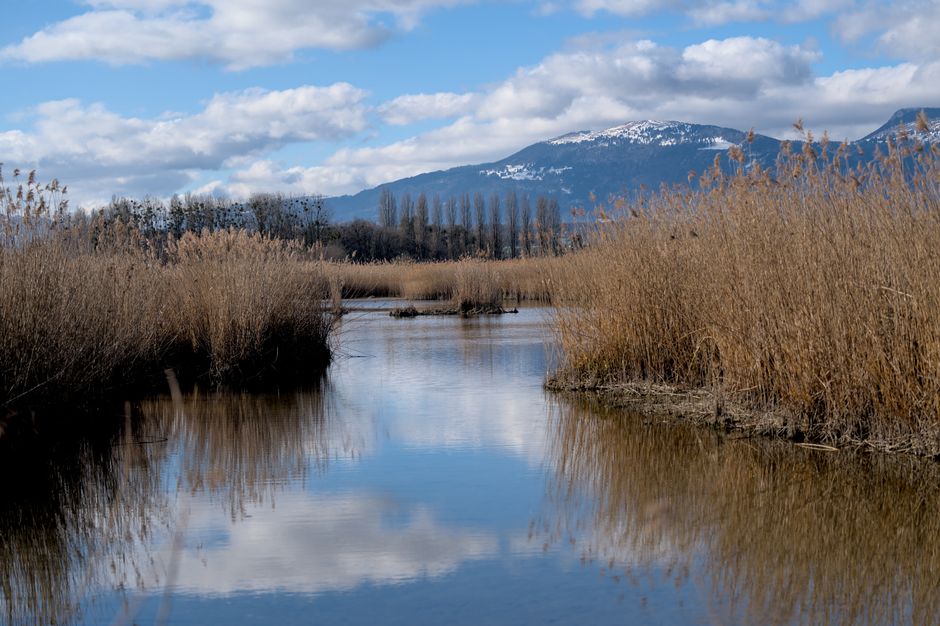
Ljubljana Marshes, Slovenia
The Ljubljana Marshes hold the remains of the oldest wooden wheel ever discovered, dating back over 5,000 years, revealing a sophisticated prehistoric society.
Just south of the city lies the vast Ljubljana Marshes, a UNESCO World Heritage site known for its prehistoric pile-dwelling settlements. This ancient wetland has yielded extraordinary archaeological finds, including the oldest wooden wheel in the world, a testament to the advanced engineering of its Stone Age inhabitants. This landscape, once a lake, offers a glimpse into how humans adapted and thrived in challenging environments millennia ago.
2. Plečnik's Private Universe
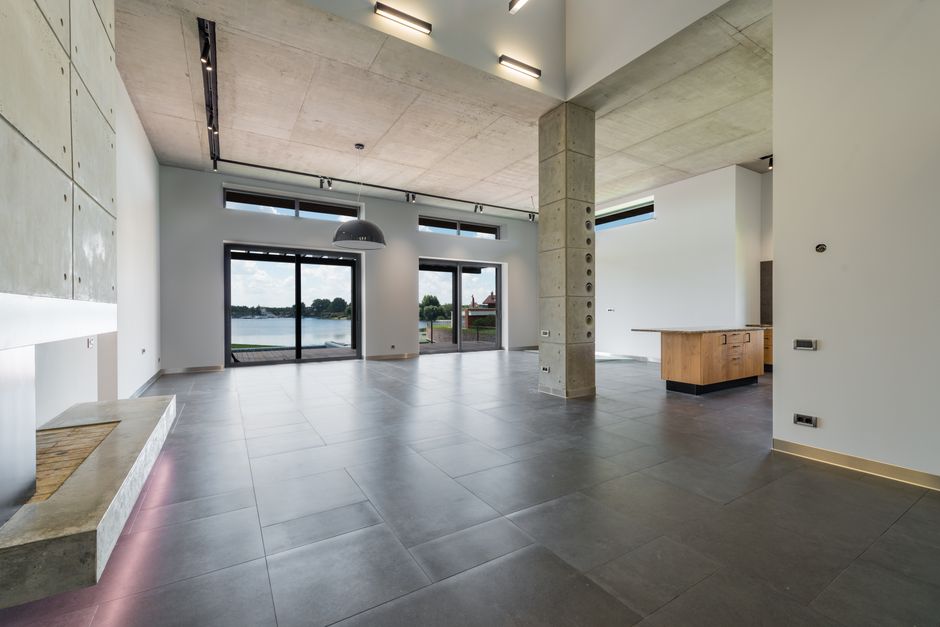
Plečnik House, Ljubljana, Slovenia
Architect Jože Plečnik's home reveals his eccentric daily rituals, including designing an entire house around his morning coffee routine.
Discover the intimate world of Jože Plečnik at his preserved home in Trnovo. The house itself is a testament to his unique vision and personal philosophy, featuring custom-built furniture, unusual spatial arrangements, and even a spiral staircase he designed purely for his cats. His minimalist lifestyle and ingenious solutions for everyday living offer a deeply personal insight into the man who reshaped Ljubljana.
3. The City's Last Garden Village
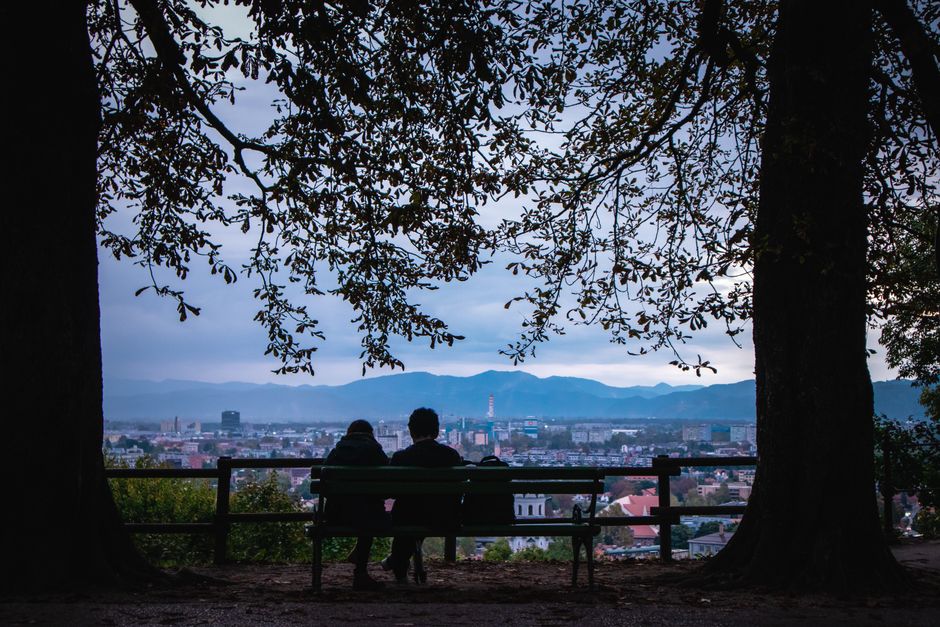
Krakovo Quarter, Ljubljana, Slovenia
Krakovo is Ljubljana's last remaining working garden suburb, where residents still cultivate traditional market gardens within the city's historical core.
Tucked behind the Trnovo Church lies Krakovo, a charming historic quarter unique for its green spaces. This is Ljubljana's last preserved garden suburb, where descendants of original families still tend fertile plots of land, providing fresh produce to the city. Its narrow streets, traditional houses, and strong sense of community offer a tranquil escape and a living link to the city's agrarian past.
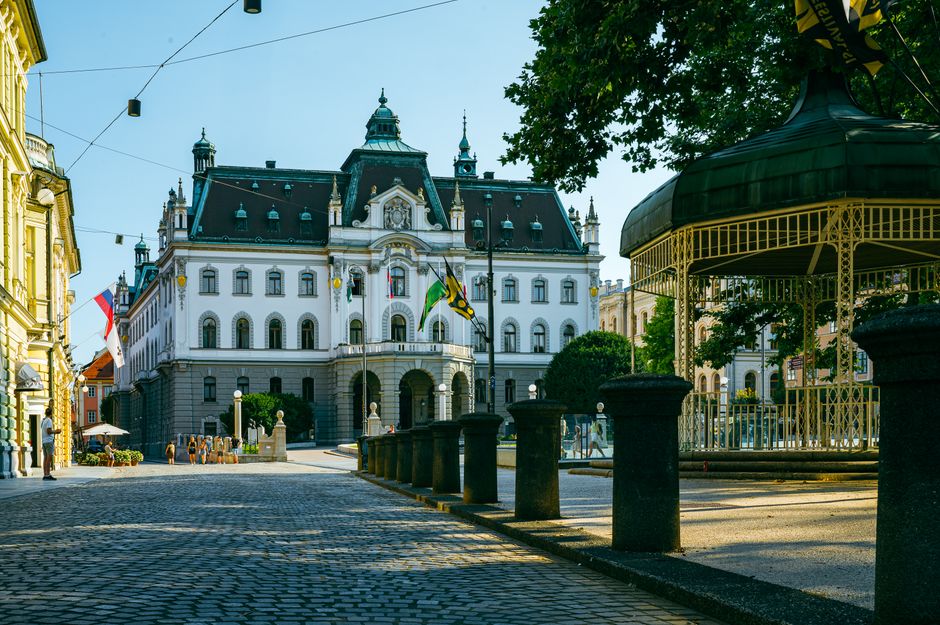
4. A Library's Silent Protest
National and University Library (NUK), Ljubljana, Slovenia
The National and University Library's facade incorporates fragments of former noble houses, serving as a subtle protest against the city's destruction of its own heritage.
Jože Plečnik's National and University Library is a monumental work, but its reddish-brown facade holds a secret protest. The rough brickwork is interspersed with remnants of demolished noble palaces, a deliberate choice by Plečnik to lament the loss of Ljubljana's historical buildings. Inside, the main reading room's dark marble columns are designed to look like books on shelves, creating a sanctuary of knowledge unlike any other.
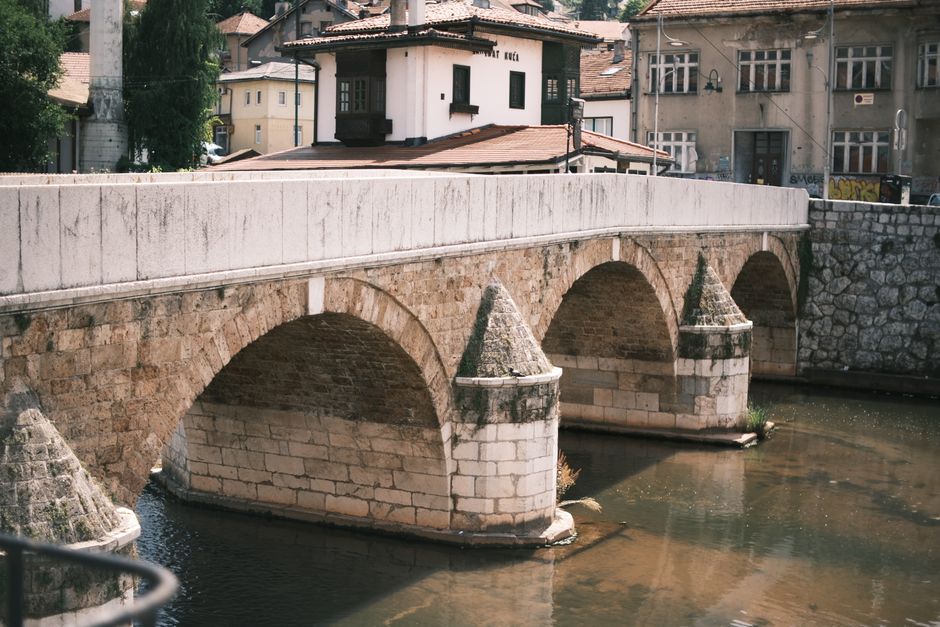
5. Plečnik's Wooden Connection
Trnovo Bridge, Ljubljana, Slovenia
The Trnovo bridge is architect Jože Plečnik's only wooden bridge, built specifically to connect his home neighborhood to the church he also redesigned.
Plečnik, Ljubljana's master architect, lived just steps from the Trnovo bridge. This seemingly modest wooden structure is unique among his works, designed not just for crossing, but as an extension of his personal living space and a link to the church where he once served as a sacristan. It features stone pyramids and statues of saints, making it a 'street with a roof' concept.
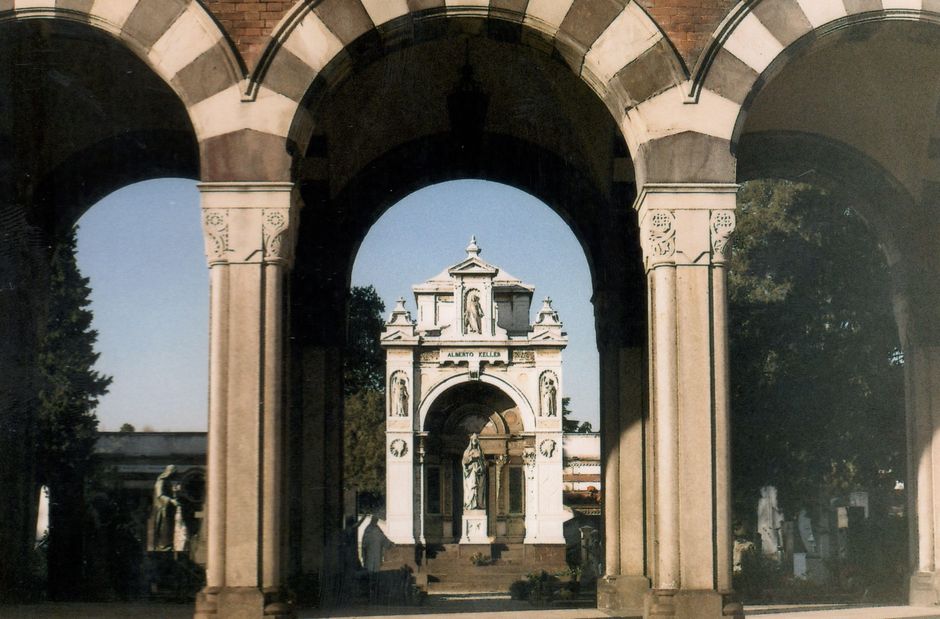
6. The Garden of All Saints
Zale Cemetery, Ljubljana, Slovenia
Zale Cemetery, designed by Jože Plečnik, reimagines a graveyard as a 'Garden of All Saints,' blurring the lines between a city of the living and a city of the dead.
Zale Cemetery is not merely a burial ground but a remarkable urbanistic and architectural masterpiece by Jože Plečnik. He transformed it into a unified 'Garden of All Saints,' creating a series of monumental gates, each designed in a different style to represent various religious beliefs and the universality of death. It's a profound reflection on life and remembrance, intended to offer solace and dignity, rather than just sorrow.
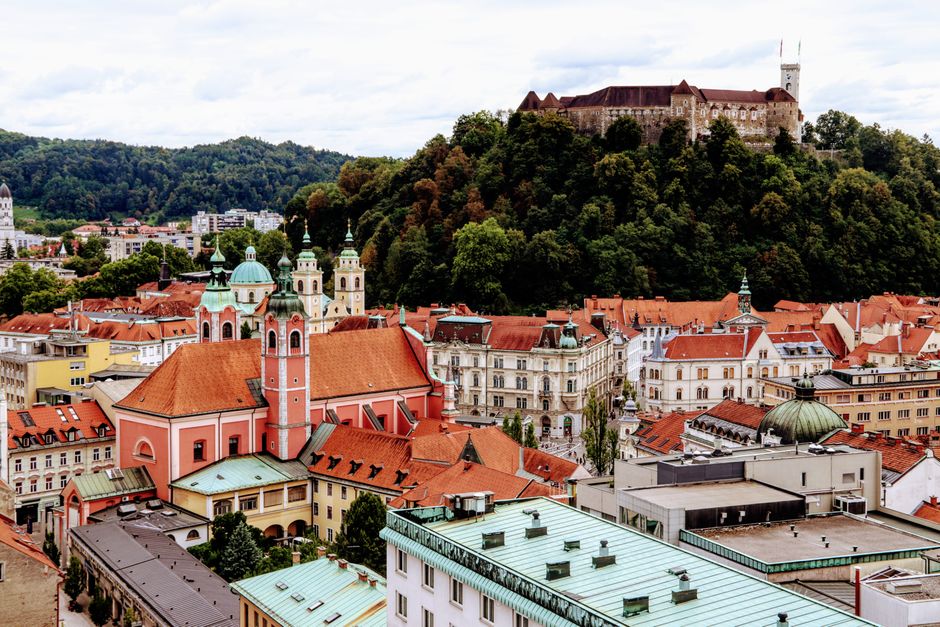
7. Renaissance Castle, Industrial Roots
Fužine Castle (Museum of Architecture and Design), Ljubljana, Slovenia
Fužine Castle, home to the Museum of Architecture and Design, is Ljubljana's only Renaissance castle, built on the site of a former saw mill, blending industrial history with aristocratic grandeur.
Located a short bus ride from the city center, Fužine Castle stands as Ljubljana's only Renaissance castle, now housing the Museum of Architecture and Design (MAO). This picturesque riverside fortress was built in the 16th century on the site of a former saw mill, giving it a unique industrial history that predates its aristocratic splendor. Its grounds host contemporary exhibitions and offer a peaceful escape by the Ljubljanica river.
Frequently asked questions
Is Ljubljana walkable?
Yes, Ljubljana's city center is very compact and largely pedestrianized, making it exceptionally walkable. Many of the city's main attractions, including its bridges, squares, and riverside promenades, are easily accessible on foot. For destinations slightly further afield, like the Ljubljana Marshes or Fužine Castle, public transport is efficient.
What is the best way to get around Ljubljana?
For the city center, walking is ideal. For longer distances, Ljubljana has an excellent public bus system. You can purchase an Urbana card for easy tap-on-tap-off travel. Cycling is also very popular, with bike rental services widely available, offering a pleasant way to explore the city's green spaces and riverbanks.
What is Ljubljana famous for?
Ljubljana is famous for its picturesque old town, the iconic Triple Bridge, the Dragon Bridge, and its vibrant café culture along the Ljubljanica river. It's also known for being one of Europe's greenest capitals, having earned the title of European Green Capital in 2016, and for the distinctive architectural legacy of Jože Plečnik.
How can AllTours.ai enhance my Ljubljana trip?
AllTours.ai transforms your exploration by providing instant audio narratives about any landmark or landscape you point your camera at. Imagine discovering the secret history of a Plečnik building or the geological origins of the Ljubljana Marshes as you stand right there, all in your preferred language, making every hidden gem come alive with context and story.
Photography via Pexels. AllTours.ai is an AI audio tour guide — point your camera at any landscape and hear its story.