July 11, 2026 · 4 min read
The thought, "I would like to travel to Poland, but I don't have money," is far more common than you might think. Many dream of exploring Poland's rich history and vibrant culture, yet assume it requires a hefty budget. The good news is, Poland is remarkably affordable, especially when you venture beyond the well-trodden tourist paths.
Forget the usual postcards and prepare for a journey into the heart of authentic Poland. This guide focuses on truly unique, often overlooked destinations where history, nature, and culture reveal themselves in surprising ways, proving that unforgettable travel experiences don't have to break the bank. Get ready to spark your curiosity and discover the secrets of a country that offers so much more than meets the eye.
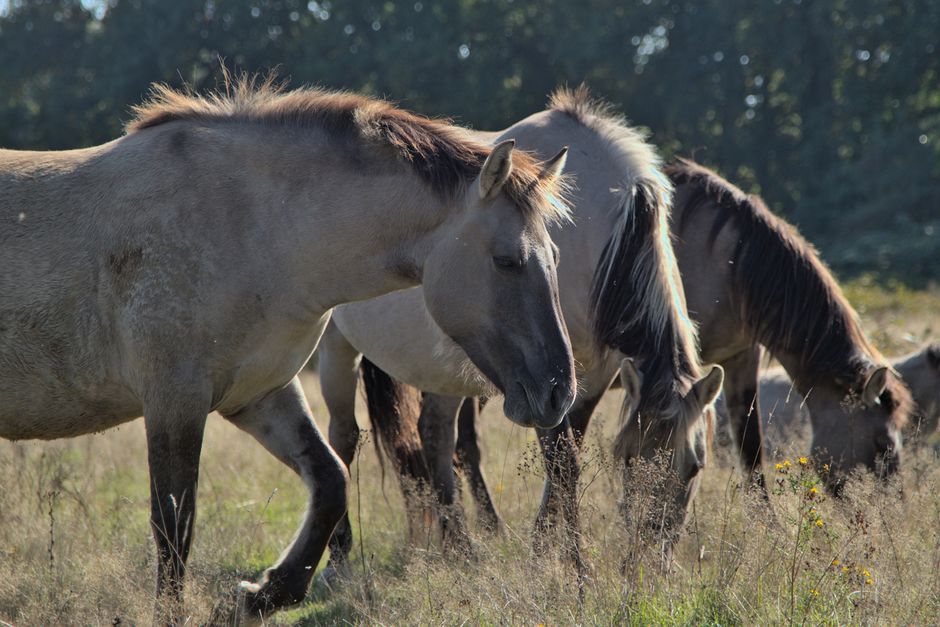
1. Where Wild Tarpans Roam
Roztocze National Park, Poland
Descendants of ancient wild horses, the Tarpans, roam freely in this serene Polish landscape.
Roztocze is a UNESCO Biosphere Reserve in southeastern Poland, a landscape of rolling hills, dense forests, and clear river valleys. It's one of the few places where you can observe semi-wild Polish Konik horses, genetic descendants of the extinct European wild horse, Tarpan, living much as their ancestors did. This tranquil region offers a rare opportunity to connect with primeval European nature and discover a slower, traditional rural life.
2. The Mystery of the Crooked Forest
Gryfino, Poland
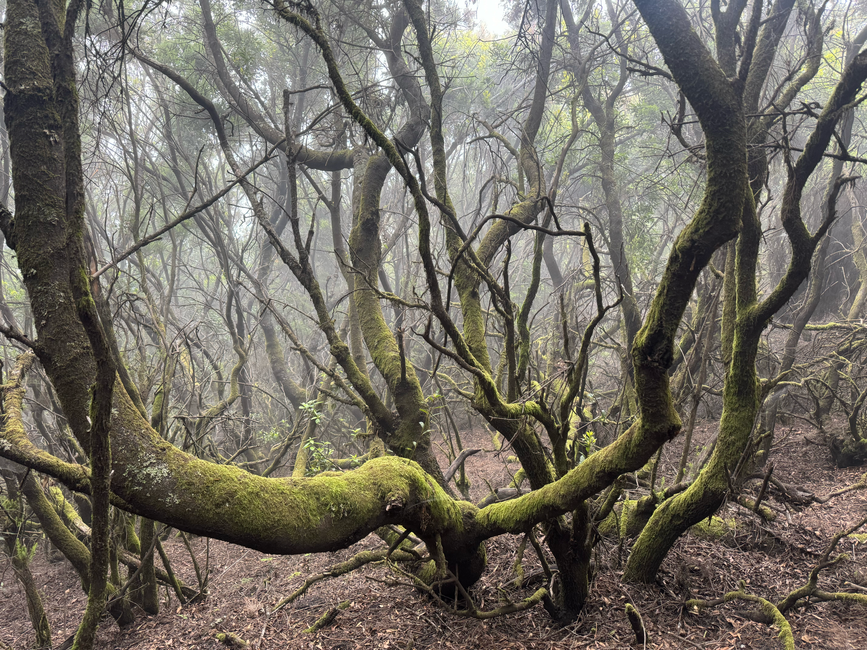
A bizarre grove of pine trees inexplicably grows with a sharp 90-degree bend near their base.
Near Gryfino in Western Pomerania, the Krzywy Las, or Crooked Forest, is a surreal sight where approximately 400 pine trees all bend sharply northward at their trunks before curving upwards. Planted around the 1930s, the exact reason for this unique growth remains unknown, with theories ranging from specialized human cultivation for shipbuilding to severe snow damage or even a localized gravitational anomaly. It’s a captivating natural puzzle that sparks endless wonder.
3. Central Europe's Desert Training Ground
Błędów, Poland
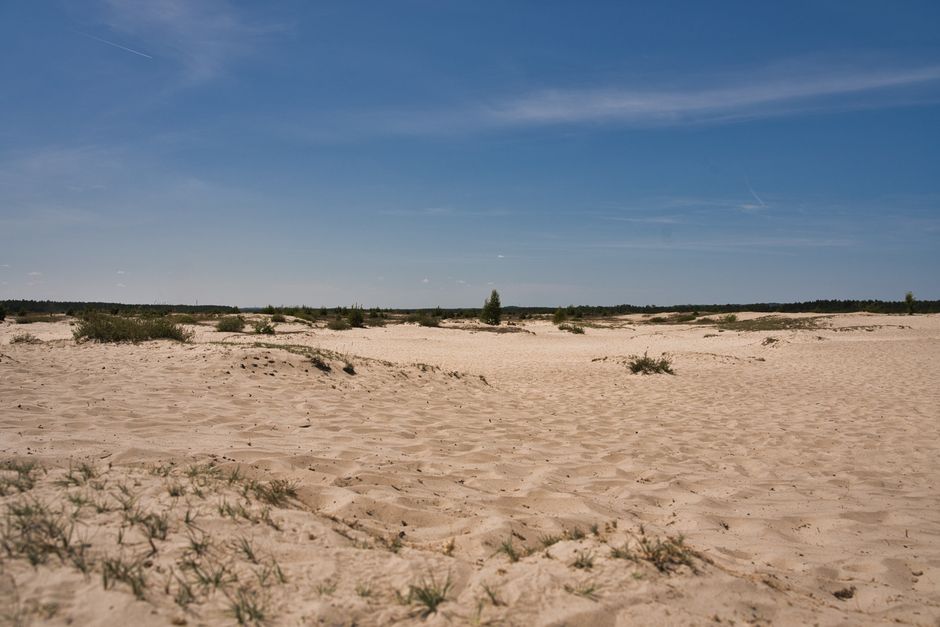
Europe's only true desert served as a surprising tactical training ground for Hitler's Afrika Korps.
The Błędów Desert, situated between Błędów and Chechło, is the largest area of loose sand in Central Europe, creating a genuine desert landscape. While its origins are glacial, its size was significantly expanded by industrial mining. During World War II, its unique conditions made it an ideal, unexpected location for Erwin Rommel's Afrika Korps to conduct tactical exercises, adding a bizarre historical layer to this natural wonder.
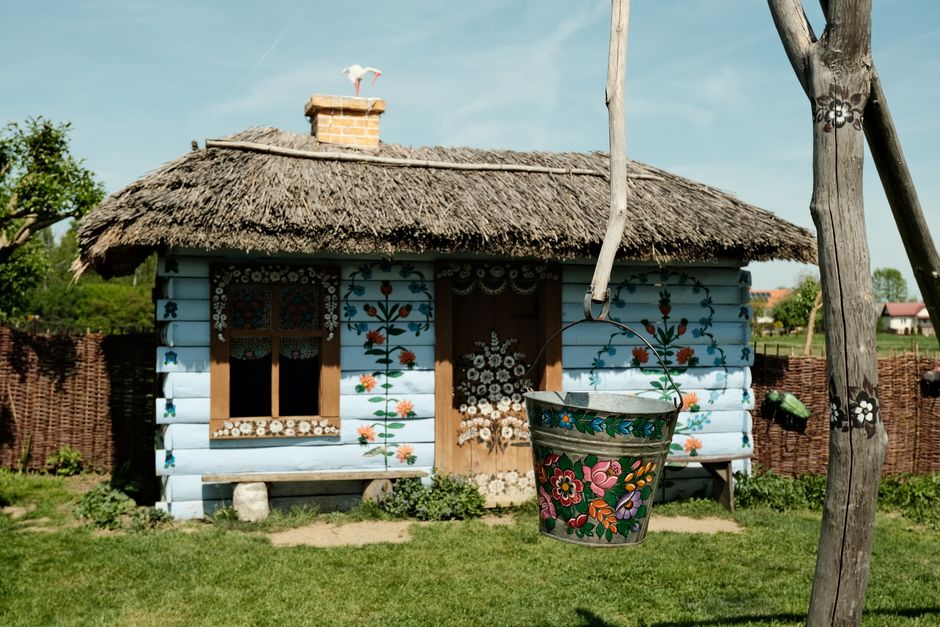
4. The Living Folk Art Village
Zalipie, Poland
Every home, barn, and even dog kennel in this village is a canvas for vibrant, hand-painted folk art.
Zalipie, a small village in southeastern Poland, is globally unique for its tradition of decorating almost every surface with intricate, colorful floral motifs. This enchanting practice began in the late 19th century when women would paint over soot marks from their stoves, evolving into a beautiful, competitive art form. Today, the entire village functions as an open-air museum, celebrating Polish rural artistry and a community's commitment to beauty.
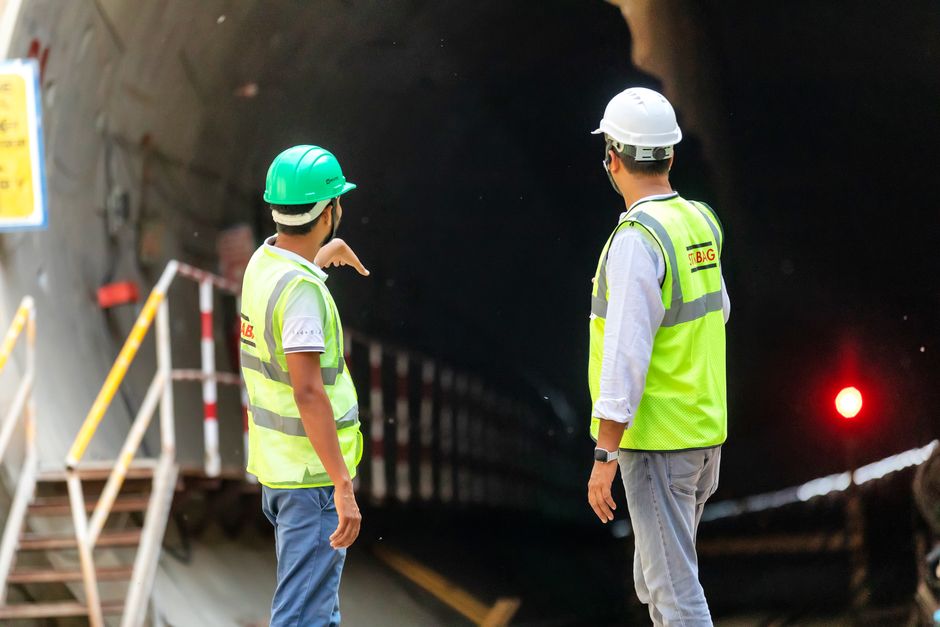
5. The Unfinished Nazi Underworld
Głuszyca, Poland
A vast, mysterious underground city, unfinished and shrouded in Nazi wartime secrets, lies beneath the Owl Mountains.
Project Riese, "Giant" in German, is an enigmatic network of seven vast underground complexes constructed by Nazi Germany in the Owl Mountains during World War II. The Osówka site is the most extensive, a labyrinth of massive tunnels, bunkers, and halls carved deep into the rock by forced labor. Its true purpose remains a subject of intense historical debate, ranging from a secret headquarters to a weapons factory, leaving visitors to ponder its chilling, unfulfilled ambition.
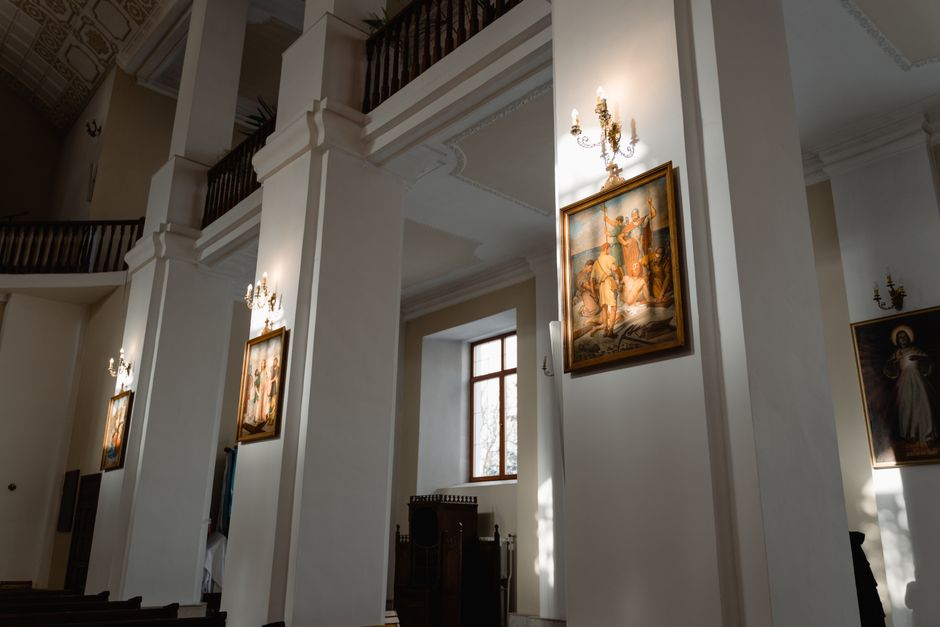
6. Poland's Vatican-Approved Visions
Gietrzwałd, Poland
This unassuming village is the site of Poland's only Marian apparitions officially recognized by the Vatican.
Gietrzwałd, a small village in Warmia, gained international significance following Marian apparitions reported here in 1877. Two young girls claimed to have seen the Virgin Mary, who spoke to them in Polish, a profound event during a period of intense Germanization. The site quickly became a vital spiritual and cultural beacon for Polish identity, drawing countless pilgrims and standing as a testament to enduring faith and national spirit.
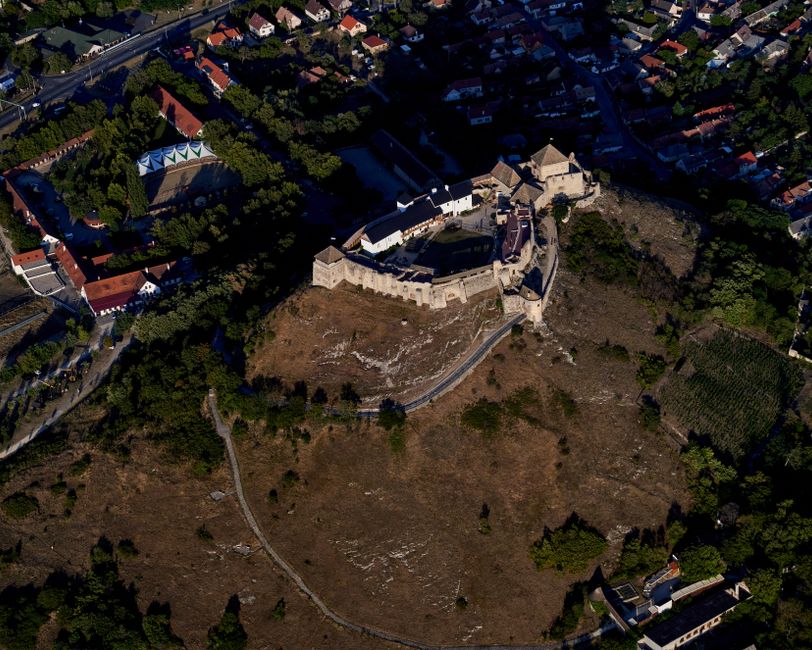
7. Europe's Unconquered Mountain Fortress
Srebrna Góra, Poland
This massive 18th-century mountain fortress, one of Europe's largest, was never fully conquered by an enemy.
The Srebrna Góra Fortress, or Silver Mountain Fortress, stands as a colossal testament to military engineering, built by King Frederick the Great in the late 18th century. Designed as an impregnable defense against Austrian incursions, its formidable walls, deep moats, and numerous bastions dominate the landscape. Despite its impressive scale and the historical fact that it was never taken by force, its actual role in significant warfare was limited, serving primarily as a strategic deterrent.
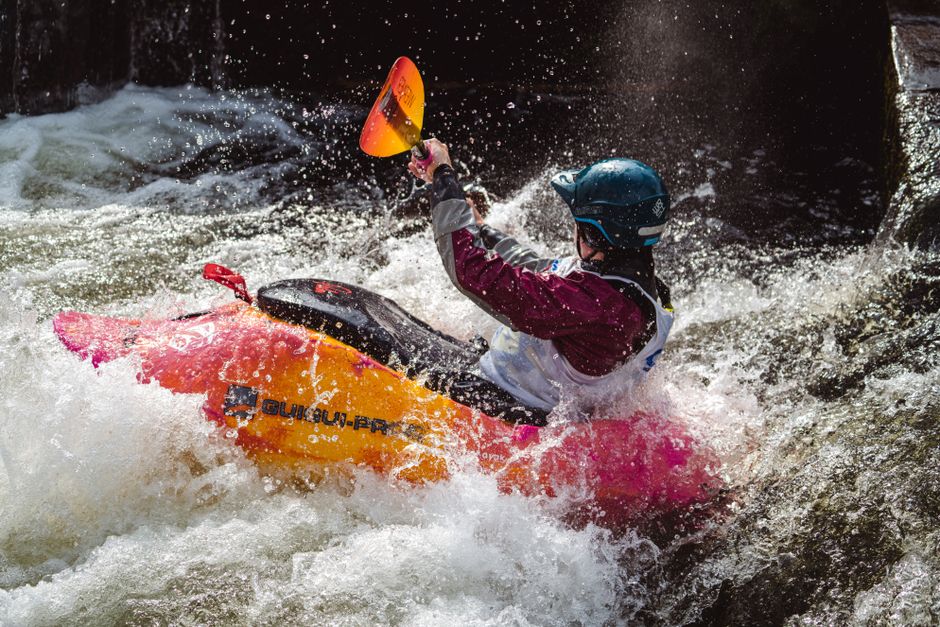
8. Wild River of Otters and History
Drawa National Park, Poland
This pristine wild river is home to otters and beavers, and was once famed for its unique "floating forest" timber transport.
Drawa National Park, located in northwestern Poland, preserves a breathtakingly pristine stretch of the Drawa River, celebrated for its untouched wilderness and rich biodiversity. It serves as a vital habitat for otters, beavers, and a myriad of bird species. Historically, the river was crucial for "floating forest" timber transport, a unique method where entire rafts of logs were guided downstream, showcasing a fascinating interplay between human industry and the natural environment.
Frequently asked questions
Is Poland cheap for tourists?
Compared to Western European countries, Poland is generally very affordable for tourists. Accommodation, food, public transport, and entrance fees, especially outside of major capital cities like Warsaw or Kraków, offer excellent value for money, making it a fantastic budget-friendly destination.
What is the best way to travel around Poland on a budget?
For budget travel, utilize Poland's extensive network of intercity buses and trains, which are economical and reliable. For exploring specific regions, local buses are often the cheapest. Consider carpooling or even hitchhiking (with caution) for more remote areas, and within cities, public transport is efficient and inexpensive.
What are some free things to do in Poland?
Poland offers many free attractions: exploring historic Old Town squares (many are UNESCO sites), hiking in national parks like the Tatras or Roztocze (some require a small entrance fee to specific areas), visiting free museums on certain days, enjoying city parks, and simply soaking in the atmosphere of its charming villages and natural landscapes.
How can the AllTours.ai app help me explore Poland's hidden gems?
The AllTours.ai app transforms your phone into an AI audio tour guide. Simply point your camera at any landmark, landscape, or even a local dish, and the app instantly narrates its history, geology, culture, or culinary story in your chosen language. It's like having a personal expert guide in your pocket, making self-guided exploration richer and more engaging, especially for those lesser-known spots.
Photography via Pexels. AllTours.ai is an AI audio tour guide — point your camera at any landscape and hear its story.