June 18, 2026 · 4 min read
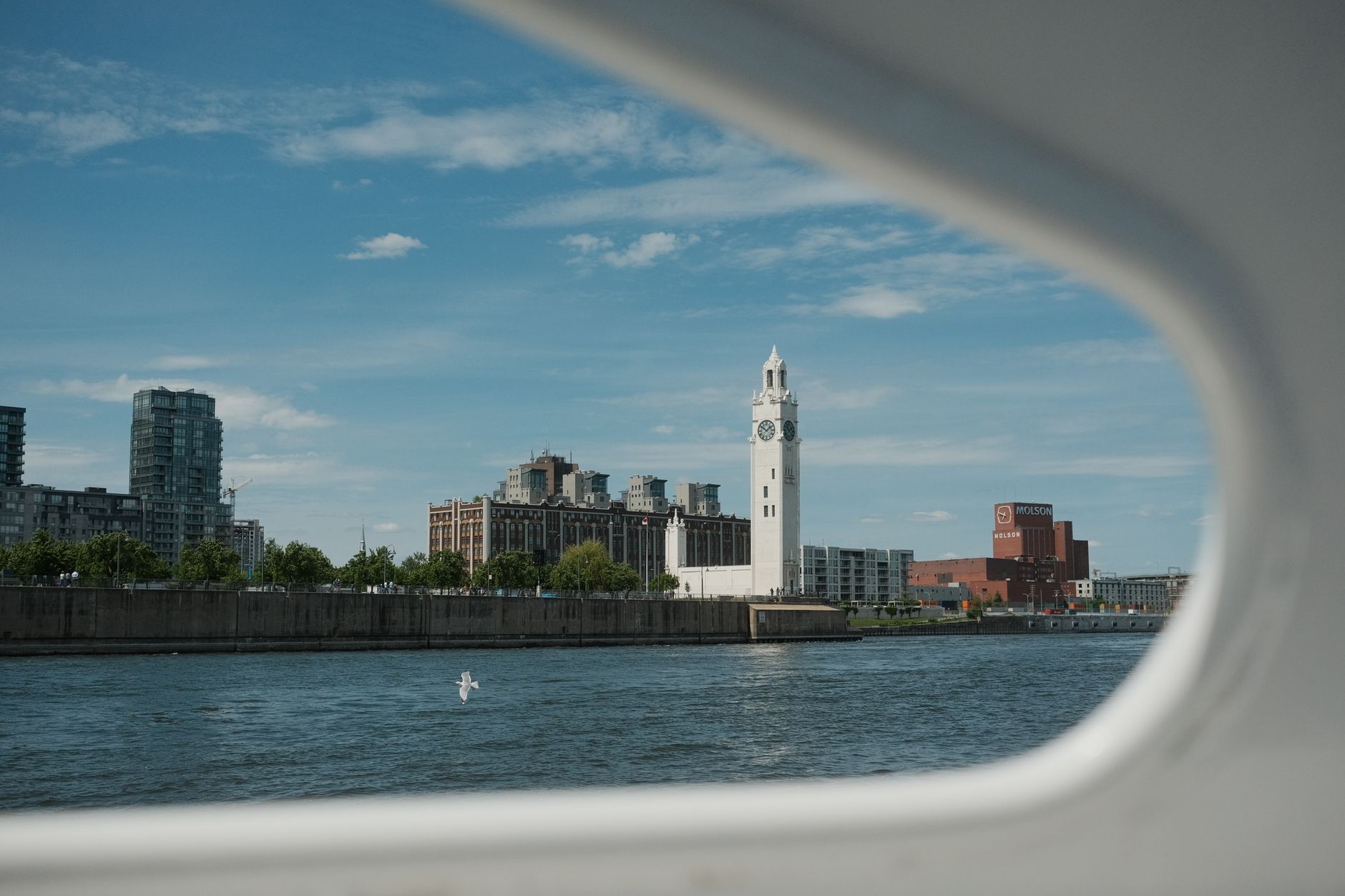
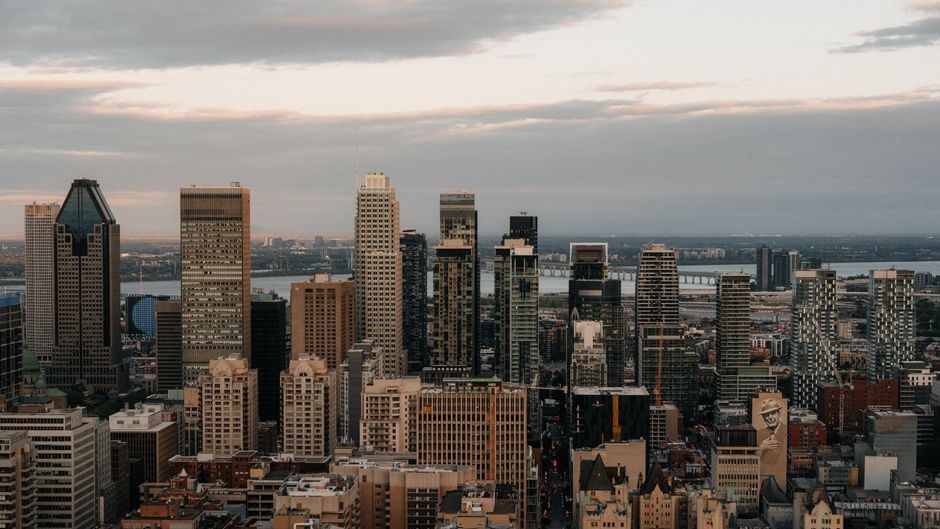
Montreal is a city of captivating contrasts, where historic European charm meets North American dynamism. One of the most common questions for newcomers is about language: 'If I move to Montreal, do I have to learn French?' While Quebec's official language is French, Montreal itself is a vibrant, bilingual hub, offering a rich tapestry of experiences for speakers of both English and French.
Beyond the language question, Montreal holds countless stories waiting to be discovered, often in places just a little off the main tourist path. These spots reveal the city's true character, from its industrial might to its artistic soul. Forget the usual postcards; here are some of Montreal's most intriguing, lesser-known places, each with a surprising story.
1. The Cradle of Canadian Industry
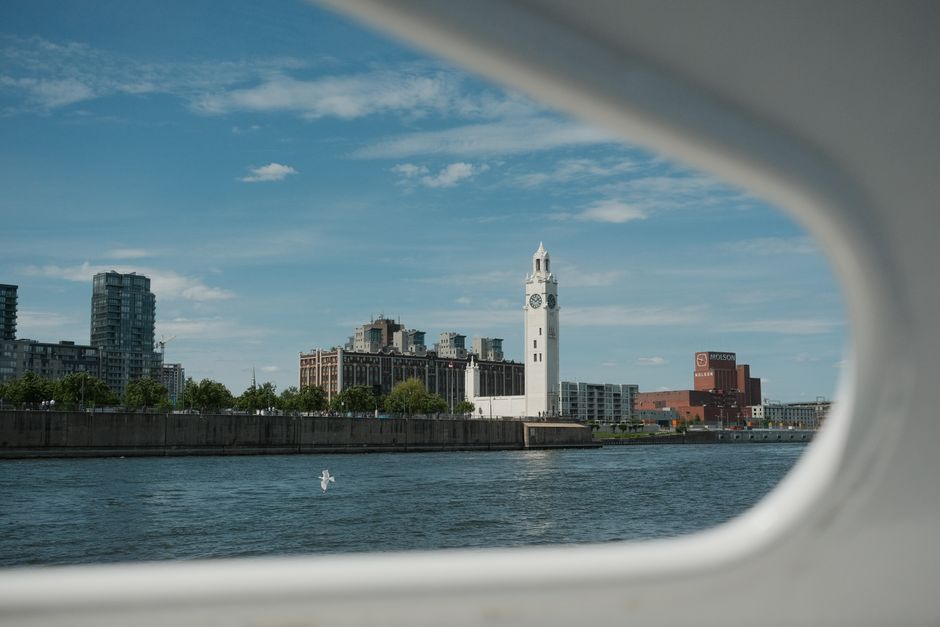
Lachine Canal National Historic Site, Canada
The Lachine Canal wasn't always a peaceful park; it was once the industrial heart of Canada, transforming Montreal into a global powerhouse.
This 14.5-kilometer waterway, completed in 1825, allowed ships to bypass the Lachine Rapids, fundamentally changing Montreal's economic landscape. Its banks became a hub of factories, driving Canada's Industrial Revolution. Today, the canal’s abandoned factories, historic locks, and former industrial infrastructure tell a powerful story of innovation, labor, and the city's foundation as a major port.
2. Beneath Montreal's Founding Site
Pointe-à-Callière, Montreal, Canada
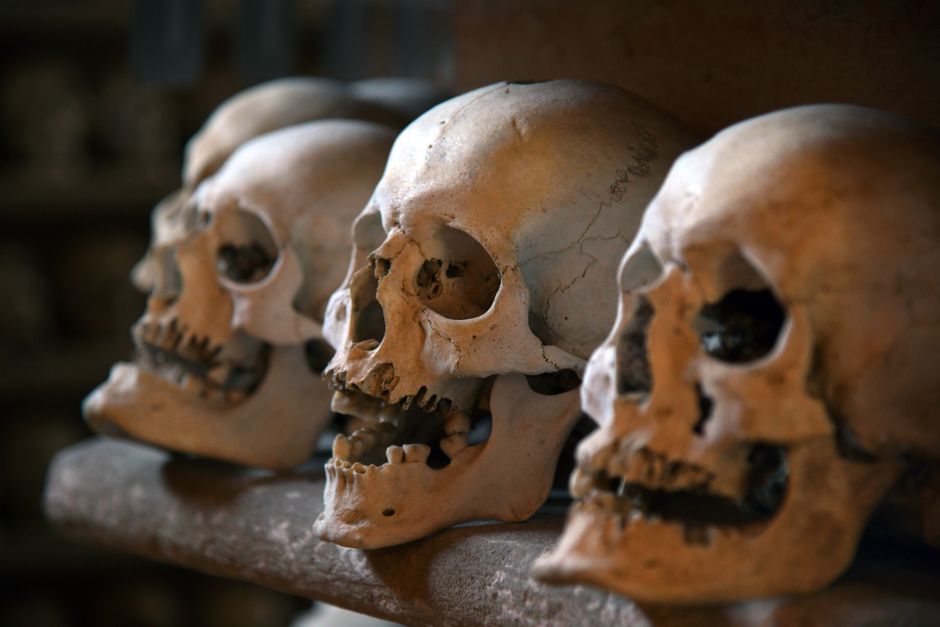
Beneath this modern museum lies an actual archaeological crypt, revealing the exact, layered spot where Montreal was founded in 1642.
Pointe-à-Callière is no ordinary museum; it’s built directly over the layered remains of Montreal's past. Visitors descend into an underground crypt where foundations of the first settlement, Fort Ville-Marie, and even earlier Indigenous encampments are preserved in situ. You can walk among ruins dating back centuries, witnessing the literal strata of history that formed this city.
3. The Enduring Flour Sign
Old Port, Montreal, Canada
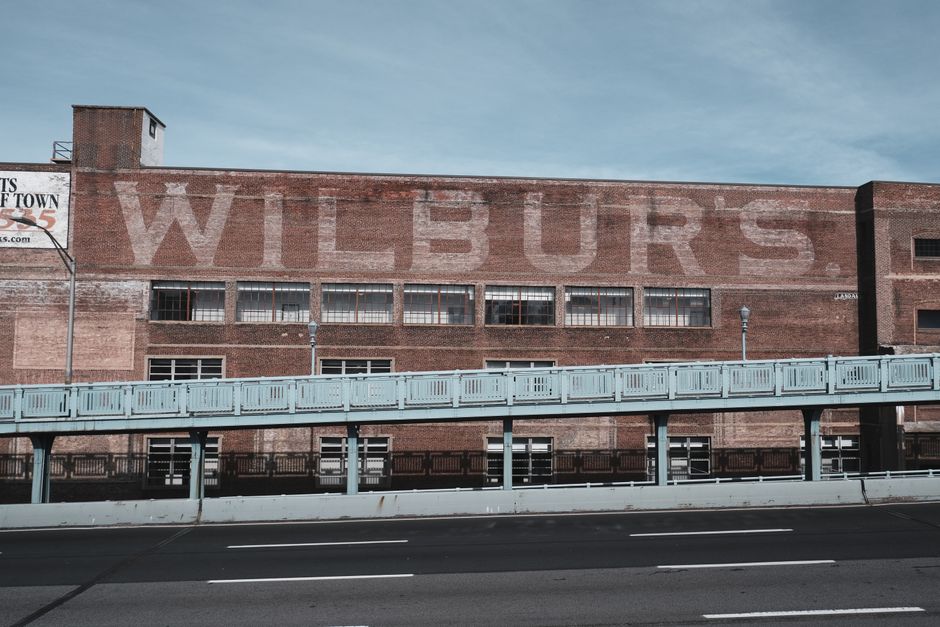
This giant, iconic red sign, visible across the Old Port, is a ghost from Montreal's industrial past that has unexpectedly become a beloved symbol.
Perched atop a former flour mill, the Farine Five Roses sign has illuminated Montreal's skyline since 1948. Initially for a milling company that once dominated the port, the sign persisted long after ownership changes, almost fading into obscurity. Its enduring presence, often lit up even when the building beneath is dark, is a testament to the city's industrial legacy and its residents' affection for familiar landmarks.
4. A Victorian Square's Artistic Past
Saint-Louis Square, Montreal, Canada
This charming square in the Plateau is a rare example of Victorian residential architecture in Montreal, once home to poets and artists.
Tucked away just east of Sherbrooke Street, Saint-Louis Square is a picturesque oasis defined by its ornate fountain and row houses with colorful facades and distinctive spiral staircases. Unlike the more common greystone architecture, these homes showcase a vibrant Victorian style. The square was a hub for Montreal's French-speaking intellectual and artistic elite in the late 19th and early 20th centuries, fostering a unique cultural legacy.
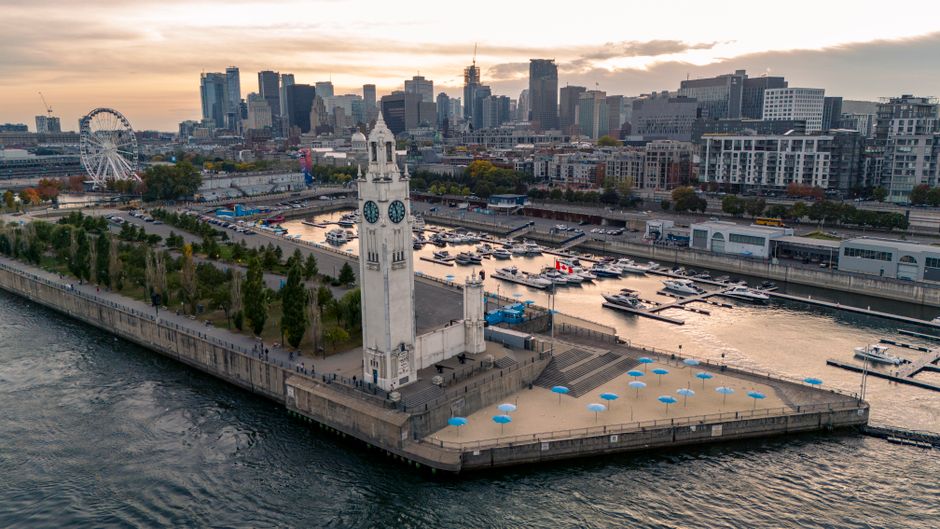
5. The Sailors' Memorial Clock
Old Port, Montreal, Canada
This prominent clock tower in the Old Port isn't just for telling time; it's a solemn memorial to Canadian sailors lost at sea.
Standing tall at the eastern end of the Old Port, the Clock Tower offers panoramic views, but its deeper meaning is often overlooked. Completed in 1922, it was designed to be a 'memorial clock' for seamen of the Merchant Navy who died during World War I. The tower's chiming bells once marked the arrival and departure of ships, a poignant reminder of Montreal's maritime heritage and the sacrifices made.
6. The British Empire's Largest Warehouse
Griffintown, Montreal, Canada
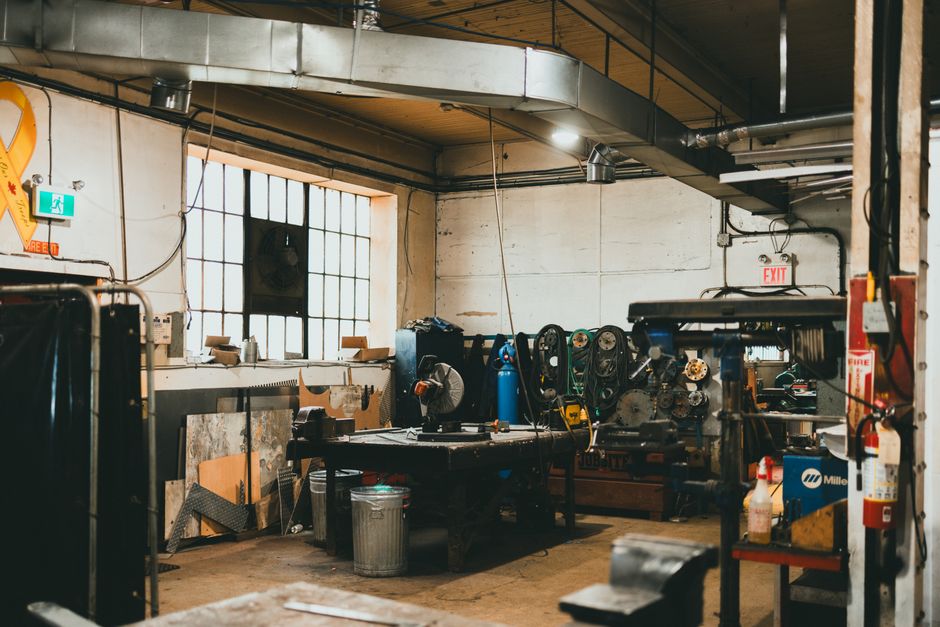
What looks like a massive, repurposed industrial building in Griffintown was once the largest department store warehouse in the British Empire.
The sprawling brick complex known as Morgan's Factory, now largely redeveloped into offices and condos (Le Nordelec), was originally the distribution center for Henry Morgan & Co., a prominent Montreal department store. At its peak, this massive structure employed thousands, handling goods from across the globe. It stands as a physical testament to Montreal's past as a retail and logistical powerhouse.
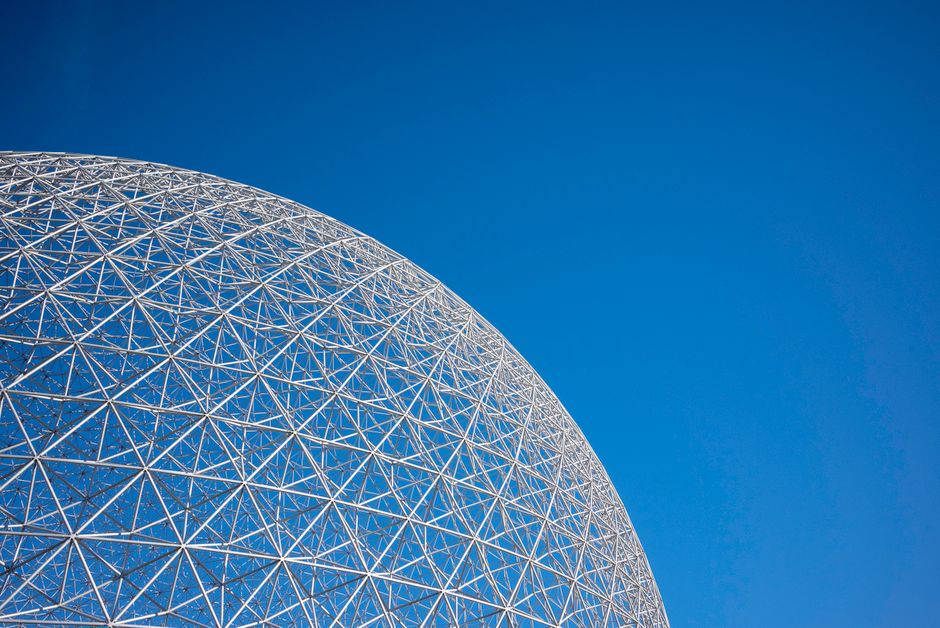
7. A Fire-Scarred Visionary Dome
Parc Jean-Drapeau, Montreal, Canada
This iconic geodesic dome was originally the United States pavilion for Expo 67, designed by a visionary architect, and survived a devastating fire.
Buckminster Fuller's groundbreaking design, the Montreal Biosphere, is more than just a striking landmark on Île Sainte-Hélène. It was a marvel of architectural engineering for Expo 67, intended to showcase American ingenuity. Decades later, a spectacular fire in 1976 destroyed its acrylic skin, leaving only the steel structure. Today, it houses an environmental museum, a resilient symbol of innovation and ecological awareness.
Frequently asked questions
Is it hard to get by in Montreal without speaking French?
While French is the official language of Quebec, Montreal is highly bilingual, especially in downtown areas, tourist zones, and service industries. Many residents are fluent in both English and French, making it relatively easy to navigate daily life and services in English, though learning some basic French phrases is always appreciated.
What parts of Montreal are most English-speaking?
Areas like the West Island, Notre-Dame-de-Grâce (NDG), Hampstead, and Westmount tend to have a higher concentration of English speakers. However, even in traditionally French-speaking neighborhoods, you'll find a mix of linguistic backgrounds and many individuals who can converse in English.
Are there French language classes for newcomers in Montreal?
Yes, Quebec offers free French language courses for eligible immigrants and newcomers, both full-time and part-time. Various private institutions and community centers also provide classes tailored to different proficiency levels, making it accessible to learn or improve your French.
How can AllTours.ai help me explore Montreal's stories?
AllTours.ai is an AI audio tour guide app that brings the stories of Montreal to life. Simply point your phone camera at any landmark, building, or landscape, and the app will narrate its history, geology, and culture directly into your language, offering a deeper understanding of the city around you.
Photography via Pexels. AllTours.ai is an AI audio tour guide — point your camera at any landscape and hear its story.