September 7, 2026 · 4 min read
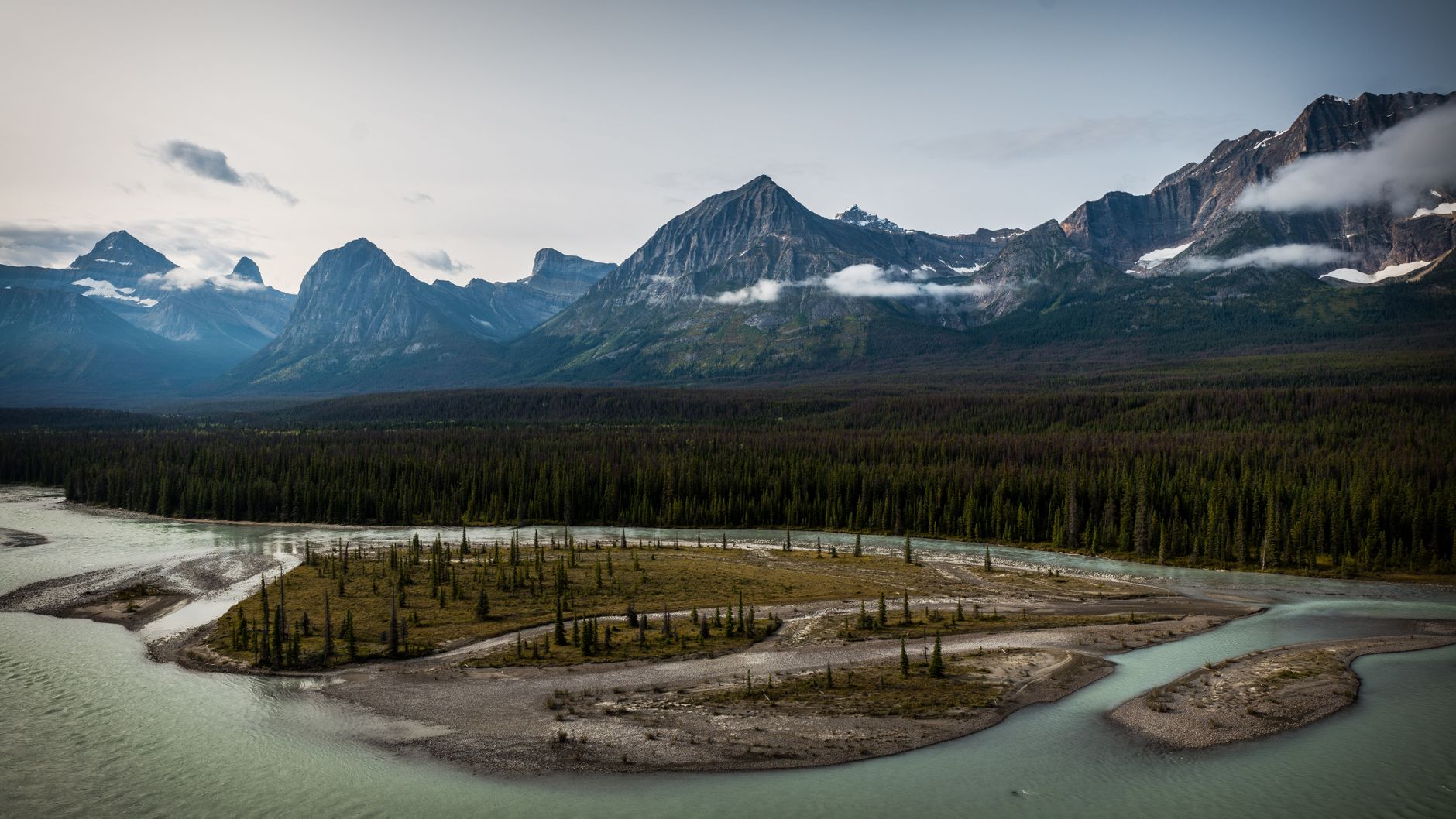
Canada is a land of iconic sights, from the towering Rockies to the charming streets of Old Quebec. But what if we asked, 'If you could fix one thing about Canada overnight, what would it be?' For us, it would be to pull back the curtain on the incredible, often overlooked wonders that truly define its diverse landscape and history.
Beyond the well-trodden paths lie places steeped in unique geology, untold stories, and baffling natural phenomena. This isn't about fixing a problem, but rather 'fixing' our attention on the unexpected. Join us on a journey to eight of Canada's most surprising, genuinely lesser-known locations, each with a captivating story waiting to be discovered.
1. The River That Turns Back Time
Shubenacadie River, Nova Scotia, Canada
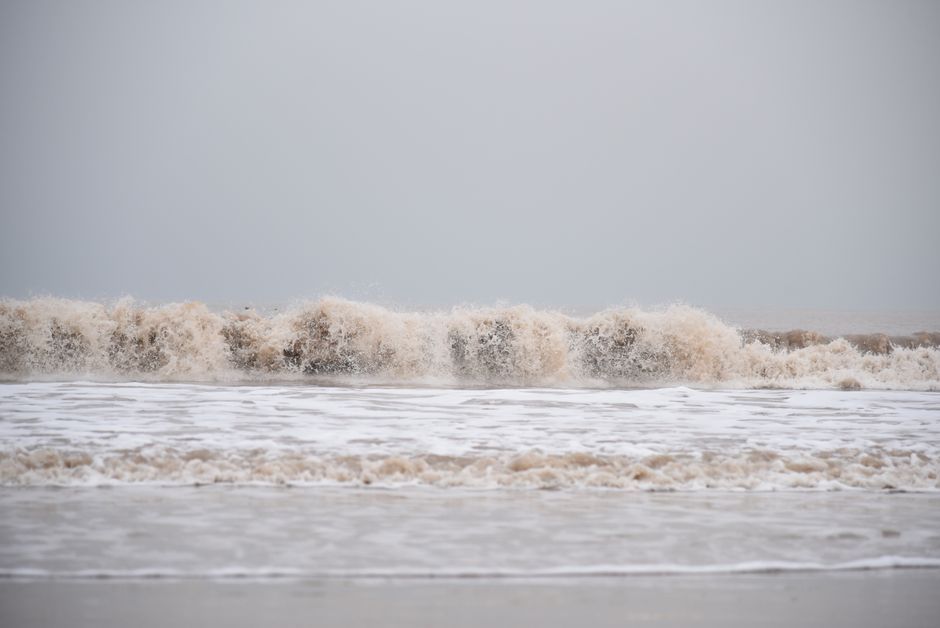
Twice a day, the mighty Shubenacadie River dramatically reverses its flow, pushed upstream by the world's highest tides.
Witnessing the Shubenacadie Tidal Bore is a geological spectacle. As the Bay of Fundy's massive tides rush in, they funnel into the narrowing river channel, creating a powerful wave that rolls against the current. This daily phenomenon, unique in its scale, transforms the tranquil river into a churning, backward-flowing torrent, revealing the raw power of nature.
2. Echoes of Ancient Haida Spirits
SG̱ang Gwaay Llnagaay, Haida Gwaii, British Columbia, Canada
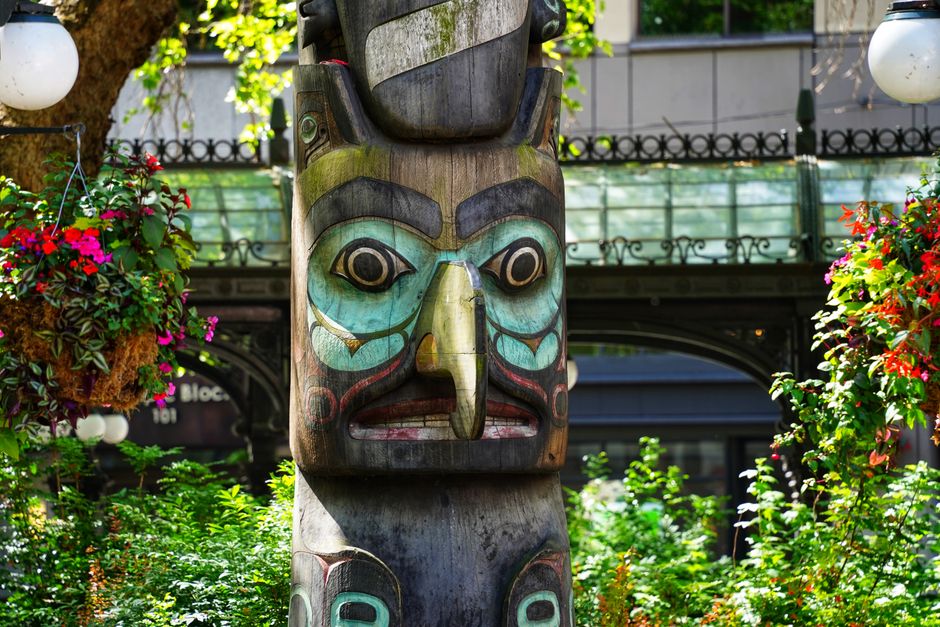
On a remote island, a UNESCO World Heritage site preserves an ancient Haida village where totem poles slowly return to the earth, watched over by the spirits of their ancestors.
SG̱ang Gwaay Llnagaay, formerly Ninstints, offers a poignant glimpse into Haida culture. Here, weathered cedar totem poles, carved with intricate family crests, stand amidst the ruins of longhouses, deliberately left to naturally decay. This remote village, accessible only by boat or floatplane, embodies a profound respect for the cycle of life and death, making it a powerful testament to a vibrant indigenous heritage.
3. The Forest of Twisted Secrets
Crooked Bush, Hafford, Saskatchewan, Canada
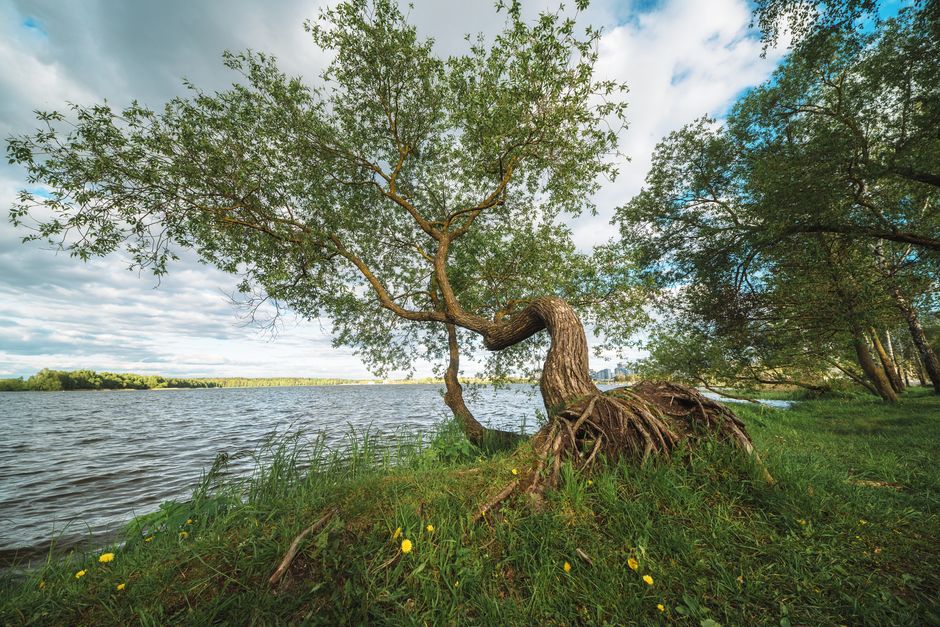
In a quiet corner of Saskatchewan, an entire grove of aspen trees grows in bizarre, contorted shapes, defying normal botanical logic.
The Crooked Bush is an ecological anomaly that puzzles scientists. Unlike typical aspens, these trees twist and turn at sharp angles, their branches reaching skyward in a chaotic dance. The prevailing theory points to a genetic mutation affecting their growth hormones, creating a unique, somewhat eerie landscape that feels plucked from a fairy tale, a true biological marvel.
4. A Town Named From a Pulp Novel
Flin Flon, Manitoba, Canada
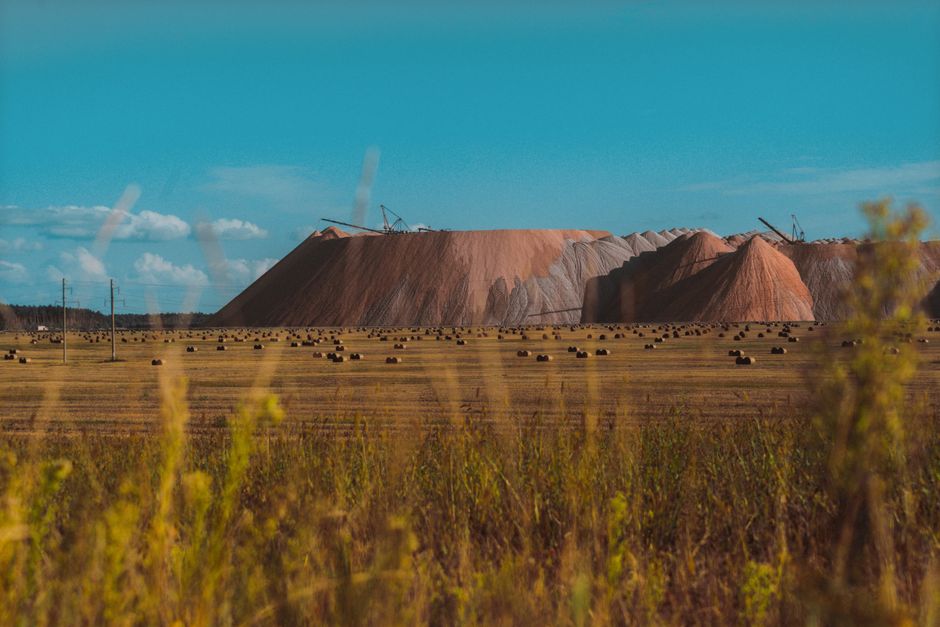
This northern mining town bears the whimsical name of a character from a forgotten 1900s pulp fiction novel, a testament to its adventurous origins.
Flin Flon isn't just a unique name; it's a piece of Canadian lore. Prospectors discovered a rich ore body here in 1915 and, finding a copy of "The Sunless City," named their new settlement after its hero, Josiah Flintabbatey Flonatin. This remote community, built on mining and surrounded by vast wilderness, embodies the spirit of discovery and the unexpected influences that shaped Canada's frontier towns.
5. Arctic's Petrified Past
Axel Heiberg Island, Nunavut, Canada
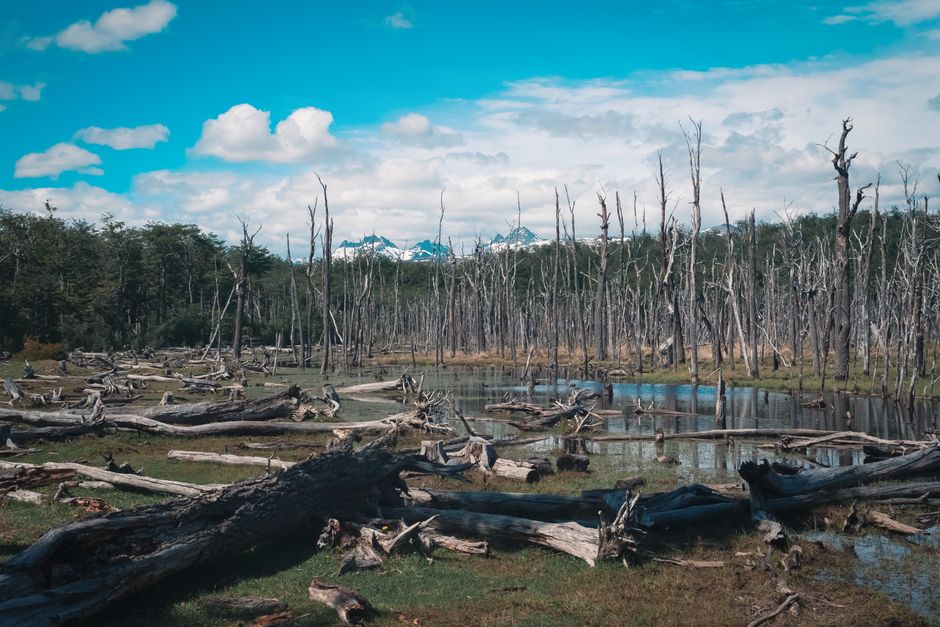
High in the Canadian Arctic, a 45-million-year-old "mummified forest" lies exposed, a perfectly preserved relic from a time when the North Pole was warm.
The Mummified Forest on Axel Heiberg Island offers an astonishing window into Earth's ancient climate. These incredibly preserved trees, dating back to the Eocene epoch, weren't petrified into stone but rather mummified by rapid burial in oxygen-poor sediments. They reveal a period when the high Arctic was a temperate swamp forest, a stark contrast to today's frozen tundra, challenging our perceptions of polar history.
6. Newfoundland's Alien Barrens
Burnt Cape Ecological Reserve, Newfoundland and Labrador, Canada
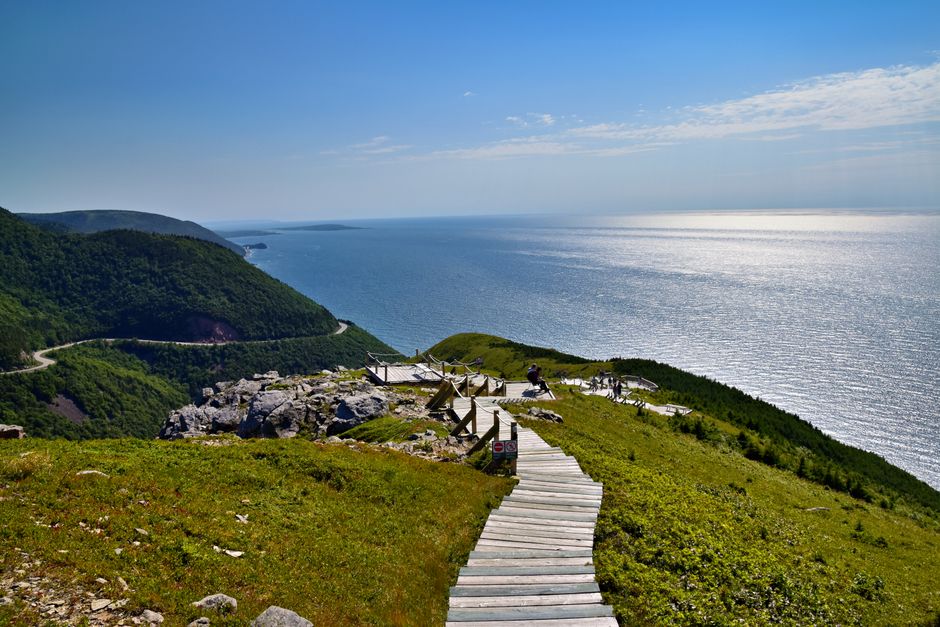
This stark, windswept limestone landscape on Newfoundland's northern tip hosts an otherworldly collection of rare arctic-alpine plants found nowhere else in the province.
Burnt Cape is a geological and botanical marvel, a rugged peninsula sculpted by ice and wind. Its unique limestone barrens and exposed coastal environment create specialized microhabitats where over 300 plant species, many of them arctic or alpine, flourish. Exploring this seemingly barren land reveals a surprising biodiversity, a testament to nature's resilience in one of Canada's most dramatic settings.
7. The Beach That Sings
Basin Head Provincial Park, Prince Edward Island, Canada
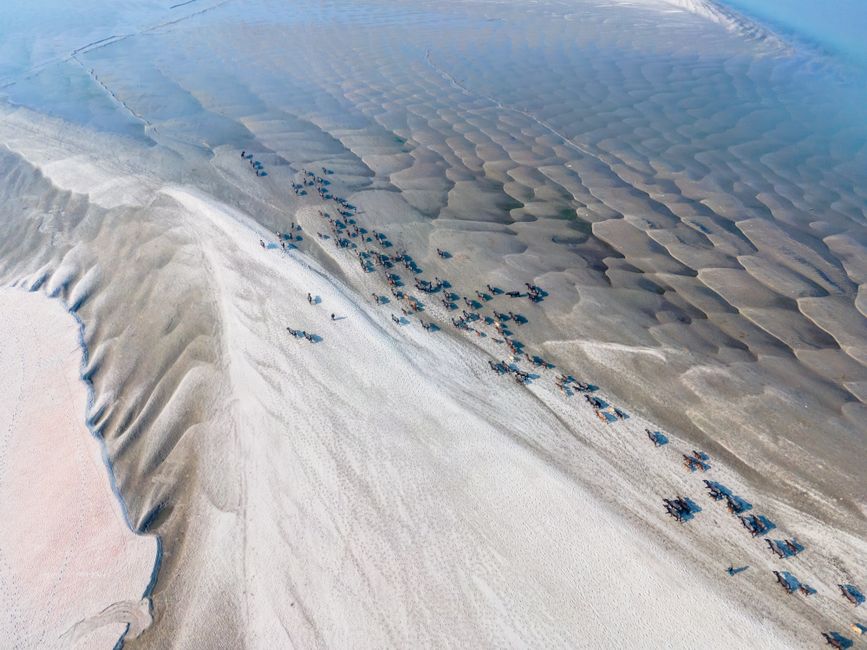
Stroll along the shores of Basin Head, and you'll hear the sand beneath your feet emit an unmistakable "singing" or squeaking sound.
Basin Head Provincial Park is home to one of Canada's rare "singing sands" beaches. The unique, high-silica quartz grains, polished smooth by centuries of tidal action, create friction when walked upon, producing a distinct musical note. This natural phenomenon adds a whimsical, unforgettable auditory dimension to the stunning coastal beauty of Prince Edward Island, inviting visitors to listen closely to the landscape.
8. Hell's Gate's Roaring Rapids
Fraser Canyon, British Columbia, Canada
At Hell's Gate, the mighty Fraser River is forced through a chasm just 35 meters wide, creating a terrifying torrent that once blocked salmon migrations and challenged early explorers.
Named by explorer Simon Fraser who deemed it "a place where no human should venture," Hell's Gate is a dramatic constriction of the Fraser River. The sheer volume of water churning through this narrow gorge creates immense rapids and whirlpools. Its powerful currents were historically a major obstacle for migrating salmon, leading to the construction of fishways to aid their perilous journey upstream, showcasing both nature's power and human ingenuity.
Frequently asked questions
What makes Canada's lesser-known spots so special for travelers?
Canada's hidden gems offer unique insights into the country's diverse geology, history, and culture. They provide a chance to connect with untouched nature, local stories, and phenomena not found on typical tourist routes, creating more authentic and memorable experiences.
How can I find these hidden places without extensive research?
Discovering lesser-known spots often involves local recommendations, specialized travel guides, or exploring beyond major cities. Many of these locations are protected areas or have specific access requirements, so planning ahead is crucial.
Are these remote Canadian locations accessible to average travelers?
Accessibility varies greatly. Some, like the Crooked Bush, are easily reached by car, while others, like SG̱ang Gwaay Llnagaay or Axel Heiberg Island, require significant planning, permits, and specialized transport due to their remote nature and protected status.
How does the AllTours.ai app enhance exploration of places like these?
The AllTours.ai app acts as your personal AI audio guide. Simply point your phone camera at a landmark or landscape, and it will narrate its history, geology, and cultural significance in your preferred language, bringing even the most obscure or complex stories of places like these to life as you explore.
Photography via Pexels. AllTours.ai is an AI audio tour guide — point your camera at any landscape and hear its story.