July 11, 2026 · 4 min read
The thought experiment is simple: if you could pick just one country to explore for the rest of your days, to delve into its every facet, its every secret, which would it be? For many, the choice is daunting, a balance between cultural richness, natural diversity, and sheer historical depth. But what if one nation consistently offered all this, and more, beyond the well-trodden paths?
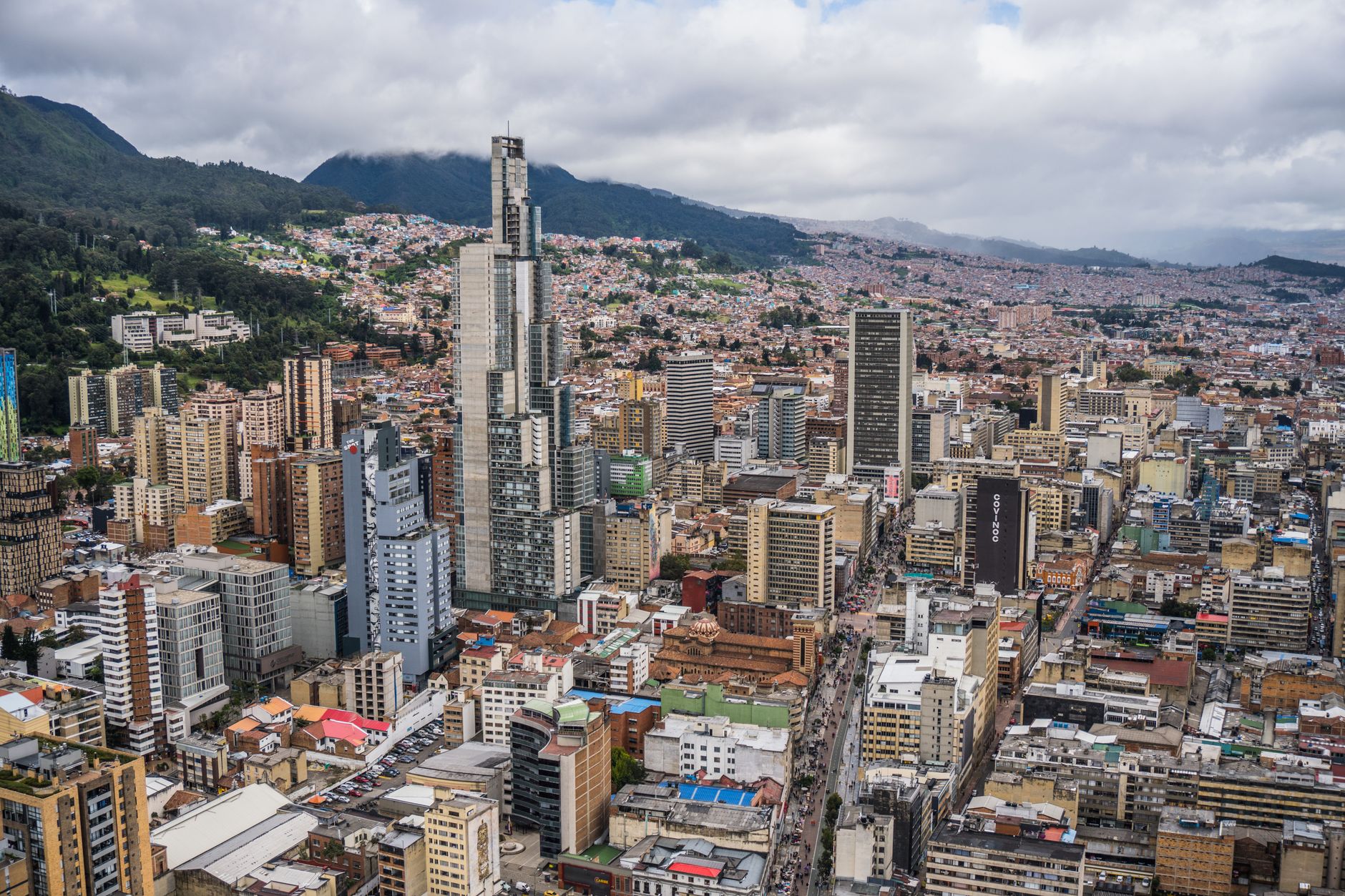
Colombia, often overshadowed by its more famous neighbors or past reputation, quietly boasts an astonishing tapestry of landscapes, histories, and cultures. It's a country where the Amazon meets the Andes, where Caribbean sands give way to ancient lost cities, and where every corner holds a story waiting to be discovered. Forget the usual hotspots; here are the truly unique places that make Colombia an unrivaled choice for a lifetime of exploration.
1. The Lost City's Jungle Secret
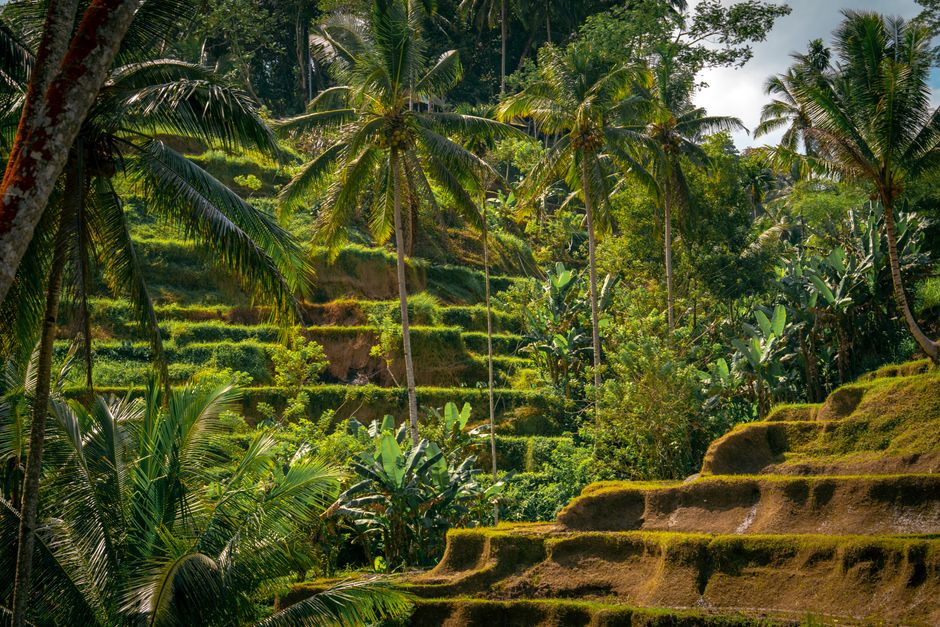
Ciudad Perdida, Colombia
An ancient city, larger and older than Machu Picchu, lay forgotten in the Sierra Nevada jungle for centuries until its rediscovery by looters.
Built by the Tairona people around 800 AD, Ciudad Perdida (The Lost City) features an intricate network of stone terraces, plazas, and paved paths. Its complex engineering rivaled later Incan sites. The city's existence was only brought to light in the 1970s when *huaqueros* (tomb robbers) stumbled upon it, prompting archaeological expeditions that slowly unveiled its secrets from beneath centuries of jungle growth.
2. The Red Desert's Starlit Stage
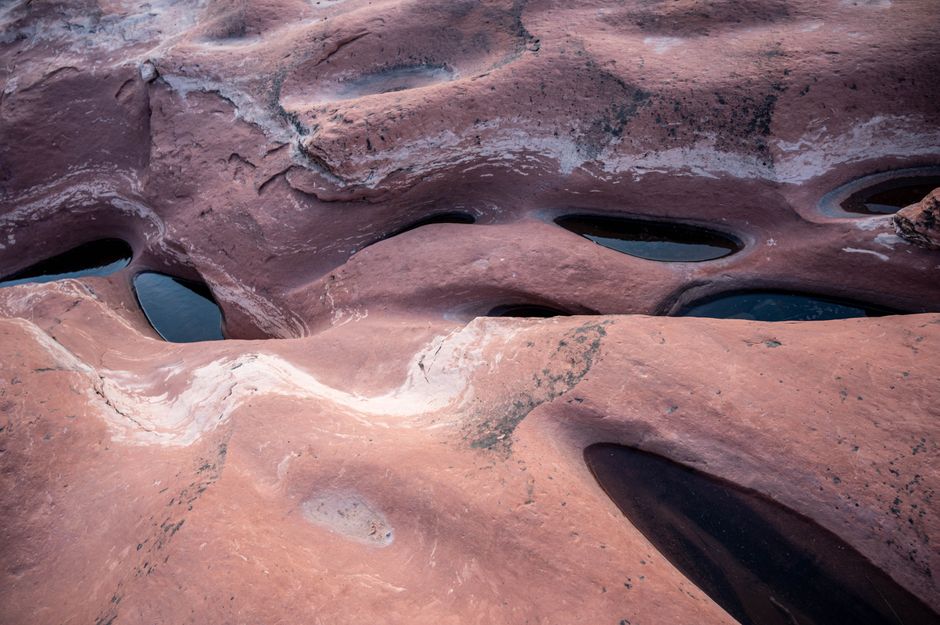
Tatacoa Desert, Colombia
In a country known for lush green, a vibrant red and grey desert stretches out, offering some of the clearest skies for stargazing in South America.
The Tatacoa Desert, despite its name, is a dry tropical forest, not a true desert. Its landscape is a surreal canvas of ochre and grey clay formations, sculpted by millennia of erosion into captivating labyrinths. Far from urban light pollution, Tatacoa is home to one of Colombia's best astronomical observatories, drawing visitors eager to witness the Milky Way in unparalleled clarity.
3. The Liquid Rainbow River
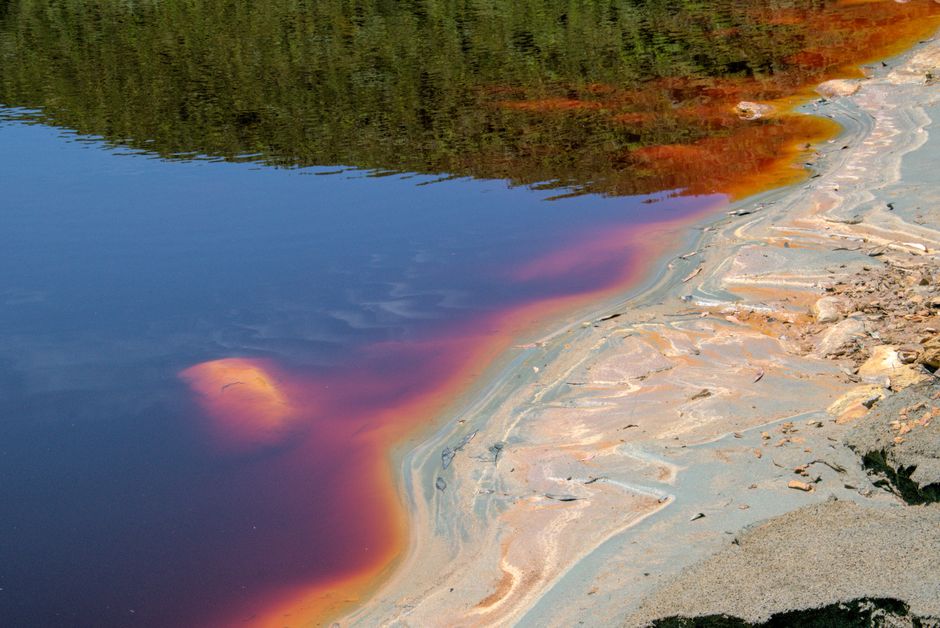
Caño Cristales, Colombia
For a few months each year, a remote river transforms into a 'liquid rainbow' as a unique aquatic plant erupts in vibrant colors.
Nestled within the Serranía de la Macarena National Natural Park, Caño Cristales is renowned as the 'River of Five Colors.' From July to November, the *Macarenia clavigera* plant, thriving under precise water and light conditions, blooms into brilliant reds, yellows, greens, and blues. This fleeting botanical spectacle creates one of the most stunning natural phenomena on Earth, a river unlike any other.
4. Amazon's Ancient Stone Giants
Cerros de Mavecure, Guaviare, Colombia
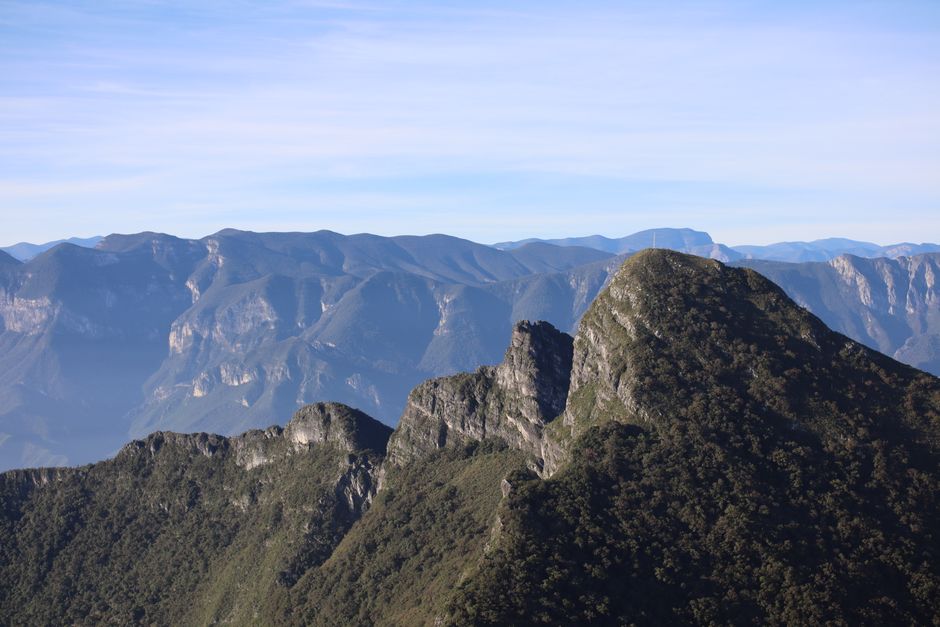
Three ancient, towering tepuis (table-top mountains), remnants of the Guyana Shield, rise dramatically from the vast Colombian Amazon rainforest.
The Cerros de Mavecure are three striking inselbergs – Mavecure, Mono, and Pajarito – that stand as sentinels over the Guainía department. These immense geological formations are among the oldest on the planet, part of the ancient Guyana Shield. Sacred to the local Puinave indigenous community, they offer breathtaking panoramic views of the seemingly endless Amazonian canopy, a truly humbling perspective on Earth's ancient geology.
5. Colombia's Golden Stone Village
Barichara, Santander, Colombia
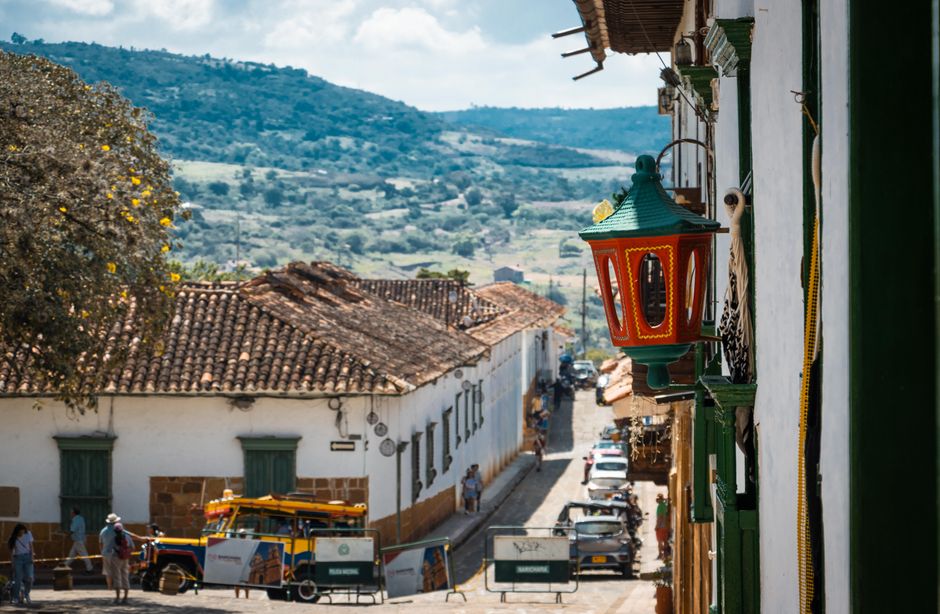
Often called Colombia's most beautiful village, this perfectly preserved colonial town is built almost entirely from hand-carved local yellow stone.
Tucked away in the department of Santander, Barichara is a national monument celebrated for its timeless beauty. Its cobblestone streets, whitewashed houses, and terracotta roofs are meticulously maintained, creating an atmosphere of tranquil elegance. The distinctive golden hue of its architecture comes from the locally quarried yellow stone, giving the entire village a warm, inviting glow that feels suspended in a bygone era.
6. Mompox: A River-Island Time Capsule
Santa Cruz de Mompox, Bolívar, Colombia
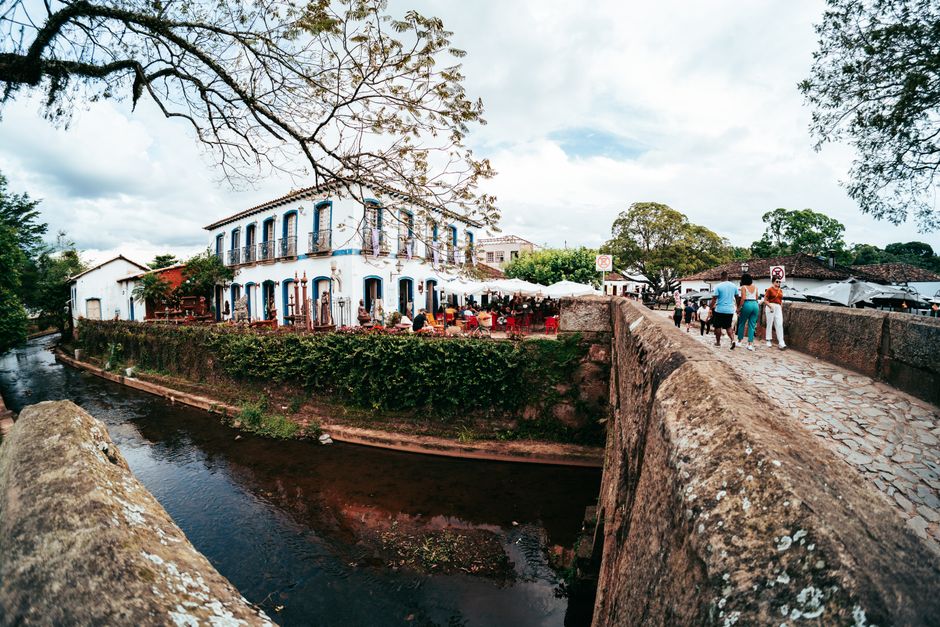
A UNESCO World Heritage site, this colonial town on an island in the Magdalena River was bypassed by modern development, preserving its 16th-century charm.
Founded in 1537, Mompox was a vital river port, thriving on trade along the Magdalena. However, as river routes changed, the town became isolated, effectively freezing its unique architecture and way of life in time. Its historic center, characterized by arcaded houses, grand churches, and intricate ironwork balconies, offers a glimpse into colonial life largely untouched by the centuries. Mompox is also famed for its delicate filigree gold jewelry.
7. Where the Desert Meets the Caribbean
La Guajira Peninsula, Colombia
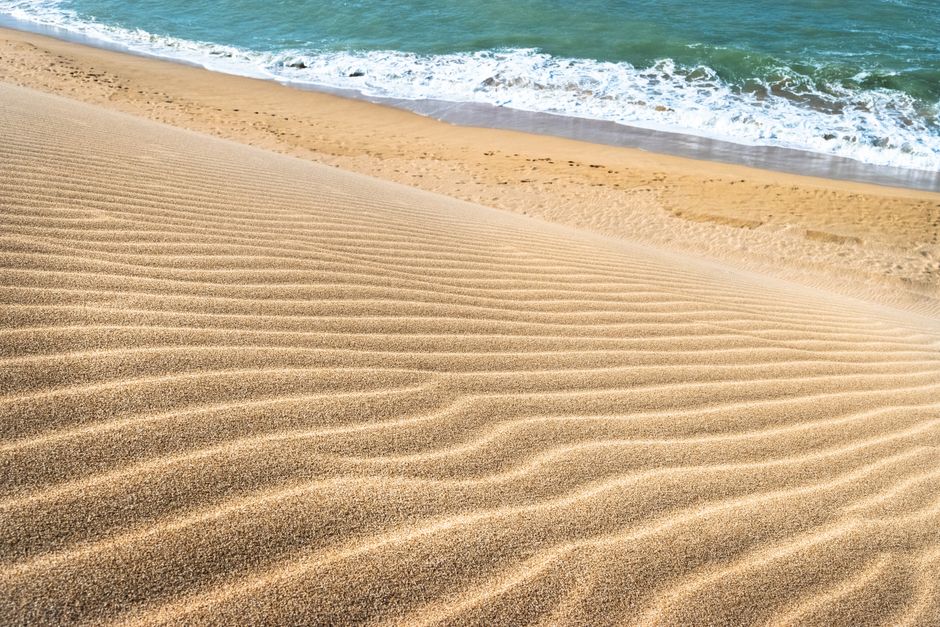
At the northernmost tip of South America, vast sand dunes plunge directly into the turquoise Caribbean Sea, home to the indigenous Wayuu people and their ancient culture.
The La Guajira Peninsula is a landscape of striking contrasts: an arid desert meeting pristine Caribbean waters. This harsh yet beautiful region is the ancestral territory of the Wayuu, Colombia's largest indigenous group. They have adapted to this challenging environment for centuries, maintaining a vibrant culture known for its intricate weaving, unique language, and strong matriarchal traditions. Punta Gallinas, marking the continent's northern extreme, offers dramatic vistas of this unique blend of desert and sea.
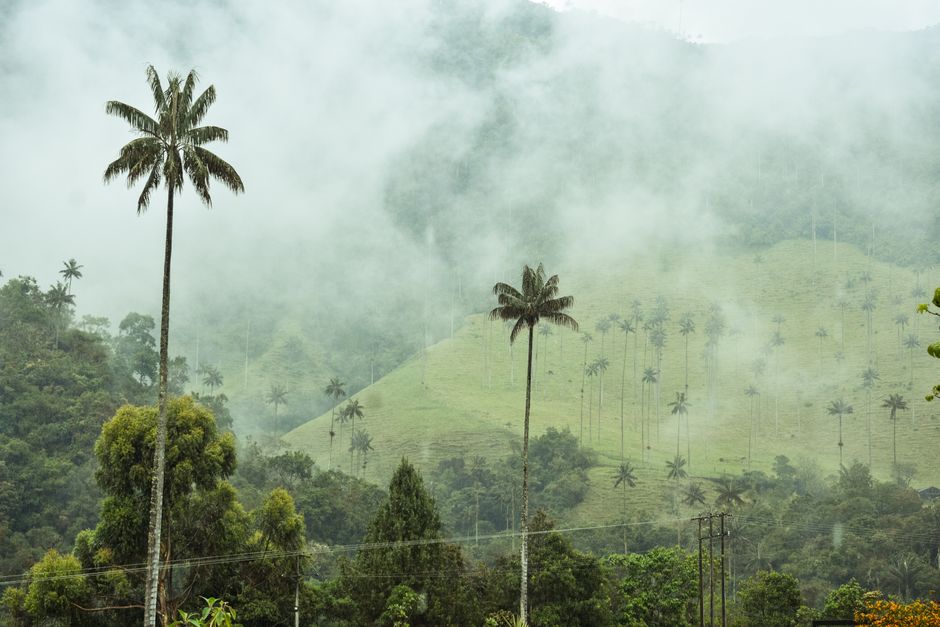
8. Giants of the Coffee Landscape
Cocora Valley, Quindío, Colombia
In Colombia's UNESCO-recognized Coffee Cultural Landscape, the world's tallest palm trees pierce the clouds, creating a surreal and breathtaking vista.
While the wider Coffee Cultural Landscape is well-regarded, the Cocora Valley near Salento offers a truly iconic sight: the Quindío wax palm (*Ceroxylon quindiuense*). These majestic trees, Colombia's national tree, can soar up to 60 meters (200 feet) into the sky, creating an ethereal landscape often shrouded in mist. This region beautifully encapsulates the blend of sustainable coffee production, rich biodiversity, and traditional rural life that defines the country's heartland.
Frequently asked questions
Is Colombia safe for tourists to visit?
Colombia has made significant strides in safety and tourism infrastructure over the past two decades. Major cities and tourist destinations are generally safe, especially with common travel precautions. It's always wise to research specific regions and stay informed about local conditions, but overall, the country warmly welcomes visitors.
What is the best time of year to visit Colombia?
Due to its diverse geography, Colombia experiences varied climates. Generally, the dry seasons (December to March and July to August) are ideal for most regions, including the Andes and Caribbean coast. For specific attractions like Caño Cristales, special windows (July to November) are best to witness its unique phenomena. Always check the best time for your specific destinations.
What unique cultural experiences can I have in Colombia?
Colombia offers a rich tapestry of cultural experiences. You can immerse yourself in the traditions of the Wayuu people in La Guajira, learn about coffee production in the Eje Cafetero, explore the meticulously preserved colonial heritage of Mompox or Barichara, or dance to vibrant cumbia and salsa music in its lively cities. Indigenous crafts, festivals, and diverse culinary traditions are also highlights.
How can AllTours.ai enhance my trip to Colombia's hidden gems?
AllTours.ai brings the stories of Colombia's incredible places directly to you. Simply point your phone camera at a landmark, a sweeping landscape, or an ancient ruin, and the app will narrate its history, geology, and cultural significance in your preferred language. It's like having an expert guide by your side, unveiling the secrets of these lesser-known spots without needing a tour group or fixed schedule.
Photography via Pexels. AllTours.ai is an AI audio tour guide — point your camera at any landscape and hear its story.