July 4, 2026 · 4 min read
Imagine a sudden windfall of $100 million. For many, this conjures images of private jets, five-star resorts, and exclusive experiences. But what if, instead, it made certain conventional travel expenses seem utterly unnecessary? The truth is, the most profound and genuinely awe-inspiring travel moments aren't bought with extravagant budgets; they're discovered through curiosity and a willingness to look beyond the obvious.
This guide explores places where the sheer weight of history, the majesty of nature, or the intrigue of culture offers a richness that money can't replicate. Forget the overcrowded landmarks and overpriced tours. These are the underrated, lesser-known spots that prove true discovery is the ultimate luxury, waiting to unfold their incredible stories before your eyes.
1. The Buried Roman Stadium
Plovdiv, Bulgaria
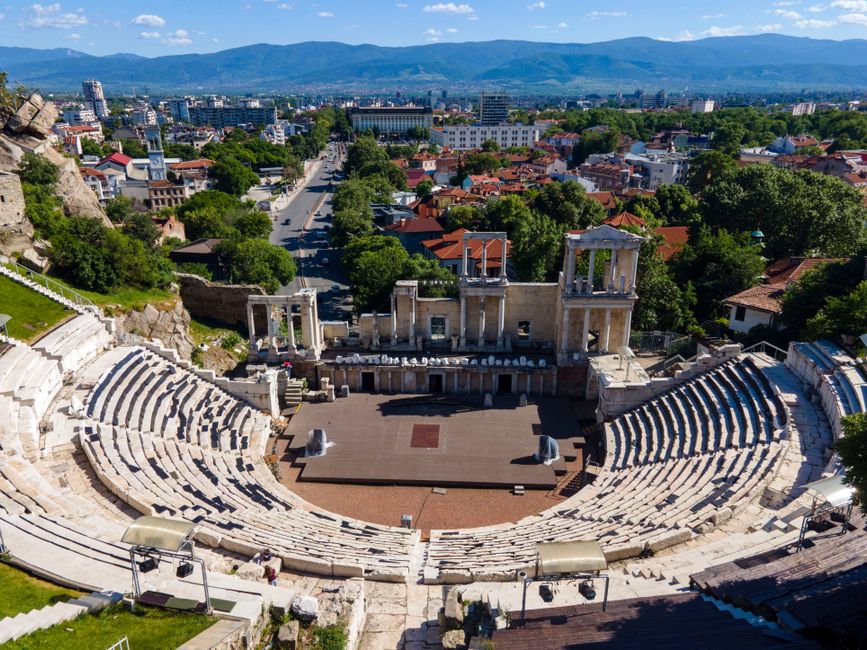
A bustling modern shopping street in Plovdiv literally runs over an almost perfectly preserved Roman stadium, with parts still visible and actively excavated beneath pedestrian traffic.
Plovdiv's main pedestrian street, Knyaz Alexander I, conceals a spectacular secret: the ancient Roman Stadium of Philippopolis. While only the northern curve is fully uncovered and accessible for visitors, parts of its 240-meter length are visible through glass panels embedded directly into the street. Imagine walking above the very arena where gladiators once competed, a testament to layers of history effortlessly integrated into modern urban life.
2. The Deepest Underground City
Derinkuyu, Cappadocia, Turkey
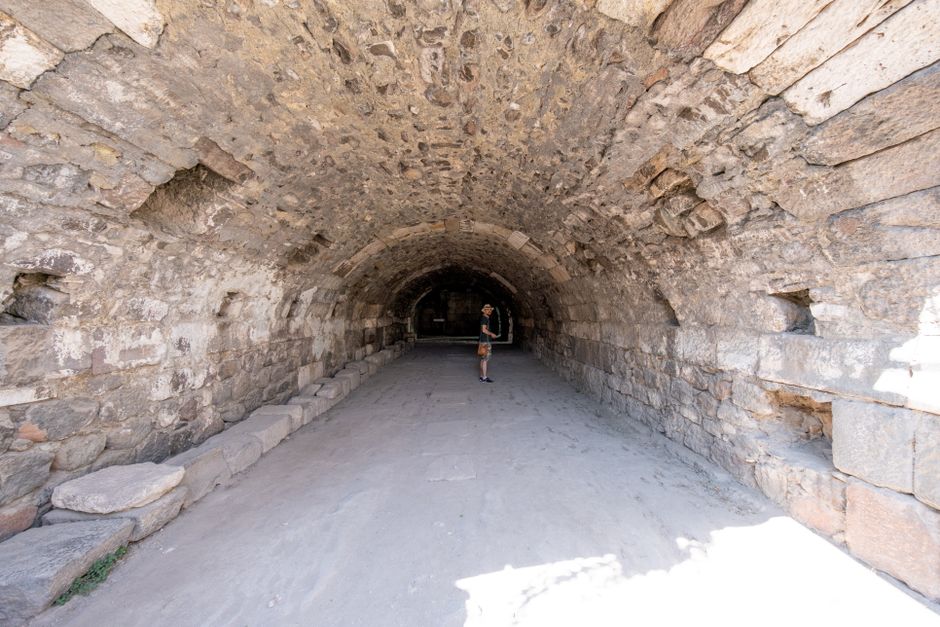
An entire ancient city in Cappadocia, Turkey, was carved eight stories deep into volcanic rock, complete with stables, churches, and ventilation shafts, designed to house 20,000 people and their livestock.
Derinkuyu stands as the deepest of Cappadocia's numerous underground cities, a marvel of ancient engineering and human ingenuity. Its inhabitants could seal themselves inside with massive stone doors, living for months to escape invaders. The intricate network of tunnels, chambers, and even a subterranean river for water supply showcases an extraordinary level of planning and communal living far beneath the surface, a truly hidden world. It's an astounding look into survival and community.
3. The Eye of the Sahara
Richat Structure, Mauritania
A colossal, 50-kilometer-wide geological formation in the Sahara Desert, once thought to be an impact crater, is actually a deeply eroded dome whose origins remain a subject of scientific debate.
Visible from space, the Richat Structure, often called the 'Eye of the Sahara,' presents a striking series of concentric rings. Early astronauts famously used it as a landmark. Far from a meteor impact, this stunning natural wonder is a symmetrical, deeply eroded geological dome, exposing layers of rock like an onion. Its immense scale and perfect circularity make it one of Earth's most enigmatic natural features, a testament to geological forces over eons.
4. Amazon's Prehistoric Gallery
Chiribiquete National Park, Colombia
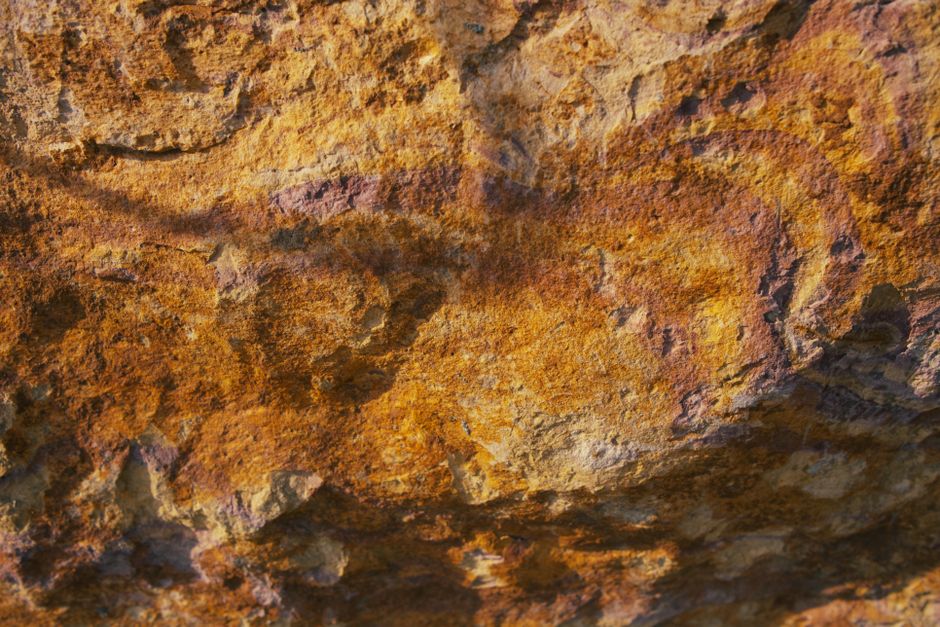
Deep within the Colombian Amazon lies Chiribiquete, a UNESCO World Heritage site boasting over 75,000 ancient rock paintings spanning 20,000 years, depicting extinct megafauna and cosmic patterns.
Chiribiquete National Park is a massive, largely unexplored wilderness, home to some of the most extensive and ancient rock art in the world. Its sheer sandstone tepuis (tabletop mountains) are adorned with countless red pictographs, offering a window into the spiritual and daily lives of civilizations long past. These paintings feature mastodons, giant sloths, and intricate geometric designs, making it a crucial site for understanding early human presence in the Amazon.
5. The Petrified Forest of Deadvlei
Deadvlei, Namibia
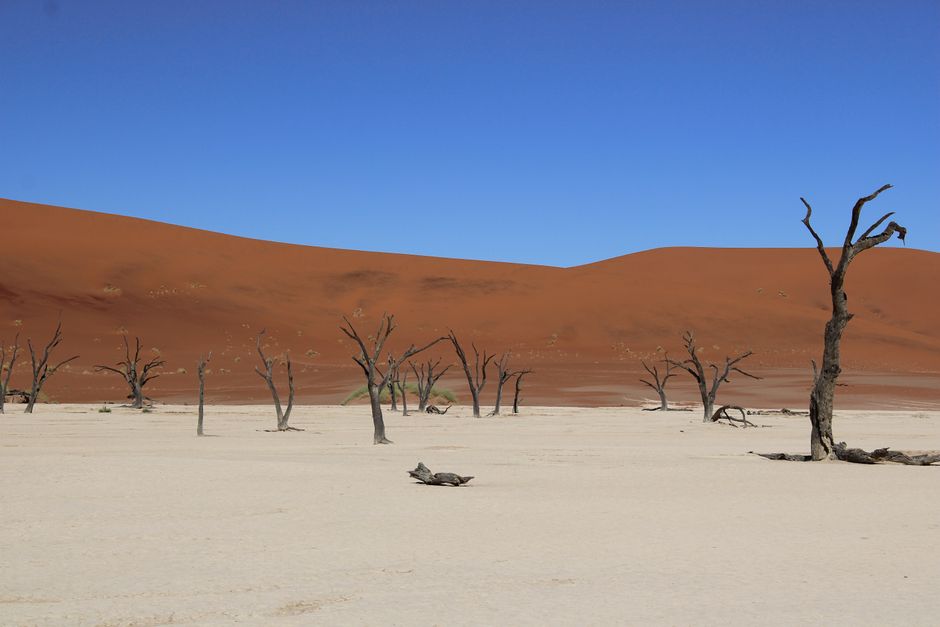
In Namibia's Namib-Naukluft Park, Deadvlei is a stark, white clay pan dotted with 900-year-old dead camel thorn trees, preserved by the arid climate, creating a surreal, otherworldly landscape.
Deadvlei, meaning 'dead marsh,' is a striking testament to nature's power. Once a thriving oasis fed by the Tsauchab River, shifting sands of the Namib Desert blocked its water source centuries ago. The trees, unable to decompose in the dry air, remain standing like petrified sculptures against a backdrop of towering orange dunes and brilliant blue sky. It's a silent, haunting graveyard of an ancient forest, frozen in time.
6. Sahara's Ancient Art Gallery
Tassili n'Ajjer, Algeria
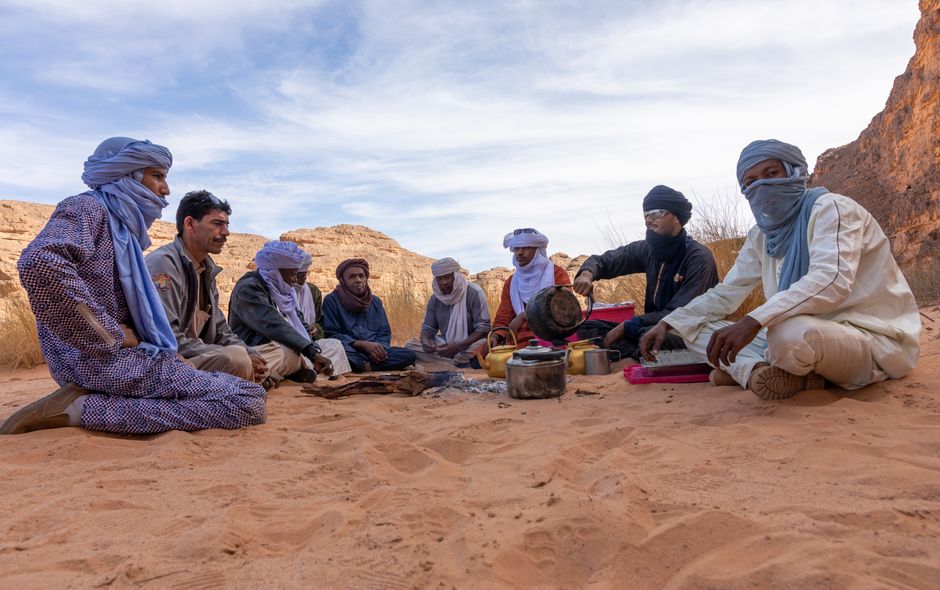
The vast sandstone plateau of Tassili n'Ajjer in Algeria's Sahara Desert contains one of the most important groups of prehistoric cave art in the world, depicting climate change and ancient life over 12,000 years.
This UNESCO site is an open-air museum chronicling the Sahara's dramatic environmental shifts. Its hundreds of rock shelters contain thousands of engravings and paintings showing herds of cattle, giraffes, elephants, and crocodiles—creatures that once thrived in a much greener Sahara. These artworks offer a vivid timeline from early hunter-gatherers to pastoralists, revealing a vibrant past hidden in one of Earth's most desolate regions.
7. The Gold Masters of Sican
Sican Archaeological Complex, Peru
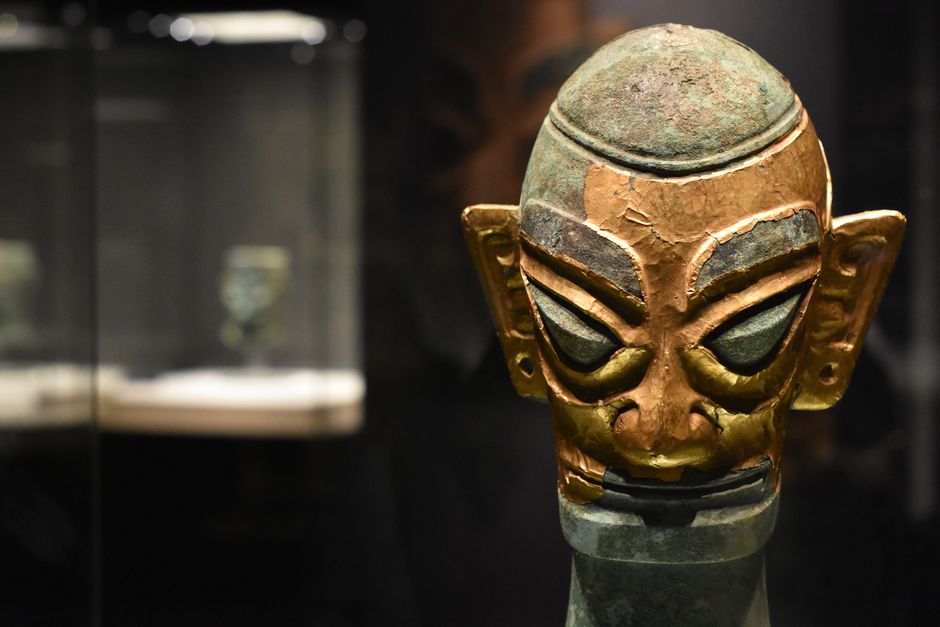
The Sican culture, flourishing in ancient Peru, built massive adobe pyramids and buried their elite with extraordinary gold funerary masks and artifacts, revealing a sophisticated metalworking tradition.
Located in Peru's Lambayeque Valley, the Sican Archaeological Complex showcases the remnants of a powerful pre-Inca civilization known for its master metallurgy. Excavations, particularly at Huaca Loro, have unearthed elaborate tombs filled with intricate gold and silver objects, including the iconic Sican ceremonial knives (tumi) and elaborate burial masks. These finds offer profound insights into their cosmology, social structure, and advanced artistic skills, often overshadowed by the Inca.
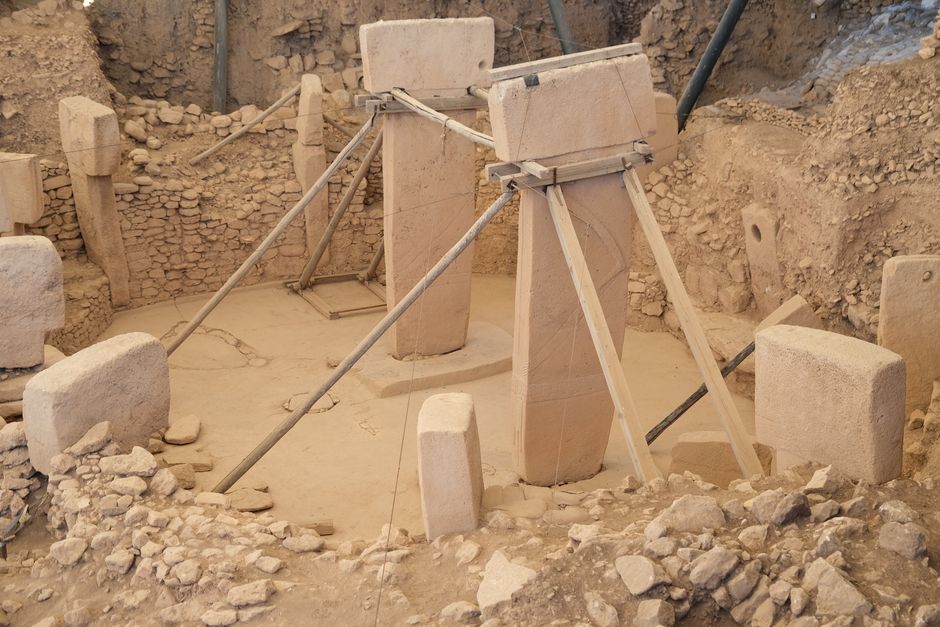
8. World's Oldest Temple
Göbekli Tepe, Turkey
Göbekli Tepe in southeastern Turkey is considered the world's oldest temple, a monumental stone complex built by hunter-gatherers 6,000 years before Stonehenge, challenging our understanding of early civilization.
Dating back 11,600 years, Göbekli Tepe predates settled agriculture and pottery. Its massive T-shaped pillars, carved with intricate animal reliefs, suggest that complex religious beliefs and monumental architecture emerged before permanent settlements. This site radically alters the narrative of human development, implying that collective ritual and spiritual need may have driven the transition from nomadic life to settled communities.
Frequently asked questions
How can I find lesser-known travel destinations?
To uncover hidden gems, research local history and geology, look for UNESCO sites that aren't mainstream, or explore regions known for specific historical periods or natural phenomena. Engaging with local tourism boards or niche travel blogs can also reveal unique spots.
Are these lesser-known places safe to visit?
Safety varies by location, just like any travel destination. It's crucial to research current travel advisories for the specific country and region, consider local guides, and ensure you have appropriate insurance and emergency plans. Some remote areas may require specialized planning and local expertise.
What's the best way to experience the history of a place when traveling?
Beyond traditional guided tours, immerse yourself by visiting local museums, historical societies, and even local university departments for deeper insights. Look for historical markers, interpretative signs, and don't hesitate to strike up conversations with residents who often share invaluable personal stories and local lore.
How does the AllTours.ai app help me explore places like these?
AllTours.ai is an AI audio tour guide that lets you simply point your phone camera at any landscape or landmark. The app instantly recognizes what you're seeing and narrates its fascinating history, geology, and culture in your language, turning every view into a rich, personal guided tour.
Photography via Pexels. AllTours.ai is an AI audio tour guide — point your camera at any landscape and hear its story.