September 18, 2026 · 4 min read
So, you're planning a year-long adventure across Australia, ready to soak up its vastness and unique charm. The question of "what size backpack would you recommend?" is crucial. For a year of varied climates and adventures, a 60-70 litre backpack is generally ideal. This capacity allows for layering clothes, basic gear, and souvenirs without becoming cumbersome. Focus on quality, comfort, and features like adjustable straps and multiple access points.
Beyond the backpack, what to pack? Think sun protection (hat, high SPF sunscreen, sunglasses), insect repellent, a universal travel adapter, and a basic first-aid kit. Layers are key for Australia's diverse weather, from humid tropics to cool deserts. But more importantly, what unexpected wonders will you uncover? Australia is brimming with stories beyond the well-trodden paths. Here are some truly unique places to add to your year-long itinerary.
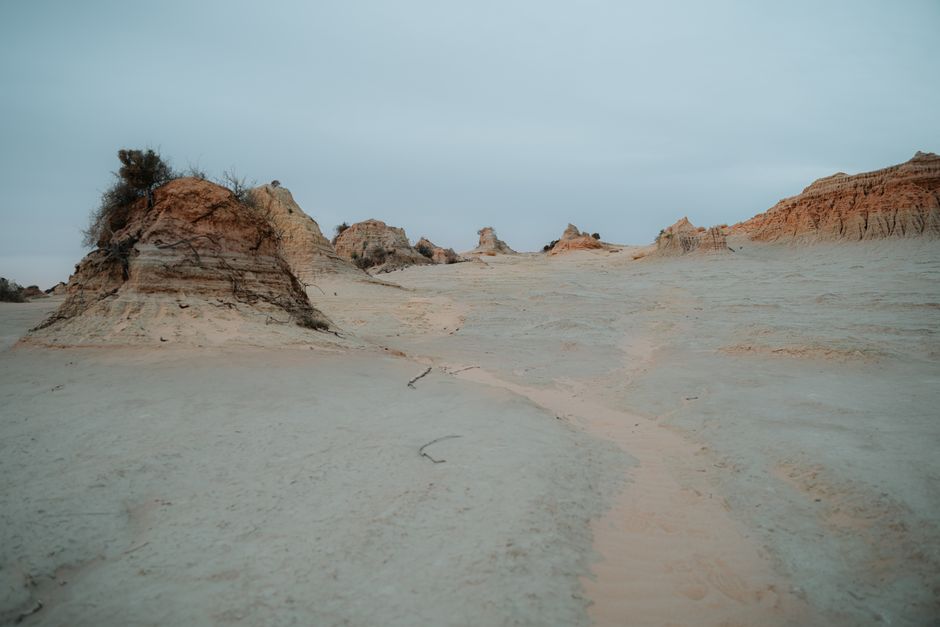
1. Where Ancient Feet Walked
Lake Mungo, New South Wales, Australia
This dry lakebed holds the oldest known human cremated remains in the world, rewriting our understanding of early human history.
Lake Mungo is part of the Willandra Lakes Region World Heritage Area, a place of immense archaeological significance. Here, the remains of 'Mungo Man' and 'Mungo Lady' were found, providing evidence of human occupation dating back over 40,000 years and demonstrating sophisticated burial rituals. The landscape itself is a 'lunette' of eroded sand dunes, constantly revealing ancient tools, middens, and fossilized megafauna, a stark testament to profound environmental change over millennia.
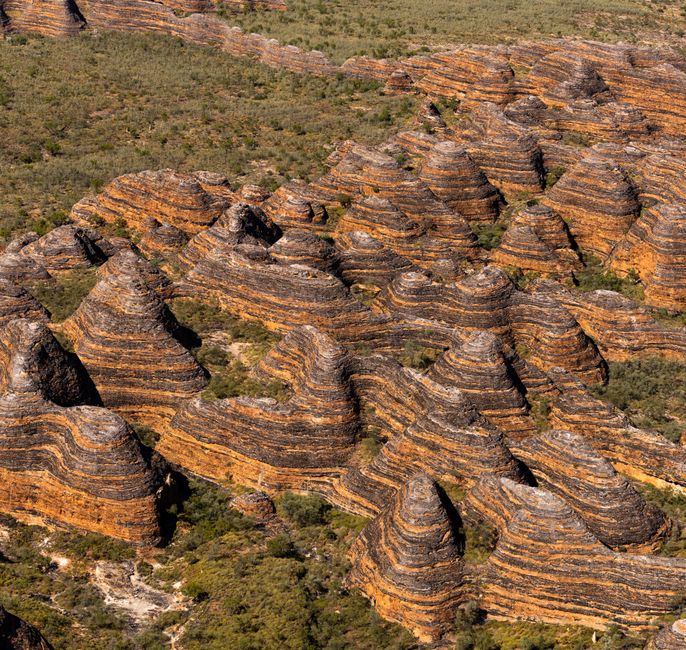
2. The Beehive Domes of the Bungle Bungle
Purnululu National Park, Western Australia, Australia
Hidden until the 1980s, this remote national park features extraordinary sandstone domes striped orange and black, sculpted by millions of years of erosion.
Purnululu National Park is home to the Bungle Bungle Range, an iconic landscape of sandstone formations that resemble giant beehives. These domes are composed of alternating layers of dark lichen and orange silica, creating their distinctive striped appearance. The park also contains impressive gorges, chasms, and palm-filled oases, revealing a complex geological history and providing vital habitat for unique flora and fauna. Its relative inaccessibility preserved its natural state for centuries.
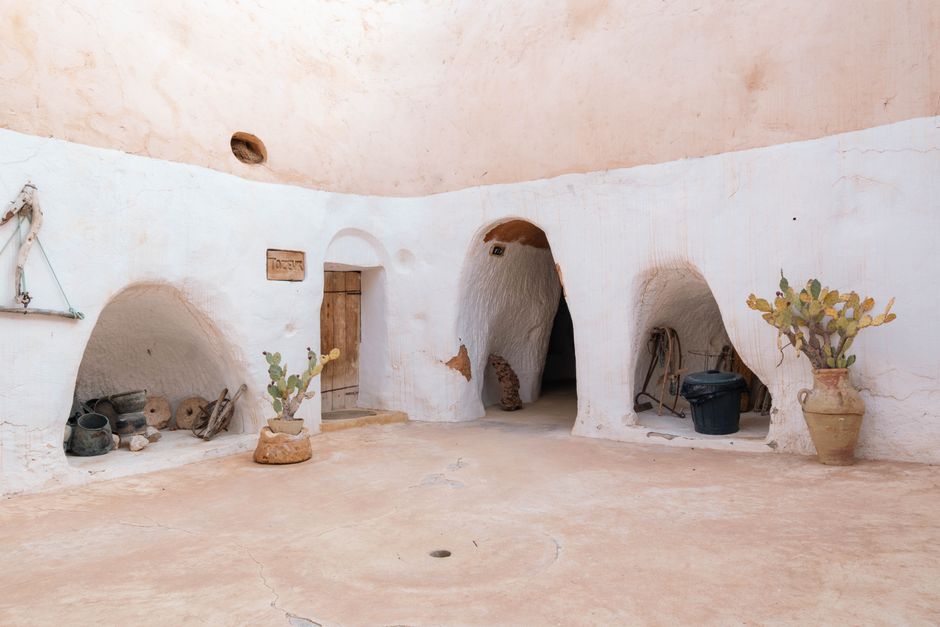
3. Underground Living in Opal Country
Coober Pedy, South Australia, Australia
In this desert town, over half the residents live underground in 'dugouts' to escape the scorching surface temperatures, making it a truly unique human settlement.
Coober Pedy is the opal capital of the world, and its extreme climate led to an ingenious solution: subterranean living. Miners and residents carved homes, shops, and even churches directly into the sandstone, where temperatures remain a constant, comfortable 23 degrees Celsius. The stark, moon-like landscape is dotted with opal mine shafts and spoil heaps, reflecting a rugged, independent culture shaped by the search for precious gems in one of Australia's harshest environments.
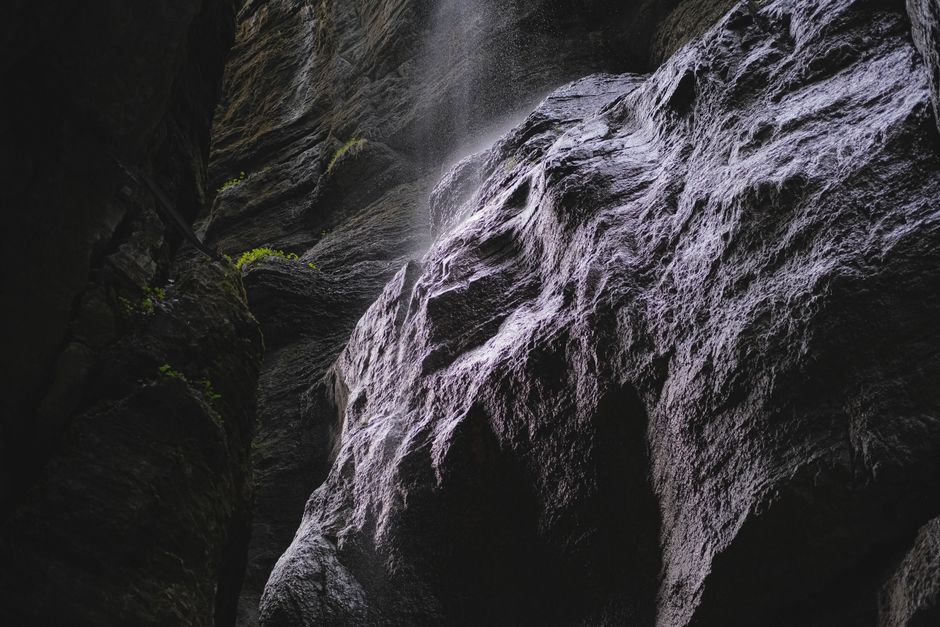
4. Rainforest Oasis in the Outback
Carnarvon Gorge, Queensland, Australia
Deep within Queensland's dry country lies a lush gorge with towering sandstone cliffs, permanent waterholes, and extensive Aboriginal rock art sites.
Carnarvon Gorge is a geological marvel, a narrow canyon carved into the sandstone ranges, offering a stark contrast to the surrounding dry bushland. Its permanent water sources sustain a vibrant microclimate, supporting rainforest plants, ferns, and diverse wildlife. The gorge is also significant for its Aboriginal cultural heritage, with numerous rock art sites displaying stenciled hands, tools, and intricate engravings, offering a glimpse into thousands of years of human connection to this special place.
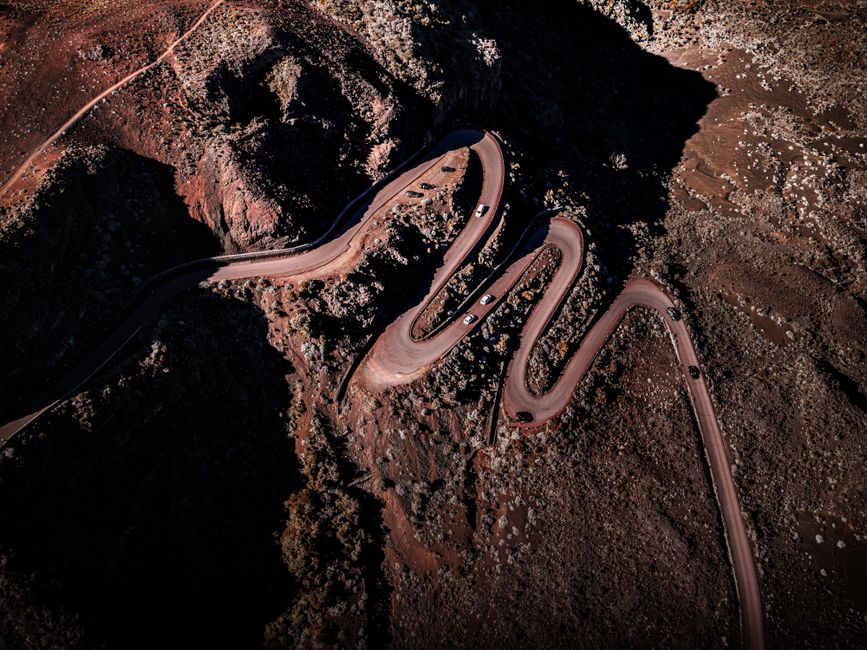
5. The Pound of Ancient Giants
Flinders Ranges (Wilpena Pound), South Australia, Australia
Wilpena Pound is a massive, natural amphitheater in the Flinders Ranges, a 100-million-year-old geological formation steeped in Aboriginal dreaming stories.
Wilpena Pound, or Ikara to the local Adnyamathanha people, is an extraordinary natural basin surrounded by dramatic peaks, stretching 80 square kilometers. This ancient landscape showcases exposed geological folds and formations, revealing millions of years of Earth's history. For the Adnyamathanha, it is a sacred place, central to creation stories of two giant serpents, Akurra and Arkaroo, shaping the land. The Pound's unique ecosystem supports diverse wildlife, including yellow-footed rock wallabies.
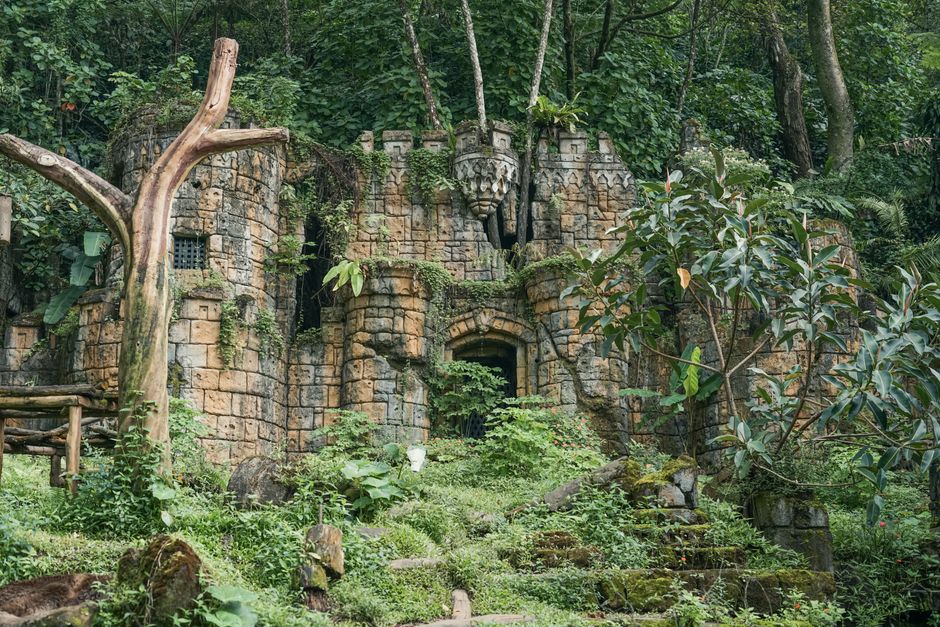
6. The Spanish Castle in the Rainforest
Paronella Park, Queensland, Australia
Deep in the North Queensland rainforest stands a Spanish castle, built by one man's lifelong dream and now a fascinating, partially ruined historical site.
Paronella Park is the realization of José Paronella's dream, a Spanish immigrant who, in the 1930s, built a concrete castle, picnic area, tennis courts, and even Queensland's first privately owned hydroelectric plant beside Mena Creek Falls. Despite facing floods and cyclones, Paronella tirelessly rebuilt and expanded his dream. Today, the park is a captivating blend of natural beauty and architectural ambition, where structures are slowly reclaimed by the rainforest, telling a tale of resilience and passion.
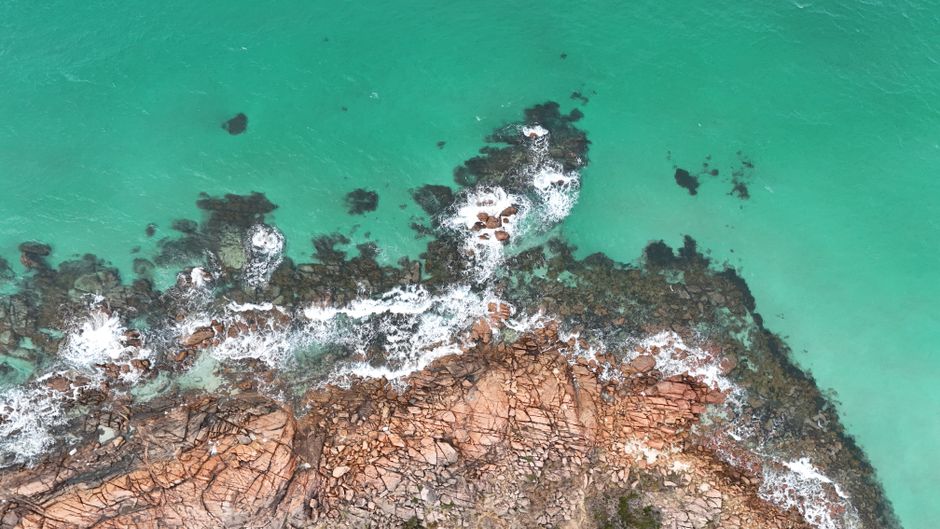
7. Where the Water Falls Sideways
Horizontal Falls, Western Australia, Australia
Witness a natural phenomenon where massive tidal movements create 'horizontal waterfalls' as water surges through narrow coastal gaps.
The Horizontal Falls, or Garaanngaddim, are a spectacle of nature found in Talbot Bay, within the Buccaneer Archipelago. Here, the powerful 10-metre tides of the Kimberley region push enormous volumes of water through two narrow gorges in the McLarty Range. This creates a waterfall effect as the water banks up against one side of the gap, then reverses direction with the changing tide. It's a dynamic, ever-changing landscape that showcases the immense power of the ocean.
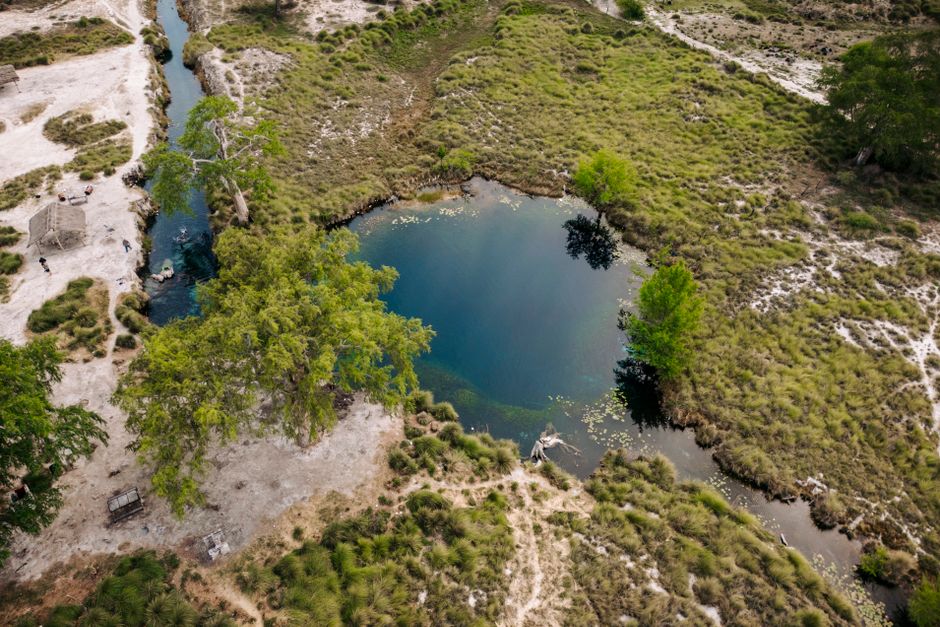
8. The Scar of a Cosmic Impact
Wolfe Creek Crater, Western Australia, Australia
This perfectly circular crater is the second-largest meteorite impact site in the world with exposed fragments, formed over 300,000 years ago.
Wolfe Creek Crater, or Kandimalal to the local Jaru people, is a striking natural landmark in the remote Kimberley region. Measuring nearly a kilometer in diameter and 60 meters deep, it's the remarkably preserved scar from a meteorite impact. The crater rim rises steeply from the desert floor, and its bowl contains ancient trees and a salt lake. Local Aboriginal stories speak of a rainbow serpent emerging from the ground, creating the crater and its surrounding features, connecting cosmic events to cultural narratives.
Frequently asked questions
What's the best backpack size for a year in Australia?
For a year-long trip across Australia's varied climates, a 60-70 litre backpack is generally recommended. This size offers enough space for essentials, diverse clothing layers, and some souvenirs, while still being manageable for travel.
What essential items should I pack for Australia that I might forget?
Beyond the basics, consider packing high-SPF sunscreen, a wide-brimmed hat, insect repellent, a sturdy water bottle, a universal travel adapter, and a good quality first-aid kit. Layers of clothing are crucial for temperature swings, and a lightweight rain jacket is always wise.
Is it safe to travel alone in Australia for a year?
Australia is generally very safe for solo travelers. However, always inform someone of your itinerary, especially when venturing into remote areas. Stick to marked trails, carry enough water, and be aware of local conditions and wildlife warnings.
How can AllTours.ai help me explore these lesser-known places?
AllTours.ai enhances your exploration by providing instant audio narratives. Simply point your phone camera at a landmark or landscape, and the app will narrate its history, geology, and cultural significance in your language, bringing these unique Australian stories to life as you stand right there.
Photography via Pexels. AllTours.ai is an AI audio tour guide — point your camera at any landscape and hear its story.