August 7, 2026 · 4 min read
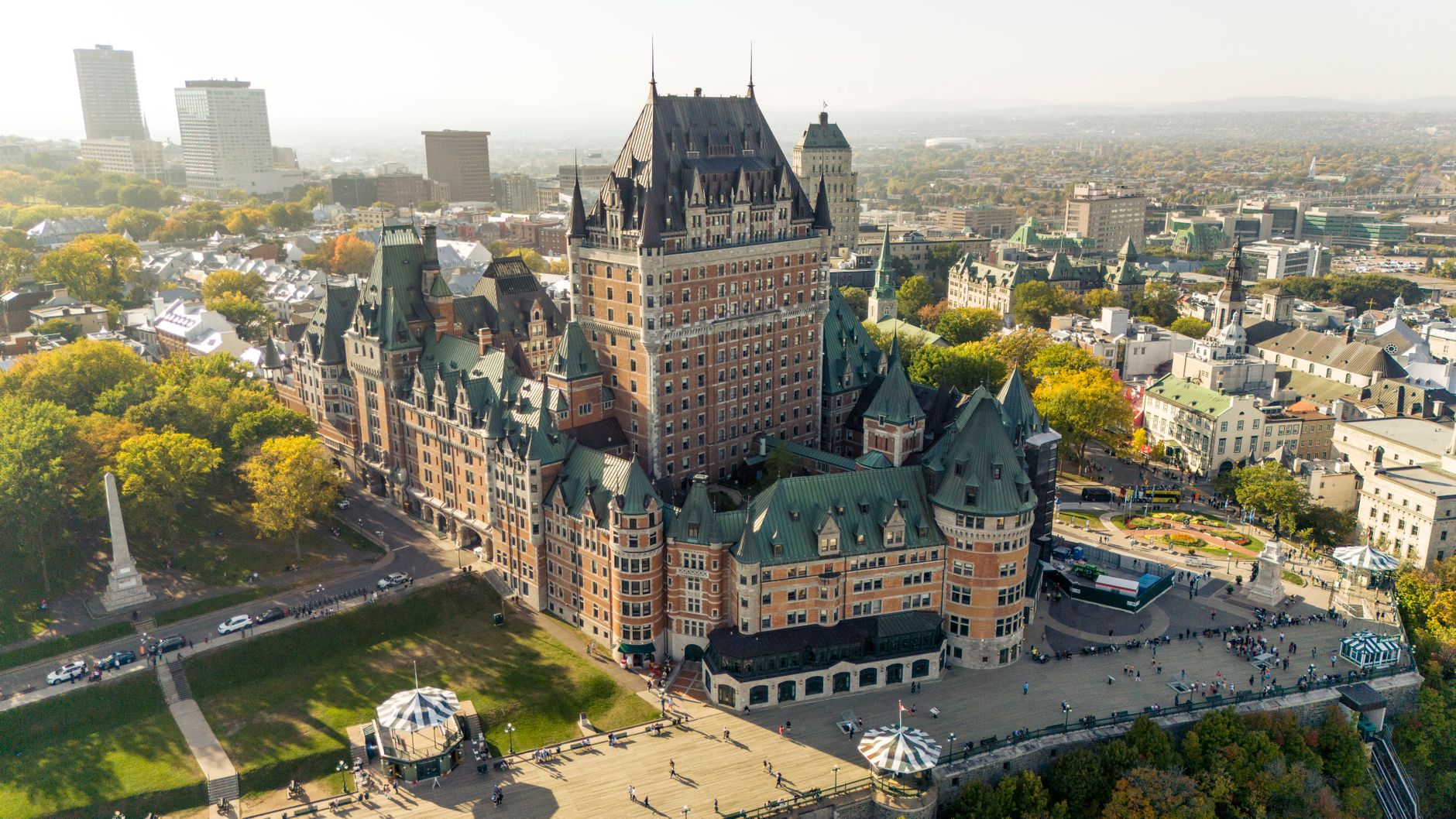
The question "Is it worth it to take a day trip from Montreal to Quebec City?" echoes in many travelers' minds. Quebec City, a UNESCO World Heritage site, often conjures images of the iconic Château Frontenac and the picturesque Petit Champlain. While these landmarks are undeniably charming, they only scratch the surface of a city brimming with layers of history, geology, and culture waiting to be unearthed.
Venturing beyond the well-trodden paths reveals a Quebec City far richer and more complex than its postcard-perfect façade suggests. From forgotten battlegrounds where enemies found common rest to industrial sites powered by wartime women, the city's true narrative lies in these lesser-known corners. Prepare to encounter stories that challenge expectations and spark a deeper curiosity.

1. The Gallows and the Books
Quebec City, Canada
This grand literary institute once housed Quebec City's first common jail, complete with public executions on its grounds.
Built in 1808, the Morrin Centre began as a prison where inmates were subjected to harsh conditions and public hangings were a common spectacle. Later, it was transformed into Morrin College, an English-language educational institution, and now serves as home to the Literary and Historical Society of Quebec, Canada's oldest learned society. Its thick stone walls and hidden cells whisper tales of both severe justice and intellectual pursuit.
2. Where Worlds Met
Sillery, Quebec City, Canada
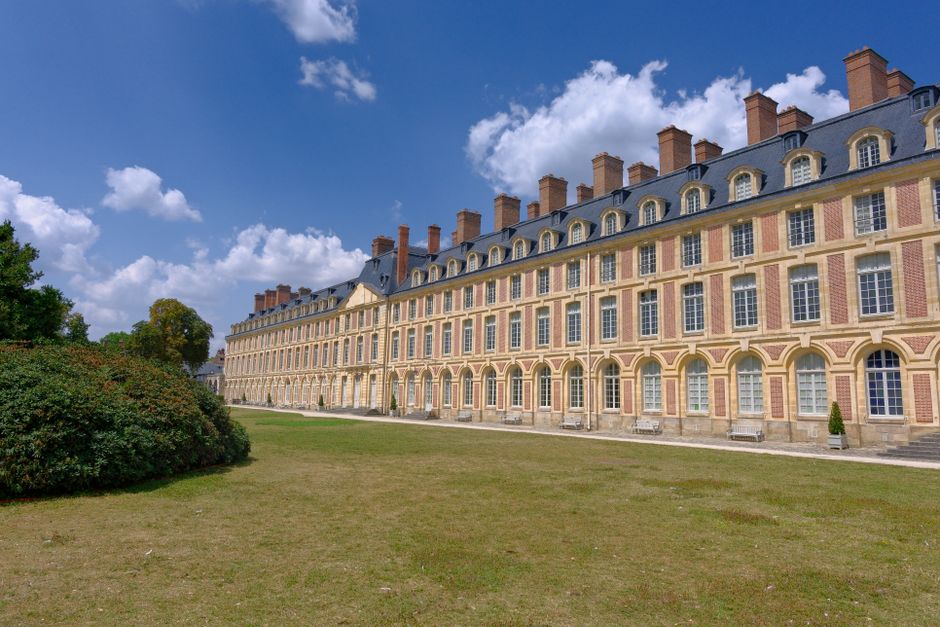
One of Quebec's oldest stone houses, this site was a pivotal mission where early French settlers and Indigenous peoples often first encountered one another.
Dating back to the 17th century, the Maison des Jésuites served as a significant mission for the Jesuits, who worked closely with various Indigenous nations, particularly the Innu and Huron-Wendat. It was a place of exchange, education, and sometimes conflict, deeply influencing the early cultural landscape of New France. Today, its modest facade belies its profound historical role as a crucible of early North American relations.
3. The Shared Resting Place
Quebec City, Canada
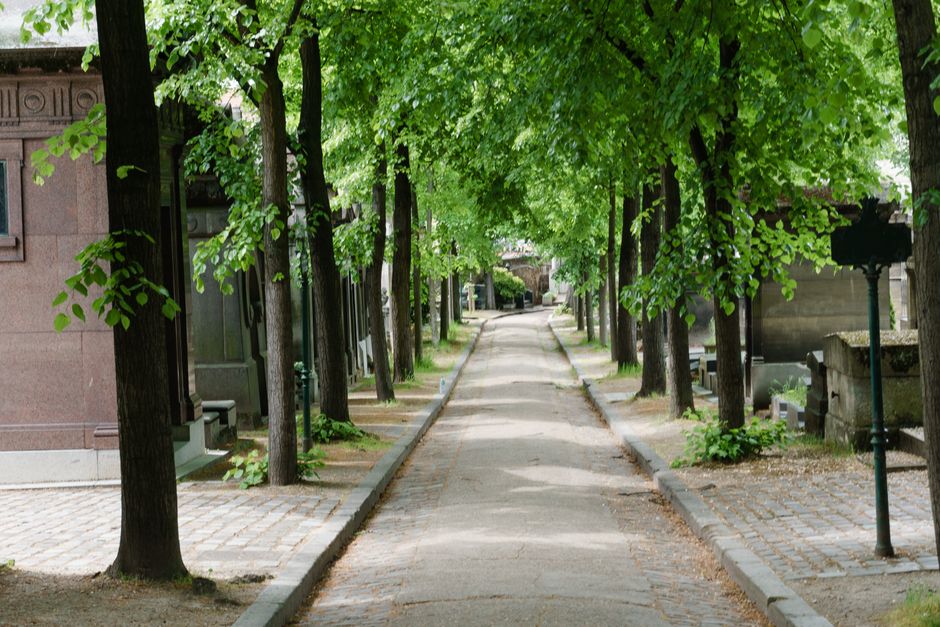
Here, in a quiet corner of the city, lie the remains of both French and British soldiers who fell during the Battle of the Plains of Abraham, buried together in a mass grave.
Adjacent to the historic Augustinian monastery, this cemetery holds a poignant secret. After the brutal Battle of the Plains of Abraham in 1759, which decided the fate of New France, the fallen from both sides were interred indiscriminately in common graves. It's a stark reminder that beneath the grand narratives of war, shared humanity often prevails in death, unifying former enemies in eternal slumber.
4. The Women of the Powder Mill
Quebec City, Canada
Beyond its military cannons, this park hides the ruins of a cartridge factory where women worked in dangerous conditions during wartime.
While known for its preserved fortifications, Parc de l'Artillerie also reveals a lesser-known industrial past. During the War of 1812, this site housed a Royal Engineer’s workshop that included a cartridge factory. Women were often employed here, handling gunpowder and assembling munitions in hazardous environments, playing a crucial but often unacknowledged role in the city's defense. The foundations of these workshops can still be seen amidst the peaceful grounds.
5. The Dead End's Bustle
Quebec City, Canada
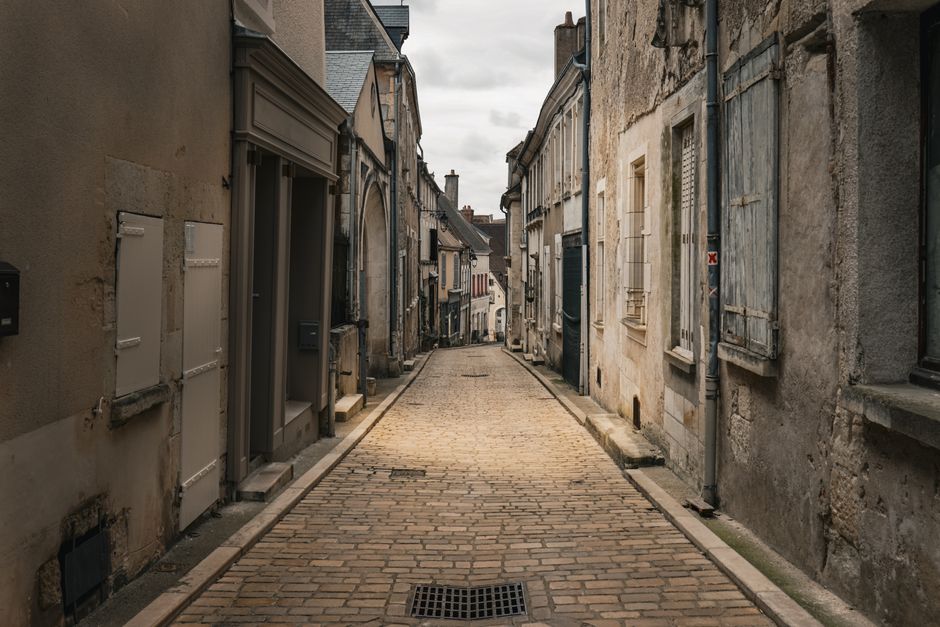
This charmingly named "dead end" street was once a boisterous, vital marketplace, far from its current tranquil appearance.
Despite its literal name, Rue du Cul-de-Sac was historically anything but a quiet corner. In the 17th and 18th centuries, it was a bustling hub for trade, particularly for timber, cod, and other goods arriving at the nearby port. Merchants, sailors, and locals haggled loudly, creating a vibrant, often chaotic atmosphere that shaped the lower town's economy. Today, it offers a picturesque glimpse into a lively past.
6. A Glimpse of 18th-Century Comfort
Quebec City, Canada
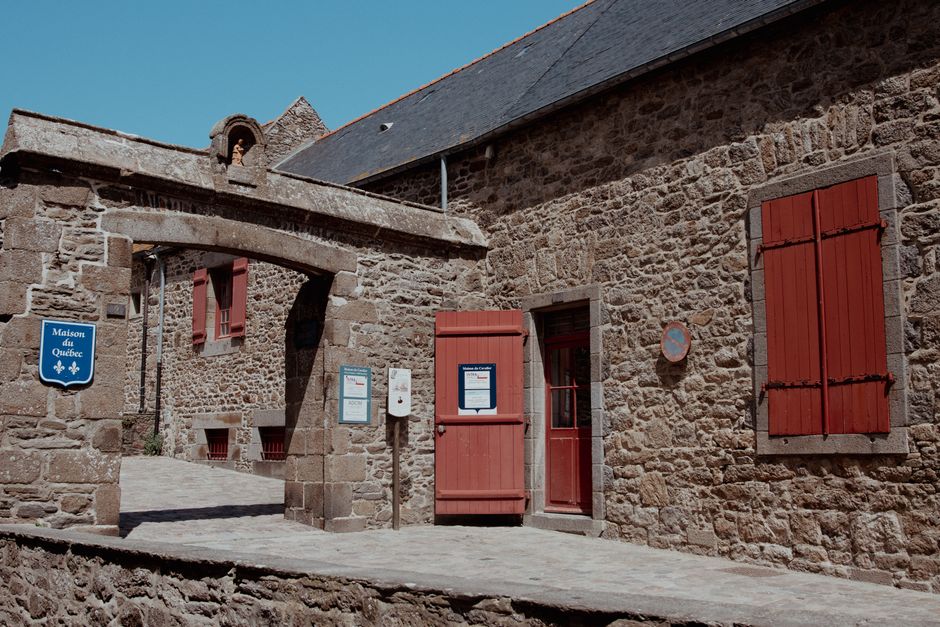
This beautifully preserved merchant's house from the 1750s features a rare original indoor toilet system, a surprising luxury for its era.
The Maison Chevalier offers a unique window into the daily life of Quebec City's affluent merchants. While its impressive architecture and period furnishings are captivating, one of its most intriguing details is a very early, rudimentary indoor toilet, a sign of advanced comfort for the time. This detail highlights the evolving standards of hygiene and domestic technology in colonial North America, challenging our assumptions about 18th-century living.
7. The Silent Sentinels
Plains of Abraham, Quebec City, Canada
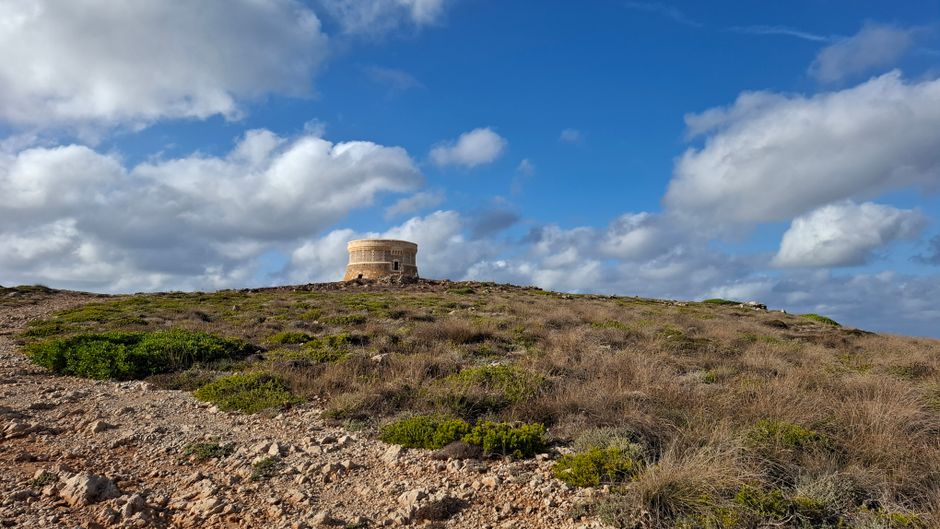
Four imposing Martello towers stand on the Plains of Abraham, built to defend against American invasion, yet they never once fired a shot in battle.
Commissioned after the War of 1812, these stout, circular stone towers were part of a comprehensive British defense strategy against potential American attacks. Though formidable in design, equipped with heavy cannons and thick walls, Quebec City's Martello Towers ultimately served a deterrent purpose, never actively engaging in combat. They stand today as silent monuments to a strategic foresight that, thankfully, was never fully tested.
Frequently asked questions
How long does it take to get from Montreal to Quebec City?
The journey by car typically takes about 2.5 to 3 hours, depending on traffic and route. Via train or bus, travel times are similar, often ranging from 3 to 3.5 hours, offering scenic views along the St. Lawrence River.
Is one day enough to see Quebec City?
While you can certainly experience a significant portion of Old Quebec and some key attractions in a day, a single day often feels rushed. To truly delve into the city's history and savor its atmosphere, an overnight stay or a more focused itinerary on specific areas is recommended.
What's the best way to travel between Montreal and Quebec City?
Driving offers the most flexibility, allowing you to stop at charming towns along the way. VIA Rail Canada provides a comfortable and scenic train experience, while bus services like Orléans Express are generally the most economical option.
How can I discover these lesser-known stories while I'm there?
To truly uncover the unique history, geology, and culture of these specific spots, consider using an AI audio tour guide app like AllTours.ai. Simply point your phone camera at a landmark or landscape, and the app will instantly narrate its hidden stories in your preferred language, bringing the past vividly to life.
Photography via Pexels. AllTours.ai is an AI audio tour guide — point your camera at any landscape and hear its story.