June 17, 2026 · 5 min read
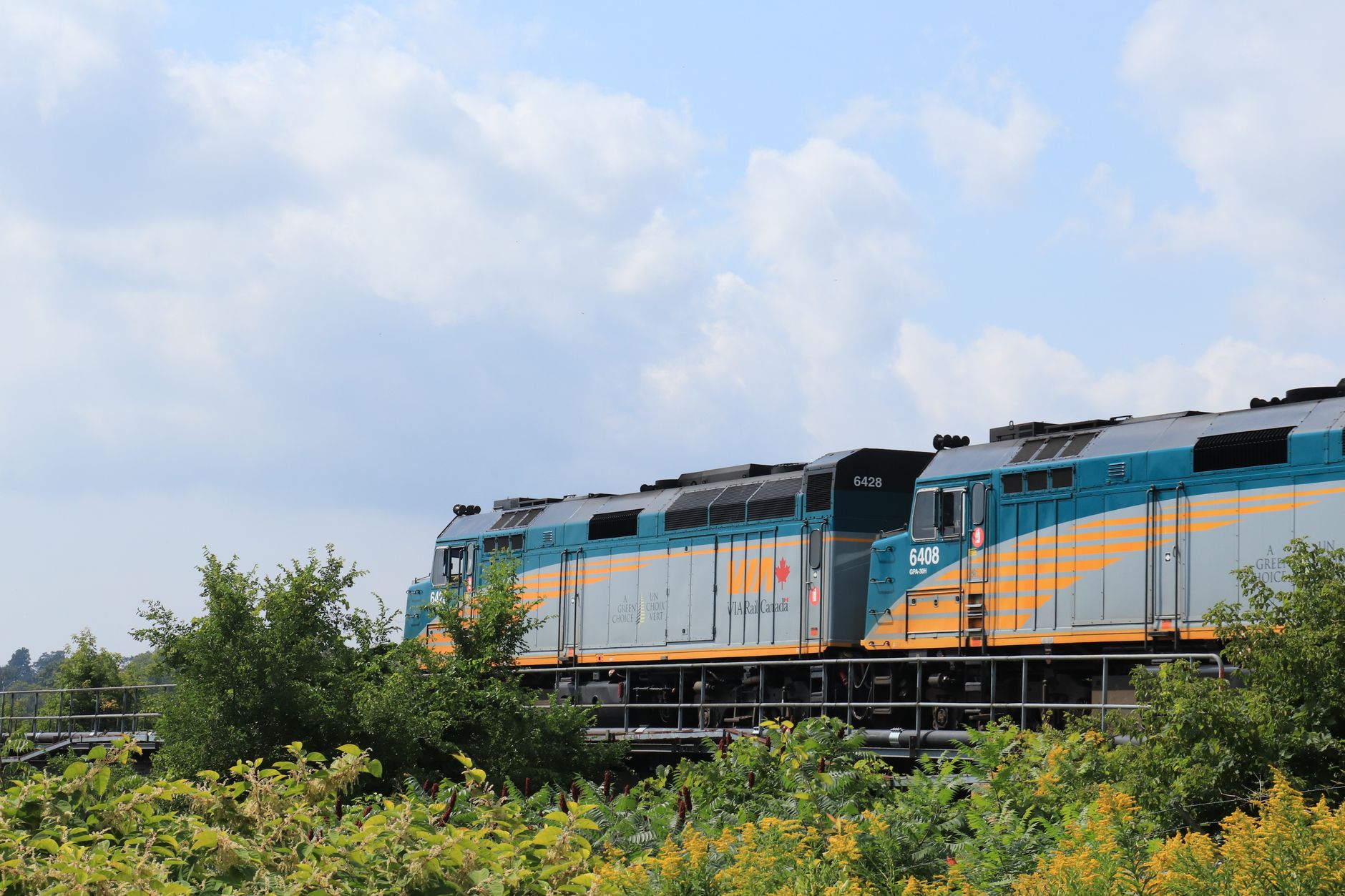
The journey between Toronto and Montreal by train is often seen as a practical commute, a direct line connecting two of Canada's largest cities. But for those willing to look beyond the window, this route traces a landscape rich with untold stories, surprising history, and geological wonders that often go unnoticed.
Forget the usual tourist stops. This guide invites you to peel back the layers of Eastern Ontario and Western Quebec, revealing genuinely curious places that make the Toronto to Montreal train trip not just good, but truly memorable. Prepare to encounter forgotten industries, submerged villages, and Canada's pioneering spirit.
1. The Light-Filled Underworld of Brockville
Brockville, Ontario, Canada
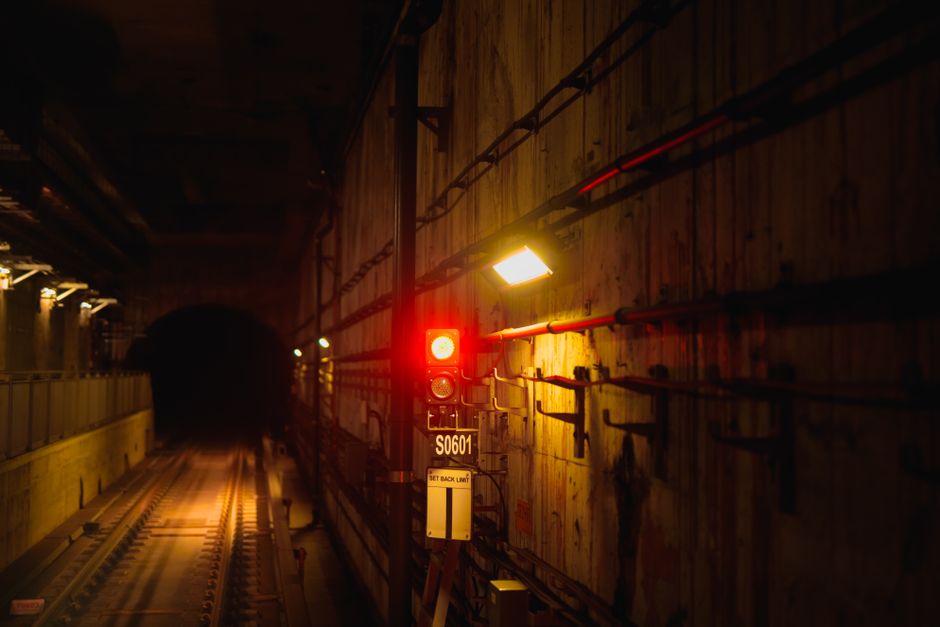
Canada's first railway tunnel, built in the 1860s, now pulses with light and sound, transforming a feat of Victorian engineering into a modern art installation.
Beneath the streets of Brockville lies a subterranean marvel: the Brockville Railway Tunnel. Completed in 1860, this tunnel was an engineering triumph, allowing trains to reach the city's waterfront. After decades of disuse, it was meticulously restored and reopened, now illuminated by thousands of LED lights and accompanied by a custom soundscape. Walking its cool, damp length offers a unique sensory experience, connecting you directly to a pivotal moment in Canadian industrial history.

2. A Village Reborn from the Waters
Morrisburg, Ontario, Canada
Upper Canada Village isn't just a historical recreation; it's a collection of 19th-century buildings meticulously moved, brick by brick, from communities flooded during the St. Lawrence Seaway project.
In the 1950s, the construction of the St. Lawrence Seaway and Power Project necessitated the flooding of several riverside communities, known as 'The Lost Villages.' Rather than letting history disappear, many significant buildings were relocated and preserved to create Upper Canada Village. This living history museum showcases life in rural Upper Canada in the 1860s, but its true poignancy lies in its very existence – a testament to a grand engineering project that reshaped the landscape and the communities along the St. Lawrence River.

3. Prince Edward County's Ancient Seabed
Picton, Ontario, Canada
Before it was known for wineries, Prince Edward County's unique geology — an ancient seabed rich in limestone and fossilized marine life — fueled a thriving canning industry and made it a crucial shipping hub.
Prince Edward County, often called 'The County,' is renowned today for its vineyards and culinary scene. However, its identity is deeply rooted in its distinct geological past. Formed from an ancient seabed, the region's limestone bedrock and unique microclimates once made it Canada's 'Canning Capital' and a significant shipbuilding centre. The same rich soil and temperate conditions that nurtured vast fruit and vegetable farms now give its wines their distinct character, echoing a history where the land itself has shaped its fortunes.
4. The Vanished Towns of Long Sault Parkway
Long Sault, Ontario, Canada
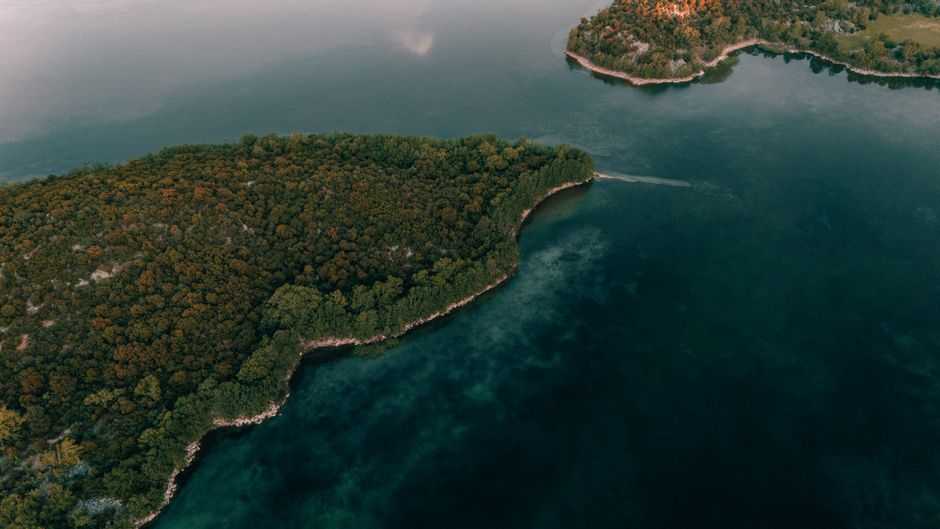
The scenic Long Sault Parkway isn't just a series of islands; it's the last visible remnant of entire communities intentionally flooded during the creation of the St. Lawrence Seaway.
Driving along the Long Sault Parkway, travelers are treated to picturesque islands dotted with campgrounds and picnic spots. Yet, beneath the serene waters surrounding these islands lie the foundations of ten villages and hamlets that were deliberately submerged in 1958 to facilitate the construction of the St. Lawrence Seaway and Power Project. These 'Lost Villages' saw their residents relocated, their homes and businesses swallowed by the rising water, leaving behind a haunting legacy that makes the parkway more than just a scenic drive.
5. Montreal's Industrial Birthplace
Lachine, Quebec, Canada
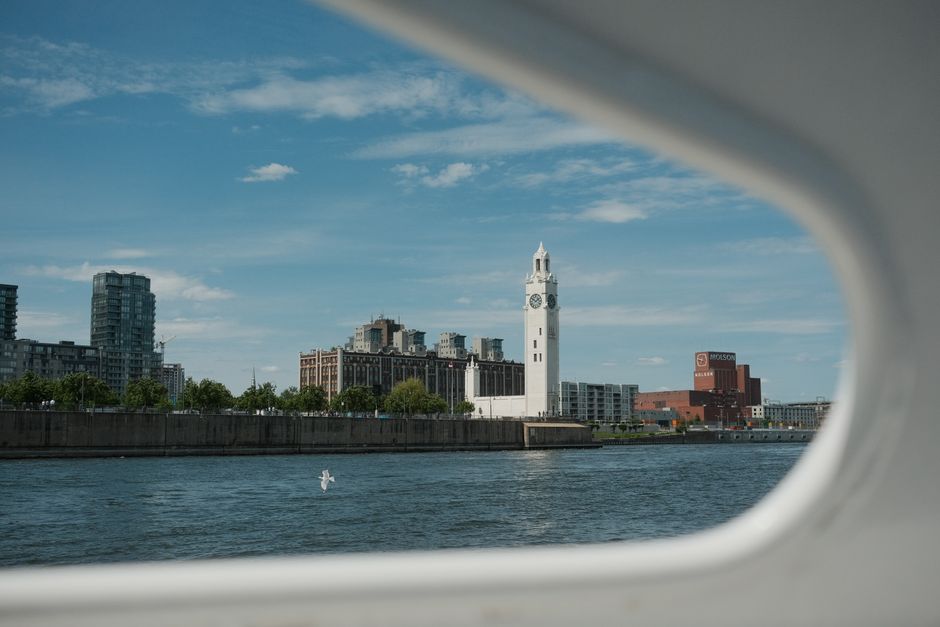
Long before the modern port, the Lachine Canal was Montreal's industrial heart, a crucial bypass around treacherous rapids that powered the city's rise with its innovative hydraulic system.
While Old Montreal captivates with its charm, the Lachine Canal National Historic Site tells a different, equally vital story of the city's origins. Built to bypass the unnavigable Lachine Rapids on the St. Lawrence River, this canal transformed Montreal into a major industrial center. Its innovative hydraulic system, powered by the very river it bypassed, drove countless mills and factories along its banks, making Montreal Canada's industrial powerhouse in the 19th century. Today, it's a serene urban park, a quiet testament to a bustling past.
6. The Unassuming Grave of a Founding Father
Kingston, Ontario, Canada
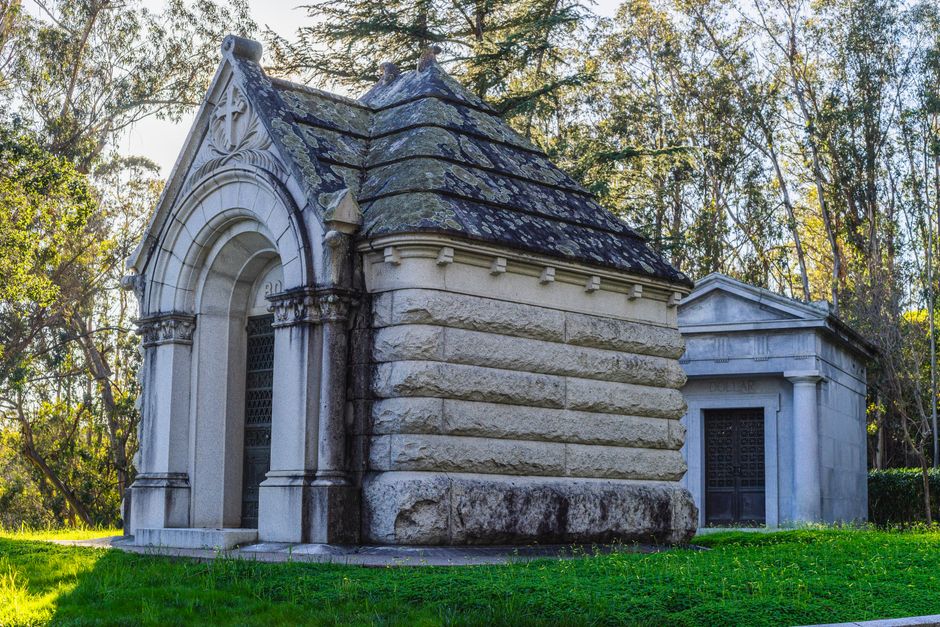
Canada's first Prime Minister, Sir John A. Macdonald, lies not in a grand mausoleum but under a simple granite cross in a quiet Kingston cemetery that doubles as a Victorian-era park.
Cataraqui Cemetery in Kingston is more than just a burial ground; it's a beautifully landscaped Victorian park, designated a National Historic Site. Amidst its rolling hills and mature trees lies the modest grave of Sir John A. Macdonald, Canada's first Prime Minister. His simple memorial, a granite cross, stands in stark contrast to the monumental figures he became. Visiting his final resting place offers a quiet moment of reflection on Canada's early leadership, far from the bustling tourist sites.
7. Napanee's Archival Time Capsule
Napanee, Ontario, Canada
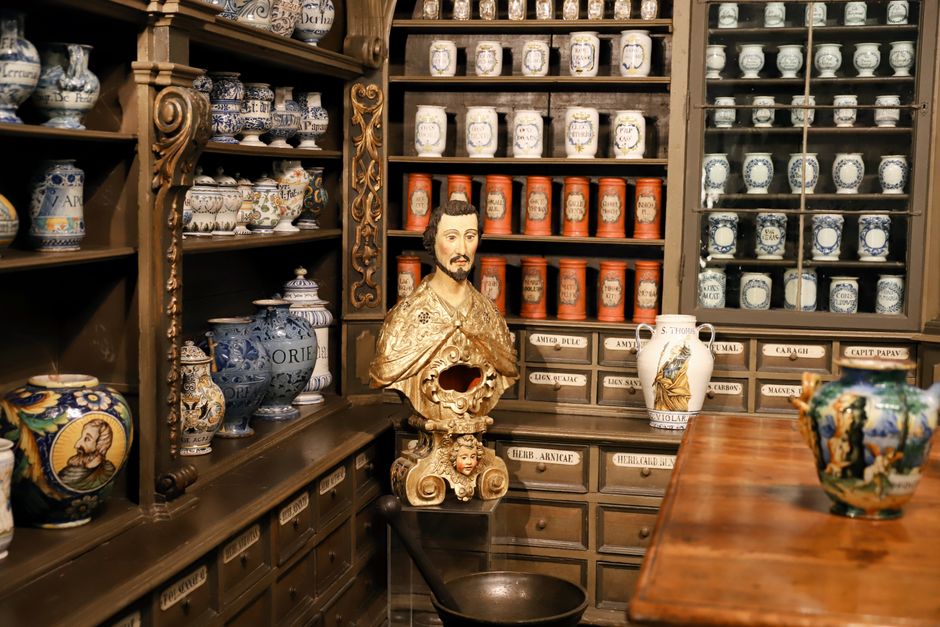
Hidden in Napanee, the Lennox & Addington County Museum & Archives holds Canada's oldest intact municipal archives, revealing surprising details of early settler life and forgotten local industries.
The unassuming town of Napanee holds a significant piece of Canadian history within its Lennox & Addington County Museum & Archives. This institution boasts Canada's oldest continuously operating municipal archives, meticulously preserving documents that date back to the late 18th century. It offers a rare, granular look into the lives of early settlers, the development of local governance, and the often-overlooked industries that shaped rural Ontario, from grist mills to lumber operations, providing a truly authentic glimpse into the past.

8. Glengarry's Enduring Celtic Spirit
Maxville, Ontario, Canada
In a corner of rural Ontario, a vibrant Scottish culture thrives, a direct legacy of Highland Scots who settled here after fleeing the infamous Clearances.
The Glengarry region of Eastern Ontario, particularly around Maxville, is a remarkable bastion of Scottish heritage in Canada. The annual Glengarry Highland Games are renowned, but the everyday presence of Celtic culture runs deeper. Many families here trace their lineage directly to Highland Scots who arrived in the late 18th and early 19th centuries, having been displaced by the Clearances. This enduring cultural legacy, visible in pipe bands, Gaelic traditions, and community spirit, offers a fascinating look at how deeply immigrant stories have shaped the Canadian mosaic, far from Scotland itself.
Frequently asked questions
Is traveling from Toronto to Montreal by train faster than driving?
While train travel often avoids traffic, the journey duration is comparable to driving, typically around 5 to 6 hours depending on stops and track conditions. However, the train offers a more relaxed experience without the stress of navigation or parking.
What's the best time of year to take the train between Toronto and Montreal?
Spring and fall offer the most scenic views with pleasant weather for exploring stops along the way. Fall foliage is particularly stunning. Winter travel can be magical with snow-covered landscapes, but delays are more possible due to weather.
Are there good food options on the VIA Rail train?
VIA Rail typically offers various food and beverage options, from light snacks and drinks to full meals in Business Class. You can also bring your own food and non-alcoholic drinks aboard to enjoy during your journey.
How can AllTours.ai enhance my train trip experience?
AllTours.ai turns your smartphone into a personal AI tour guide. As you travel between Toronto and Montreal, simply point your camera at the landscape or any landmark you see from the train window, and the app will narrate its history, geology, and cultural significance in your preferred language, revealing the hidden stories of the places you're passing.
Photography via Pexels. AllTours.ai is an AI audio tour guide — point your camera at any landscape and hear its story.