September 11, 2026 · 4 min read
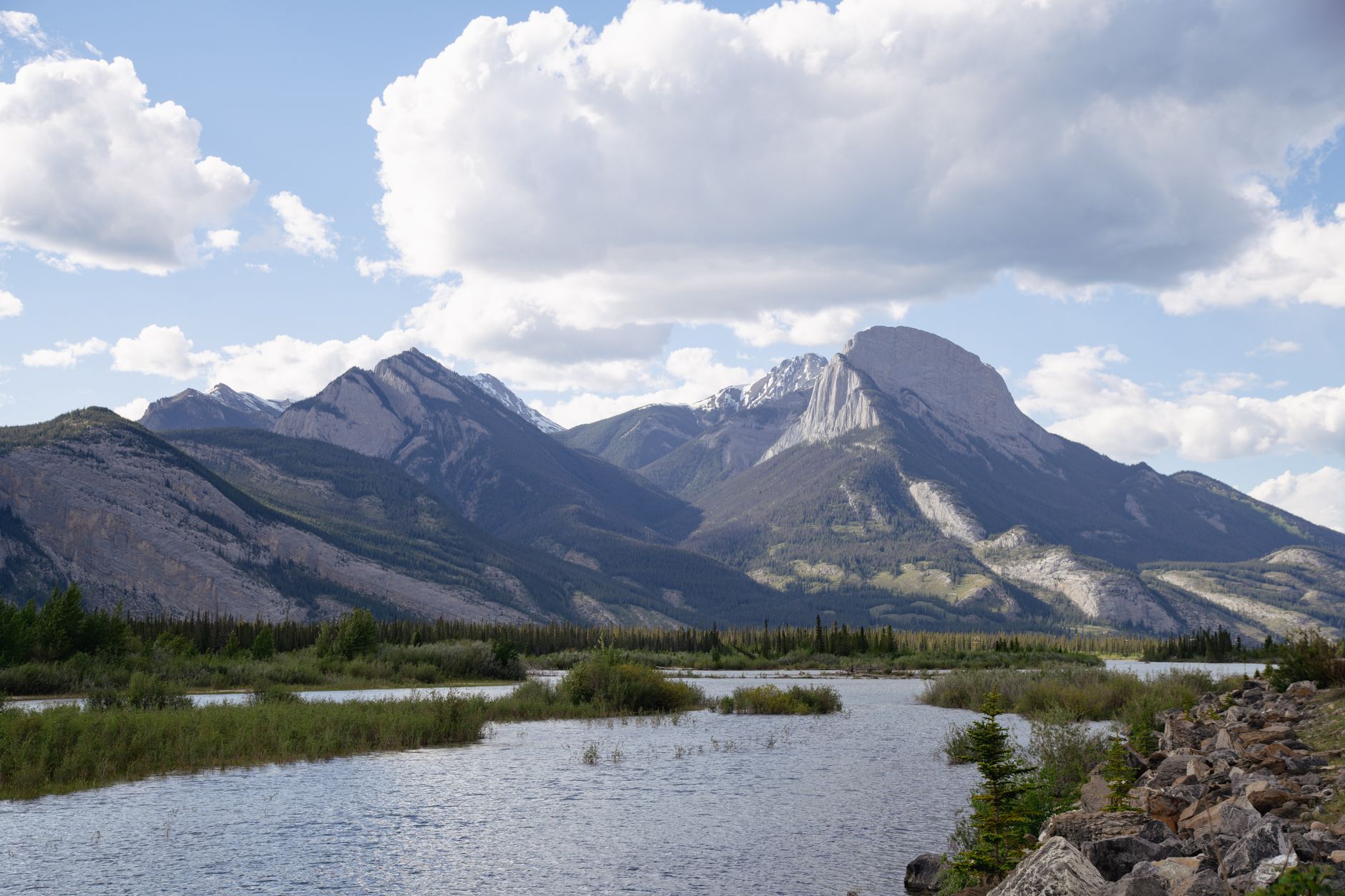
Canada often flies under the radar compared to some global economic giants, but a closer look reveals a nation with a surprisingly robust and dynamic economy. Beyond its well-known natural resources, a network of unique places, often far from the typical tourist routes, tells a story of innovation, resilience, and strategic development that underpins its growing influence.
This perception of Canada as an emerging economic leader isn't just about GDP figures; it's about the ingenuity woven into its vast geography. From remote mining towns that defied the odds to industrial hubs powered by impressive engineering, Canada's economic strength is built on compelling, often unexpected, local narratives. Let's explore some of these less-trodden paths that reveal the true scope of its economic tapestry.
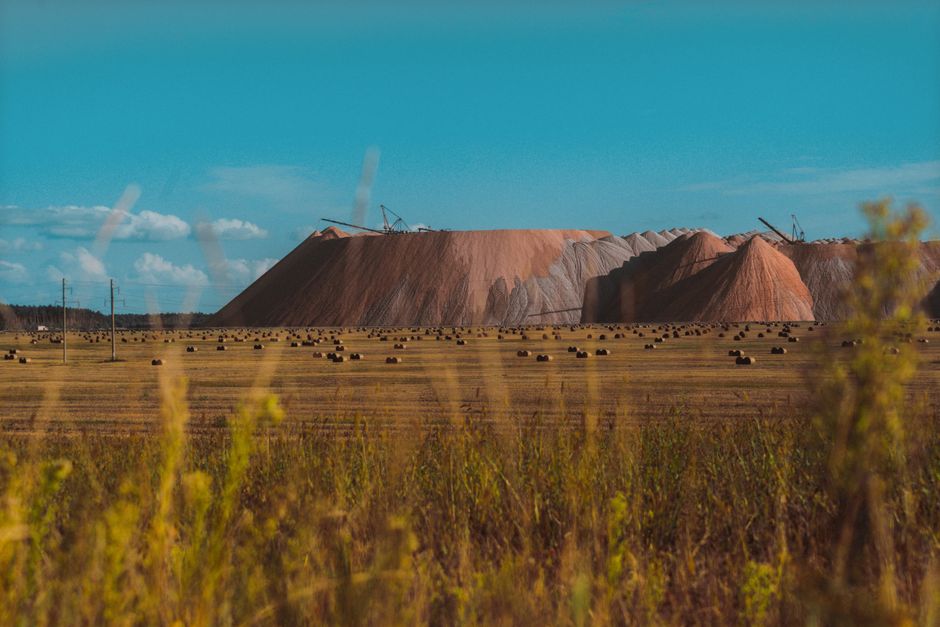
1. The Sci-Fi Mining Town
Flin Flon, Manitoba, Canada
This northern town got its peculiar name from a character in a 1900s sci-fi novel found by prospectors.
Flin Flon sits atop one of the richest ore bodies in North America, primarily copper and zinc. For over a century, its economy has been defined by resource extraction, creating a unique urban landscape literally carved into rock. The continued operation of its smelter and mines highlights Canada's enduring reliance on and innovation within the natural resource sector, even in remote areas.

2. Quebec's Industrial Ghost Town
Val-Jalbert, Quebec, Canada
Preserved since its abrupt closure, this entire village stands as a monument to Quebec's early 20th-century industrial boom and bust.
Val-Jalbert was a thriving company town built around a pulp mill powered by the Ouiatchouan Falls. In the 1920s, it boasted modern amenities, but shifting markets and the Great Depression led to its sudden abandonment. Today, its well-preserved homes, general store, and mill ruins offer a tangible look at the cycles of resource-based economies and the social fabric built around them in Canada's history.
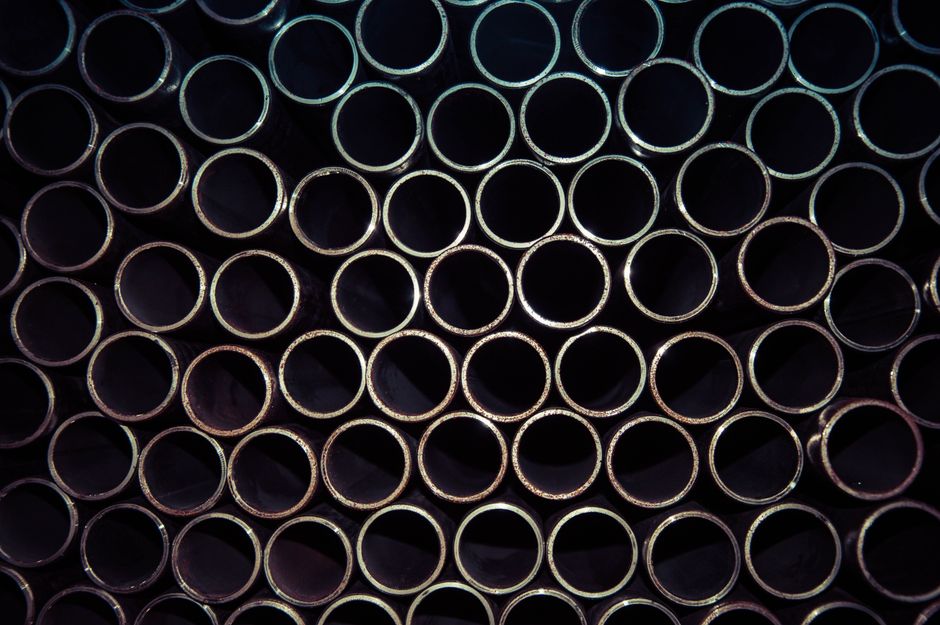
3. The Aluminum Giant of the Coast
Kitimat, British Columbia, Canada
Tucked away on an inlet, this town hosts one of the world's largest aluminum smelters, a testament to massive post-war industrial ambition.
Kitimat was a planned community established in the 1950s by Alcan (now Rio Tinto) for its massive aluminum production facility. The project involved diverting an entire river to power a hydroelectric dam, fueling the energy-intensive smelting process. This engineering marvel and ongoing operation demonstrate Canada's capacity for large-scale industrial projects and its strategic role in global resource processing, particularly with clean hydroelectric power.
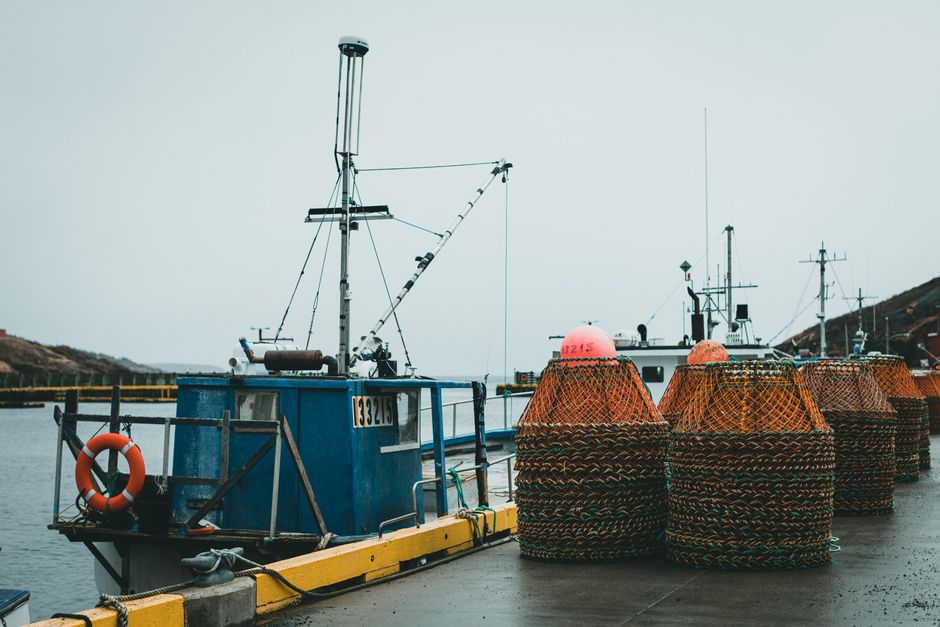
4. Arctic Gateway to the World
Churchill, Manitoba, Canada
Beyond polar bears, Churchill serves as Canada's only Arctic deep-water port, offering a glimpse into northern trade and climate research.
Positioned strategically on Hudson Bay, Churchill has historically been a vital trading post and, more recently, a grain export hub. Its port connects Canada's interior to global markets via Arctic shipping routes, which are gaining increasing geopolitical and economic importance. The town is also a significant center for Arctic research, contributing to understanding climate change and sustainable development in the North, showcasing diverse economic contributions from remote regions.

5. From Moonscape to Green Tech Hub
Sudbury, Ontario, Canada
This northern city transformed its environment from a severely damaged mining landscape into a global leader in environmental reclamation.
Sudbury was once notorious for its 'moonscape' appearance, a result of decades of nickel mining and smelting operations that caused acid rain and deforestation. However, through concerted community and corporate efforts, Sudbury launched one of the most successful regreening programs in the world. This transformation showcases an economic evolution from pure resource extraction to expertise in environmental science, rehabilitation, and sustainable practices, now exported globally.
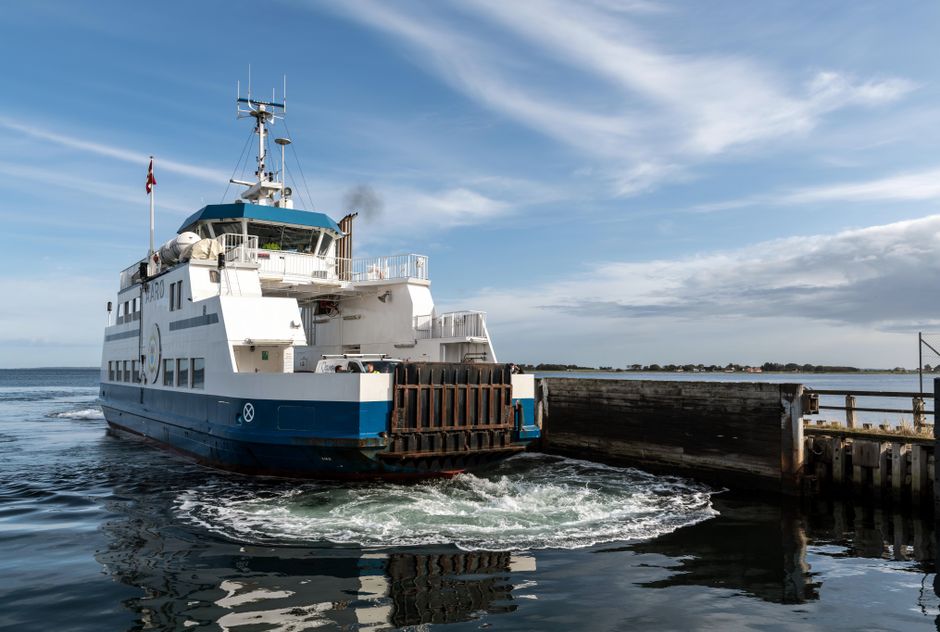
6. Newfoundland's Crucial Maritime Link
Port aux Basques, Newfoundland and Labrador, Canada
This small town is the vital western gateway to Newfoundland, connecting the island's economy to mainland Canada via a historic ferry service.
For over a century, Port aux Basques has been the primary entry and exit point for goods and people traveling between Newfoundland and the rest of Canada. Its strategic location makes it indispensable for trade, tourism, and essential services, embodying the unique challenges and solutions of island economies. The ongoing operation of the Marine Atlantic ferry service underscores the critical infrastructure linking disparate regions of Canada and supporting regional economic stability.
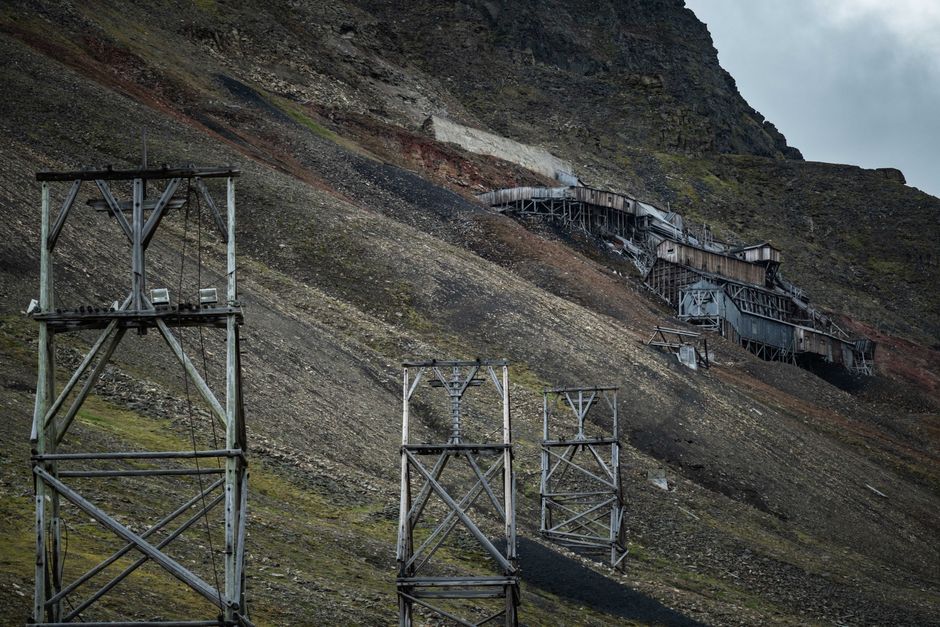
7. The Pass of Coal and Commerce
Crowsnest Pass, Alberta, Canada
A dramatic mountain pass rich in coal mining history, this region shaped Western Canada's industrial and railway development.
Crowsnest Pass was a bustling coal mining district from the late 19th to mid-20th centuries, fueling the expansion of the Canadian Pacific Railway and western industries. Towns like Frank and Coleman saw boom-and-bust cycles tied to global demand for coal. Today, while mining is reduced, the area thrives on tourism, heritage preservation, and a renewed appreciation for its geological and historical significance, demonstrating how former industrial powerhouses adapt their economic identity.
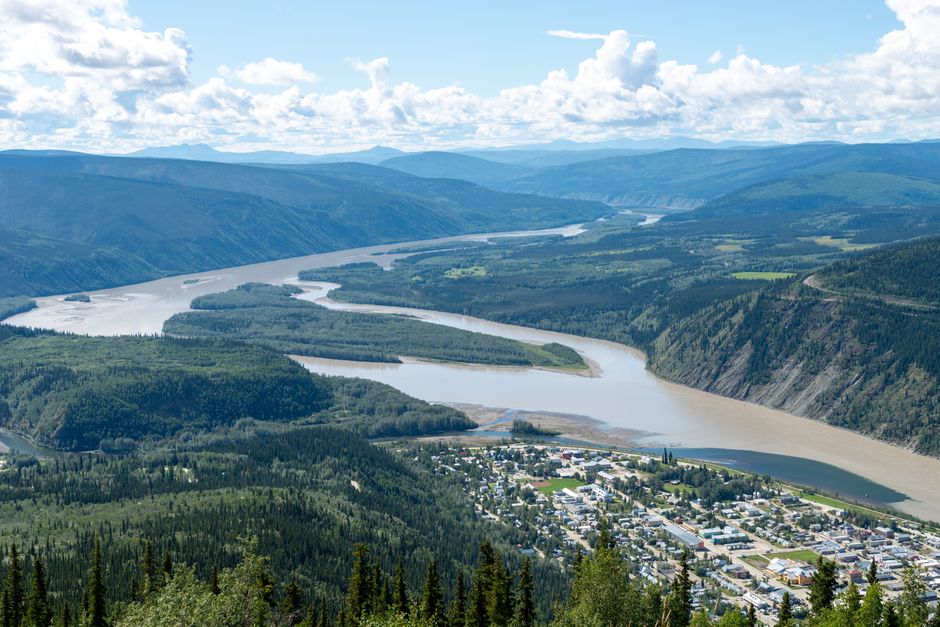
8. The Gold Rush's Enduring Legacy
Dawson City, Yukon, Canada
Beyond its famous Gold Rush, Dawson City continues to balance its rich history with modern tourism and small-scale mining, sustaining a unique northern economy.
While the Klondike Gold Rush of 1898 put Dawson City on the map, its economic story didn't end there. The town has meticulously preserved its Victorian-era architecture, turning heritage into a key tourism driver. Alongside this, placer mining still occurs on a smaller scale in the surrounding creeks. This blend of historical preservation, cultural tourism, and continued resource extraction illustrates a resilient northern economy that leverages both its past and its natural endowments.
Frequently asked questions
What are the main drivers of Canada's economy?
Canada's economy is diversified, driven by natural resources (energy, mining, forestry), a robust financial sector, advanced manufacturing, and a growing technology industry. International trade, particularly with the US, also plays a crucial role.
How does Canada maintain economic stability despite global fluctuations?
Canada benefits from strong democratic institutions, a stable banking system, and prudent fiscal policies. Its diverse resource base and trade agreements help buffer against specific market downturns, while investments in innovation foster new growth areas.
Are there emerging industries in Canada beyond traditional resources?
Absolutely. Canada is seeing significant growth in artificial intelligence, biotechnology, clean energy, and digital media. Major cities like Toronto, Vancouver, and Montreal are becoming global tech hubs, attracting talent and investment.
How can AllTours.ai help me discover Canada's economic story?
AllTours.ai lets you point your phone camera at a landmark or landscape, and it instantly narrates its history, geology, and cultural significance. This immersive experience reveals the hidden stories and economic drivers of even the most out-of-the-way Canadian places.
Photography via Pexels. AllTours.ai is an AI audio tour guide — point your camera at any landscape and hear its story.