June 20, 2026 · 4 min read
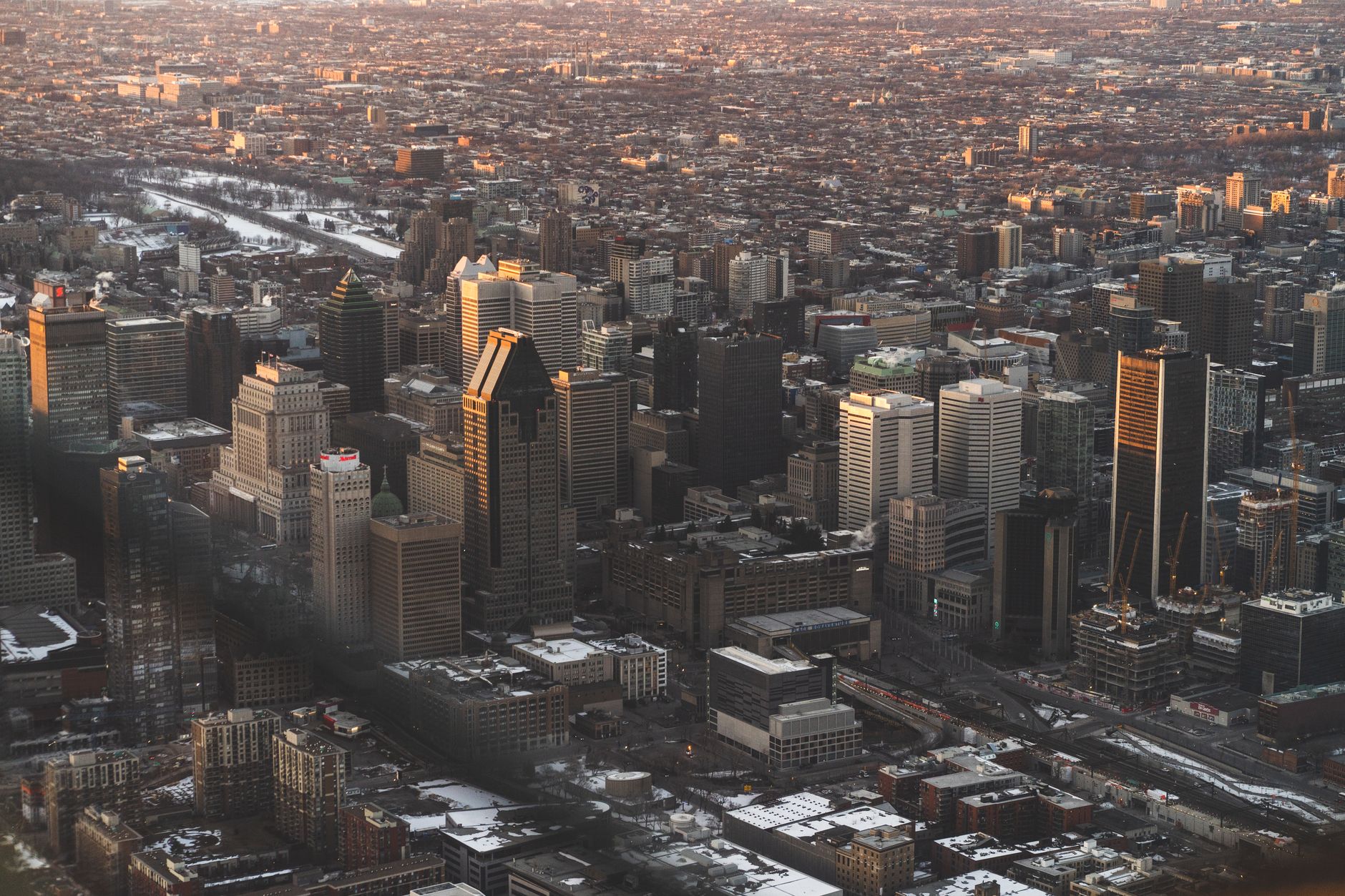
When we talk about Canada's largest cities, Toronto often dominates the conversation. But what if the country's de facto largest urban entity isn't a single metropolis, but rather a sprawling, interconnected belt of communities stretching from Ottawa to Quebec City, encompassing Montreal and countless smaller towns along the St. Lawrence River? Much like Europe's Randstad or Rhine-Ruhr regions, this corridor forms a continuous tapestry of life, history, and industry.
Beyond the well-trodden paths of Montreal and Quebec City lies a rich mosaic of underrated places, each with a surprising story waiting to be told. These lesser-known spots offer a deeper understanding of the region's diverse heritage, from resilient communities literally moved by natural disaster to ancient geological secrets and unique cultural traditions. Let's peel back the layers of this fascinating urban arc.
1. The Village That Time Forgot (and Fought For)
Deschambault-Grondines, Quebec, Canada
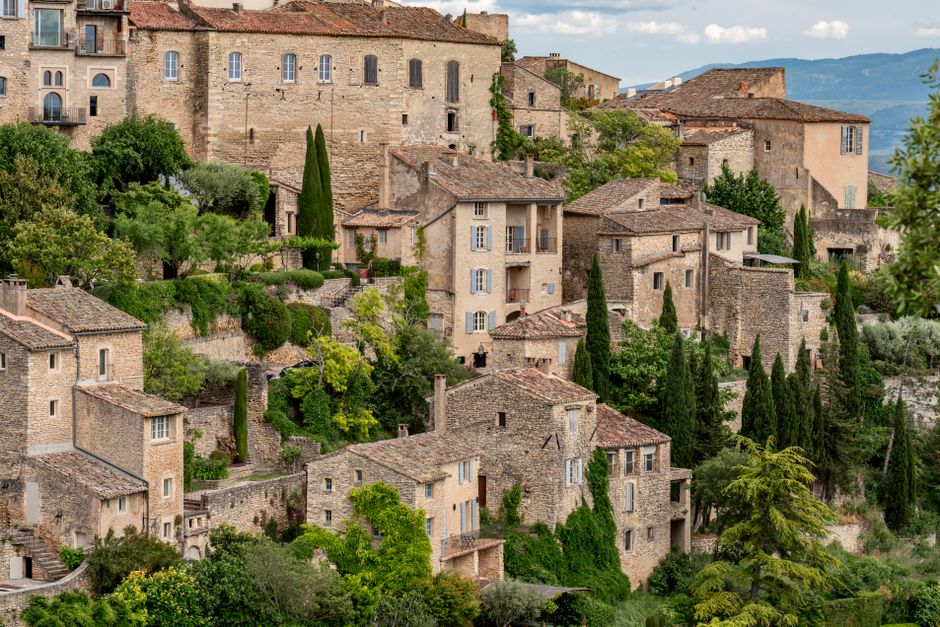
This charming village fiercely preserved its 18th-century architecture, making it a living museum along the St. Lawrence.
Deschambault-Grondines is a designated heritage site, distinguished by its exceptionally well-preserved colonial-era homes and stone mills. Residents actively resisted modern developments to maintain their architectural integrity, offering a rare glimpse into rural Quebec life from centuries past. Its narrow streets and riverside setting feel like a step into a meticulously kept historical painting.
2. A City Reborn from Disaster
Nicolet, Quebec, Canada
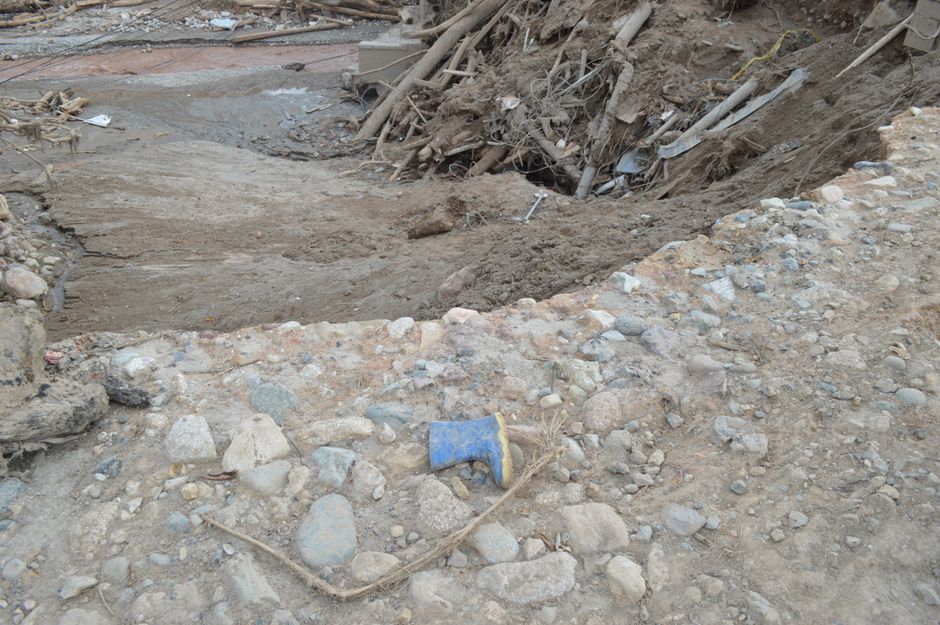
In 1955, a massive landslide forced this city to relocate much of its downtown, demonstrating incredible community resilience.
Nicolet faced catastrophe when a catastrophic landslide in November 1955 destroyed a significant portion of its core, including the cathedral. Instead of abandoning the site, the community undertook an ambitious project to rebuild and relocate critical infrastructure, forging a new identity. This event profoundly shaped Nicolet's urban planning and left a lasting legacy of determination.
3. The Canal That Tamed a River
Saint-Louis-de-Gonzague, Quebec, Canada
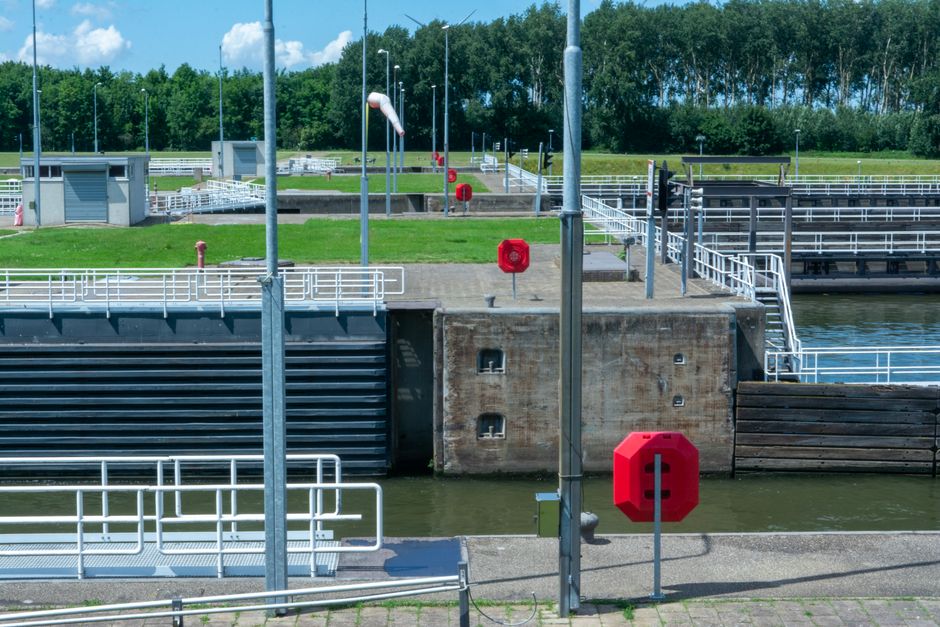
This region is home to the Beauharnois Canal, an engineering marvel that revolutionized St. Lawrence navigation and powered a province.
Opened in 1932, the Beauharnois Canal was a monumental undertaking, bypassing treacherous rapids on the St. Lawrence River. Its construction not only facilitated safer and more efficient shipping but also harnessed the river's immense power, feeding the massive Beauharnois hydroelectric plant. The canal fundamentally altered the landscape and economy of this part of the corridor, a testament to human ingenuity.
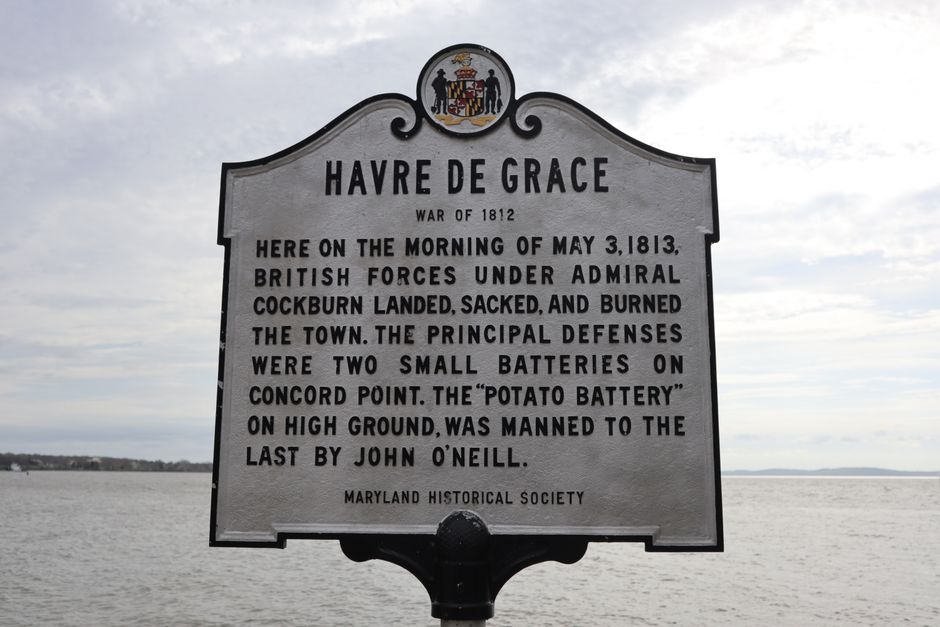
4. Echoes of a Forgotten Skirmish
Vaudreuil-Dorion, Quebec, Canada
Beyond its commuter routes, this area was the site of a little-known American Revolutionary War battle with significant Indigenous involvement.
While often overlooked, the Battle of the Cedars took place near present-day Vaudreuil-Dorion in 1776, during the American invasion of Quebec. This skirmish saw British forces, loyalists, and a crucial contingent of Mohawk warriors engage American troops. The battle's outcome and the subsequent prisoner exchanges highlighted the complex alliances and often forgotten roles of Indigenous peoples in early North American conflicts.
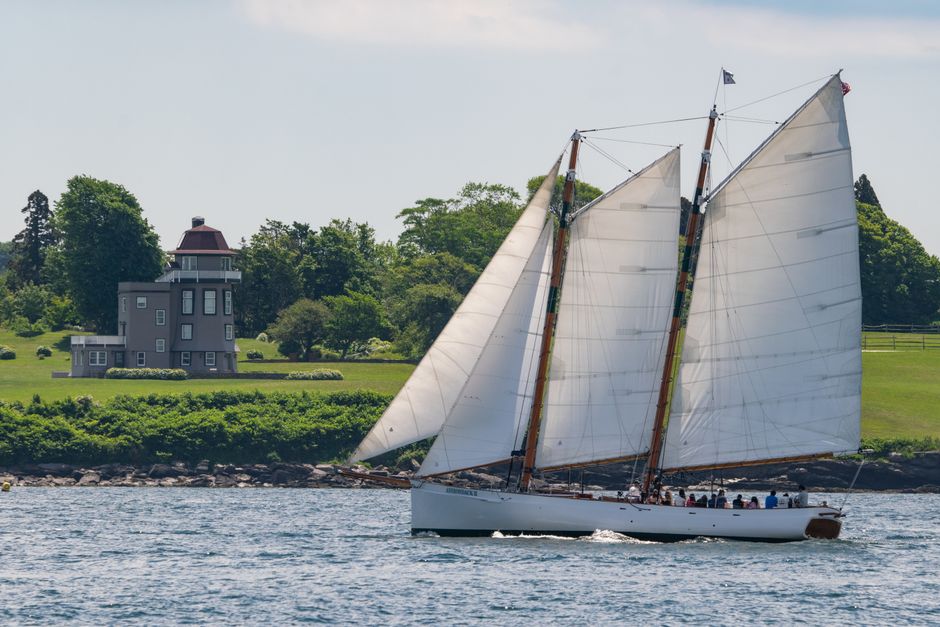
5. The Island of Wind and Sail
L'Isle-aux-Coudres, Quebec, Canada
This small island in the St. Lawrence River was once a thriving center for traditional wooden schooner building, powered by local ingenuity and tides.
L'Isle-aux-Coudres, named by Jacques Cartier for its hazelnut trees, developed a unique maritime culture. For centuries, its inhabitants were master boatbuilders, constructing sturdy wooden schooners perfectly adapted to the river's challenging currents. These vessels were vital for trade and transportation, connecting remote communities long before modern infrastructure, and their legacy is still celebrated today.
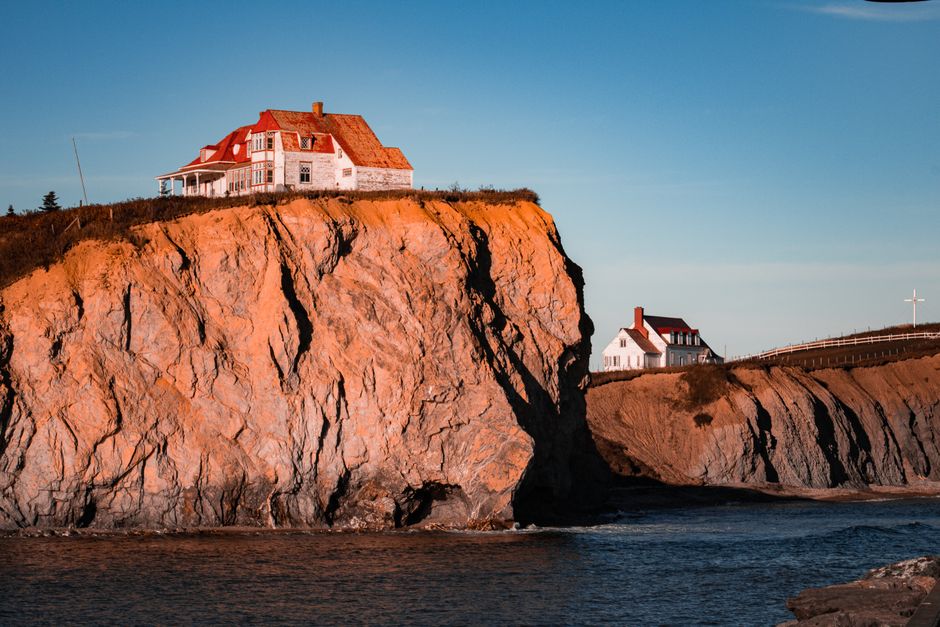
6. Ancient Seabed, Modern Town
Saint-Casimir, Quebec, Canada
The cliffs here hold marine fossils dating back millions of years, revealing a time when this entire region was submerged under an ancient sea.
Nestled along the Sainte-Anne River, Saint-Casimir offers a remarkable geological window into the distant past. Its limestone cliffs are rich with fossils of ancient marine life, remnants of the Ordovician period when the region was covered by a vast inland sea. Exploring these formations provides a tangible connection to the deep geological history that underpins the entire St. Lawrence Lowlands.
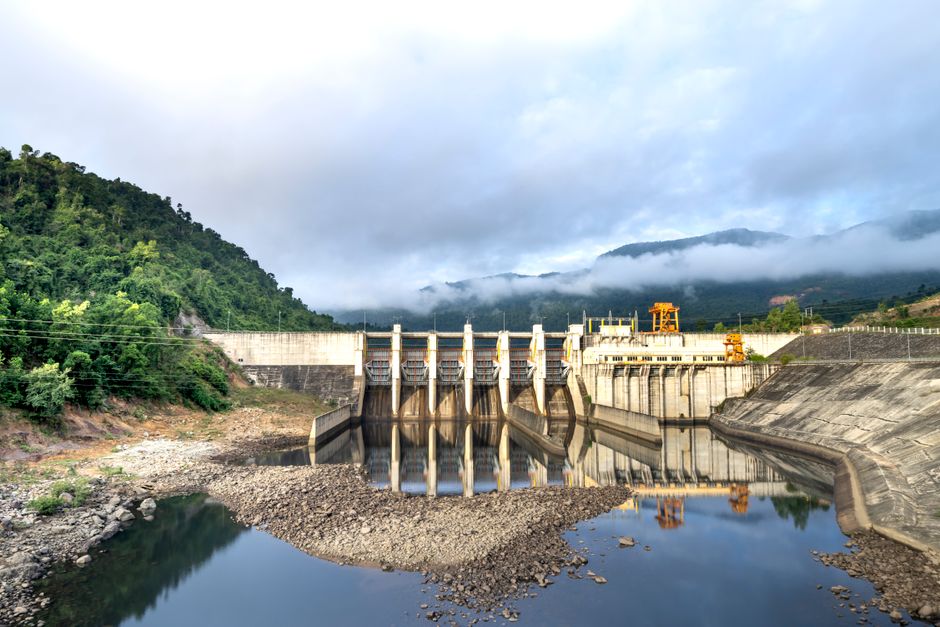
7. Pioneers of Power on the Ottawa
Carillon, Quebec, Canada
This small community is home to one of Canada's oldest surviving hydroelectric power stations, a monument to early industrial innovation.
The Carillon Generating Station, originally built in the early 20th century, stands as a testament to Quebec's pioneering spirit in hydroelectric power. It was one of the first major projects to harness the Ottawa River's flow for electricity, profoundly influencing the industrial development of the surrounding region. The site showcases the evolution of power generation, from its early rudimentary forms to modern scale.

8. The Cradle of Carving
Saint-Jean-Port-Joli, Quebec, Canada
This unassuming village became the heart of a unique Quebec woodcarving tradition, shaping a distinct artistic movement.
Since the early 20th century, Saint-Jean-Port-Joli has been synonymous with Quebec folk art, specifically its distinctive style of woodcarving. Generations of artisans, notably the Bourgault family, established schools and workshops, transforming the village into a hub where local stories, religious themes, and everyday life are immortalized in wood. It's a place where art is deeply woven into the community's identity.
Frequently asked questions
What is the 'urban belt' between Ottawa and Quebec City?
This concept refers to the continuous, albeit varied, urban and suburban development stretching along the St. Lawrence River corridor, connecting major cities like Ottawa, Montreal, and Quebec City with numerous smaller towns and communities in between. It forms a dense population and economic zone.
Is this region comparable to the Randstad or Rhine-Ruhr?
While not as formally recognized or integrated as the Randstad in the Netherlands or the Rhine-Ruhr in Germany, the Ottawa-Quebec City corridor shares characteristics of a polycentric urban region. It boasts a high population density, economic interconnectedness, and a continuous chain of settlements, suggesting a similar urban dynamic.
What are some unique cultural aspects of this corridor?
Beyond the major cities, the corridor is rich in distinct local cultures. You'll find unique architectural styles in villages like Deschambault-Grondines, a strong tradition of folk art and craftsmanship in places like Saint-Jean-Port-Joli, and deep-rooted historical narratives tied to the St. Lawrence River, indigenous heritage, and early French settlement.
How can AllTours.ai enhance my exploration of these lesser-known places?
AllTours.ai brings these hidden stories to life. Simply point your phone camera at a landmark, a historical building, or even a geological feature, and the app will provide an immersive audio narration about its history, geology, and culture in your preferred language, turning every view into a discovery.
Photography via Pexels. AllTours.ai is an AI audio tour guide — point your camera at any landscape and hear its story.