June 16, 2026 · 4 min read
Many first-time international travelers wonder if China is the right choice for their maiden voyage. While images of the Great Wall and Terracotta Army often dominate, China offers an incredible depth of experiences far beyond its most famous landmarks. It's a country where ancient traditions meet breathtaking natural wonders and surprising modern innovations.
For those seeking a truly unique introduction to this vast nation, the real magic lies in its less-trodden paths. Venture beyond the usual tourist trails, and you'll find places brimming with untold histories, peculiar geology, and vibrant local cultures that offer a profound and authentic glimpse into the heart of China.
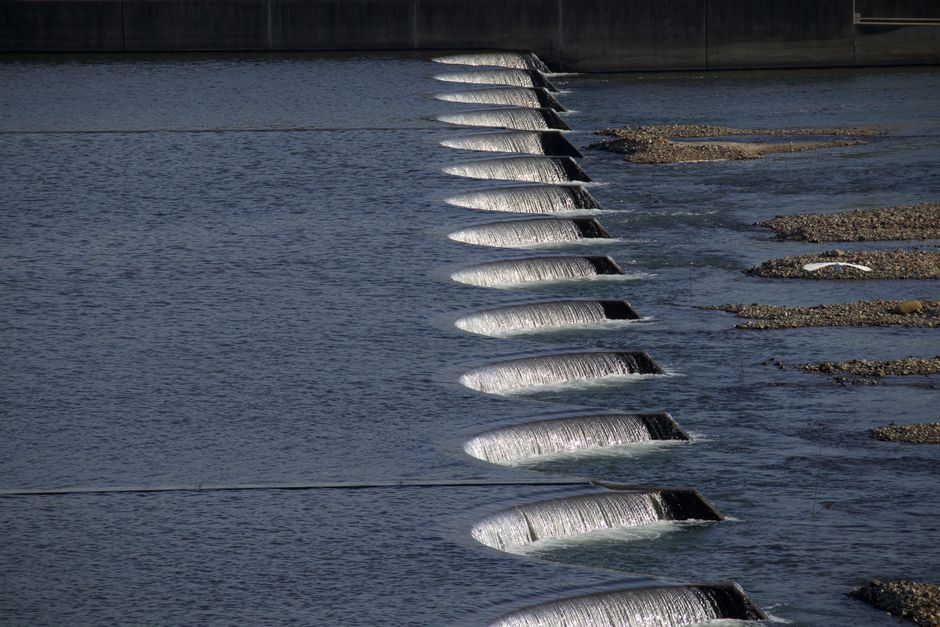
1. Engineering the Clouds: Dujiangyan's Ancient Flow
Dujiangyan, China
This 2,200-year-old irrigation system still irrigates 668,700 hectares without using a single dam.
Built around 256 BCE, the Dujiangyan Irrigation System is an engineering marvel designed to prevent floods and irrigate the Chengdu Plain. Its ingenuity lies in its dam-free design, using natural topography and river dynamics to split the Minjiang River, making it a sustainable feat of ancient hydraulic engineering that continues to serve millions today. It's a testament to human innovation in harmony with nature.
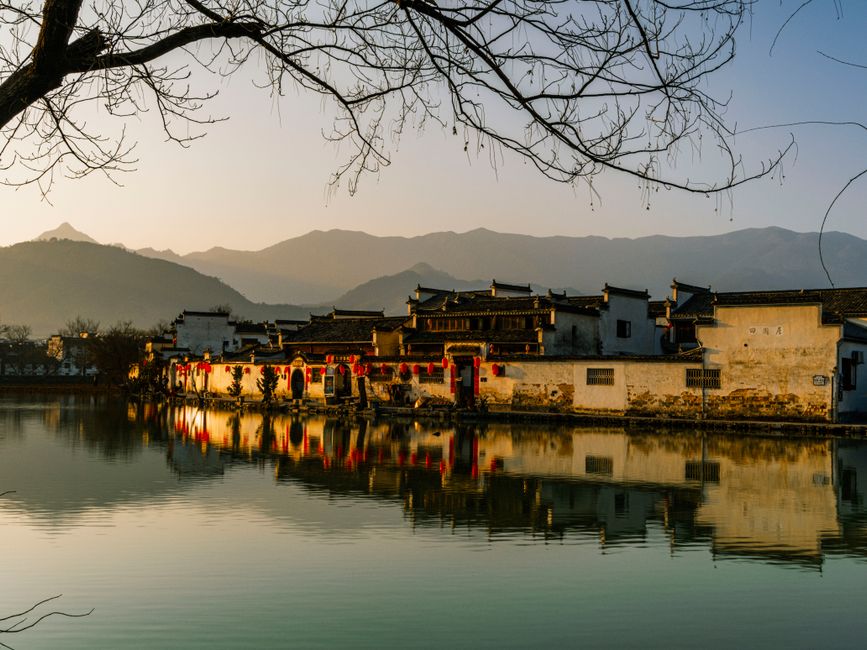
2. The Village Shaped Like a Cow: Hongcun's Water Heart
Hongcun, China
The entire layout of this ancient village is meticulously designed to resemble a reclining ox, with its waterways acting as its 'intestines'.
Hongcun, a UNESCO World Heritage site in Anhui, is renowned for its distinctive architectural style and sophisticated water system. Its winding canals and ponds, which provided fire protection and drinking water, were purposefully laid out to mimic the body of an ox, a symbol of prosperity. The village's narrow alleys and traditional Huizhou houses offer a glimpse into Ming and Qing dynasty rural life.
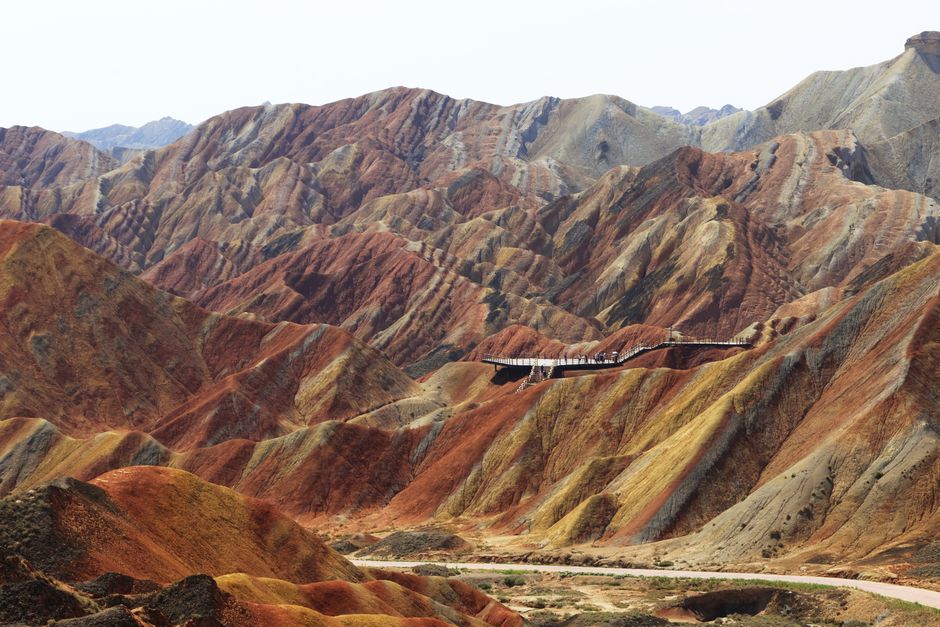
3. The Rainbow Mountains of Zhangye Danxia
Zhangye, China
These vibrant mountains were formed over 24 million years from layers of different colored sandstone and minerals, then sculpted by erosion.
The Zhangye Danxia National Geological Park features some of the most stunning examples of Danxia landforms, a unique type of petrographic geomorphology found in China. The result of millions of years of geological processes, including uplift and erosion, these mountains display a spectacular array of reds, yellows, and oranges, resembling a painter's palette spread across the landscape.
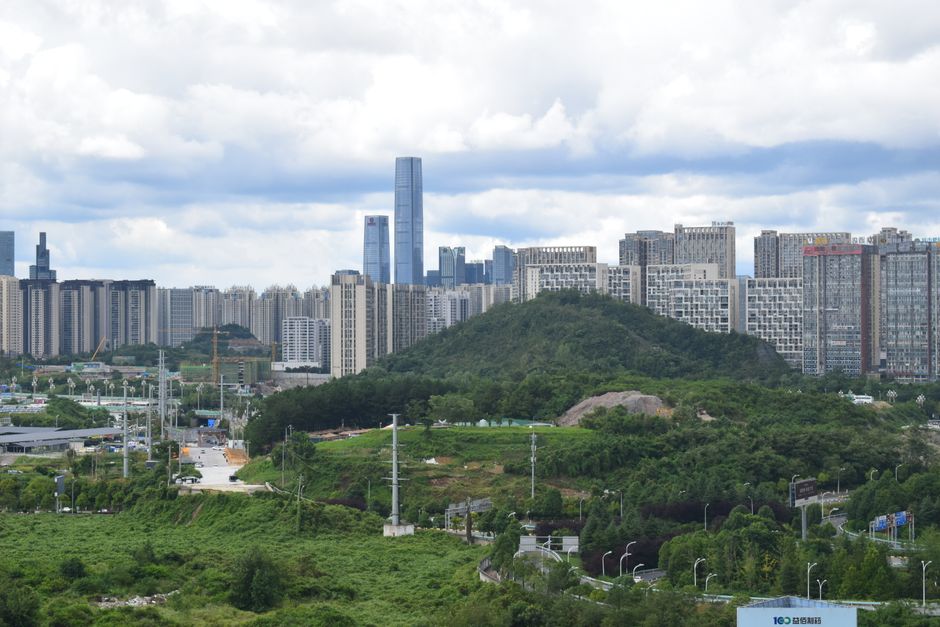
4. Shenzhen's Bohemian Coast: Jiaochangwei's Artistic Shift
Shenzhen, China
Tucked away in the ultra-modern city of Shenzhen, this former fishing village has transformed into a vibrant hub of guesthouses and art studios, a stark contrast to its towering neighbors.
Jiaochangwei offers a surprising escape within the bustling metropolis of Shenzhen. Once a quiet Hakka fishing village, it has reinvented itself as a popular coastal retreat, attracting artists and travelers with its colorful guesthouses, quirky cafes, and independent shops. It represents a unique blend of traditional village charm and contemporary artistic flair, providing a refreshing break from the city's futuristic skyline.
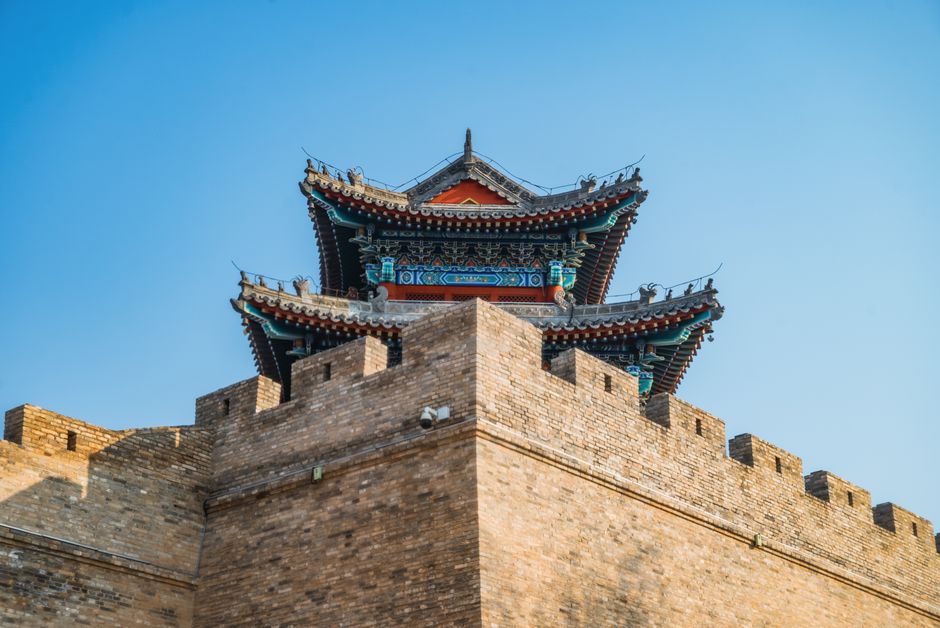
5. Walled City of Bankers: Pingyao's Ancient Riches
Pingyao, China
This perfectly preserved ancient walled city was once the financial capital of China during the Qing Dynasty, home to the nation's first banks.
Pingyao offers an unparalleled glimpse into the history of Han Chinese cities from the Ming and Qing dynasties. Encircled by an imposing city wall, it boasts traditional courtyard houses, grand temples, and the remnants of China's earliest banking system, the *piaohao*. Walking its narrow streets feels like stepping back in time to an era of merchant power and intricate financial networks.
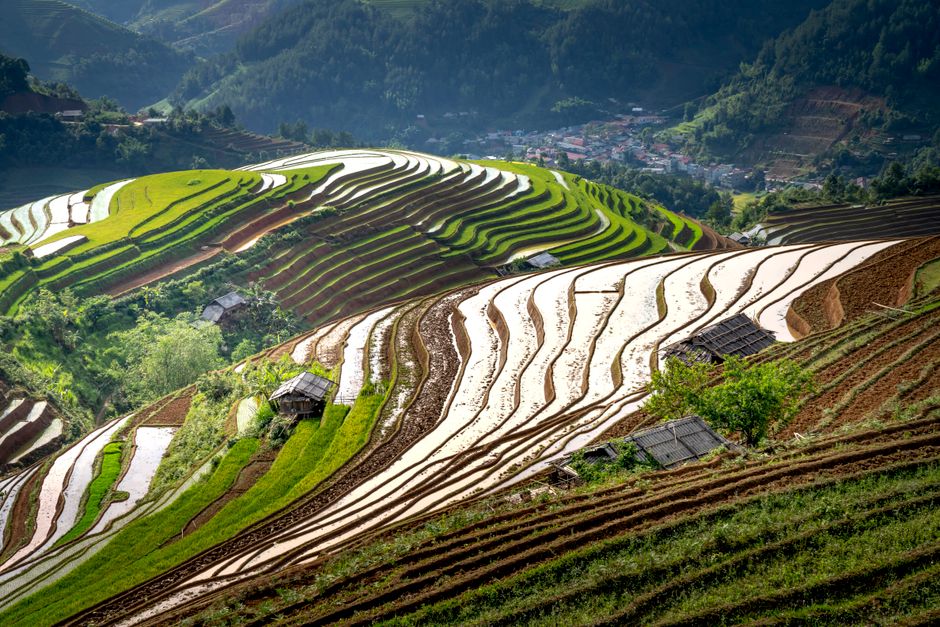
6. The Dragon's Backbone: Longji Rice Terraces
Longsheng, China
For over 700 years, the Zhuang and Yao ethnic groups have carved these intricate rice terraces into the mountainsides, creating a landscape that resembles dragon scales.
The Longji Terraces, also known as the Dragon's Backbone Rice Terraces, are a breathtaking testament to human ingenuity and harmony with nature. Built into the steep hillsides, the terraces curve and undulate, reflecting the sky and changing with the seasons. They showcase the unique agricultural practices and cultural heritage of the ethnic minorities who have maintained this stunning landscape for generations.
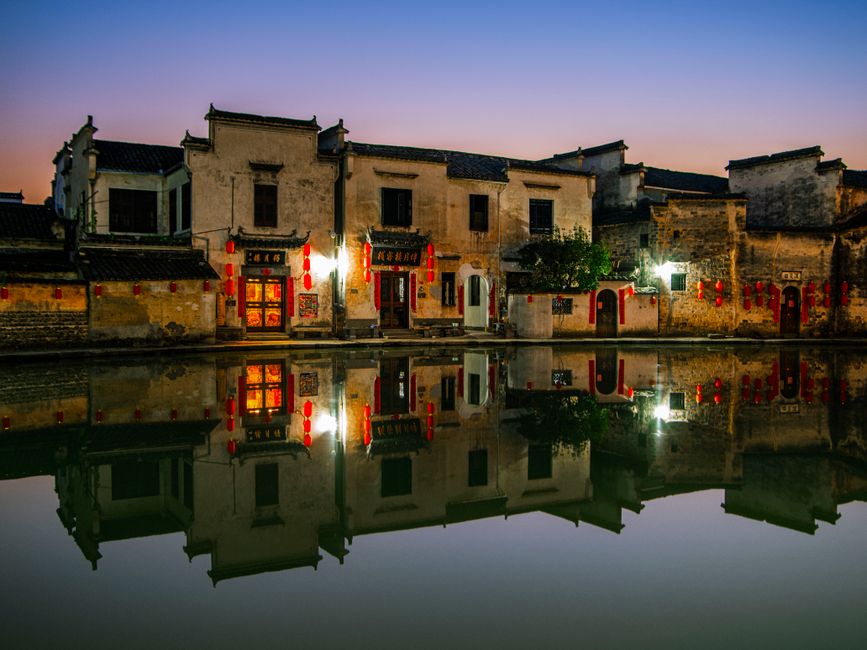
7. Echoes of the Tea Horse Road: Shaxi's Timeless Charm
Shaxi, China
Shaxi is the last surviving market town along the ancient Tea Horse Road, a vital trading route older than the Silk Road.
Located in a valley in Yunnan, Shaxi Ancient Town offers a remarkably preserved slice of history from the Tea Horse Road, an ancient network of caravan paths. Its cobblestone streets, traditional architecture, and the central Sideng Market Square once buzzed with traders from Tibet, Myanmar, and beyond. It provides a rare opportunity to experience the authentic atmosphere of a historic trading post.
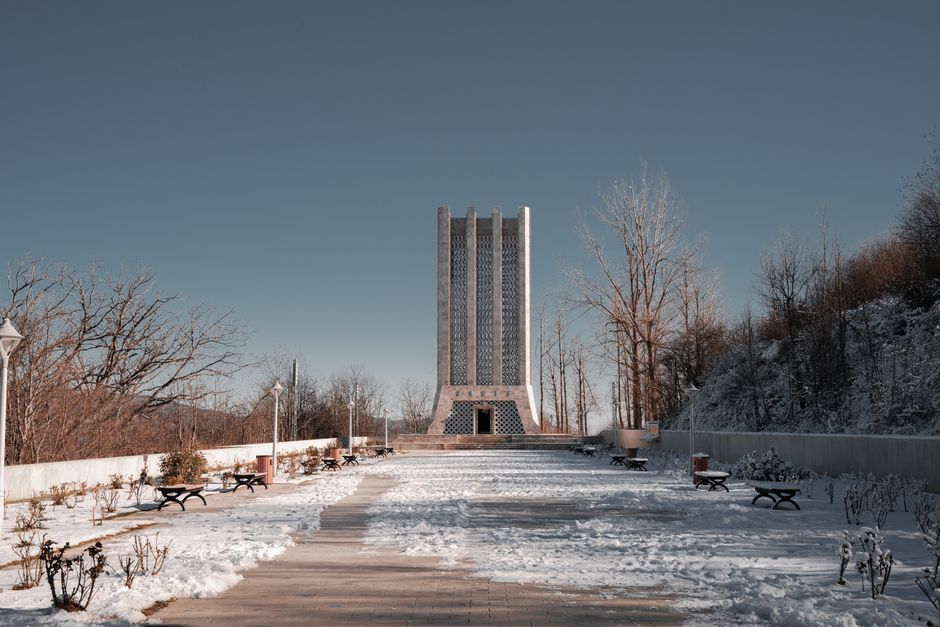
8. The Two Emperors' Tomb: Xianling's Royal Secret
Zhongxiang, China
This UNESCO World Heritage site is the only Ming imperial tomb where an emperor was buried with his parents, who were later posthumously elevated to imperial status.
The Xianling Mausoleum, located in Zhongxiang, Hubei, is a significant Ming Dynasty imperial tomb and part of the UNESCO-listed Imperial Tombs of the Ming and Qing Dynasties. Its unique feature is the burial of Emperor Jiajing with his biological parents, who were initially princes but later posthumously declared emperors. This unusual arrangement makes it a fascinating site for understanding imperial succession politics and funerary rites.
Frequently asked questions
Do I need a visa to visit China as a first-time international traveler?
Most international travelers require a visa for China. It's crucial to apply well in advance through your nearest Chinese embassy or consulate. Requirements can vary based on nationality, so always check the latest regulations before planning your trip.
What about the language barrier in China, especially in lesser-known areas?
While Mandarin is the official language, English proficiency can be limited outside major cities and tourist hubs. Translation apps are invaluable, and learning a few basic phrases in Mandarin will significantly enhance your experience and interactions with locals, even in more remote spots.
How can I stay connected and access information while traveling in China?
Consider a local SIM card or an eSIM for reliable internet access. Be aware that many international apps and websites are restricted; a VPN is often necessary to access services like Google, Instagram, or WhatsApp. Download offline maps and translation tools before you go.
How can the AllTours.ai app enhance my trip to China's unique destinations?
AllTours.ai brings the stories of China's landscapes and landmarks to life, especially in these lesser-known spots where traditional guides might be scarce. Simply point your phone camera at a location, and the app uses AI to narrate its history, geology, and culture in your preferred language, offering deep, contextual insights wherever you are.
Photography via Pexels. AllTours.ai is an AI audio tour guide — point your camera at any landscape and hear its story.