July 6, 2026 · 4 min read
When travelers ponder the world's finest cuisines, Chinese food often takes a top spot. Its incredible diversity, ancient traditions, and regional specialties offer a universe of flavors. But to truly understand why, you need to look beyond the familiar dishes and tourist hotspots, delving into the lesser-known corners where history, geology, and culture have shaped unique culinary identities.
China's vast landscape harbors countless hidden gems, each with a distinct story that influences its food and way of life. From ancient trading posts to villages designed like mythical beasts, these places offer a profound insight into the authentic heart of Chinese cuisine, far from the bustling cities. Prepare to challenge your assumptions and discover the unexpected.
1. The Tea Horse Road's Preserved Heart
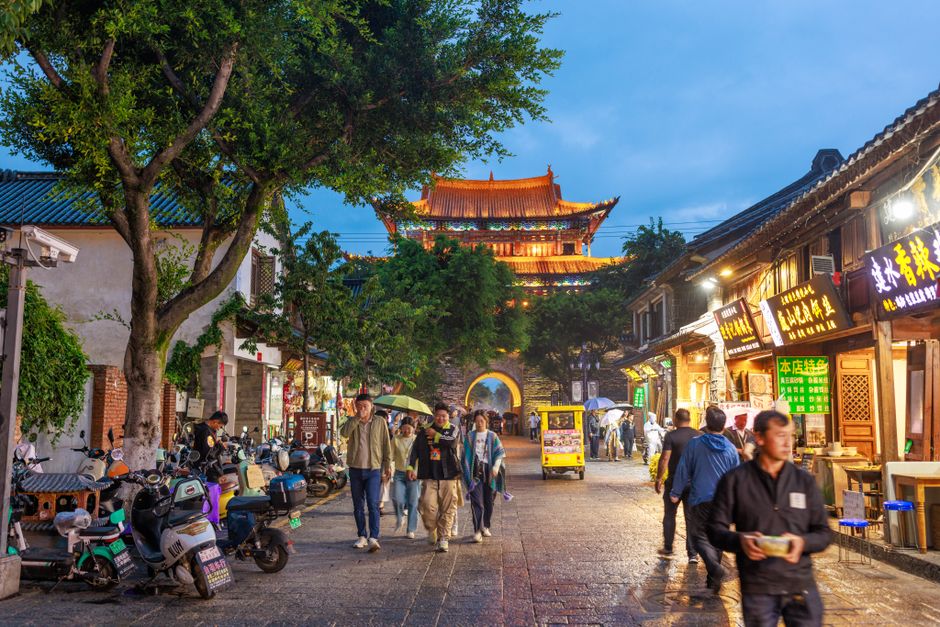
Shaxi Ancient Town, Yunnan, China
This perfectly preserved town was once a vital trading hub on the ancient Tea Horse Road, a network predating the Silk Road.
Shaxi offers a rare glimpse into a bygone era, with its cobbled streets, traditional Bai architecture, and a market square that has hosted traders for over a thousand years. The town's enduring spirit is reflected in its resilient local cuisine, still featuring dishes born from the hardy ingredients and preservation techniques needed by caravan merchants. Discover the echoes of ancient trade in every bite, from cured meats to hearty noodle soups.
2. The Village Shaped Like an Ox
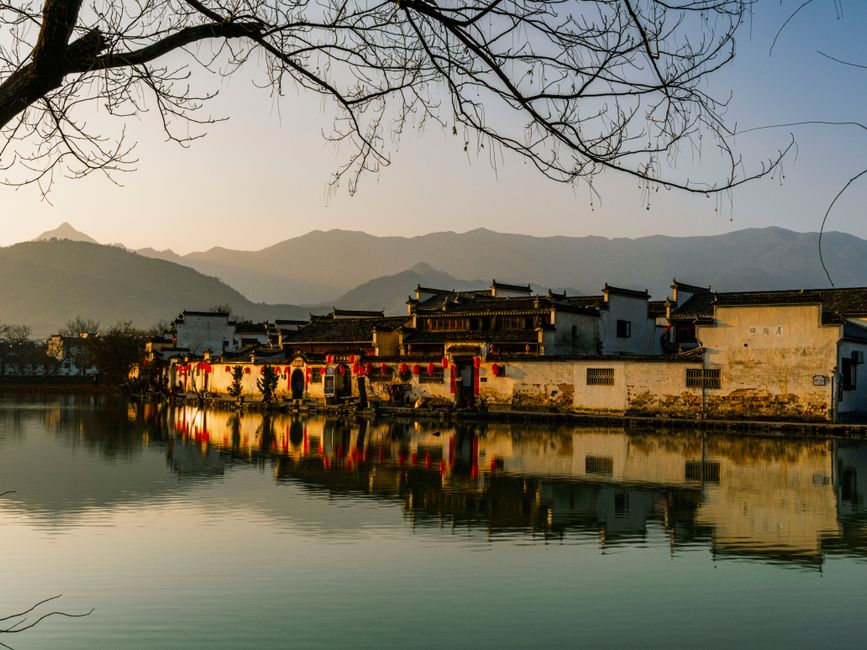
Hongcun Village, Anhui, China
Hongcun is an architectural marvel, designed in the shape of an ox with its water systems forming the 'intestines' and 'stomach'.
This UNESCO World Heritage site showcases brilliant foresight in urban planning, where the network of canals, ponds, and reservoirs not only provided water but also served as a sophisticated fire-fighting system. The integration of water into daily life deeply influenced local Anhui cuisine, which often features fresh water ingredients and delicate, stewed dishes. The unique layout of Hongcun is a testament to harmonious living, where every element, including food, is carefully considered.
3. Clan Castles of Earth
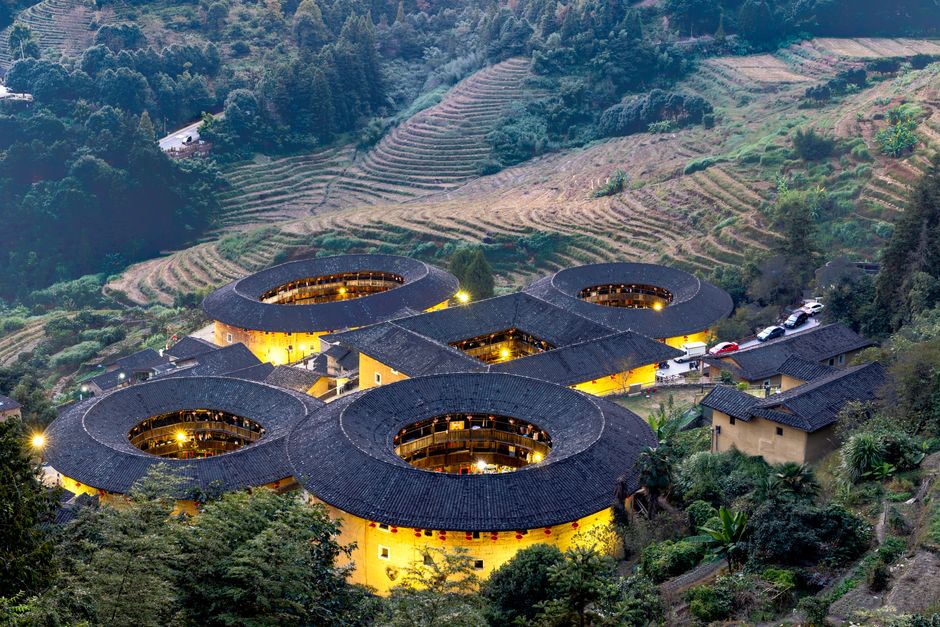
Chuxi Tulou Cluster, Fujian, China
These massive, multi-story circular or square earthen fortresses housed entire clans for defense and communal living for centuries.
The Fujian Tulou are unique architectural wonders, built by the Hakka people to protect against bandits and foster tight-knit communities. Each tulou functioned as a small self-contained world, influencing a cuisine centered on communal cooking and local ingredients like sweet potatoes, taro, and wild herbs. Eating within a tulou gives a powerful sense of history, where generations have shared meals and stories within these formidable walls, a true taste of Hakka resilience.

4. The Giant's Red Sandstone Playground
Langshan Danxia, Hunan, China
Langshan Danxia features dramatic, towering red sandstone peaks and pillars, formed by geological forces over millions of years.
While not directly culinary, the landscape of Langshan Danxia dramatically shaped the local Xiang (Hunan) cuisine. The rugged terrain and relative isolation fostered a reliance on preserved ingredients, chili peppers for warmth and flavor, and wild mountain produce. This geological wonder serves as a backdrop to a vibrant food culture known for its bold, spicy, and often smoky flavors, reflecting the hardy spirit of those who settled amidst these awe-inspiring formations.
5. China's Oldest Rice Farmers
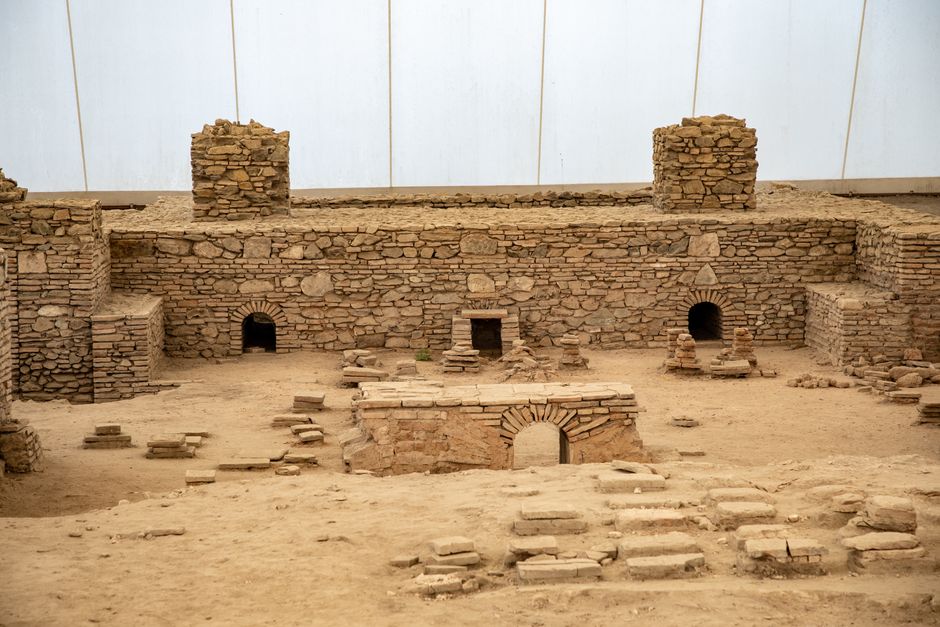
Hemudu Site, Zhejiang, China
This archaeological site provides evidence of China's earliest known rice cultivation and advanced woodworking from 7,000 years ago.
The Hemudu culture represents a pivotal moment in Chinese history, demonstrating that rice farming originated much earlier than previously thought in the lower Yangtze River valley. Discovering this site reveals the deep roots of a staple food that defines much of Chinese cuisine. The ingenuity of these ancient people in cultivating rice and crafting sophisticated tools laid the foundation for culinary traditions that continue to evolve, making the region a cradle of gastronomic heritage.

6. The Lakes and Peaks of a Hidden Guilin
Puzhehei, Yunnan, China
Often called 'China's Guilin without the crowds,' Puzhehei boasts a breathtaking karst landscape with over 300 interconnected lakes and countless caves.
This serene region, home to the Yi and Zhuang ethnic minorities, offers a unique blend of natural beauty and vibrant local culture. The abundance of water shapes the regional cuisine, featuring fresh fish, lotus root, and wild vegetables harvested from the lakes and surrounding hills. Puzhehei provides a tranquil escape where the food tells a story of harmony between people and their stunning natural environment, far from the well-trodden tourist paths.
7. The Mountain Grottoes of a Hidden Buddha
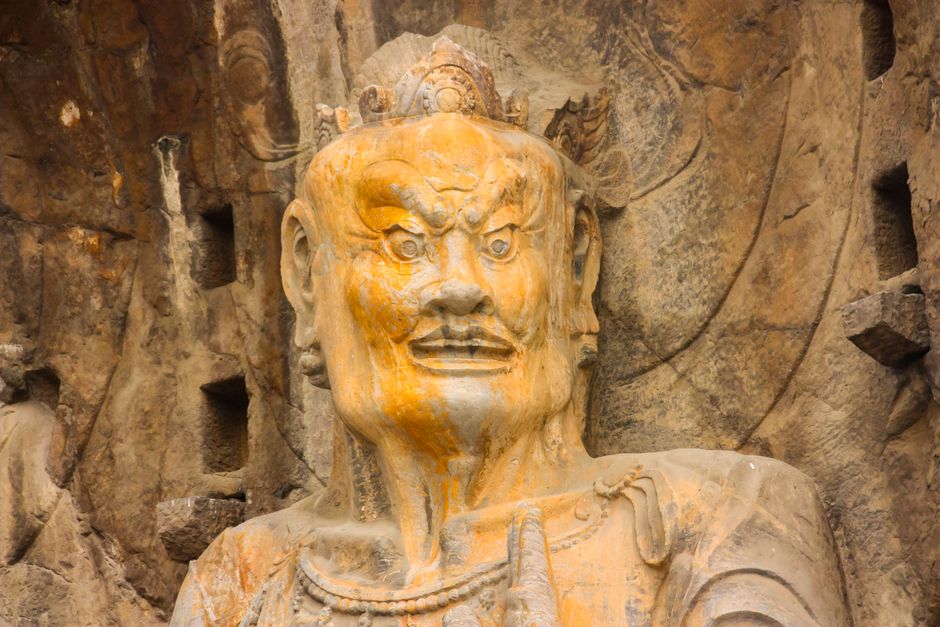
Dazu Rock Carvings, Chongqing, China
Thousands of meticulously carved Buddhist and Taoist statues spanning cliffs, a UNESCO site often overshadowed by northern grottoes.
While not directly about food, the Dazu Rock Carvings offer profound insight into the spiritual and cultural landscape that shaped many aspects of Chinese life, including dietary practices. Buddhist vegetarianism, for instance, has deeply influenced regional cuisines, leading to innovative plant-based dishes. Exploring these stunning grottoes provides context for the diverse culinary philosophies, revealing how deeply intertwined belief systems and the food on the plate truly are in China.
Frequently asked questions
What makes Chinese cuisine so diverse across different regions?
Chinese cuisine's incredible diversity stems from its vast geography, varied climates, and a long history of distinct regional cultures. Ingredients, cooking methods, and flavor profiles vary dramatically from spicy Sichuan to delicate Cantonese, reflecting local resources and traditions.
Are there many vegetarian options in traditional Chinese food?
Yes, traditional Chinese cuisine offers a wealth of vegetarian options, largely due to the influence of Buddhism. Many regional cuisines feature innovative plant-based dishes, especially in temple food, utilizing tofu, mushrooms, and a wide array of vegetables to create rich and flavorful meals.
How can I find authentic local food when traveling in China?
To find authentic local food in China, venture beyond major tourist areas. Explore local markets, seek out small eateries packed with locals, and don't be afraid to try street food. Engaging with local vendors or asking for recommendations can lead to truly memorable culinary discoveries.
How does AllTours.ai enhance a food-focused trip in China?
AllTours.ai transforms your exploration of Chinese food and culture. Simply point your phone camera at a dish, a market stall, or a historical landmark, and the app will narrate its history, ingredients, cultural significance, and even local anecdotes in your language, making every bite and sight come alive.
Photography via Pexels. AllTours.ai is an AI audio tour guide — point your camera at any landscape and hear its story.