
July 10, 2026 · 4 min read
Copenhagen often tops lists for its charm, design, and livability. Its colorful harbor houses, royal palaces, and vibrant street life are iconic, drawing millions who seek out its distinctive 'hygge' atmosphere. But does its well-deserved reputation for beauty extend beyond the usual postcard views, truly making it the most beautiful capital in Scandinavia?
To truly answer that, one needs to look beyond the popular hotspots and delve into the lesser-known corners that reveal the city's genuine character, surprising history, and innovative spirit. These are the places where Copenhagen's unique blend of old and new, nature and urbanity, truly shines.
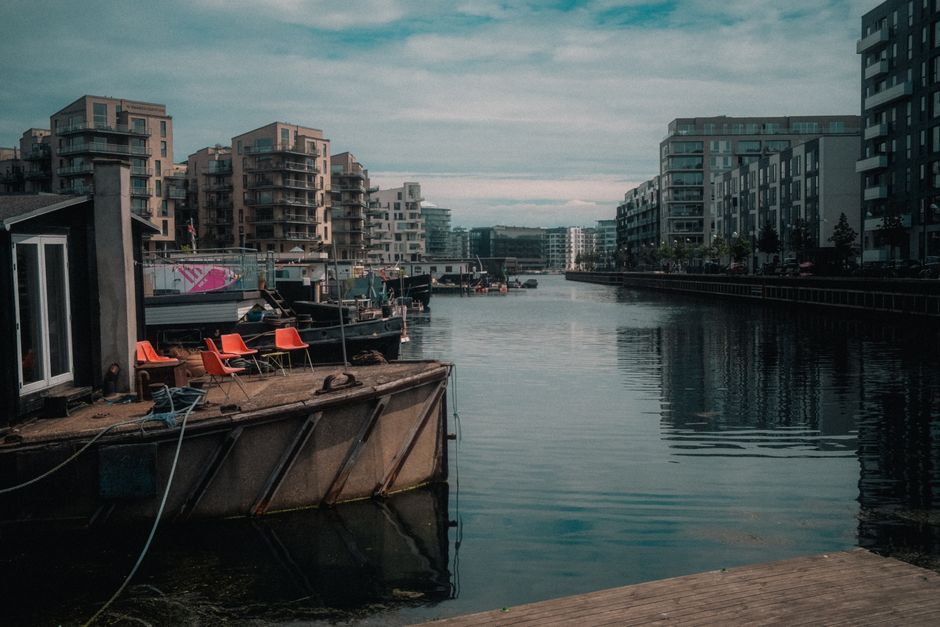
1. The Underground Cathedral of Dripping Water
Søndermarken, Frederiksberg, Denmark
Beneath a Copenhagen park lies a pitch-black, former drinking water reservoir, now a dripping, subterranean art space.
Built in the 1850s to supply the city with fresh water, these vast underground halls were decommissioned in the 1930s. Today, the damp, cavernous space with its naturally forming stalactites and stalagmites hosts immersive contemporary art installations, creating an otherworldly, sensory experience unlike any other museum.
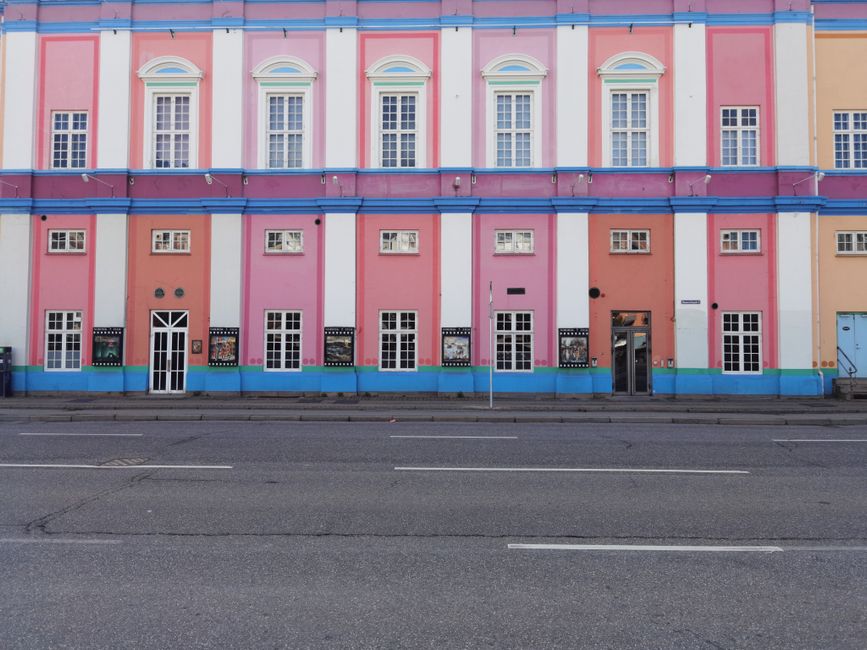
2. Copenhagen's Pioneer Garden City
Østerbro, Copenhagen, Denmark
This charming 19th-century housing complex was one of Denmark's earliest social housing projects, built for medical workers.
Designed in the mid-1800s, Brumleby was an innovative solution for affordable, healthy living, featuring small, pastel-colored terraced houses with shared courtyards, gardens, and even a communal bathhouse. It offered a stark contrast to the cramped city tenements of its time and remains a remarkably well-preserved, picturesque community today.

3. The Wild Heart of Urban Copenhagen
Amager, Copenhagen, Denmark
Just minutes from the city center, this vast urban wilderness is a protected bird sanctuary and home to wild deer and foxes.
Amager Fælled is a sprawling nature area encompassing wetlands, grasslands, and diverse flora, offering a surprising escape from city life. Originally part of the city's fortifications, it now serves as a crucial green lung and biodiversity hotspot, providing unique opportunities for hiking, birdwatching, and experiencing wild nature within an urban setting.
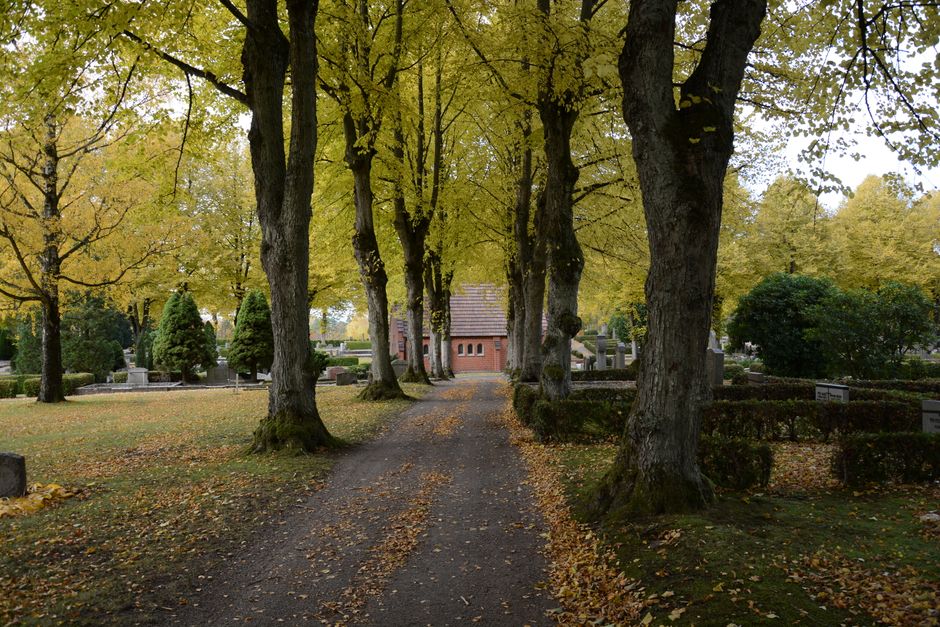
4. The Lively Graveyard and Cultural Park
Nørrebro, Copenhagen, Denmark
More than a cemetery, this historic burial ground doubles as a vibrant public park where locals picnic among the graves of national heroes.
Established in 1760, Assistens Kirkegård is the final resting place for many celebrated Danes, including Hans Christian Andersen, Søren Kierkegaard, and Niels Bohr. Its tree-lined avenues and open lawns make it a beloved green space in the Nørrebro district, where residents stroll, sunbathe, and enjoy the peaceful atmosphere, blurring the lines between remembrance and recreation.
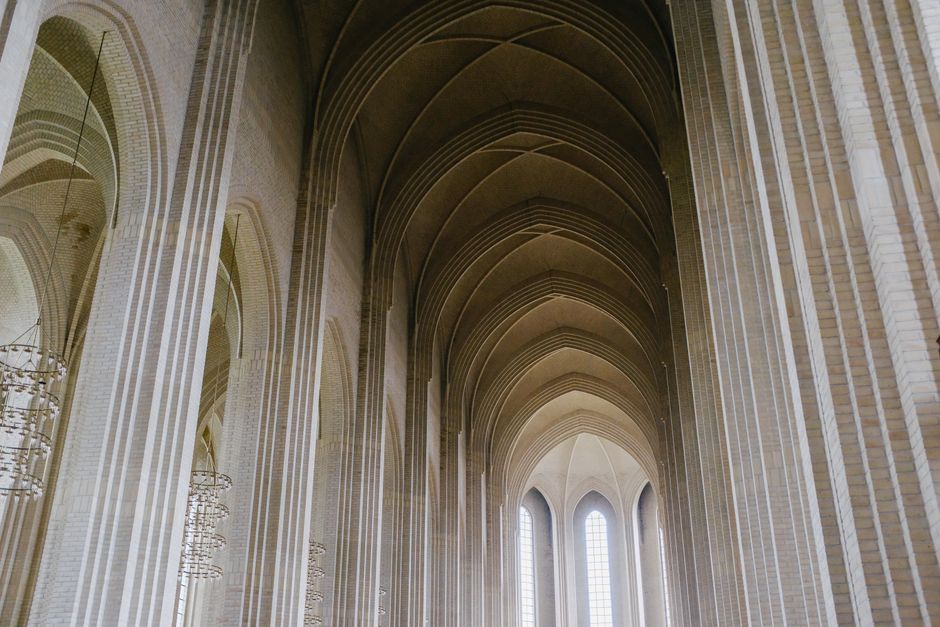
5. The Organ-Like Expressionist Church
Bispebjerg, Copenhagen, Denmark
This colossal church, built entirely of yellow brick, resembles a pipe organ and is a masterpiece of Expressionist architecture.
Dedicated to Danish philosopher N.F.S. Grundtvig, this unique church was designed by P.V. Jensen-Klint and completed by his son Kaare Klint in 1940. Its striking facade with towering geometric forms and intricate brickwork draws inspiration from traditional Danish village churches while pushing the boundaries of modern design, creating a truly awe-inspiring interior space.
6. A Global Playground in the City
Nørrebro, Copenhagen, Denmark
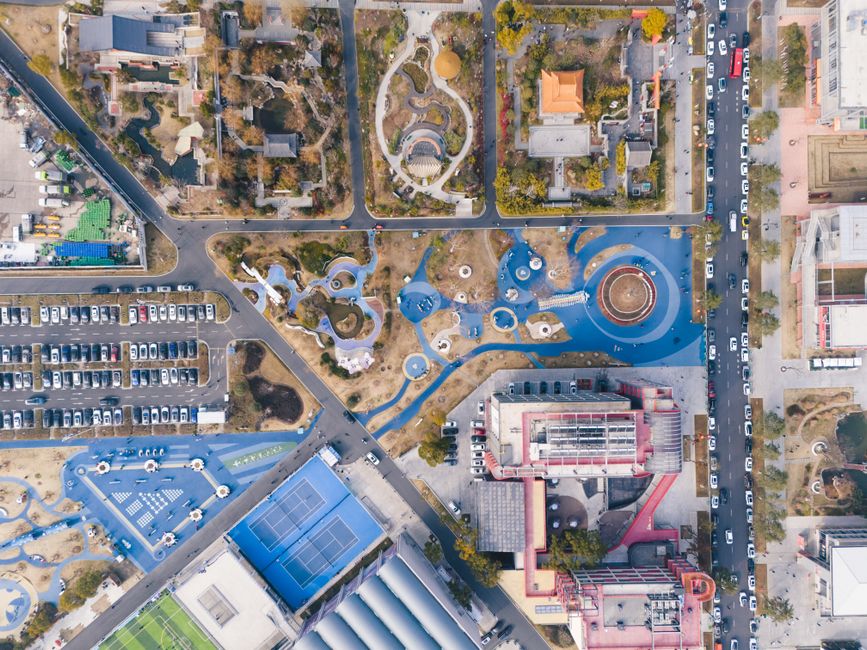
This vibrant public park features street furniture, plants, and even manholes sourced from over 60 different countries, reflecting its diverse neighborhood.
Superkilen is a radical urban park designed by Bjarke Ingels Group (BIG), Topotek1, and Superflex. Divided into three zones – the Red Square, the Black Market, and the Green Park – it's a celebration of global diversity. Visitors can find neon signs from Japan, palm trees from China, and even a boxing ring from Thailand, creating a truly international and interactive public space.
7. Copenhagen's Urban Sands
Østerbro, Copenhagen, Denmark
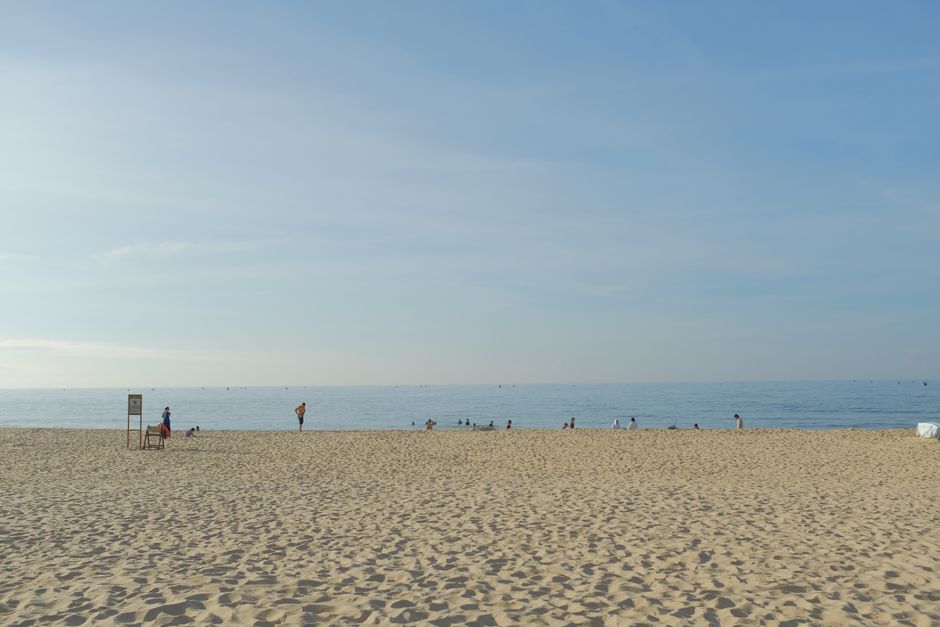
This modern artificial beach brings the Danish coast right to Copenhagen's doorstep, offering city dwellers a sandy escape with views of wind turbines.
Opened in 2010, Svanemøllen Strand transforms a former industrial harbor area into a popular recreational spot. With its 4,000 square meters of sand, a long pier, and excellent water quality, it's a favorite for swimming, sunbathing, and kayaking during the warmer months, providing a refreshing urban waterfront experience distinct from the bustling city center.
8. An Intimate Collection of Global Treasures
Indre By, Copenhagen, Denmark
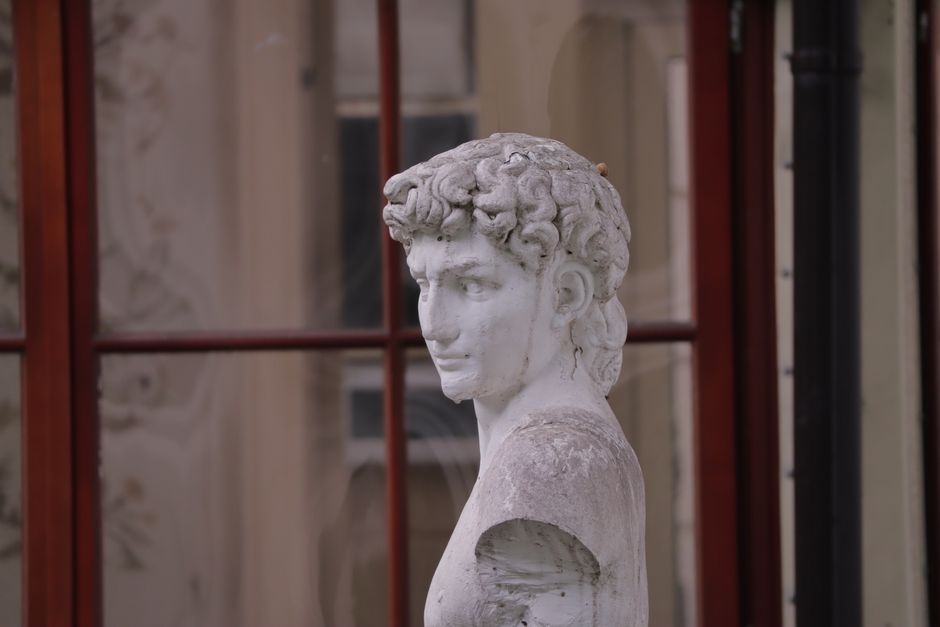
Housed in a former noble residence, this intimate museum holds one of Northern Europe's most significant collections of Islamic art.
The David Collection is a hidden gem, showcasing a remarkable private collection amassed by Christian Ludvig David. Beyond its renowned Islamic art, which spans 1,300 years, the museum also features European 18th-century art and Danish early-modern art, all displayed in beautifully preserved historic interiors. It offers a calm, reflective counterpoint to larger, more crowded museums.
Frequently asked questions
What are some unique, non-touristy things to do in Copenhagen?
Beyond popular attractions, consider exploring the underground Cisternerne art space, picnicking in Assistens Kirkegård, or discovering the global influences at Superkilen Park. These spots offer a deeper insight into Copenhagen's diverse culture and history.
Is Copenhagen walkable, and what's the best way to get around?
Copenhagen is exceptionally walkable, especially its city center and many neighborhoods. For longer distances, cycling is the preferred local method, with extensive bike lanes. The city also has an efficient metro and bus system.
What local food experiences should I try in Copenhagen beyond Danish pastries?
While pastries are a must, seek out open-faced sandwiches (smørrebrød), traditional Danish hot dogs (pølser), or explore the diverse offerings at street food markets like Reffen. Don't miss trying local craft beers or Nordic cuisine at a cozy restaurant.
How can AllTours.ai help me discover Copenhagen's hidden stories?
AllTours.ai is your personal AI audio tour guide. Simply point your phone camera at any landmark, landscape, or even a subtle architectural detail, and the app will instantly narrate its history, geology, and cultural significance in your language, revealing stories you might otherwise miss.
Photography via Pexels. AllTours.ai is an AI audio tour guide — point your camera at any landscape and hear its story.