July 8, 2026 · 4 min read
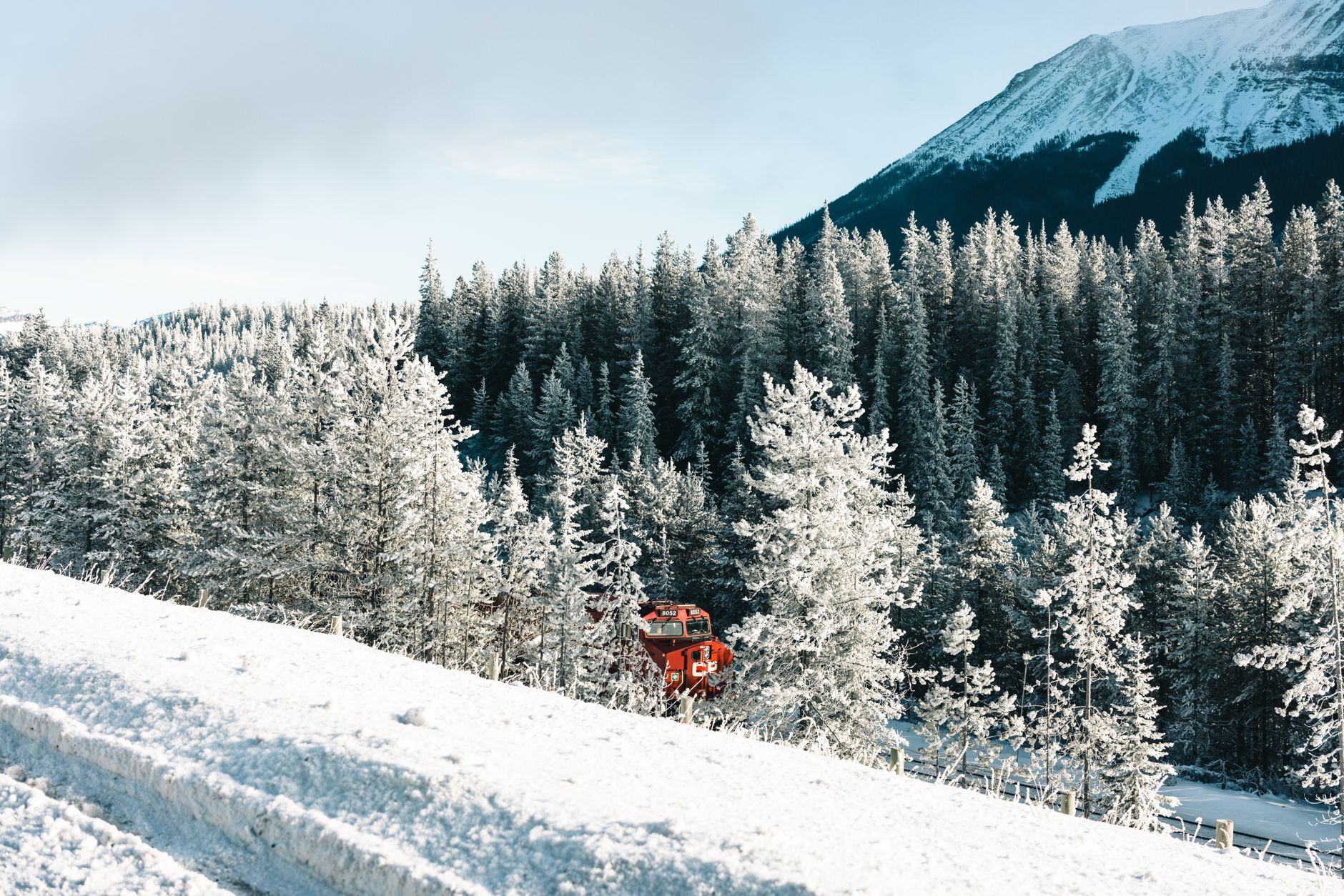
The question "Is it better to travel from Montreal to Vancouver by train or plane?" usually boils down to time versus experience. Flying offers speed, connecting two major cities in mere hours. But what if the journey itself held more value than the destination, revealing a side of Canada most travelers never see?
While a plane zips you over vast stretches of prairie, shield, and mountain, a cross-country train trip immerses you in the subtle, often surprising, beauty of the land. It’s a chance to uncover the real stories behind remote towns and geological wonders that define the nation, far beyond the well-trodden tourist paths.
1. The Laurentian Library
Mattawa, Ontario, Canada
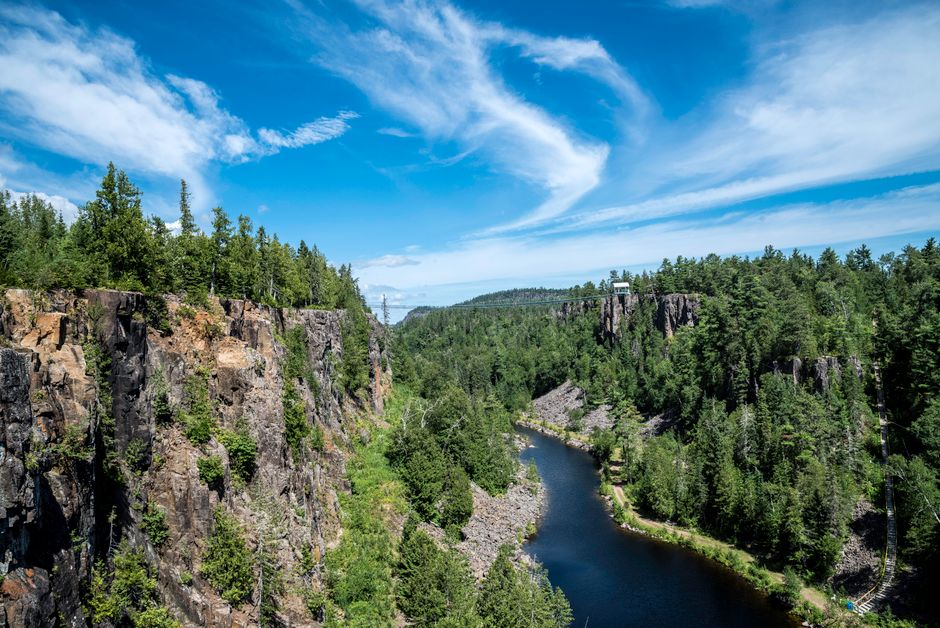
Near Mattawa, ancient rock formations along the river resemble towering, open books, earning them the nickname "The Laurentian Library."
Mattawa, at the confluence of the Mattawa and Ottawa Rivers, was a crucial hub for Indigenous peoples and later for voyageurs and fur traders. The sheer cliffs here, part of the Canadian Shield, have layers of rock eroded by glacial and fluvial forces over millennia. These dramatic formations inspired geologist Alexander Murray in the 1800s to coin the evocative "Laurentian Library" term, suggesting nature's own geological record.
2. Lake Superior's Secret Gardeners
Schreiber, Ontario, Canada
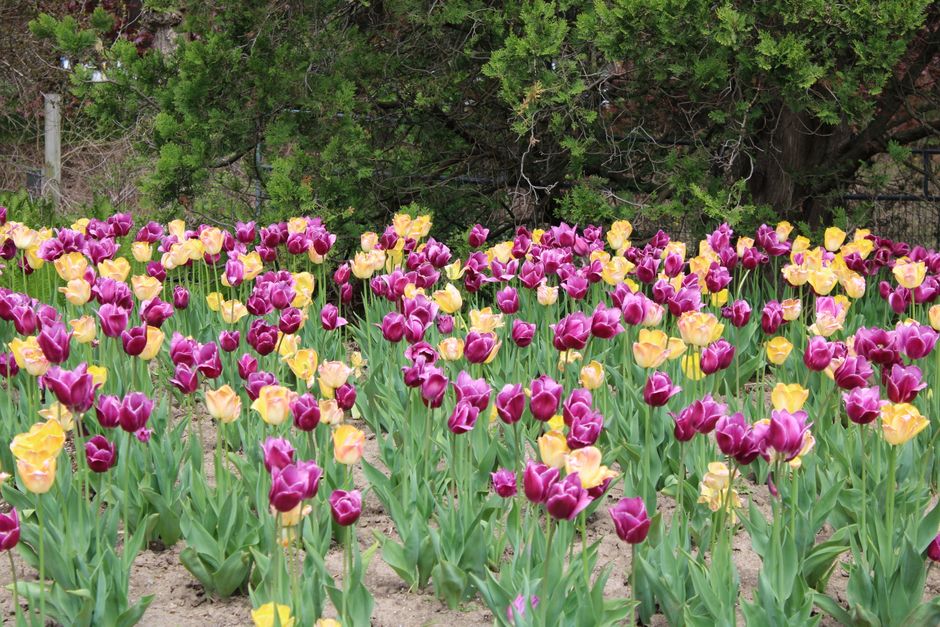
Despite its harsh Canadian Shield location, the small railway town of Schreiber is renowned for its unusually successful home gardens, producing prize-winning tomatoes.
Perched on the north shore of Lake Superior, Schreiber experiences a unique microclimate. The vast body of water moderates temperatures, extending the growing season and protecting plants from early and late frosts. This lake effect, combined with dedicated local gardeners, allows for an unexpected bounty of produce, including vibrant flowers and impressive vegetables that would struggle in similar northern latitudes. It’s a testament to microclimates and human ingenuity.
3. The Northern Hub's Lifeline
Sioux Lookout, Ontario, Canada
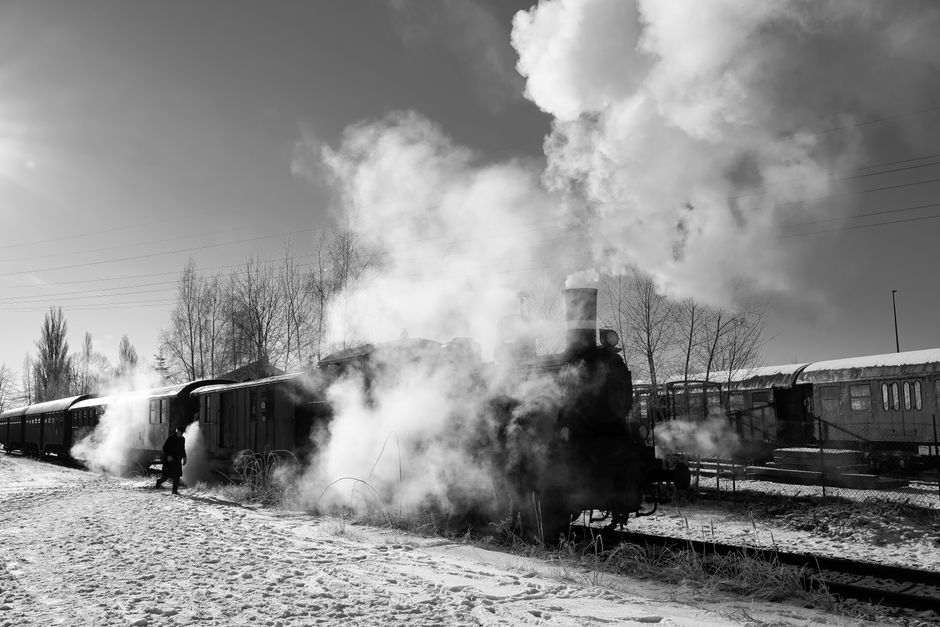
This remote Northern Ontario town, accessible primarily by rail and air, serves as a vital service hub for over 30 surrounding Indigenous communities.
Sioux Lookout holds strategic importance as a major railway division point for the Canadian National Railway and a crucial air services base. Nicknamed the "Hub of the North," it provides essential healthcare, education, and supply access to vast, isolated First Nations territories that would otherwise be cut off. The town's vibrant mix of cultures and its role as a lifeline for thousands makes it a fascinating, if unassuming, stop.
4. Two Main Streets, One Town
Portage la Prairie, Manitoba, Canada
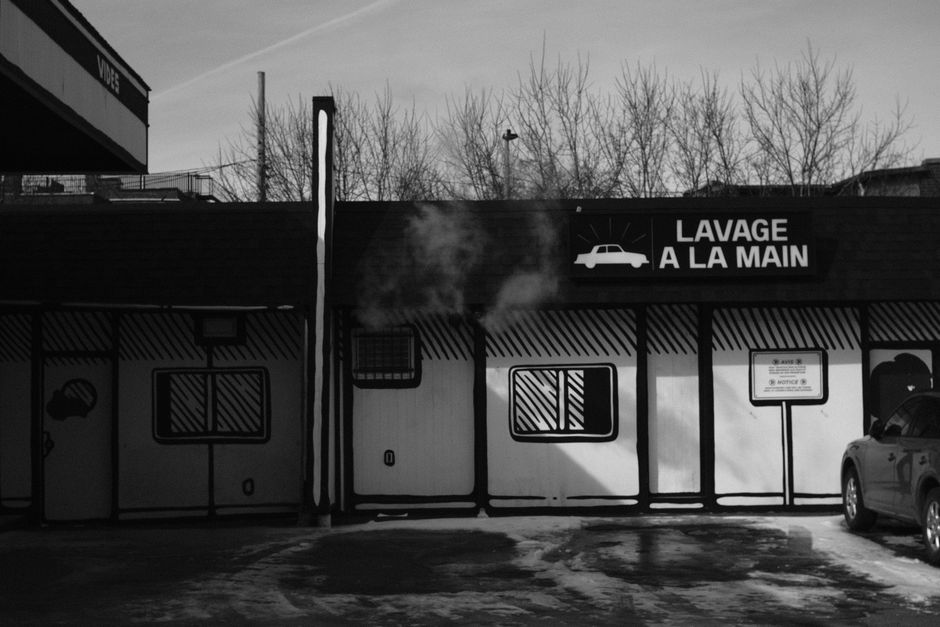
Portage la Prairie uniquely boasts two distinct main streets, built parallel to each other, a legacy of intense railway competition.
In the late 19th century, fierce rivalry between the Canadian Pacific Railway (CPR) and the Canadian National Railway (CNR) led each company to build their own lines and station facilities. Instead of converging, the two railways laid their tracks a short distance apart, prompting businesses and communities to develop around both. This historical quirk means Portage la Prairie maintains two separate, yet equally vibrant, commercial arteries running side-by-side through its core.
5. The Prairies' Green Thumb
Indian Head, Saskatchewan, Canada
Amidst the vast Saskatchewan prairies, Indian Head became home to one of Canada's earliest and most influential experimental farms, shaping the nation's agriculture.
Established in 1887, the Indian Head Experimental Farm was instrumental in developing hardy crop varieties and dryland farming techniques vital for settling the prairies. Its extensive tree nursery, often visible from the train, transformed the treeless landscape, providing shelterbelts and promoting forestry. This agricultural oasis showcases how scientific innovation turned challenging conditions into fertile ground, fundamentally altering the Canadian West.
6. Avalanche Town, Inland Rainforest
Revelstoke, British Columbia, Canada
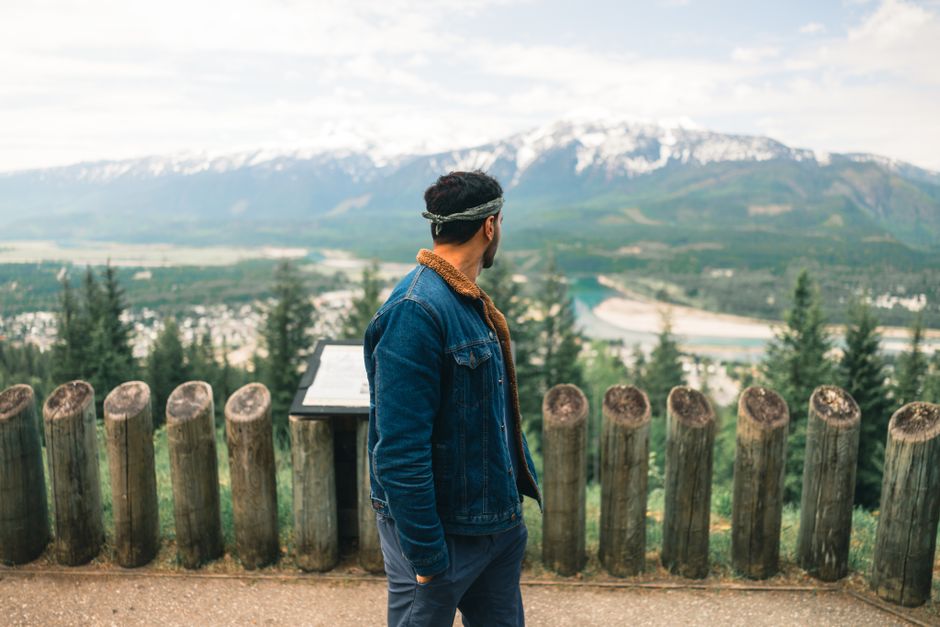
Revelstoke, a town carved out of formidable mountain terrain, is not only a hub for railway history but also surprisingly home to a rare inland temperate rainforest.
Situated in the heart of the Selkirk Mountains, Revelstoke’s existence is a testament to railway engineering, particularly its role in navigating the treacherous Rogers Pass. Beyond its dramatic history of battling avalanches and building tunnels, the area boasts a unique inland temperate rainforest. High precipitation and specific elevation create conditions for ancient cedars and hemlocks to thrive, a lush ecosystem usually associated with coastal regions, far from the Pacific.
7. Saving the Salmon at Hell's Gate
Fraser Canyon, British Columbia, Canada
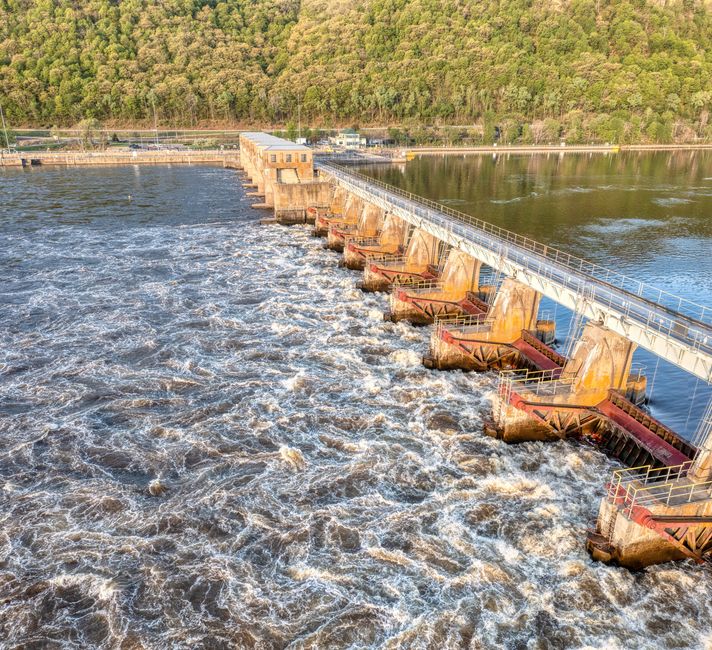
At Hell's Gate in the Fraser Canyon, a series of ingenious fishways were built to save millions of salmon whose migration was imperiled by early railway construction.
The narrow, turbulent waters of Hell's Gate were already a formidable challenge for migrating salmon. When railway blasting debris narrowed the canyon further in the early 20th century, salmon populations plummeted dramatically. In response, a remarkable system of concrete fishways and ladders was constructed, allowing salmon to bypass the most violent rapids. This engineering feat, completed in the 1940s, remains crucial for the survival of several Pacific salmon species.
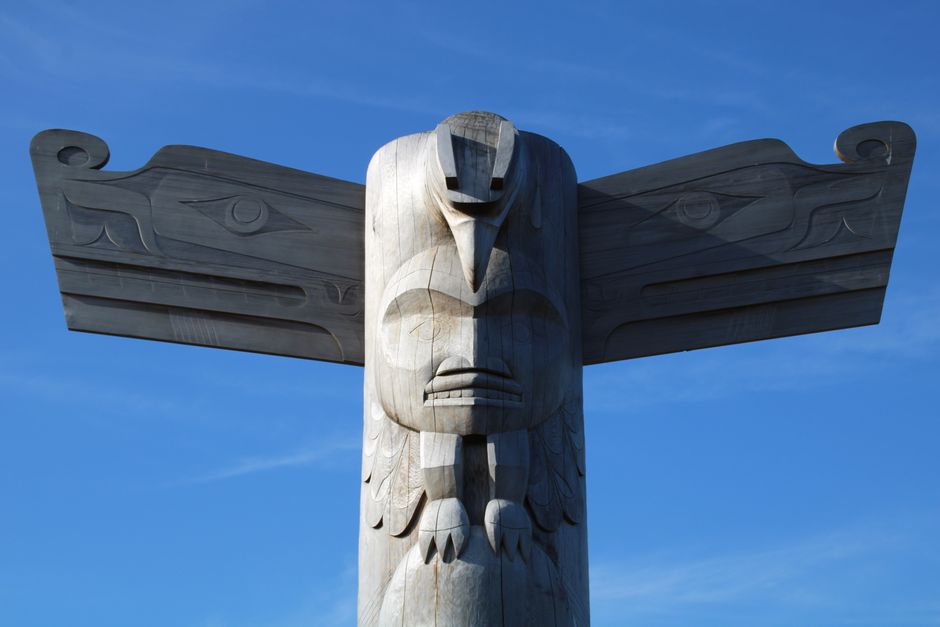
8. Chainsaw Art & Canyon Gateway
Hope, British Columbia, Canada
This small town, marking the dramatic transition from coastal mountains to arid interior, is surprisingly adorned with over 30 intricate chainsaw carvings.
Hope sits at a geographical crossroads, where the Fraser River begins its journey through the canyon, and highway routes diverge into the interior. Beyond its pivotal role as a transportation hub, Hope has embraced an unusual artistic identity. Local and international artists have transformed cedar logs into impressive sculptures depicting wildlife, historical figures, and local lore, turning the town into an open-air gallery for this unique craft.
Frequently asked questions
Is it cheaper to travel from Montreal to Vancouver by train or plane?
Generally, flying is less expensive, especially if you book in advance and are flexible with dates. Train travel, particularly in a sleeper car, can be significantly more costly, though basic coach fares can sometimes compete with last-minute flights. The train's value often lies in the experience, not just the fare.
How much longer does the train take from Montreal to Vancouver compared to flying?
The train journey from Montreal to Vancouver typically takes around 4 to 5 days, depending on the specific route and stops. In contrast, a direct flight between the two cities is roughly 5 to 6 hours. Factor in airport travel and security, and flying might take 8-10 hours door-to-door.
What's the best time of year to take the train across Canada?
Spring (May-June) and Fall (September-October) are generally considered the best times. You'll experience pleasant weather, vibrant foliage (especially in autumn), and fewer crowds than in peak summer. Winter offers a unique, snow-covered landscape, but can have more potential for delays.
How can the AllTours.ai app enhance my train journey across Canada?
As you travel through Canada's diverse landscapes, AllTours.ai acts as your personal guide. Simply point your phone camera at a landmark, a distant mountain, or a river, and the app will narrate its fascinating history, geology, and culture in your preferred language, revealing stories you'd otherwise miss from your train window.
Photography via Pexels. AllTours.ai is an AI audio tour guide — point your camera at any landscape and hear its story.