June 29, 2026 · 4 min read
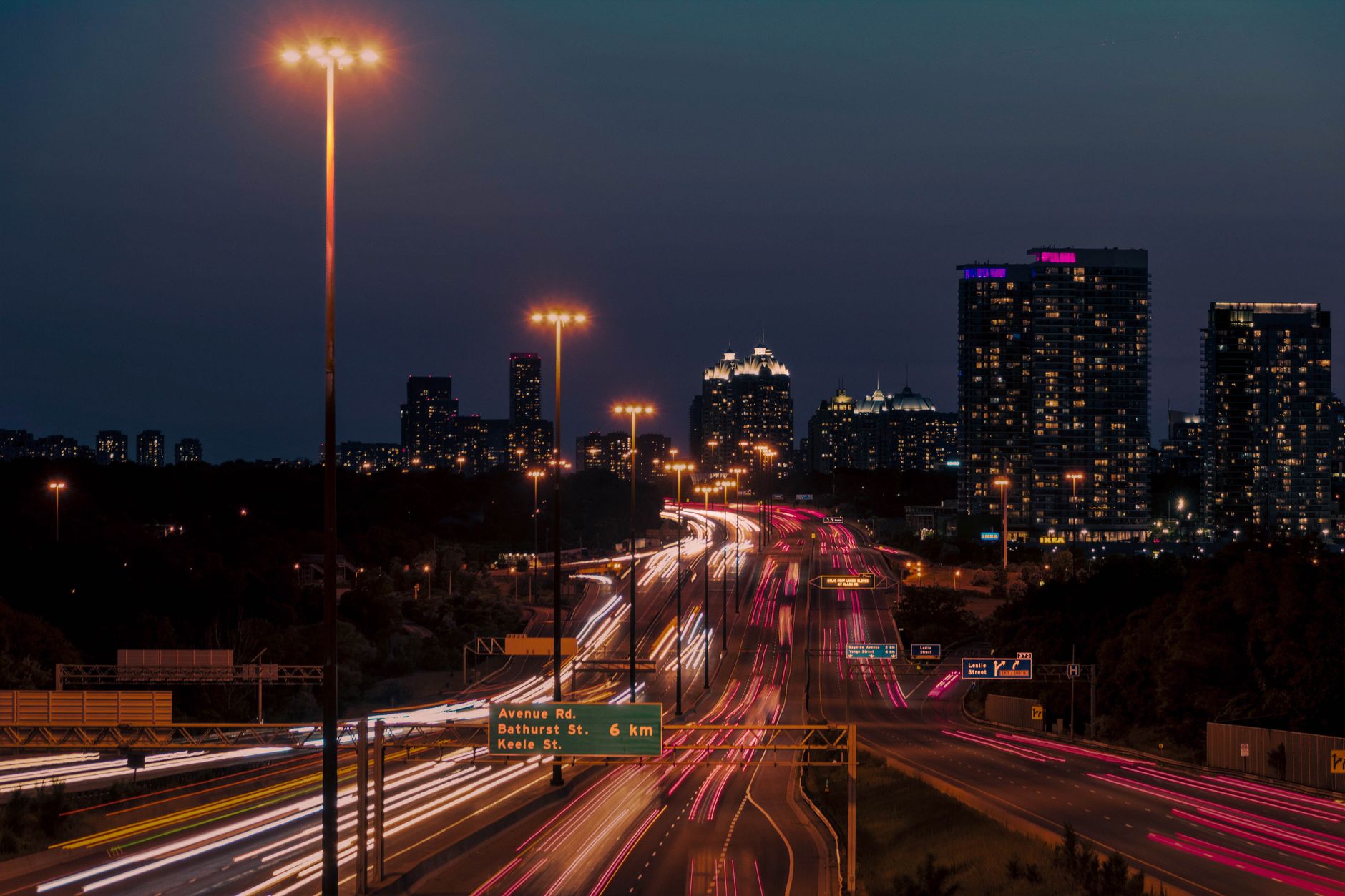
The question, "Is it dangerous to drive from Toronto to Montreal at night?" is a common one for travelers. Generally, the Trans-Canada Highway (Highway 401 in Ontario, A-20 in Quebec) is a well-maintained, multi-lane highway, making nighttime driving largely safe from a road condition perspective. Major cities along the route are well-lit, and rest stops are frequent enough.
However, the real 'danger' isn't on the road itself, but in what you miss by rushing through the darkness. This stretch of Canada is rich with untold stories, peculiar geological formations, and historical whispers that are easily overlooked. Instead of just passing through, consider exploring these lesser-known spots, each with a surprising narrative waiting to be uncovered.
1. The Ancient Heart of Stone
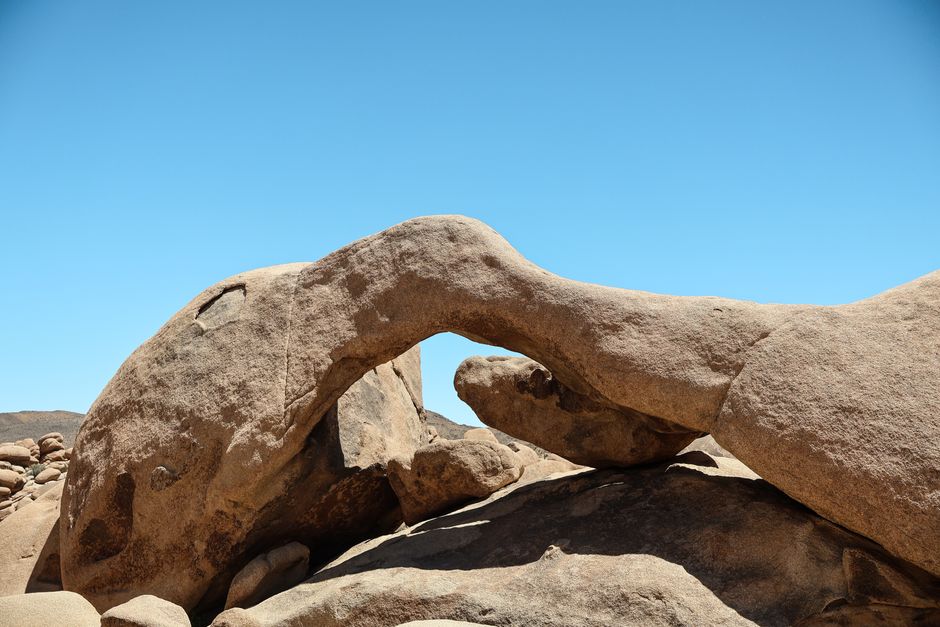
Frontenac Arch Biosphere Reserve, Ontario, Canada
This UNESCO Biosphere Reserve sits atop one of the oldest geological formations on Earth, a natural bridge connecting ancient rock shields.
The Frontenac Arch is a massive, ancient granite bridge linking the Canadian Shield to the Adirondack Mountains in New York. Formed over a billion years ago, its exposed rock reveals geological history on a grand scale. This unique landscape fosters incredible biodiversity, home to rare species and a unique mix of northern and southern flora and fauna, making it a critical ecological corridor.
2. Sentinel of Shipwrecks
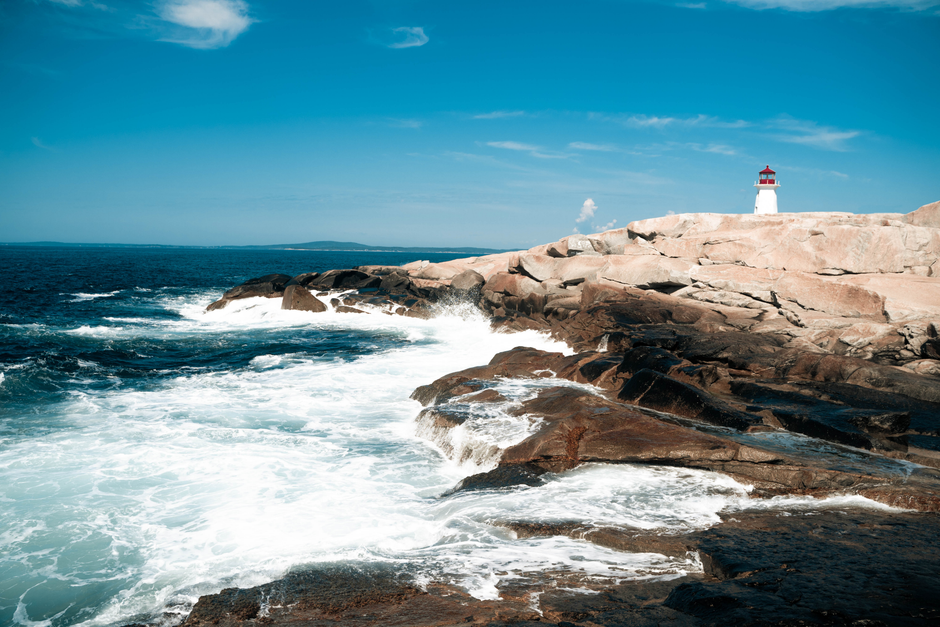
Point Petre Wildlife Area, Prince Edward County, Ontario, Canada
Along a remote, rugged stretch of coastline, a forgotten lighthouse stands guard over a watery graveyard of Lake Ontario shipwrecks.
Point Petre is not the sandy beaches of Prince Edward County; it's a wild, limestone-dominated peninsula known for its treacherous shoals. The Point Petre Lighthouse, built in 1867, once guided ships through these perilous waters, a silent witness to countless vessels lost to storms. Today, it’s a vital bird migratory stopover, offering a stark, beautiful contrast to the county's vineyards, with a haunting sense of history in its windswept landscape.
3. Echoes of a Nation
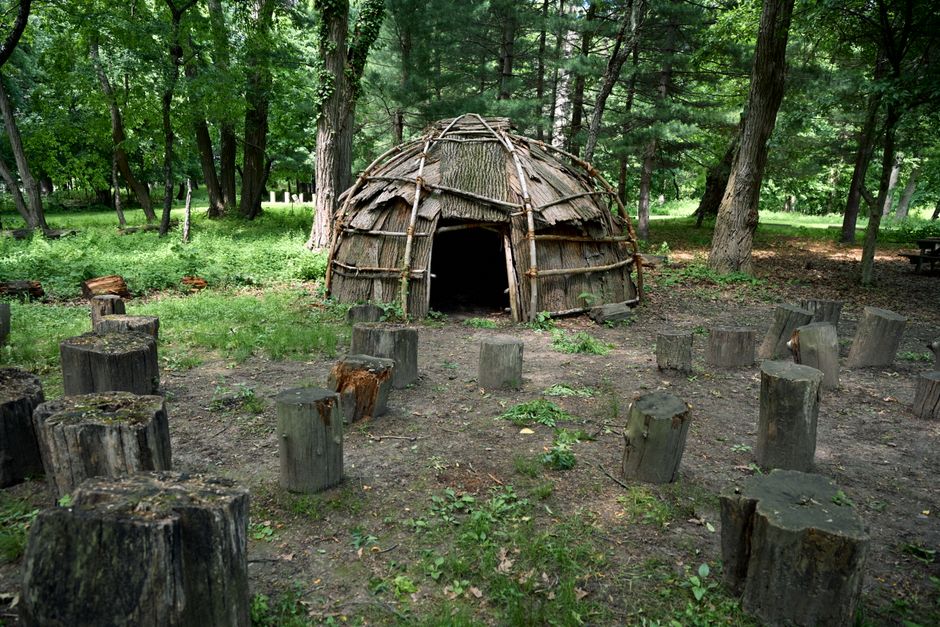
Tyendinaga Mohawk Territory, Ontario, Canada
This vibrant community represents an unbroken thread of Mohawk nationhood, a place where ancient traditions and resilience shaped a distinct cultural landscape.
Tyendinaga Mohawk Territory is one of the largest First Nations communities in Ontario, established in 1784 by Mohawks loyal to the British Crown. It's a living testament to Indigenous perseverance, with a rich history of self-governance and cultural preservation. Exploring the territory offers insight into Mohawk language, art, and contemporary life, revealing a deep connection to the land that predates colonial settlement by millennia.
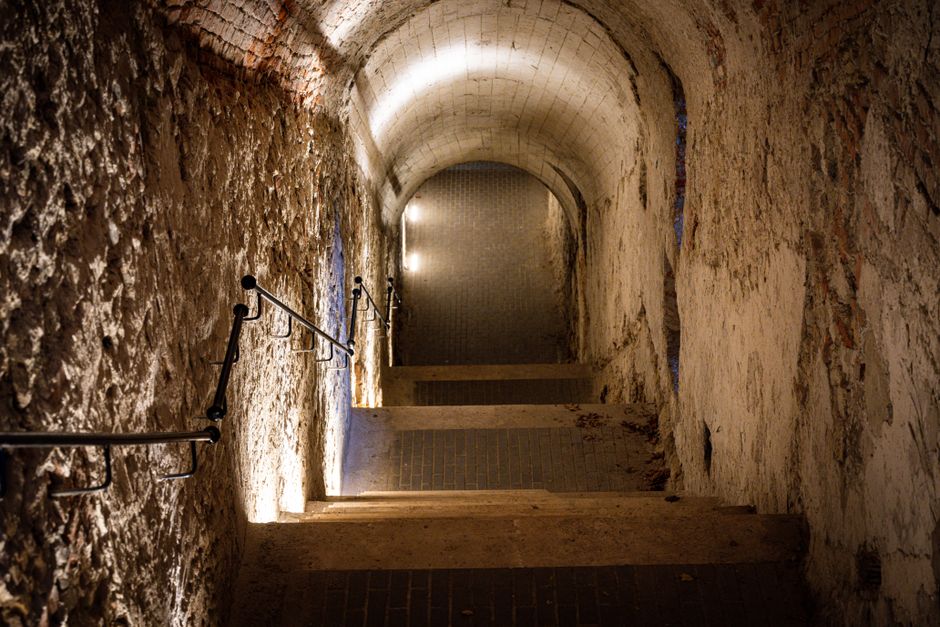
4. Canada's First Subterranean Passage
Brockville Railway Tunnel, Brockville, Ontario, Canada
Walk through Canada's very first railway tunnel, a marvel of 19th-century engineering that once connected the St. Lawrence River to inland trade routes.
Opened in 1860, the Brockville Railway Tunnel was an ambitious feat, burrowing 527 meters beneath the city. It played a crucial role in connecting Brockville's port to northern communities, facilitating trade and industry. Decommissioned in the 1970s, it has been beautifully restored as a pedestrian pathway, complete with colorful LED lighting and sound installations, allowing visitors to experience this piece of industrial history firsthand.
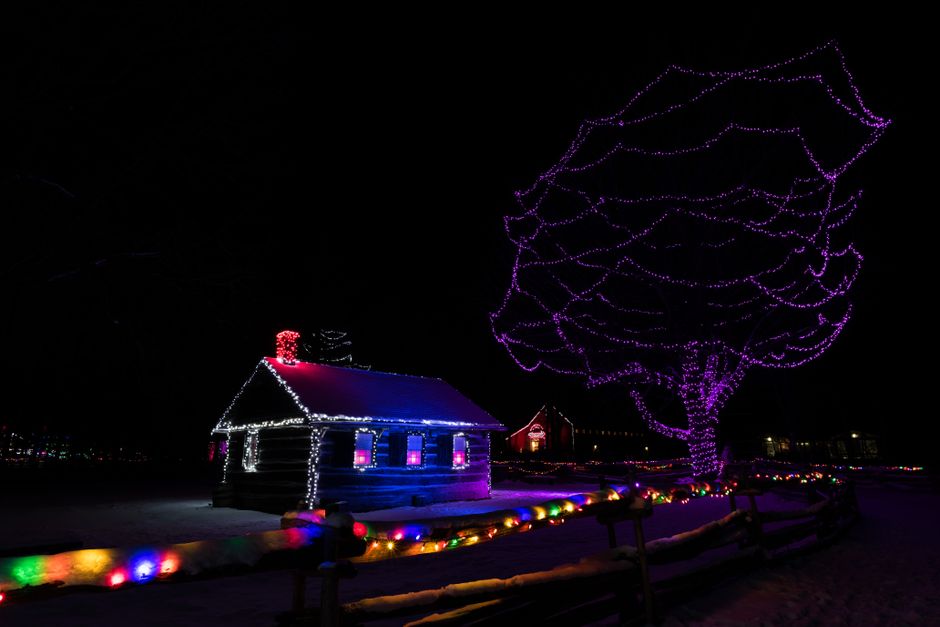
5. The Village That Moved
Upper Canada Village, Morrisburg, Ontario, Canada
This entire 1860s village was meticulously relocated, building by building, to preserve its history from being submerged by the St. Lawrence Seaway project.
When the St. Lawrence Seaway and Hydro Project began in the 1950s, numerous historic communities were destined to disappear under rising waters. Rather than lose their heritage, 40 original buildings were dismantled, transported, and painstakingly reassembled to create Upper Canada Village. It's a living history museum where costumed interpreters demonstrate 1860s rural life, from milling flour to blacksmithing, offering an immersive glimpse into a vanished era.
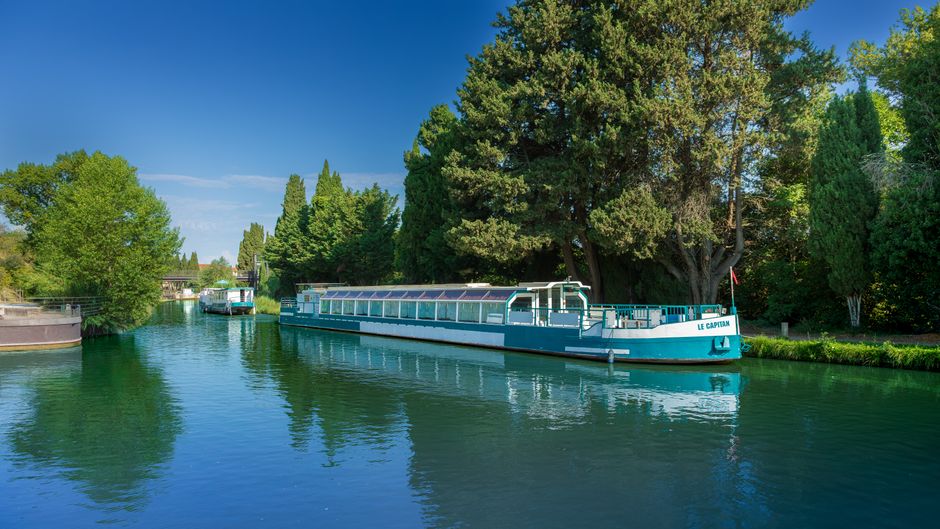
6. North America's First Lock Canal
Coteau-du-Lac National Historic Site, Quebec, Canada
Uncover the remnants of North America's first lock canal, an innovative 18th-century engineering feat that transformed trade and military logistics.
Built by the British between 1779 and 1783, the Coteau-du-Lac canal was a strategic response to the challenging rapids of the St. Lawrence River. This site showcases the foundations of five locks, a blockhouse, and other military structures, revealing its dual role as a crucial trade artery and a defensive post. It's a fascinating blend of Indigenous trading history, military strategy, and early industrial innovation.
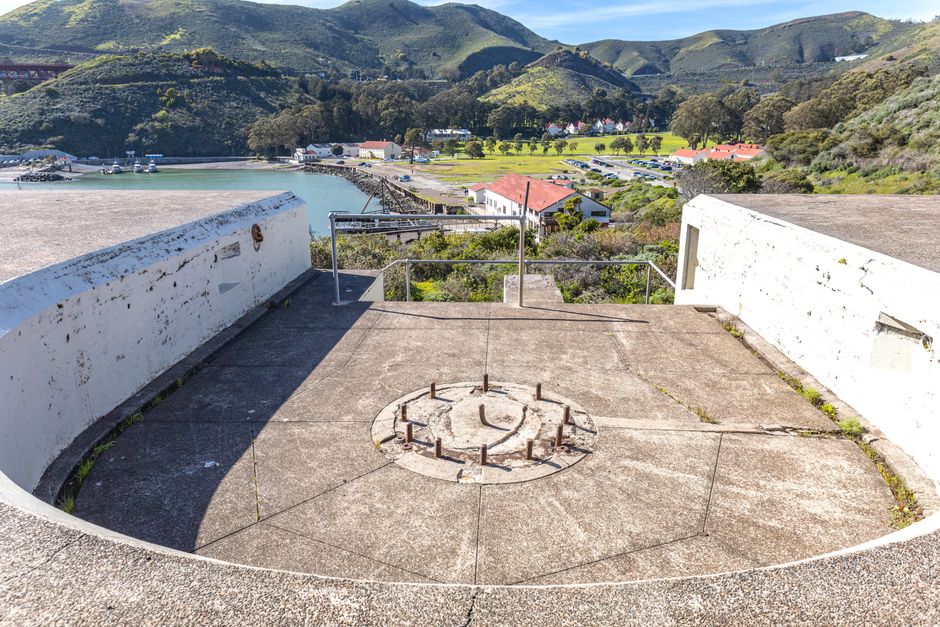
7. The Star Fort's Last Stand
Fort Wellington National Historic Site, Prescott, Ontario, Canada
Explore a rare star-shaped fort, one of the last defensive strongholds built along the St. Lawrence after the War of 1812, designed to deter American invasion.
Fort Wellington, constructed between 1813 and 1815, served as a crucial defensive point during and after the War of 1812. Its star-shaped design, with bastions projecting outwards, was state-of-the-art for its time, maximizing defensive firing angles. Today, visitors can tour the blockhouse, barracks, and defensive earthworks, experiencing the life of a British soldier and the strategic importance of this frontier outpost in safeguarding Upper Canada.
Frequently asked questions
What are the road conditions like when driving Toronto to Montreal?
The main route, Highway 401 in Ontario and A-20 in Quebec, is a well-maintained, multi-lane highway. Conditions are generally excellent, though winter weather can bring snow and ice, requiring extra caution. During warmer months, it's a smooth drive.
Are there enough rest stops and gas stations along the Toronto-Montreal route?
Yes, both Ontario's 401 and Quebec's A-20 have numerous ONroute and Autoroute rest stops, respectively, offering gas, food, and washrooms. These are typically well-spaced, ensuring you won't go long without amenities.
What should I be aware of when driving at night in rural areas?
While the main highway is well-lit in many sections, rural areas off the highway can be very dark. Watch out for wildlife, especially deer, which are more active at dawn, dusk, and night. Use high beams when safe and be extra vigilant for unmarked turns.
How can AllTours.ai help me explore these places?
AllTours.ai enhances your exploration by narrating the history, geology, and culture of the places you visit. Simply point your phone camera at a landmark or landscape, and the app provides an immersive audio tour in your preferred language, bringing these hidden gems to life as you stand right there.
Photography via Pexels. AllTours.ai is an AI audio tour guide — point your camera at any landscape and hear its story.