June 15, 2026 · 5 min read
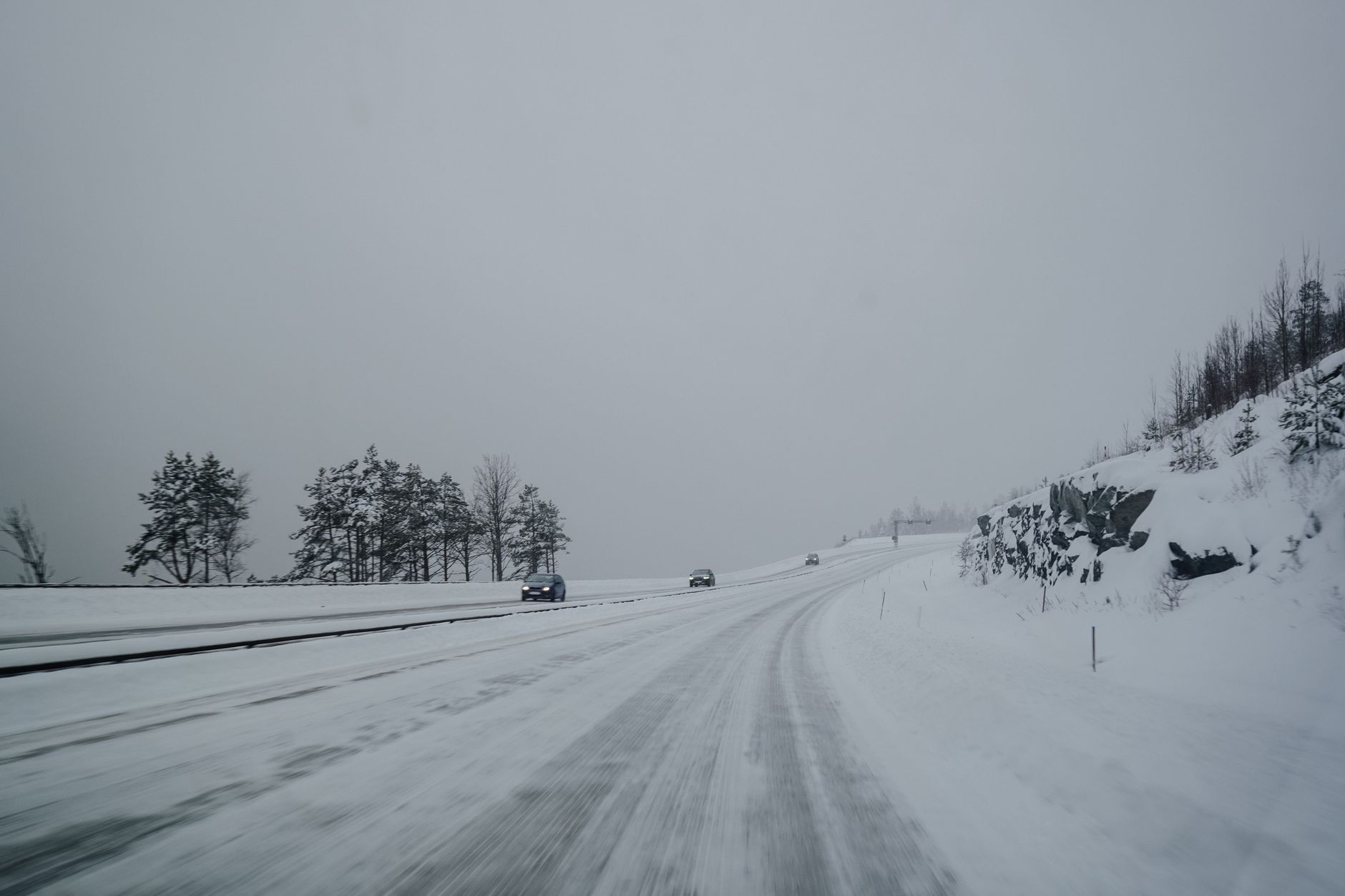
The drive between Montreal and Ottawa is a well-trodden path, but winter transforms it into a landscape of quiet beauty and, for the prepared traveler, safe adventure. While the primary question of "Is it safe to drive from Montreal to Ottawa during winter?" can be confidently answered with a 'yes' (provided you check conditions and prepare your vehicle), the real joy lies in the unexpected discoveries along the way.
Beyond the main highway, a wealth of hidden stories, geological marvels, and cultural gems await those willing to take a slight detour. This isn't just a commute; it's an opportunity to experience a different side of Quebec and Ontario, revealing histories often overlooked by the casual traveler. Let's explore some truly unique spots that make this winter journey unforgettable.
1. The Fortress of Waterways
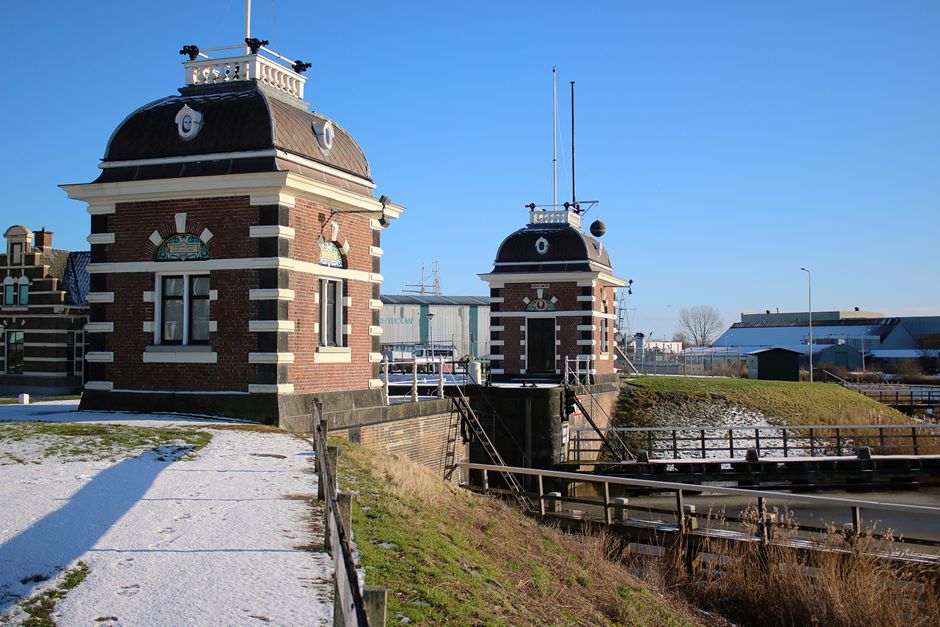
Carillon Canal National Historic Site, Quebec, Canada
Beneath the modern locks of Carillon lies the submerged remains of a 19th-century military canal, built to secure vital supply routes.
The Carillon Canal, part of the historic Ottawa River navigation system, boasts a dramatic past. Its original locks, completed in 1833, were a marvel of engineering for their time, designed to bypass treacherous rapids. They were not merely for commerce but served a strategic military purpose, offering a secure inland passage between Montreal and the nascent capital region, particularly after the War of 1812. Today, the 1960s hydroelectric project flooded much of the original canal, yet its historical significance as a defensive and commercial artery remains palpable.
2. Ontario's Oldest Stone Walls
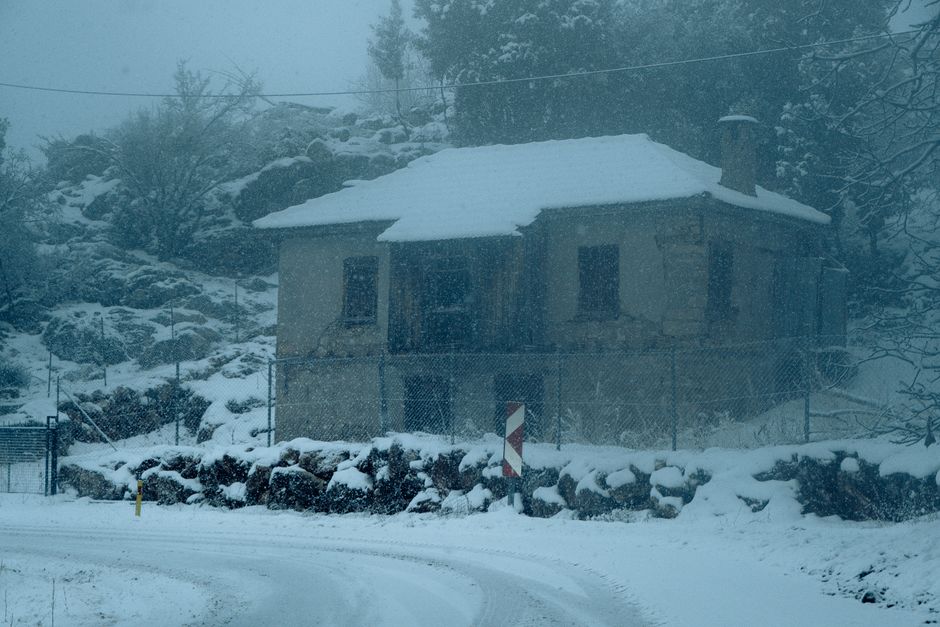
L'Orignal Old Jail, Ontario, Canada
This imposing stone structure, built in 1825, isn't just Ontario's oldest jail still standing; its cells once held prisoners from the Lower Canada Rebellion of 1837-38.
The L'Orignal Old Jail stands as a stark reminder of early Upper Canada justice. Its thick stone walls, designed to be escape-proof, witnessed generations of inmates. Crucially, during the turbulent Rebellions, it housed patriotes, French-Canadian rebels fighting for political reform. Imagine the hushed conversations, the desperate hopes, and the harsh realities within these very walls, far removed from the grand historical narratives of Montreal and Quebec City. It offers a tangible link to a pivotal, often overlooked, period of Canadian history.
3. A Prehistoric Peatland
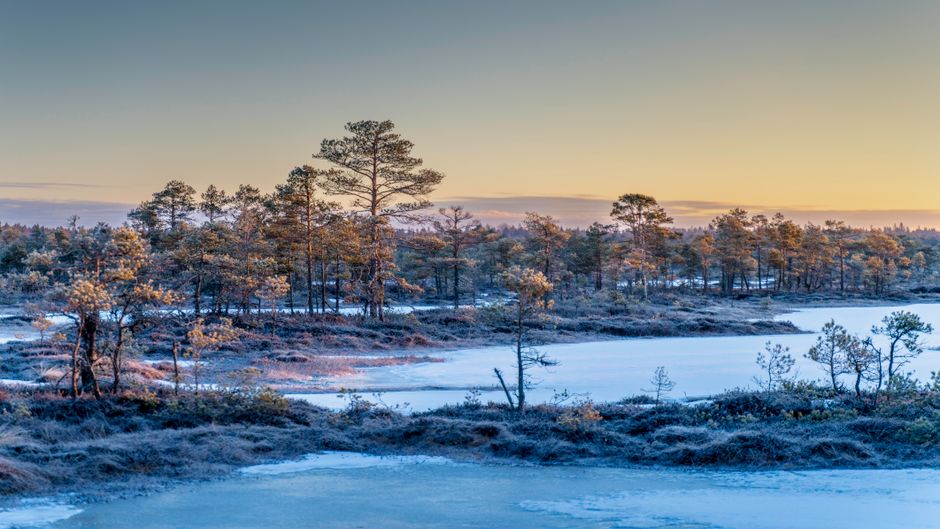
Alfred Bog, Ontario, Canada
Step into a landscape where carnivorous plants thrive and ancient peat stores millennia of environmental secrets, a rare raised bog that feels like a journey back in time.
The Alfred Bog is an ecological marvel, a sprawling raised bog formed over 10,000 years ago in a former glacial lakebed. This unique ecosystem supports a surprising array of life, including rare orchids, sundews, and pitcher plants that lure and digest insects. Its deep peat layers act as a natural archive, preserving pollen and plant matter that tell the story of climate change and vegetation shifts since the last ice age. Winter transforms it into a stark, beautiful wilderness, a silent testament to enduring natural processes.
4. The Four-Month Log Marvel
Château Montebello, Quebec, Canada
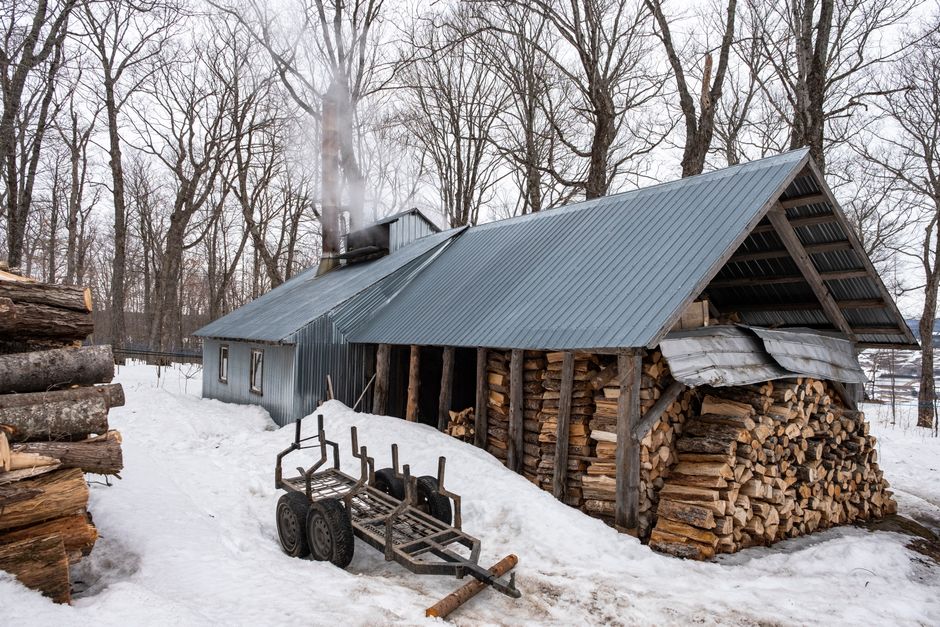
The world's largest log structure, the Fairmont Le Château Montebello, was incredibly built in just four months during the Great Depression by 800 loggers and craftsmen.
While now a luxurious hotel, the story of Château Montebello's construction is a feat of human ingenuity and sheer will. In 1930, amid economic hardship, a Swedish master builder led a team of 800 men working tirelessly, often around the clock, to complete this massive log cabin. They used over 10,000 red cedar logs, all perfectly fitted, creating a structure that has stood the test of time. Its rapid construction provided much-needed employment and stands as a symbol of resilience and craftsmanship during a challenging era.
5. The Rebel's Retreat
Manoir Papineau National Historic Site, Montebello, Quebec, Canada
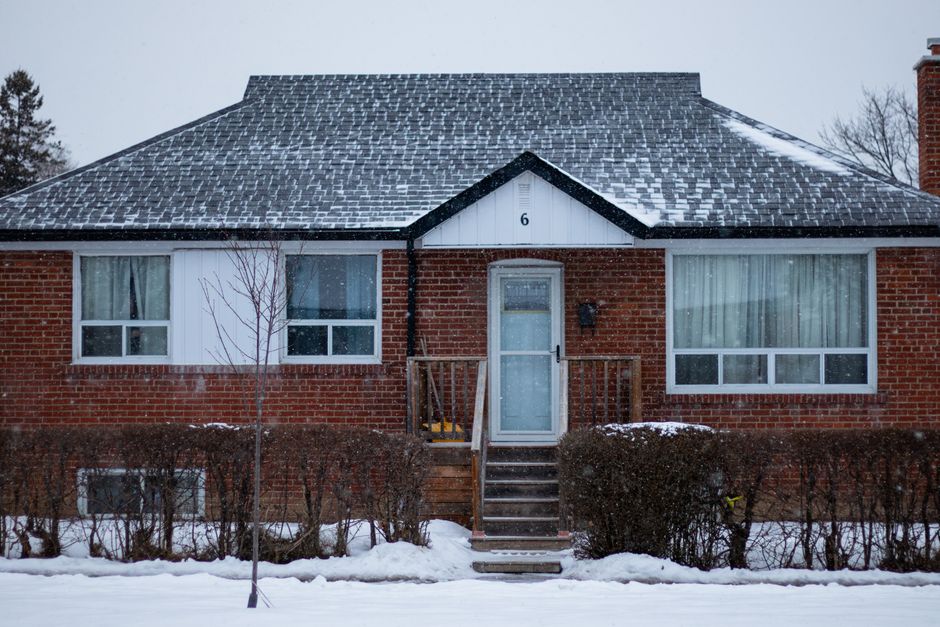
This sprawling estate was the country home of Louis-Joseph Papineau, the fiery leader of the Lower Canada Rebellions, a man who dared to challenge British colonial rule.
Just a stone's throw from the Château Montebello, Manoir Papineau offers a glimpse into the life of one of Quebec's most significant historical figures. Louis-Joseph Papineau, a brilliant orator and politician, used this estate as his refuge and intellectual hub. His defiance against the British Crown in the 1830s shaped Canadian identity and fueled the push for greater autonomy. Exploring his home in winter evokes a sense of the solitude and contemplation that might have defined his moments away from the political fray, imagining the weighty decisions made within its walls.
6. Loyalist Legacy on the Lake
Hudson, Quebec, Canada
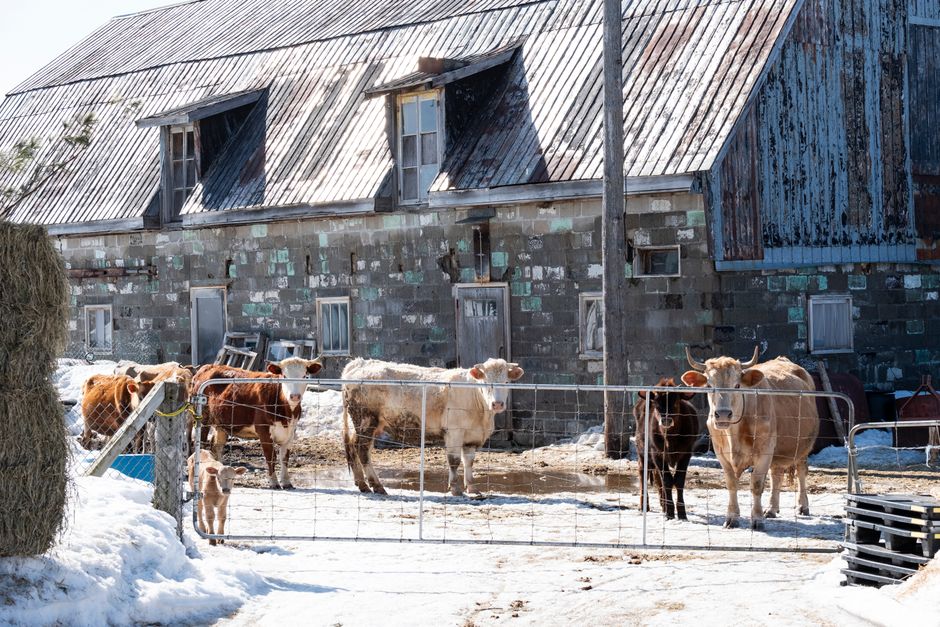
This picturesque village, founded by American Loyalists fleeing the revolution, boasts a unique architectural heritage, including homes repurposed with surprising histories.
Hudson's charm lies in its well-preserved Loyalist architecture and its serene setting on Lac des Deux Montagnes. Unlike many Quebec towns, its roots are deeply intertwined with English-speaking settlers who arrived seeking new lives after the American Revolution. One example is the Greenwood Centre for Living History, a beautifully maintained 1820s house, originally built by a Loyalist family. Its rooms whisper stories of adaptation, resilience, and the forging of a new cultural identity in a French-speaking land, offering a distinct historical perspective often overshadowed by Montreal's grandeur.

7. The Gingerbread Capital
Vankleek Hill, Ontario, Canada
Discover "The Gingerbread Capital of Ontario," a charming town renowned for its meticulously preserved Victorian homes adorned with intricate wooden fretwork.
Vankleek Hill is a delightful detour, a town proud of its architectural heritage. During the late 19th and early 20th centuries, local carpenters specialized in elaborate "gingerbread" trim, transforming ordinary houses into picturesque masterpieces. This unique decorative style, often seen in pastel colours, gives the town a distinctive, storybook feel, especially when dusted with snow. It's a testament to a bygone era of craftsmanship and community pride, a living museum of Victorian aesthetics that stands out amidst the more utilitarian structures of rural Ontario.
8. The Island Mountain Anomaly
Mont Rigaud, Quebec, Canada
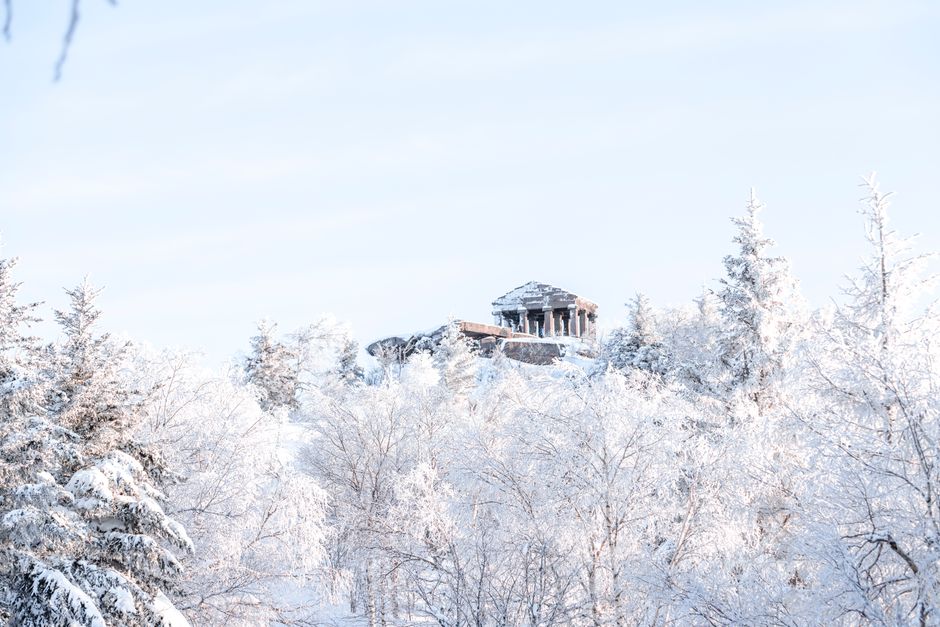
Rising abruptly from the flat landscape, Mont Rigaud is a geological "monadnock"—an isolated mountain that stubbornly resisted the immense erosive power of ancient glaciers.
Mont Rigaud, often mistaken for just a ski hill, is a fascinating geological feature. It's an erosional remnant, a harder, more resistant rock mass that stood firm while the surrounding softer rock was scoured away by successive ice ages. This makes it an "island mountain" in a relatively flat region, offering panoramic views and unique ecosystems not found elsewhere nearby. Its presence is a silent, enduring testament to the powerful forces that shaped the North American continent over millions of years, a stark reminder of deep time.
Frequently asked questions
What are the essential safety tips for driving from Montreal to Ottawa in winter?
Always check weather forecasts and road conditions before you leave. Ensure your vehicle has winter tires, a full tank of gas, and an emergency kit including blankets, a flashlight, and booster cables. Drive slowly, maintain extra distance between vehicles, and be aware of black ice, especially on bridges and shaded areas.
What should I pack in my car for a winter road trip between Montreal and Ottawa?
Beyond your regular travel essentials, pack a winter emergency kit. This should include warm blankets, extra hats and gloves, a shovel, sand or kitty litter for traction, a fully charged power bank for your phone, non-perishable snacks, water, and an ice scraper with a brush. Ensure your windshield washer fluid is topped up with a winter-specific formula.
Are gas stations and rest stops regularly open along the Montreal to Ottawa route during winter?
Yes, the main highways (A-40/A-417) between Montreal and Ottawa are well-serviced. You'll find gas stations, convenience stores, and rest areas open year-round in towns like Rigaud, Hawkesbury, and Vankleek Hill. However, it's always wise to keep your gas tank at least half full and to plan your stops, especially during severe weather conditions, as some smaller, off-highway services might have reduced hours.
How can the AllTours.ai app enhance my winter road trip experience?
The AllTours.ai app transforms your drive into an immersive historical and cultural journey. Simply point your phone camera at any landmark, landscape, or even a quaint town you pass, and the app will narrate its history, geology, and cultural significance in your preferred language. It's like having a personal expert guide pointing out all the hidden stories along your route, turning a simple drive into an unforgettable exploration.
Photography via Pexels. AllTours.ai is an AI audio tour guide — point your camera at any landscape and hear its story.