June 20, 2026 · 4 min read
The question, "Is Laval (Quebec) a city or part of Montreal?" is a common one for visitors planning a trip to the Greater Montreal area. While geographically close and culturally intertwined, Laval is in fact its own distinct city, the third largest in Quebec. It boasts a unique identity, a rich history, and a surprising array of hidden gems often overlooked by travelers heading straight for Montreal's more famous attractions.
Beyond its bustling commercial centers and residential areas, Laval offers a fascinating tapestry of natural beauty, historical sites, and cultural pockets that tell a story all their own. If you're looking to explore Quebec beyond the well-trodden path, Laval provides an authentic and rewarding experience. Here are some of its lesser-known treasures, each with a captivating story waiting to be discovered.
1. The Patriote's Quiet Retreat
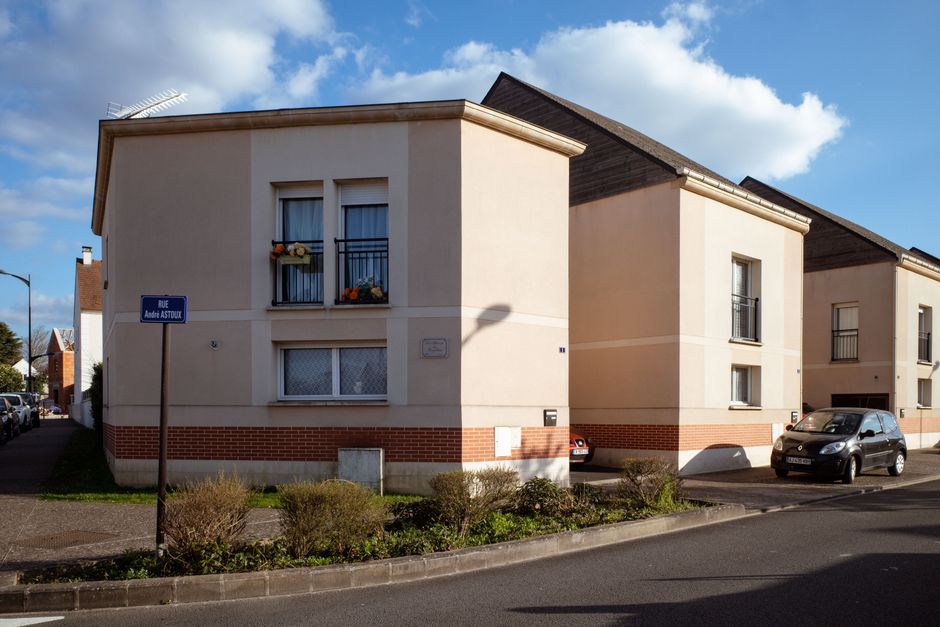
Maison André-Benjamin-Papineau, Laval, Canada
This seemingly unassuming farmhouse holds a direct link to one of Quebec's most significant historical rebellions.
The Maison André-Benjamin-Papineau, a charming stone house dating back to the early 19th century, was the home of Louis-Joseph Papineau's nephew. Louis-Joseph was a pivotal figure in the Patriotes Rebellion of 1837-1838. While his famous uncle was at the heart of political turmoil, André-Benjamin's home offers a glimpse into the daily life of a family connected to a revolutionary era, far from the battlefields but still touched by the spirit of change.
2. Laval's Ancient Cider Secrets
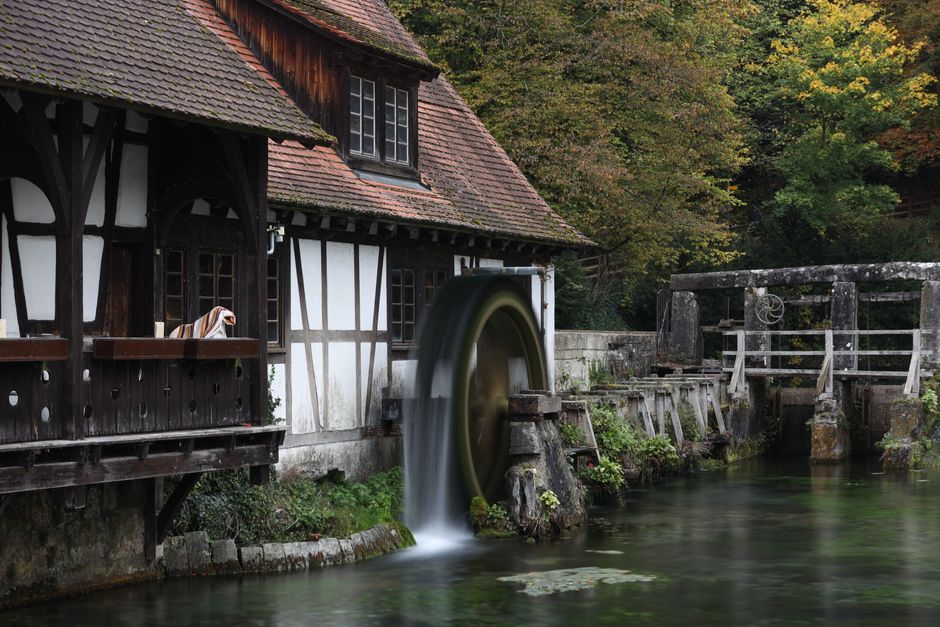
Maison du Pressoir, Laval, Canada
Discover a heritage site dedicated to the age-old tradition of apple pressing and cider making.
Nestled in the Sainte-Rose sector, the Maison du Pressoir is a faithful reconstruction of a 17th-century cider press house. It vividly illustrates the importance of apple cultivation and cider production in early Quebec life. Visitors can learn about traditional methods, from harvesting to fermentation, and understand how cider was not just a drink but a vital part of the colonial economy and social fabric. It's a tangible link to Laval's agricultural past.
3. The Secretive Urban Marshland
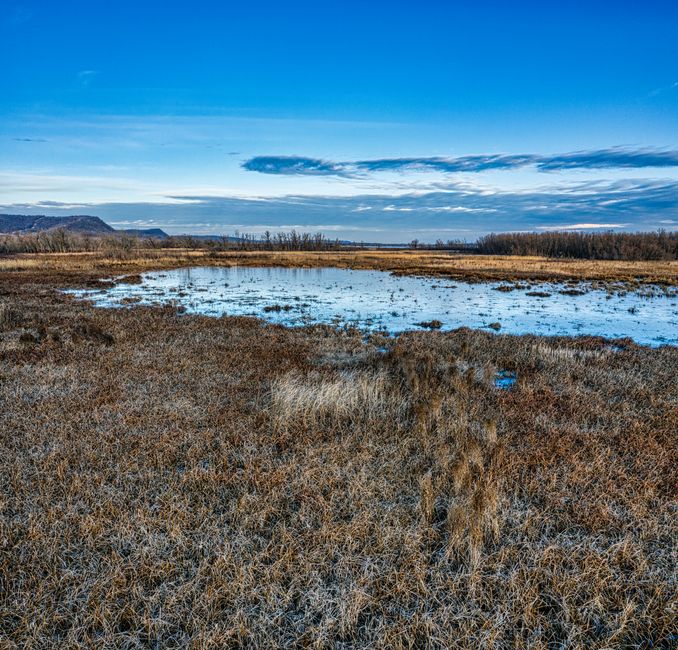
Parc des Prairies, Laval, Canada
A vast urban park in Laval secretly hosts rare bird species and showcases ancient river ecosystems.
Parc des Prairies is a significant green space, but its true gem lies in its extensive marshlands and wetlands. These delicate ecosystems are crucial habitats for a surprising diversity of migratory birds and local wildlife, often overlooked by casual visitors. The park serves as a living laboratory, demonstrating the ecological importance of the Rivière des Prairies and offering serene boardwalks that allow quiet observation of this vital natural heritage.
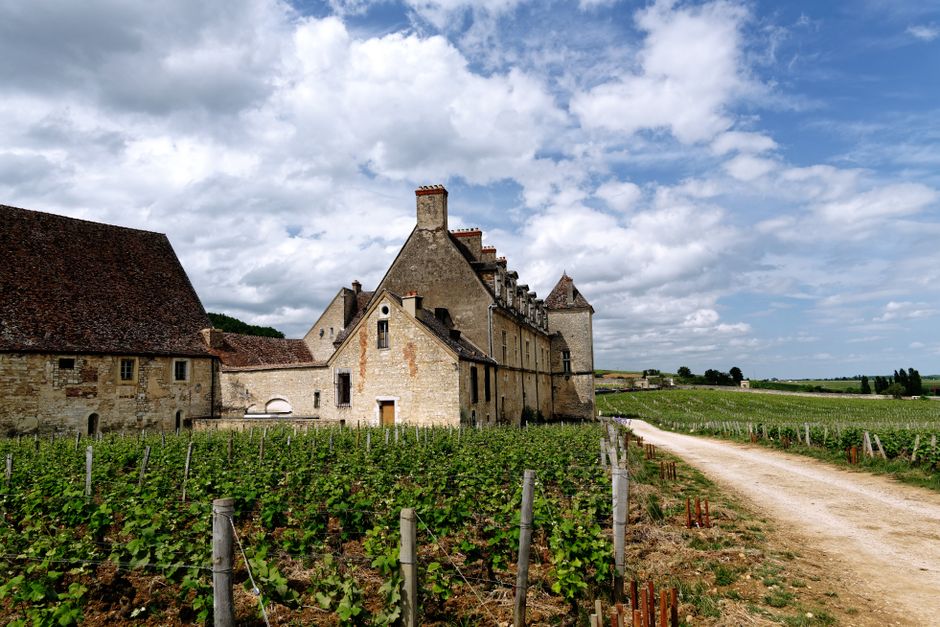
4. A Vineyard Defying Northern Climates
Château Taillefer Lafon, Laval, Canada
Experience one of Quebec's pioneering vineyards, proving that quality wine can be produced in unexpected northern latitudes.
Château Taillefer Lafon stands as a testament to agricultural innovation in Quebec. As one of the province's first commercial vineyards, it has successfully cultivated grapes typically associated with warmer climates, producing award-winning wines and ice wines. The story here is one of perseverance and adapting viticulture to the unique soil and climatic conditions of Laval, challenging preconceptions about wine regions and offering a unique tasting experience.
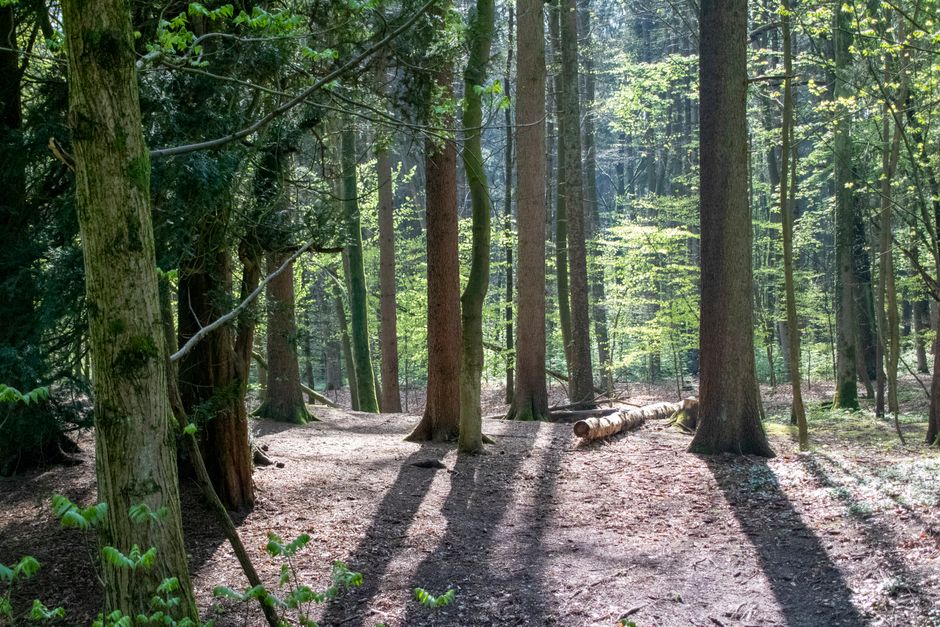
5. Laval's Green Sentinel
Bois de l'Équerre, Laval, Canada
Uncover a hidden forest in Laval that was once part of a vast seigneurial estate, now a vital urban lung.
The Bois de l'Équerre is a significant forested area, a remnant of the large seigneurial lands that once dominated Laval. This urban forest provides critical habitat for local wildlife and offers residents a tranquil escape into nature. Its preservation reflects a commitment to protecting Laval's natural heritage, allowing visitors to hike trails that were once likely traversed by early settlers and seigneurial administrators, connecting the present to a deep historical past.
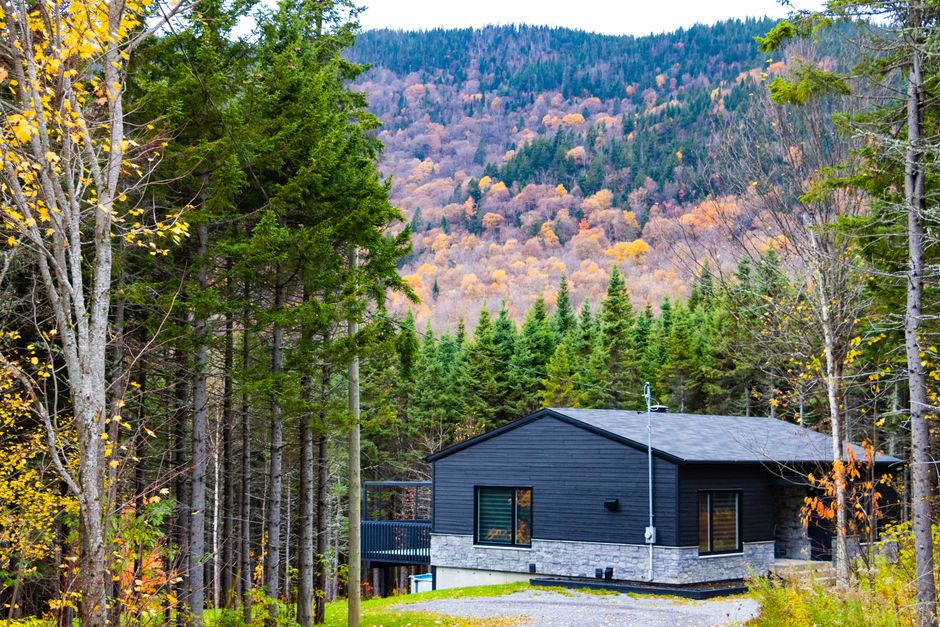
6. The Island's Collective Memory
Maison des Bâtisseurs, Laval, Canada
This unassuming house safeguards the collective memory of Laval's island identity, from Indigenous roots to modern growth.
The Maison des Bâtisseurs, home to the Société d'histoire et de généalogie de l'Île Jésus, is more than just an old building; it's the keeper of Laval's stories. Through its archives and exhibits, it traces the island's evolution from its Indigenous heritage, through French colonial settlement, and into its modern development. It offers a deep dive into the lives of the "builders" who shaped Laval, presenting local history that often goes untold in broader Quebec narratives.
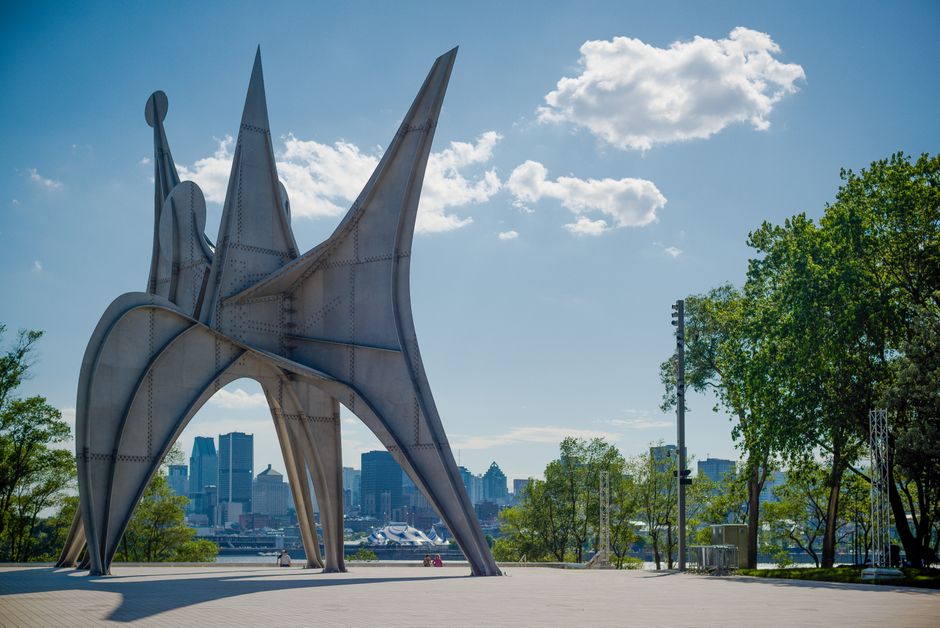
7. Echoes of a River Trade Hub
Parc de la Gare (Vieux Ste-Dorothée), Laval, Canada
This charming park marks the historic spot of a former railway station that once connected Laval to Montreal and beyond.
Parc de la Gare, located in the picturesque Vieux Ste-Dorothée sector, occupies the site of a former Canadian Pacific Railway station. This station was a vital artery for transportation and trade, linking the agricultural communities of Laval to Montreal's markets and the wider world. The park, with its preserved elements and historical markers, offers a quiet reflection on an era when rail travel defined progress and shaped the growth of communities along the Rivière des Mille Îles.
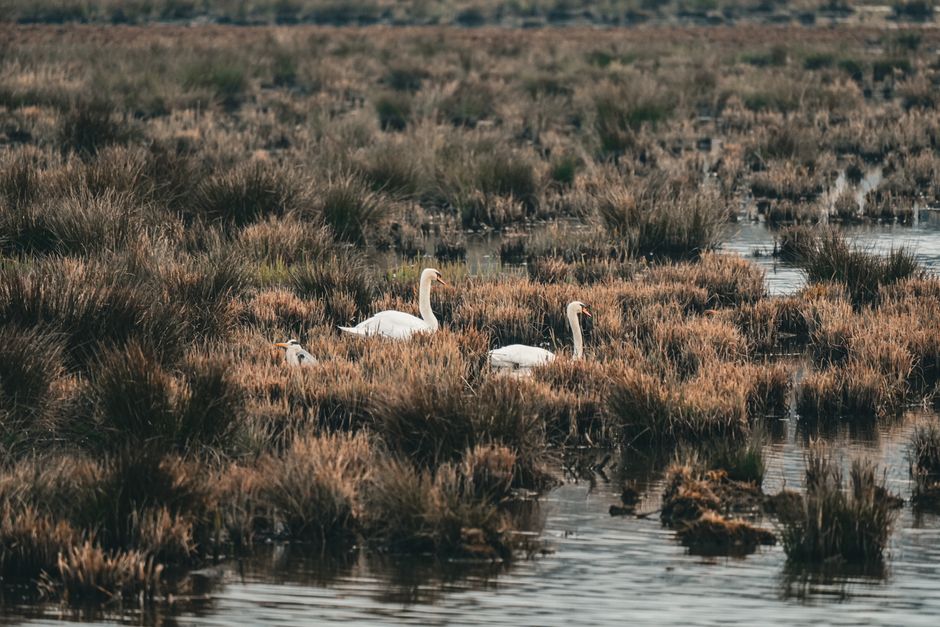
8. Île aux Chèvres: A Bird Sanctuary's Secret
Île aux Chèvres, Laval, Canada
A small island in the vast Rivière des Mille Îles holds a crucial, yet largely unknown, role as a bird sanctuary.
Part of the larger Parc de la Rivière-des-Mille-Îles, Île aux Chèvres (Goat Island) is a specific and vital sanctuary for numerous bird species. While many visit the main park, this particular island's importance as a nesting ground and migratory stopover is often overlooked. Its protected status highlights the delicate balance of urban development and ecological preservation, offering a glimpse into the river's ancient role as a natural highway for wildlife.
Frequently asked questions
Is Laval considered part of Montreal?
No, Laval is not part of Montreal. It is a completely separate and independent city, the third-largest in Quebec. While it's geographically very close and part of the Greater Montreal metropolitan area, Laval has its own municipal government, distinct identity, and unique attractions.
What is Laval known for beyond Montreal?
Beyond its proximity to Montreal, Laval is known for its diverse economy, large shopping centers, and growing technological sector. However, it also boasts significant green spaces, historic sites like the Maison André-Benjamin-Papineau, and unique natural areas such as the Parc des Prairies wetlands and the extensive Rivière des Mille Îles.
How far is Laval from downtown Montreal?
Laval is immediately north of Montreal, separated by the Rivière des Prairies. Driving from downtown Montreal to central Laval typically takes about 20-30 minutes, depending on traffic. It's easily accessible by car, public transit (metro and bus), and commuter trains, making it a convenient destination for a day trip.
How can AllTours.ai enhance my visit to Laval?
AllTours.ai can transform your exploration of Laval by providing on-the-spot narratives for its hidden gems. Simply point your phone camera at a landmark, a natural feature, or even a street corner, and the app will instantly narrate its history, geology, or cultural significance in your language, bringing every detail to life.
Photography via Pexels. AllTours.ai is an AI audio tour guide — point your camera at any landscape and hear its story.