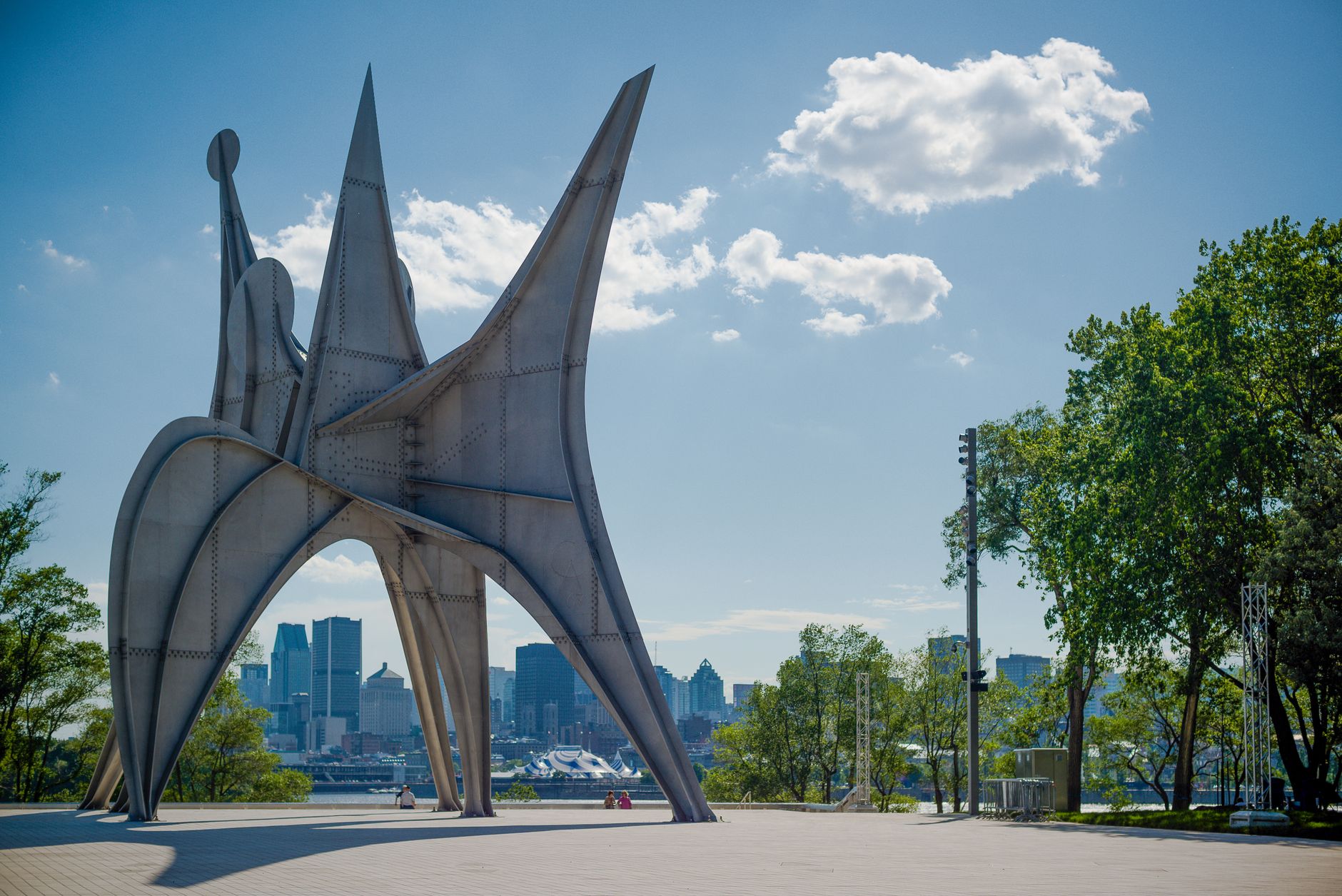
September 12, 2026 · 4 min read
Montreal often conjures images of historic cobblestone streets, vibrant festivals, and world-class cuisine. While these are certainly true, the city holds a deeper, wilder secret: a surprising array of outdoor adventures and natural wonders often overlooked by the casual visitor.
If you've ever wondered "Is Montreal a good city for someone who loves outdoor and adventurous activities?" the answer is a resounding yes. Beyond the well-trodden paths, Montreal and its immediate surroundings hide ancient volcanic remnants, critical bird migration routes, and centuries-old forests, each with a unique story waiting to be discovered.
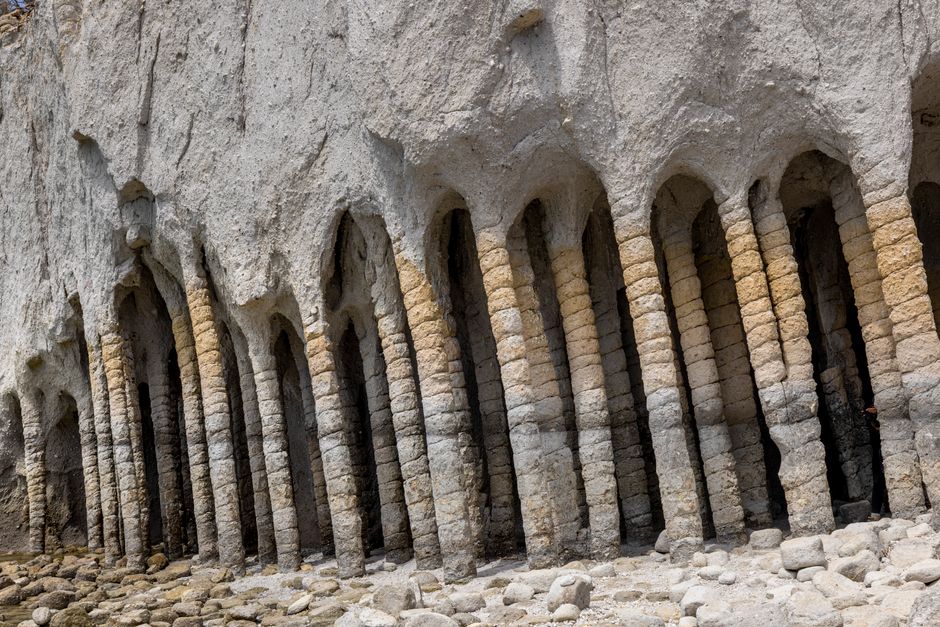
1. Parc Jean-Drapeau: The Volcanic Underbelly
Île Sainte-Hélène, Montreal, Canada
Beneath the modern structures of Parc Jean-Drapeau lies the exposed bedrock of an ancient volcanic intrusion, millions of years in the making.
While Île Sainte-Hélène and Île Notre-Dame are largely man-made expansions from Expo 67, their foundations tell an older story. Look closely near the Biosphere, and you'll find impressive basalt columns, remnants of a vast volcanic intrusion that occurred over 125 million years ago. These dark, hexagonal rocks are part of the Monteregian Hills chain, revealing a fiery past beneath Montreal's urban playground, perfect for a unique hike or bike ride.
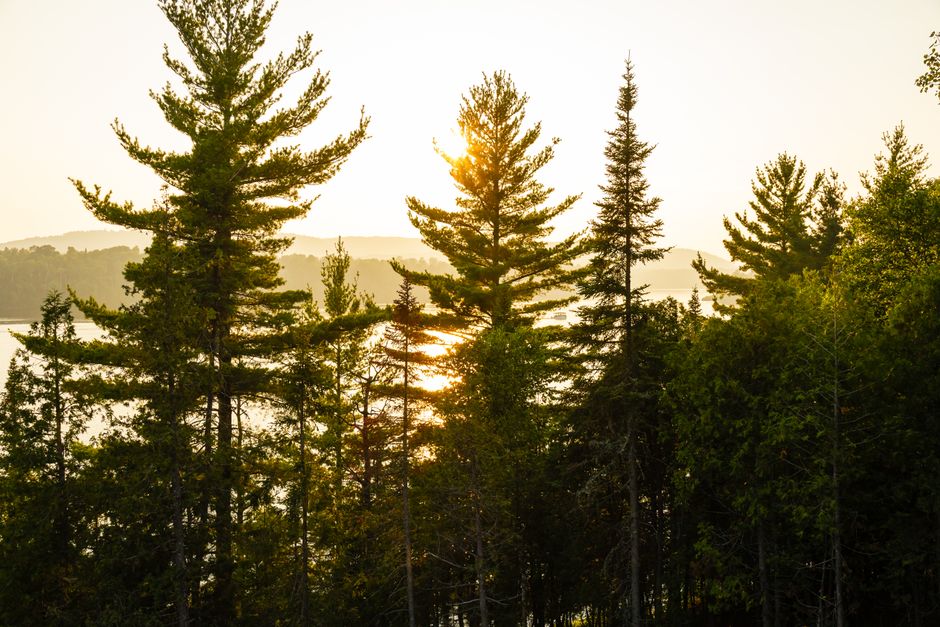
2. Cap-Saint-Jacques Nature Park: Island's Ancient Farm & Forest
Cap-Saint-Jacques, Montreal, Canada
Discover Montreal Island's largest nature park, home to both a historic organic farm and a rare old-growth forest dating back centuries.
Situated at the western tip of the island, Cap-Saint-Jacques Nature Park offers a glimpse into Montreal's agricultural and natural past. It preserves one of the last remaining significant tracts of primeval forest on the island, with trees that have stood for hundreds of years. Within its bounds, La Ferme du Cap Saint-Jacques operates as a working organic farm, a direct link to the island's 17th-century agricultural roots, making it a unique blend of nature and heritage.
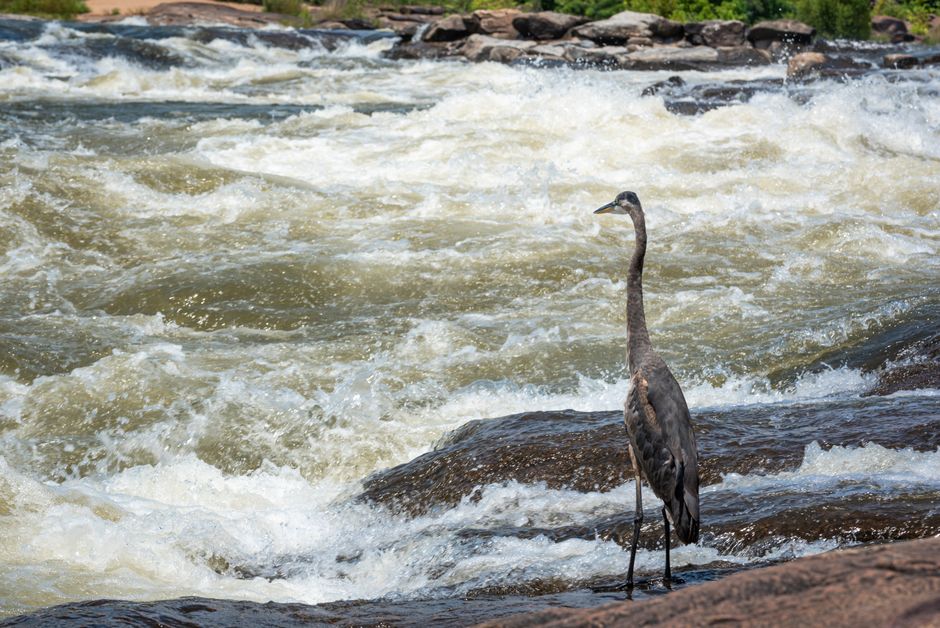
3. Parc des Rapides: Where Glaciers Carved & Birds Gather
LaSalle, Montreal, Canada
Witness the powerful Lachine Rapids, a natural barrier that shaped early Canadian history and now serves as a critical stopover for migratory birds.
The Lachine Rapids, a formidable stretch of the St. Lawrence River, were once a treacherous obstacle for explorers and fur traders, forcing them to portage. Geologically, these rapids expose ancient bedrock of the Canadian Shield, scoured and shaped by glacial forces over millennia. Today, Parc des Rapides provides breathtaking views of the swirling waters and is an internationally recognized bird sanctuary, particularly vital for migratory waterfowl like Greater Snow Geese.
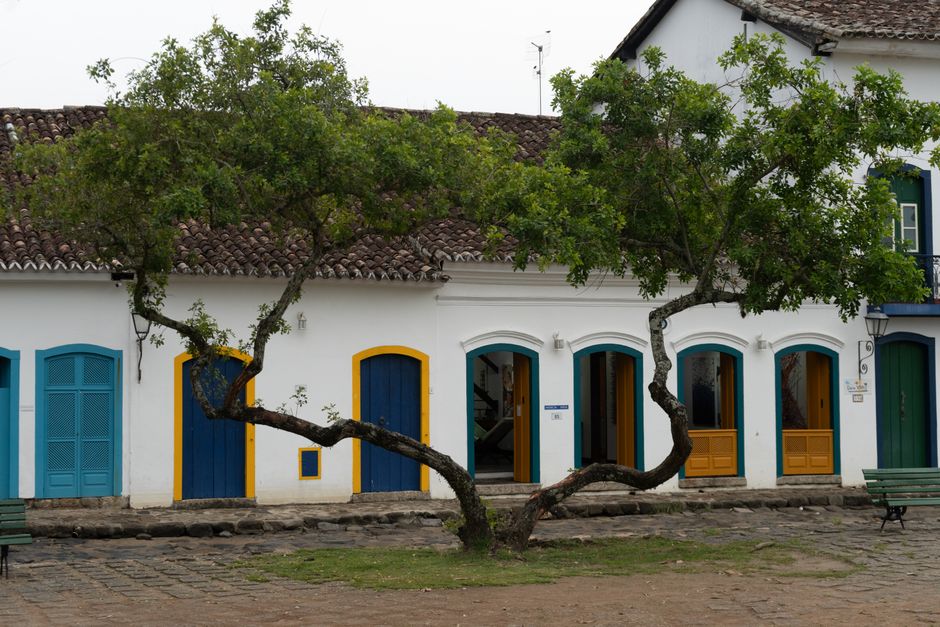
4. Bois de Saraguay Nature Park: Old Growth & Grand Ruins
Ahuntsic-Cartierville, Montreal, Canada
Wander through one of Montreal's last old-growth forests, where centuries-old trees stand guard over the mysterious ruins of a forgotten mansion.
Bois de Saraguay is a true gem, preserving a rare fragment of Montreal Island's original forest cover, with some trees estimated to be over 200 years old. Beyond its ecological significance, the park holds a touch of intrigue with the remnants of the Chateau de Bois-de-Saraguay, a grand estate that once graced these woods. Hiking here offers a unique blend of deep natural history and a melancholic echo of human stories.
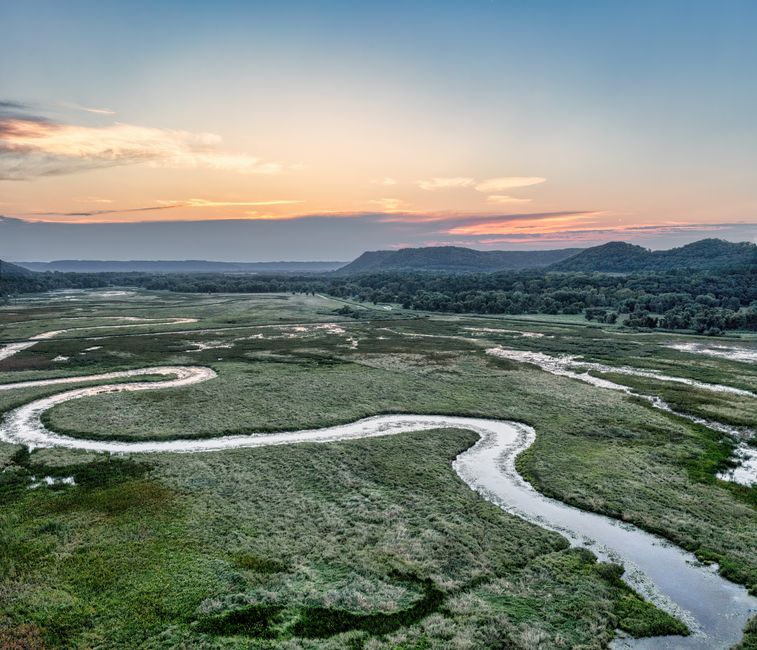
5. Parc-nature de la Pointe-aux-Prairies: Confluence of Ancient Paths
Pointe-aux-Prairies, Montreal, Canada
Explore a vast ecological park at the strategic confluence of two major rivers, a site of ancient Indigenous gathering and rich biodiversity.
This expansive park is uniquely positioned where the St. Lawrence River meets the Des Prairies River, a geographical nexus that has been significant for millennia. Archaeological evidence suggests this area was a vital meeting and trading place for various Indigenous peoples long before European contact. Today, its diverse ecosystems—including wetlands, forests, and fields—make it a prime location for canoeing, kayaking, and observing a wide array of wildlife, continuing its legacy as a vibrant natural hub.
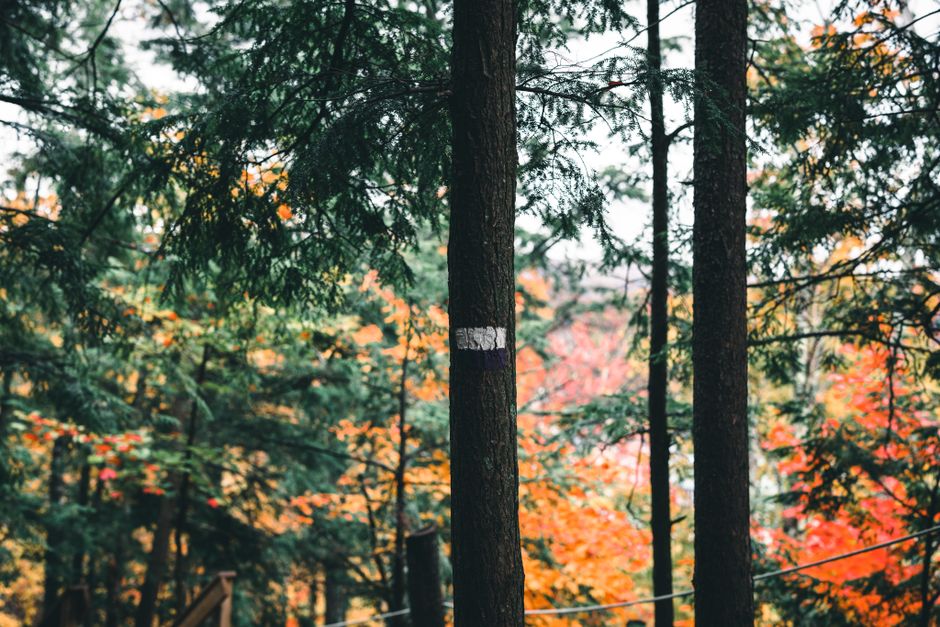
6. Mont Saint-Bruno National Park: An Ancient Volcano's Heart
Saint-Bruno-de-Montarville, Canada
Hike through a national park that is actually the eroded core of an ancient, long-extinct volcano, complete with five serene lakes.
Just a short drive from Montreal, Mont Saint-Bruno is one of the distinct Monteregian Hills, a series of isolated igneous intrusions formed deep underground approximately 125 million years ago. What you hike today is the hard, resistant core of an ancient volcano, exposed by millions of years of erosion. The park features five peaceful lakes, an apple orchard, and extensive trails perfect for hiking, cross-country skiing, and discovering the geological forces that shaped the region.
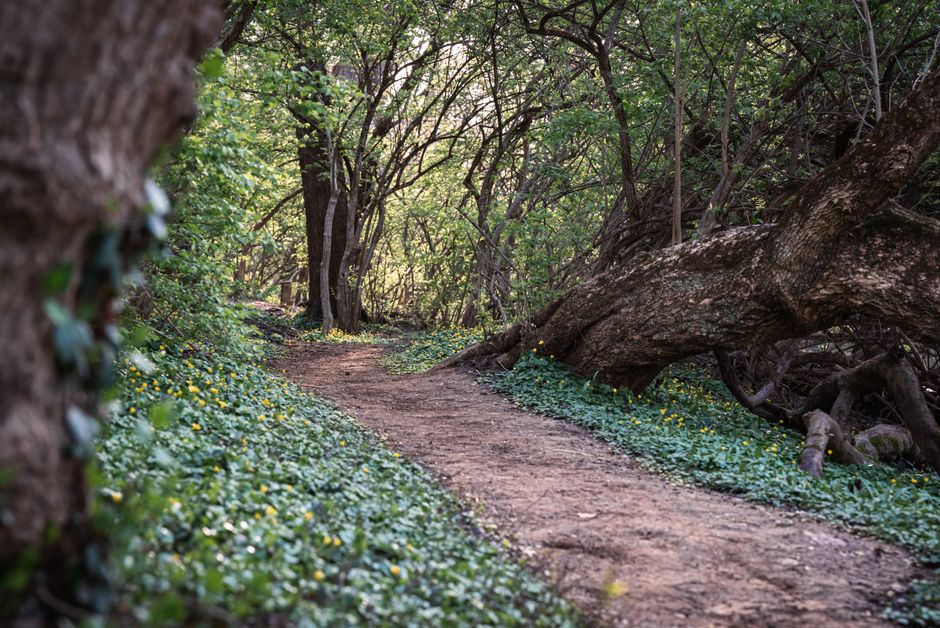
7. Morgan Arboretum: A Living Library of Trees
Sainte-Anne-de-Bellevue, Montreal, Canada
Delve into a 245-hectare forest reserve and research facility that acts as a living botanical library, studying species from around the world.
Part of McGill University's Macdonald Campus, the Morgan Arboretum is far more than just a forest; it's a dedicated research and conservation site. Home to over 1,000 species of trees and shrubs, both native and non-native, it was established to study how different species adapt to the Canadian climate. Visitors can explore extensive trails, learn about dendrology, and enjoy the tranquil beauty of a meticulously managed and studied forest ecosystem.
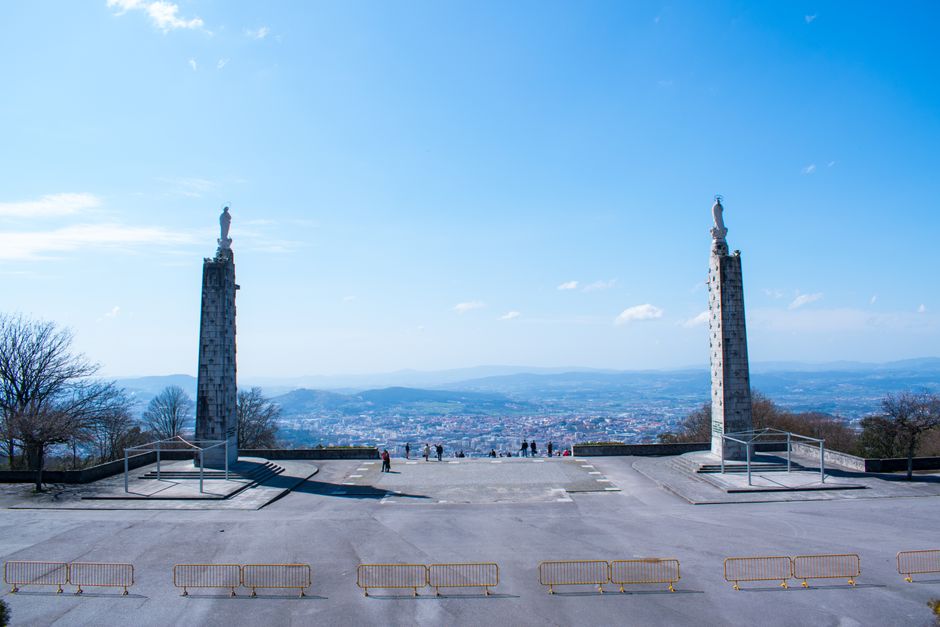
8. Parc National d'Oka: Sacred Hills, Turbulent Waters
Oka, Canada
Ascend a historic pilgrimage route offering panoramic views of Lac des Deux Montagnes, a landscape deeply tied to Indigenous history and a pivotal modern conflict.
Parc National d'Oka offers more than just beautiful beaches on Lac des Deux Montagnes. Its Calvaire d'Oka, a series of 18th-century chapels and oratories, marks a significant pilgrimage site with a rich religious history. The area is also profoundly important to the Mohawk Nation, having been the epicenter of the 1990 Oka Crisis, a land dispute that brought Indigenous land rights to the forefront. Exploring Oka provides both natural beauty and a compelling lesson in Canadian history and culture.
Frequently asked questions
What is the best time of year for outdoor activities in Montreal?
Montreal offers diverse outdoor activities year-round. Summer (June-August) is ideal for hiking, biking, and water sports. Fall (September-October) brings stunning foliage for hiking, while winter (December-March) transforms the landscape for cross-country skiing, snowshoeing, and ice skating.
Are there any challenging hiking trails easily accessible from Montreal?
Yes, for challenging hikes, Mont Saint-Bruno National Park offers varied terrain with significant elevation changes for a good workout. For more rugged and extensive options, destinations like Mont Saint-Hilaire or even Parc National du Mont-Tremblant are popular day trips for experienced hikers.
Can you kayak or canoe on the St. Lawrence River in Montreal?
Absolutely! Calm sections of the St. Lawrence and Des Prairies rivers, particularly around Parc Jean-Drapeau or Parc-nature de la Pointe-aux-Prairies, are excellent for kayaking and canoeing. For the more adventurous, guided tours are available to navigate the challenging Lachine Rapids, but strong currents make independent paddling there unsafe.
How does the AllTours.ai app enhance my outdoor adventures in Montreal?
The AllTours.ai app transforms your outdoor exploration by providing instant, rich context. Simply point your phone camera at any landscape, landmark, or natural feature, and the app will narrate its fascinating history, geology, and cultural significance in your preferred language, turning every view into a deeper, more informed experience.
Photography via Pexels. AllTours.ai is an AI audio tour guide — point your camera at any landscape and hear its story.