September 9, 2026 · 4 min read
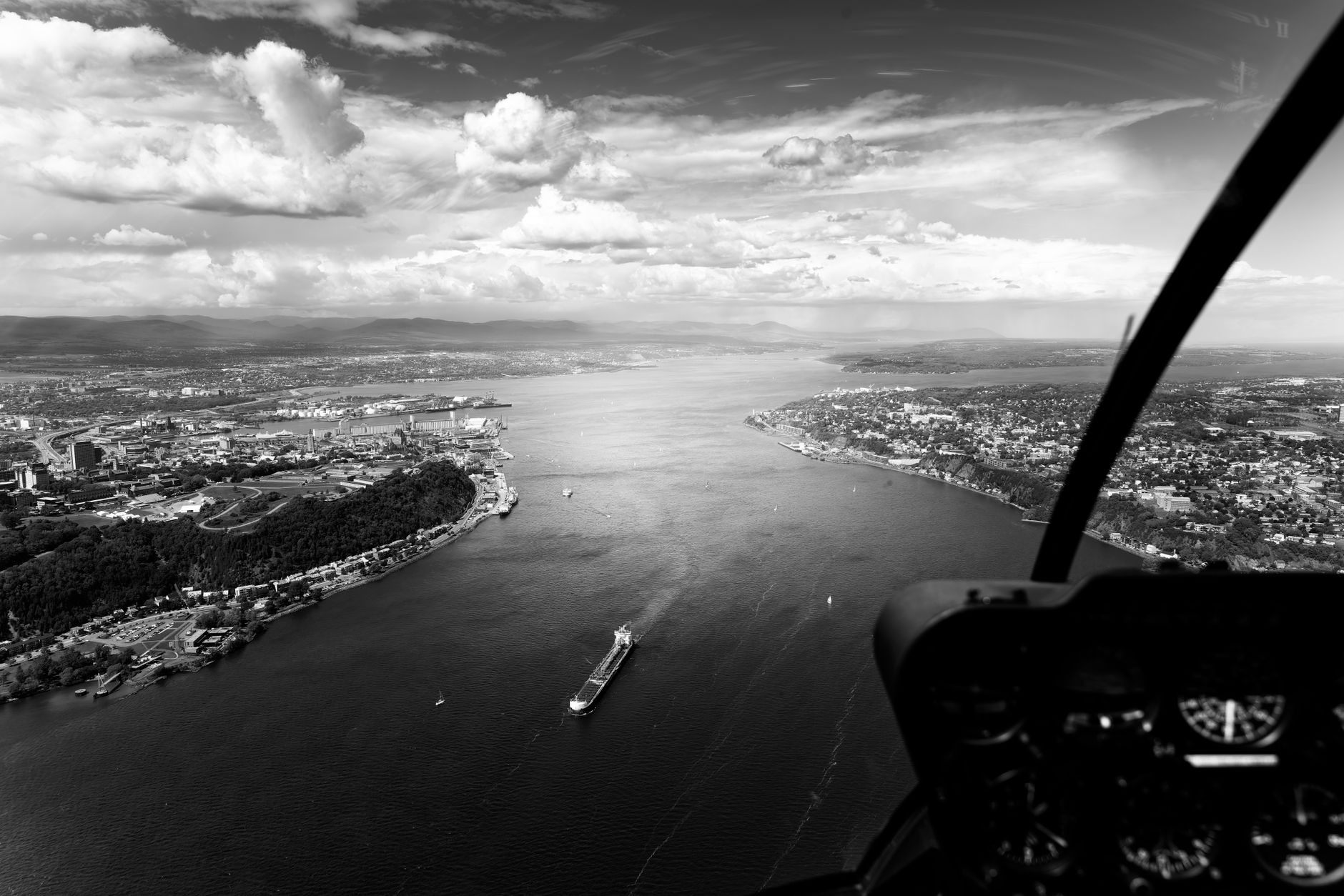
A common question for first-time visitors to Montreal is whether this vibrant metropolis sits on the Atlantic Ocean. The direct answer is no; Montreal is an island city nestled in the St. Lawrence River, a mighty freshwater artery that eventually flows into the Atlantic.
However, this powerful river is far more than just a connection to the sea. It's a lifeline that has shaped Quebec's geography, history, and culture, linking Montreal to a tapestry of fascinating, often overlooked places. Beyond the city's famous attractions lie hidden gems, each with a unique story waiting to be discovered, far from the usual tourist trails.
1. The Stone Sentinel of Verdun
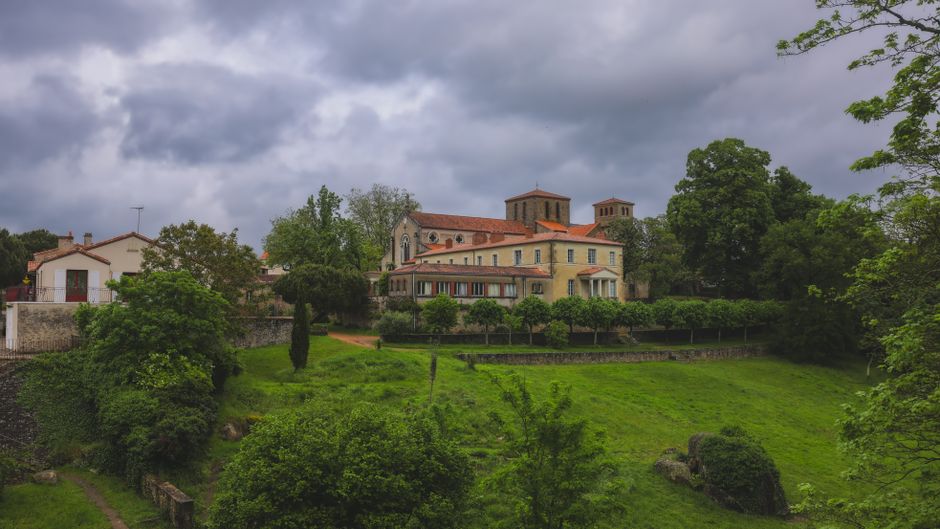
Maison Nivard-De Saint-Dizier, Montreal, Canada
This unassuming stone house is one of Montreal's oldest, revealing centuries of settler life and Indigenous presence on the island.
Built in 1710, the Maison Nivard-De Saint-Dizier stands as a testament to early French colonial architecture and everyday life. Originally a farm and fur trading post, its thick stone walls witnessed critical moments in the region's history, including interactions with Indigenous communities and the transformation of the landscape from wilderness to settlement. Excavations have uncovered artifacts dating back thousands of years, indicating the site's importance long before European arrival.
2. McGill's Untouched Mountain Legacy
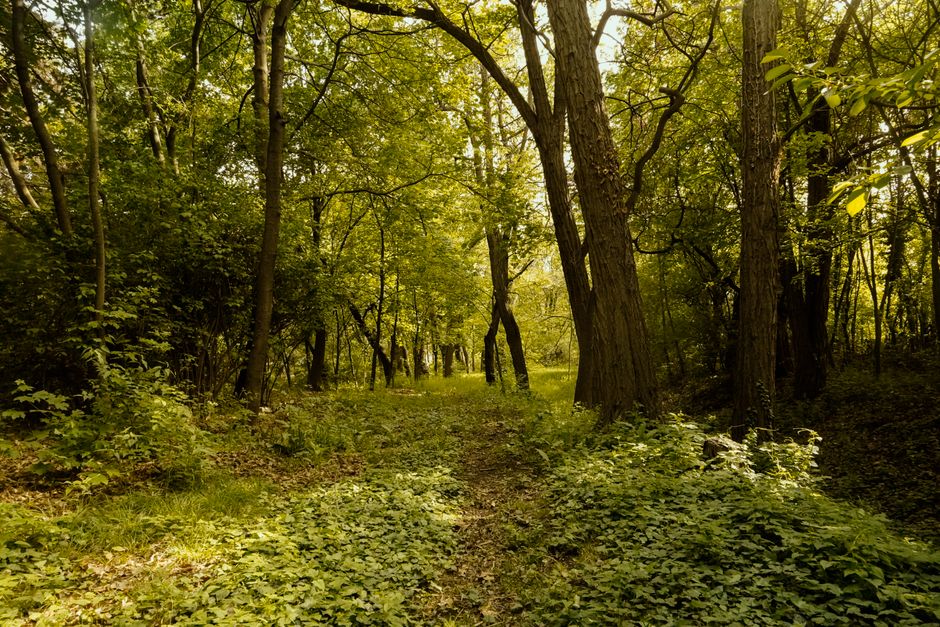
Gault Nature Reserve, Mont Saint-Hilaire, Canada
A rare ancient forest, owned by McGill University, protects a unique geological 'Monteregian Hill' formed by ancient volcanic activity.
Mont Saint-Hilaire is one of the nine Monteregian Hills, remnants of ancient intrusive igneous rock formations that are millions of years old. The Gault Nature Reserve, managed by McGill University since 1958, covers over 1,000 hectares of this pristine forest. It's a UNESCO Biosphere Reserve, sheltering an exceptional diversity of flora and fauna, including over 800 plant species and a variety of rare minerals found nowhere else. This protected area offers a glimpse into Quebec's pre-colonial ecosystems.
3. Where the Fur Trade Began
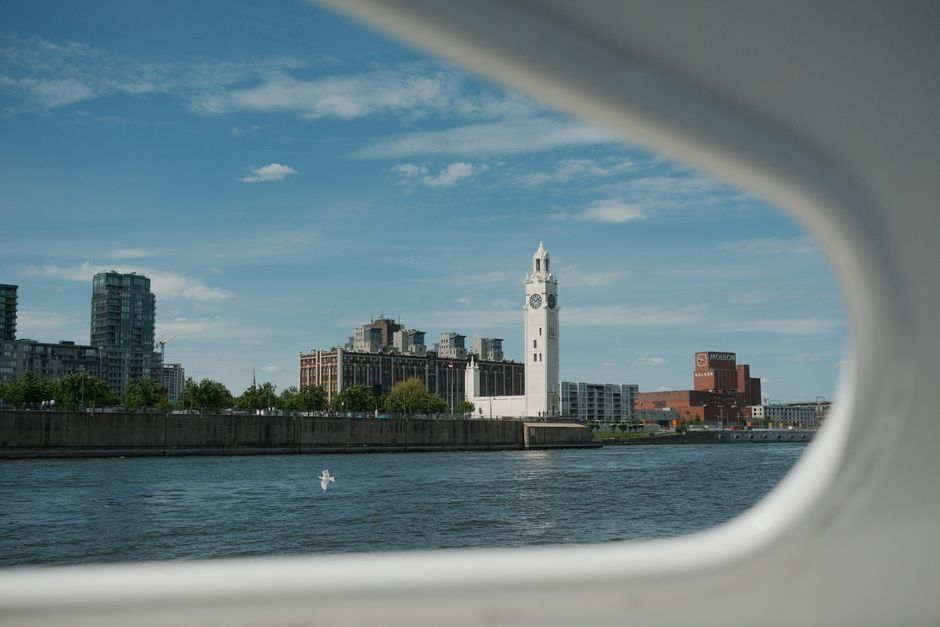
Fur Trade at Lachine National Historic Site, Lachine, Canada
Before Montreal thrived, Lachine was the perilous starting point for thousands of voyageurs venturing into the vast North American wilderness.
At the confluence of the St. Lawrence River and Lake Saint-Louis, the Lachine Canal bypassed the treacherous Lachine Rapids, making Lachine a strategic hub. From the 17th to the 19th century, this site served as the primary departure point for the vast fur trade network, where Indigenous traders met European merchants. The historic stone warehouse here, built by the North West Company, stands as a tangible link to the rugged lives of voyageurs and the immense economic engine that shaped early Canada.
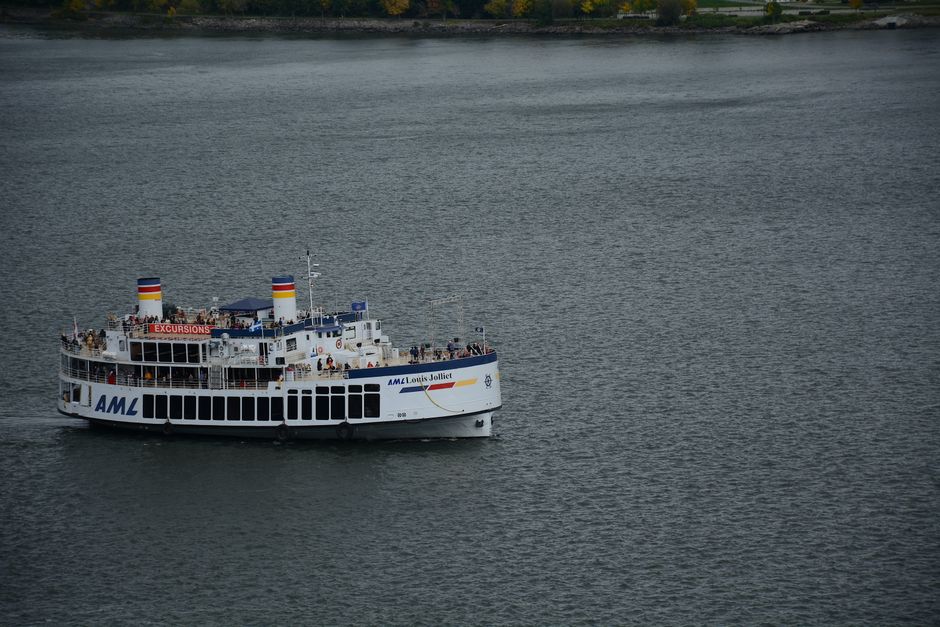
4. The Town Beneath the Waves
Saint-Lambert Locks, Saint-Lambert, Canada
Beneath the modern Saint-Lambert Locks, a fragment of a vanished community lies, swallowed by the St. Lawrence Seaway's construction.
The construction of the St. Lawrence Seaway in the 1950s was an engineering marvel, but it came at a significant human cost. Entire towns and villages along the river were either relocated or submerged to make way for wider channels and new locks. While the most famous example is Iroquois, Ontario, communities on the Quebec side, including parts of Laprairie and Saint-Lambert, also saw their landscapes drastically altered. The powerful currents here now flow over former homes and farms, a silent testament to an era of progress.
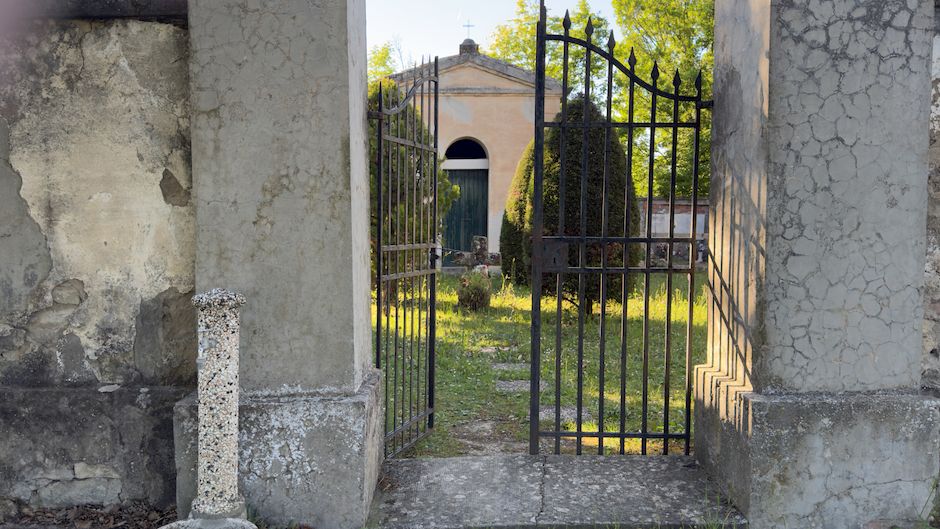
5. The Pilgrimage to the Pines
Calvaire d'Oka, Oka National Park, Canada
This peaceful pilgrimage site, with its unique 'Way of the Cross,' is intertwined with centuries of Indigenous land claims and Sulpician history.
The Calvaire d'Oka, established in 1740 by the Sulpician Fathers, features seven chapels representing the Stations of the Cross, built along a path leading to a hilltop. However, the land itself has a much older story. It was part of a large seigneurie granted to the Sulpicians, a claim that conflicted with the traditional lands of the Mohawk people of Kanesatake. This long-standing dispute over land and sacred pine groves eventually erupted into the Oka Crisis of 1990, a stark reminder of colonial legacies.
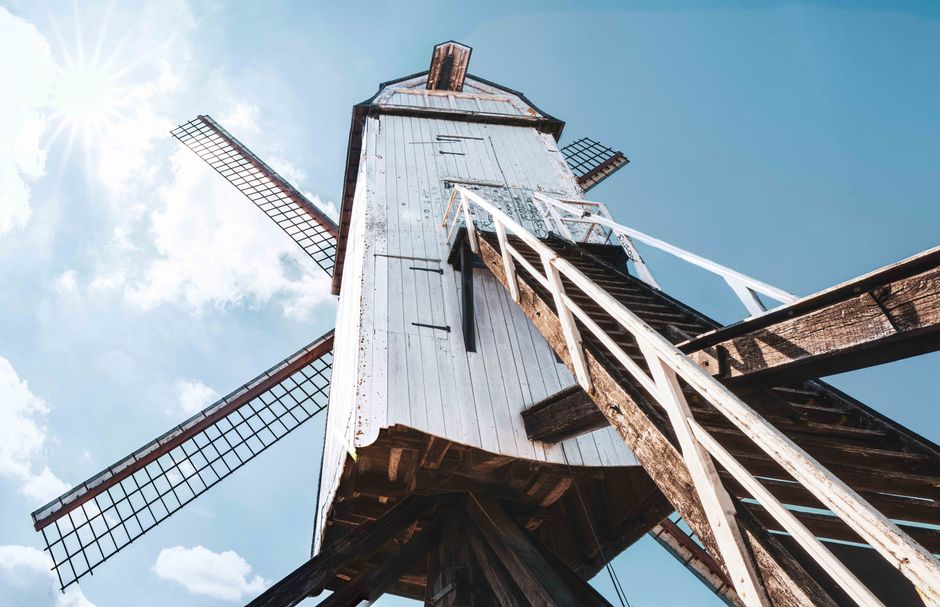
6. Quebec's Oldest Windmill
Senneville Windmill, Senneville, Montreal, Canada
Tucked away on Montreal's West Island stands the province's oldest surviving windmill, a symbol of early French agricultural ingenuity.
Built in 1686 by Governor Jacques-René de Brisay, Marquis de Denonville, the Senneville Windmill is a rare architectural survivor from New France. Its robust stone structure, designed to grind grain for the local seigneurie, illustrates the self-sufficiency and resourcefulness required by early settlers. While no longer operational, it stands proudly overlooking Lake of Two Mountains, a tangible link to a time when wind powered daily life and the island was a vast agricultural frontier.
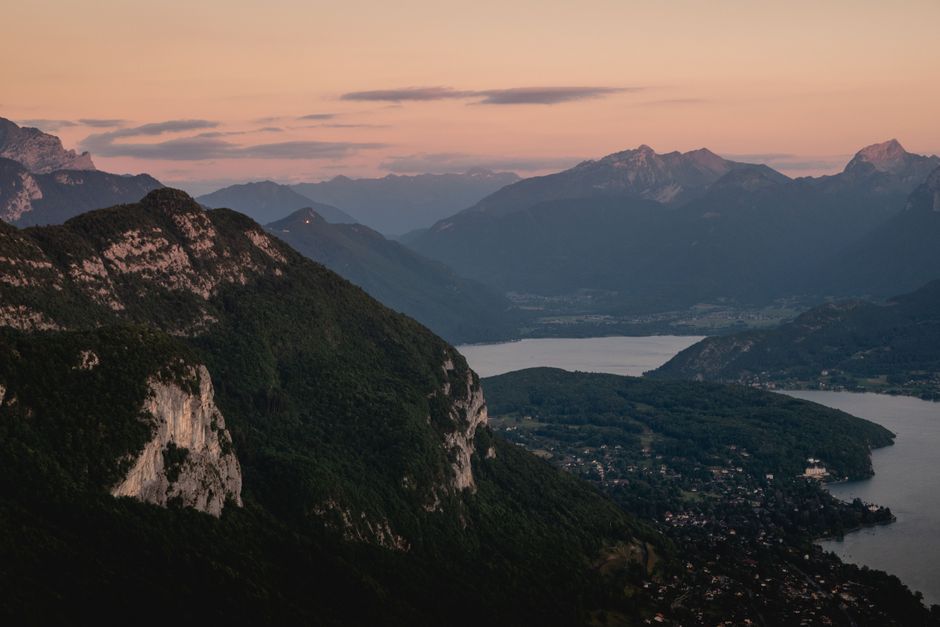
7. The River's Great Lake
Lac Saint-Pierre, near Sorel-Tracy, Canada
This vast freshwater lake, a UNESCO Biosphere Reserve, is actually a unique widening of the St. Lawrence River, teeming with diverse life.
Lac Saint-Pierre isn't a typical lake; it's a fluvial lake, meaning a lake formed within a river system. Its immense 32-kilometer width makes it the largest freshwater floodplain in Quebec, home to over 100 species of fish and crucial nesting grounds for migratory birds, including the Greater Snow Goose. Designated a UNESCO Biosphere Reserve in 2000, it's a vital ecological corridor, a testament to the St. Lawrence's immense biodiversity and a crucial stop for countless species.
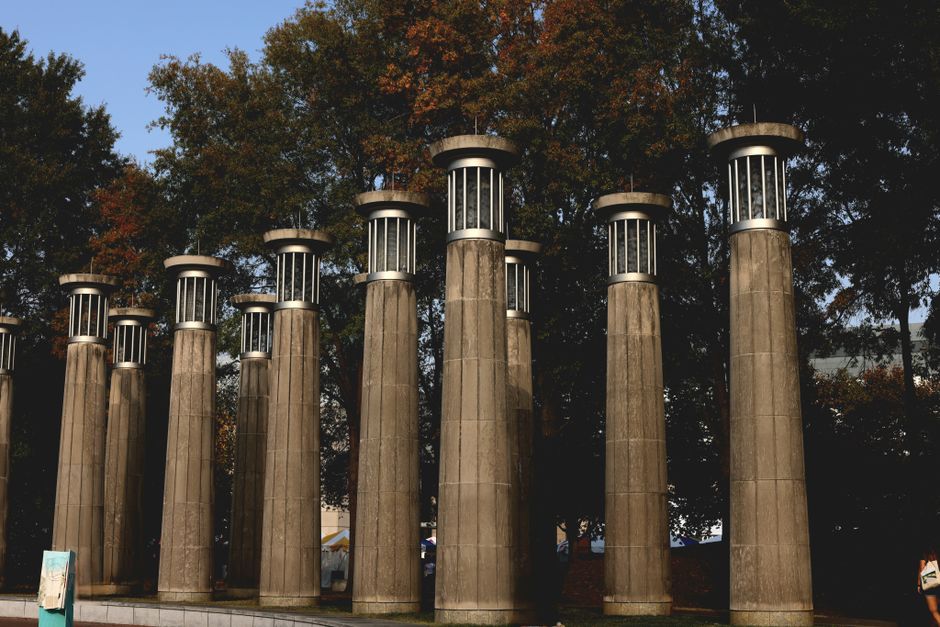
8. North America's Enduring Waterway
Carillon Canal National Historic Site, Grenville-sur-la-Rouge, Canada
This unassuming canal on the Ottawa River holds a remarkable distinction: it's North America's oldest continuously operating navigation canal.
Built between 1819 and 1833 by the Royal Engineers to bypass rapids on the Ottawa River, the Carillon Canal was originally a crucial military supply route connecting Montreal to the Great Lakes. Its locks, designed for smaller vessels, have been modernized but the original intent and route remain. Today, it still serves recreational boaters, connecting communities and offering a direct link to a time when waterways were the primary highways, showcasing enduring engineering from the early 19th century.
Frequently asked questions
Is Montreal on an island?
Yes, Montreal is primarily located on the Island of Montreal, the largest island in the Hochelaga Archipelago. It is surrounded by the St. Lawrence River to the south and east, and the Rivière des Prairies to the north.
How far is Montreal from the Atlantic Ocean?
Montreal is approximately 1,600 kilometers (about 1,000 miles) inland from the Atlantic Ocean. While the St. Lawrence River connects it to the Atlantic, it's a long journey downriver through freshwater and then the Gulf of St. Lawrence.
What are some unique things to see outside of Montreal?
Beyond the city, explore the geological wonders of Mont Saint-Hilaire, the historic fur trade site in Lachine, or the ancient Senneville Windmill. The St. Lawrence River itself offers countless hidden stories, from submerged villages to unique biosphere reserves like Lac Saint-Pierre.
How can AllTours.ai help me discover these places?
AllTours.ai brings these hidden stories to life. Simply point your phone camera at a landmark, a historical building, or even a natural landscape, and the app will narrate its history, geology, and cultural significance in your preferred language, making every journey an informed exploration.
Photography via Pexels. AllTours.ai is an AI audio tour guide — point your camera at any landscape and hear its story.