September 4, 2026 · 4 min read
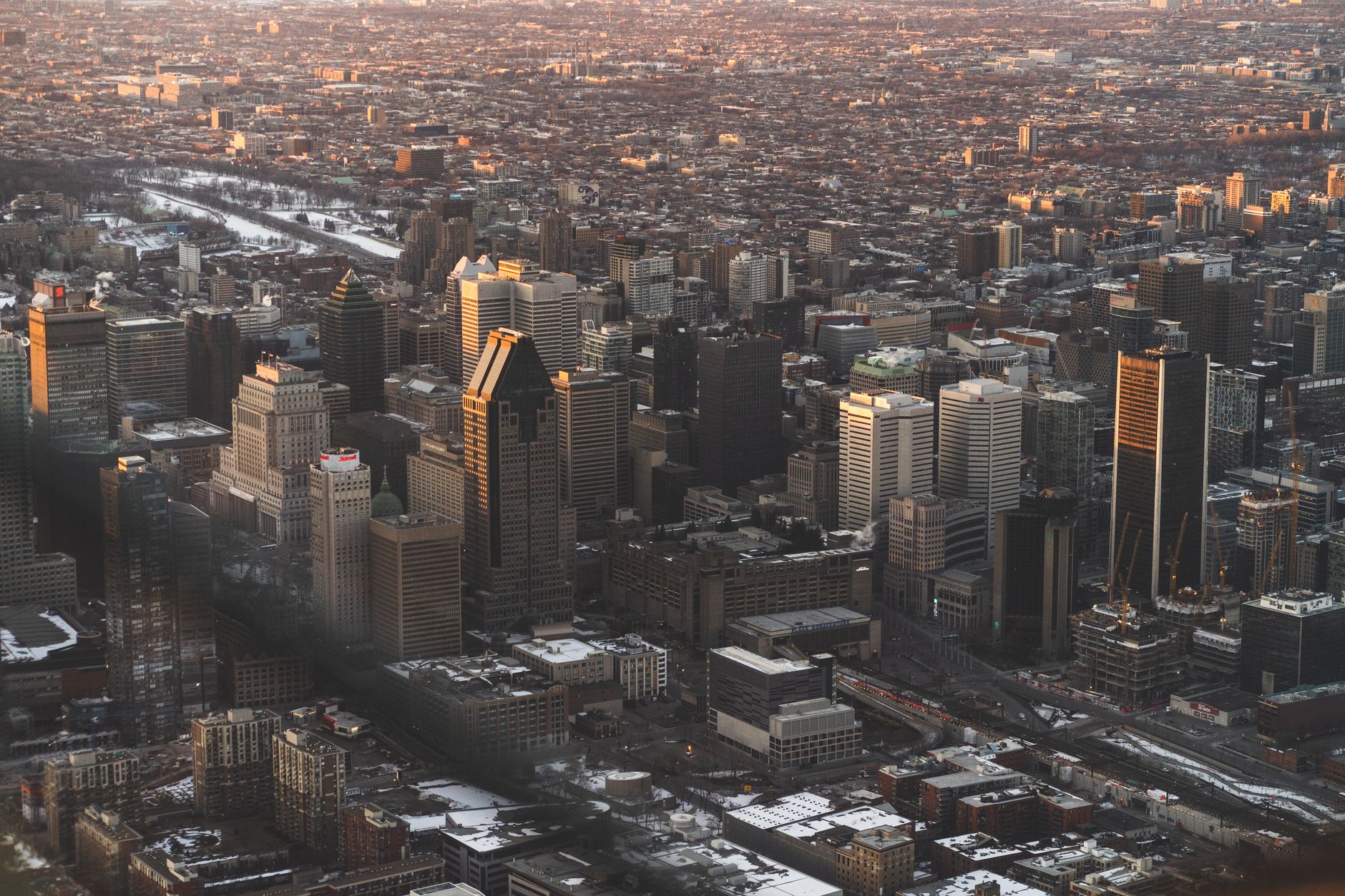
The age-old debate for Canadian travelers often boils down to two titans: Montreal and Toronto. Is Montreal a better and cheapest city compared to Toronto? While both offer distinct charms, the answer often depends on what kind of adventure you seek, and crucially, where you look beyond the well-trodden paths.
Forget the postcards and the crowded tourist traps. To truly compare these dynamic cities, we need to dig deeper into their lesser-known corners, where fascinating stories, unique architecture, and unexpected natural wonders reveal the true character – and often the true value – of each destination. Prepare to discover spots that challenge your perceptions and spark a new kind of curiosity.
1. The Fur Trade's Artery
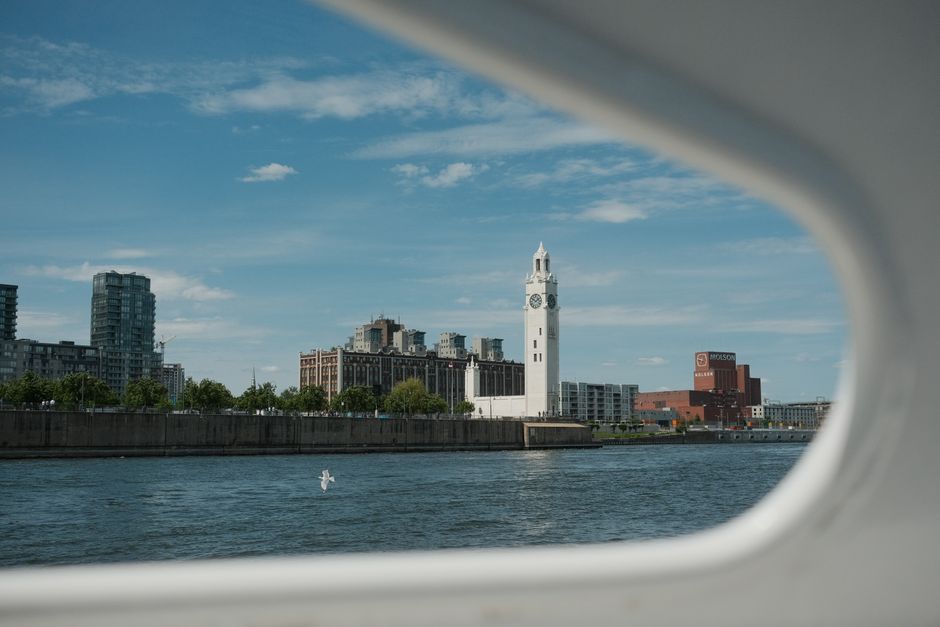
Lachine Canal National Historic Site, Montreal, Canada
This tranquil waterway was once a vital, dangerous artery that fueled Montreal's industrial might and the lucrative North American fur trade.
Before railways, the Lachine Canal bypassed treacherous rapids on the Saint Lawrence River, allowing boats to transport goods and furs deep into the continent. Its construction in the 19th century transformed Montreal into a bustling port and industrial hub, lined with factories and mills powered by its waters. Today, it’s a calm park, but echoes of its industrious past, like the old lock mechanisms, hint at the intense labor and commerce that once defined it.

2. The Palace of Purification
R.C. Harris Water Treatment Plant, Toronto, Canada
Toronto's main water treatment plant is an unexpected Art Deco architectural masterpiece, nicknamed "The Palace of Purification."
Built in the 1930s during the Great Depression, this vital piece of infrastructure was designed with grandeur, blending functionality with stunning Beaux-Arts and Art Deco styles. Its imposing brick buildings, ornamental facades, and intricate details made it a controversial but beloved project, showcasing public works as symbols of civic pride and progress. The plant still purifies a significant portion of Toronto's drinking water, its elegant design belying its industrial purpose.
3. Miracles and Mementos
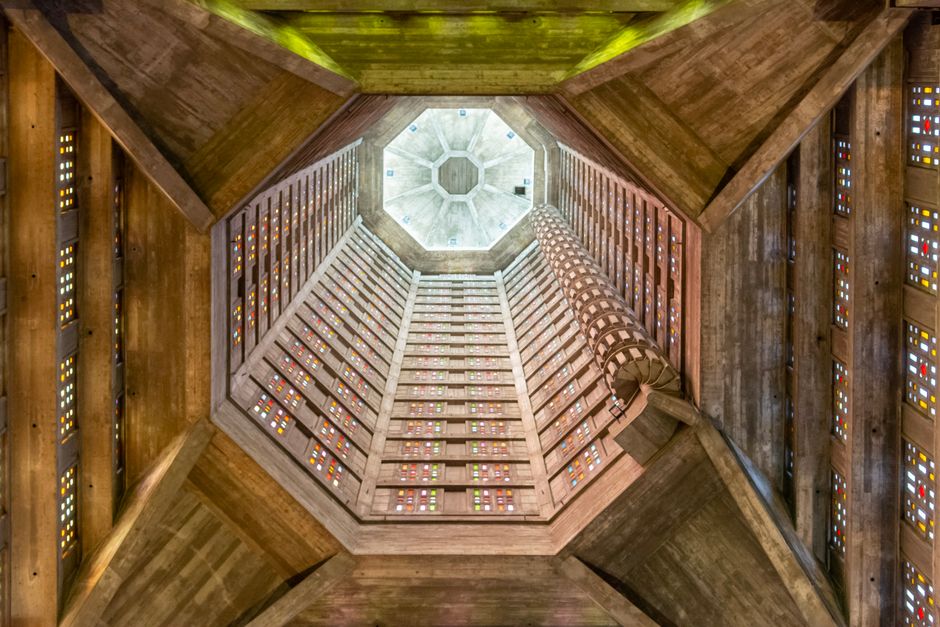
St. Joseph's Oratory Crypt, Montreal, Canada
Beneath the soaring dome of Canada's largest church lies a crypt where thousands of crutches and canes bear silent witness to alleged healings.
The Crypt Church is a vast, somber space forming the foundation of Saint Joseph's Oratory, a basilica dedicated to Brother André Bessette. For decades, Brother André, a humble doorkeeper, was credited with miraculous healings, attracting pilgrims from around the world. Visitors to the crypt can still see a wall adorned with thousands of discarded crutches, walking sticks, and wheelchairs—left behind by those who claimed to have been cured through his intercession. It's a powerful, tangible testament to faith and human hope.
4. Glacial Grandeur
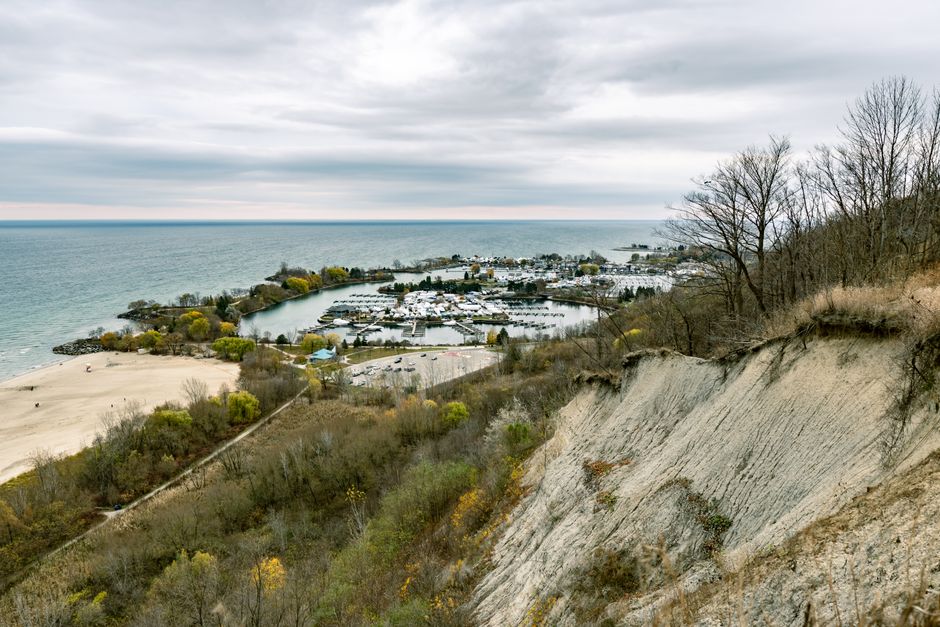
Scarborough Bluffs, Toronto, Canada
These towering cliffs on Lake Ontario's shore are not just scenic viewpoints, but a dramatic geological record of the last ice age, revealing ancient layers of sediment.
Stretching for 15 kilometers, the Scarborough Bluffs were carved by the powerful forces of the Wisconsin Glaciation over 12,000 years ago. The distinct, stratified layers of sand, silt, and clay visible in the bluffs tell a story of advancing and retreating glaciers, ancient lakes, and changing climates. Erosion continues to shape them, making them both beautiful and geologically active, offering a rare glimpse into the region's deep past right within the city limits.
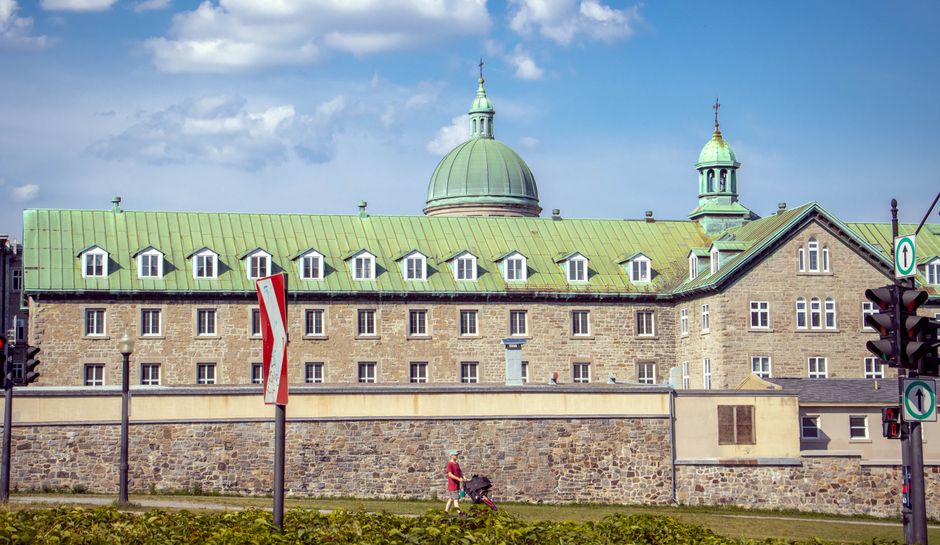
5. Governors' Grand Residence
Château Ramezay, Montreal, Canada
This seemingly modest building in Old Montreal was once a pivotal seat of power, serving as the official residence for French governors, then British, and even as an American military headquarters.
Built in 1705 for Claude de Ramezay, the governor of Montreal, the Château Ramezay witnessed centuries of political shifts. After the British Conquest, it housed their governors, and famously, during the American Revolution, Benjamin Franklin stayed here while trying to persuade Quebecers to join the revolt. Now a museum, its walls whisper tales of diplomacy, conflict, and daily life from the colonial era, offering a direct link to Montreal's earliest European history.

6. A Farm in the City
Riverdale Farm, Toronto, Canada
Tucked into a bustling urban neighborhood, this working farm stands on the historic site of Toronto's original zoo, offering a surprising green oasis.
Riverdale Farm, opened in 1978, recreates a late 19th-century Ontario farm, complete with barns, pastures, and a variety of farm animals. Its location is significant, as it occupies the grounds of the former Riverdale Zoo, which operated from 1894 to 1974 before the Toronto Zoo moved to a larger site. Today, it provides urban dwellers with a tangible connection to agricultural life and a quiet escape, preserving a slice of rural heritage within metropolitan Toronto.
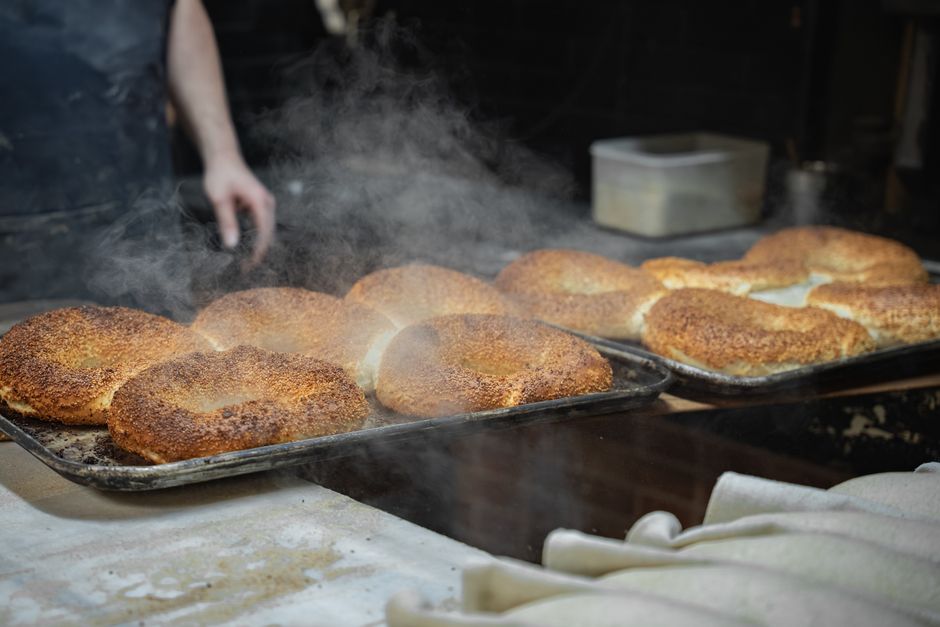
7. Bagel Bake-Off's Origins
St-Viateur Bagel & Café, Mile End, Montreal, Canada
The distinctive, wood-fired bagels of Montreal owe their unique taste and texture to a specific boiling and baking process perfected in places like this 24/7 institution.
St-Viateur Bagel, open since 1957, is a cornerstone of Montreal's culinary identity, operating continuously from its Mile End location. Unlike New York bagels, Montreal bagels are hand-rolled, boiled in honey-sweetened water, and then baked in a scorching wood-fired oven, giving them a slightly sweet, dense interior and a crisp, chewy crust. The open kitchen allows visitors to watch the entire mesmerizing process, a tradition brought by Eastern European Jewish immigrants that defines the city's bagel culture.
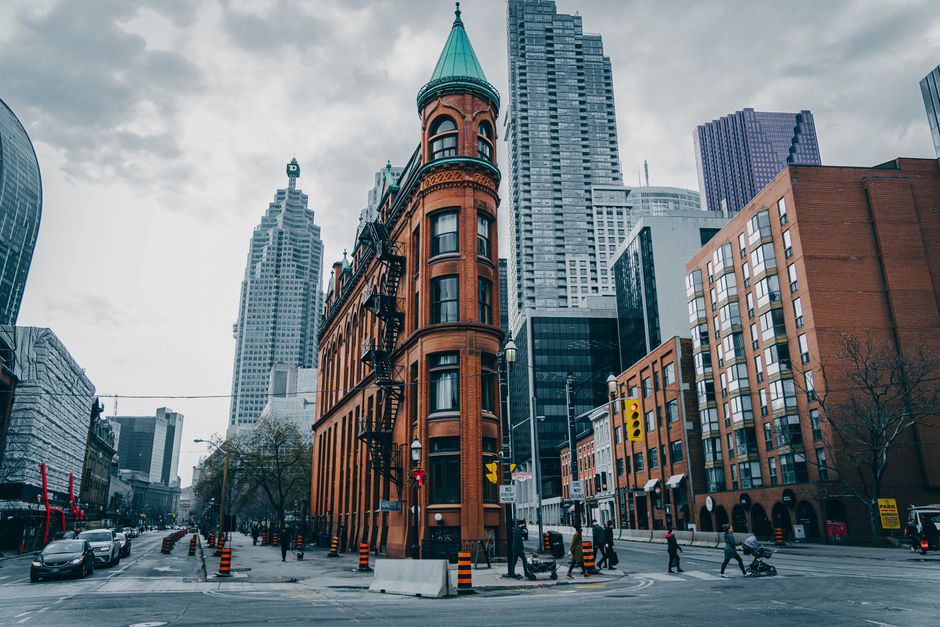
8. Toronto's Flatiron Anomaly
Gooderham Building, Toronto, Canada
This iconic red-brick building predates New York's famous Flatiron by a decade and was built to perfectly fit a challenging triangular plot, defining a unique streetscape.
Completed in 1892, the Gooderham Building was designed by David Roberts Jr. for George Gooderham, a prominent local distiller. Its distinctive wedge shape gracefully fills the acute angle formed by Front Street East and Wellington Street West, creating a striking focal point where these thoroughfares converge. Beyond its architectural innovation, the building's eastern wall features a famous trompe-l'œil mural depicting the building itself, adding another layer of visual intrigue to this historic landmark.
Frequently asked questions
Is Montreal generally more affordable than Toronto for travelers?
Yes, Montreal typically offers a more budget-friendly experience. Accommodation, dining, and public transportation costs are often lower in Montreal compared to Toronto, making it an attractive option for travelers looking to stretch their dollar further.
Which city offers better cultural experiences, Montreal or Toronto?
Both cities boast rich cultural scenes, but they differ significantly. Montreal leans into its unique French heritage with a vibrant arts scene, European charm, and a distinct culinary identity. Toronto, as Canada's most multicultural city, offers a broader global mosaic of cultures, cuisines, and festivals. Your preference depends on whether you seek European flair or diverse global experiences.
What are some unique, free activities in Montreal and Toronto?
In Montreal, you can explore the Lachine Canal National Historic Site, wander through the Plateau Mont-Royal's charming streets, or visit the St. Joseph's Oratory Crypt. In Toronto, enjoy the geological wonders of the Scarborough Bluffs, stroll through Riverdale Farm, or admire the Art Deco grandeur of the R.C. Harris Water Treatment Plant from the outside.
How does AllTours.ai enhance exploration of these cities?
AllTours.ai transforms your phone into a personal AI audio tour guide. Simply point your camera at any landmark, landscape, or even a local specialty like a Montreal bagel shop, and the app will instantly narrate its history, geology, and cultural significance in your preferred language, offering a deeper, personalized understanding of the city's hidden stories.
Photography via Pexels. AllTours.ai is an AI audio tour guide — point your camera at any landscape and hear its story.