July 3, 2026 · 4 min read
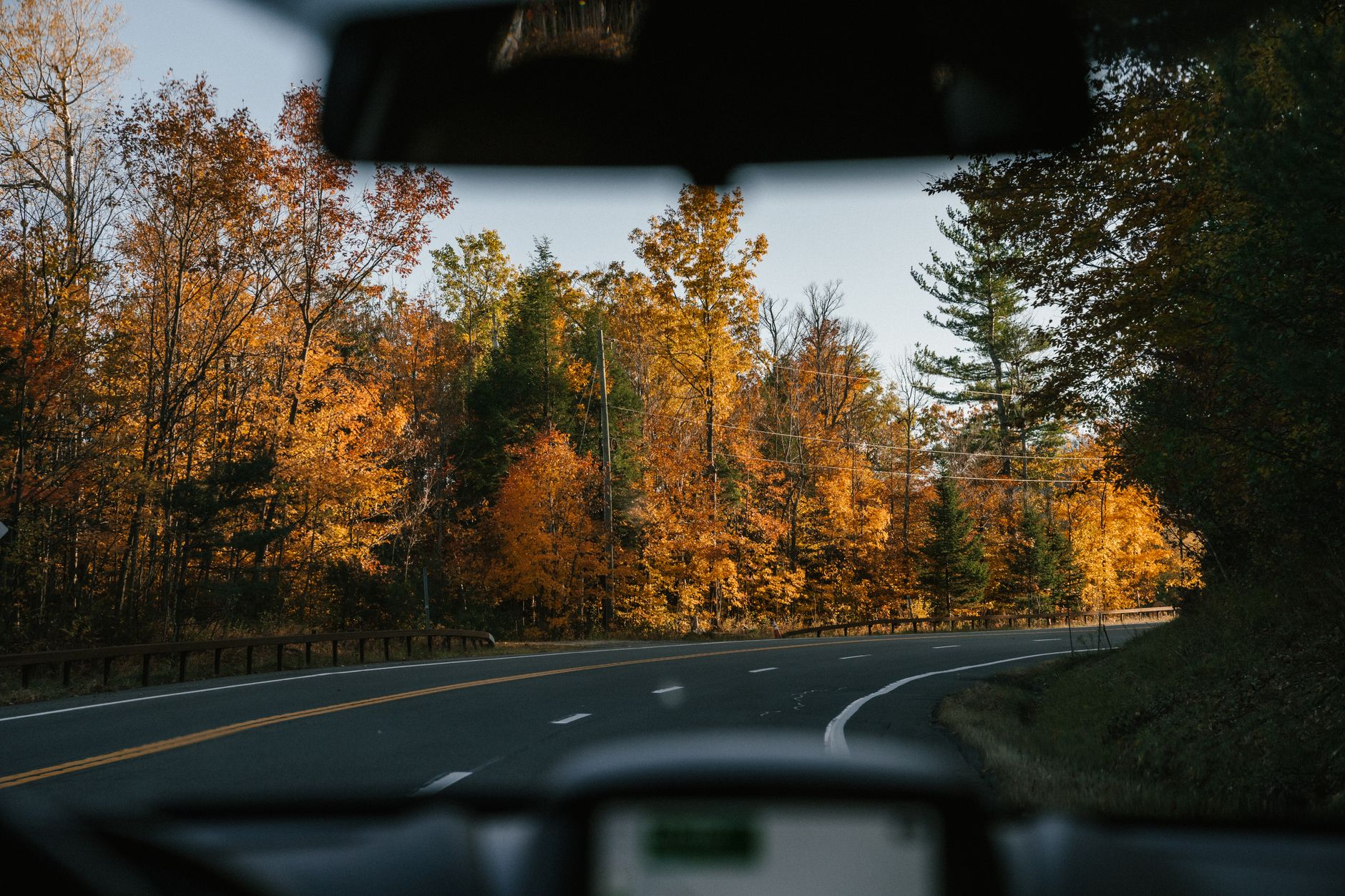
"Is Montreal close to Niagara Falls?" It’s a common question for travelers mapping out a grand Canadian adventure. While these two iconic destinations anchor many itineraries, they're not exactly next-door neighbors. The journey covers about 600-700 kilometers, typically a 6-7 hour drive without stops, making it a significant leg of any trip.
But what if that distance wasn't just a stretch of highway, but an opportunity? The path between Montreal and Niagara Falls cuts through a landscape rich with untold stories, geological wonders, and historical footnotes often overshadowed by more famous attractions. Forget the well-trodden paths; this guide unearths the genuinely surprising stops that will transform your drive into an unforgettable exploration.
1. The Villages Under the Waves
Long Sault, Ontario, Canada
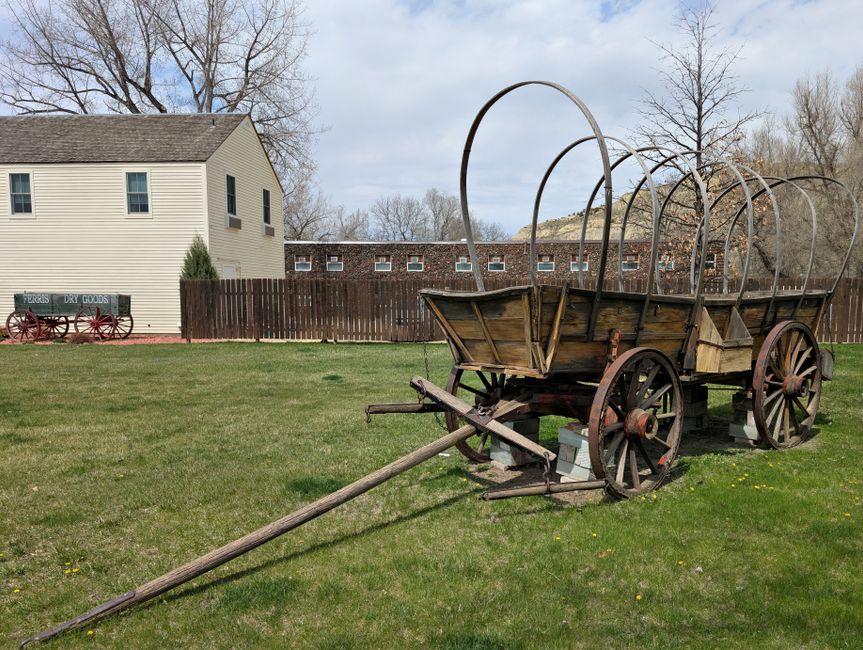
Entire communities were deliberately submerged to create the St. Lawrence Seaway, their memory now preserved in a poignant outdoor museum.
In the 1950s, the ambitious St. Lawrence Seaway project rerouted the river and flooded vast areas, displacing over 6,500 people and nine villages. The Lost Villages Museum stands as a solemn tribute, painstakingly relocating and restoring original buildings to tell the stories of these forgotten communities. It’s a powerful reminder of the human cost of progress and an opportunity to walk through a piece of history literally saved from the rising waters.
2. Drowned Mountains of the St. Lawrence
Gananoque, Ontario, Canada
The picturesque Thousand Islands are not just pretty landmasses, but the eroded peaks of ancient mountains, submerged by a post-glacial landscape.
Glimpsed from Gananoque, the Thousand Islands appear as a scattering of emerald gems on the St. Lawrence River. However, their true story lies deep in geological time. These islands are the exposed remnants of the Canadian Shield and Adirondack Mountains, part of a massive ancient mountain range that formed over a billion years ago during the Grenville Orogeny. After millennia of erosion and the retreat of glaciers, the St. Lawrence River flooded these valleys, leaving only the highest peaks visible as islands, each a testament to unimaginable geological forces.
3. Kingston's Limestone Sentinel
Kingston, Ontario, Canada
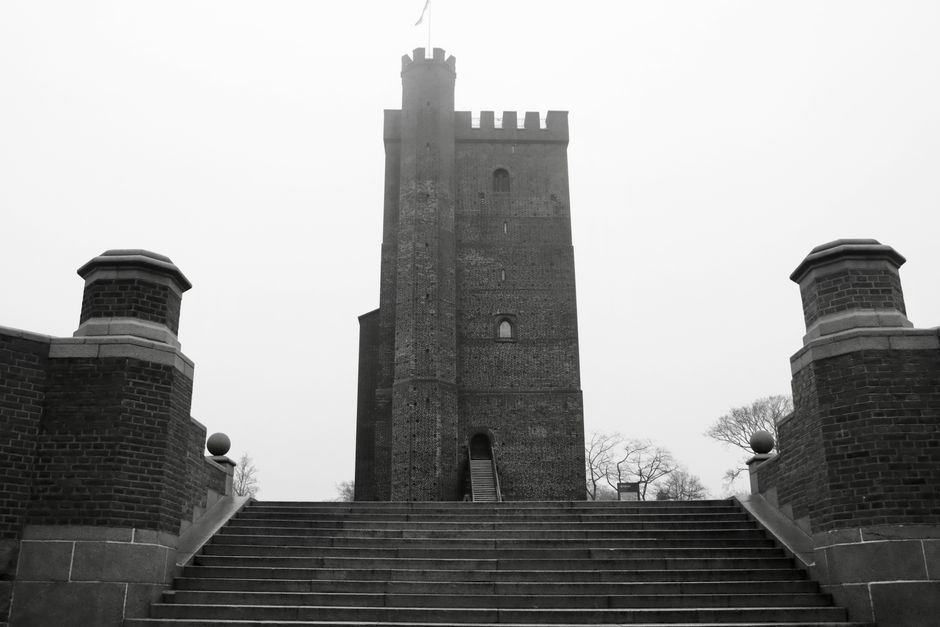
This formidable stone tower was one of four Martello towers built to defend Kingston, Canada's first capital, against an invasion that never came.
Perched on Kingston's waterfront, Murney Tower is a perfectly preserved example of a Martello tower, a type of defensive fort popular in the British Empire. Built in the 1840s amid fears of American invasion, it was part of a grand defensive strategy for Kingston, which briefly served as the capital of the Province of Canada. Though its cannons never fired in battle, the tower stands as a robust symbol of 19th-century military engineering and a tangible link to a pivotal era in Canadian political and military history.
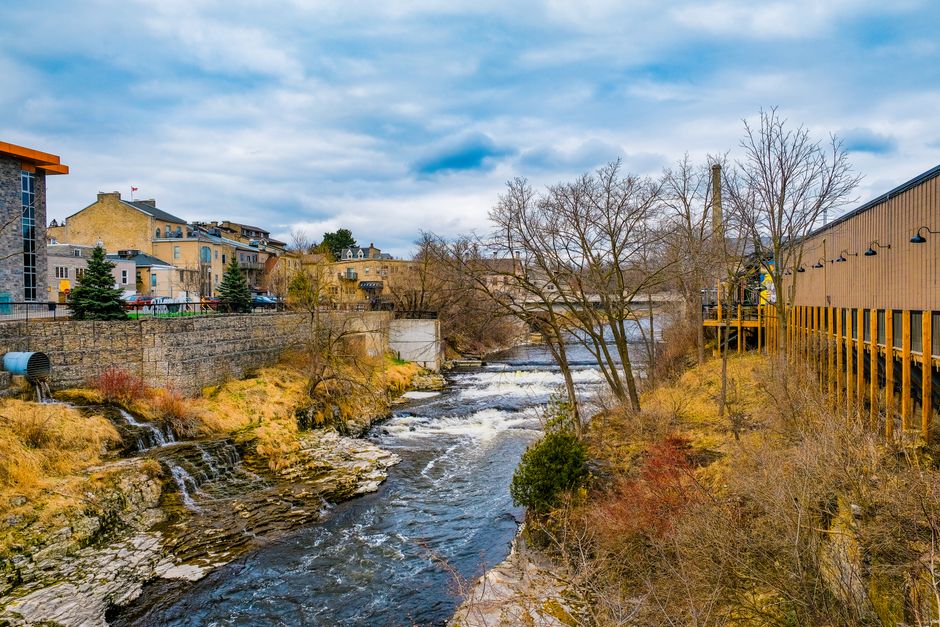
4. The Stone Town's Scottish Heart
Perth, Ontario, Canada
Discover a charming town founded by Scottish military settlers after the War of 1812, home to unique limestone architecture and enduring local legends.
Perth began as a military settlement in 1816, established to re-settle soldiers and Scottish immigrants after the War of 1812. This heritage is evident in its distinctive architecture, particularly the numerous elegant stone buildings constructed from local limestone, like the Matheson House which now hosts the Perth Museum. Beyond its historic charm, local folklore whispers of a "Perth-o-Saurus Rex" in nearby Big Rideau Lake, adding a playful mystery to this historically rich community.
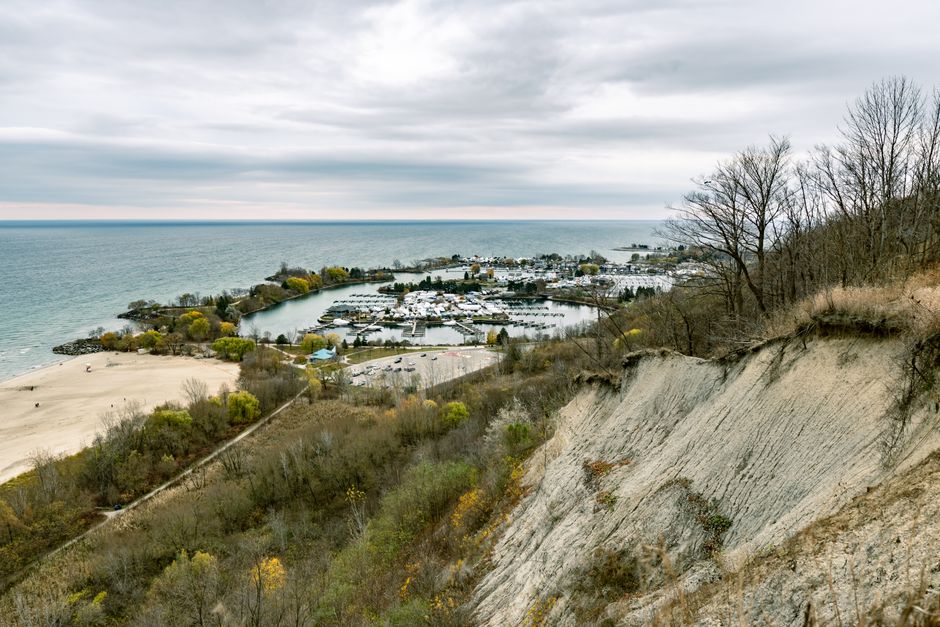
5. The Ghostly Bluffs of Lake Ontario
Prince Edward County, Ontario, Canada
A remote, windswept limestone bluff on Lake Ontario, known for its unique geological formations and tales of a phantom lighthouse keeper.
Point Petre is a wild, rugged expanse on the southern shore of Prince Edward County, far removed from the bustling wineries. Its dramatic limestone shelves, carved by ancient lake levels, offer a stark beauty. This exposed point is notorious for shipwrecks, and local legend claims the ghost of a former lighthouse keeper still patrols the desolate shores. It's a place where geology, history, and folklore converge, offering a glimpse into the raw power of Lake Ontario and its hidden narratives.
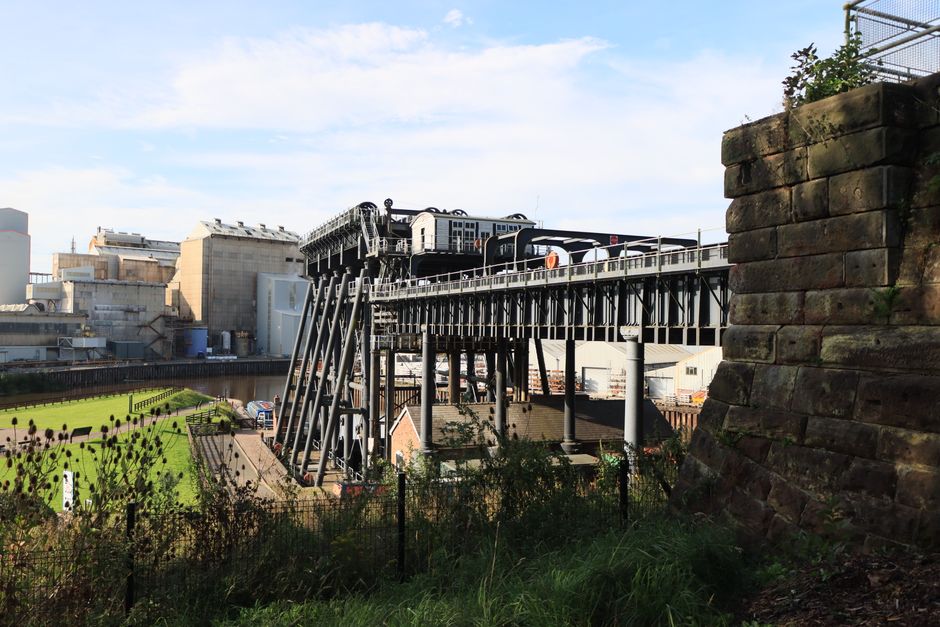
6. Canada's Hydraulic Marvel
Kirkfield, Ontario, Canada
This engineering marvel, part of the Trent-Severn Waterway, lifts boats nearly 50 feet using only the ingenious power of water.
Often overshadowed by its larger counterpart in Peterborough, the Kirkfield Lift Lock is an equally impressive feat of early 20th-century engineering. Completed in 1907, it's the second-highest hydraulic lift lock in the world. Two massive steel tubs, each holding water and a boat, counterbalance each other; water is added to the upper tub, making it heavier and allowing it to descend while simultaneously lifting the lower tub. It’s a silent, powerful ballet of physics, making the impossible journey between different water levels seem effortless.
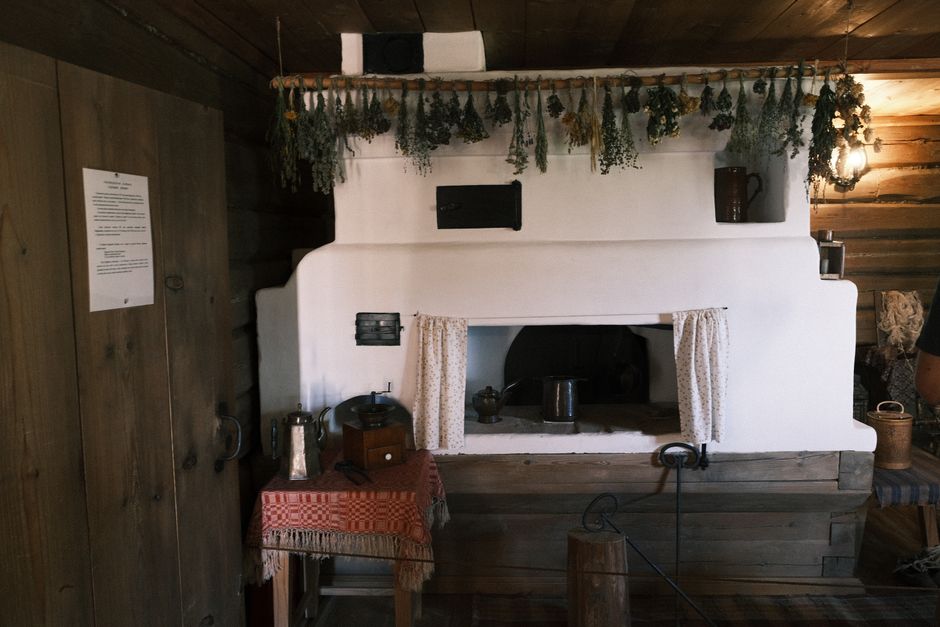
7. The Unsung Heroine's Walk
Queenston, Ontario, Canada
Step into the unassuming home of Laura Secord, who walked 32 kilometers through enemy lines to warn British forces during the War of 1812.
In June 1813, during the War of 1812, Laura Secord overheard American soldiers planning a surprise attack. Driven by courage, she embarked on an arduous, dangerous 32-kilometer trek through dense forest and enemy-occupied territory to alert Lieutenant James FitzGibbon. Her warning led to the Battle of Beaver Dams, a decisive British and Indigenous victory that prevented a full-scale American invasion of Upper Canada. Her homestead, preserved in Queenston, tells the poignant story of a civilian's extraordinary bravery that changed the course of history.
8. Whispers of a Tragic Estate
Hamilton, Ontario, Canada
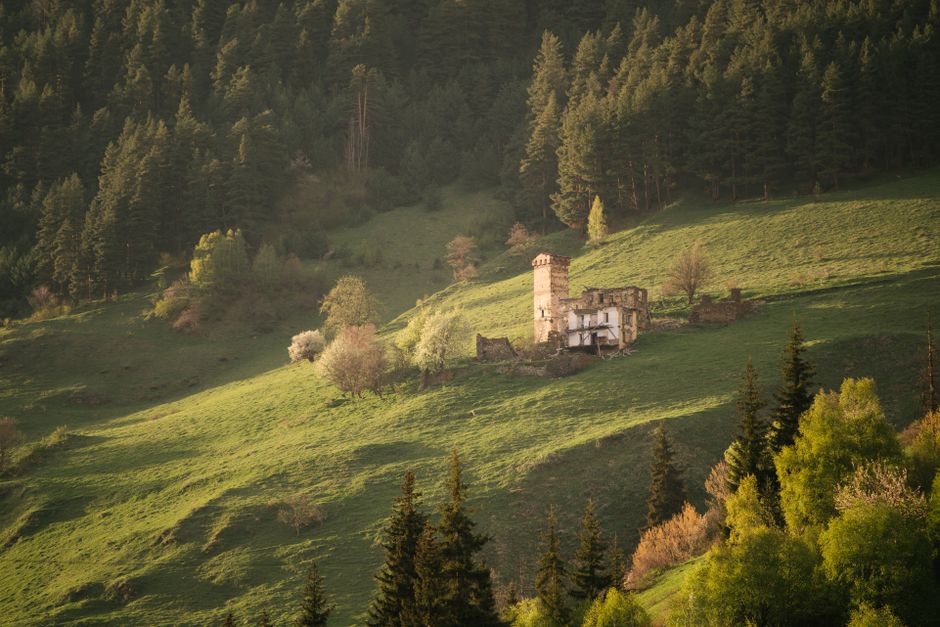
Within a 'cathedral of trees,' the eerie ruins of a once-grand estate whisper tales of tragic love, madness, and a ghostly carriage.
Deep within the lush Dundas Valley Conservation Area lie the haunting stone remnants of 'The Hermitage,' an estate built in 1830 by George Gourlay. Over its history, the property witnessed several tragedies and fires, leading to local legends of ghosts, including a headless coachman and a heartbroken lover. The Gatehouse Museum nearby chronicles the estate's dramatic past, inviting visitors to piece together the real and spectral stories woven into this atmospheric historical site.
Frequently asked questions
How long is the drive from Montreal to Niagara Falls?
The direct drive from Montreal to Niagara Falls typically takes about 6 to 7 hours, covering approximately 600 to 700 kilometers (around 370-435 miles). This estimate doesn't account for stops, traffic, or detours.
What are some scenic routes or interesting stops between Montreal and Niagara Falls?
Instead of just sticking to the main highways, consider detouring through the Thousand Islands region, exploring the historic towns along the St. Lawrence River like Kingston, or venturing into Prince Edward County. These areas offer unique historical sites, stunning natural beauty, and charming small towns.
Is it better to fly or drive from Montreal to Niagara Falls?
Driving offers flexibility and the opportunity to discover the many hidden gems along the route, as highlighted in this guide. Flying would involve a flight to a nearby airport (like Toronto Pearson or Buffalo, NY) and then ground transport, which is faster but bypasses all the fascinating points of interest on the ground.
How can AllTours.ai enhance my road trip discoveries?
AllTours.ai turns your phone into an AI audio tour guide. Simply point your camera at any landmark, landscape, or point of interest you encounter along your journey, and the app will instantly narrate its history, geology, and cultural significance in your preferred language, revealing stories you might otherwise miss.
Photography via Pexels. AllTours.ai is an AI audio tour guide — point your camera at any landscape and hear its story.