July 10, 2026 · 4 min read
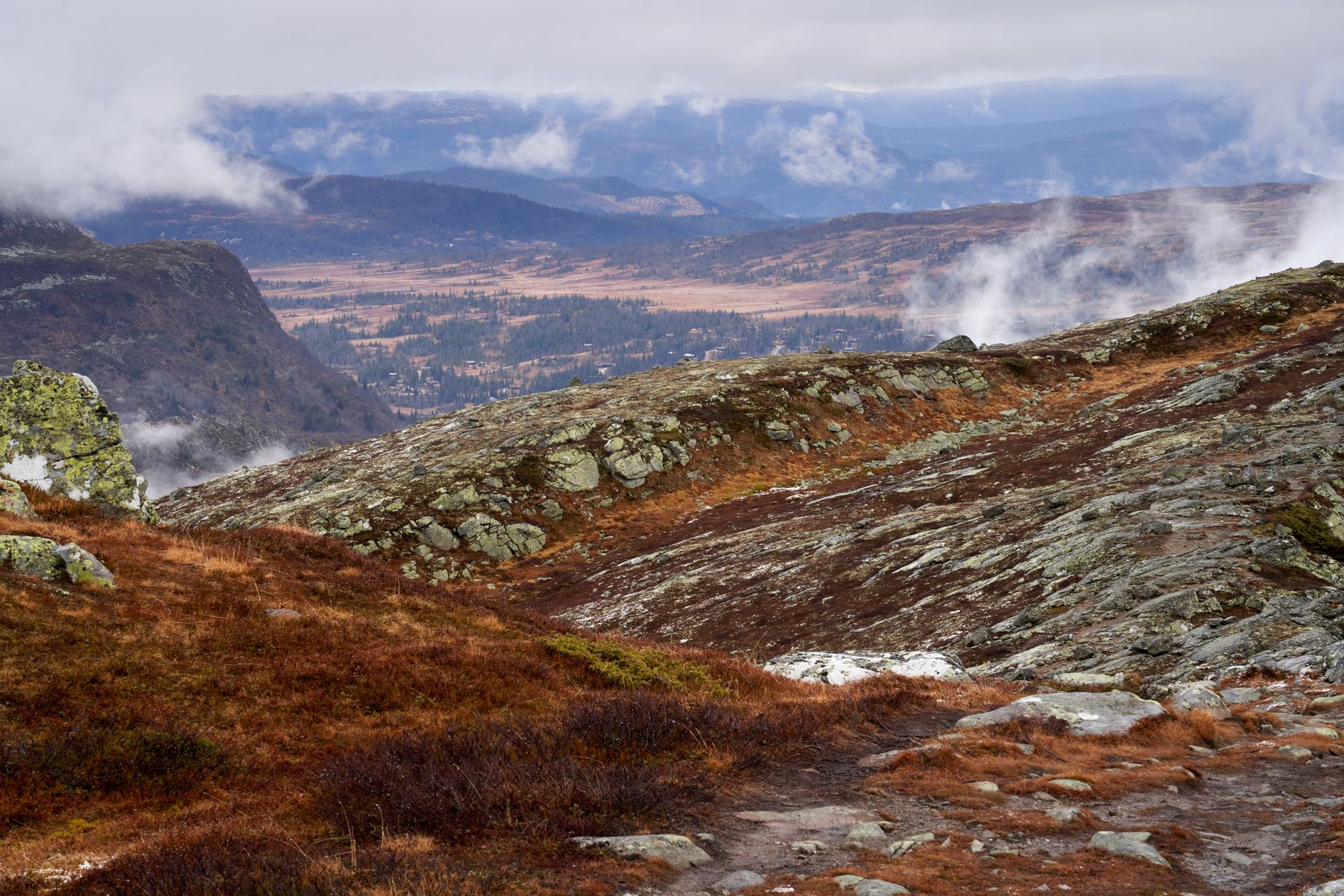
The question, "Is Sweden as beautiful as Norway?" often sparks lively debate among travelers. Norway's fjords and dramatic coastlines are legendary, drawing millions, but Sweden offers a subtler, equally captivating allure. Both nations boast incredible natural beauty and deep histories, yet much of their magic remains hidden off the well-trodden tourist paths.
This guide ventures beyond the postcards to uncover the truly underrated, lesser-known spots across Sweden and Norway. Prepare to discover places where ancient stories linger in stone, unique ecosystems thrive, and cultural traditions shape the very landscape – offering vivid glimpses into the heart of Scandinavia that most visitors never see.
1. The High Coast: A Land Still Rising
Höga Kusten, Sweden
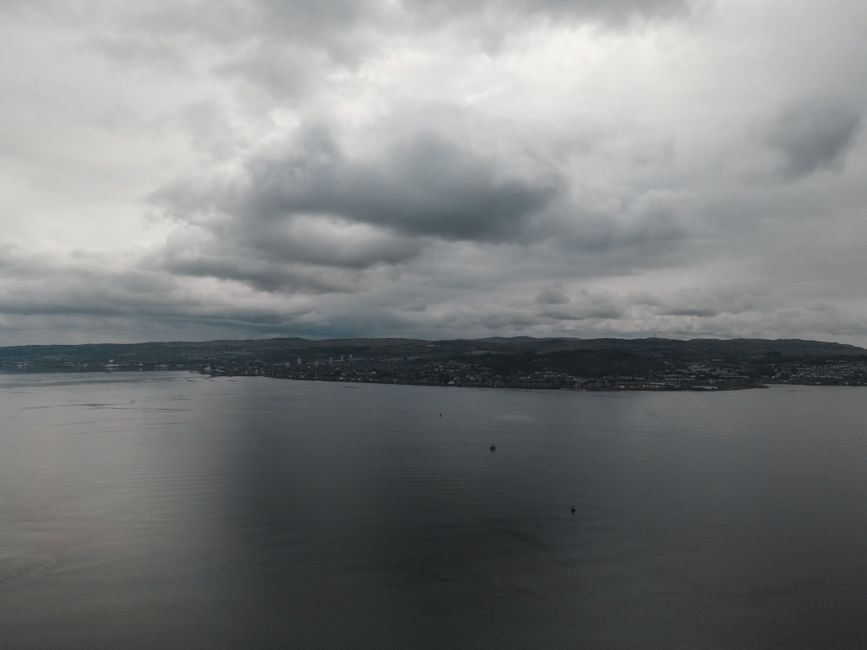
This stretch of Swedish coastline is still rising from the sea at one of the fastest rates in the world, a dramatic legacy of the last Ice Age.
Höga Kusten, a UNESCO World Heritage site, showcases the geological phenomenon of post-glacial rebound in spectacular fashion. As the immense weight of the ice sheets melted away, the land began to slowly bounce back, creating an ever-changing landscape of steep granite cliffs, deep bays, and islands that were once mountaintops. You can walk ancient shorelines high above current sea level, witnessing a landscape actively remaking itself.
2. Fårö's Rauk Fields: Sculptures of Time
Fårö, Gotland, Sweden
On this windswept island, the sea has carved bizarre limestone monoliths, known as rauks, that stand like ancient guardians on the shoreline.
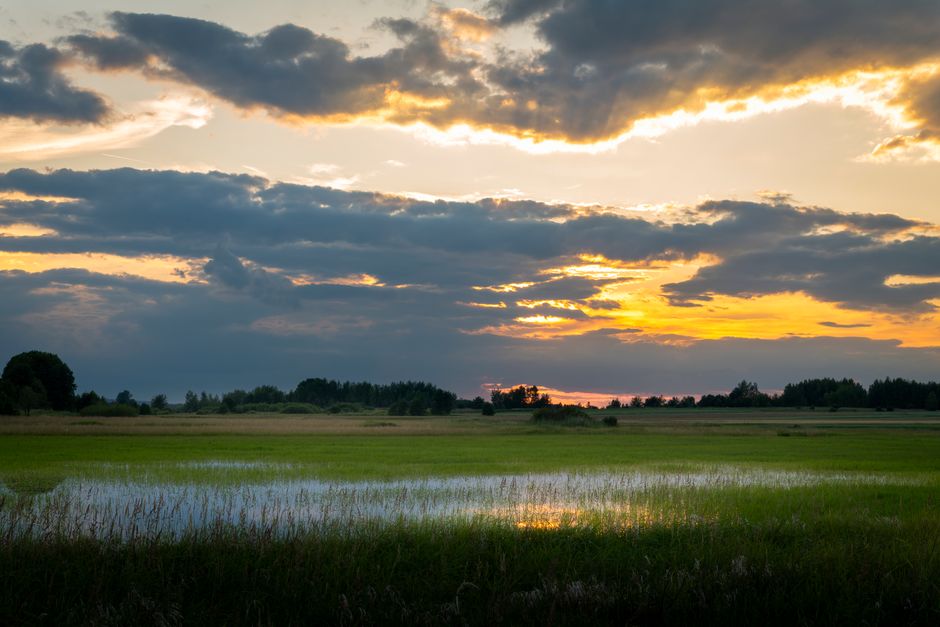
Fårö, just north of Gotland, is famous for its otherworldly rauk fields – natural rock formations shaped by millennia of erosion. These towering, often mushroom-shaped pillars create a surreal landscape, particularly at Langhammars. The island's stark beauty also famously captivated Swedish film director Ingmar Bergman, who made Fårö his home and the setting for several films, lending it an air of quiet, artistic mystique.

3. Kosterhavet: Sweden's Coral Kingdom
Kosterhavet National Park, Sweden
Beneath the surface of Sweden's first marine national park lies a hidden world of vibrant cold-water coral reefs, teeming with life.
Kosterhavet National Park, located off the Bohuslän coast, is a biodiversity hotspot unique in Sweden. Its nutrient-rich waters are home to over 12,000 species, including rare cold-water corals like the Lophelia pertusa, which form extensive reefs at depths of 50-200 meters. This protected area offers exceptional opportunities for snorkeling, kayaking, and seal spotting, revealing a marine ecosystem as rich and complex as any terrestrial park.
4. Ales Stenar: Sweden's Megalithic Ship
Kåseberga, Skåne, Sweden
Perched on a hill overlooking the Baltic Sea, 59 massive boulders form a ship-shaped monument, hinting at ancient astronomical knowledge or a Viking burial.
Ales Stenar is Sweden's largest preserved ship setting, a megalithic monument dating back to the Iron Age, possibly 600 AD. The 59 stones, each weighing up to 1.8 tons, are arranged in a 67-meter-long outline of a ship. Its precise alignment with the sunrise and sunset on the summer and winter solstices suggests an astronomical calendar or ceremonial site, offering a tangible link to ancient Nordic cultures and their understanding of the cosmos.
5. Røros: A Living Mining Town
Røros, Norway
This UNESCO-listed copper mining town is a living museum, where wooden houses from the 17th century are still inhabited and heated by wood fires.
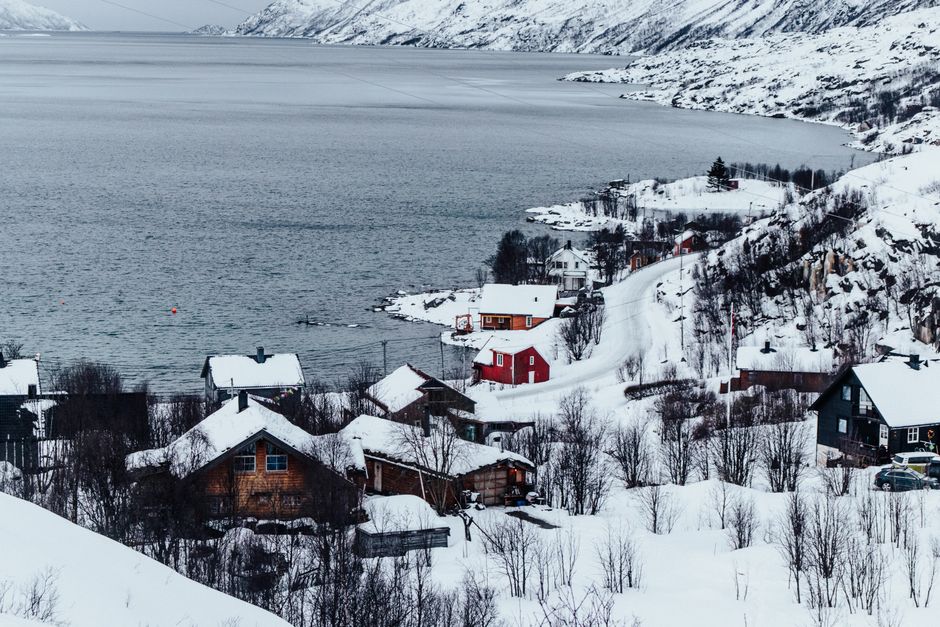
Røros is one of the oldest and best-preserved mining towns in the world, with a history stretching back to 1644. Its charming, crooked wooden houses, narrow streets, and the imposing Røros Church tell a story of centuries of hard labor and community life. Unlike many historical sites, Røros is a vibrant, inhabited town where traditions endure, making it feel less like a museum and more like a journey back in time, especially in winter when snow blankets its historic buildings.
6. Vega Archipelago: Eider Duck Partnership
Vega Archipelago, Norway
For generations, the remote islanders of Vega have cultivated a unique, symbiotic relationship with wild eider ducks, harvesting their precious down.
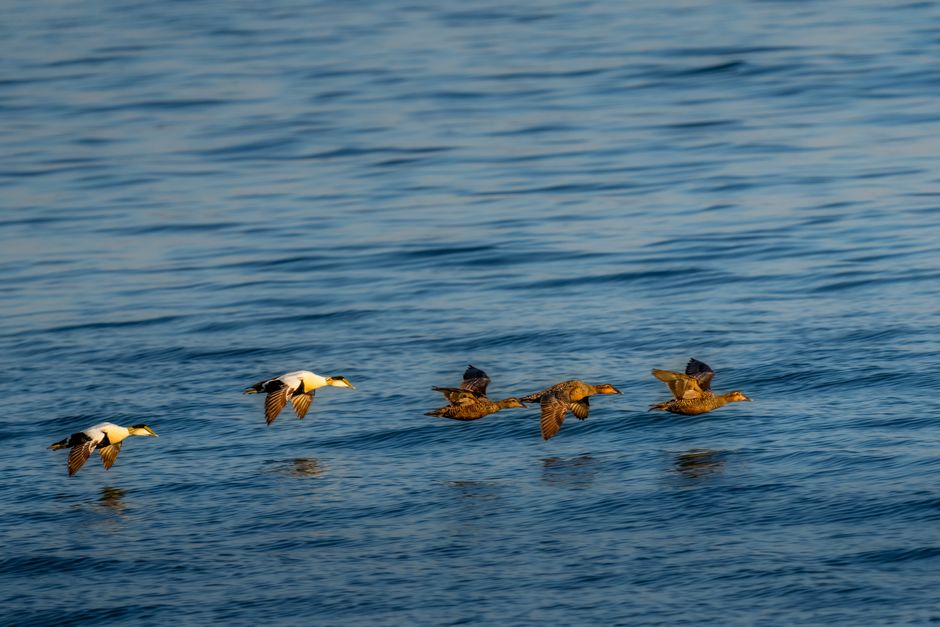
The Vega Archipelago, a UNESCO World Heritage site, is a testament to a sustainable way of life adapted to a harsh coastal environment. For over 1,500 years, islanders have built shelters for nesting eider ducks, protecting them from predators in exchange for their exceptionally warm and light down. This centuries-old tradition reflects a deep respect for nature and a unique cultural landscape shaped by the close bond between humans and birds.
7. Senja's Devil's Jaw: Tungeneset
Senja, Norway
On the dramatic island of Senja, often called 'Miniature Norway,' a jagged rock formation known as the 'Devil's Jaw' offers a breathtaking, less crowded viewpoint.
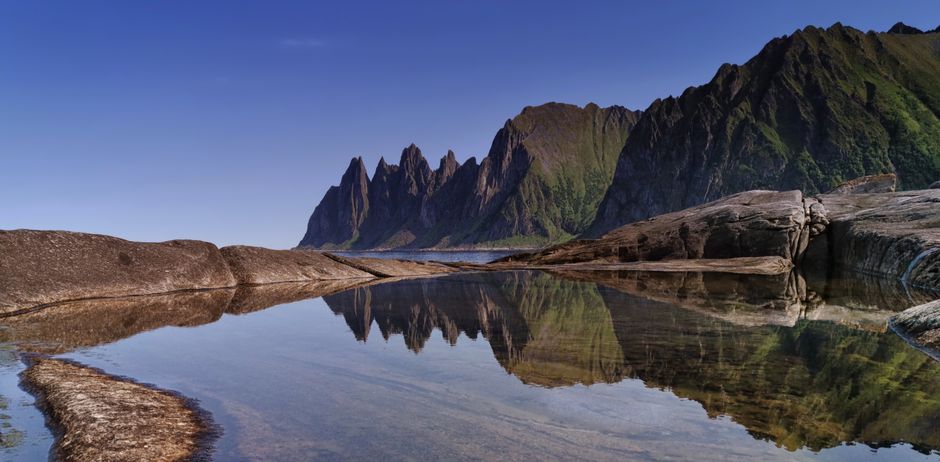
Senja, Norway's second-largest island, packs an incredible variety of landscapes into a smaller area, from towering mountains plunging into fjords to white sand beaches. Tungeneset viewpoint, with its striking 'Devil's Jaw' rock formation, offers a unique photo opportunity against the backdrop of the Okshornan peaks. It's a prime example of Senja's rugged beauty, providing a taste of Norway's iconic scenery without the overwhelming crowds of more famous spots.
8. Rondane National Park: Wild Reindeer Domain
Rondane National Park, Norway
Norway's very first national park protects a vast, ancient mountain plateau that has been home to wild reindeer herds since the last Ice Age.
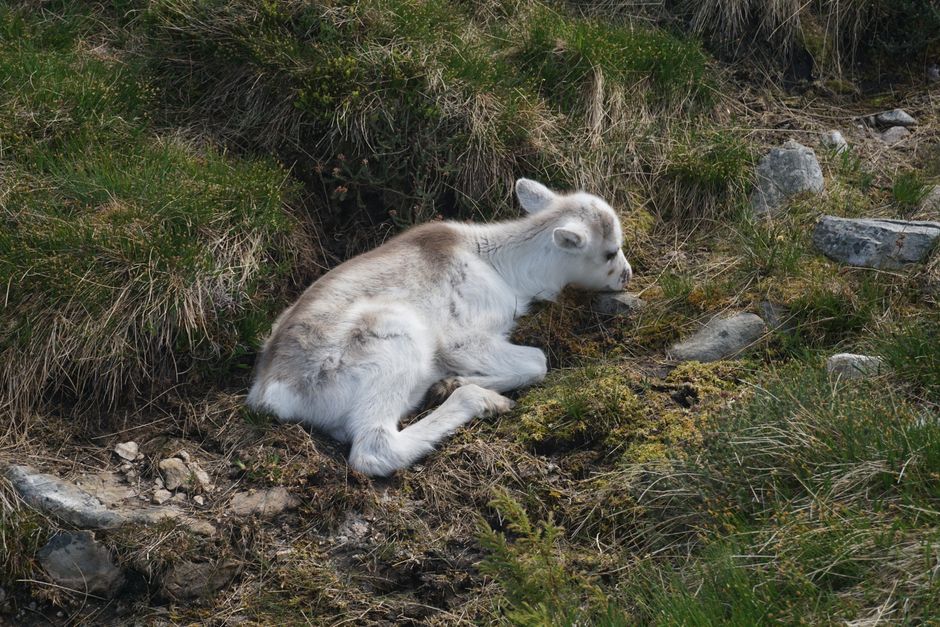
Established in 1962, Rondane National Park is a rugged wilderness characterized by high peaks, desolate plateaus, and deep valleys. It's one of Europe's last remaining habitats for wild reindeer, whose migration patterns and grazing have shaped the landscape for millennia. Hiking through Rondane offers a chance to experience untouched nature, a profound sense of solitude, and perhaps a glimpse of these majestic creatures roaming freely in their ancestral lands.
Frequently asked questions
Which country is better for nature lovers, Sweden or Norway?
Both Sweden and Norway offer incredible natural beauty, but with distinct characteristics. Norway is famous for its dramatic fjords, towering mountains, and deep valleys. Sweden, while also mountainous in parts, features more expansive forests, vast archipelagos, and unique coastal geology like the High Coast. Your preference depends on whether you seek dramatic, rugged vistas or serene, varied landscapes.
What is the best time of year to visit Sweden and Norway?
The best time largely depends on your desired activities. Summer (June-August) offers the warmest weather, long daylight hours, and ideal conditions for hiking, kayaking, and exploring the coastlines. Winter (December-March) transforms both countries into snowy wonderlands, perfect for skiing, dog sledding, and experiencing the Northern Lights, though some areas may be less accessible.
Are there many hidden gems in Scandinavia that aren't well-known?
Absolutely. While popular destinations like the Lofoten Islands or Stockholm get much attention, both Sweden and Norway are rich with lesser-known, stunning places. From ancient megalithic sites and unique marine parks to historic mining towns and remote island communities with fascinating traditions, there's a wealth of unique experiences beyond the usual tourist routes, waiting to be discovered.
How can AllTours.ai help me explore these lesser-known places?
AllTours.ai transforms your phone into an AI audio tour guide. Simply point your camera at any landscape or landmark, and the app will narrate its history, geology, and culture in your preferred language. It's perfect for discovering the hidden stories behind these underrated locations, giving you a deeper understanding and appreciation of the places you explore, without needing a traditional guide.
Photography via Pexels. AllTours.ai is an AI audio tour guide — point your camera at any landscape and hear its story.