September 9, 2026 · 4 min read
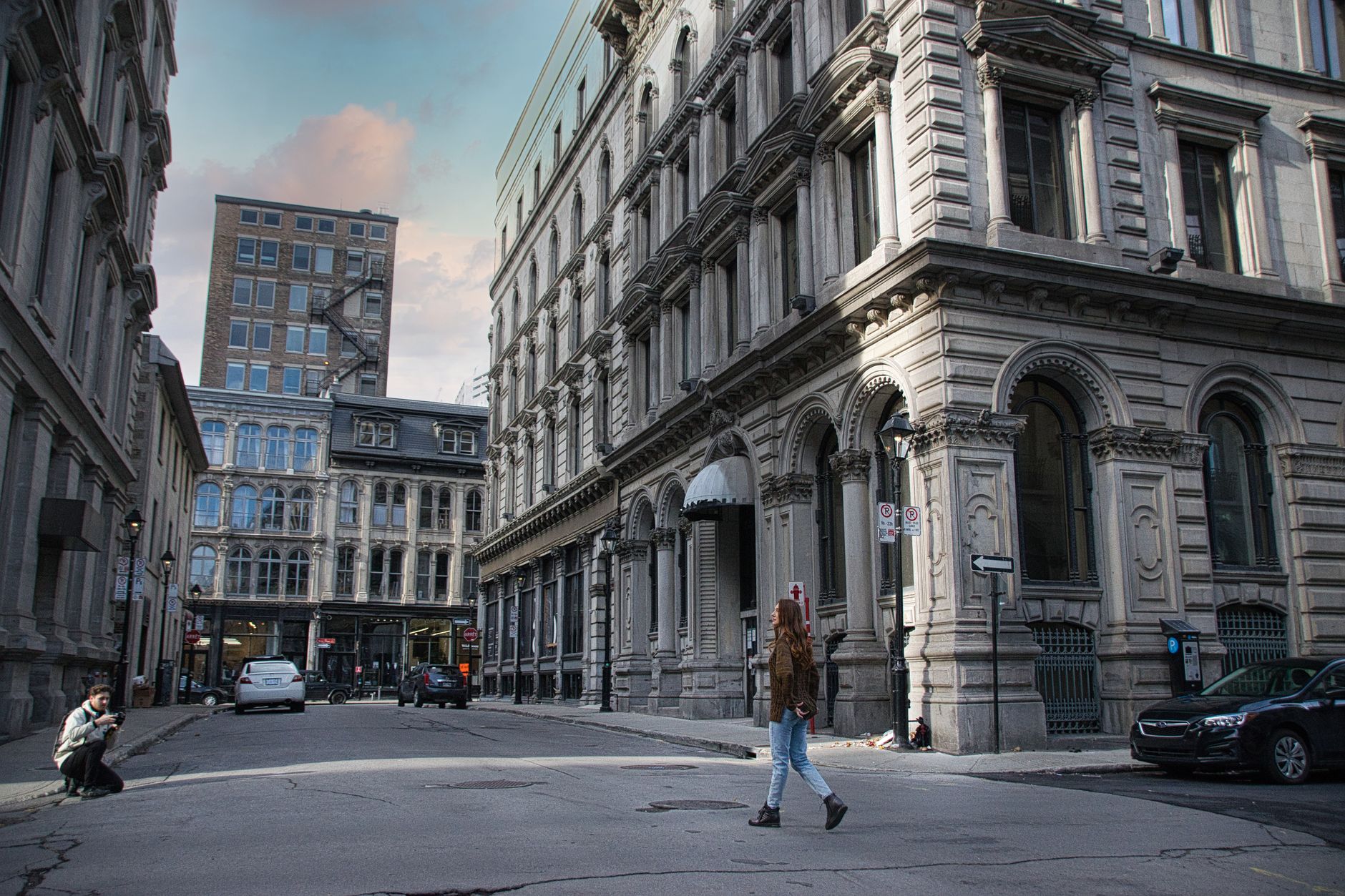
Ah, Montréal. A city known for its vibrant culture, delicious poutine, and a certain colorful vocabulary that often piques the curiosity of visitors. If you've spent any time here, or even just researched a trip, you might have stumbled upon the distinctive Quebecois profanity, particularly the word "tabarnak." You're not alone in asking: Is it common? And how exactly is it used?
While it's true that you'll likely hear it (and its many variations) used in various contexts across the city, from expressions of frustration to surprise, Montréal's true character goes far beyond its unique linguistic quirks. It's a city built on layers of captivating history, surprising geology, and a dynamic culture that often hides in plain sight. Forget the usual tourist traps; let's explore some genuinely overlooked spots where the city's real stories – and perhaps, the occasional "tabarnak" – truly come alive.
1. The Cradle of Canadian Industry
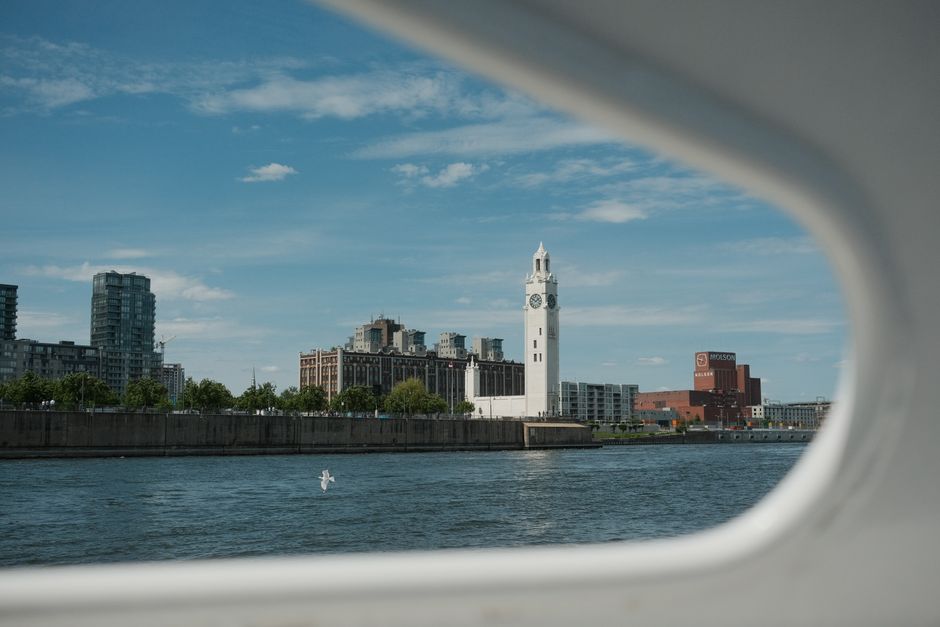
Lachine Canal National Historic Site, Canada
This tranquil waterway was once the engine of Canada's industrial revolution, transforming Montréal into a powerhouse.
While many know the Lachine Canal for its cycling paths, few delve into its profound past. The canal, completed in 1825, was a critical bypass for the Lachine Rapids, allowing ships to navigate the St. Lawrence River. Its banks became home to factories powered by its flowing waters, making it the birthplace of Canada's modern industry and attracting waves of immigrants who shaped Montréal's diverse fabric.
2. A Victorian Time Capsule of Nature
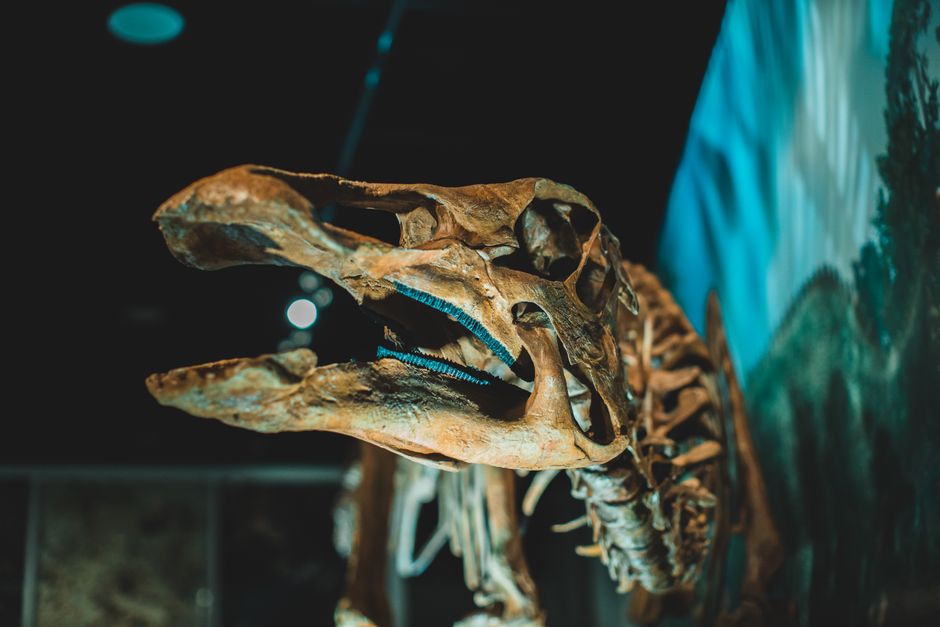
Redpath Museum, McGill University, Canada
Hidden within McGill University, this grand Victorian museum houses an astonishing collection of dinosaurs and ancient artifacts.
Often overshadowed by flashier institutions, the Redpath Museum is a stunning journey into natural history. Opened in 1882, it feels largely unchanged, with its original wooden display cases and taxidermy. Here, you can stand before a full Gorgosaurus skeleton, marvel at Egyptian mummies, and explore vast collections of minerals and fossils, all housed in a beautiful, historic building that's a marvel in itself.
3. The Cubes of Experimental Living
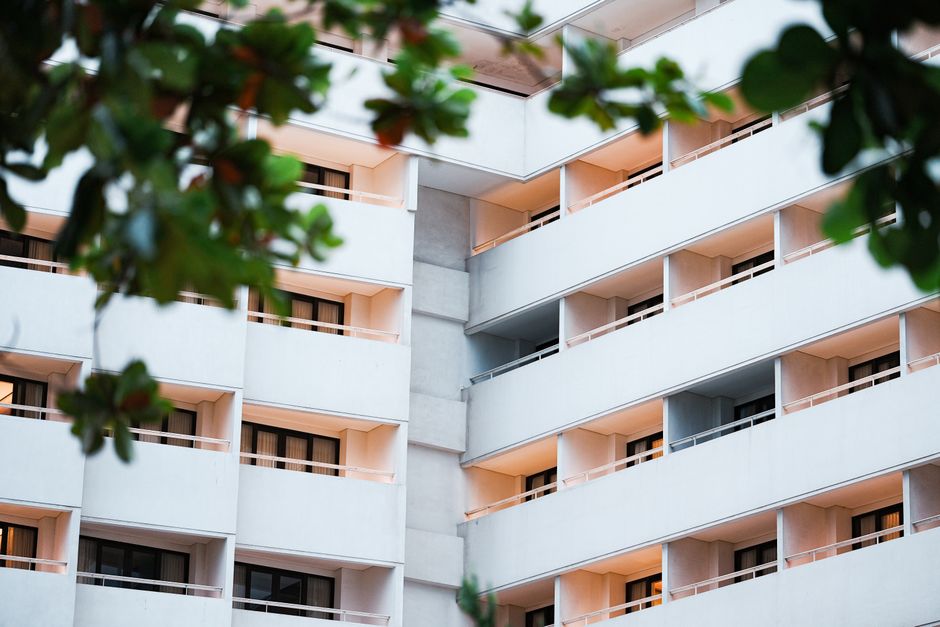
Habitat 67, Canada
Designed for Expo 67, this radical housing complex redefined urban living with its stacked, pre-fabricated concrete cubes.
A true architectural marvel, Habitat 67 was Moshe Safdie's vision for affordable, high-density housing that still offered privacy and green space. Each of the 354 pre-fabricated concrete cubes is arranged to give residents a private garden and ample natural light, creating a 'village' on the St. Lawrence River. It remains a functioning residential complex, a testament to optimistic, experimental urban design.
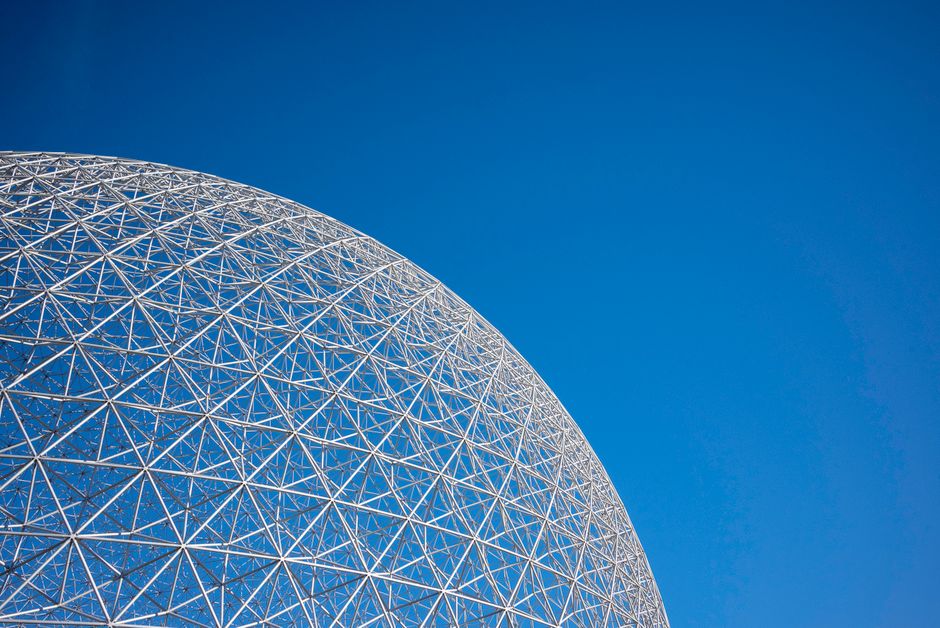
4. Fuller's Geodesic Dream
Biosphere, Parc Jean-Drapeau, Canada
This iconic dome, a relic of Expo 67, was once a US Pavilion and now stands as a symbol of environmental education.
While Parc Jean-Drapeau hosts many events, the Biosphere's story is unique. Designed by Buckminster Fuller for the 1967 World's Fair, it was the US Pavilion, a spectacular geodesic dome. After a fire destroyed its acrylic skin in 1976, the structure stood as a skeleton for years. Today, it's an environmental museum, its striking form a constant reminder of both technological ambition and ecological awareness.
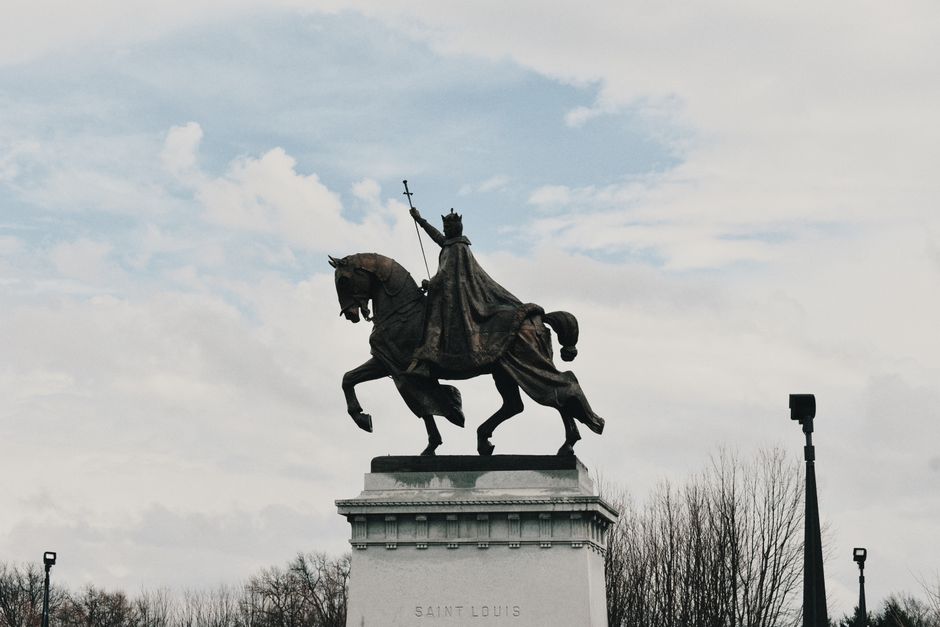
5. Victorian Elegance on Artist's Row
Saint-Louis Square (Carré Saint-Louis), Canada
Nestled in the Plateau, this picturesque square is surrounded by stunning Victorian homes and has long been a haven for artists and intellectuals.
A short walk from the bustling Rue Saint-Denis, Saint-Louis Square feels like stepping into a European painting. The square is a rare example of Victorian residential architecture in Montréal, with its ornate facades and wrought-iron balconies. Historically, it attracted poets, writers, and musicians, fostering a bohemian spirit that still lingers. The central fountain and mature trees offer a peaceful respite.
6. From Garment to AI Hub
Mile-Ex District, Canada
This former industrial zone, once home to textile factories, has rapidly transformed into Montréal's cutting-edge artificial intelligence and tech hub.
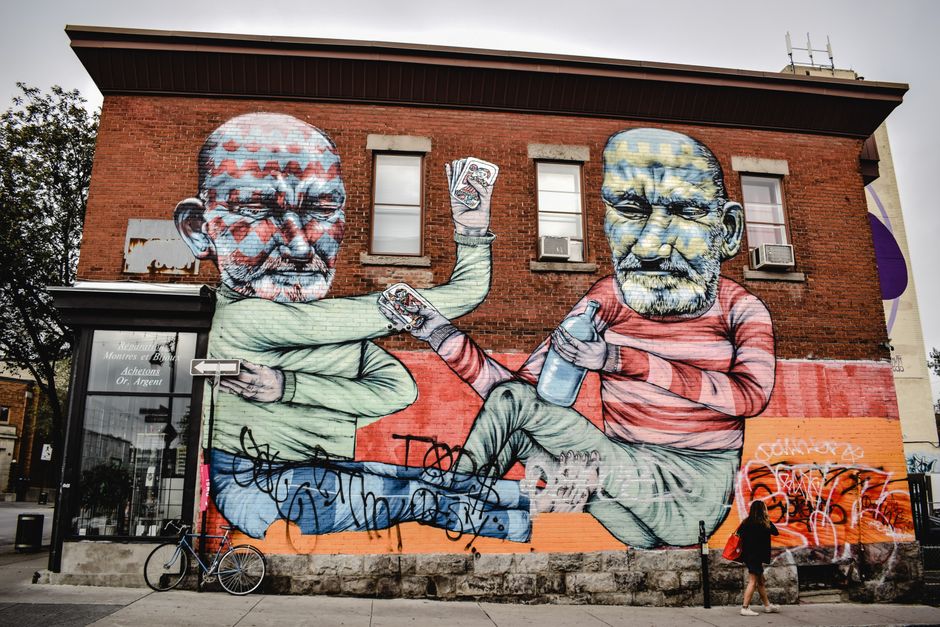
Mile-Ex represents Montréal's dynamic evolution. What were once gritty industrial buildings and garment factories are now sleek offices housing world-renowned AI research labs and innovative startups. The neighborhood retains some of its raw, artistic edge with street art and independent cafes, but beneath the surface, it's a hotbed of technological innovation, quietly shaping the future.
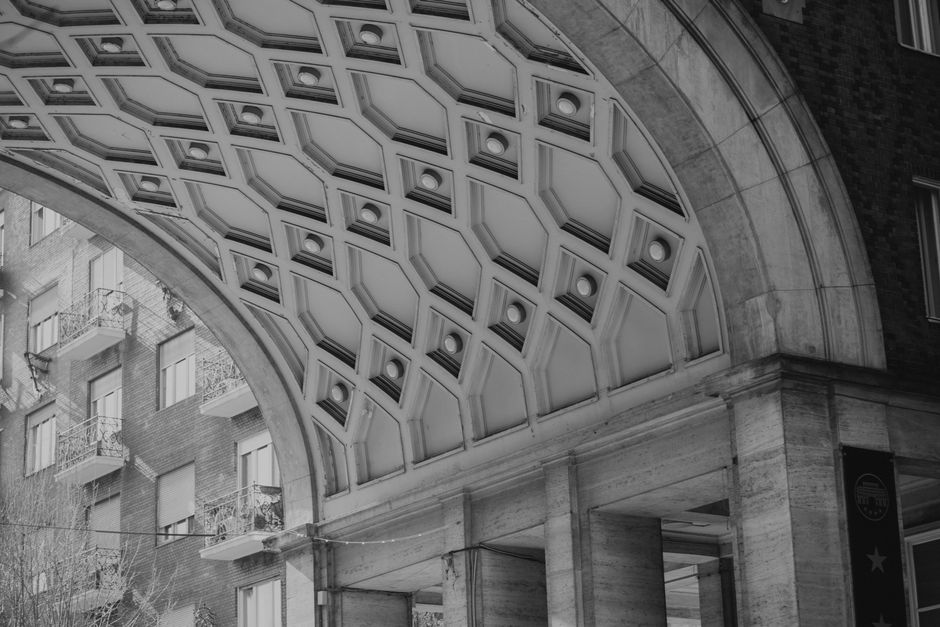
7. Art Deco Market Life
Marché Atwater, Canada
More than just a market, this Art Deco masterpiece has been feeding Montrealers with local produce and gourmet goods since 1933.
Located on the Lachine Canal, Marché Atwater is a feast for the senses and an architectural gem. Its distinctive Art Deco tower and elegant design make it stand out among public markets. Inside and out, vendors offer fresh fruits, vegetables, cheeses, meats, and flowers, providing a lively glimpse into local life. It's a place where history, community, and culinary delights converge daily.
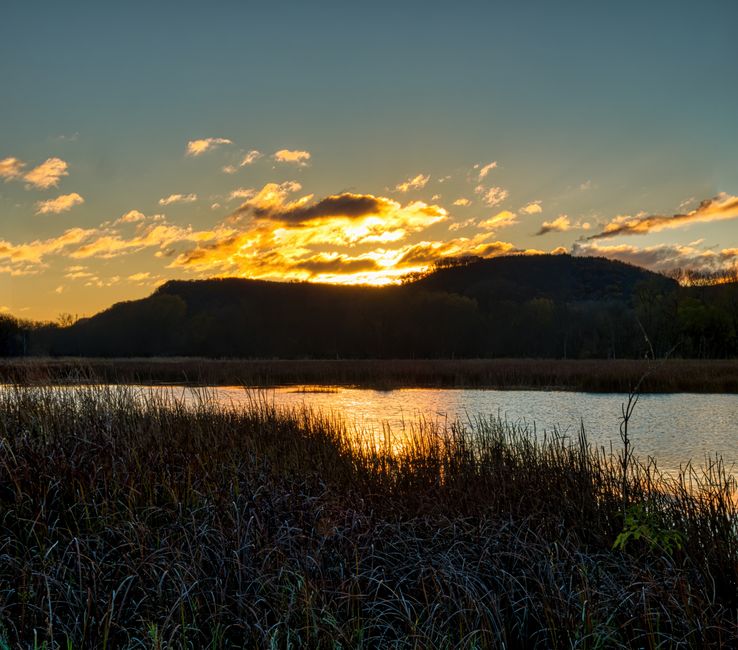
8. Wild Wetlands in the City's East
Pointe-aux-Prairies Nature Park, Canada
Discover a vast, wild expanse of marshes, forests, and fields at Montréal's eastern edge, a surprising natural escape.
Far from the city's downtown bustle, Pointe-aux-Prairies Nature Park offers a stark contrast. This expansive park protects diverse ecosystems, including significant wetlands vital for migratory birds and local wildlife. It's a place to hike, cross-country ski, or simply observe nature, providing a glimpse into the region's original landscape and a peaceful sanctuary often overlooked by visitors.
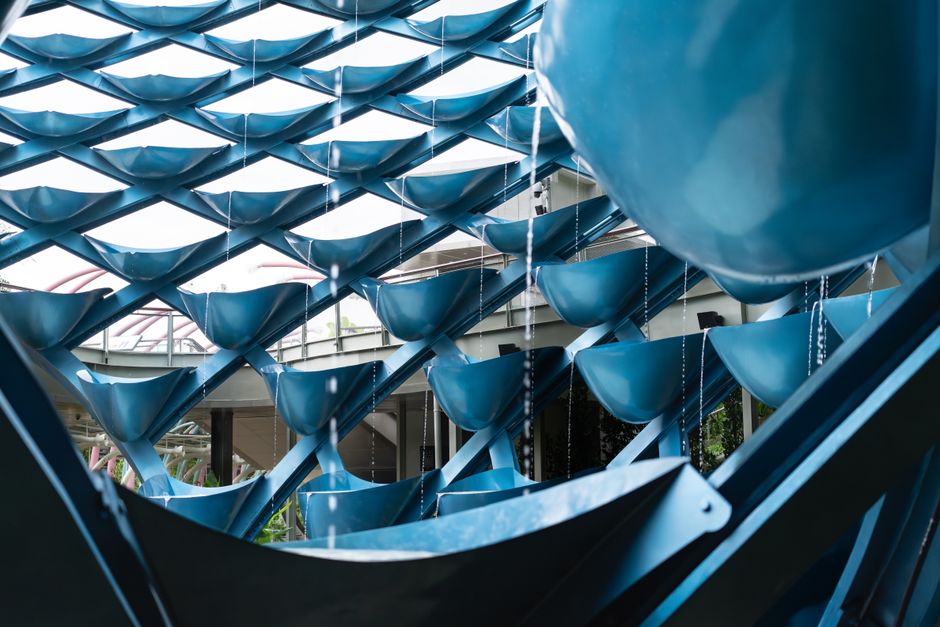
9. The Underground Musical Fountains
Complexe Desjardins, Downtown Montreal, Canada
Beneath a massive glass ceiling, a spectacular indoor fountain show dances to music, a vibrant surprise within the underground city.
While Complexe Desjardins is a major commercial hub and part of Montréal's famous underground city (RESO), many visitors miss its dazzling centerpieces: the four musical fountains. Every hour, these fountains erupt in synchronized patterns of water, light, and sound, creating a captivating spectacle that brings life to the vast atrium. It's a hidden gem, especially on a cold or rainy day, offering an unexpected moment of beauty amidst shopping and transit.
Frequently asked questions
What does 'tabarnak' mean and how is it used in Quebec?
'Tabarnak' is a very common and versatile Quebecois swear word, derived from 'tabernacle,' a sacred object in Catholicism. It can express a wide range of emotions, from anger and frustration to surprise, joy, or even admiration. Its usage is highly contextual, often serving as an intensifier similar to English expletives.
Is it offensive for tourists to use Quebecois swear words like 'tabarnak'?
Generally, it's best for tourists to avoid using Quebecois swear words. While locals use them freely, improper context or pronunciation can come across as rude, mocking, or disrespectful. It's perfectly fine to understand and observe their usage, but stick to polite language when interacting with locals.
What are some other common Quebecois expressions a traveler might hear?
Beyond profanity, you might hear 'C'est plate' (It's boring/lame), 'Bienvenue' (You're welcome, not just Welcome), 'J'ai le goût de...' (I feel like...), 'Pantoute' (Not at all), or 'Avoir la chienne' (To be scared). These casual phrases offer a glimpse into the unique cadence of Quebecois French.
How can AllTours.ai help me discover more about these unique Montreal places?
The AllTours.ai app transforms your smartphone into a personal AI audio tour guide. Simply point your phone's camera at any landmark, landscape, or even a specific building mentioned in this list, and the app will narrate its history, geology, and cultural significance in your preferred language. It's like having an expert local guide in your pocket, ready to reveal the hidden stories of Montréal.
Photography via Pexels. AllTours.ai is an AI audio tour guide — point your camera at any landscape and hear its story.