July 26, 2026 · 4 min read
You're planning an unforgettable journey to South Korea, dreaming of ancient temples, bustling markets, and breathtaking natural wonders. But a crucial question pops up: Is the US dollar accepted as currency in stores and restaurants, especially when venturing beyond Seoul's main tourist hubs?
The short answer is: generally, no. While major international airports or duty-free shops might accept USD, most everyday transactions in South Korea require Korean Won (KRW). Credit cards are widely accepted, but for a truly immersive experience, especially in the country's lesser-known, charming corners, having Korean Won is essential. Let's explore some of these extraordinary places where local currency opens up a world of fascinating stories.
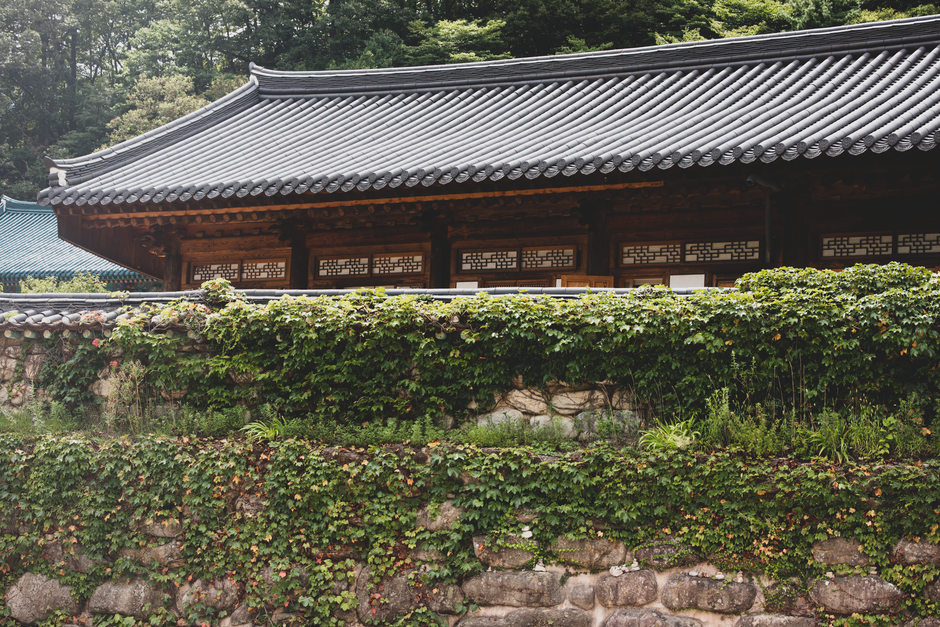
1. The Wisdom of Woodblocks
Haeinsa Temple, Gayasan National Park, South Korea
This ancient temple houses a UNESCO-listed collection of 80,000 wooden printing blocks carved to invoke divine protection against invaders.
Haeinsa Temple, nestled deep within Gayasan National Park, is home to the Tripitaka Koreana. This vast collection of Buddhist scriptures was meticulously carved onto woodblocks in the 13th century, a monumental undertaking intended to appeal to the Buddha's power to repel Mongol invasions. The sheer scale and historical significance of these 81,258 blocks, perfectly preserved in unique storage halls, offer a profound glimpse into Korea's spiritual resilience and craftsmanship.
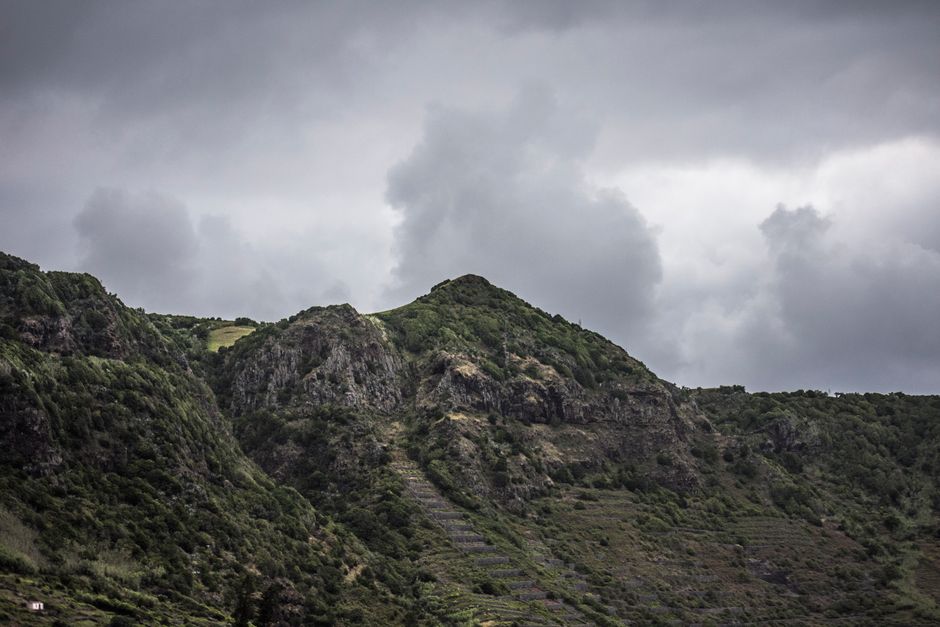
2. Island of Geological Wonders
Ulleungdo Island, South Korea
This remote volcanic island, often called 'Mysterious Island,' boasts unique spiral rock formations and a dramatic caldera that once housed a large lake.
Ulleungdo, a rugged volcanic island far off Korea's east coast, offers a starkly beautiful landscape born of ancient eruptions. Its dramatic cliffs, sea caves, and unique rock formations like the Samseonam Rocks tell a geological tale millions of years in the making. The island's interior reveals the remnants of a massive caldera, now a fertile basin, providing a habitat for rare flora and fauna found nowhere else in Korea. Exploring its winding coastal roads and hiking trails feels like stepping onto another planet.
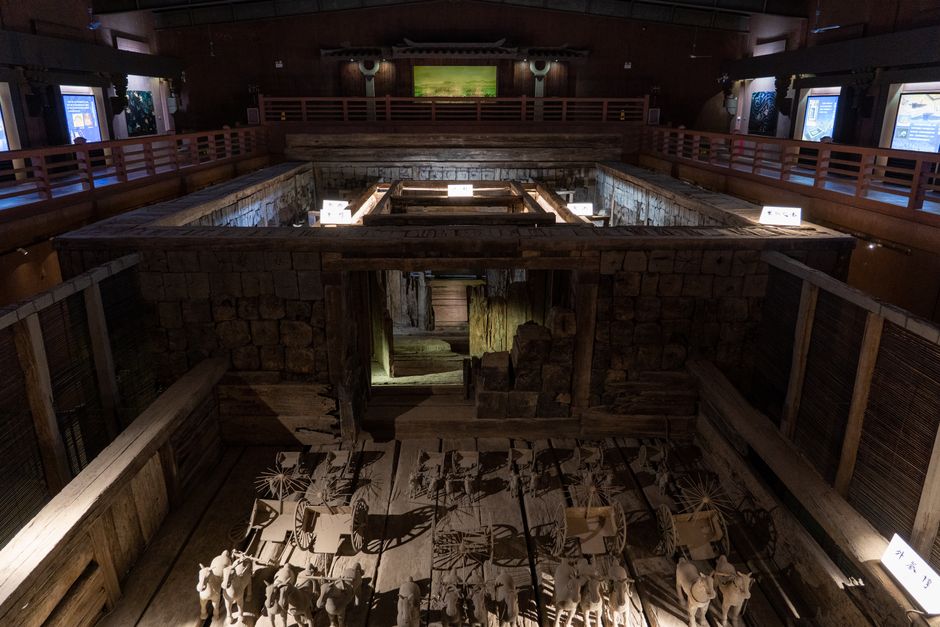
3. Baekje's Royal Secrets
Gongju, South Korea
In 1971, a perfectly preserved royal tomb, untouched by looters for 1500 years, was accidentally discovered here, revealing the opulence of the Baekje Kingdom.
Gongju, a former capital of the Baekje Kingdom, holds the secrets of one of Korea's 'Three Kingdoms.' The highlight is the Tomb of King Muryeong, discovered by chance during drainage work. Unlike other Baekje tombs, it was never plundered, yielding an extraordinary array of artifacts, including intricate gold crowns and delicate porcelain. These treasures offer unparalleled insights into Baekje's sophisticated artistry, advanced burial practices, and extensive international trade networks with China and Japan.
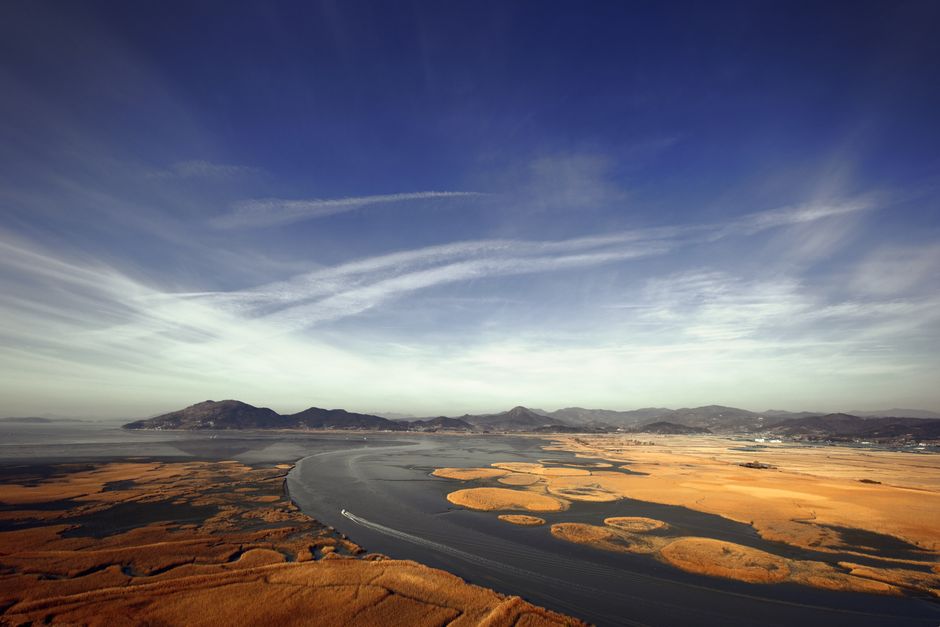
4. The Reed Sea Sanctuary
Suncheon Bay National Garden, South Korea
This vast ecological park features the largest reed beds in Korea and is a critical stopover for over 200 species of migratory birds, including rare cranes.
Suncheon Bay National Garden is not just a garden; it's a sprawling ecological marvel. The highlight is Suncheon Bay itself, an expansive coastal wetland renowned for its towering reed beds that stretch as far as the eye can see. This pristine environment is a crucial habitat for countless species, particularly migratory birds from Siberia and the Arctic. Witnessing thousands of elegant cranes and other waterfowl against the golden reeds at sunset is an unforgettable, serene experience.
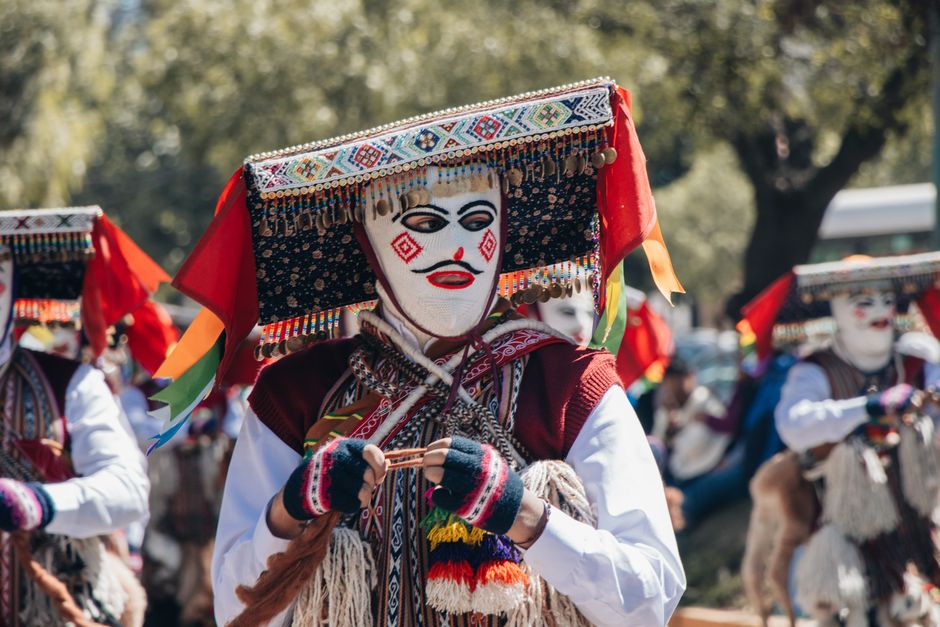
5. Dancing Masks of Satire
Andong Hahoe Folk Village, South Korea
This UNESCO-listed village is famous for its Hahoe masks and the Byeolsingut Talnori, a traditional mask dance that once openly satirized corrupt aristocrats.
Andong Hahoe Folk Village is a living museum, preserving the Joseon Dynasty's architectural and cultural heritage. What truly sets it apart is its unique Hahoe masks and the associated Byeolsingut Talnori mask dance. This powerful folk performance, dating back centuries, was a rare outlet for commoners to openly mock the ruling elite and religious figures through satire and humor. The masks themselves are revered as national treasures, each embodying a distinct character and societal critique.
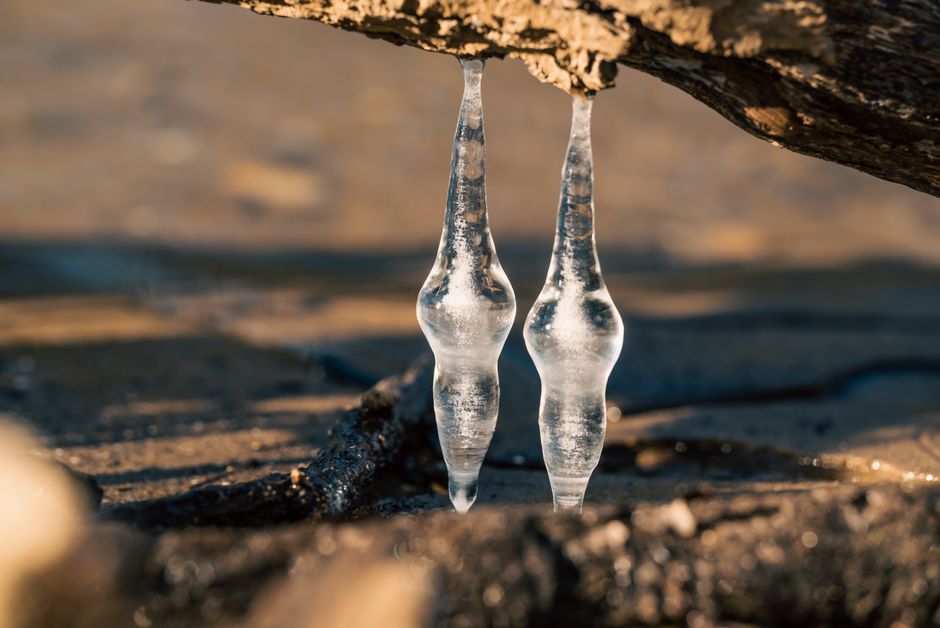
6. The Summer Ice Valley
Cheongsong Eoreumgol (Ice Valley), South Korea
Defying logic, this valley exhibits a geological anomaly where ice forms in summer and melts in winter, maintaining a constant chilly temperature even on hot days.
Cheongsong Eoreumgol, or 'Ice Valley,' is a peculiar natural phenomenon. While surrounding temperatures soar in summer, this specific valley maintains a remarkably cold climate, with ice forming in crevices and along rock faces. Conversely, the ice begins to melt as winter approaches. This rare geological quirk, attributed to a unique air circulation system within the rocks, creates an otherworldly environment and a refreshing escape from the summer heat.
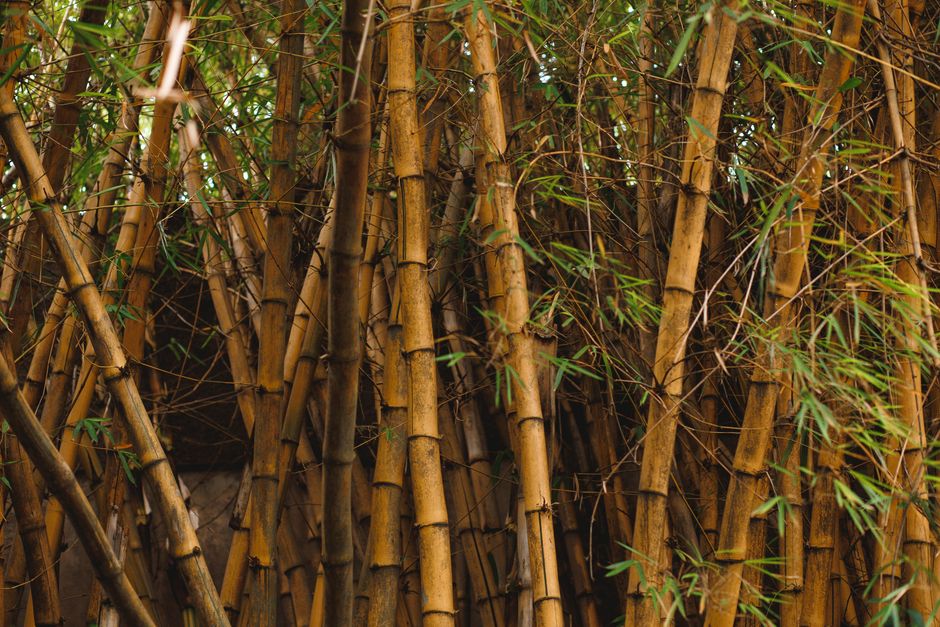
7. Bamboo Forest of Whispers
Damyang Juknokwon (Bamboo Forest), South Korea
This towering bamboo forest is not only a tranquil escape but also renowned for its unique 'phytoncide-rich' air, believed to offer significant health benefits.
Damyang Juknokwon is a mesmerizing bamboo forest, famous for its eight walking trails, each named after a virtue. As you stroll beneath the towering stalks, the rustling leaves create a calming symphony, and the air is noticeably fresh. This freshness is attributed to a high concentration of phytoncides, natural antibacterial compounds emitted by plants, which are believed to reduce stress and boost immunity. It's a place where nature's serenity and potential health benefits intertwine.
Frequently asked questions
Can I use US dollars for shopping in South Korea?
Generally, no. While some large international establishments or duty-free shops might accept USD, the vast majority of stores, restaurants, and local businesses in South Korea only accept Korean Won (KRW). It's always best to exchange your currency beforehand or withdraw KRW from an ATM.
Are credit cards widely accepted in South Korea?
Yes, credit cards (Visa, Mastercard, American Express) are very widely accepted across South Korea, even in smaller towns and local shops. However, carrying some cash (KRW) is advisable for street food vendors, small markets, or if you encounter a rare cash-only establishment.
Where can I exchange money or find ATMs in South Korea?
You can exchange currency at major banks, authorized currency exchange offices (often found in airports and tourist areas), or even some hotels. ATMs are ubiquitous and can be found almost everywhere, including convenience stores (like GS25, CU, 7-Eleven). Look for global ATMs that support foreign cards.
How can AllTours.ai help me explore these lesser-known spots?
AllTours.ai transforms your smartphone into a personal AI audio guide. Simply point your phone camera at any landmark, landscape, or even a local market stall, and the app instantly narrates its history, geology, or cultural significance in your preferred language, enriching your exploration of both famous and hidden gems.
Photography via Pexels. AllTours.ai is an AI audio tour guide — point your camera at any landscape and hear its story.