September 11, 2026 · 4 min read
Most travelers can name a country's capital, but often, the true heartbeat of a nation resides elsewhere. Think of Canada, where Toronto's global renown often eclipses Ottawa's governmental gravitas. Or Brazil, where Rio de Janeiro's Carnival spirit and São Paulo's urban sprawl feel more iconic than Brasília's modernist capital.
This isn't a mere quirk of geography; it's a window into how cultures develop, how economies thrive, and how history leaves its mark far beyond official centers. Often, the most compelling stories and the deepest insights into a country aren't found in its capital or its largest commercial hub, but in the places less traveled, where unique narratives unfold.
1. The Island at the Edge of the World
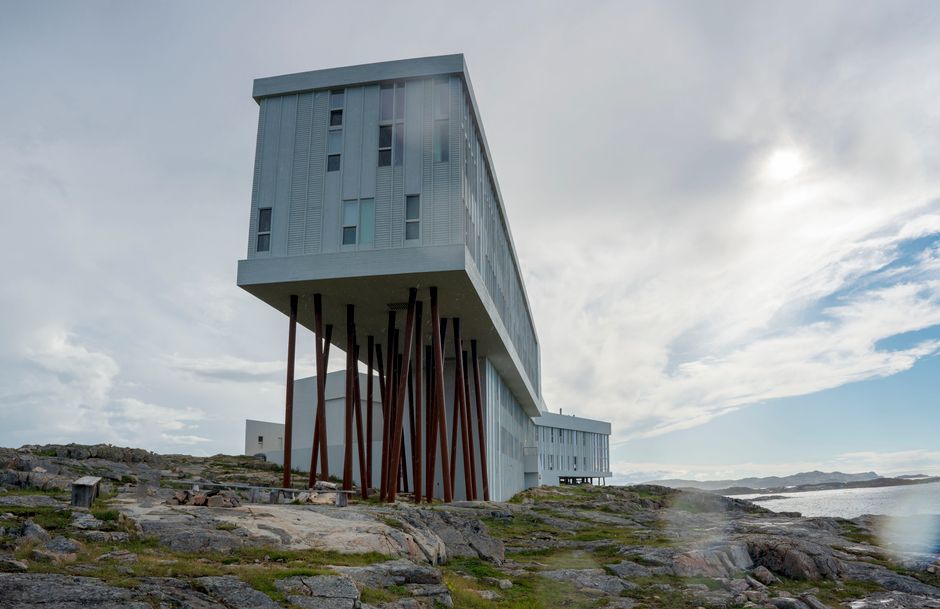
Fogo Island, Newfoundland and Labrador, Canada
This remote island was once rumored to be one of the four corners of the flat earth by a fringe society.
Fogo Island, off the coast of Newfoundland, holds a unique place in both geography and folklore. Its stark beauty and isolation foster a resilient fishing culture, but it gained a curious notoriety when the Flat Earth Society purportedly designated it as one of the planet's 'corners.' While this claim lacks serious evidence, it highlights the island's distinctive, rugged character and its position at the easternmost edge of North America, where traditional ways of life persist.
2. Australia's Subterranean City
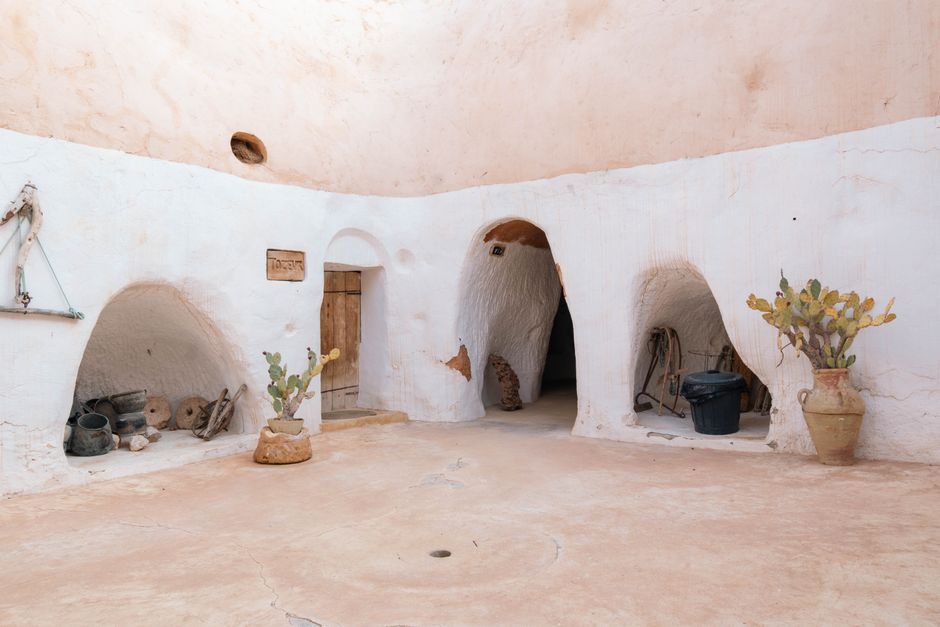
Coober Pedy, South Australia, Australia
In this opal mining town, a significant portion of the population lives underground to escape extreme desert heat.
Coober Pedy is not just a mining town; it's a testament to human ingenuity in the face of extreme conditions. The searing daytime temperatures in the South Australian outback, often exceeding 40°C, prompted residents to build 'dugouts' – homes, churches, and even hotels carved directly into the sandstone. This subterranean lifestyle offers a constant, cooler temperature year-round, making it a truly unique urban environment forged by the pursuit of precious opals.
3. The Ancient Metropolis of Earth
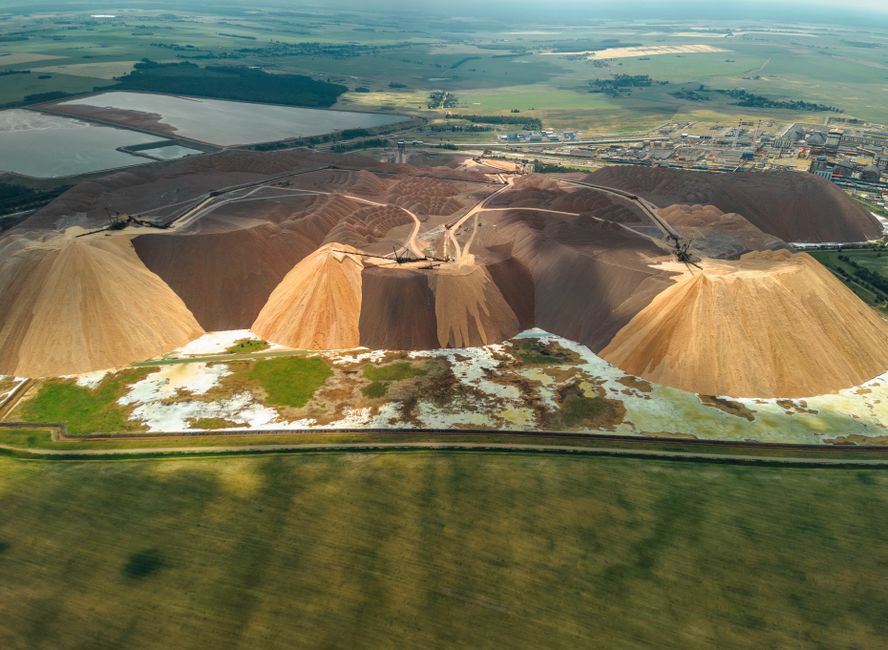
Cahokia Mounds State Historic Site, Illinois, USA
North America's largest pre-Columbian city was built almost entirely of earth, not stone, and was once larger than London.
Before European contact, Cahokia was a sophisticated urban center of the Mississippian culture, thriving between 1050–1200 CE. Its monumental earthworks, including Monks Mound, the largest prehistoric earthen construction in the Americas, housed a population that may have reached 20,000. This complex society, with its intricate social structures and vast trade networks, vanished long before European arrival, leaving behind a profound archaeological mystery that speaks to a forgotten American urbanism.
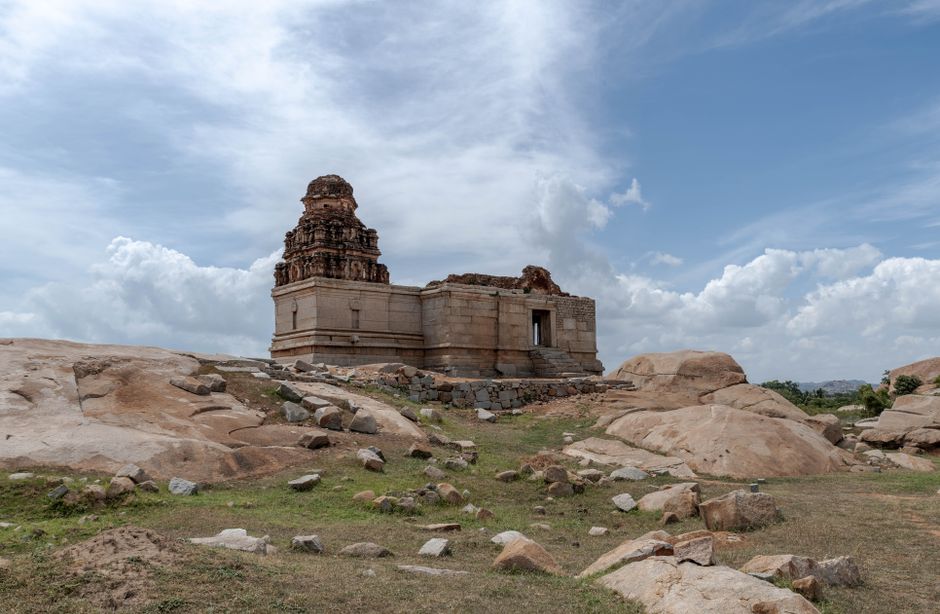
4. The Rock Garden of Forgotten Empires
Hampi, Karnataka, India
This UNESCO World Heritage site is a sprawling collection of temple ruins set amidst a surreal landscape of giant boulders, remnants of a powerful forgotten empire.
Hampi was once the capital of the Vijayanagara Empire, one of the largest and wealthiest Hindu empires in Indian history. Though ravaged by invaders in the 16th century, its spectacular temples, palaces, and markets remain, intricately carved from the local granite. The site is uniquely characterized by its geology: thousands of enormous, naturally balanced boulders that dot the landscape, creating a dramatic backdrop to the ruins and sparking local legends about their origins.
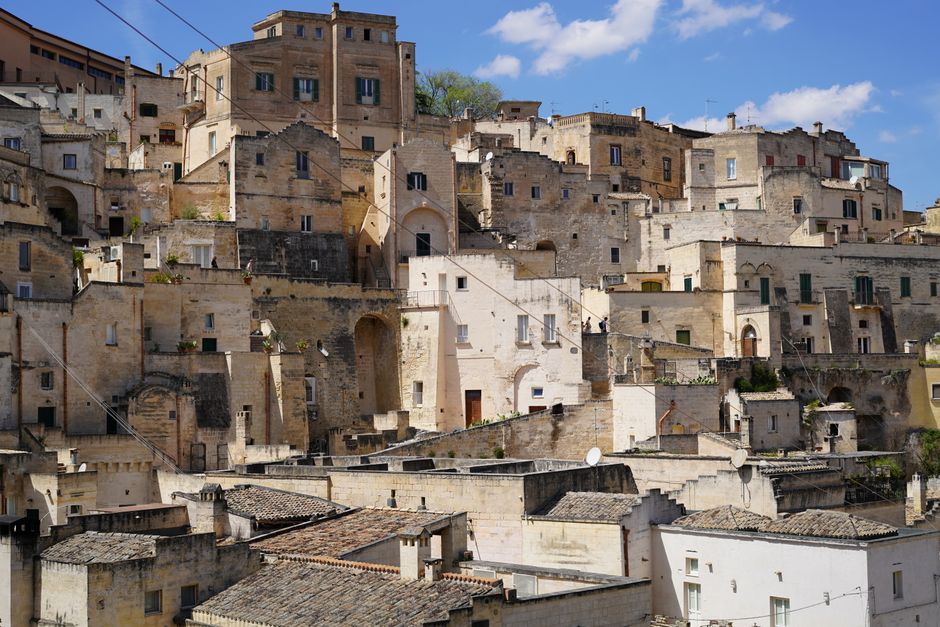
5. Italy's Cave City, Millennia Old
Matera, Basilicata, Italy
Matera is one of the oldest continuously inhabited settlements in the world, where people still live in ancient cave dwellings carved into the rock.
Known as the 'Città dei Sassi' (City of Stones), Matera’s unique cave dwellings have been continuously inhabited for over 9,000 years, making it an extraordinary testament to human resilience and adaptation. Once a symbol of poverty, the sassi (caves) have been lovingly restored and transformed into homes, hotels, and restaurants. Walking through its labyrinthine alleys reveals layers of history, from prehistoric settlements to medieval churches, all etched into the very fabric of the landscape.
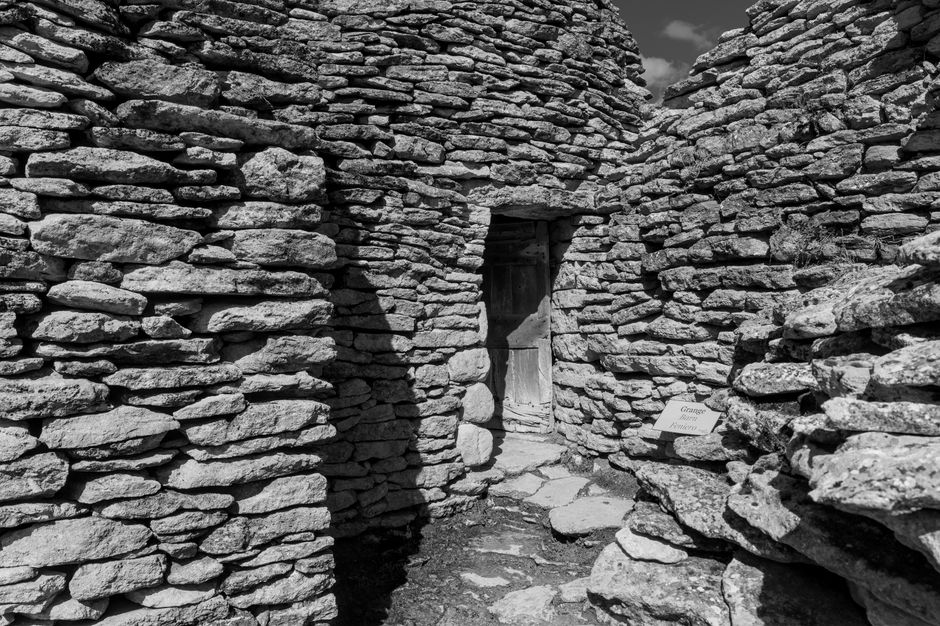
6. The Neolithic Time Capsule
Skara Brae, Orkney Islands, Scotland
This remarkably preserved Neolithic village lay buried under sand for millennia before a storm revealed it in the 19th century.
On the remote Orkney Islands, Skara Brae offers an unparalleled glimpse into Stone Age life. Dating back over 5,000 years, older than the pyramids of Egypt, this sophisticated settlement features well-preserved stone beds, dressers, and storage boxes within its clustered houses. Its remarkable preservation is due to being covered by sand dunes for centuries, protecting it from the elements until a severe storm in 1850 unearthed this archaeological wonder, revealing daily life from a distant past.
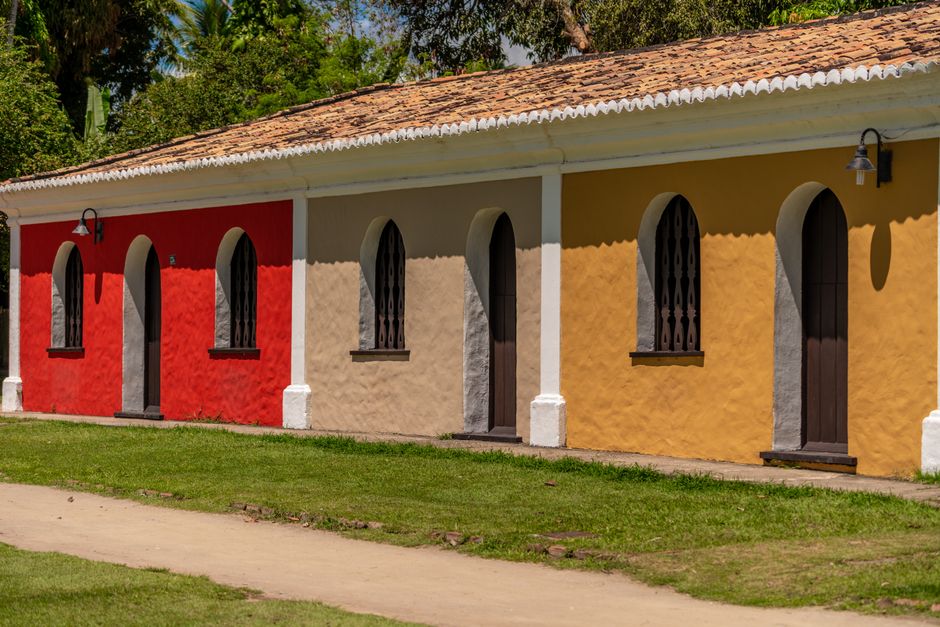
7. Brazil's Living Colonial Masterpiece
Olinda, Pernambuco, Brazil
This vibrant colonial city, once a sugar capital, was almost entirely destroyed by Dutch invaders but rose again to become a UNESCO site renowned for its Baroque architecture and lively traditions.
Perched on hills overlooking the Atlantic, Olinda is a jewel of Brazilian colonial architecture. Founded in the 16th century, it became a wealthy sugar-producing center. Its beauty, however, attracted Dutch invaders in the 17th century who burned it to the ground. Miraculously, Olinda rebuilt itself, retaining its charming, colorful Baroque churches and houses. Today, it’s not just a historic site but a living city, particularly famous for its unique, street-party style Carnival celebrations that draw on Afro-Brazilian traditions.
Frequently asked questions
Why do some commercial cities become more prominent than their capitals?
Often, commercial cities grow due to strategic location for trade, natural resources, or historical economic policies. Their focus on business and industry attracts diverse populations and investment, leading to rapid development and global recognition that can sometimes overshadow the political importance of a capital city.
Does having a highly popular commercial city benefit a country's global image?
Yes, a globally recognized commercial city can significantly boost a country's international profile, attracting tourism, foreign investment, and skilled talent. It can serve as a vibrant cultural and economic gateway, even if the capital maintains its official governmental role, providing a multi-faceted national identity on the world stage.
How can travelers discover these lesser-known, story-rich places?
Beyond guidebooks, look for local tourism boards, specialty travel blogs focusing on cultural heritage or geology, and academic resources. Engaging with locals in major cities often reveals nearby gems. Prioritizing experiences over checklist tourism also opens doors to unexpected discoveries.
How does AllTours.ai help explore these unique locations?
AllTours.ai transforms your phone into an AI audio tour guide. Simply point your camera at any landscape or landmark, and the app instantly narrates its deep history, geological formations, and cultural significance in your preferred language. It's designed to bring the vivid, specific stories of places like these hidden gems directly to you, making every view an immersive learning experience.
Related guides
Photography via Pexels. AllTours.ai is an AI audio tour guide — point your camera at any landscape and hear its story.