July 5, 2026 · 4 min read
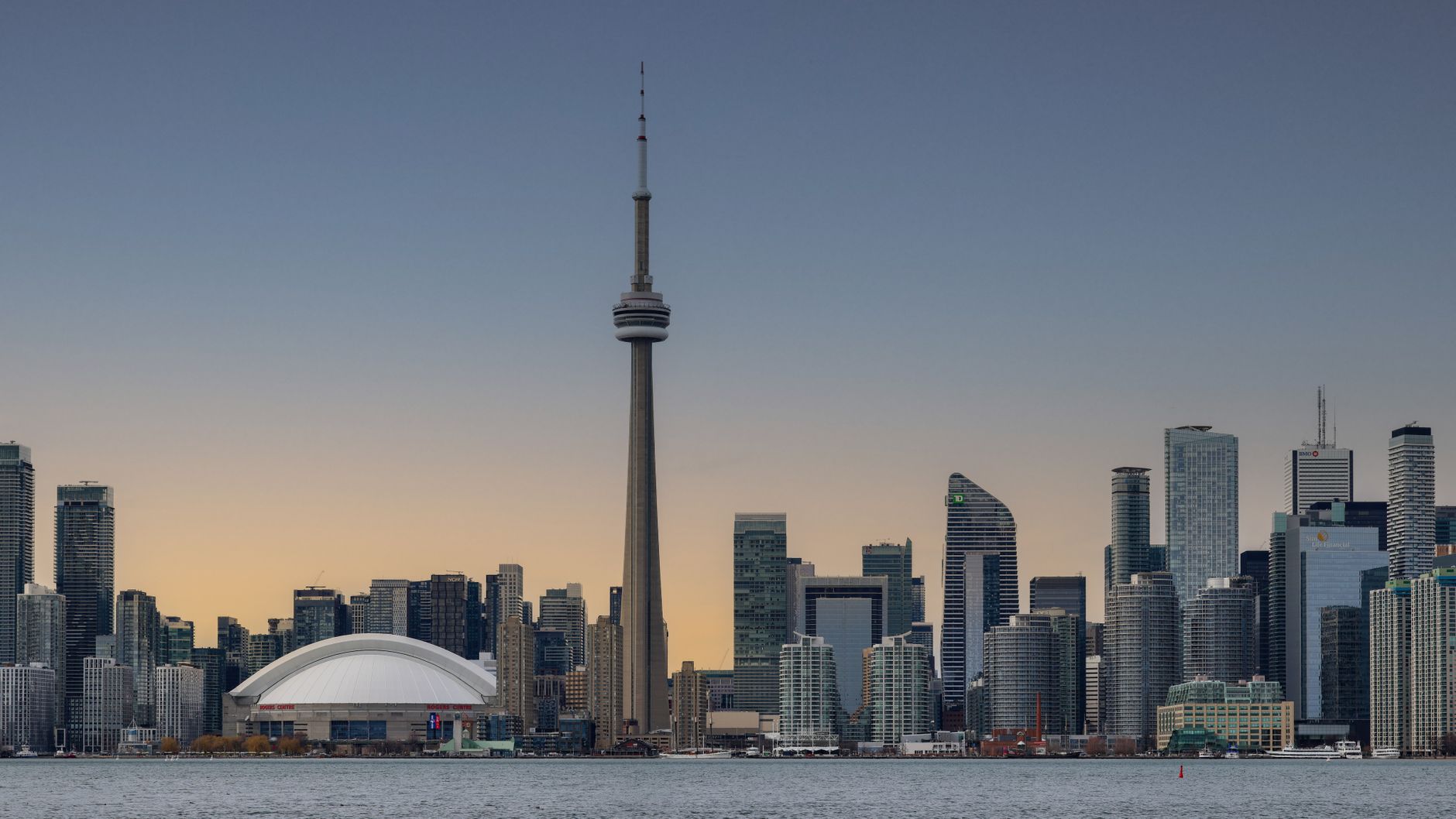
Toronto often appears on lists for Americans contemplating a move to Canada, and for good reason. It's a city that balances big-city ambition with a vibrant multicultural heart, offering a strong job market, diverse culinary scene, and a quality of life many find appealing. Yet, beneath the glittering skyscrapers and well-trodden tourist paths lies a deeper Toronto, one rich with stories that often go untold.
To truly understand if Toronto is the right fit, it’s worth exploring the places that shape its unique character—spots that aren't always in the guidebooks but offer fascinating glimpses into its history, geology, and culture. These are the neighbourhoods, parks, and forgotten corners that reveal the city's true spirit, far beyond the postcard views.

1. The Factory that Built Toronto, Reborn
Evergreen Brick Works, Toronto, Canada
This former industrial brick factory, which literally built much of Toronto, has transformed into a vibrant community hub focused on sustainability and nature.
Hidden in the Don Valley, Evergreen Brick Works once churned out the bricks that laid the foundation for many of Toronto's iconic buildings. Today, its industrial skeleton hums with new life as a farmer's market, nature trails, and a center for environmental education, a testament to adaptive reuse and urban renewal. It's a place where the city's past industry meets its green future.
2. Toronto's Architectural Graveyard
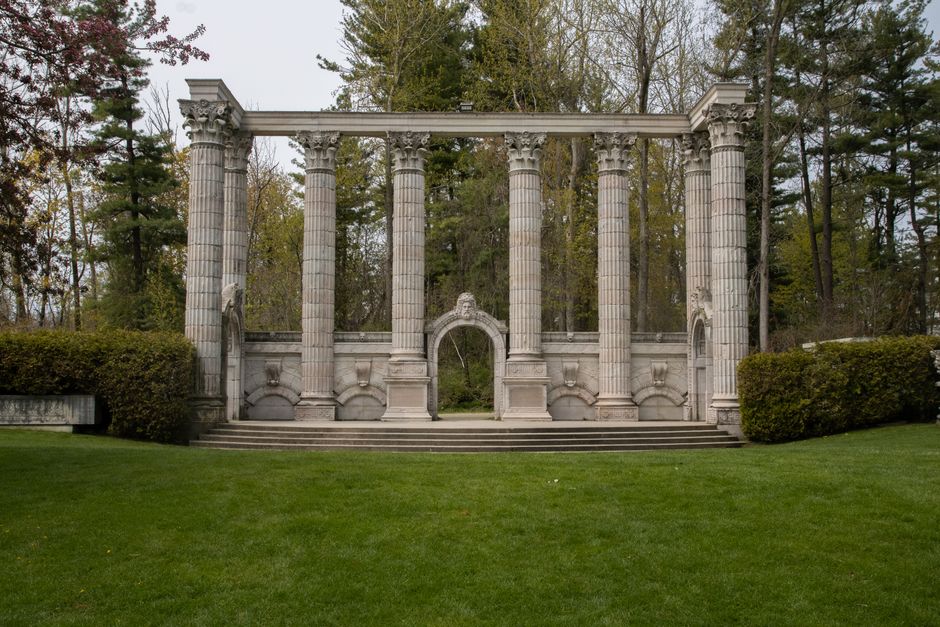
Guild Park and Gardens, Toronto, Canada
Discover a surreal outdoor museum where fragments of Toronto's demolished architectural marvels find a second life among formal gardens and stunning lake views.
Perched atop the Scarborough Bluffs, Guild Park and Gardens holds a unique collection of architectural remnants – columns, archways, and sculpted facades salvaged from city buildings torn down for redevelopment. It began as an artists' colony and now serves as a poignant, open-air gallery, preserving a tangible history of Toronto's past structures against a backdrop of Lake Ontario.
3. A Car-Free Island Village
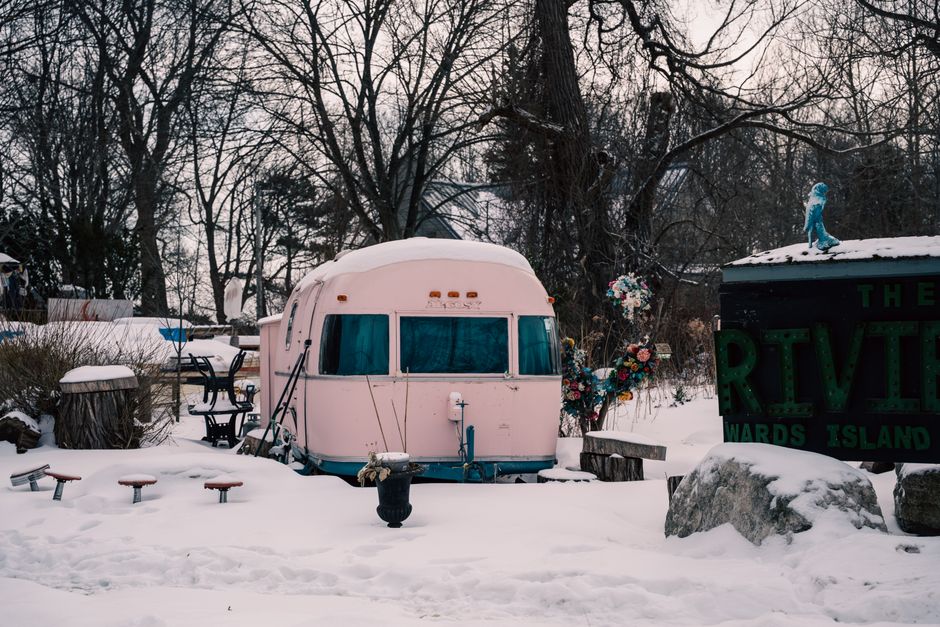
Ward's Island, Toronto, Canada
Just a short ferry ride from downtown, this car-free island community boasts a unique, independent spirit and a history of fighting to preserve its way of life.
While most visitors flock to Centre Island, Ward's Island is a quiet, residential enclave where bicycles and pedestrian paths replace cars. Its small, brightly painted homes, many built from salvaged materials, tell a story of a tight-knit community that successfully resisted city plans for demolition in the 1950s and 60s, creating a permanent, bohemian village with its own distinct charm and history.
4. Little Poland on the Streetcar Line
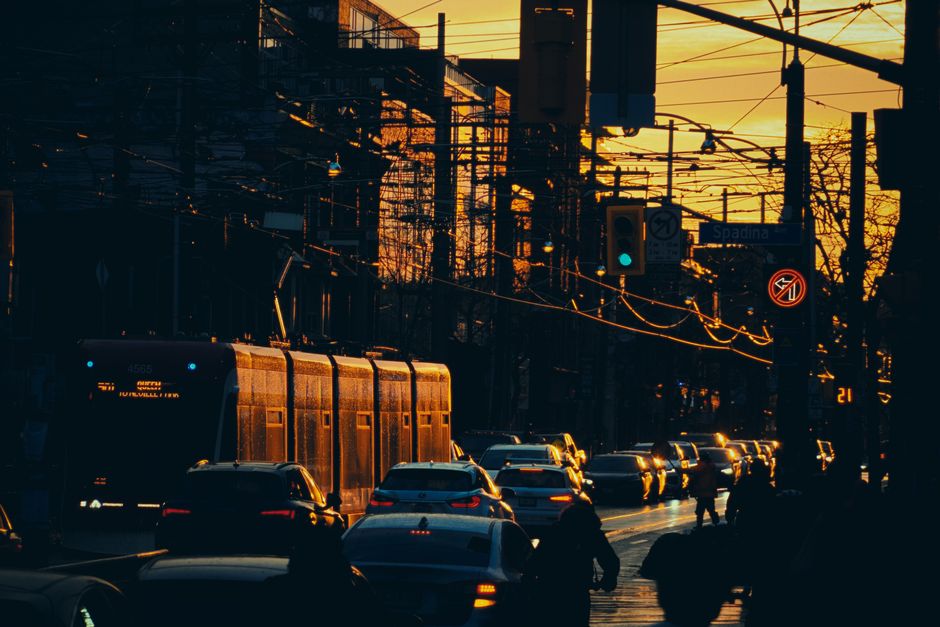
Roncesvalles Village, Toronto, Canada
This vibrant west-end neighbourhood, affectionately known as 'Little Poland,' retains a strong European flavour shaped by generations of Polish immigrants.
Roncesvalles Avenue, lined with independent shops and bakeries, is the heart of a community whose identity was largely forged by Polish immigrants arriving in the early 20th century. Look closely, and you'll find murals celebrating Polish heritage, delis selling traditional pierogi, and a distinct, charming architecture that hints at a time when a grand archway welcomed visitors to this unique village on the city's edge.
5. Bohemian Bylaws and Ever-Evolving Culture
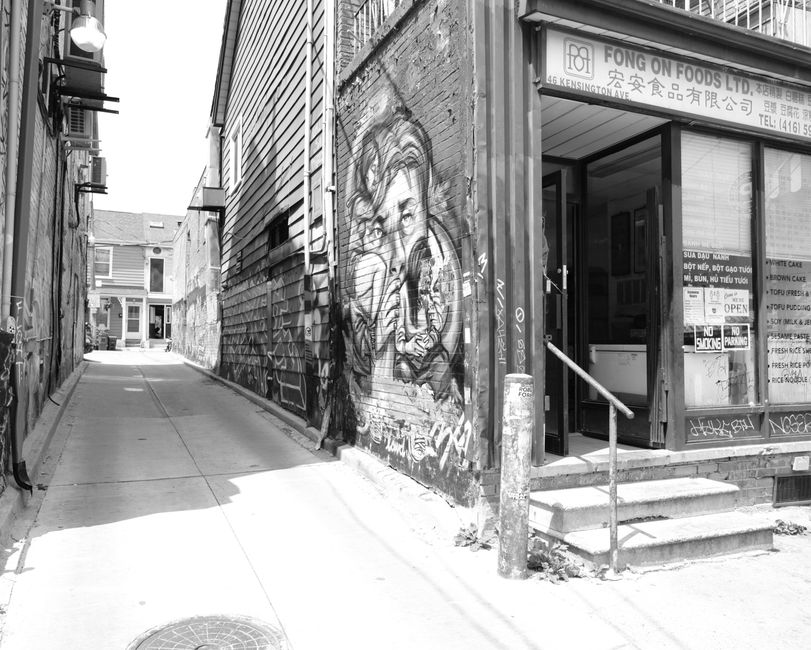
Kensington Market, Toronto, Canada
This eclectic, pedestrian-friendly market neighbourhood famously enacted bylaws to prevent chain stores, preserving its unique, anti-corporate bohemian vibe.
Kensington Market is a kaleidoscope of vintage shops, independent cafes, and global eateries, a far cry from its origins as a Jewish market in the early 20th century, then later a Portuguese and Caribbean hub. Its current character is fiercely protected by community-driven bylaws that actively resist large corporate chains, ensuring its independent, creative, and sometimes quirky spirit continues to thrive against the backdrop of a rapidly modernizing city.
6. Eroding Cliffs, Ancient Lake Shores
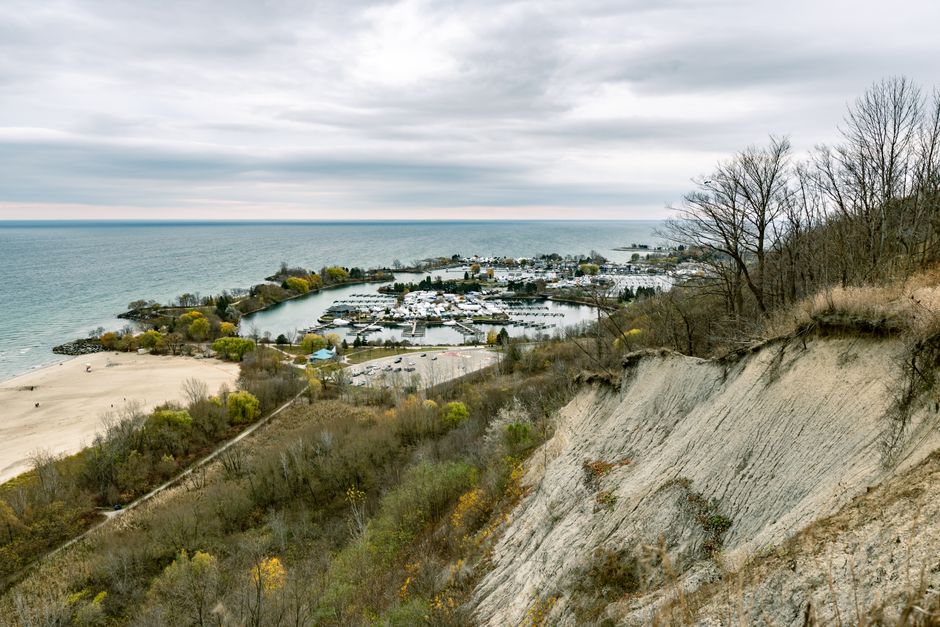
Scarborough Bluffs, Toronto, Canada
These stunning geological formations are not just beautiful; they are eroding remnants of an ancient glacial lake, constantly revealing geological history.
Towering majestically over Lake Ontario, the Scarborough Bluffs stretch for 15 kilometers, their dramatic white cliffs a stark contrast to the city's urban sprawl. Formed over 12,000 years ago by the retreating glaciers of the last Ice Age, these bluffs are a living geological record, slowly eroding to expose layers of sand and clay that once formed the bottom of glacial Lake Iroquois, offering a glimpse into Toronto's deep past.
7. From Brickyards to Blockbusters
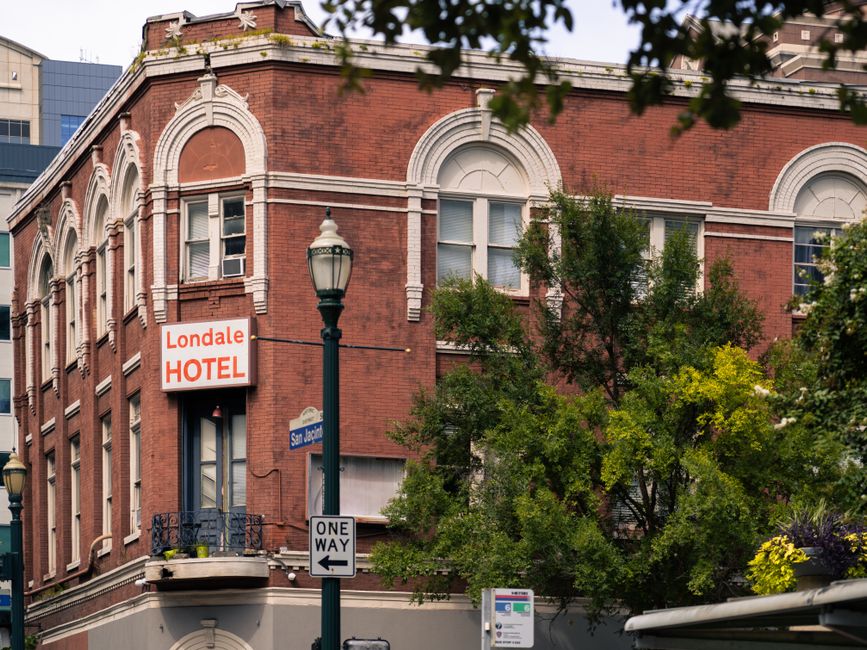
Leslieville, Toronto, Canada
Once a quiet village of market gardens and brickyards, Leslieville transformed into a bustling hub for film production, earning it the nickname "Hollywood North."
East of the Don River, Leslieville began as a rural hamlet, named after a prominent nursery owner. Its industrial past is still visible in repurposed factory buildings, but it's perhaps best known for its surprising connection to the silver screen. For decades, it was home to numerous film studios and production houses, attracting major movie and TV shoots and becoming a vital part of Canada's burgeoning film industry, a story often overshadowed by its trendy modern facade.
Frequently asked questions
Is Toronto a good place for Americans to move?
Toronto offers a vibrant, multicultural experience with a strong job market, especially in tech and finance, and a high quality of life. The city's diverse neighborhoods, excellent public transit, and progressive social policies often appeal to Americans seeking a new environment, though the cost of living can be higher than many US cities.
What is the cost of living like in Toronto compared to US cities?
While Toronto's cost of living, particularly housing, is generally higher than the US national average, it can be comparable to or even less than major US cities like New York, San Francisco, or Boston. Groceries and public transport are often more affordable than in many American counterparts, but salaries might also be adjusted accordingly.
What are some cultural differences Americans might notice in Toronto?
Americans often find Toronto's culture to be a blend of North American and European influences, with a strong emphasis on multiculturalism and politeness. Healthcare is universal, gun control is stricter, and there's a distinct national pride. You might also notice different spellings (e.g., "colour" vs. "color") and a love for hockey that borders on religion.
How does the AllTours.ai app help me explore places like Toronto?
The AllTours.ai app transforms your phone into a personal AI audio tour guide. Simply point your camera at any landmark, landscape, or even a local street, and the app will instantly narrate its history, geology, and cultural significance in your preferred language, revealing the hidden stories of the world around you.
Photography via Pexels. AllTours.ai is an AI audio tour guide — point your camera at any landscape and hear its story.