September 23, 2026 · 4 min read
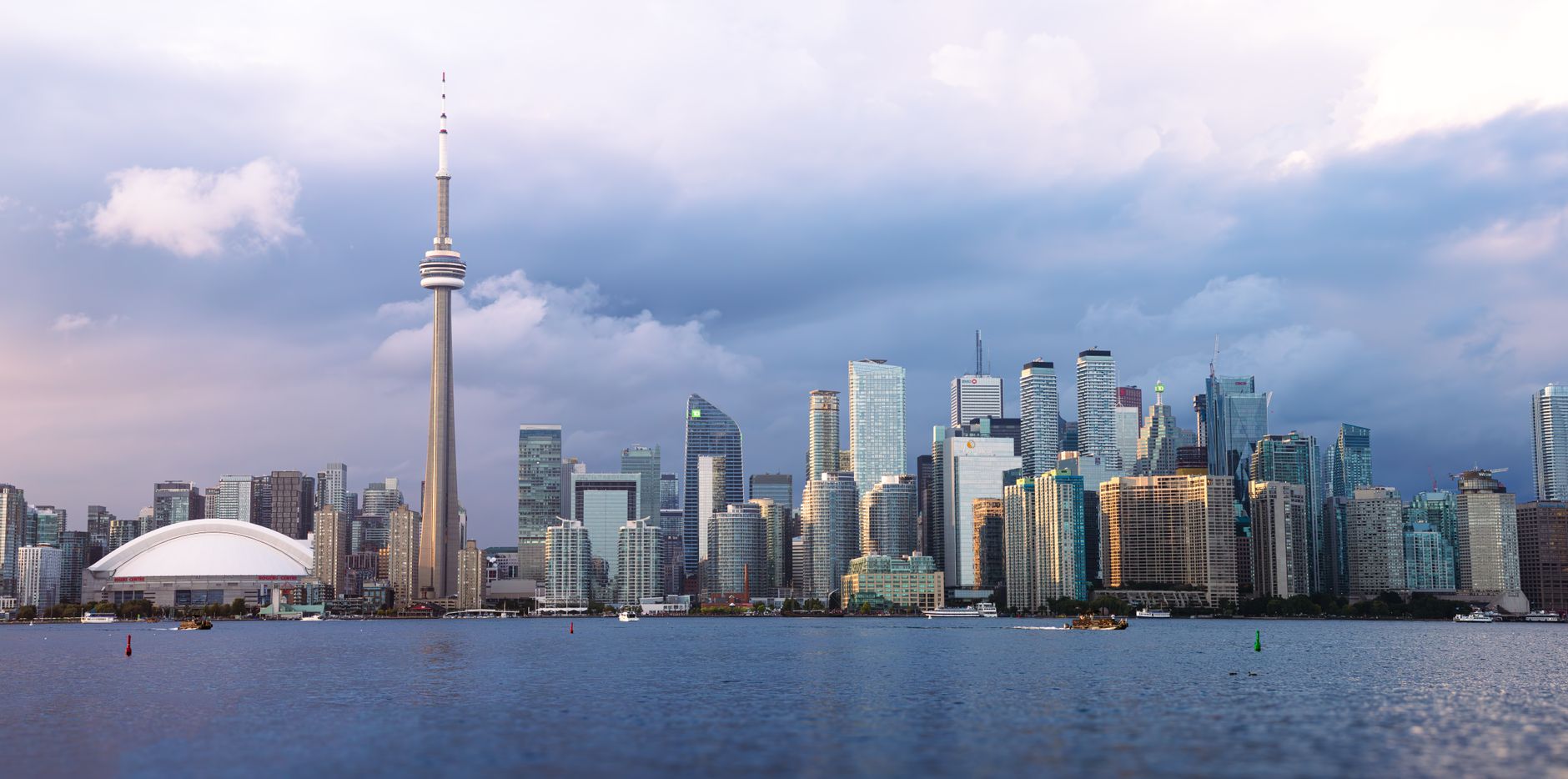
The question of whether Toronto is a 'primate city' in Canada often sparks debate among urban planners and travelers alike. While it undeniably stands as the nation's largest metropolis and an economic powerhouse, Canada's unique federal structure and the global significance of cities like Vancouver and Montreal complicate a simple designation. Yet, beyond the statistics and economic indicators, Toronto's true character lies in its diverse tapestry of neighborhoods and hidden histories.
To truly understand Toronto's unique place in Canada, one must look beyond its gleaming towers and popular attractions. It's in the often-overlooked corners, the places where ancient geology meets industrial heritage, or where salvaged architecture tells tales of a bygone era, that Toronto reveals its fascinating depth. These lesser-known spots offer a richer narrative, inviting a deeper curiosity about the city's past and its ongoing evolution.
1. Nature's Sculpted Shoreline
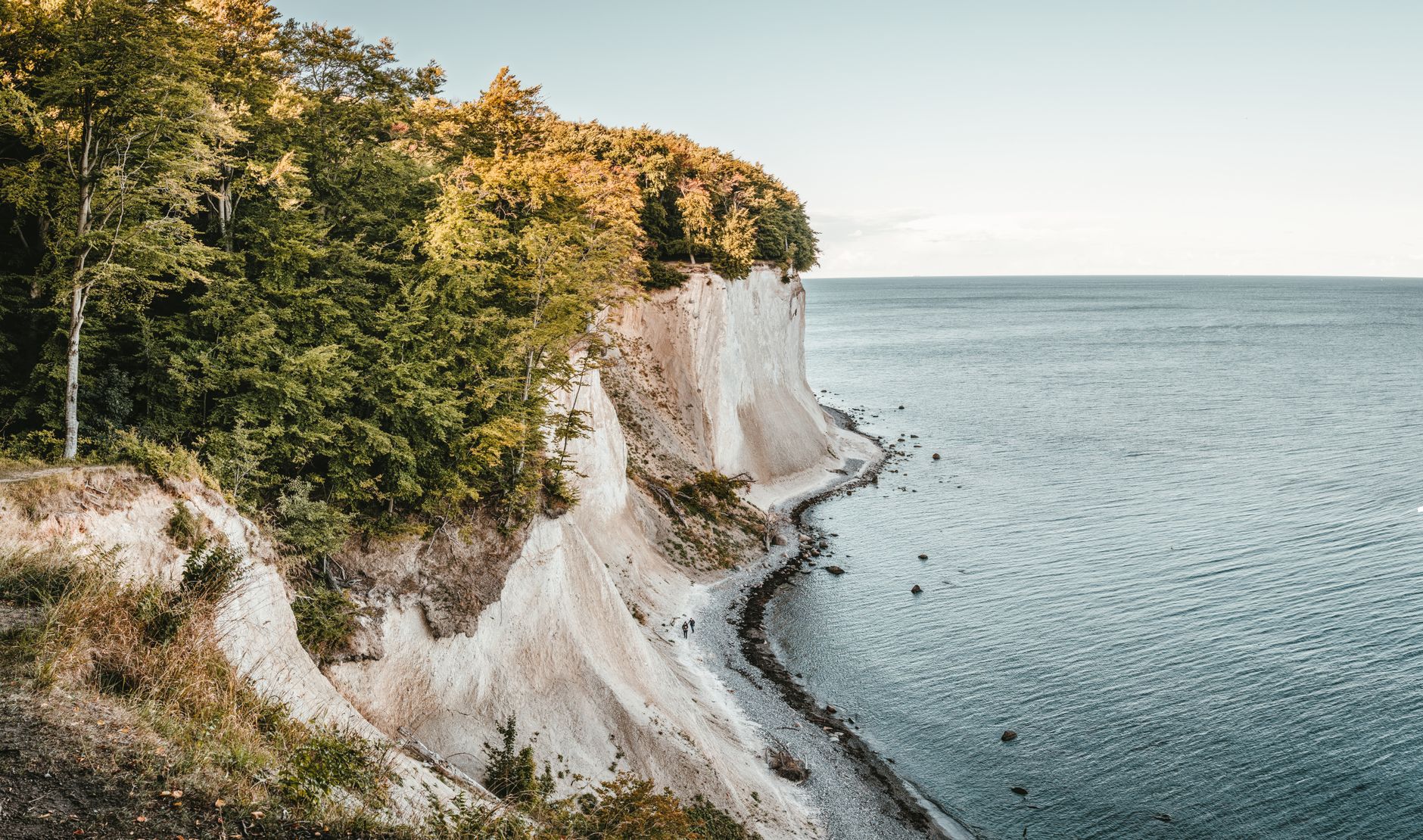
Scarborough Bluffs, Canada
These dramatic cliffs along Lake Ontario hide the geological secrets of an ancient glacial lake that once covered much of the region.
The Scarborough Bluffs are a testament to glacial power, rising up to 90 meters (300 feet) from the lake. Formed over 12,000 years ago by the erosion of Lake Ontario, they reveal distinct layers of sediment from the last ice age, including ancient clay and sand deposits. Early Indigenous peoples knew these lands, and today, their ongoing erosion continues to shape the Toronto coastline, a slow, natural demolition.
2. A Sanctuary of Salvaged Art
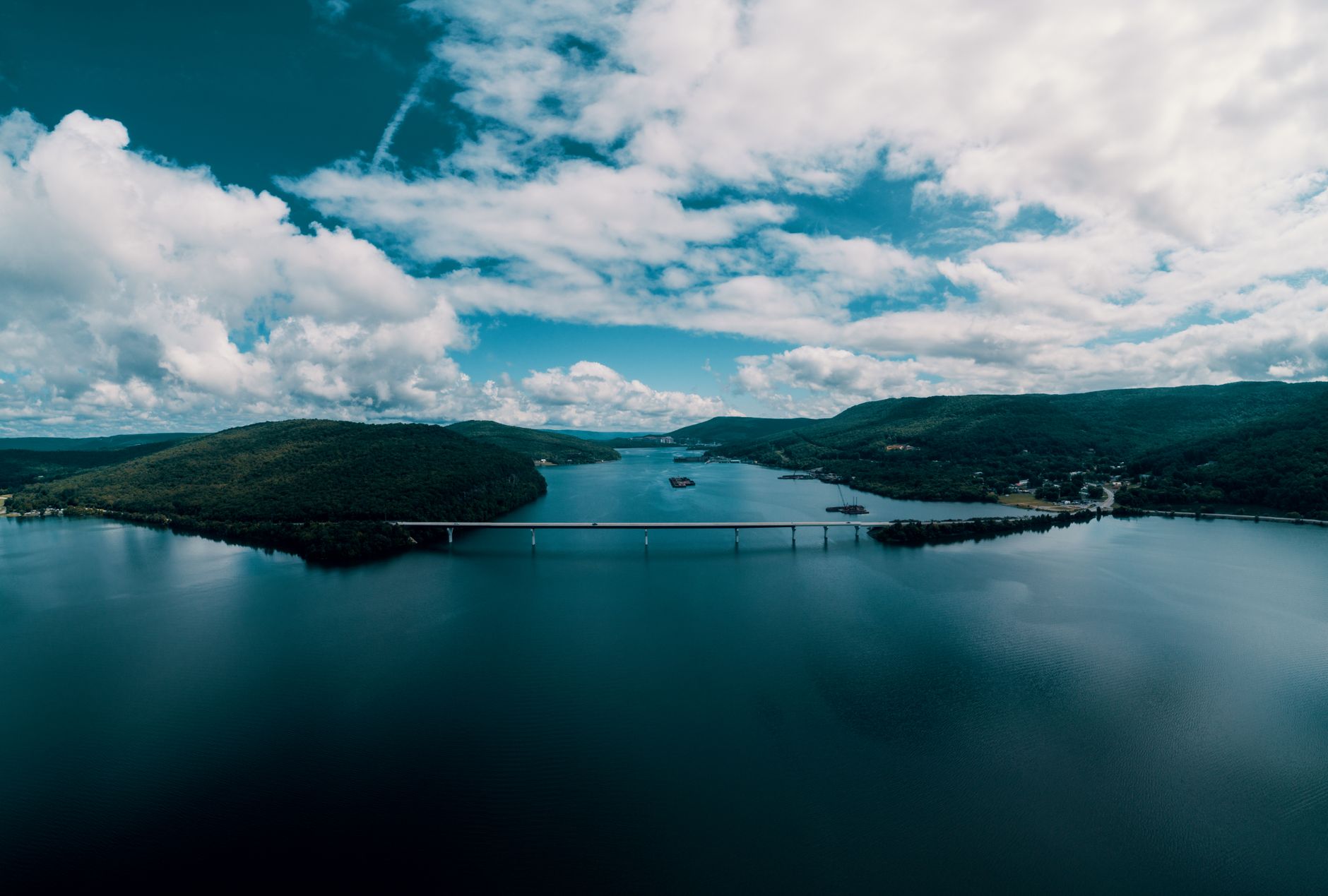
Guild Park and Gardens, Canada
This unique park serves as a graveyard for Toronto's demolished architectural masterpieces, displaying fragments of buildings long gone.
Tucked away in Scarborough, Guild Park and Gardens is an open-air museum preserving architectural remnants from Toronto's past. From the 1930s until the 1970s, the Guild of All Arts collected facades, arches, and sculptures from structures slated for demolition, saving them from landfills. Visitors can wander among pieces of the old Toronto Star building, the Bank of Toronto, and the original Toronto General Hospital, each a silent witness to the city's changing face.
3. From Industrial Grit to Green Oasis
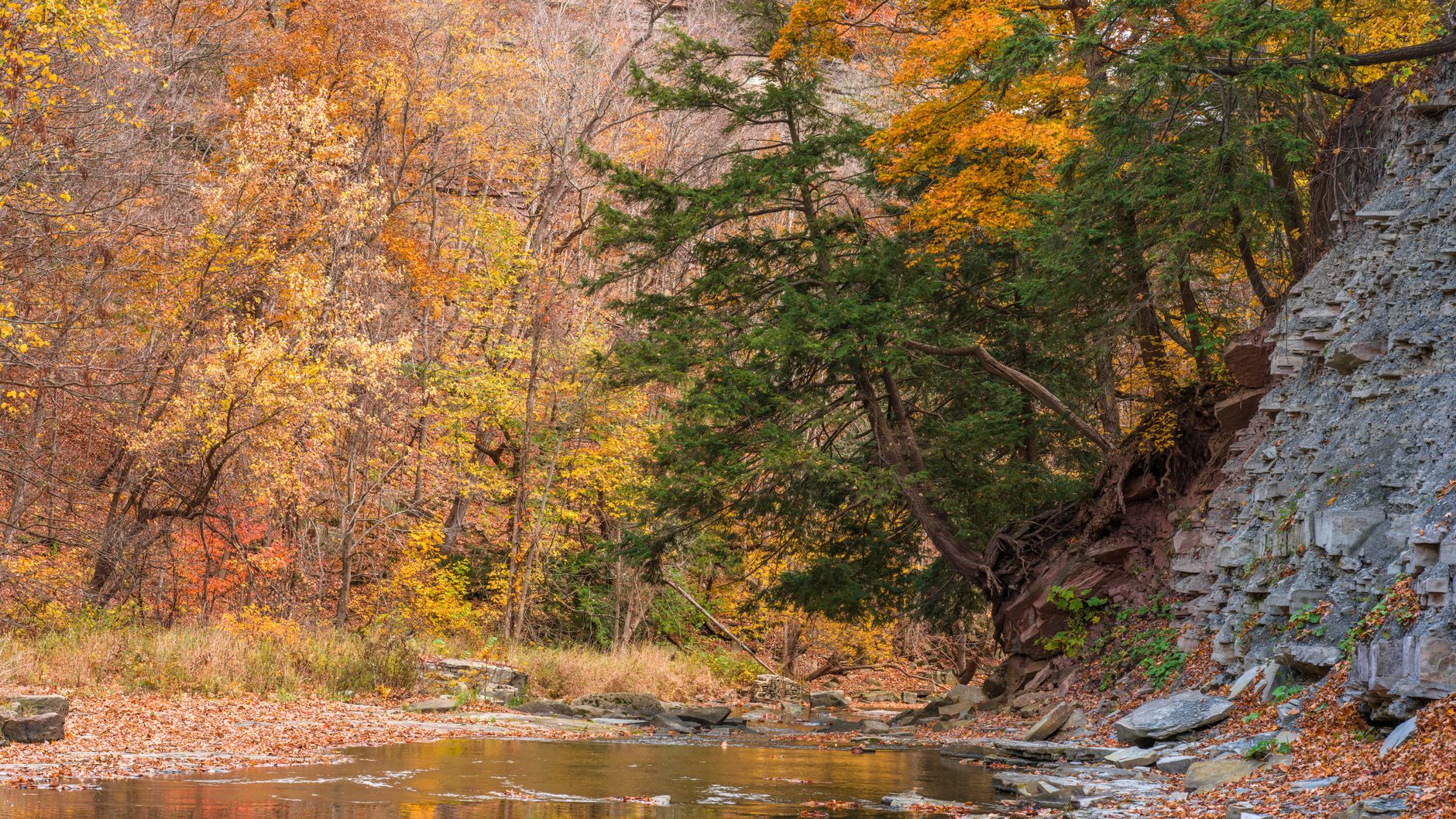
Don Valley Brick Works Park, Canada
Once a sprawling brick quarry that built much of Toronto, this site now teems with wildlife and reveals ancient geological layers.
For over a century, the Don Valley Brick Works supplied the distinctive red bricks that constructed many of Toronto's iconic buildings, including Massey Hall and Queen's Park. Operations ceased in 1984, leaving behind a scarred landscape. Today, it’s a vibrant ecological restoration site where wetlands, forests, and meadows flourish. The quarry walls still display exposed shale and fossils from the Ordovician period, offering a direct glimpse into a sea that covered this land 450 million years ago.
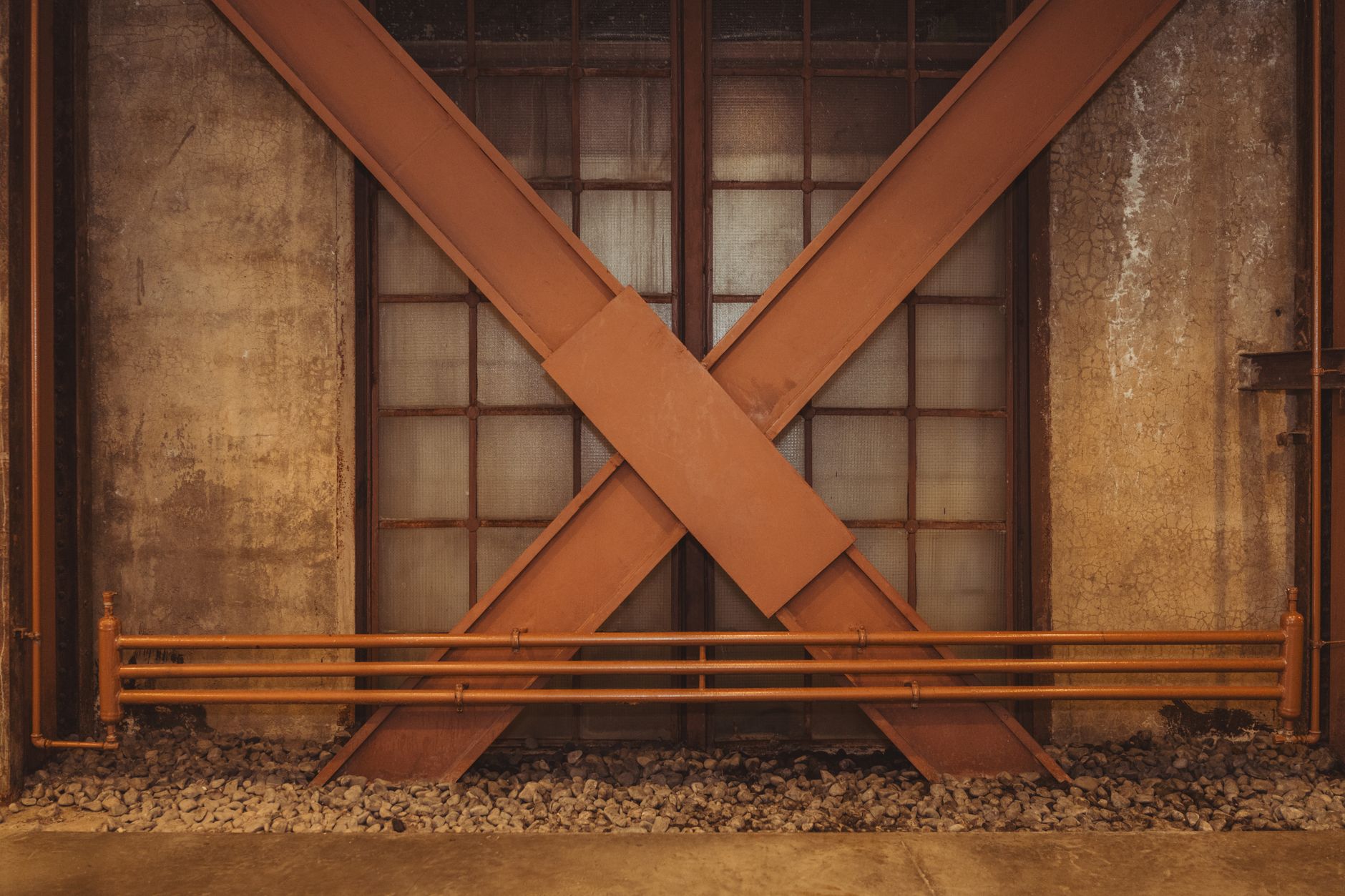
4. Toronto's Art Deco Water Palace
R.C. Harris Water Treatment Plant, Canada
This operational water treatment plant is an unexpected Art Deco architectural marvel, often called the "Palace of Purification."
Completed in 1941, the R.C. Harris Water Treatment Plant is not just vital infrastructure, but a stunning example of Art Deco design. During the Great Depression, its construction employed thousands, becoming a beacon of hope and progress. Its grand limestone buildings, intricate detailing, and manicured grounds belie its industrial purpose, making it a unique landmark on Toronto's eastern waterfront. It continues to supply clean drinking water to a significant portion of the city today.
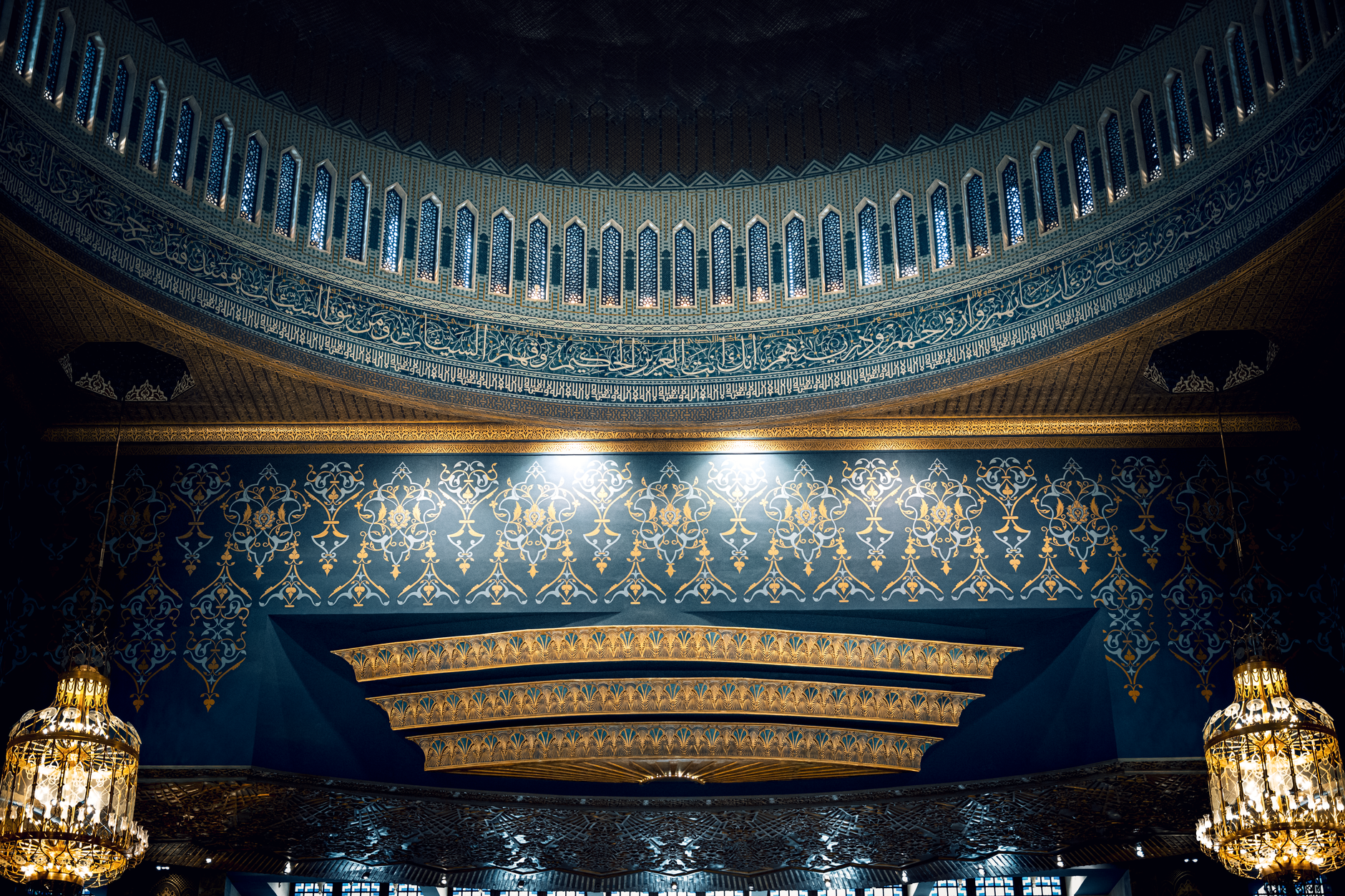
5. The World's Last Double-Decker Theatre
Elgin and Winter Garden Theatre Centre, Canada
Toronto is home to the world's only surviving stacked double-decker theatre, with one venue built directly above the other.
Built in 1913, the Elgin and Winter Garden Theatre Centre is an architectural anomaly. The elegant Elgin Theatre occupies the lower level, while the whimsical Winter Garden Theatre sits directly above it, adorned with hand-painted leaves and twinkling lights. After decades of decline, the Winter Garden was sealed off in 1928 and remained virtually untouched for over 60 years, preserving its original beauty. Reopened in the 1980s, it offers a rare glimpse into Edwardian theatrical grandeur.
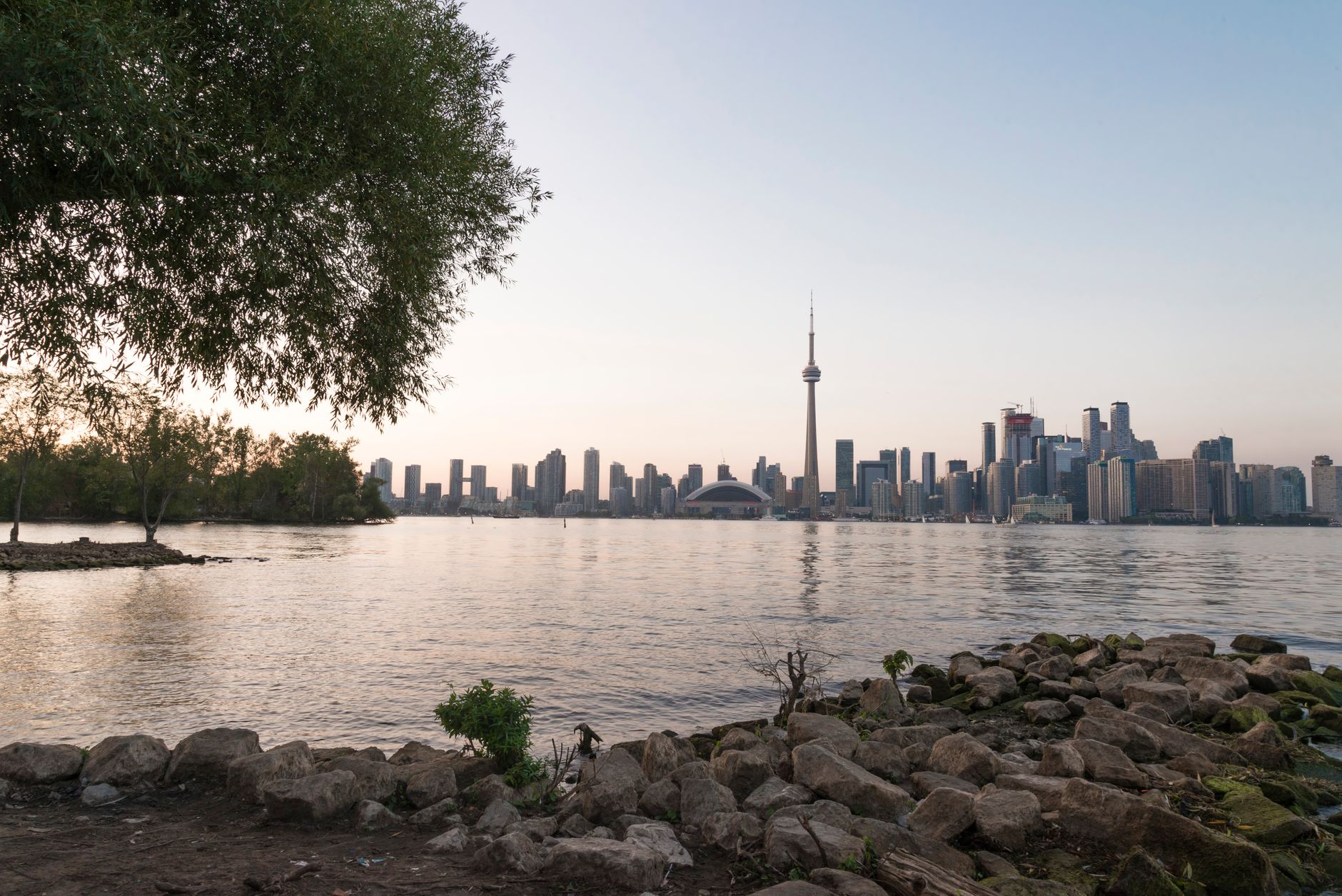
6. Toronto's Accidental Wilderness
Leslie Street Spit, Canada
This five-kilometer-long peninsula, entirely man-made from urban construction waste, has evolved into a thriving wildlife sanctuary.
What began in the 1950s as a disposal site for dredgeate and construction debris has transformed into Tommy Thompson Park, a remarkable urban wilderness. The Leslie Street Spit extends far into Lake Ontario, offering unparalleled views of the city skyline. This "accidental park" is now a crucial migratory bird habitat, home to over 300 bird species, making it a globally significant Important Bird Area. Its barren beginnings are now covered by spontaneously grown forests and wetlands, a testament to nature's resilience.
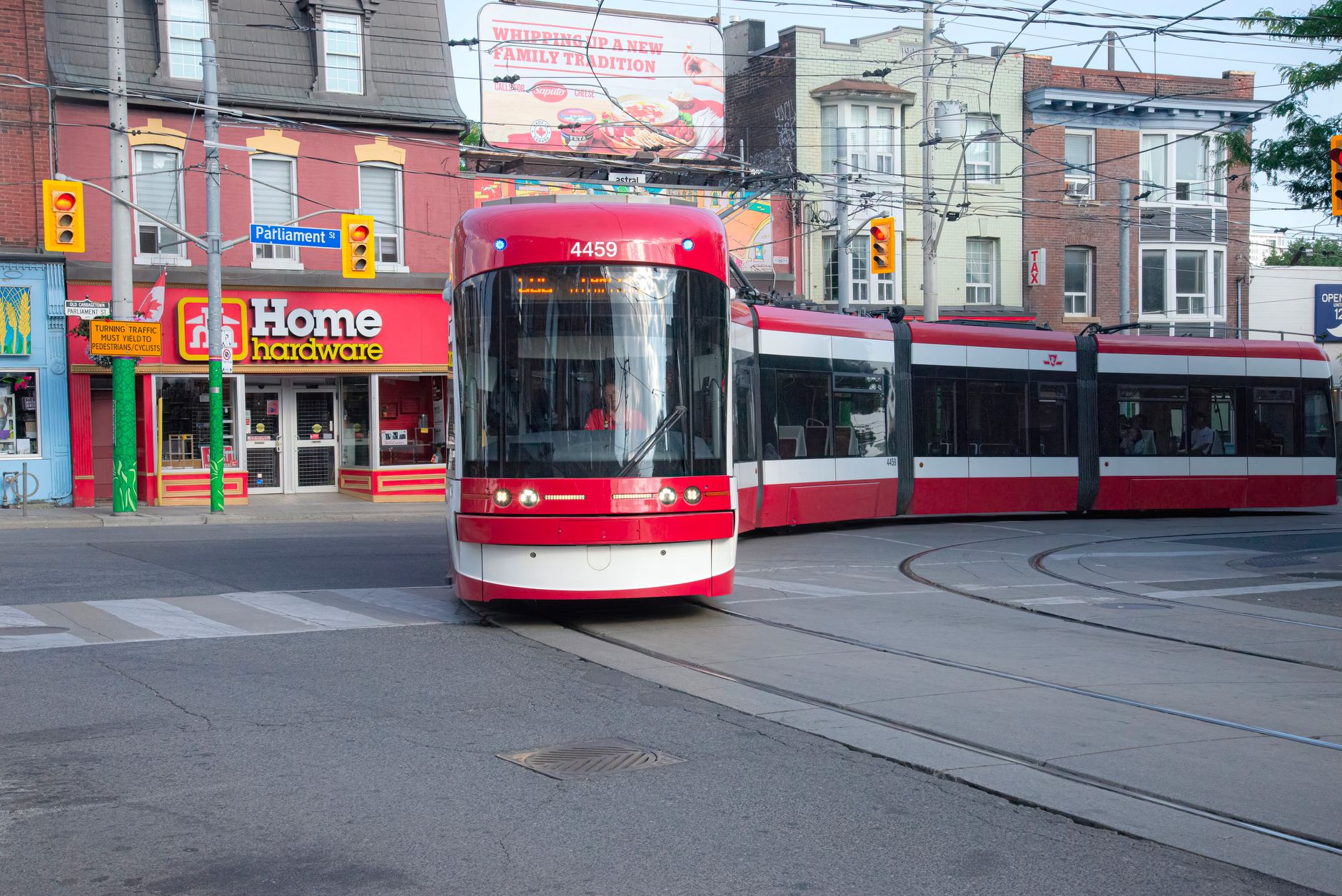
7. A Dry History in a Rail Hub
The Junction, Canada
This vibrant Toronto neighbourhood was once a strict temperance town, where alcohol sales were banned for almost a century.
Named for the confluence of four major railway lines, The Junction was a bustling industrial hub in the late 19th and early 20th centuries. Its railway workers often frequented the numerous taverns, leading to a local temperance movement that successfully banned alcohol sales in 1904. This prohibition lasted until 1997, giving the neighbourhood a unique social history. Today, The Junction has shed its dry past, becoming known for its independent shops, art galleries, and craft breweries, while still celebrating its railway heritage.
Frequently asked questions
What makes a city a "primate city"?
A primate city is disproportionately larger and more dominant in its country's economic, political, and cultural life than any other city. It typically has a population at least twice as large as the next largest city and often serves as the national capital. This concept suggests a highly centralized urban hierarchy.
Is Toronto considered a primate city in Canada?
While Toronto is Canada's largest city and economic powerhouse, its primate city status is debatable. Montreal and Vancouver are significant global cities, and Canada's federal structure distributes influence. Toronto dominates economically, but culturally and politically, other cities hold substantial sway, making it less of a clear "primate city" than, say, Paris in France.
How does Toronto's growth compare to Vancouver and Montreal?
Toronto has experienced significant population and economic growth, cementing its status as Canada's largest metropolitan area. While Vancouver and Montreal also continue to grow, Toronto's trajectory, particularly in finance and technology, has been exceptionally strong, often leading national trends and attracting a large share of immigration and investment.
How can I discover these hidden Toronto stories on my trip?
The AllTours.ai app can transform your exploration. Simply point your phone camera at a landmark, a unique geological feature like the Scarborough Bluffs, or an architectural marvel like the R.C. Harris Water Plant, and the app will narrate its history, cultural significance, and geological facts in your preferred language.
Photography via Pexels. AllTours.ai is an AI audio tour guide — point your camera at any landscape and hear its story.