June 12, 2026 · 4 min read
Krakow is a city steeped in history, where every cobblestone seems to whisper tales of kings, dragons, and centuries past. While the Main Market Square and Wawel Castle rightly draw crowds, the true magic of Krakow often lies just off the well-trodden path, in its quieter corners and more enigmatic sites.
If you only have 3 days in Krakow, you want to make every moment count, delving deeper than the surface. This guide bypasses the obvious to unearth fascinating, lesser-known spots, each with a vivid story that brings Poland's former capital to life in unexpected ways.
1. Stalin's Utopia, Reimagined
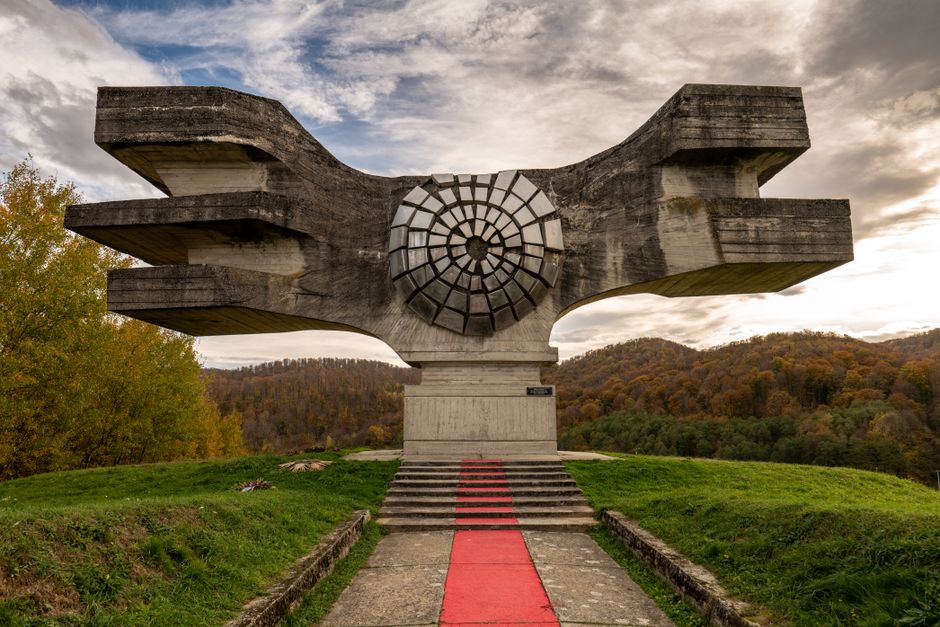
Nowa Huta, Poland
This entire district was built as a communist utopia, a city without God, yet it became a hotbed of resistance.
Nowa Huta was conceived in the 1940s as a model socialist city, complete with a massive steelworks, designed to be a worker's paradise completely devoid of religious influence. Despite the planners' intentions, its residents covertly built churches and led protests against the communist regime, transforming a symbol of oppression into a bastion of freedom. Explore its unique blend of grand socialist realist architecture and surprising pockets of dissent.
2. The Dragon King's Enigma
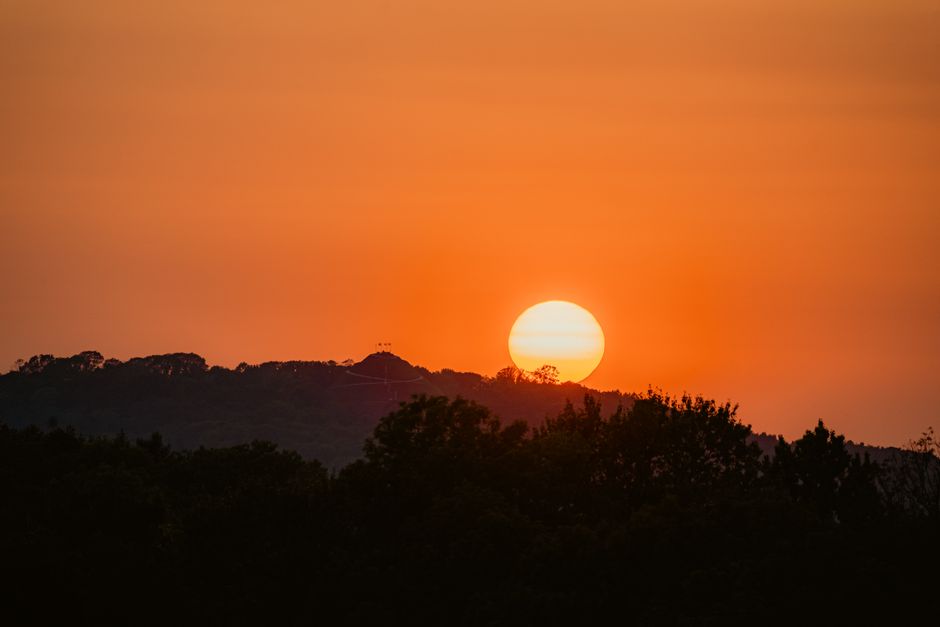
Krakus Mound, Krakow, Poland
This ancient, artificial hill is said to be the tomb of Krakow's mythical founder, King Krakus, but its true purpose might be an astronomical calendar.
Rising mysteriously from the Podgórze district, Krakus Mound is one of Krakow's two prehistoric burial mounds, shrouded in legend. While folklore claims it's the final resting place of the city's legendary founder who slew the Wawel Dragon, archaeological studies suggest a deeper secret: its precise alignment with other mounds and the sun's path during solstices and equinoxes hints at an ancient astronomical observatory or ritual site, predating even the earliest recorded history.
3. Echoes in the Limestone
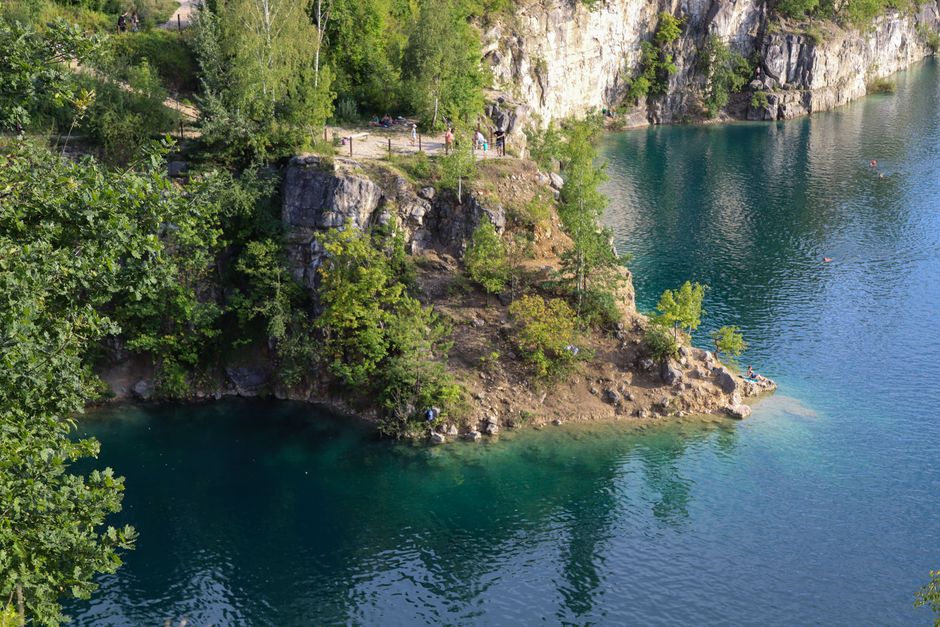
Liban Quarry, Krakow, Poland
This abandoned limestone quarry was once a Nazi forced labor camp and later became the haunting set for "Schindler's List."
Tucked away in Podgórze, the Liban Quarry holds a dark, poignant history. During World War II, it served as a forced labor camp, a grim extension of the nearby Płaszów concentration camp, where prisoners endured brutal conditions. Decades later, its desolate landscape was meticulously transformed by Steven Spielberg's crew to recreate the Płaszów camp for the film "Schindler's List," leaving behind eerie remnants of the movie set that blend with the quarry's own tragic past.
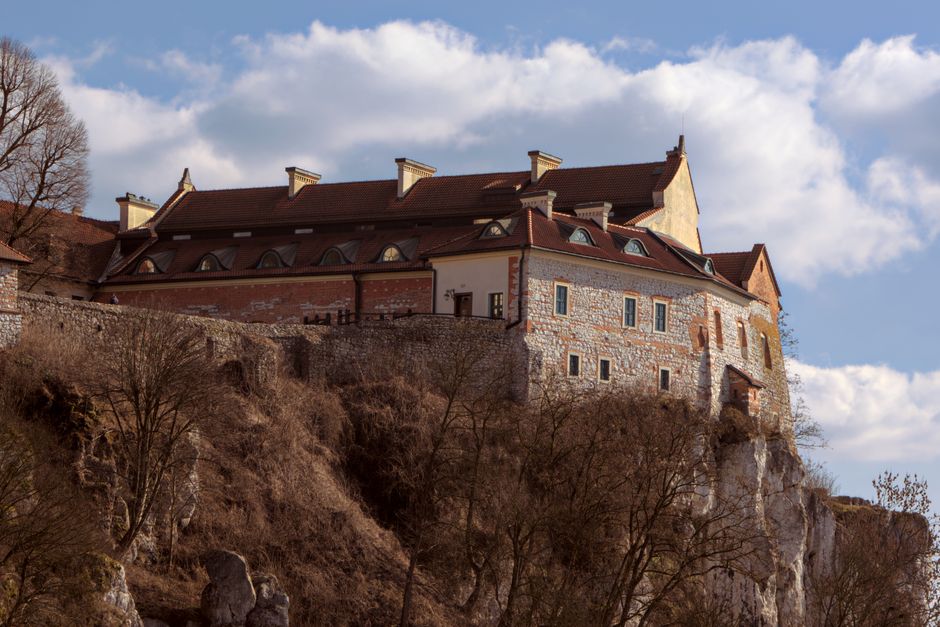
4. Monastery on the Vistula Cliffs
Tyniec Abbey, Tyniec, Poland
Perched dramatically on a limestone cliff, this Benedictine monastery was not just a spiritual center but a formidable medieval fortress guarding the Vistula River.
Founded in 1044, Tyniec Abbey is Poland's oldest monastery, dominating the landscape just outside Krakow. Its strategic location on a steep Vistula bend made it a crucial defensive outpost throughout the centuries, witnessing countless sieges and reconstructions. Beyond its spiritual serenity, the abbey's thick walls and commanding position reveal its often-overlooked role as a military stronghold, protecting trade routes and the approaches to Krakow from invaders.
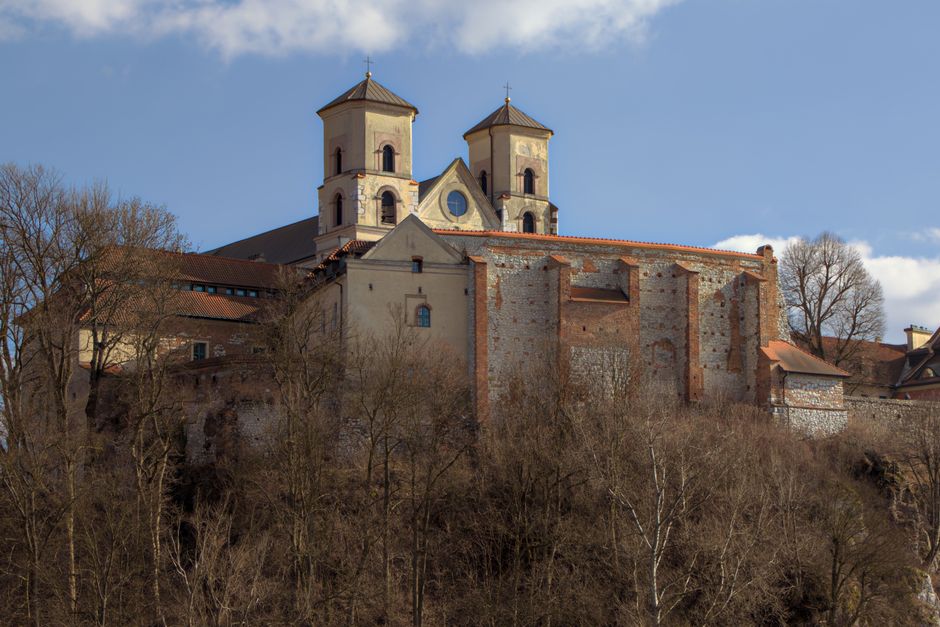
5. Poland's Pantheon of Martyrs
Skałka, Krakow, Poland
This sacred site is where Poland's patron saint was martyred, and its crypt now holds the remains of some of the nation's most revered artists and scientists.
The Pauline Fathers Monastery on Skałka, or "Little Rock," is steeped in profound national history. It's the legendary site where Saint Stanislaus, Bishop of Krakow and a patron saint of Poland, was martyred in the 11th century by King Bolesław II the Bold. More than just a church, Skałka features a magnificent crypt, often called the "Polish Pantheon," which serves as the final resting place for eminent figures like Jan Długosz, Stanisław Wyspiański, and Czesław Miłosz, making it a unique blend of spiritual pilgrimage and cultural veneration.
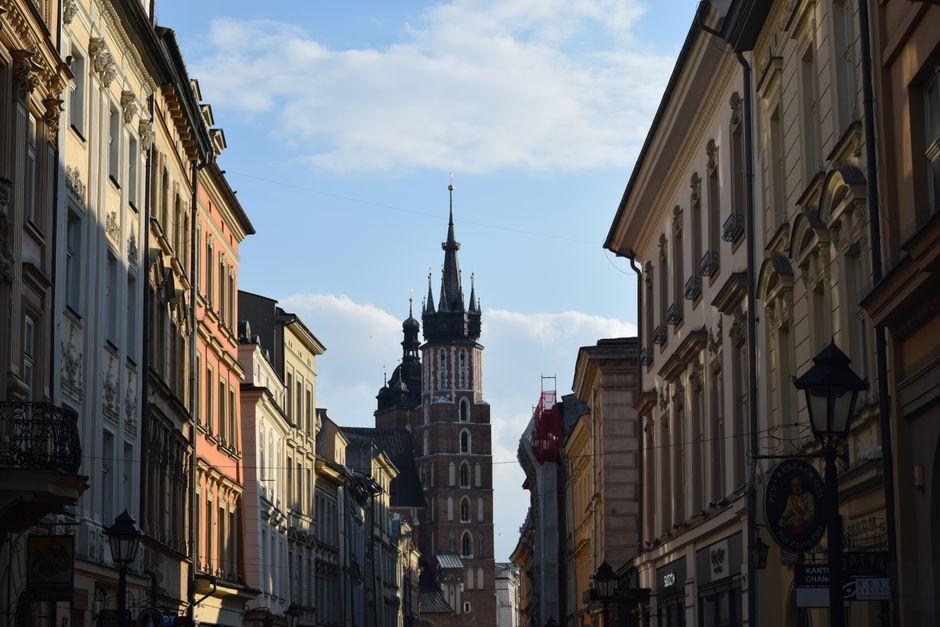
6. Buried Beneath the Market
Church of St. Adalbert, Krakow, Poland
One of Krakow's oldest churches, it literally sits several meters below the current Main Market Square, revealing the city's ancient layers.
The tiny Church of St. Adalbert, seemingly dwarfed by the grand Main Market Square, holds a fascinating secret: its original floor level lies significantly beneath the present-day square. This architectural anomaly is a testament to Krakow's continuous development; as the city grew and raised its ground level over centuries, the church gradually sank, offering a unique glimpse into the medieval streetscape. Its Romanesque foundations date back to the 10th or 11th century, making it one of the very first stone buildings in Krakow.
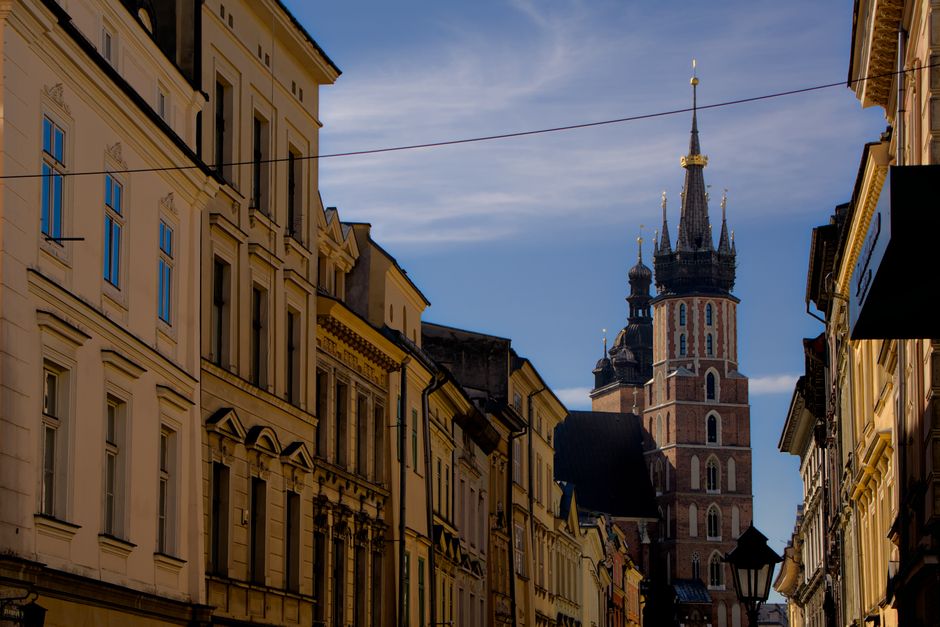
7. Podgórze's Neo-Gothic Marvel
Kościół św. Józefa, Krakow, Poland
This stunning neo-Gothic church in the Podgórze district looks like a fairytale castle and stands as a symbol of Polish resilience.
Dominating the Podgórze district's main square, St. Joseph's Church is an architectural masterpiece of the late 19th century, designed by Jan Sas-Zubrzycki. Its soaring spires, intricate stone carvings, and vibrant stained glass evoke the grandeur of medieval cathedrals, often surprising visitors who venture beyond the typical tourist routes. Built on the site of an earlier, smaller church, its imposing presence and elaborate design reflect the aspirations and strong Catholic identity of the local community during a period of foreign rule.
Frequently asked questions
What is the best way to get around Krakow?
Krakow's city center is very walkable, making it easy to explore most major sites on foot. For longer distances, an efficient public transport system of trams and buses covers the entire city. Tickets can be purchased at stops or on board.
Is Krakow safe for tourists?
Krakow is generally a very safe city for tourists. Like any popular destination, it's wise to be aware of your surroundings, especially in crowded areas, and take standard precautions against pickpocketing. Emergency services are reliable.
What traditional Polish food should I try in Krakow?
Don't leave Krakow without trying pierogi (dumplings), oscypek (smoked sheep's cheese from the mountains), and żurek (sour rye soup served in a bread bowl). For a sweet treat, try pączki (Polish doughnuts). Many traditional milk bars offer authentic and affordable meals.
How can I learn more about these lesser-known Krakow sites?
To truly immerse yourself in the stories and details of these unique locations, consider using an AI audio tour guide app. Simply point your phone camera at a landmark or landscape, and the app will narrate its history, geology, and culture in your preferred language, offering a personalized and in-depth exploration.
Photography via Pexels. AllTours.ai is an AI audio tour guide — point your camera at any landscape and hear its story.