July 12, 2026 · 4 min read
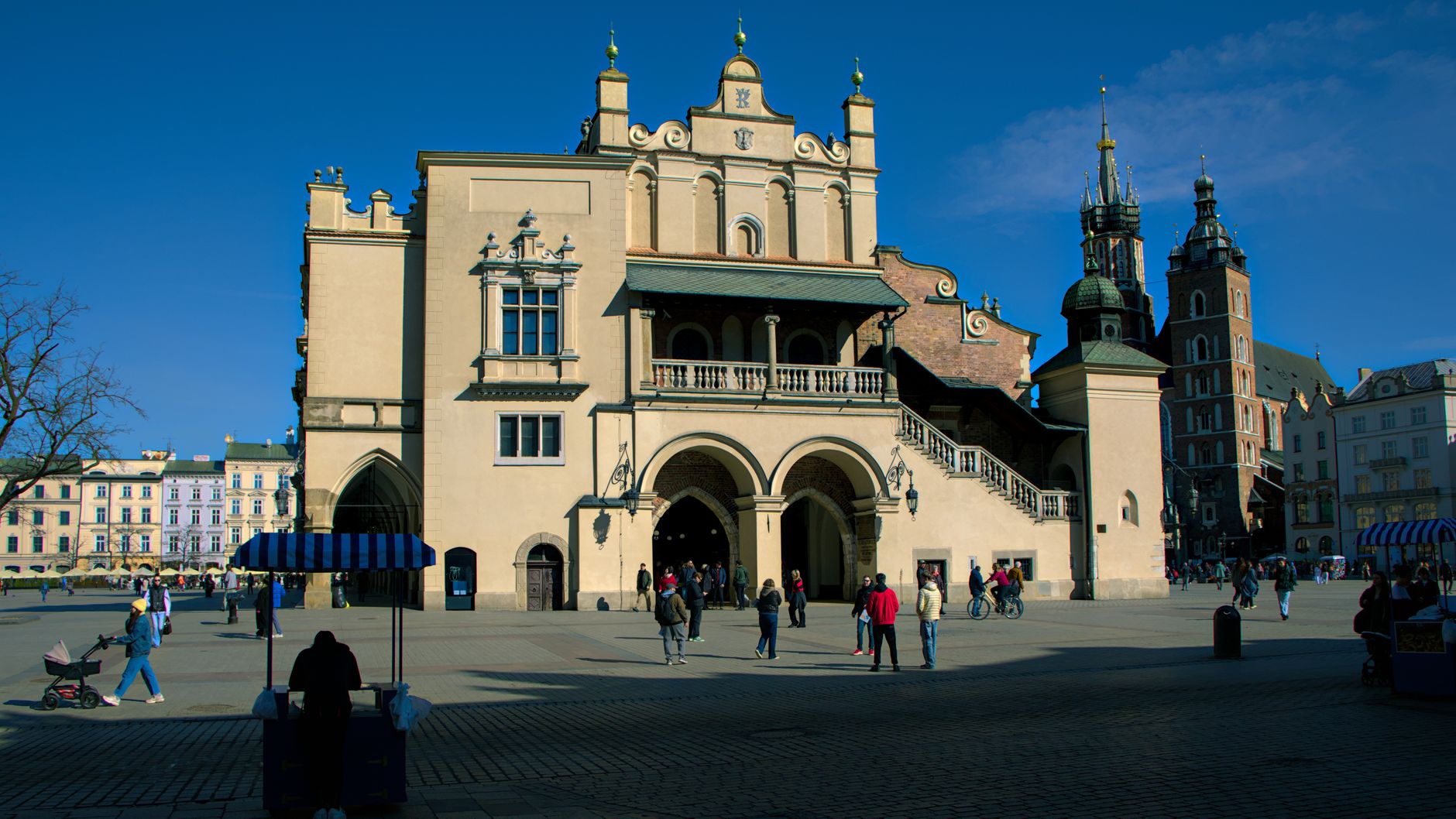
Krakow's Main Market Square is a spectacle, a vibrant heart pulsing with centuries of history. But to truly understand this city, its resilience, its triumphs, and its tragedies, you need to venture beyond the obvious. Krakow holds layers of narratives, etched into its bricks and whispered through its streets, waiting for curious explorers.
Forget the well-trodden paths for a moment. We're inviting you to delve into the captivating social history of Krakow's lesser-known sites. These are the places where everyday people shaped extraordinary events, where defiance bloomed in the darkest times, and where human ingenuity reached incredible depths. Prepare to see Krakow not just as a beautiful city, but as a living museum of profound human experience.
1. The Factory That Saved Lives
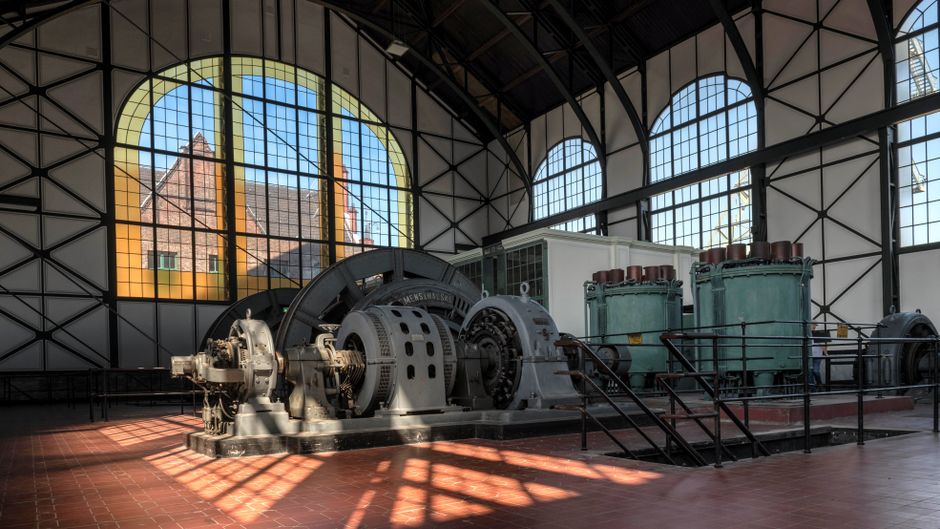
Oskar Schindler's Enamel Factory, Krakow, Poland
This seemingly ordinary enamel factory became a sanctuary, saving over a thousand lives during the Holocaust.
While often associated with Steven Spielberg's film, Oskar Schindler's Enamel Factory is now a powerful museum dedicated to the wartime experiences of Krakow's residents. It tells not just Schindler's story, but also the broader narrative of Jewish life in the city before and during the Nazi occupation, the formation of the ghetto, and the horrors of Plaszow concentration camp. The exhibits skillfully blend historical artifacts, personal testimonies, and multimedia installations to create an immersive and deeply moving experience.
2. Utopia's Unintended Legacy
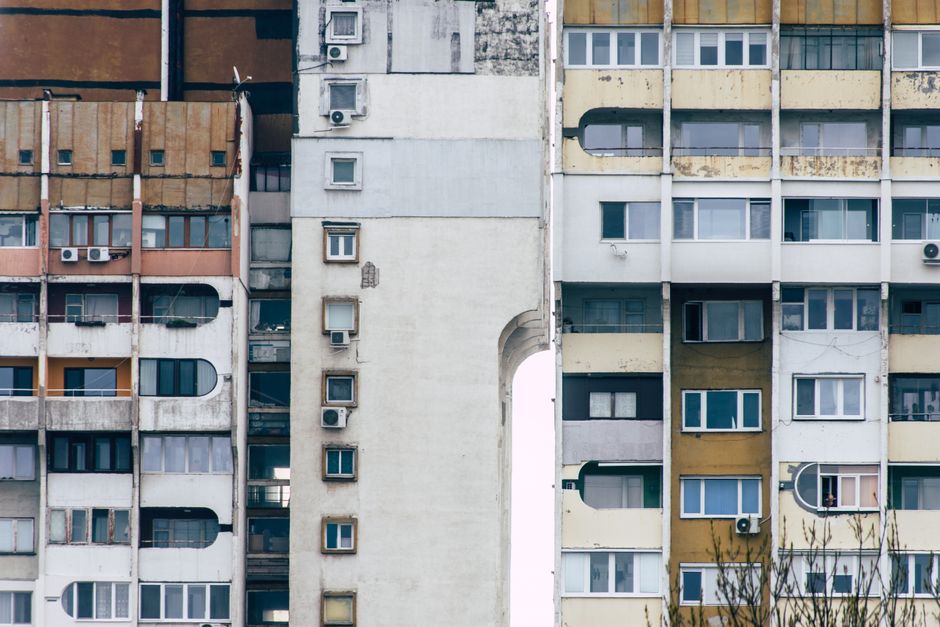
Nowa Huta, Krakow, Poland
Designed as a perfect socialist city, Nowa Huta paradoxically became a bastion of anti-communist resistance.
Nowa Huta, or 'New Steel Mill,' was conceived in the 1950s as a model socialist city, built around a massive steelworks to house its workers. Its wide avenues and uniform apartment blocks were meant to embody communist ideals, a stark contrast to Krakow's 'bourgeois' past. Yet, despite its planned origins, Nowa Huta became a hotbed of dissent, particularly in the 1980s with the Solidarity movement. The district's unwavering spirit, often expressed through battles for basic religious freedoms like building a church, stands as a testament to the human desire for freedom against ideological control.
3. The Legend of the Remuh Cemetery
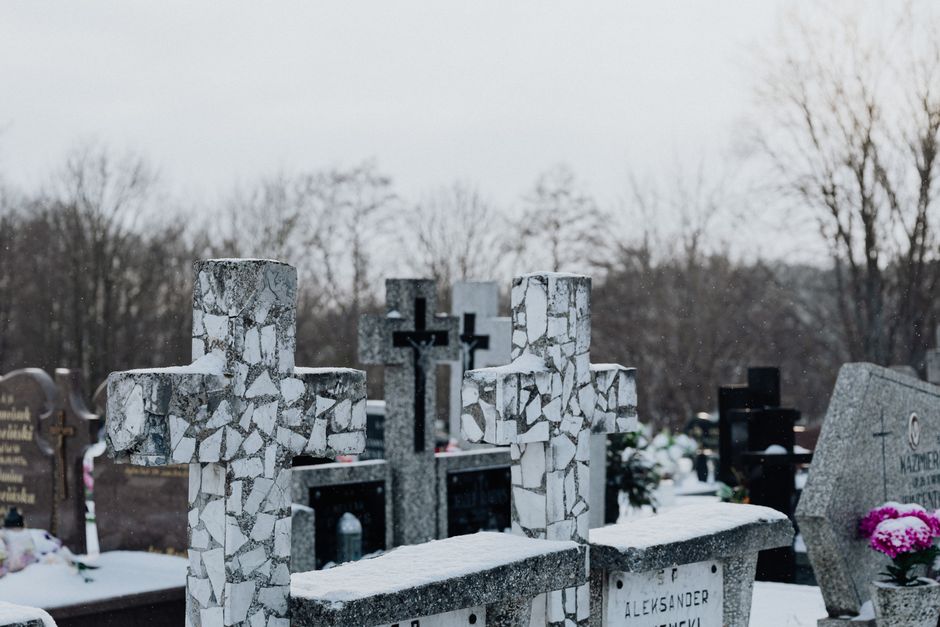
Remuh Synagogue and Old Jewish Cemetery, Kazimierz, Krakow, Poland
Burial ground for generations, this ancient cemetery holds a legend of a rabbi whose merit protects the uncarved tombstones.
Nestled in the heart of Kazimierz, Krakow's historic Jewish quarter, the Remuh Synagogue and its adjacent Old Jewish Cemetery offer a profound glimpse into centuries of Jewish life. The cemetery, established in the mid-16th century, is one of the oldest and most atmospheric Jewish burial grounds in Europe. According to local legend, the 16th-century Rabbi Moses Isserles (the 'Remuh') was so righteous that his merit protects the graves. Many headstones remain uncarved, simply marked by small stones, a poignant reminder of lives lived and faith endured.
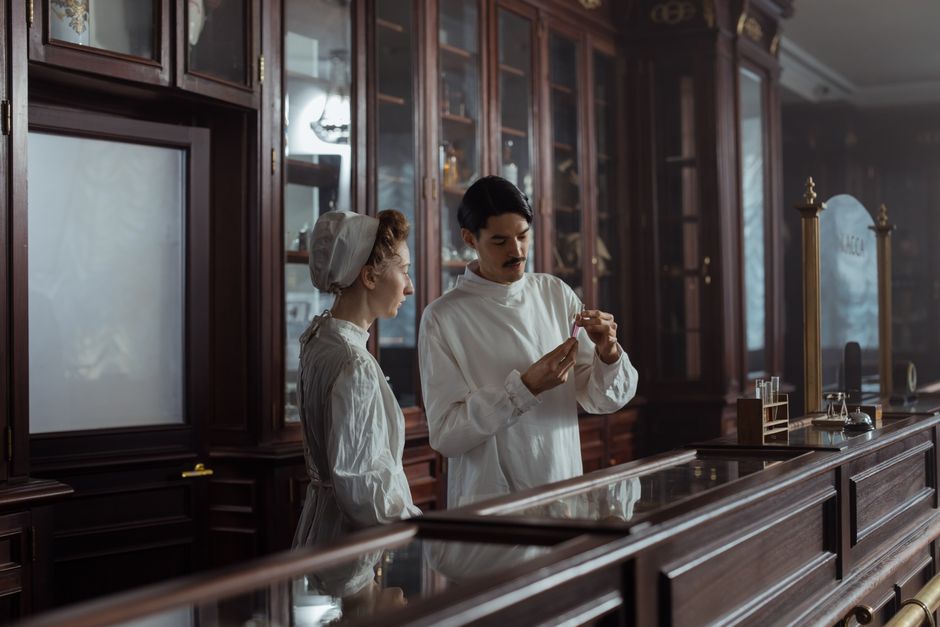
4. Defiance at the Eagle Pharmacy
Apteka pod Orłem (Eagle Pharmacy), Krakow, Poland
In the heart of the Jewish Ghetto, a brave Polish pharmacist offered solace, medicine, and quiet resistance to its imprisoned residents.
The Eagle Pharmacy, or Apteka pod Orłem, stands as a chilling yet profoundly inspiring monument within the former Krakow Ghetto. Its Polish owner, Tadeusz Pankiewicz, was the only non-Jewish Pole permitted to remain in the ghetto after its creation by the Nazis. He defied orders, providing not just vital medicines but also food, news, and a safe meeting point for residents, often at great personal risk. Today, the pharmacy is a museum, meticulously recreating the conditions and chronicling the stories of those who suffered and resisted within the ghetto walls.
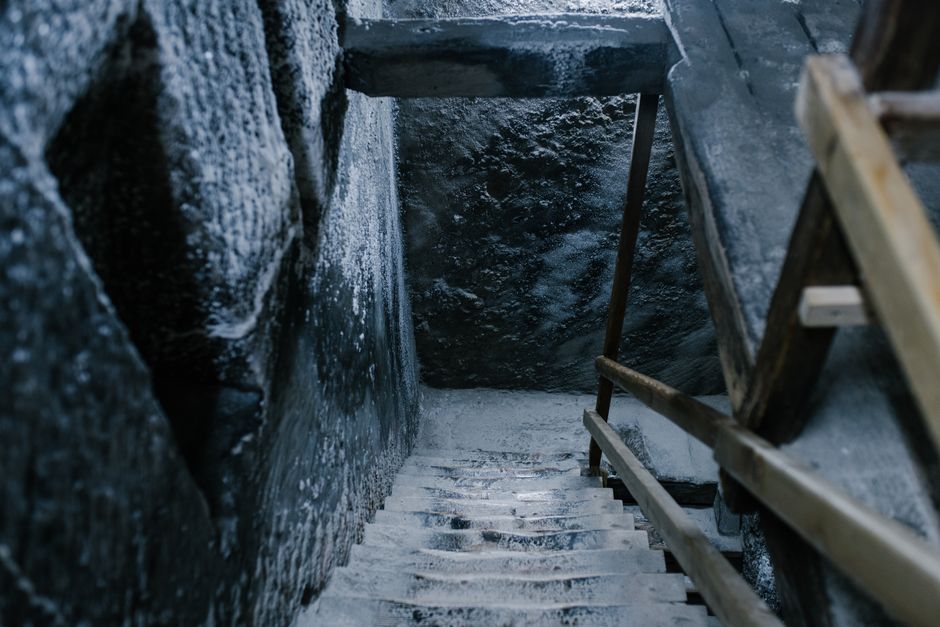
5. An Underground Cathedral of Salt
Wieliczka Salt Mine, Wieliczka, Poland
Deep beneath the earth, miners transformed a working salt mine into an astonishing subterranean world of chapels, sculptures, and chandeliers, all carved from salt.
The Wieliczka Salt Mine is far more than just a mine; it is a UNESCO World Heritage site and an artistic masterpiece created by generations of miners. For over 700 years, salt was extracted here, but the miners also carved incredible works of art. The St. Kinga's Chapel, an entire church complete with altarpieces, chandeliers, and even intricate floor patterns, is the undisputed highlight, all sculpted from the very salt they extracted. This awe-inspiring subterranean cathedral stands as a testament to the miners' deep faith and remarkable craftsmanship.
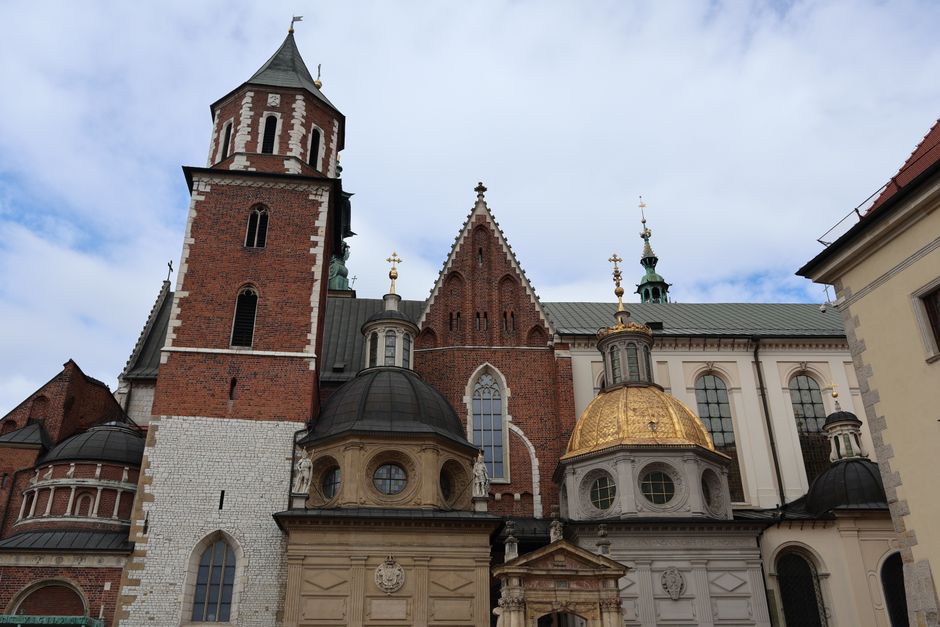
6. Copernicus's Classroom
Collegium Maius, Jagiellonian University, Krakow, Poland
Step into the oldest building of Jagiellonian University, where Nicolaus Copernicus once studied and ancient astronomical instruments still reside.
Collegium Maius is the oldest building of the Jagiellonian University, a true jewel of Gothic architecture and a hub of intellectual history. It's not just a beautiful medieval courtyard; it's where scholars like Nicolaus Copernicus once walked and learned. The museum houses a fascinating collection of historical scientific instruments, including some used by Copernicus himself, along with a library that dates back centuries. Exploring its arcaded courtyard, lecture halls, and professors' living quarters offers a tangible connection to the dawn of modern science and the pursuit of knowledge.
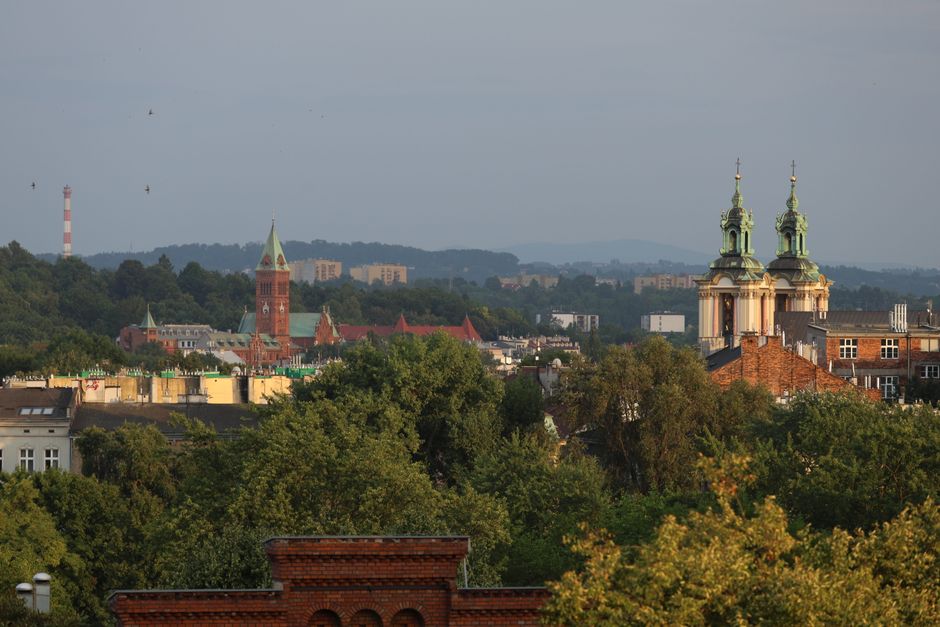
7. The Mound of National Pride
Kościuszko Mound, Krakow, Poland
This monumental artificial hill, built by citizens using soil from Poland's battlefields, offers panoramic views and symbolizes national unity.
Rising majestically on the outskirts of Krakow, Kościuszko Mound is not a natural hill but a man-made monument dedicated to Tadeusz Kościuszko, a Polish national hero who fought for independence in both Poland and America. Built by volunteers from 1820 to 1823, the mound incorporates soil from every major battlefield where Poles fought for their freedom, making it a powerful symbol of national memory and sacrifice. Ascending its winding path rewards visitors with breathtaking panoramic views of Krakow and the surrounding landscape, a truly unique perspective on the city's sprawl and its historical context.
Frequently asked questions
When is the best time to visit Krakow for fewer crowds?
For a more relaxed experience with fewer tourists, consider visiting Krakow during the shoulder seasons: April-May or September-October. The weather is generally pleasant, and you can enjoy the city's attractions without the peak summer crowds.
Can I visit Auschwitz-Birkenau from Krakow as a day trip?
Yes, Auschwitz-Birkenau is a solemn but crucial site that can be visited as a day trip from Krakow. Numerous organized tours depart daily, providing transportation and guides. Alternatively, you can take a local bus or train to Oświęcim and arrange your visit independently.
What unique local dishes should I try in Krakow?
Beyond pierogi, be sure to try 'obwarzanek krakowski,' a braided bread ring similar to a bagel, sold by street vendors. Also, sample 'żurek,' a sour rye soup, and 'oscypek,' a smoked sheep's cheese from the Tatra mountains, often served grilled with cranberry sauce.
How does the AllTours.ai app enhance exploration of Krakow's hidden gems?
AllTours.ai brings these incredible stories to life. Simply point your phone camera at a landmark or landscape in Krakow, and the app uses AI to identify it and narrate its history, geology, and culture in your preferred language. It's like having a personal expert guide revealing the hidden narratives of every place you discover.
Self-guided audio tours
Walk these places stop by stop — free five-stop story tours you can take at your own pace:
Photography via Pexels. AllTours.ai is an AI audio tour guide — point your camera at any landscape and hear its story.