July 6, 2026 · 4 min read
Leonardo da Vinci's "Lady with an Ermine" is more than just a painting; it's a testament to survival. Housed at the Czartoryski Museum in Krakow, this iconic masterpiece has endured centuries of conflict, political upheaval, and clandestine journeys, leaving behind a trail of incredible stories.
While the museum's 2010 closure for extensive renovations sent the Lady on a temporary international tour, her most dramatic adventures unfolded during earlier tumultuous times. Beyond the well-trodden paths, Poland holds many lesser-known spots that silently witnessed the fierce determination to preserve its cultural heritage. Here are some of the unexpected places and parallel stories that shed light on how this priceless artwork, and indeed Polish culture itself, defied destruction.
1. The Palace's Secret Wardrobe
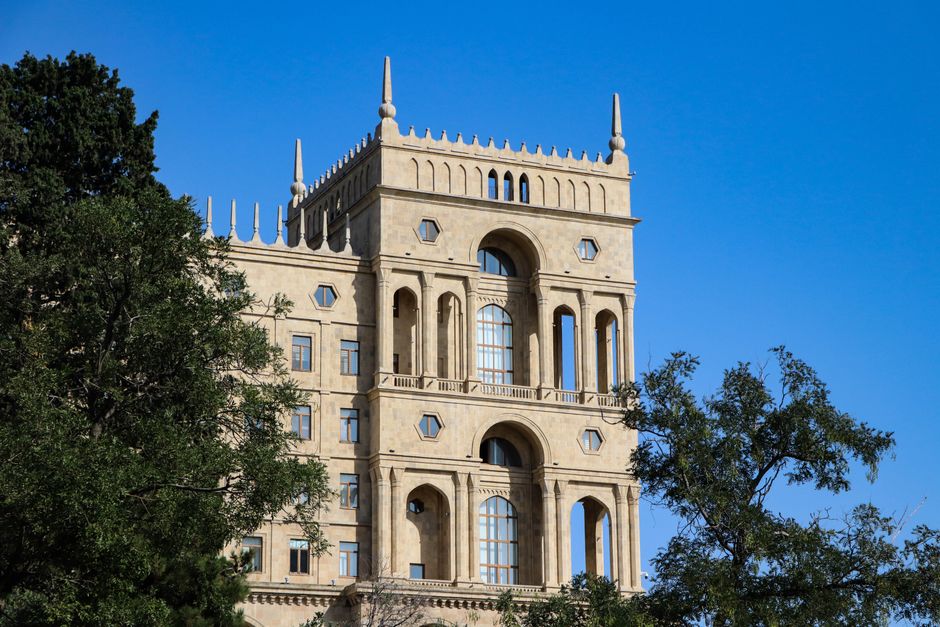
Sieniawa Palace, Poland
Before the Nazis arrived, this secluded palace was the first secret hiding spot for "Lady with an Ermine."
As World War II erupted, the Czartoryski family made a desperate choice. Rather than risk Leonardo's masterpiece falling into enemy hands, they secretly transported "Lady with an Ermine" from Krakow to their family estate in Sieniawa. For a precious period, this elegant, yet unassuming palace became the painting's quiet refuge, a testament to the family's fervent efforts to safeguard Poland's cultural jewels from impending destruction.
2. The "Polish Louvre" in the Countryside
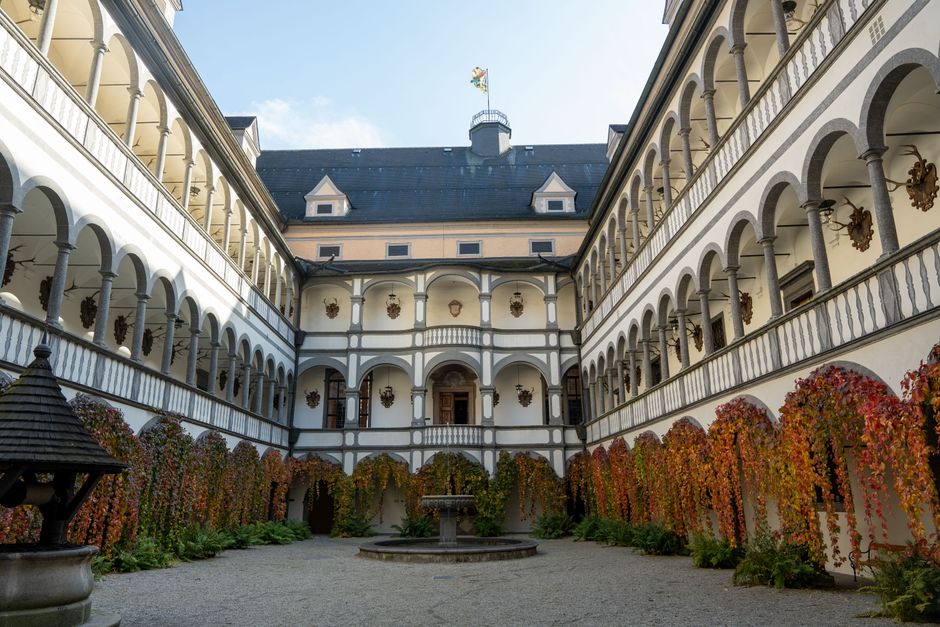
Gołuchów Castle, Poland
A Czartoryski princess transformed this medieval fortress into an art sanctuary, reflecting the family's deep commitment to preserving heritage.
Princess Izabella Czartoryska Działyńska, another scion of the Czartoryski line, envisioned Gołuchów Castle as a grand museum for her vast collections, often referred to as a "Polish Louvre." Though "Lady with an Ermine" primarily resided in Krakow, Gołuchów exemplifies the family's broader, enduring dedication to cultural preservation. Its unique Renaissance-inspired architecture and meticulously curated art pieces stand as a monument to their tireless efforts to create a national legacy.
3. Wawel's Darkest Exhibit
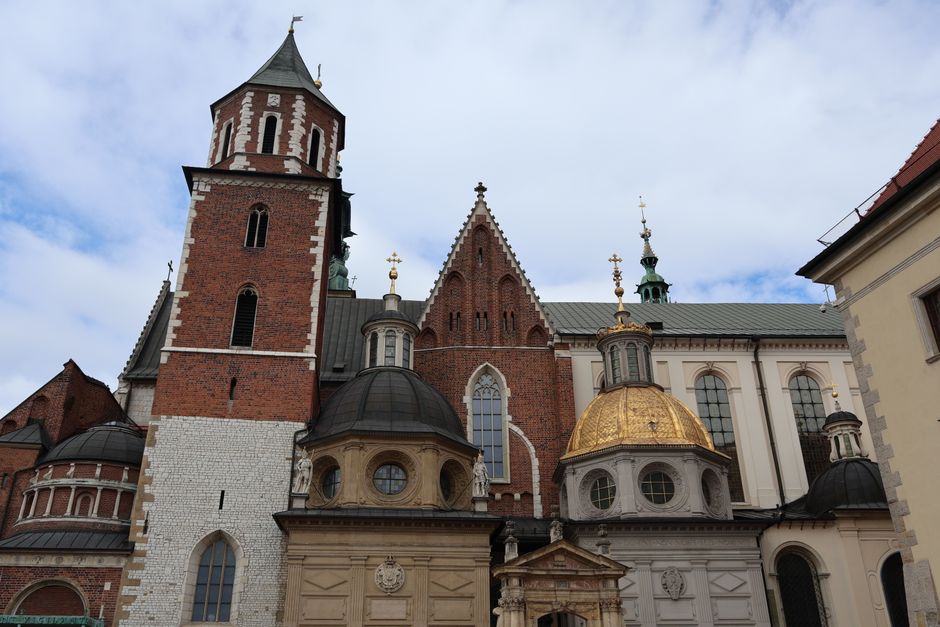
Wawel Royal Castle, Krakow, Poland
Poland's most sacred castle became an unwilling display case for "Lady with an Ermine" under Nazi occupation.
After its brief respite in Sieniawa, "Lady with an Ermine" was seized by the Nazis and brought to Wawel Royal Castle, then the residence of German Governor General Hans Frank. This symbol of Polish sovereignty was tragically transformed into a private trophy room, with Leonardo's masterpiece hanging in Frank's office. The painting’s presence here during the war highlights a brutal period where art was not admired, but plundered, making Wawel a poignant, if unwilling, stage in its dramatic journey.
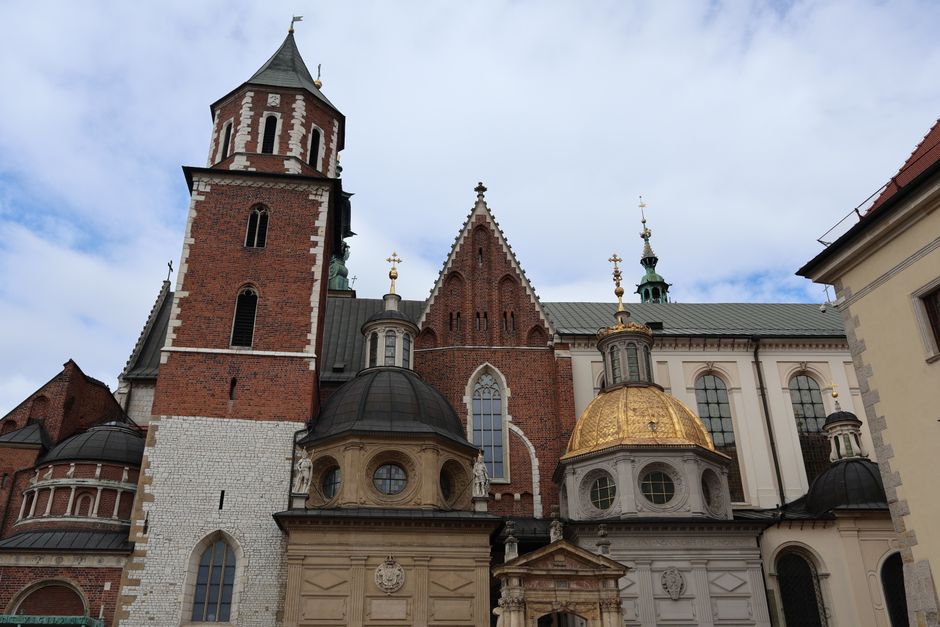
4. The Globe-Trotting Royal Treasures
Wawel Cathedral Treasury, Krakow, Poland
Before the "Lady" was taken, other irreplaceable Polish treasures embarked on a daring, secret journey across continents to escape the Nazis.
Just as the Czartoryskis scrambled to protect their painting, the custodians of Wawel Cathedral executed an extraordinary plan. Priceless artifacts, including the Szczerbiec coronation sword and the Sigismund Bell clapper, were secretly crated and spirited away, embarking on a clandestine journey that spanned oceans and multiple countries. This epic evacuation, known as the "Royal Crates," ensured that a core part of Poland's national identity survived the war, a testament to immense bravery and foresight.
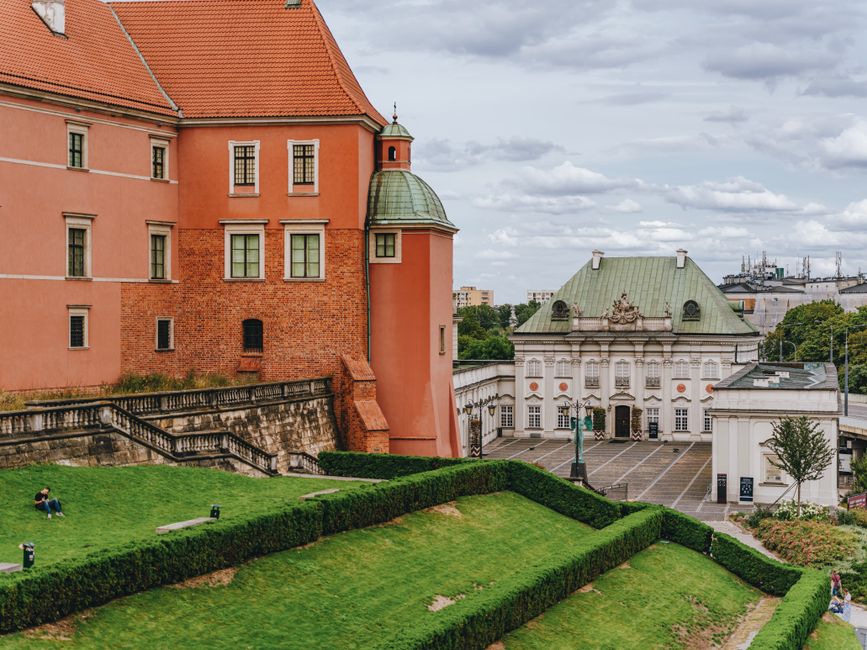
5. Buried Histories in Milk Cans
Jewish Historical Institute, Warsaw, Poland
In the heart of the Warsaw Ghetto, a clandestine group buried a massive archive to preserve Jewish memory against annihilation.
While not directly tied to "Lady with an Ermine," the Ringelblum Archive at the Jewish Historical Institute embodies a parallel, profound act of cultural preservation. Under unimaginable conditions in the Warsaw Ghetto, a secret organization called Oyneg Shabes meticulously collected documents, testimonies, and artifacts, burying them in milk cans and metal boxes. This desperate effort, discovered after the war, ensured that the stories and experiences of a vanished community would not be forgotten, echoing the determination to save precious heritage.
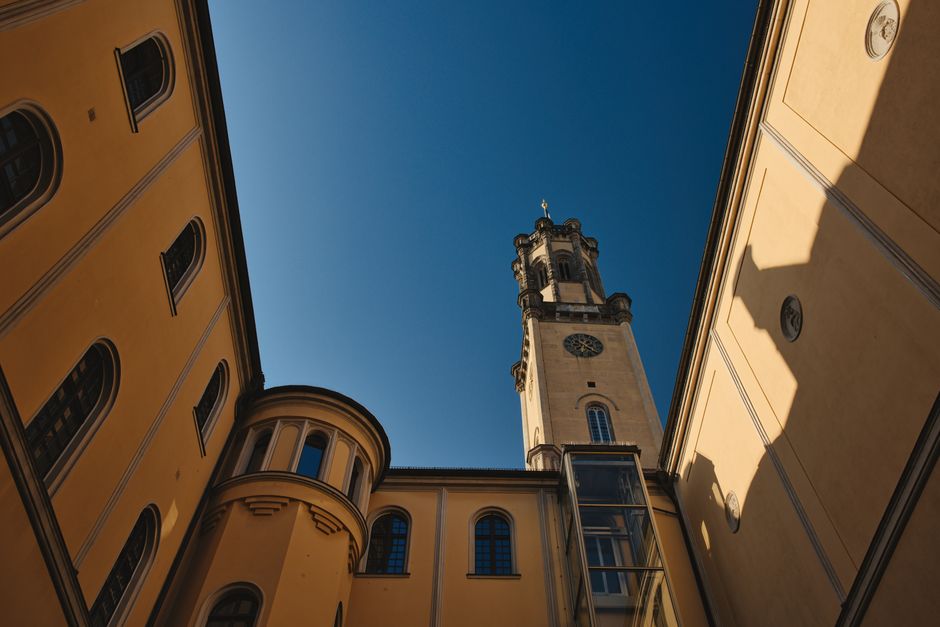
6. Krakow's Medieval Timepiece
Collegium Maius Courtyard, Jagiellonian University, Krakow, Poland
Every day, medieval figures emerge from a historic clock in Krakow’s oldest university courtyard, a quiet symbol of enduring scholarship.
Nestled within the Jagiellonian University, the Collegium Maius is Krakow’s oldest university building, its serene courtyard a haven of history. Here, a unique astronomical clock, a replica of its 15th-century predecessor, performs a daily spectacle. Figures of academics and royalty process to music, marking the passage of time and the continuity of knowledge. This quiet, enduring tradition represents the resilience of Krakow's intellectual and cultural life, a constant backdrop to the city's tumultuous history, including the Czartoryski Museum's own story.
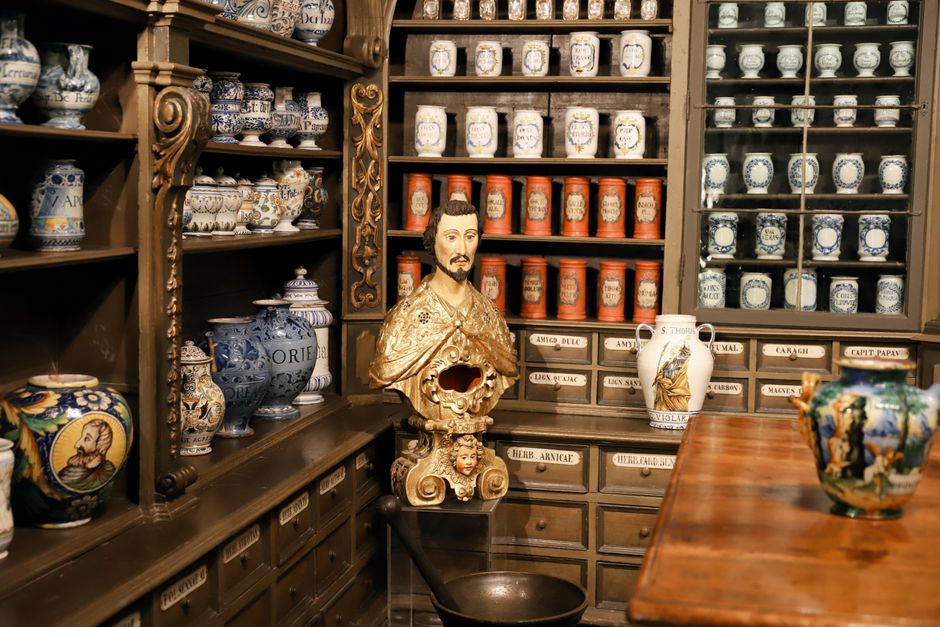
7. The Apothecary's Hidden Past
Museum of Pharmacy, Krakow, Poland
Beyond art, a historic townhouse in Krakow holds centuries of medicinal secrets, revealing the intricate art of preserving knowledge.
Tucked away on Floriańska Street, Krakow's Museum of Pharmacy offers a fascinating glimpse into a different kind of preservation. Housed in a historic apothecary, its multi-story exhibits display antique pharmaceutical equipment, rare herbal remedies, and ancient medical texts. It's a testament to the meticulous, often hidden, work of generations dedicated to safeguarding and passing down specialized knowledge and tools. This museum reminds visitors that preservation extends beyond grand artworks to the everyday sciences that shaped society.
Frequently asked questions
When did "Lady with an Ermine" arrive at the Czartoryski Museum?
"Lady with an Ermine" was acquired by Prince Adam Jerzy Czartoryski around 1800-1801 in Italy, for his mother, Princess Izabela Czartoryska. It became a centerpiece of the Czartoryski collection, initially displayed at their museum in Puławy before eventually moving to Krakow.
Why did the Czartoryski Museum close in 2010, and where did the painting go?
The Czartoryski Museum closed in 2010 for extensive renovations and modernization. During this period, "Lady with an Ermine" was temporarily exhibited at Wawel Royal Castle and the National Museum in Krakow. It also embarked on several international tours, visiting major cities like Madrid, London, and Berlin, before returning to the fully refurbished museum in 2017.
Is "Lady with an Ermine" the only famous painting in Poland?
While "Lady with an Ermine" is undoubtedly Poland's most famous painting, the country is home to a rich collection of other significant artworks. Notable examples include Jan Matejko's monumental historical paintings at the National Museum in Krakow and Warsaw, as well as works by Stanisław Wyspiański and Jacek Malczewski, showcasing a diverse and vibrant national art scene.
How can I explore these hidden stories while traveling?
To truly immerse yourself in the rich history and lesser-known tales of these places, consider using a smart audio guide. The AllTours.ai app allows you to point your phone camera at any landmark or landscape, and it will instantly narrate its history, geology, and culture in your preferred language, turning every step into a discovery.
Photography via Pexels. AllTours.ai is an AI audio tour guide — point your camera at any landscape and hear its story.