July 6, 2026 · 4 min read
Leonardo da Vinci's 'Lady with an Ermine' is one of the world's most captivating portraits, and its presence in Krakow's Czartoryski Museum is a story of passion, preservation, and perilous journeys. Acquired by Prince Adam Czartoryski around 1800 for his mother Izabela's burgeoning collection, the painting became the crown jewel of what would become one of Poland's most significant museums. Throughout centuries of conflict, including both World Wars, the masterpiece was meticulously hidden from invaders, a testament to the Czartoryski family's dedication to safeguarding Poland's cultural heritage.
When the Czartoryski Museum closed its doors for extensive renovations in 2010, 'Lady with an Ermine' embarked on its own grand tour, gracing galleries in Madrid, London, and Berlin, allowing millions to admire its beauty while its home underwent a profound transformation. Its return in 2019 marked a triumphant reopening, inviting visitors to delve into a collection rich with history. But like the painting's own untold chapters, Krakow itself is filled with layers of fascinating, often overlooked stories, waiting just beyond the well-trodden paths.
1. The Mythical King's Overlook
Krakow, Poland
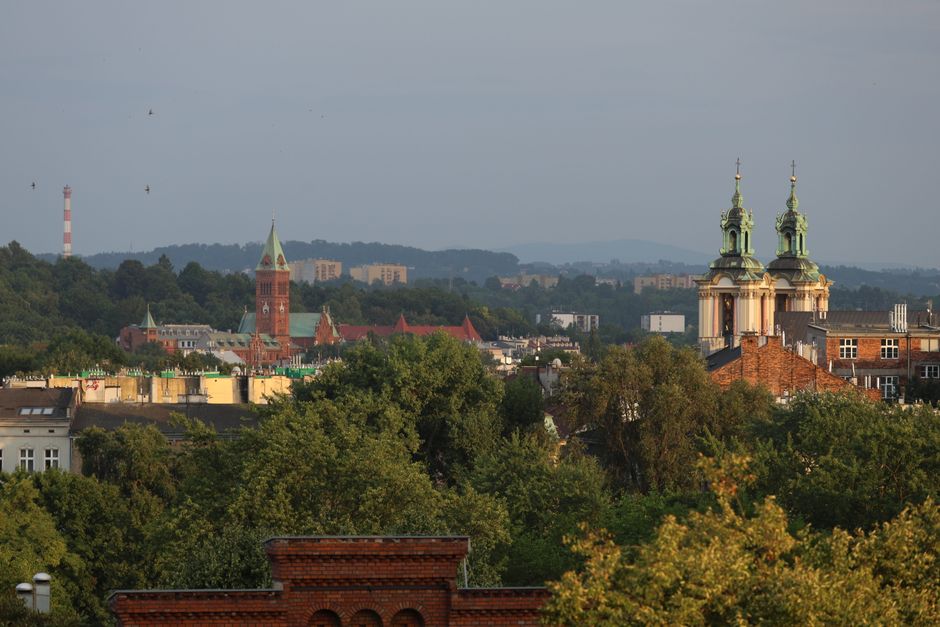
A prehistoric mound in Krakow hides the remains of a legendary founder and offers panoramic city views.
Rising quietly in the Podgórze district, Krakus Mound is one of Krakow's two ancient, mysterious earthworks, believed to be the burial site of the city's mythical founder, King Krakus. Archaeological digs have uncovered prehistoric artifacts, but no royal tomb, adding to its enigma. Climbing its grassy slopes provides a unique, uninterrupted vista of Wawel Castle, the Vistula River, and the entire city skyline, a perspective few tourists experience.
2. Echoes in Empty Chairs
Krakow, Poland
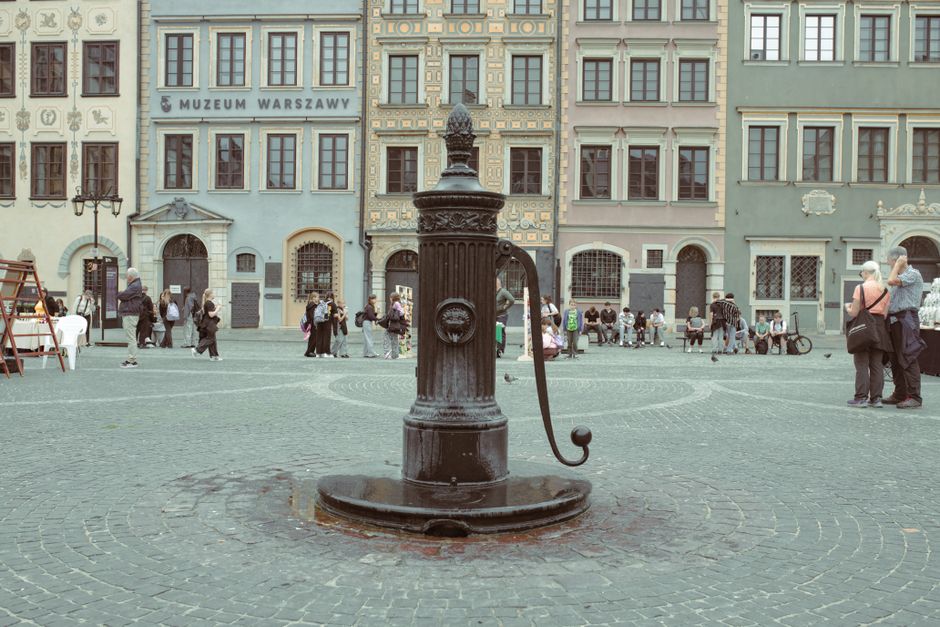
A Krakow square marked by oversized empty chairs stands as a silent, powerful memorial to a tragic history.
In the heart of Krakow's former Jewish Ghetto in Podgórze, Plac Bohaterów Getta, or Ghetto Heroes Square, is a poignant, understated memorial. Instead of traditional monuments, 70 oversized bronze chairs are scattered across the square, representing the furniture and belongings left behind by Krakow's Jews during the ghetto's liquidation in 1943. This stark, evocative installation encourages quiet reflection on the lives lost and the void left behind.
3. Krakow's Elusive Romanesque Gem
Krakow, Poland
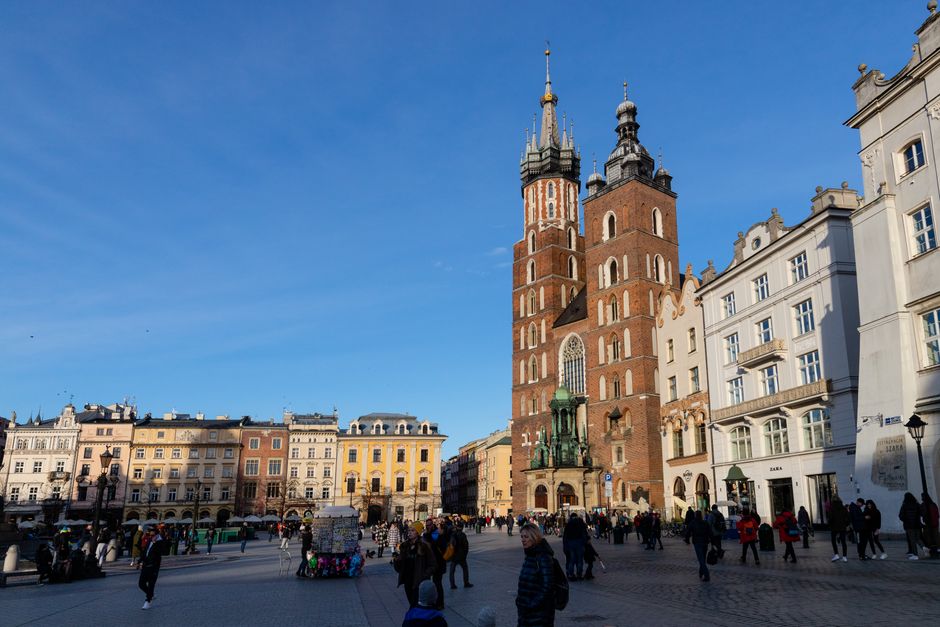
Krakow's smallest and one of its oldest churches only opens its doors to the public a few days each year.
Perched atop Lasota Hill in Podgórze, the tiny Romanesque Church of St. Benedict is a true hidden gem, often missed even by locals. Dating back to the 11th or early 12th century, its compact, rustic stone structure stands in stark contrast to Krakow's grand basilicas. This ancient chapel is famously accessible only a few times a year, primarily on the first Tuesday after Easter, adding to its mysterious allure and making a visit a rare privilege.
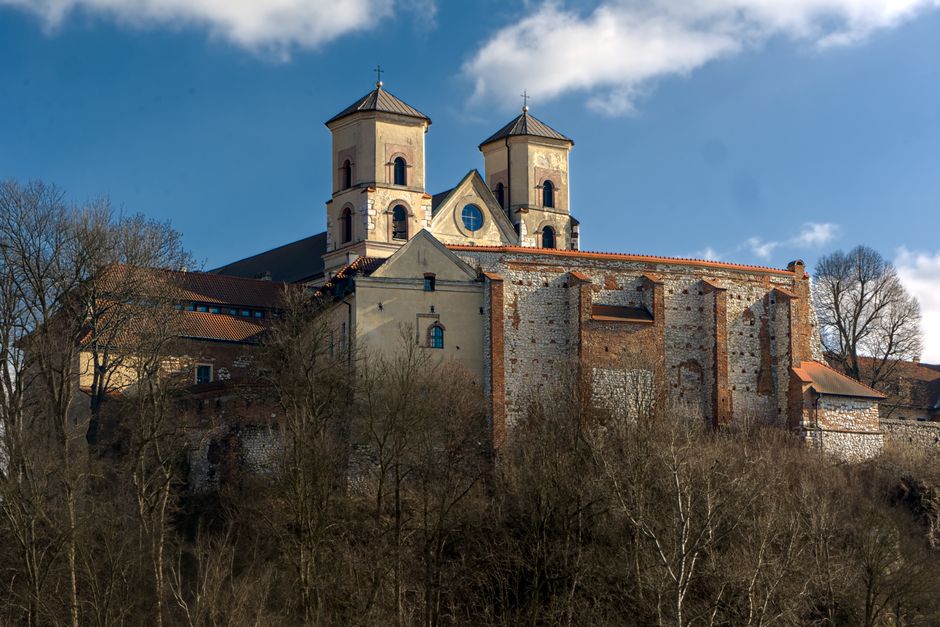
4. The Monastery on the Limestone Cliff
Tyniec, Poland
An ancient Benedictine monastery, once a medieval fortress, stands majestically on a dramatic limestone cliff overlooking the Vistula.
Just a short journey from Krakow, the Benedictine Abbey in Tyniec commands an impressive position on a towering limestone cliff above the Vistula River. Founded in 1044, it is one of Poland's oldest monasteries, serving for centuries not only as a spiritual center but also as a formidable defensive outpost, frequently besieged and rebuilt. Today, its serene courtyards, historic church, and panoramic river views offer a peaceful retreat and a glimpse into a millennium of monastic life.
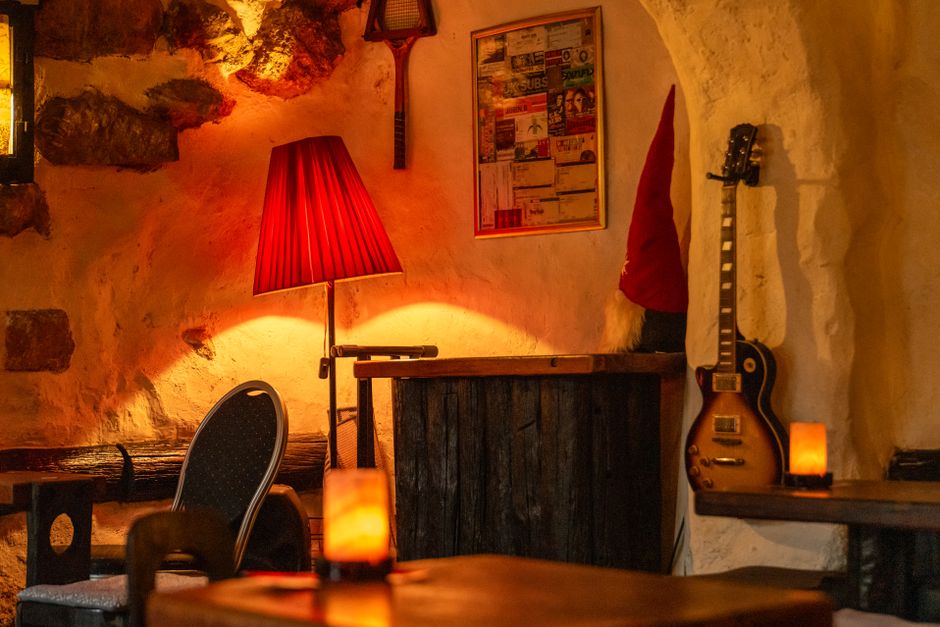
5. The Lair of Krakow's Legend
Krakow, Poland
Descend into the genuine limestone cave beneath Wawel Hill, where Krakow's legendary Wawel Dragon reputedly lived.
While the Wawel Dragon statue at the base of Wawel Hill is a popular photo op, fewer visitors venture into the actual Dragon's Den, or Smocza Jama. This natural limestone cave system, part of the Wawel Royal Castle complex, is steeped in the ancient legend of a fearsome dragon that terrorized Krakow. Walking through its cool, damp chambers provides a tangible connection to the city's folklore, leading out to the Vistula River just steps from the fiery dragon statue.
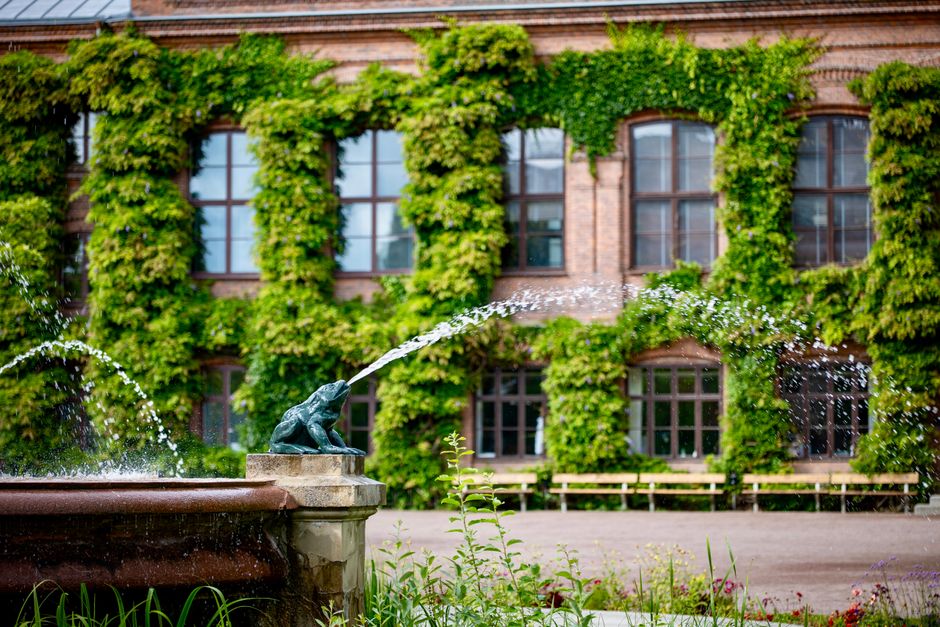
6. A Green Oasis of Ancient Knowledge
Krakow, Poland
Explore Poland's oldest university botanical garden, a tranquil oasis with specimens dating back centuries.
Founded in 1783, the Jagiellonian University Botanical Garden is not only Poland's oldest university botanical garden but also a serene escape from the city bustle. Spread over nearly 10 hectares, it houses a stunning collection of plants, including rare species and ancient trees, some dating back to the garden's inception. Its historic greenhouses, like the Victoria building, shelter exotic flora, offering a living testament to centuries of botanical research and preservation.
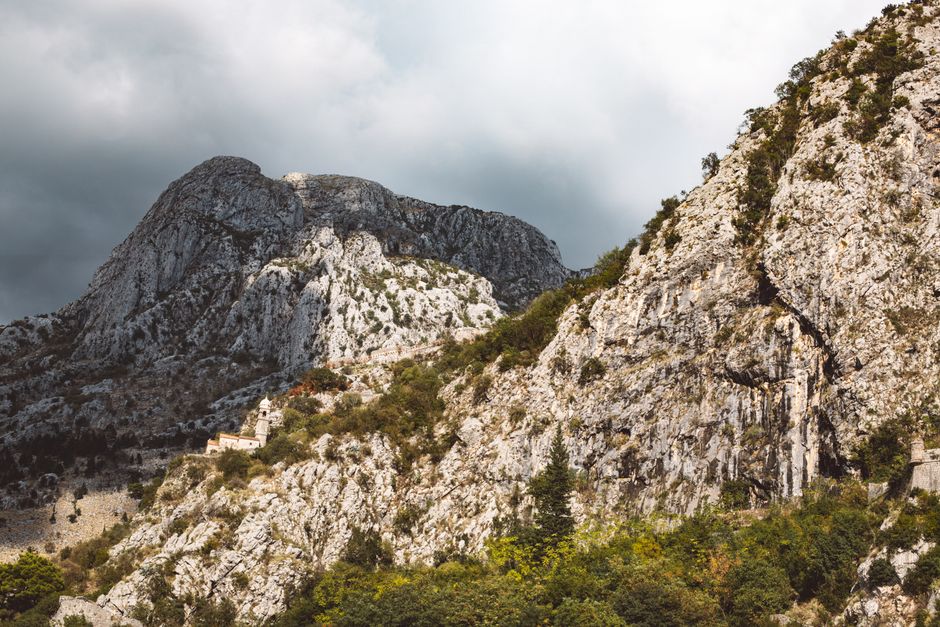
7. The Sacred Crypt of a Martyred Saint
Krakow, Poland
Visit the sacred crypt beneath Skałka, the historic site where Poland's patron saint, Stanislaus, was martyred.
The Pauline Monastery on Skałka, often called the "Church on the Rock," is a profoundly significant site in Polish history and culture, yet frequently overlooked by typical tourist itineraries. It is here, according to legend, that Bishop Stanislaus of Szczepanów was martyred by King Bolesław II the Bold in 1079, leading to his canonization as Poland's patron saint. Below the Baroque church lies the Crypt of Distinguished Poles, a national pantheon housing the remains of eminent Polish artists and scientists, adding layers of historical reverence to this tranquil spot.
Frequently asked questions
Who painted "Lady with an Ermine" and when?
The "Lady with an Ermine" was painted by Leonardo da Vinci between 1489 and 1490. It is one of only four portraits of women painted by the Renaissance master that survive today.
Why was the Czartoryski Museum closed for so long, and when did it reopen?
The Czartoryski Museum closed in 2010 for extensive, decade-long renovations to modernize its facilities, expand exhibition space, and enhance conservation efforts for its invaluable collection. It officially reopened to the public in December 2019.
Where else can I see significant artworks and historical artifacts in Krakow?
Beyond the Czartoryski Museum, Krakow offers several other cultural institutions. Key places include the Wawel Royal Castle, the National Museum in Krakow (with several branches), and the MOCAK Museum of Contemporary Art in Krakow.
How can AllTours.ai help me discover hidden stories like these?
The AllTours.ai app transforms your phone into a personal AI audio guide. Simply point your camera at any landmark or landscape, and the app will instantly narrate its history, geology, and culture in your preferred language, revealing fascinating stories often missed by guidebooks.
Photography via Pexels. AllTours.ai is an AI audio tour guide — point your camera at any landscape and hear its story.