June 29, 2026 · 4 min read
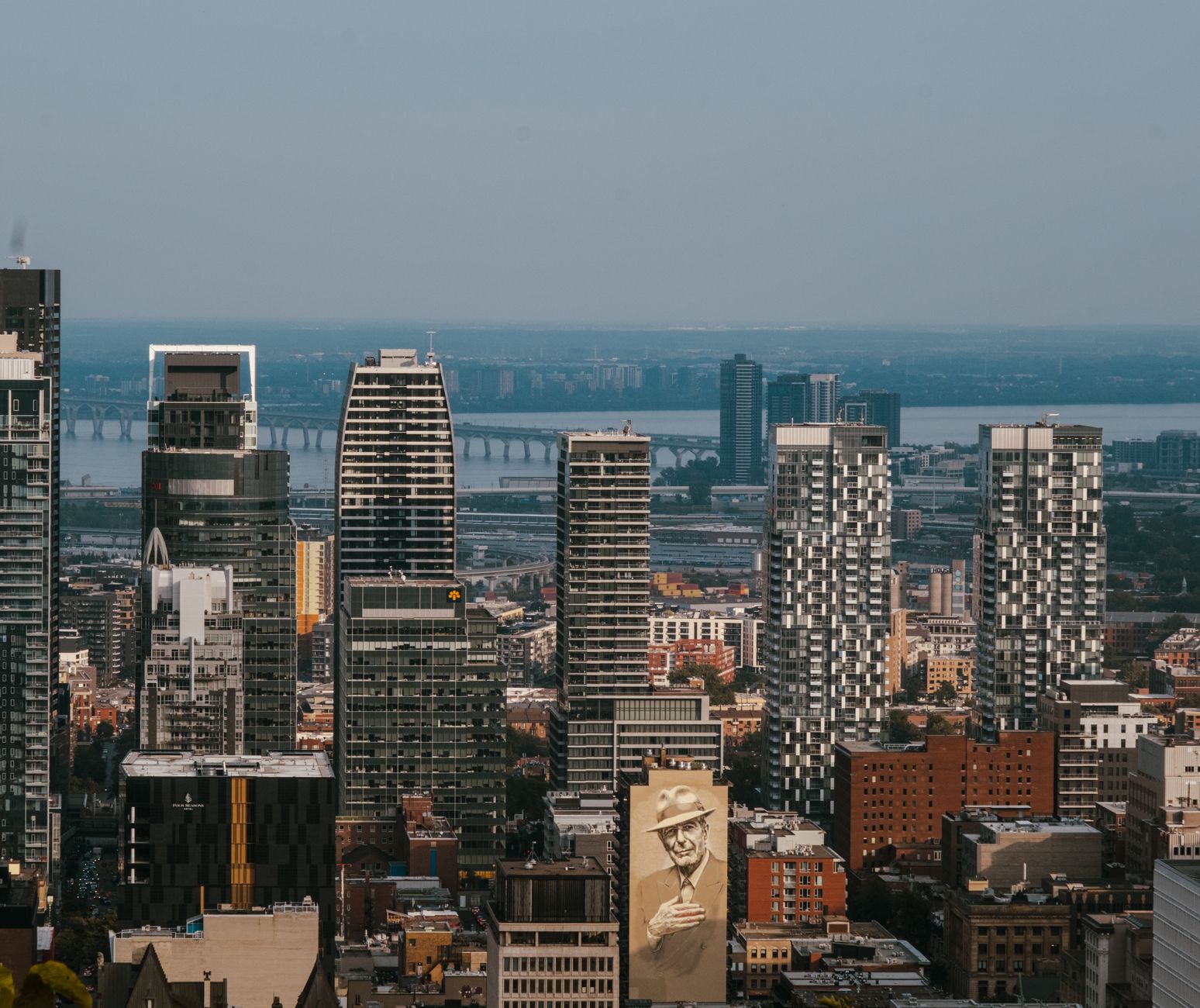
When travelers ask, "What are some differences between Montreal and Toronto as cities?" they often expect a simple answer about language or famous landmarks. But beneath the well-trodden paths, both cities hum with unique histories, cultural quirks, and geological wonders that truly set them apart. My personal preference leans towards the city that surprises me most with its lesser-known tales, and both Canadian giants deliver.
Forget the usual tourist brochures for a moment. Instead, let's explore some genuinely distinct facets of Montreal and Toronto, uncovering the specific stories and hidden corners that reveal their soul, from ancient lakebeds to industrial rebirths, and the vibrant life that springs up in unexpected places.
1. The Serene Industrial Heart of Montreal
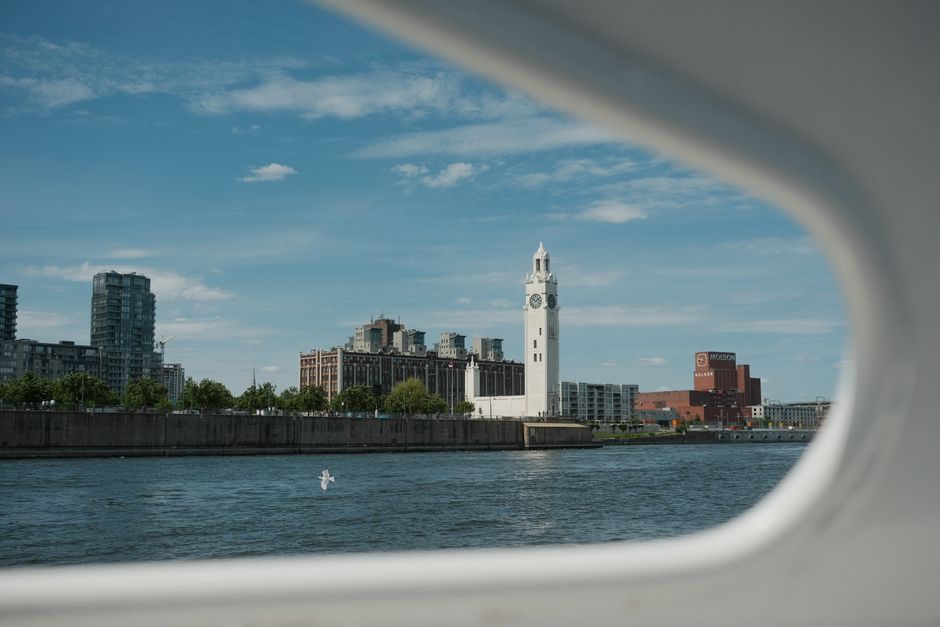
Lachine Canal National Historic Site, Canada
This tranquil urban waterway, now a UNESCO World Heritage site, once powered the very engine of Canadian industry, literally changing the course of a nation.
While many cycle or stroll along the Lachine Canal today, few realize its immense historical significance. From the mid-19th century, this canal was a crucial shipping route, bypassing treacherous rapids and transforming Montreal into a global economic powerhouse. Its banks were lined with factories and mills, making it the cradle of Canada's industrial revolution, a past often overshadowed by its current recreational appeal.
2. Toronto's Ancient Shoreline Story
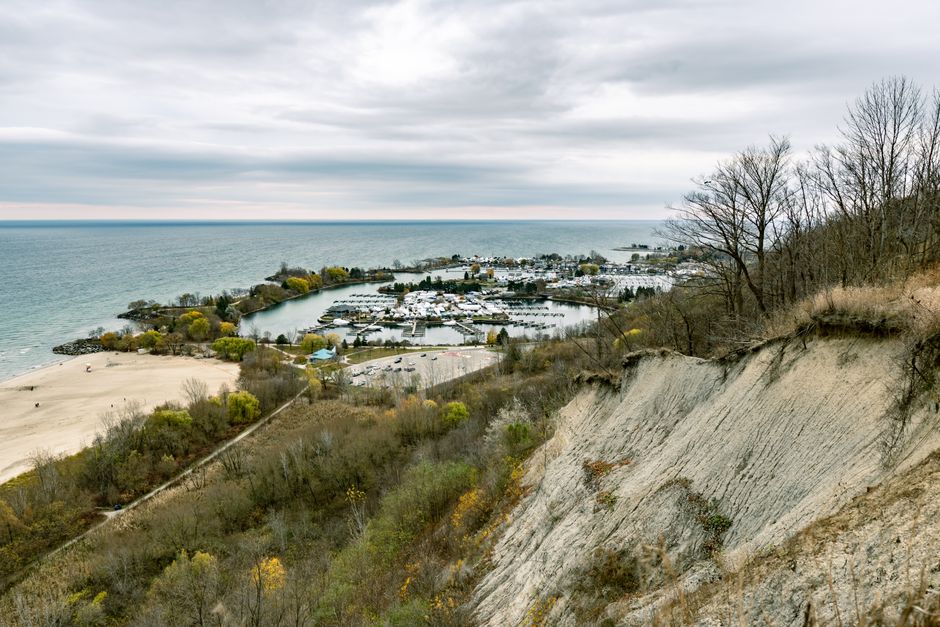
Scarborough Bluffs, Canada
The dramatic Scarborough Bluffs aren't just scenic; they're a living geological record formed by ancient glacial lakes and millennia of erosion, revealing a prehistoric past.
Beyond their striking beauty, the Scarborough Bluffs tell an incredible geological tale. These towering cliffs are remnants of glacial Lake Iroquois, a vast prehistoric lake that covered much of modern-day Toronto after the last ice age. Layers of clay, sand, and till, deposited over thousands of years, are visibly exposed, offering a unique window into Earth's ancient past and the slow, powerful forces that shaped this landscape long before human cities existed.
3. Montreal's Reservoir of Artistic Rebellion
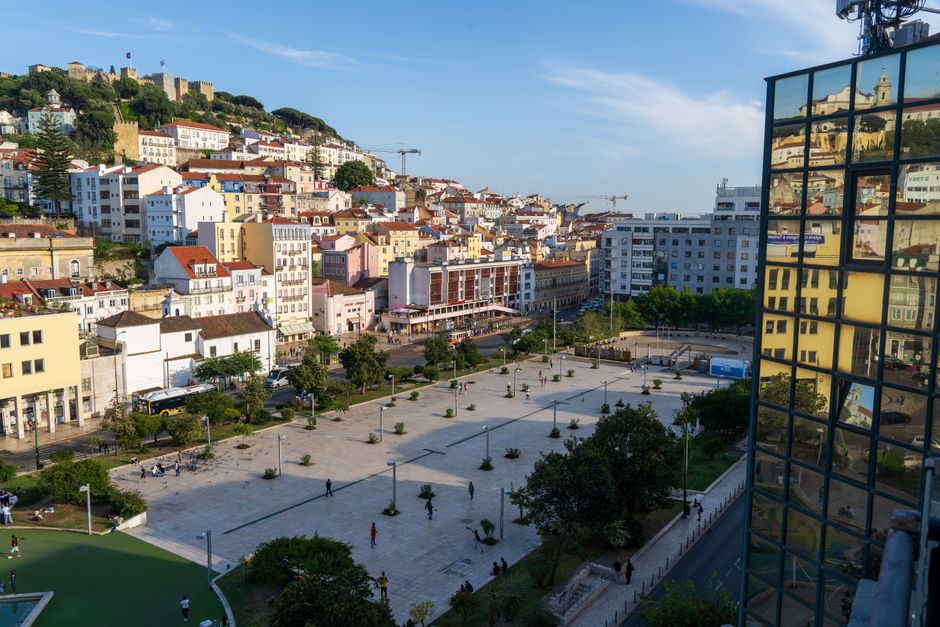
Saint-Louis Square, Canada
Behind the vibrant Victorian facades of Saint-Louis Square lies a history of both essential city infrastructure and a surprising hub for artistic and political ferment.
Today, Saint-Louis Square is renowned for its colourful Victorian homes and central fountain, but it wasn't always a picturesque residential area. Originally, the square was a city reservoir, providing water to Montrealers. After its conversion, it became a magnet for artists, poets, and intellectuals in the late 19th and early 20th centuries, fostering a bohemian spirit that still lingers. Many influential Quebecois figures once called these historic houses home, creating a vibrant cultural legacy.
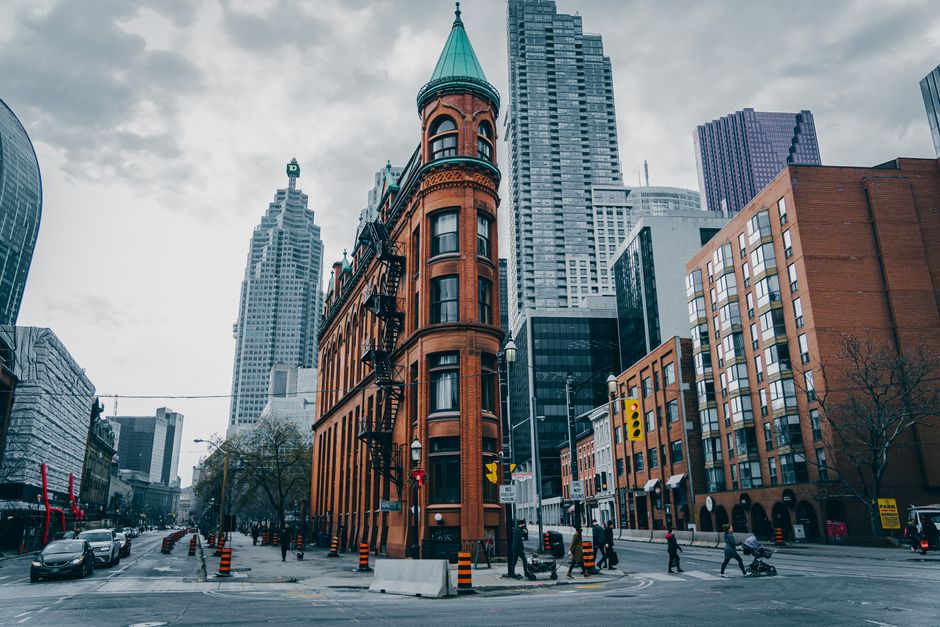
4. The Flatiron Building's Hidden Canvas
Gooderham Building, Toronto, Canada
Toronto's iconic Flatiron Building, the Gooderham Building, hides a lesser-known rear mural depicting the city's early history, visible only from a specific vantage point.
While its unique triangular shape is instantly recognizable, many visitors miss the incredible mural painted on the Gooderham Building's rear wall. Titled 'The Flatiron Mural,' it's a trompe l'oeil masterpiece that depicts the building itself, alongside historic figures and scenes from Toronto's past, including the Gooderham and Worts Distillery. Standing across Wellington Street East, the mural cleverly blends with its surroundings, offering a surprising artistic reflection on the city's heritage.

5. Montreal's Park with a Wild Past
Parc La Fontaine, Canada
Montreal's beloved Parc La Fontaine hides a past far wilder than its tranquil ponds and green lawns, once serving as a military parade ground and even housing a menagerie.
Parc La Fontaine is a cherished urban oasis in Montreal, but its history is surprisingly varied. Before becoming a public park, the land was used as a military training ground for British troops. Later, in the late 19th century, it briefly hosted a small zoo, or 'menagerie,' featuring deer, bears, and even exotic birds, a far cry from the modern-day relaxation spot. This layered past adds a fascinating dimension to a seemingly ordinary city park.
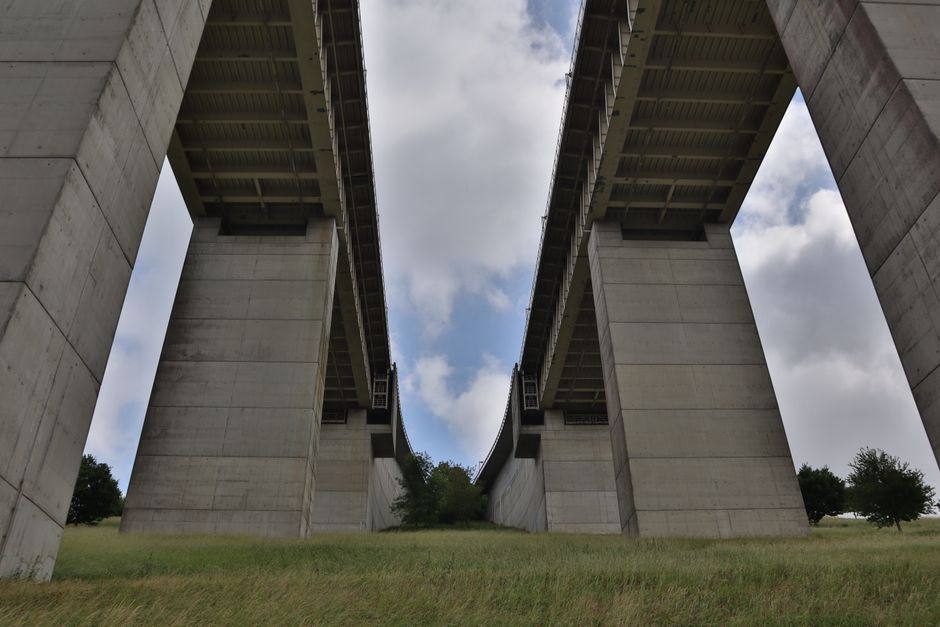
6. Toronto's Urban Underpass Transformation
The Bentway, Canada
Beneath Toronto's massive Gardiner Expressway, a forgotten space has been transformed into a dynamic public park, art gallery, and event venue, showcasing innovative urban renewal.
The Gardiner Expressway, a raised highway, often defines Toronto's waterfront. However, the space directly beneath it, once dark and underutilized, has been ingeniously reimagined as The Bentway. This innovative urban park takes advantage of the expressway's concrete 'bents' (columns) to create distinct zones for public art installations, skate parks, seasonal markets, and community events. It's a powerful example of how neglected infrastructure can be revitalized into vibrant public spaces, turning an urban blight into a unique asset.
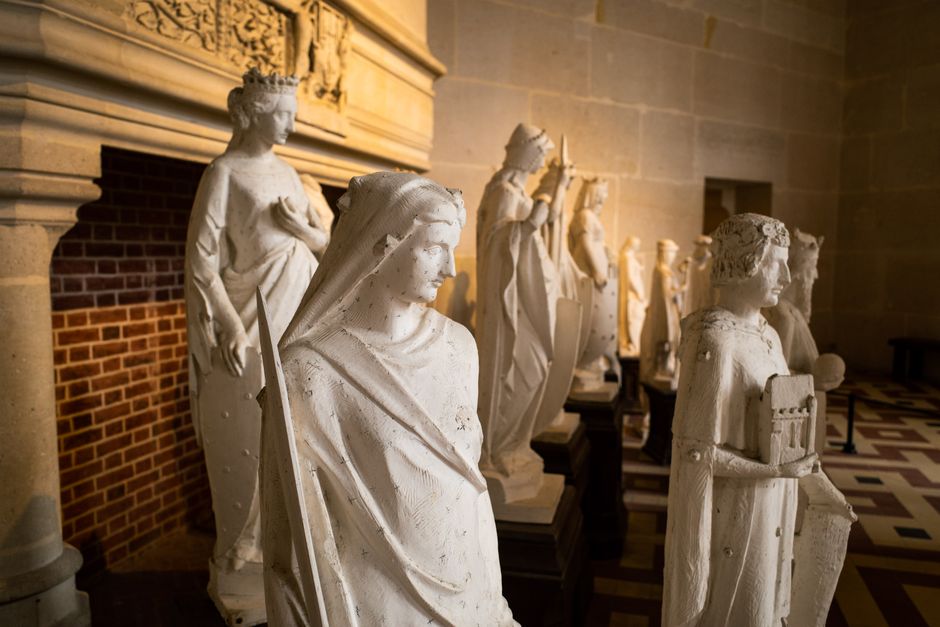
7. Montreal's Ancient Healing Ground
Musée des Hospitalières de l'Hôtel-Dieu de Montréal, Canada
Discover the grim and groundbreaking medical practices that took place in North America's oldest hospital, predating modern medicine by centuries, founded by a fearless woman.
Tucked away near Mount Royal, the Musée des Hospitalières de l'Hôtel-Dieu de Montréal tells the story of North America's first hospital, founded in 1642 by Jeanne Mance. This institution provided care to settlers and Indigenous peoples alike, often under incredibly challenging conditions. The museum showcases ancient surgical instruments, remedies, and the dedication of the religious sisters who served, offering a profound glimpse into early medical history and the resilience of those who sought to heal in a new world.
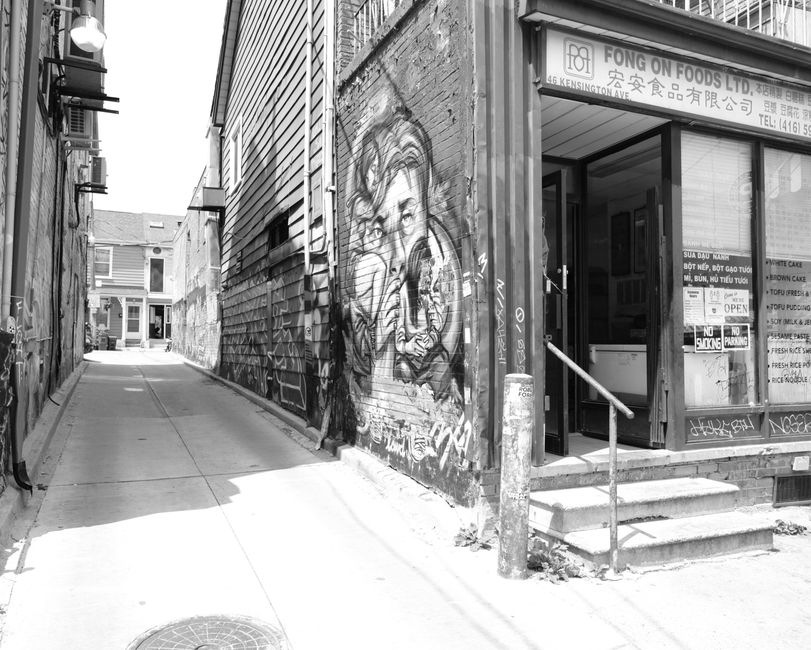
8. Kensington Market's Layered Lives
Kensington Market, Toronto, Canada
Kensington Market's vibrant, eclectic streets were once the heart of a Jewish immigrant community, evolving through decades of counter-culture and commerce to become a unique cultural mosaic.
Before it became Toronto's bohemian haven, Kensington Market was a vital hub for Jewish immigrants in the early 20th century, filled with pushcart vendors, synagogues, and family-run businesses. As communities shifted, it embraced Portuguese, Caribbean, and later, counter-culture influences, transforming into the free-spirited, diverse neighborhood it is today. Walking through its narrow streets reveals layers of history, from vintage shops to organic cafes, each reflecting a different era of immigration and social change.
Frequently asked questions
Is Montreal or Toronto better for a first-time visitor to Canada?
Both cities offer distinct experiences for first-time visitors. Montreal provides a strong European charm with its French language and historic architecture, while Toronto offers a more diverse, modern, and multicultural urban experience. Your preference will depend on whether you seek historical ambiance or a bustling global metropolis.
What are some significant cultural differences between Montreal and Toronto?
Culturally, Montreal is predominantly French-speaking with a vibrant arts scene, a relaxed pace, and a strong European influence in its cuisine and nightlife. Toronto is English-speaking, incredibly multicultural with diverse neighborhoods, a thriving financial sector, and a reputation for being a global city with a fast-paced, dynamic environment.
Which city is more walkable, Montreal or Toronto?
Montreal often feels more walkable, especially in its historic core like Old Montreal and the Plateau, with charming streets and accessible public transport. Toronto's downtown core is also walkable, but its attractions are more spread out, and many rely on its extensive streetcar and subway network to cover longer distances between distinct neighborhoods.
How can the AllTours.ai app enhance my visit to Montreal or Toronto?
AllTours.ai transforms your smartphone into a personal AI audio tour guide. Simply point your phone camera at any landmark, landscape, or even a specific building, and the app will instantly narrate its unique history, geology, and cultural significance in your preferred language, revealing stories you might otherwise miss.
Photography via Pexels. AllTours.ai is an AI audio tour guide — point your camera at any landscape and hear its story.