June 21, 2026 · 4 min read
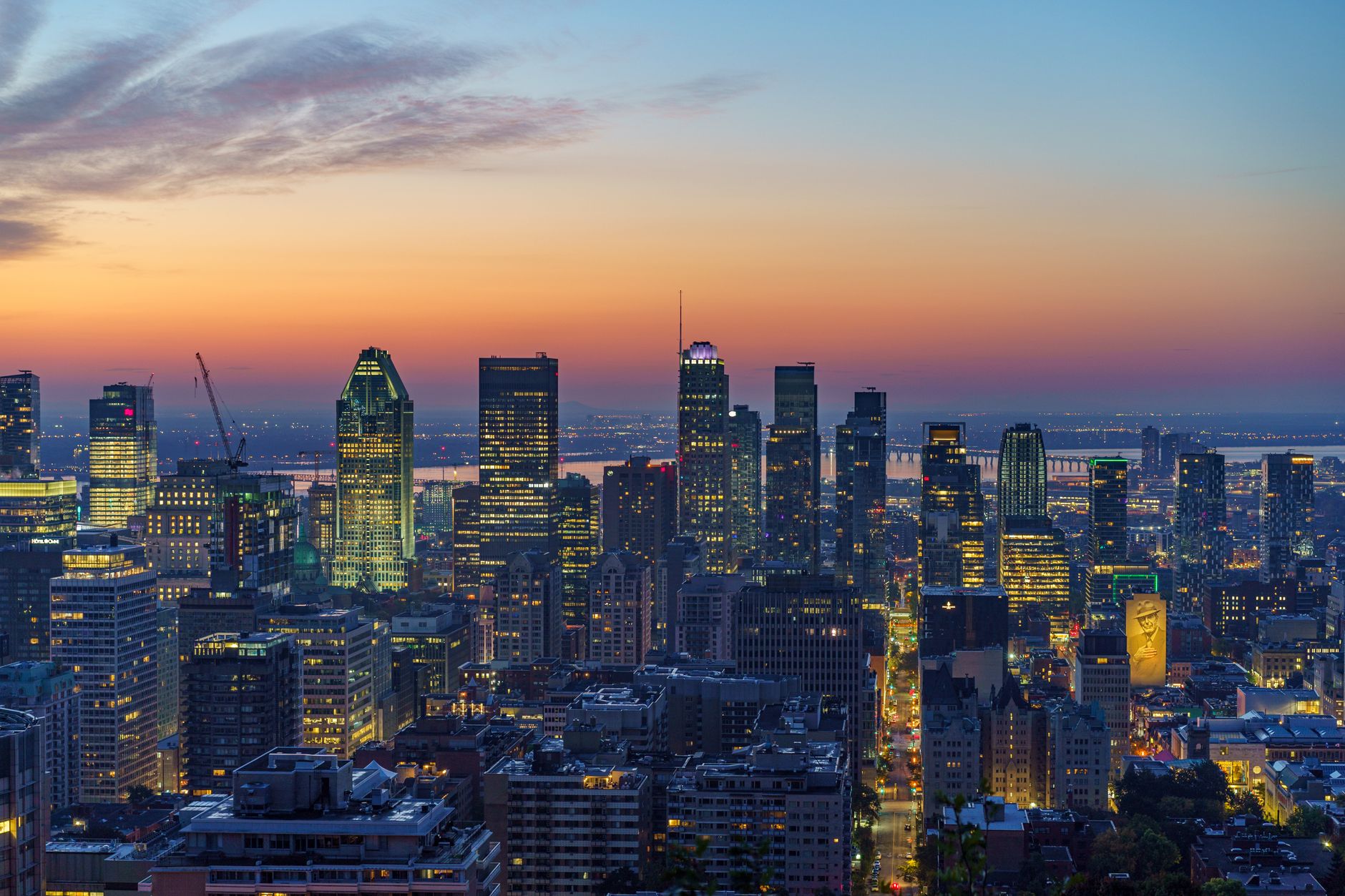
Montréal is a city of layers, a place where grand boulevards meet cobblestone lanes, and cutting-edge innovation exists alongside centuries of history. Visitors often stick to the well-trodden paths of Old Montréal or the Plateau, but to truly understand its character, you need to look beyond the postcards. The question of 'what are the good and bad neighborhoods' isn't about safety or affluence alone; it's about uncovering the soul of a place, its struggles, triumphs, and the stories etched into its very foundations.
This guide delves into Montréal's lesser-known corners, challenging assumptions and revealing the surprising narratives that shape its diverse districts. Forget generic tourist advice; we're seeking out the genuine heartbeat of the city, from industrial pasts to quiet residential havens, each with a unique tale to tell. Prepare to see Montréal through a fresh lens, where every street corner holds a secret waiting to be discovered.
1. Pointe-Saint-Charles' Enduring Spirit
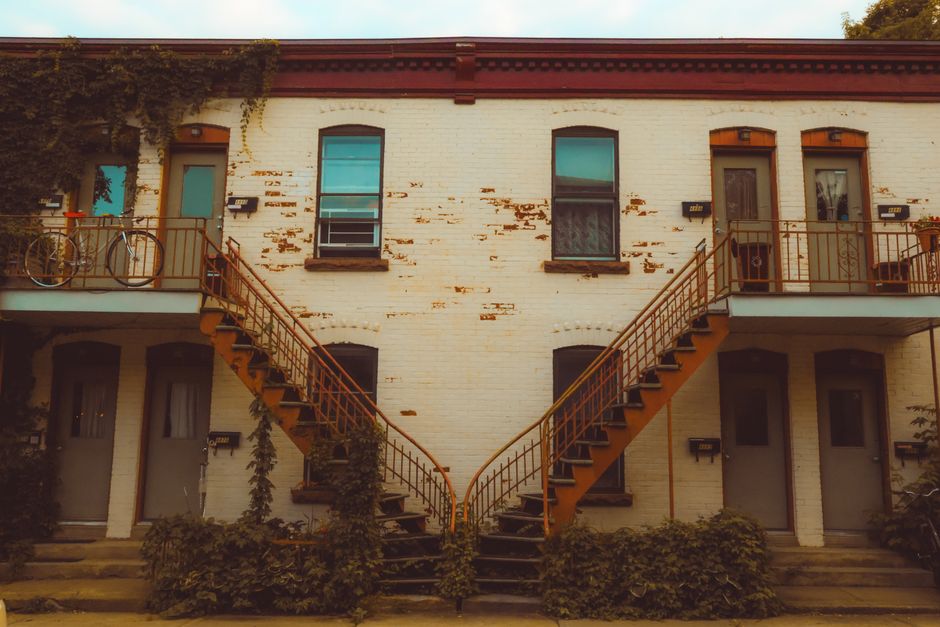
Pointe-Saint-Charles, Montréal, Canada
This working-class neighborhood was the site of North America's first strike by female workers.
In 1843, the "Fillettes de la Lachine Canal" staged a strike at the St. Gabriel locks, demanding better wages and conditions. Pointe-Saint-Charles, often called "The Point," has long been a crucible of social justice, shaped by its Irish immigrant roots and proximity to the Lachine Canal. Its red-brick homes and community gardens tell a story of resilience, where residents have historically fought for fair treatment and maintained a strong collective identity against gentrification pressures.
2. Villeray's Hidden Depths
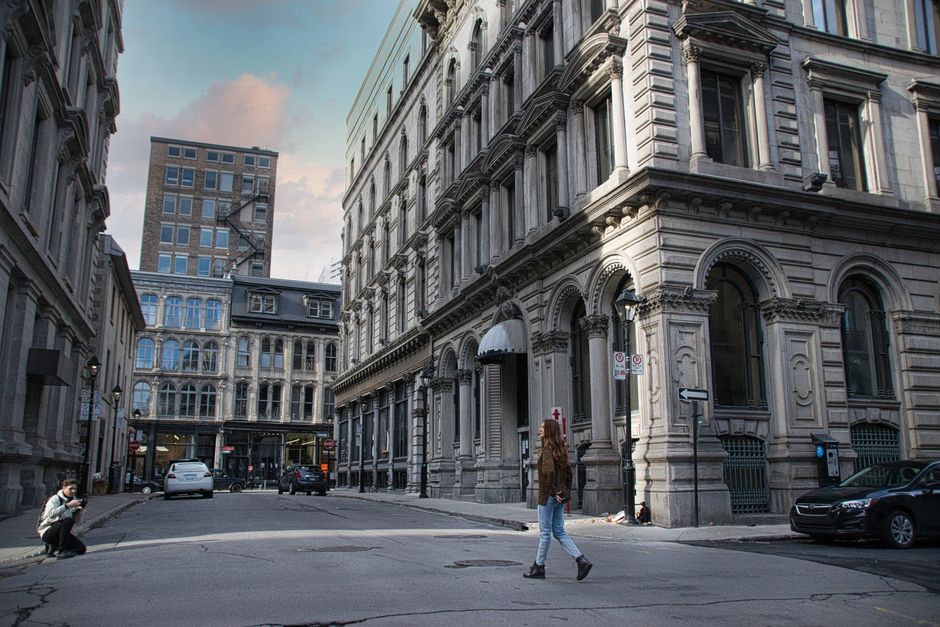
Villeray, Montréal, Canada
Much of central Montréal's grey stone architecture was quarried directly from beneath Villeray's streets.
Before it became a leafy residential district, Villeray was a vast limestone quarry, supplying the very material that built many of Montréal's iconic buildings, including Notre-Dame Basilica. These quarries shaped the landscape, leaving behind depressions that were later filled and built upon. Today, you can still observe subtle topographical shifts and the occasional exposed bedrock that hints at this geological past, offering a unique foundation story for the city.
3. Mile-Ex's AI Revolution
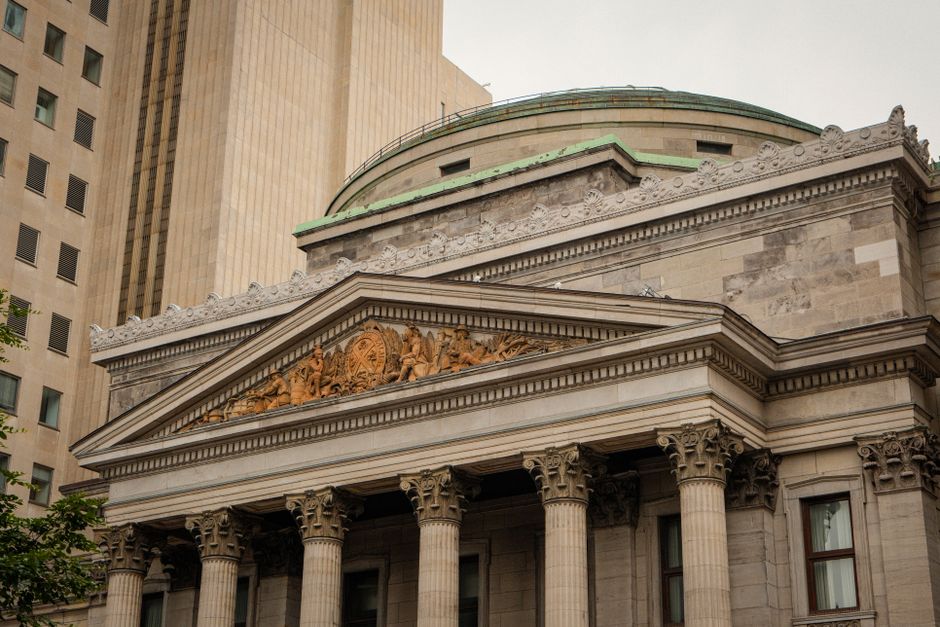
Mile-Ex, Montréal, Canada
This former garment district is now a global hub for artificial intelligence research.
Mile-Ex has undergone a dramatic transformation from its industrial past, characterized by textile factories and railway yards. Today, it hosts world-renowned AI research institutes and tech startups, attracting top talent and shaping the future of technology. Despite its modern reinvention, the neighborhood retains its gritty charm, with repurposed industrial buildings now housing innovative companies, reflecting Montréal's ability to adapt and evolve its economic landscape.
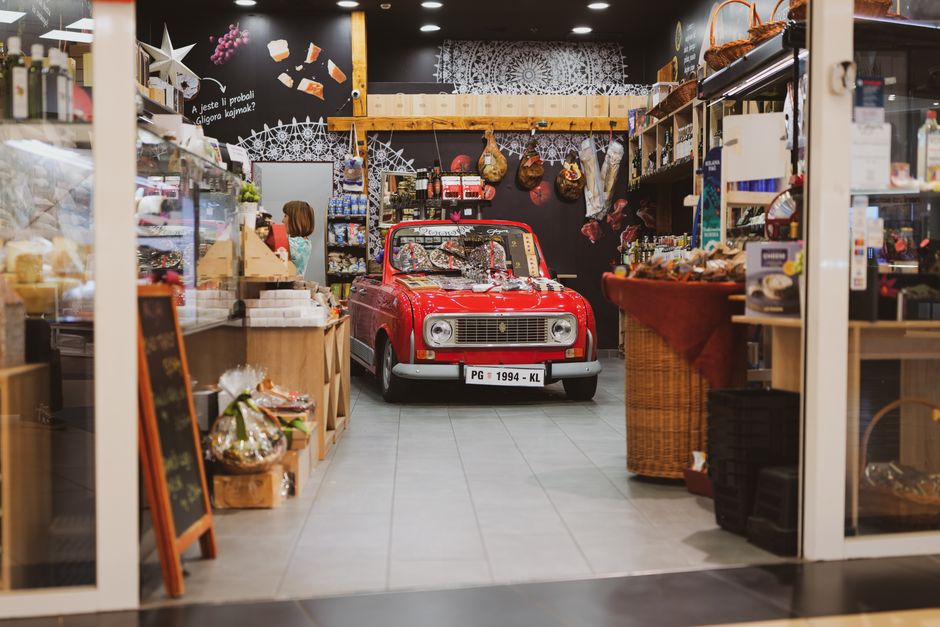
4. Hochelaga-Maisonneuve's Progressive Past
Hochelaga-Maisonneuve, Montréal, Canada
This district, often associated with the Olympic Stadium, was once a pioneering center for social reform and women's suffrage.
Far from just a sports venue, Hochelaga-Maisonneuve has a rich history as an independent city absorbed by Montréal. In the early 20th century, it was a hotbed of progressive ideas, hosting Canada's first women's suffrage rally in 1912. The grand Maisonneuve Market and the old public bathhouse (Bain Maisonneuve) stand as testaments to an ambitious civic vision focused on public welfare, contrasting sharply with its later reputation.
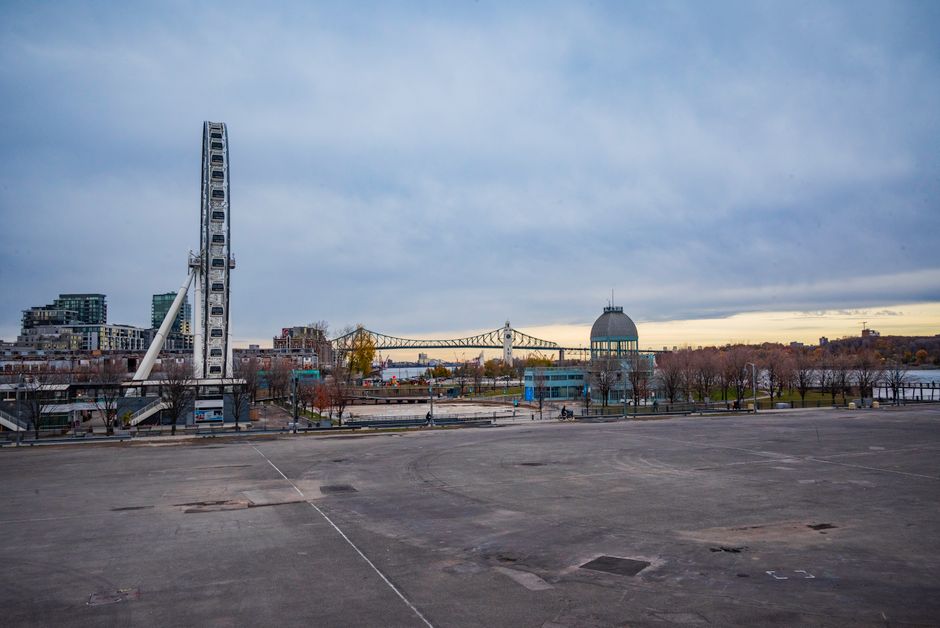
5. Verdun's Dry History and River Revival
Verdun, Montréal, Canada
For nearly a century, Verdun was the only "dry" borough in Montréal, prohibiting alcohol sales.
Founded by religious orders, Verdun maintained strict temperance laws from 1875 until 1965, earning it the nickname "the dry borough." This unique social experiment shaped its community life profoundly. Today, Verdun has transformed, revitalizing its waterfront along the St. Lawrence River into a popular urban beach and promenade, shedding its austere past for a vibrant, accessible public space that reflects a more modern Montréal.
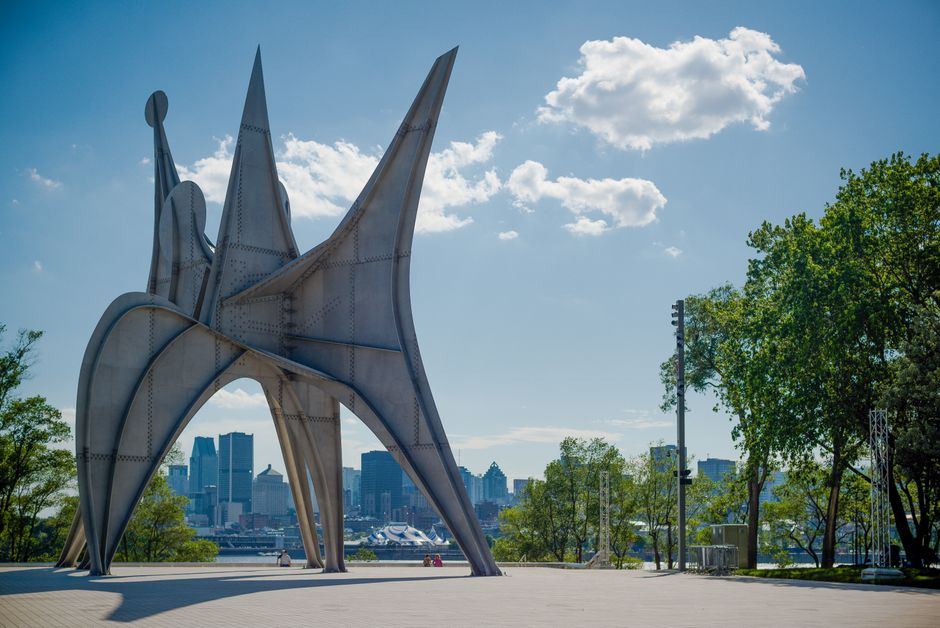
6. Parc Maisonneuve's Agricultural Roots
Rosemont-La Petite-Patrie, Montréal, Canada
What is now a sprawling urban park was once a large municipal farm and site of agricultural innovation.
Before it became the green expanse we know today, Parc Maisonneuve served as the City of Montréal's municipal farm and experimental garden in the early 20th century. It played a crucial role in feeding the city and testing new agricultural methods. This agricultural heritage underpins its current design, offering vast open spaces and mature trees that hint at its productive past, making it a unique example of urban planning evolution.
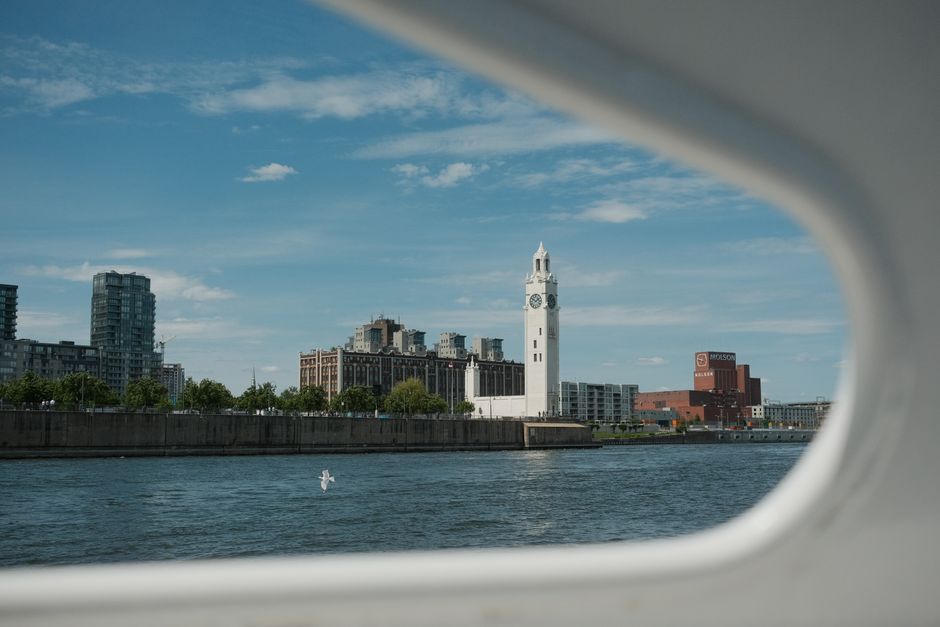
7. Old Lachine's Fur Trade Frontier
Lachine, Montréal, Canada
This far-west district was the "fur trade capital of Canada" and the site of a devastating 17th-century massacre.
Lachine was not just a point on the map; it was the strategic gateway for the vast fur trade routes stretching into the continent's interior. Its importance led to the Lachine Massacre in 1689, a brutal attack by Mohawk warriors that remains a pivotal, tragic event in New France's history. Today, the Old Lachine Canal National Historic Site and the Fur Trade at Lachine National Historic Site preserve this often-overlooked frontier legacy, offering a tangible link to a raw and vital chapter of Canadian history.
Frequently asked questions
What does 'good' and 'bad' mean for Montréal neighborhoods?
In Montréal, 'good' and 'bad' neighborhoods are less about safety and more about character, amenities, and historical context. Some areas are celebrated for their vibrant culture and unique architecture, while others might be considered 'bad' due to their industrial past, ongoing gentrification, or fewer tourist attractions, though these often hold the most compelling local stories.
Are Montréal's neighborhoods generally safe for travelers?
Montréal is widely considered a very safe city for travelers. Like any major urban center, it's wise to be aware of your surroundings, especially at night. The neighborhoods mentioned in this guide are generally safe to explore during the day, each offering a distinct local experience away from the main tourist flows.
Which Montréal neighborhoods are best for families or nightlife?
For families, areas like the Plateau Mont-Royal or Rosemont-La Petite-Patrie offer parks, quiet streets, and local amenities. For nightlife, the Latin Quarter, Le Village, or parts of the Plateau are popular choices. However, many neighborhoods offer a mix; for instance, Verdun now has vibrant restaurants and a lively waterfront.
How can AllTours.ai help me explore Montréal's hidden gems?
AllTours.ai enhances your exploration by turning your phone into an AI audio tour guide. Simply point your camera at any landmark, building, or landscape in Montréal, and the app will narrate its unique history, geological features, and cultural significance in your preferred language. It's like having a local expert revealing the true stories behind every corner, making the city's hidden gems come alive.
Photography via Pexels. AllTours.ai is an AI audio tour guide — point your camera at any landscape and hear its story.