September 5, 2026 · 4 min read
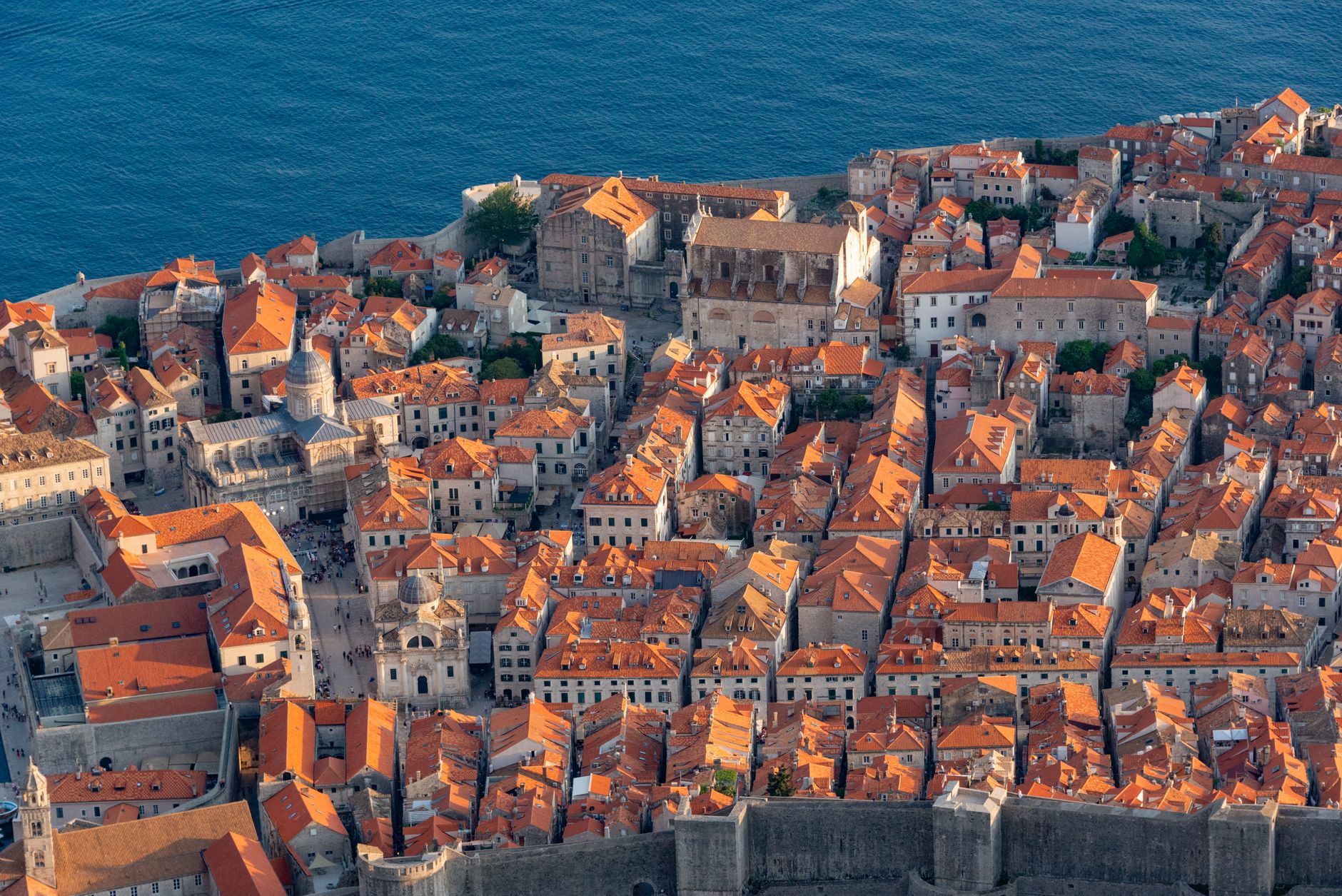
Quebec City, Quebec, stands alone in North America as the only fortified city north of Mexico whose ramparts are still largely intact. This remarkable preservation is a primary reason it earned its prestigious UNESCO World Heritage site designation. It's a living, breathing testament to European colonial architecture and urban planning, adapted to a New World setting.
But beyond the iconic Château Frontenac and bustling Rue du Petit Champlain, lie countless lesser-known corners that truly illuminate Quebec City's layered past. These are the places where history whispers not through grand pronouncements, but through specific, vivid stories. Join us as we explore the underrated sites that reveal the authentic, enduring spirit of this extraordinary city.

1. The Prison That Became a Library
Quebec City, Canada
This elegant building once hosted public executions and served as a grim prison before transforming into a bastion of English-language culture and knowledge.
Built in 1813, the Morrin Centre began its life as the Common Gaol of Quebec, notorious for its harsh conditions and public hangings. After its closure in 1867, it was acquired by the Literary and Historical Society of Quebec, North America's oldest learned society. Today, it houses a magnificent Victorian library, a preserved prison cell, and offers a unique glimpse into the city's intellectual and penal past.
2. The Unused Fortress
Quebec City, Canada
This circular stone tower was part of a crucial defense system built to repel an American invasion that, ultimately, never arrived.
One of four Martello Towers constructed on the Plains of Abraham between 1808 and 1812, Tower No. 1 stands as a testament to British defensive paranoia during the War of 1812. Designed to withstand heavy cannon fire, these squat, formidable structures were never actually tested in battle. Today, it offers panoramic views of the St. Lawrence River and serves as a quiet reminder of Quebec City's strategic military importance.
3. From Cannons to Cars
Quebec City, Canada
This sprawling site evolved from a French cannon foundry and British artillery park into a bustling manufacturing plant, before becoming a serene urban park.
Parc de l'Artillerie encapsulates centuries of Quebec City's industrial and military history. Originally established as a cannonball factory by the French, it was later expanded by the British to house their artillery and barracks. In the 20th century, parts of the complex were used to assemble cars, showcasing a remarkable industrial transformation. Today, visitors can explore archaeological remains, preserved military buildings, and learn about its layered past.
4. The Hidden Heart of French Culture
Quebec City, Canada
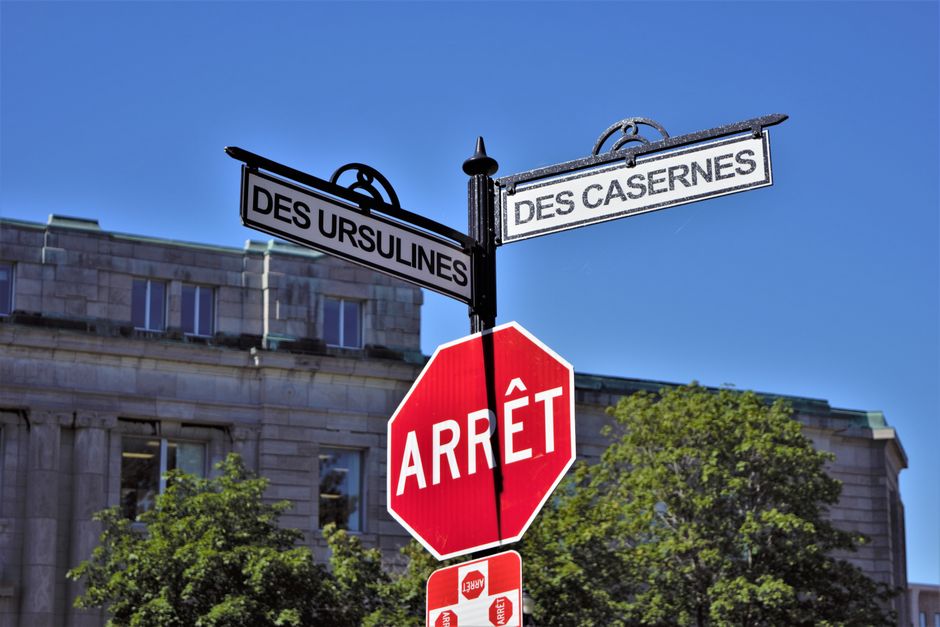
Behind its formidable walls, this convent secretly nurtured French language and culture for centuries, even after the British conquest.
Founded in 1639, the Ursuline Convent is the oldest institution of higher learning for women in North America. Following the British conquest in 1759, the Ursuline nuns became quiet guardians of French identity, teaching girls in French and preserving vital cultural traditions. While much of the convent remains private, its public museum and chapel offer glimpses into a continuous 380-year history of education and resilience.
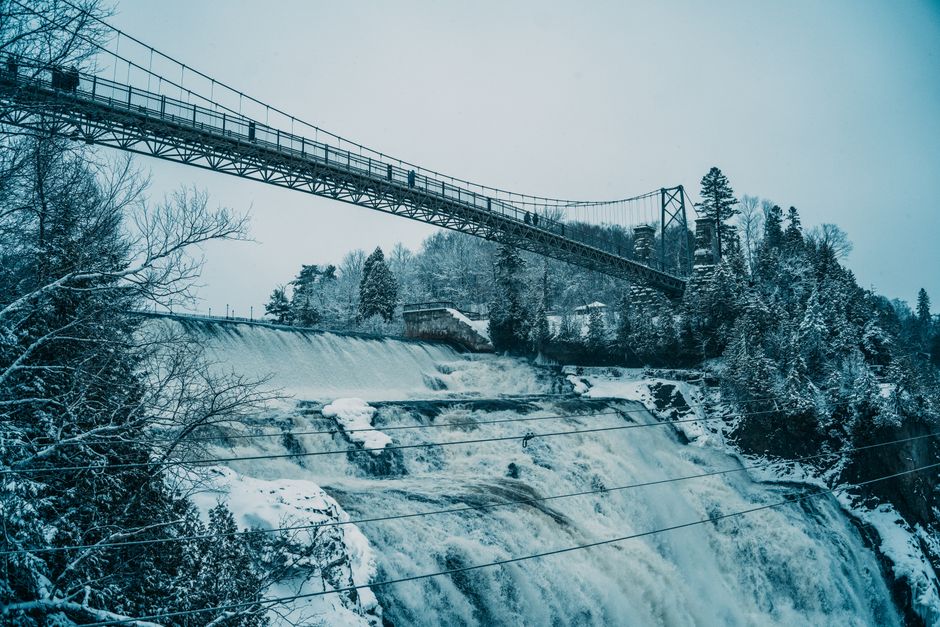
5. The Winter Waterfall Fortification
Quebec City, Canada
During winter, the immense ice cone at the base of this powerful waterfall once served as a natural defensive position and a popular, if treacherous, attraction.
Just outside the city walls, Montmorency Falls is taller than Niagara, crashing into the St. Lawrence River. In colder months, the mist freezes into a massive, natural ice structure known as the "Sugar Loaf." During the 1759 siege of Quebec, British General James Wolfe considered using this ice cone as a strategic point. For generations, locals also enjoyed climbing and sledding on it, a testament to its unique geological and cultural impact.
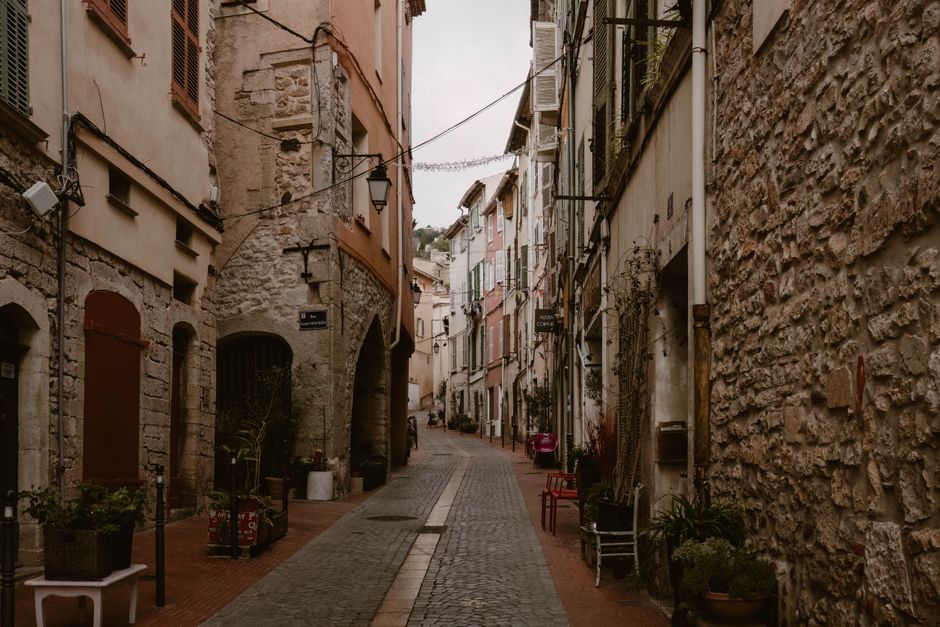
6. The Street Beneath the Cliff
Quebec City, Canada
This incredibly narrow street, built directly into the Cap Diamant cliff face, offered residents a unique shield from artillery fire during historic sieges.
Winding through the Lower Town, Rue Sous-le-Cap is one of North America's oldest and narrowest streets, barely wide enough for a single car. Its unique placement, pressed against the base of the towering cliff, wasn't just picturesque; it provided a natural defense. During the various sieges of Quebec, residents sought refuge here, protected from cannonballs arcing over from the Plains of Abraham above. It tells a quiet story of adaptation and resilience.
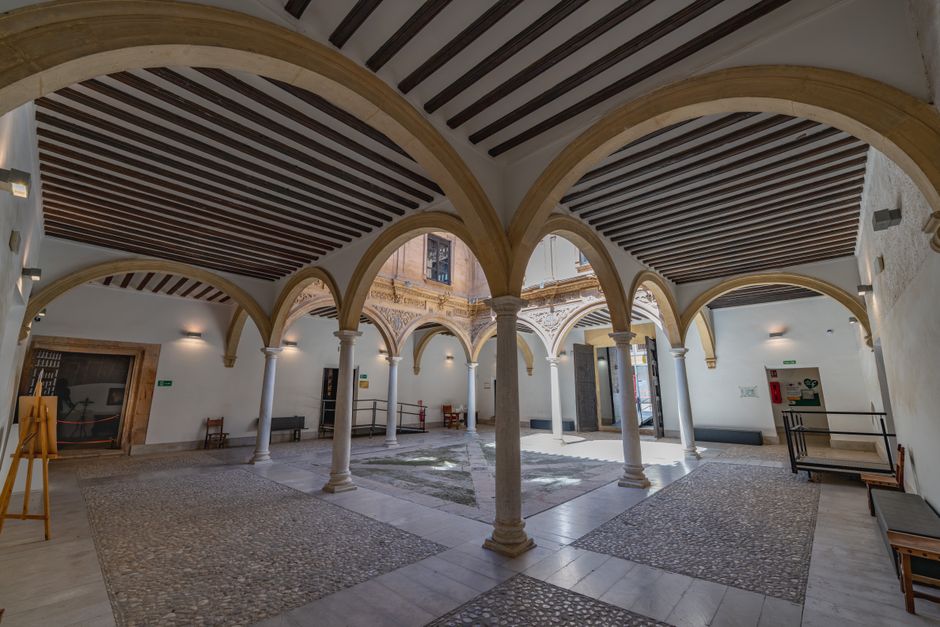
7. Healing Through Centuries
Quebec City, Canada
Housed within the continent's first hospital, this museum chronicles four centuries of medical history through the eyes of the Augustinian nuns who pioneered healthcare.
Located in the Hôtel-Dieu de Québec monastery, the Musée des Augustines offers an intimate look at the evolution of medicine and care since 1639. The Augustinian sisters, who established the first hospital in North America, collected thousands of artifacts detailing their pioneering work. Visitors can explore ancient surgical instruments, medicinal herb gardens, and the contemplative living spaces of the nuns, revealing a profound legacy of compassion and innovation.
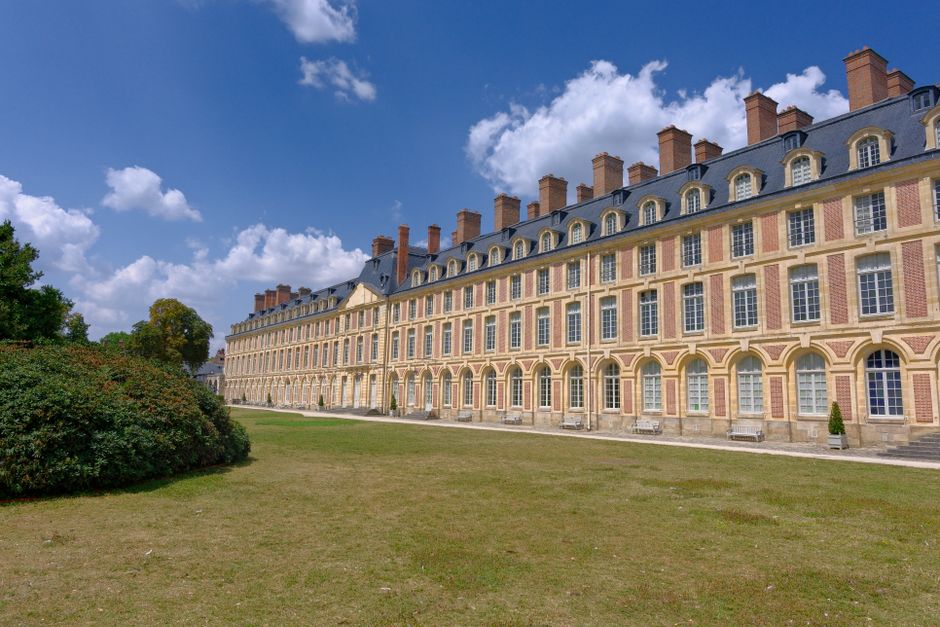
8. The Jesuit Mission's Enduring Legacy
Quebec City, Canada
One of Quebec's oldest surviving houses, this stone structure stands on the site of a significant Jesuit mission dedicated to Indigenous peoples, a complex chapter in colonial history.
Located in the Sillery district, the Maison des Jésuites dates back to the late 17th century, making it a rare survivor from the early colonial period. It was built near the site of a major Jesuit mission established in 1637 for the Algonquin and Montagnais peoples, a significant but controversial effort to evangelize and assimilate. The house itself, with its thick stone walls, silently testifies to centuries of cultural encounter, religious fervor, and the foundational layers of Quebec society.
Frequently asked questions
What makes Quebec City unique among North American cities?
Quebec City holds the distinct honor of being the only fortified city north of Mexico whose ramparts are still largely intact. This makes it an outstanding example of a colonial fortified city, showcasing European urban planning and defense strategies adapted to the New World.
What is the exact area designated as a UNESCO World Heritage site in Quebec City?
The UNESCO World Heritage site in Quebec City encompasses the entire historic district of Old Quebec. This includes both the Upper Town, with its citadel and fortified walls, and the Lower Town, characterized by its narrow streets and historic port.
Are there any specific historical periods that Quebec City's UNESCO status highlights?
While Quebec City's UNESCO status acknowledges its continuous history from its founding in 1608, it particularly highlights its role as a strategic center during the French and British colonial periods. The fortifications, architecture, and urban layout are physical manifestations of these transformative centuries.
How can the AllTours.ai app help me discover these lesser-known sites in Quebec City?
AllTours.ai transforms your smartphone into a personal AI tour guide. Simply point your camera at a landmark, building, or even a natural feature like Montmorency Falls, and the app will narrate its history, geology, and cultural significance in your language. It’s perfect for uncovering the vivid, specific stories of Quebec City's hidden gems, bringing them to life as you explore.
Photography via Pexels. AllTours.ai is an AI audio tour guide — point your camera at any landscape and hear its story.