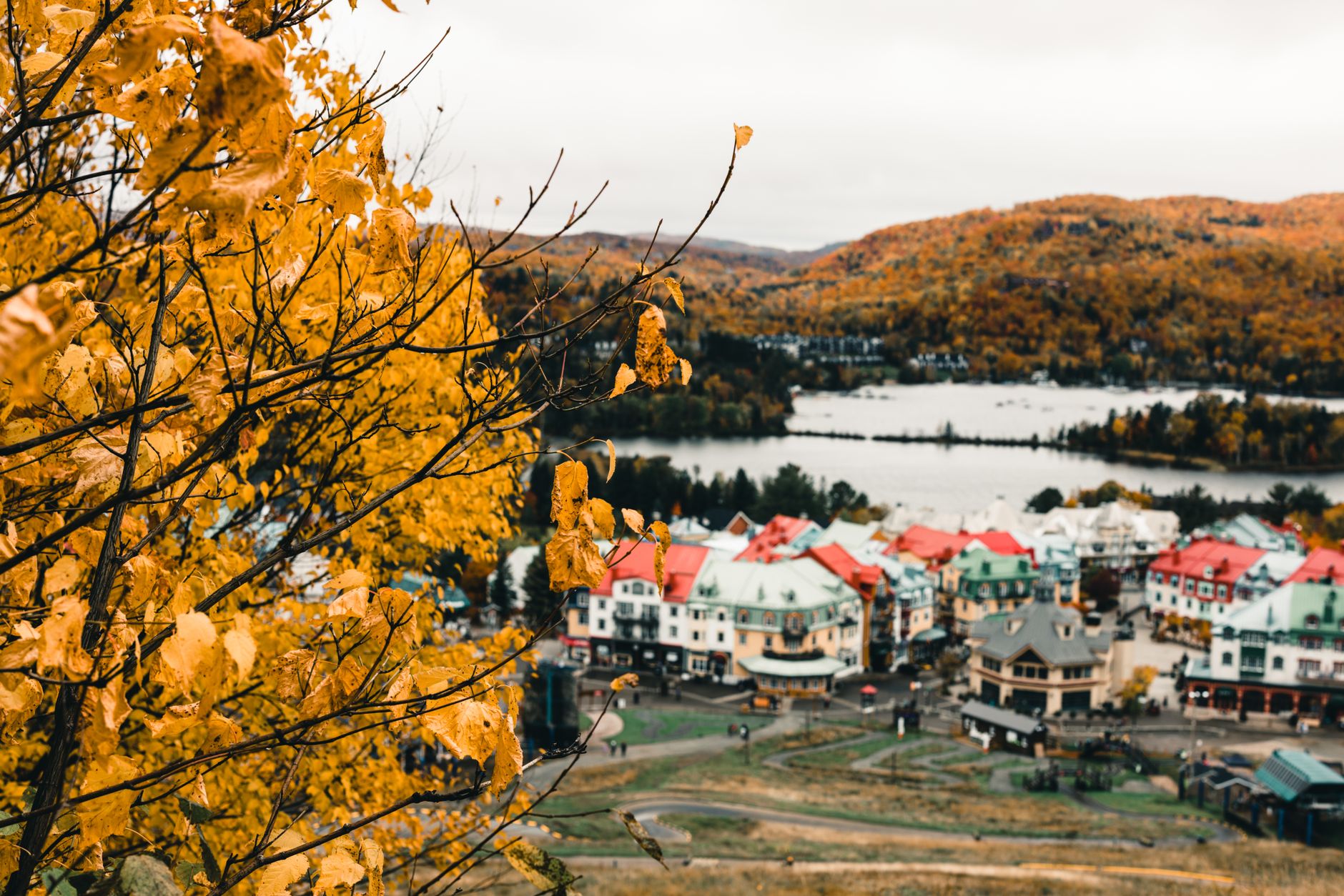
July 2, 2026 · 4 min read
For French tourists, a trip to Quebec often comes with an expectation of linguistic familiarity. After all, French is the official language. Yet, the moment informal Quebec French hits their ears, a fascinating realization dawns: this isn't Paris, or Lyon, or even Brussels. It's a vibrant, distinct dialect, rich with unique expressions, historical echoes, and surprising turns of phrase forged by centuries of North American life.
Beyond the well-trodden paths of Montreal and Quebec City, a deeper linguistic landscape awaits. These lesser-known corners of Quebec offer vivid glimpses into how geography, isolation, Indigenous influence, and historical events have sculpted a French that is both recognizable and wonderfully alien to European ears. Prepare to discover places where the very stones and stories seem to speak a different kind of French.
1. A Village Frozen in Time, and Tongue
Val-Jalbert, Quebec, Canada
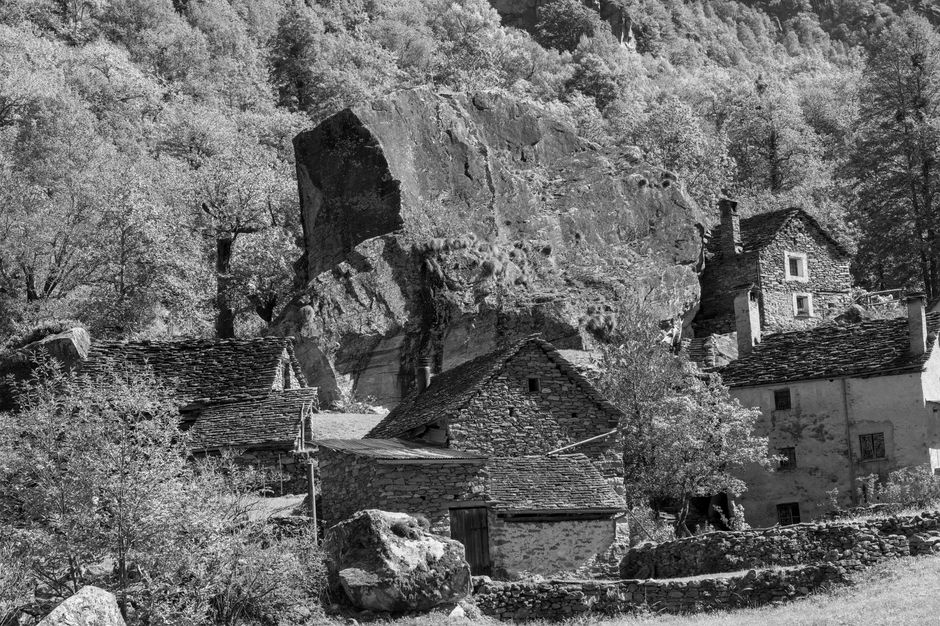
Step into a perfectly preserved 1920s company town where the echoes of a distinct, bygone Quebec French dialect still resonate.
Val-Jalbert offers a rare glimpse into early 20th-century Quebec life. When its pulp mill closed in 1927, residents left, preserving homes, a general store, and even the convent school as if time stopped. French tourists often note how local guides here use turns of phrase and vocabulary that sound distinctly archaic or regional, offering a fascinating 'linguistic fossil' from a period when Quebec's French was developing its own unique character, insulated from European influences.
2. Where Irish Echoes Met Quebecois Words
Grosse Île, Quebec, Canada
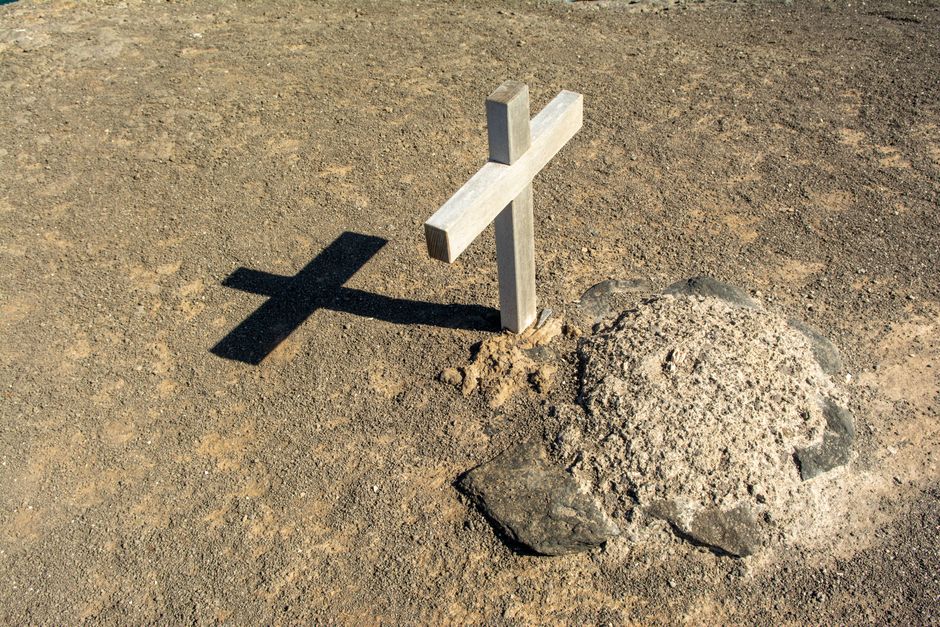
Discover an island where the French language adapted to compassion and tragedy, as Quebecers cared for Irish famine refugees.
Grosse Île served as Canada's primary quarantine station for immigrants, notably during the Great Irish Famine. French-speaking doctors, nurses, and clergy from Quebec ministered to waves of English and Gaelic-speaking arrivals, often struggling with linguistic barriers. This period saw the informal adaptation of French terms to describe new diseases, foreign customs, and the profound sorrow of the immigrants, creating a unique, albeit somber, chapter in Quebec's linguistic history.
3. The Island of Ancient Accents
Île aux Coudres, Quebec, Canada
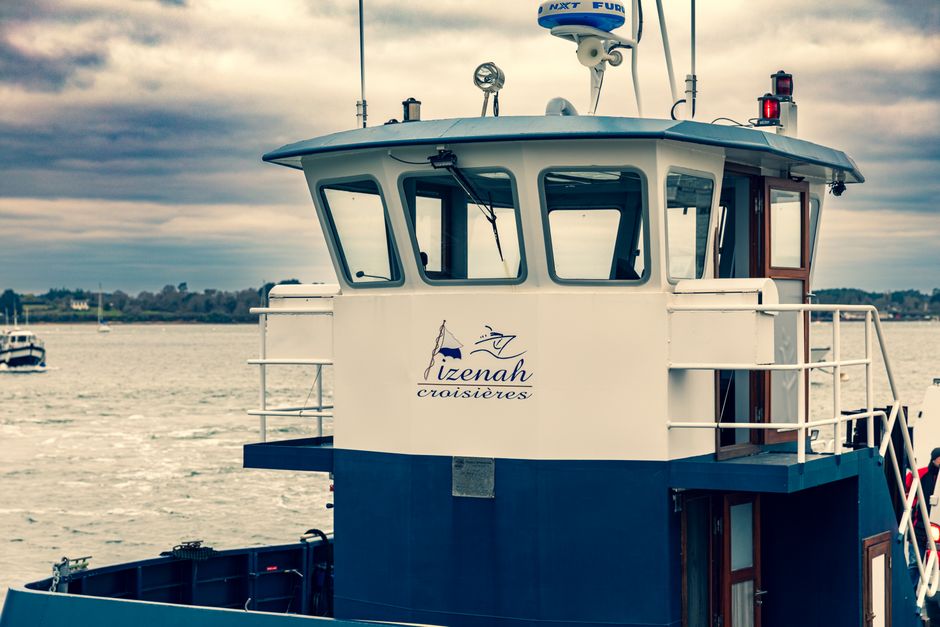
This tranquil island, accessible only by ferry, preserves an older form of Quebec French, a linguistic time capsule for visiting Francophones.
Île aux Coudres, located in the St. Lawrence River, remained relatively isolated for centuries, fostering a unique culture and, crucially, a distinct dialect. Local residents often use expressions and pronunciations that hark back to 17th and 18th-century French, forms that have largely disappeared from both modern European French and even other parts of Quebec. French tourists are often surprised by the cadence and specific vocabulary, feeling as though they're hearing echoes of their own linguistic past.
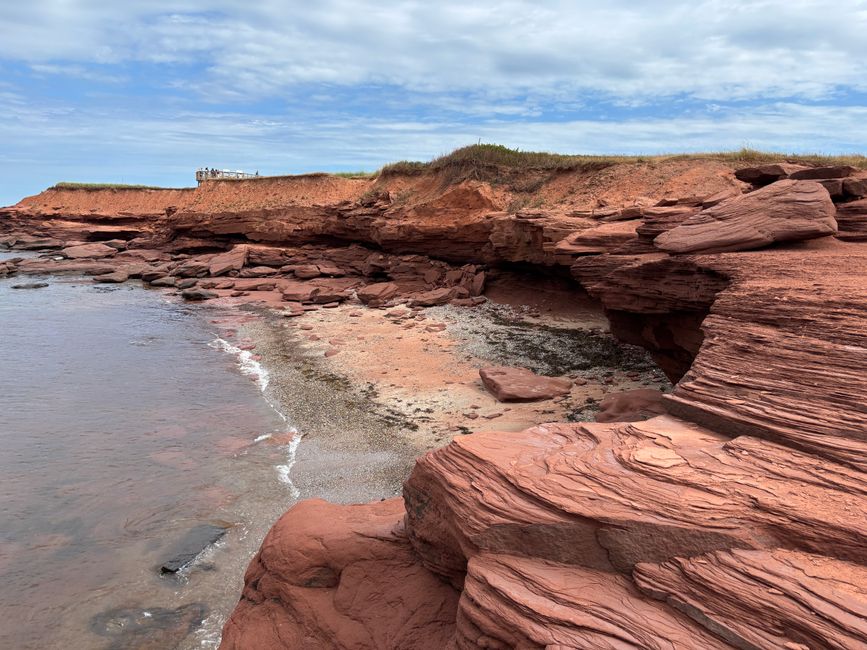
4. Windswept Words and Acadian Rhythms
Magdalen Islands, Quebec, Canada
These remote islands harbor a truly distinct, Acadian-influenced French dialect, a melodic surprise for ears accustomed to continental French.
Far out in the Gulf of St. Lawrence, the Magdalen Islands (Îles de la Madeleine) possess a unique cultural identity, heavily influenced by their Acadian heritage and maritime isolation. The local French dialect is characterized by its distinct intonation, different vowel sounds, and a vocabulary rich with terms related to fishing and island life, often surprising even other Quebecers. For French tourists, the rhythm and specific expressions can feel like encountering a familiar language spoken with an entirely new musicality.

5. Fjord-Forged French
Saguenay Fjord National Park, Quebec, Canada
The dramatic Saguenay Fjord inspired a unique local vocabulary, particularly among navigators and fishermen, that surprises those unfamiliar with its deep waters.
Carved by glaciers and reaching impressive depths, the Saguenay Fjord is one of the few fjords in the world inhabited by beluga whales. Its unique geography and the challenges of navigating its waters led to the development of specific French terms to describe currents, tides, fishing techniques, and local landmarks. French visitors, expecting standard nautical terms, often encounter a specialized lexicon born from centuries of interaction with this powerful natural wonder, reflecting the deep local connection to the environment.
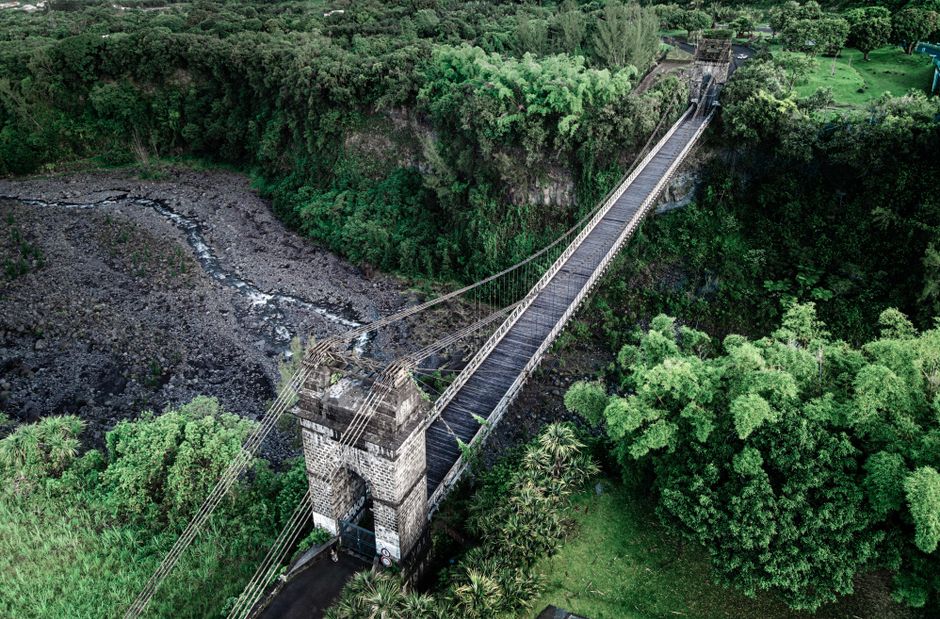
6. Legends Carved in Local Lore
Canyon Sainte-Anne, Quebec, Canada
The powerful Sainte-Anne River, carving this dramatic canyon, also inspired unique local folklore and linguistic expressions, surprising in their vividness.
Just outside Quebec City, the Canyon Sainte-Anne plunges over 70 meters, featuring spectacular waterfalls and suspension bridges. This impressive natural wonder has been a source of local legends and specific turns of phrase for generations. Lumberjacks and early settlers developed a rich, informal vocabulary to describe the river's power, the canyon's depths, and the surrounding forest, often employing imagery and metaphors distinct from standard French. French tourists may find these expressions surprisingly evocative and rooted in the land.
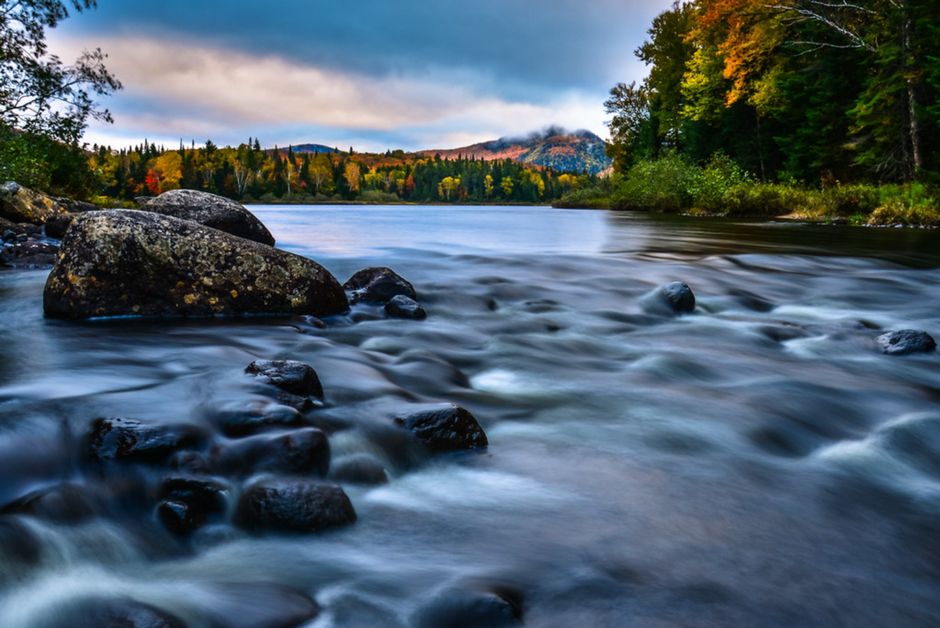
7. Valley of Indigenous Echoes
Parc National de la Jacques-Cartier, Quebec, Canada
This vast glacial valley, once a Huron-Wendat territory, still carries linguistic echoes in its place names and local French expressions.
Parc National de la Jacques-Cartier is a breathtaking glacial valley, home to a deep river canyon and rich wildlife. Long before European arrival, it was a vital hunting and fishing ground for the Huron-Wendat people. French settlers adapted and often Gallicized Indigenous place names, but the essence of these original terms, and how they influenced local French descriptions of the natural world, persists. French tourists might encounter local terms for flora, fauna, or geographical features that reveal this deep historical linguistic layering, a unique blend of cultures.

8. The Confluence of Tongues
Tadoussac, Quebec, Canada
As the site of North America's first French trading post, Tadoussac became a crucible where French and Innu languages blended, creating unique local expressions.
Perched at the confluence of the Saguenay and St. Lawrence rivers, Tadoussac was a strategic meeting point for Indigenous peoples for millennia before Samuel de Champlain established the first French trading post here in 1600. This long history of contact between French and Innu speakers led to a unique linguistic exchange. Many local place names, terms for marine life, and even certain turns of phrase reflect this ancient blending, offering French tourists a surprising glimpse into a truly North American French, distinct from its European roots.
Frequently asked questions
What's the biggest difference between Quebec French and European French?
The most notable differences include pronunciation (especially vowels and 'R' sounds), a distinct vocabulary featuring archaisms, anglicisms, and local neologisms, and certain grammatical constructions. Informal Quebec French can sound faster and more clipped to European ears.
Do French tourists struggle to understand Quebec French?
While generally mutually intelligible, French tourists might find informal Quebec French challenging initially, especially due to slang, faster speech, and different intonation. However, in formal settings or when speakers consciously moderate their speech, understanding is much easier. Many quickly adapt to the unique nuances.
Are there different accents within Quebec French?
Yes, just like in France, Quebec boasts regional accents and dialects. Montreal French differs from the more rural accents of the Bas-Saint-Laurent or Saguenay regions. The Magdalen Islands, for example, have an Acadian-influenced accent that stands out even within Quebec.
How can AllTours.ai help me understand Quebec's unique French and its stories?
AllTours.ai enhances your exploration by providing rich, contextual narratives. Simply point your phone camera at any landmark or landscape, and the app narrates its history, geology, and cultural significance in your preferred language. It's like having a local expert by your side, explaining the stories behind the places that shaped Quebec's unique language and identity.
Photography via Pexels. AllTours.ai is an AI audio tour guide — point your camera at any landscape and hear its story.