August 31, 2026 · 4 min read
The United States is a mosaic of landscapes, often hiding world-class geological and cultural wonders in its lesser-known corners. For the intrepid traveler seeking an escape from the ordinary, a road trip across these unique terrains offers not just safety and breathtaking scenery, but also a chance to feel like you've journeyed across continents without leaving home.
Forget the crowded national parks and well-trodden paths. We've curated a list of U.S. destinations that echo the dramatic beauty of global landscapes – from the moon's surface to Martian hillsides – each with a surprising story waiting to be uncovered.
1. Idaho's Lunar Training Ground
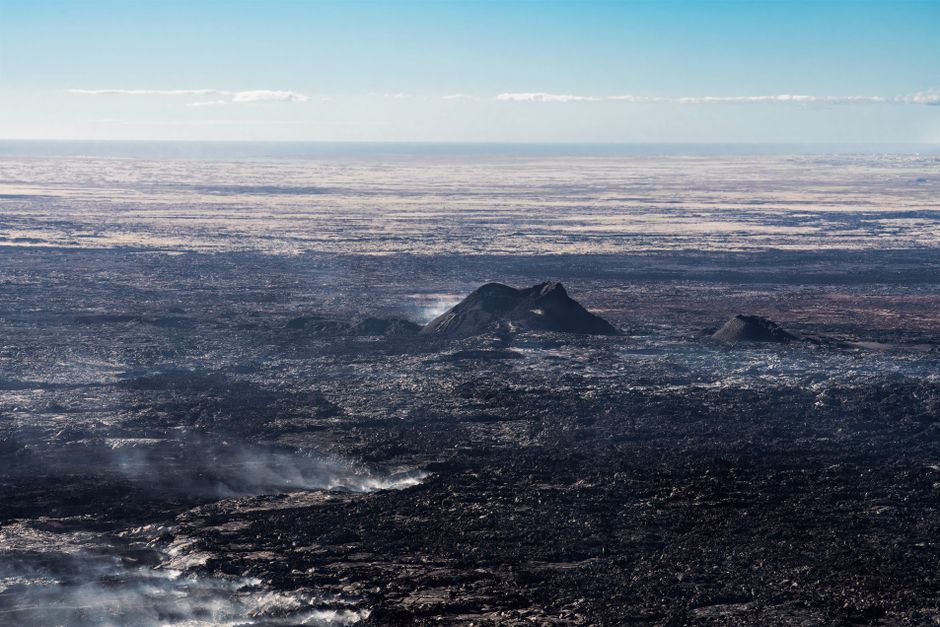
Craters of the Moon National Monument, Idaho
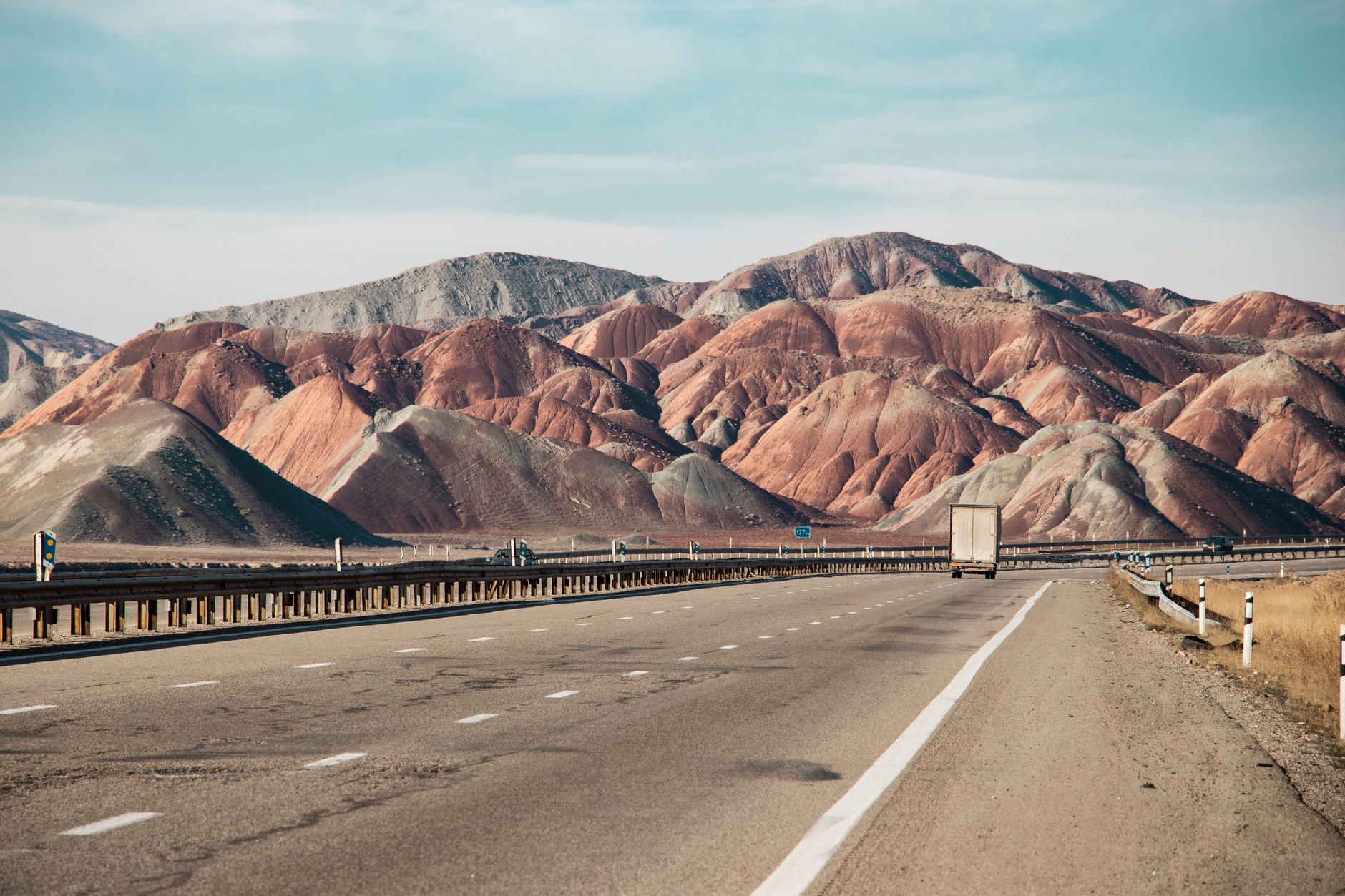
This stark, volcanic landscape was a vital training ground for Apollo astronauts preparing for moon missions.
Imagine walking on another planet, right here in Idaho. Craters of the Moon is a vast ocean of lava flows and cinder cones, formed by volcanic eruptions over thousands of years. Its desolate, otherworldly terrain so closely resembled the moon's surface that NASA sent astronauts here to learn geology and practice traversing the lunar-like environment.
2. Oregon's Martian Palette
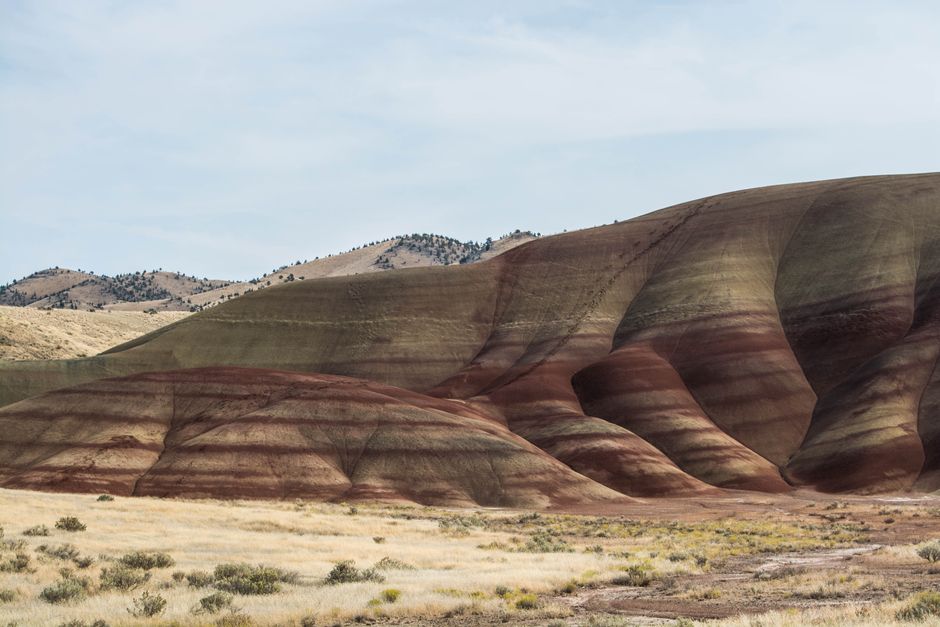
Painted Hills Unit, John Day Fossil Beds National Monument, Oregon
The vibrant stripes of these hills reveal millions of years of Earth's history, once home to ancient rhinos and tiny horses.
The Painted Hills are a geological marvel, displaying striking bands of red, gold, black, and green that shift with the light. Each color represents a distinct geological era, preserving fossilized plants and animals, including primitive camels, saber-toothed cats, and even rhinos from the Eocene epoch. It's a living textbook of Earth's past, resembling a landscape pulled from Mars.
3. Washington's Ice Age Waterfall
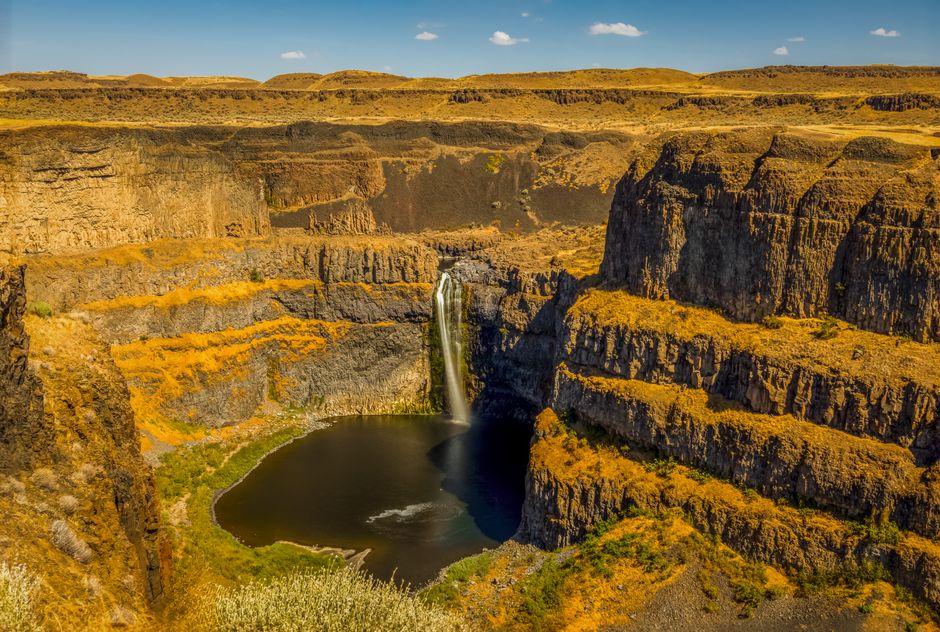
Palouse Falls State Park, Washington
This spectacular waterfall and canyon were carved by catastrophic Ice Age floods, some of the largest known in Earth's history.
Palouse Falls is a breathtaking testament to the immense power of water. Unlike most waterfalls formed by gradual erosion, Palouse Falls was dramatically sculpted in mere days by the Missoula Floods, which occurred at the end of the last Ice Age. These massive floods, carrying ice and debris, scoured out the Palouse River canyon, leaving behind the unique columnar basalt formations reminiscent of Iceland's volcanic landscapes.
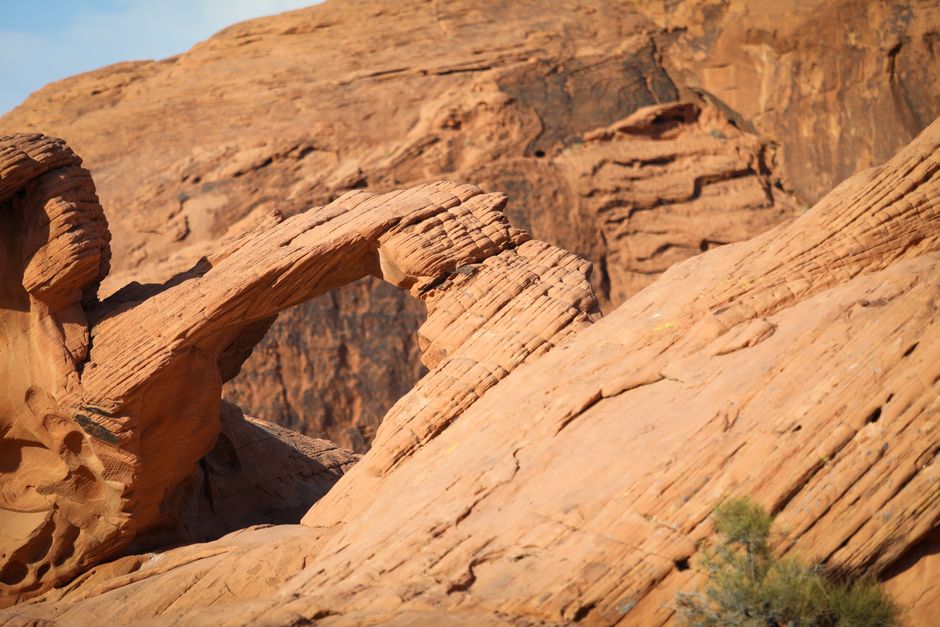
4. Nevada's Ancient Red City
Valley of Fire State Park, Nevada
Its vibrant red hues come from iron oxidation, and its rocks hold ancient petrified trees and petroglyphs from early peoples.
Venture into Nevada's Valley of Fire, where Aztec sandstone formations glow fiery red, especially at sunrise and sunset. This surreal landscape, sculpted by wind and water over 150 million years, contains petrified trees that are even older, and intricate petroglyphs carved by early Native Americans. The park feels like walking through an ancient, forgotten city, with its natural arches, slot canyons, and massive sandstone waves.
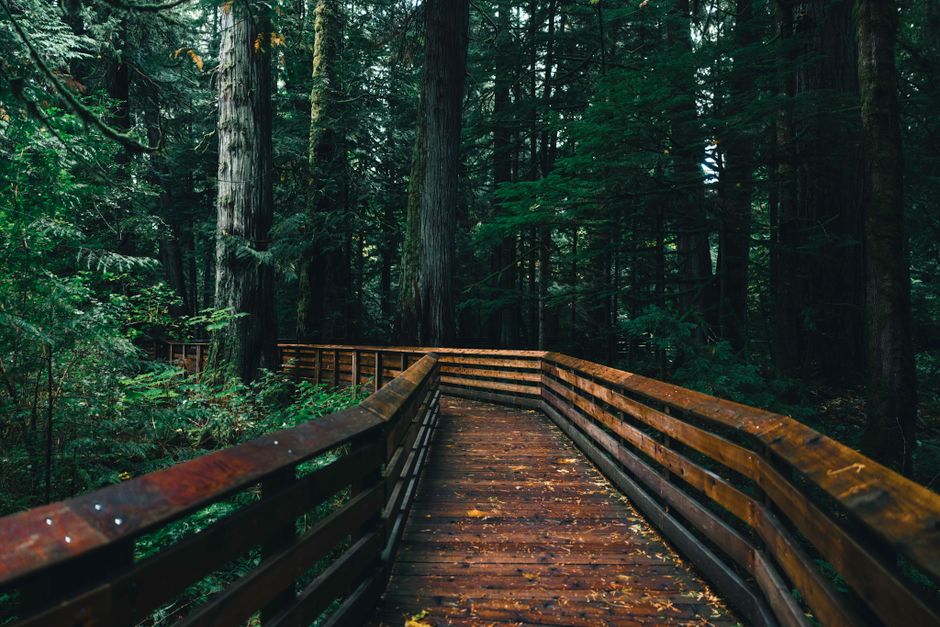
5. South Carolina's Amazonian Forest
Congaree National Park, South Carolina
This flood-dominated ecosystem is home to champion trees, the tallest of their species in the Eastern U.S., thriving in an 'old-growth' bottomland hardwood forest.
Deep within South Carolina lies Congaree, a sprawling, primeval forest that feels like a journey into the Amazon. It protects the largest intact tract of old-growth bottomland hardwood forest in North America, with towering bald cypress and loblolly pines reaching over 130 feet. The park's unique ecosystem, shaped by the seasonal flooding of the Congaree River, creates a rich biodiversity and an atmosphere of ancient wilderness, best explored via elevated boardwalks or canoe.
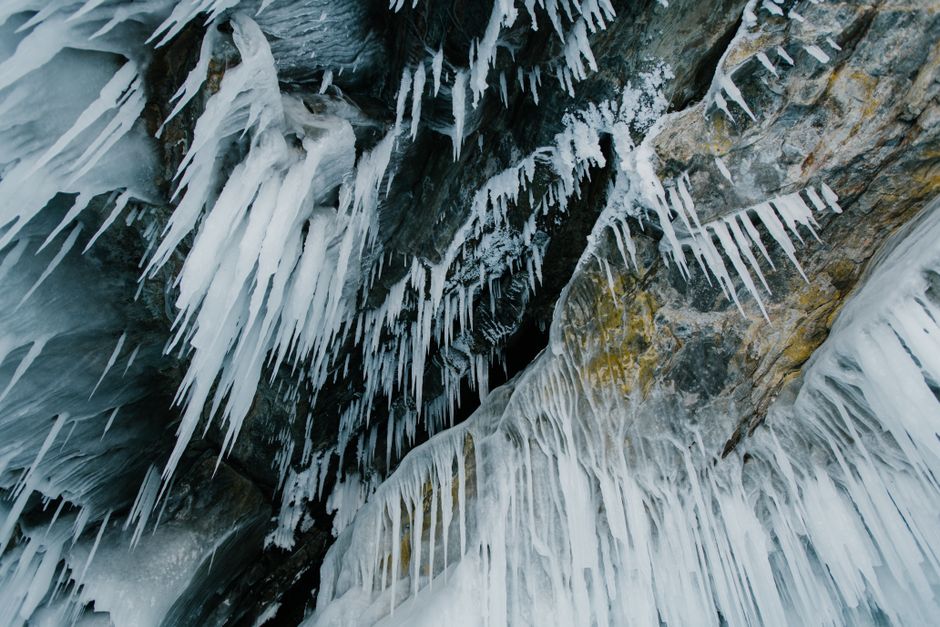
6. Wisconsin's Nordic Ice Caves
Apostle Islands National Lakeshore, Wisconsin
In winter, Lake Superior transforms its sea caves into otherworldly ice cathedrals, accessible only when the lake freezes solid.
Along the shores of Lake Superior, the Apostle Islands offer stunning sandstone sea caves, carved by millennia of wind and waves. While beautiful year-round for kayaking, it's the winter transformation that truly captures global wonder. When Lake Superior's icy grip is strong enough, these caves become spectacular ice formations, adorned with frozen waterfalls and delicate icicles, creating a fleeting, magical landscape reminiscent of Nordic grottoes.
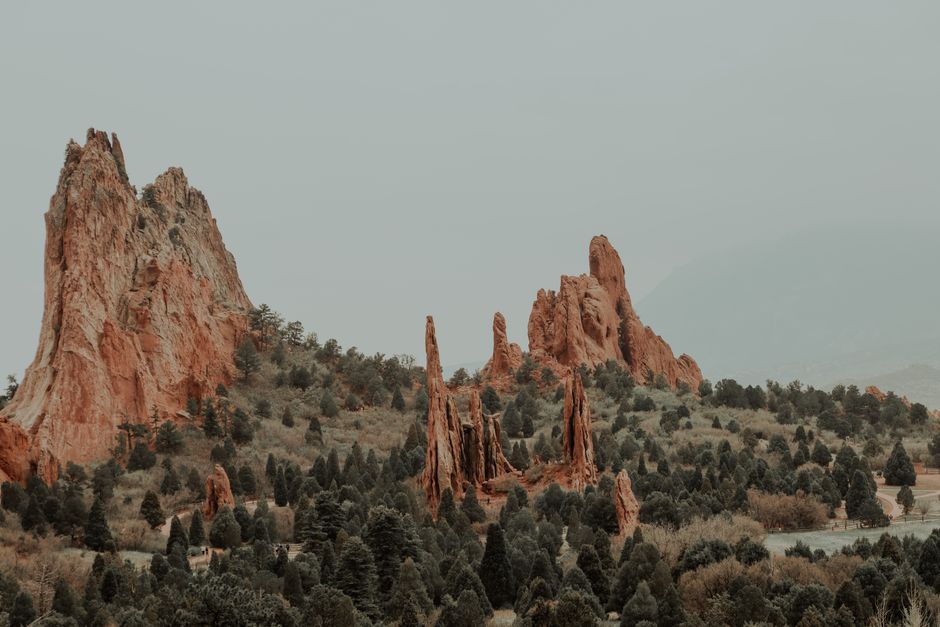
7. Illinois's Stone Giants
Garden of the Gods Recreation Area, Shawnee National Forest, Illinois
Its distinctive sandstone formations were once the bottom of an ancient sea, later sculpted by wind and water into 'cities of rock' with names like Camel Rock.
Hidden in Southern Illinois, the Garden of the Gods features stunning sandstone bluffs and rock formations that stand like ancient giants. These structures, including the famous Camel Rock, were formed over 300 million years ago when the area was covered by a vast inland sea. Erosion then carved the soft rock into fantastical shapes, creating a landscape that evokes comparisons to mythical ruins or Ireland's fairy rings, inviting exploration along its well-maintained trails.
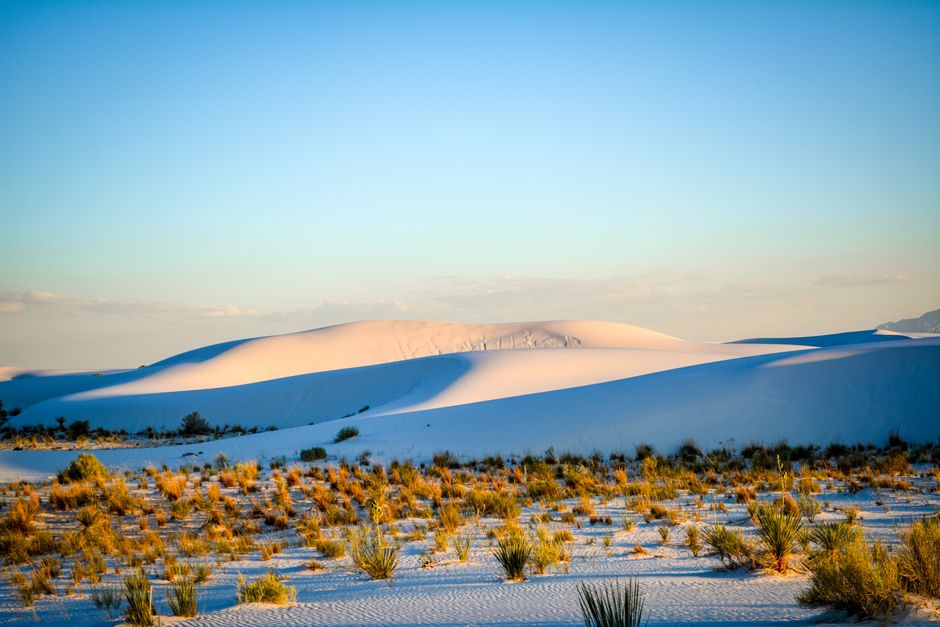
8. New Mexico's Gypsum Desert
White Sands National Park, New Mexico
This isn't a silica desert, but the world's largest gypsum dunefield, creating a landscape of 'snow-like' white sand and unique wildlife.
Step into a world of pure white in New Mexico's White Sands National Park. Unlike typical deserts composed of quartz, these dunes are made entirely of gypsum crystals, making them cool to the touch and reflecting sunlight with a blinding brilliance. This unique geological phenomenon has created a fragile ecosystem where plants and animals have evolved distinct adaptations, including white coloration, to survive in this dazzling, almost alien environment.
Frequently asked questions
What makes a road trip route "safe" in remote U.S. areas?
Safety on remote U.S. road trips prioritizes well-maintained roads, reliable cell service, and proximity to towns for supplies and emergencies. Always check local weather forecasts, especially for potential flash floods or winter storms, and ensure your vehicle is in excellent condition before departure.
How can I find unique, less crowded U.S. road trip destinations?
To discover hidden gems, look beyond popular national parks to state parks, national monuments, and national forests. Research local geological features, historical events, or cultural stories that shaped a region, as these often lead to truly unique and less-trafficked sites.
What should I pack for a multi-day scenic road trip to diverse U.S. landscapes?
Essentials for a multi-day scenic road trip include robust navigation tools (both GPS and physical maps), a comprehensive emergency kit, ample water and non-perishable snacks, and versatile clothing layers. For very remote areas, consider extra fuel containers and a satellite communication device.
How can the AllTours.ai app enhance my road trip experience?
The AllTours.ai app serves as your personal AI tour guide, transforming every view into a narrated story. Simply point your phone camera at any landmark or landscape, and it will instantly narrate its history, geology, and culture in your preferred language, bringing the world around you to life.
Related guides
Photography via Pexels. AllTours.ai is an AI audio tour guide — point your camera at any landscape and hear its story.